In today's rapidly evolving world, technology continues to reshape the way we live and work. One industry that has embraced this transformative power is manufacturing, particularly with the rise of casting robots. These cutting-edge machines are revolutionizing the future by streamlining production processes, increasing efficiency, and reducing costs. Casting robots, equipped with advanced artificial intelligence and precision engineering, are replacing traditional manual labor in various manufacturing industries. These advanced robots offer unmatched accuracy and speed, ensuring consistent and high-quality output. From automotive and aerospace to electronics and medical devices, casting robots are being implemented across sectors with remarkable results. With their ability to perform intricate and repetitive tasks with utmost precision, casting robots are revolutionizing manufacturing industries. They not only enhance productivity but also promote workplace safety by minimizing the risk of human error and injuries. Furthermore, these robots can significantly reduce production time, leading to faster delivery and improved customer satisfaction. As manufacturing industries look to stay competitive in a global market, casting robots are becoming an indispensable asset. With their capabilities to optimize production, improve product quality, and streamline operations, these robots are playing a pivotal role in shaping the future of manufacturing.
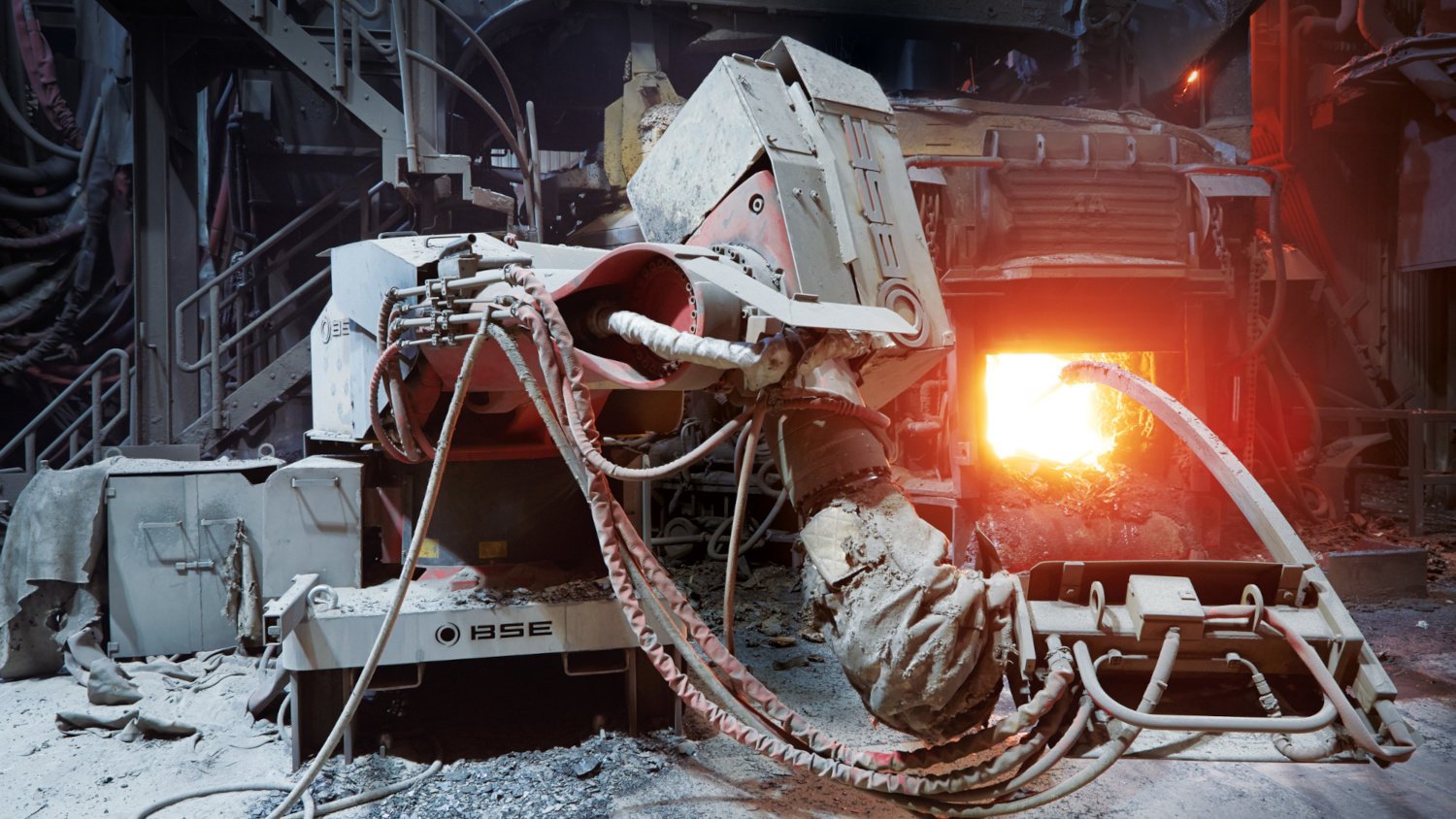
Advantages of Casting Robots in Manufacturing
Casting robots are revolutionizing the manufacturing industry, offering a multitude of advantages that redefine the production landscape. One of the most significant benefits is the remarkable increase in productivity and efficiency. These robots, equipped with advanced technology, exhibit precision and consistency beyond human capabilities. With the ability to work around the clock without fatigue, they accelerate the production process and reduce the time required to complete tasks.
Moreover, casting robots enhance the safety of manufacturing operations. In hazardous environments, such as foundries or areas with extreme temperatures, robots excel in maintaining the well-being of workers. They can withstand conditions that are unsuitable for humans and perform tasks with high precision, minimizing the risk of accidents and injuries.
Another noteworthy advantage is the reduction in material wastage. Casting robots optimize the use of materials, as their programming ensures minimal scrap. This not only saves costs but also contributes to environmental sustainability, aligning with the growing global emphasis on green manufacturing.
Furthermore, casting robots offer adaptability and versatility. They can be reprogrammed and customized for various tasks, enabling manufacturers to respond swiftly to changing market demands. This adaptability is crucial in today's fast-paced manufacturing landscape, where flexibility is a competitive advantage.
Incorporating casting robots into manufacturing processes also leads to higher quality products. The precision and consistency of these robots result in fewer defects and variations in the final product, enhancing the overall quality of goods. This, in turn, bolsters a company's reputation and customer satisfaction.
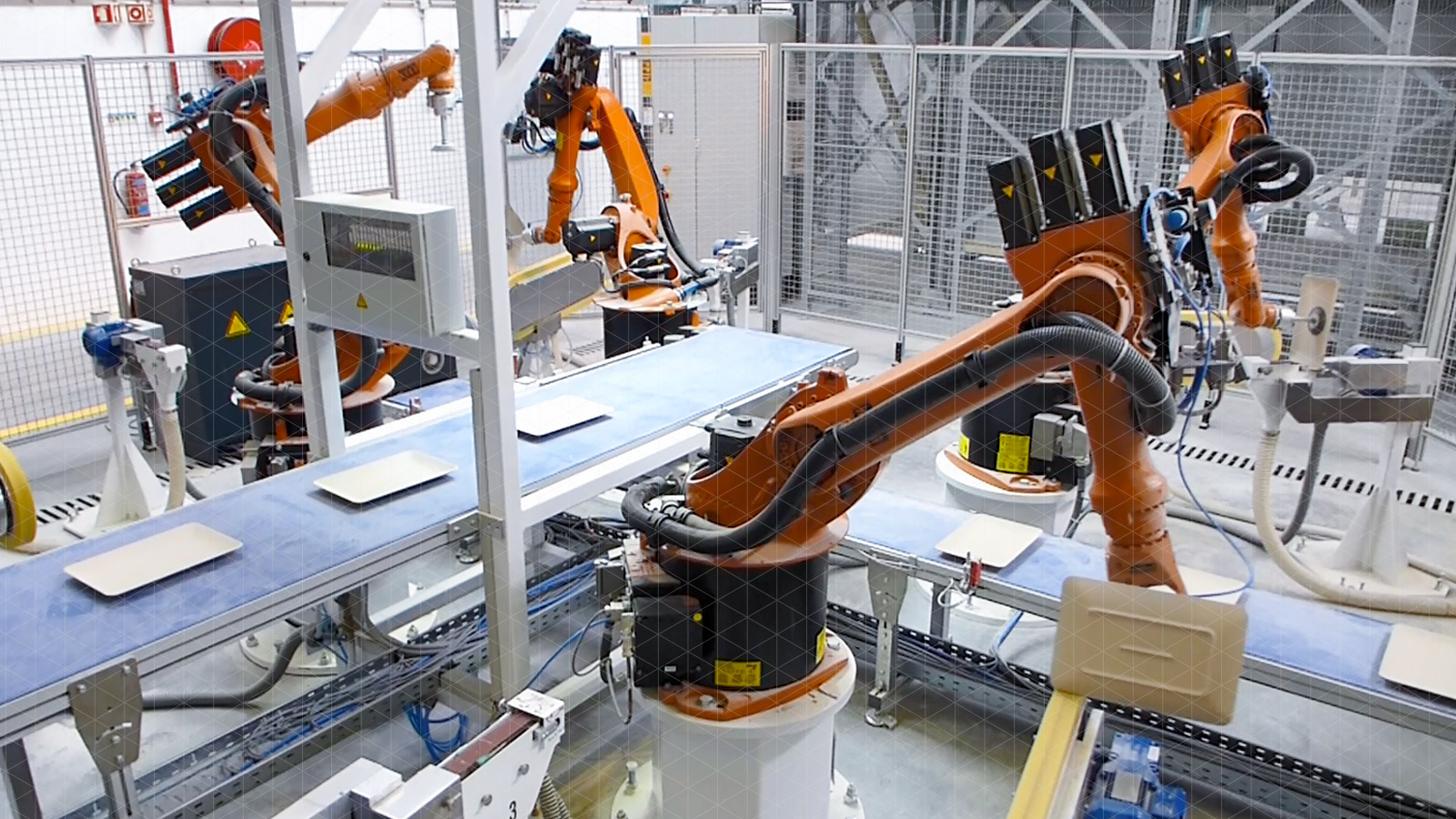
The Impact of Casting Robots on Productivity and Efficiency
The introduction of casting robots into manufacturing has a profound impact on productivity and efficiency. These machines work tirelessly, 24/7, without breaks or fatigue, ensuring a continuous production flow. This non-stop operation not only accelerates the manufacturing process but also allows for quicker turnaround times, meeting customer demands more efficiently.
Casting robots excel in repetitive and labor-intensive tasks, freeing up human workers to focus on more complex, creative, and value-added activities. This redistribution of tasks optimizes the workforce, resulting in a higher overall productivity rate.
Furthermore, casting robots operate with remarkable precision and consistency. Their accuracy in performing tasks, such as pouring molten metal into molds or conducting quality inspections, eliminates variations in product quality. This consistency translates into reduced rework and scrap, saving both time and resources.
In addition to their precision, casting robots are equipped with sensors and cameras that allow for real-time monitoring and data collection. This data can be analyzed to identify bottlenecks and areas for process improvement, further enhancing efficiency.
One of the indirect impacts of casting robots on productivity is their contribution to employee morale. By taking on physically demanding and repetitive tasks, robots relieve workers from monotonous labor, leading to increased job satisfaction and reduced turnover rates.
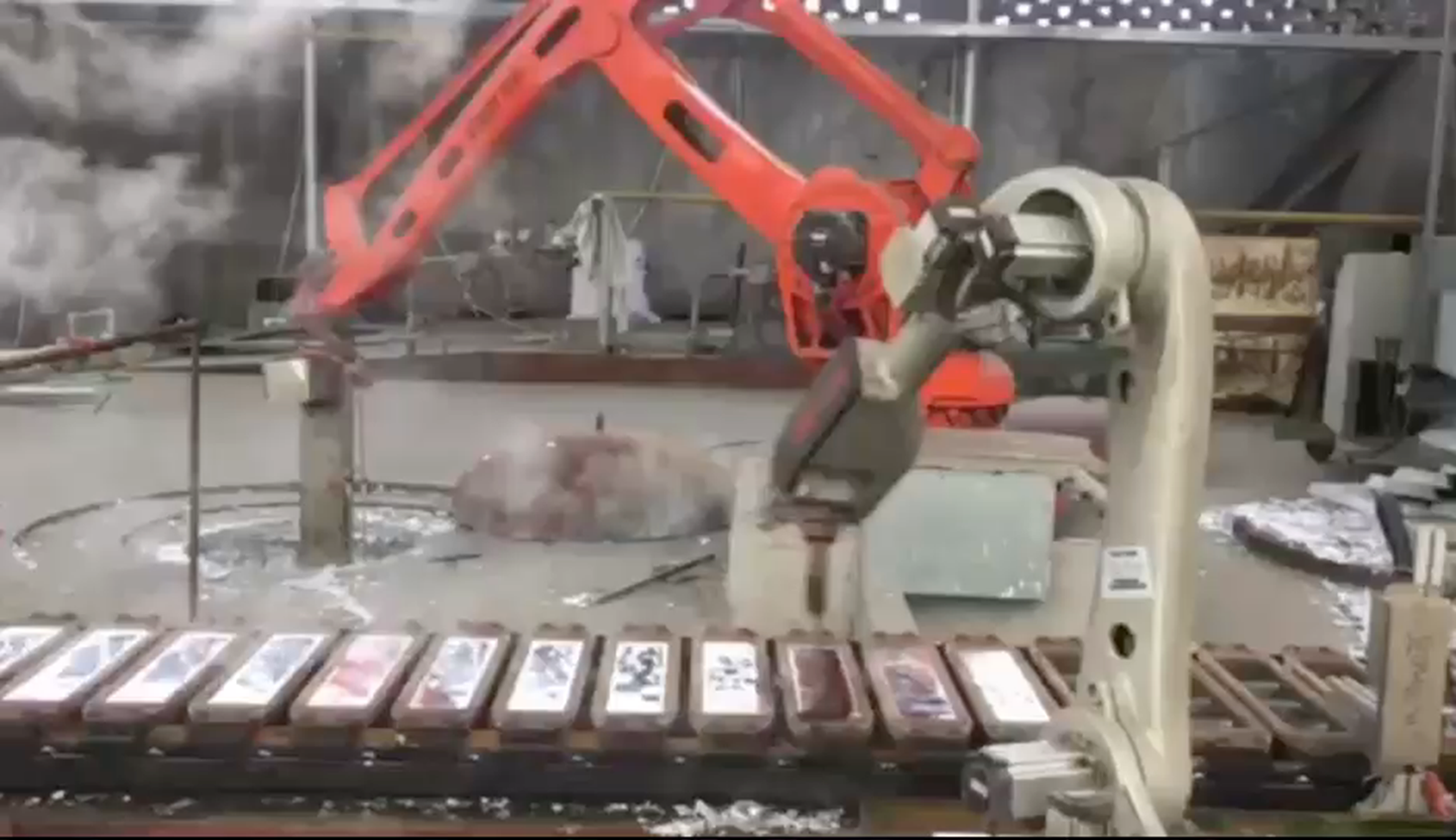
Case Studies: Successful Implementation of Casting Robots in Manufacturing
To truly grasp the transformative potential of casting robots in manufacturing, examining real-world case studies of successful implementations is essential. These examples not only highlight the benefits but also provide insights into overcoming challenges.
In the automotive industry, a leading manufacturer implemented casting robots in their engine block production line. These robots were programmed to pour molten aluminum into molds with unparalleled precision. As a result, the company experienced a 30% reduction in defects and a 20% increase in production speed. The return on investment (ROI) was achieved in less than a year due to the improved product quality and increased output.
In the aerospace sector, a major aircraft component manufacturer adopted casting robots for intricate, high-precision tasks. The robots' ability to work in extreme temperatures and hostile environments ensured consistent quality. The company reported a 40% reduction in scrap and a 25% boost in overall productivity. Additionally, the reduced need for manual labor in hazardous conditions led to improved workplace safety.
The foundry industry has also embraced casting robots with remarkable success. A foundry specializing in complex metal castings integrated robots into their sand molding process. This move not only resulted in a 50% decrease in defects but also allowed for a 24/7 production cycle. The company achieved an impressive ROI within six months and expanded its product offerings due to increased production capacity.
These case studies underscore the tangible benefits of casting robots, including improved product quality, increased productivity, and rapid ROI. They serve as powerful examples for manufacturers considering the adoption of this transformative technology.
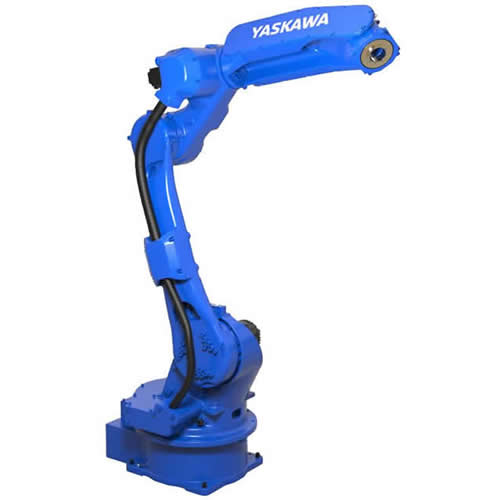
Challenges and Limitations of Casting Robots in Manufacturing
While the advantages of casting robots in manufacturing are substantial, it's essential to acknowledge the challenges and limitations that come with their implementation.
One of the primary challenges is the initial cost. Acquiring and setting up casting robots can be a significant investment for manufacturers, especially for small and medium-sized enterprises (SMEs). However, it's crucial to consider the long-term benefits and ROI, as many companies recoup their investments within a relatively short period.
Another challenge is the need for skilled personnel to operate and maintain casting robots. Training and education programs must be in place to ensure that employees can effectively utilize this technology. This requires an investment in both time and resources.
Integration into existing manufacturing processes can also be a hurdle. Manufacturers may need to modify their workflows and infrastructure to accommodate casting robots. This transition can disrupt operations temporarily but is often necessary for long-term efficiency gains.
Casting robots are not a one-size-fits-all solution. Their effectiveness depends on the specific manufacturing process and industry. For some applications, traditional manual labor may still be more cost-effective or practical. Therefore, a thorough analysis of the manufacturing process is crucial before deciding to implement casting robots.
Moreover, casting robots may not be suitable for highly customized or low-volume production. Their strength lies in repetitive, high-volume tasks. Manufacturers with diverse product lines or low production volumes may find limited benefits in adopting this technology.
Lastly, cybersecurity concerns must be addressed. As casting robots are connected to networks and often controlled remotely, they can be vulnerable to cyberattacks. Manufacturers need robust cybersecurity measures to protect their operations and sensitive data.
Acknowledging these challenges and limitations is essential for making informed decisions about implementing casting robots in manufacturing.
Future Trends and Innovations in Casting Robots
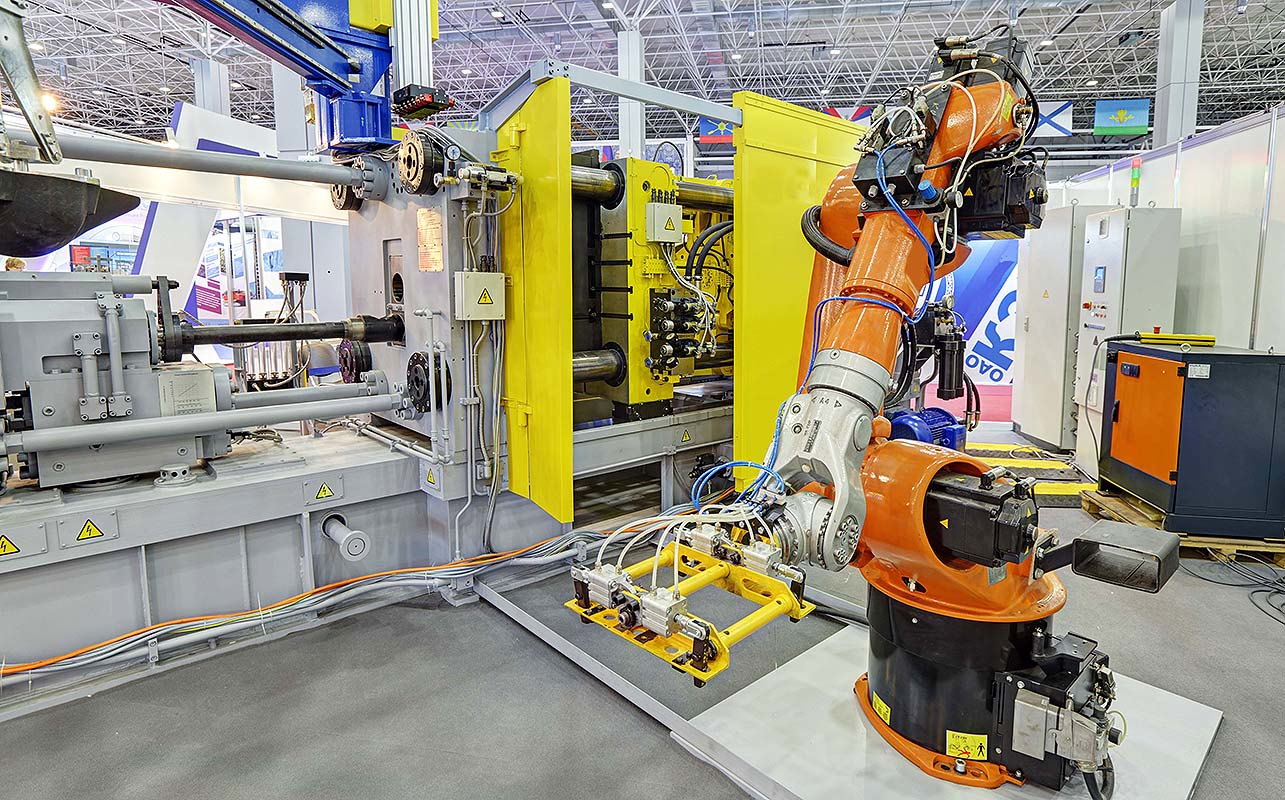
The future of casting robots in manufacturing holds exciting possibilities, driven by ongoing innovations and advancements in technology. These trends are poised to further transform the industry.
-
AI and Machine Learning Integration: Casting robots are becoming smarter with the integration of artificial intelligence (AI) and machine learning algorithms. They can learn from data and adapt to changing conditions, making them more versatile and capable of handling complex tasks.
-
Collaborative Robots (Cobots): Collaborative robots are designed to work alongside humans, sharing tasks and workspace safely. In manufacturing, this trend is evolving to include casting robots that can collaborate with human workers, enhancing both productivity and safety.
-
IoT Connectivity: Casting robots are increasingly connected to the Internet of Things (IoT). This connectivity enables real-time monitoring, remote diagnostics, and predictive maintenance, reducing downtime and optimizing performance.
-
3D Printing Integration: The integration of 3D printing with casting robots is opening up new possibilities in manufacturing. This combination allows for the creation of complex, customized components with efficiency and precision.
-
Sustainability Focus: Manufacturers are placing a greater emphasis on sustainability, and casting robots are playing a role in achieving eco-friendly production. By minimizing material wastage and energy consumption, these robots contribute to greener manufacturing practices.
-
Human-Machine Interface (HMI) Improvements: User-friendly interfaces are making it easier for operators to program and control casting robots. This accessibility reduces the barrier to entry for small and medium-sized manufacturers.
-
Robot Swarms: The concept of robot swarms involves multiple casting robots working together collaboratively to accomplish tasks more efficiently. This approach is particularly promising in large-scale manufacturing operations.
-
Customization and Scalability: Manufacturers are demanding casting robots that can be easily customized and scaled to their specific needs. Flexible automation solutions are becoming more prevalent to accommodate diverse production requirements.
-
Enhanced Safety Features: Continuous improvements in safety technology are making casting robots even safer to work alongside humans. Advanced sensors, adaptive control systems, and improved collision detection ensure a secure working environment.
These trends and innovations are indicative of the ongoing evolution of casting robots in manufacturing. As technology continues to advance, the transformative potential of these robots will only become more pronounced.
Training and Education for Operating Casting Robots
To harness the full potential of casting robots in manufacturing, a well-trained and knowledgeable workforce is paramount. Training and education programs play a crucial role in preparing individuals to operate and maintain these advanced machines.
-
Basic Robotic Training: Training should begin with the fundamentals of robotics, including robot anatomy, programming languages, and safety protocols. This foundation is essential for anyone working with casting robots.
-
Programming Skills: Proficiency in robot programming is a key skill. Operators should learn how to create and modify robot programs to adapt to different manufacturing tasks.
-
Safety Procedures: Safety training is paramount when working with casting robots. This includes understanding emergency shutdown procedures, risk assessment, and the proper use of safety equipment.
-
Maintenance and Troubleshooting: Operators should be trained in routine maintenance tasks and troubleshooting common issues. This knowledge helps prevent downtime and ensures optimal robot performance.
-
Collaborative Robotics Training: For industries implementing collaborative robots, specialized training on human-robot interaction and safety measures is essential.
-
Data Analytics and Monitoring: As casting robots become more connected, operators may need training in data analytics and real-time monitoring to make data-driven decisions.
-
Continuous Learning: Given the rapid evolution of robotics technology, continuous learning is vital. Training programs should offer opportunities for ongoing skill development and staying updated on the latest innovations.
-
Certification Programs: Some organizations and institutions offer certification programs for robot operators. These certifications can be valuable for career advancement and ensuring a standardized level of expertise.
-
Cross-Training: Cross-training employees in multiple aspects of manufacturing, including robotics, promotes versatility within the workforce and ensures redundancy in case of personnel shortages.
Investing in training and education not only empowers the workforce but also maximizes the return on investment in casting robots. Well-trained operators can optimize robot performance, troubleshoot issues efficiently, and contribute to a safer working environment.
Cost Considerations and Return on Investment in Casting Robots
While the advantages of casting robots are substantial, it's essential for manufacturers to carefully assess the costs and calculate the expected return on investment (ROI) before implementation.
The initial cost of acquiring and setting up casting robots can be significant. Manufacturers must consider expenses such as robot purchase, installation, integration with existing systems, and employee training. However, it's crucial to view these costs as an investment rather than an expense, given the long-term benefits.
Calculating ROI involves evaluating both the cost savings and revenue generation potential associated with casting robots. Here are key factors to consider:
-
Labor Cost Savings: Casting robots can replace or complement human labor in repetitive tasks, reducing labor costs significantly.
-
Material Savings: Casting robots optimize material usage, minimizing wastage and reducing material costs.
-
Increased Productivity: Faster production cycles and higher output can lead to increased revenue through meeting higher demand or expanding product offerings.
-
Improved Quality: Fewer defects and higher product quality can enhance a company's reputation, potentially leading to increased sales.
-
Energy Efficiency: Casting robots often consume less energy than traditional manufacturing processes, resulting in lower utility bills.
-
Reduced Downtime: Predictive maintenance and remote monitoring can reduce downtime, ensuring continuous production and revenue generation.
-
Market Competitiveness: Implementing casting robots can make a company more competitive in the market, potentially capturing a larger share of customers.
-
Total Cost of Ownership (TCO): It's essential to consider the TCO, which includes not only upfront costs but also operating and maintenance expenses over the robot's lifespan.
Manufacturers should conduct a thorough cost-benefit analysis, taking into account these factors and the expected timeline for achieving ROI. While the initial investment may seem high, the long-term benefits can outweigh the costs significantly.
Additionally, exploring financing options or incentives for adopting automation technology can help alleviate the initial financial burden. Government grants or subsidies may also be available to support automation initiatives.
Industries That Can Benefit from Casting Robots
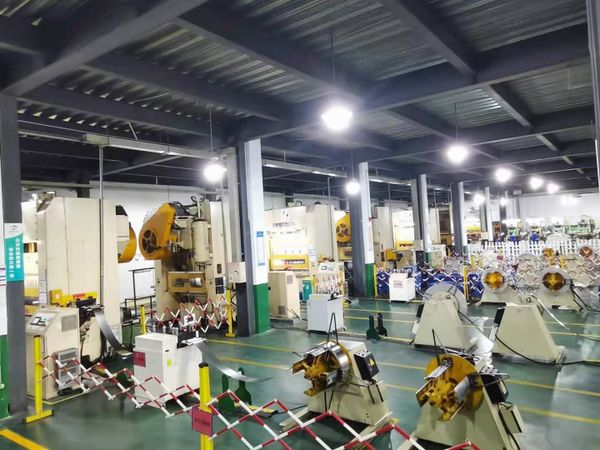
The transformative potential of casting robots extends across various industries, each with unique manufacturing processes and requirements. Here are some industries that can significantly benefit from the integration of casting robots:
-
Automotive Industry: Casting robots excel in precision tasks, making them invaluable for manufacturing engine components, transmissions, and chassis parts.
-
Aerospace and Defense: These industries require high-precision components with strict quality standards, making casting robots essential for ensuring consistent quality and reducing defects.
-
Foundry and Metal Casting: Casting robots are a natural fit for foundries, where they can handle molten metal safely and efficiently, leading to improved product quality and increased production.
-
Electronics Manufacturing: In electronics assembly, casting robots can automate the placement of components on circuit boards, improving speed and accuracy.
-
Medical Device Manufacturing: Casting robots play a critical role in manufacturing complex medical devices, ensuring precision and consistency in production.
-
Construction and Architecture: The construction industry benefits from casting robots for creating precast concrete components and architectural elements with intricate designs.
-
Consumer Goods and Appliances: Manufacturers of household appliances and consumer goods can use casting robots to produce parts with precision and consistency.
-
Energy and Renewable Resources: Casting robots are used in the production of components for renewable energy systems, such as wind turbines and solar panels.
-
Custom Fabrication: Even industries with custom or low-volume production, such as custom metal fabrication, can benefit from casting robots for specific tasks.
-
Food Processing: In the food industry, casting robots are employed for tasks like food sorting and packaging, enhancing efficiency and reducing contamination risks.
-
Textile Manufacturing: Casting robots can automate textile processes, such as weaving and dyeing, contributing to increased production efficiency.
-
Mining and Heavy Equipment: Manufacturers of mining and heavy equipment components utilize casting robots for precision casting and welding tasks.
The versatility and adaptability of casting robots make them applicable across a wide range of industries. As technology continues to advance, more industries are likely to discover innovative ways to integrate these robots into their manufacturing processes, unlocking new efficiencies and possibilities.
Conclusion: The Transformative Potential of Casting Robots in Manufacturing Industries
In conclusion, casting robots are reshaping the manufacturing landscape with their myriad advantages, including enhanced productivity, improved efficiency, and higher product quality. They excel in repetitive tasks, reduce material wastage, and contribute to workplace safety. Real-world case studies demonstrate their ability to deliver rapid ROI and drive substantial improvements in various industries.
However, challenges such as initial costs, the need for skilled personnel, and the necessity of adapting existing processes must be addressed. Future trends and innovations in casting robots, such as AI integration and collaborative robotics, promise even greater transformative potential.
Training and education programs are essential for preparing the workforce to operate and maintain casting robots effectively. Calculating the ROI is crucial for justifying the investment, and industries spanning from automotive to food processing stand to benefit from their implementation.
In essence, casting robots are more than just machines; they are catalysts for progress, driving manufacturing industries towards greater efficiency, quality, and competitiveness. As technology continues to evolve, the transformative potential of casting robots will only become more pronounced, ushering in a new era of manufacturing excellence. Embracing this technology is not just an option but a strategic imperative for manufacturers looking to thrive in the increasingly competitive global market.
1. How can YICHOU Manufacturing benefit from implementing casting robots in its production processes?
At YICHOU Manufacturing, the integration of casting robots can offer several advantages. These include increased productivity, improved efficiency, and enhanced product quality. By automating repetitive tasks, casting robots can optimize resource utilization, minimize material wastage, and contribute to a safer work environment. This technological advancement aligns with our commitment to staying competitive and efficient in the manufacturing industry.
2. What industries can YICHOU Manufacturing serve with its casting robot solutions?
YICHOU Manufacturing's casting robot solutions have the versatility to cater to a wide range of industries, including automotive, aerospace, foundry and metal casting, electronics manufacturing, and more. Our adaptable robots can be customized to meet the specific needs of various manufacturing processes, making them a valuable asset for industries seeking precision and efficiency.
3. How does YICHOU Manufacturing address the challenges and limitations associated with casting robots?
At YICHOU, we understand that the adoption of casting robots can present challenges, such as initial costs and the need for skilled personnel. Our approach involves providing comprehensive training and education programs to our workforce to ensure the effective operation and maintenance of casting robots. We also work closely with our clients to tailor solutions that align with their manufacturing requirements and budgets.
4. What is the return on investment (ROI) for YICHOU Manufacturing when implementing casting robots?
YICHOU Manufacturing recognizes the importance of ROI in any automation initiative. The ROI for casting robots varies depending on the specific application and industry. However, our clients have experienced significant returns in terms of reduced labor costs, material savings, increased productivity, and improved product quality. We work closely with our clients to conduct ROI analyses to determine the potential benefits of implementing casting robots in their manufacturing processes.
5. How does YICHOU Manufacturing stay at the forefront of casting robot technology and innovation?
YICHOU Manufacturing is committed to staying ahead of the curve in terms of casting robot technology. We continually invest in research and development to incorporate the latest trends and innovations, such as AI integration and collaborative robotics, into our solutions. Our dedication to ongoing training and education ensures that our workforce remains skilled in operating and maintaining cutting-edge casting robot technology. We are always eager to embrace new advancements that enhance the transformative potential of casting robots in manufacturing industries.