Executive Summary
The manufacturing industry has undergone a dramatic transformation over the past several decades, with CNC manufacturing solutions emerging as the gold standard for precision component production across virtually every industrial sector. This comprehensive guide provides detailed insights into CNC manufacturing solutions, covering everything from fundamental technologies and capabilities to strategic supplier selection and partnership optimization. Manufacturing professionals, procurement specialists, design engineers, and business owners will find this resource invaluable for understanding how modern CNC manufacturing solutions drive product development success and competitive advantage in today's global marketplace.
CNC manufacturing solutions have evolved from simple prototyping tools to sophisticated production systems capable of producing components with micron-level precision at volumes ranging from single pieces to millions of units. The integration of advanced CAD/CAM software, multi-axis machining centers, automated quality control systems, and sophisticated process management has created manufacturing capabilities that were previously impossible to achieve. Understanding these capabilities and their applications enables better decision-making when selecting manufacturing partners and specifying component requirements for new projects.
This guide also explores the strategic advantages of partnering with experienced CNC manufacturing solution providers, particularly those with established capabilities in regions offering optimal combinations of technology, expertise, and cost-effectiveness. Whether you are establishing new supply chain relationships or optimizing existing manufacturing partnerships, the insights provided here will help you achieve superior outcomes for your precision engineering requirements.
The Evolution and Importance of CNC Manufacturing Solutions
Historical Development of CNC Technology
The journey of CNC (Computer Numerical Control) technology from its inception in the 1950s to today's sophisticated machining centers represents one of the most significant technological progressions in manufacturing history. Early CNC systems relied on punch card inputs and basic control logic that offered limited capabilities compared to today's standards. The transition from analog to digital control systems in the 1970s and 1980s laid the foundation for the precision and flexibility that define modern CNC manufacturing solutions, enabling unprecedented levels of automation and control that transformed how products are manufactured globally.
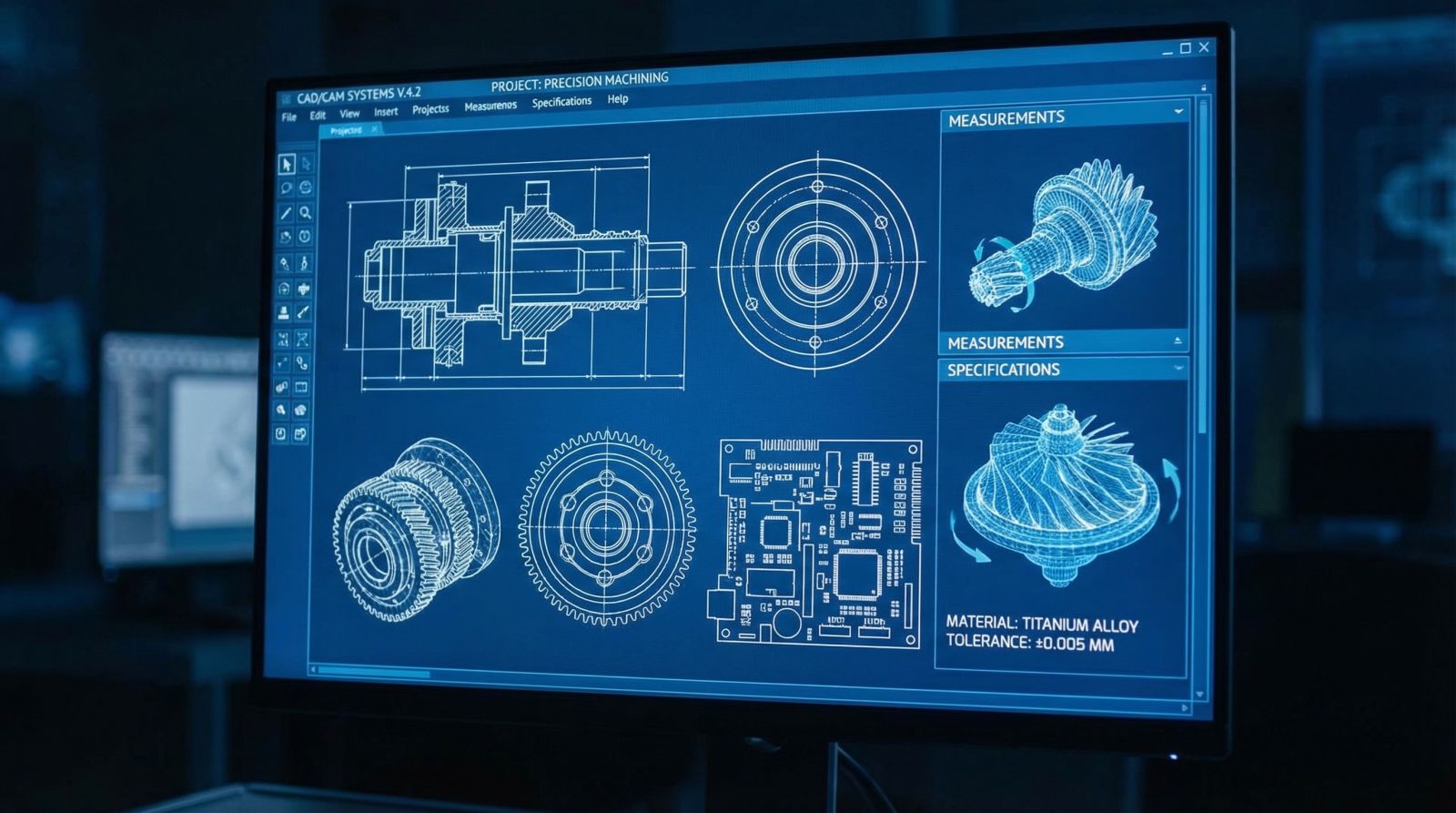
The integration of computer-aided design (CAD) and computer-aided manufacturing (CAM) software with CNC equipment created seamless workflows that dramatically reduced programming time and errors while improving overall manufacturing precision. This digital integration enables modern CNC manufacturing solutions to produce extremely complex geometries that would be completely impossible to achieve through conventional machining methods, opening entirely new possibilities for product design and engineering that continue to drive innovation across all industries.
Today's CNC manufacturing solutions incorporate advanced technologies including artificial intelligence, machine learning, and real-time adaptive control that optimize cutting parameters automatically for maximum efficiency and quality. These technological advancements have reduced cycle times, extended tool life, improved surface finishes, and enhanced overall productivity in ways that continue to push the boundaries of what is economically and technically achievable in precision manufacturing.
Strategic Importance for Modern Manufacturing
CNC manufacturing solutions have become strategically essential for companies seeking competitive advantage in global markets where precision, quality, and cost-effectiveness determine market success. The ability to produce complex components with consistent quality enables product innovation that would be impossible with traditional manufacturing approaches, allowing companies to differentiate their offerings and command premium pricing in competitive markets worldwide.
The flexibility of CNC manufacturing solutions supports both rapid prototyping and high-volume production from the same equipment, enabling efficient product development cycles and scalable manufacturing that responds to market demand variations. This flexibility proves particularly valuable in industries with rapid product evolution where the ability to quickly adapt manufacturing to new designs provides significant competitive advantages that directly impact market share and profitability.
Supply chain resilience has become increasingly important following global disruptions that revealed vulnerabilities in concentrated manufacturing strategies. CNC manufacturing solutions can be established in multiple regions, providing geographic diversification that protects against supply chain disruptions while maintaining quality standards and cost efficiency that competitive markets demand.
Understanding CNC Manufacturing Capabilities
Multi-Axis Machining Technology
Three-axis machining remains the foundation of CNC manufacturing solutions, providing efficient production of components with relatively simple geometries that can be accessed from standard directions. This approach offers the lowest cost per part for appropriate applications while delivering precision that meets or exceeds requirements for most industrial uses. However, as component designs have become more sophisticated, the limitations of three-axis machining have become increasingly apparent, driving adoption of multi-axis capabilities that enable production of previously impossible geometries.
Four-axis CNC manufacturing solutions add rotational capability that enables machining of multiple sides without manual reorientation, dramatically reducing setup times while improving precision by eliminating cumulative positioning errors. This capability proves particularly valuable for components requiring features on multiple sides, where four-axis machining can reduce production time and improve accuracy compared to multiple three-axis operations. The additional axis also enables production of more complex contours and curved surfaces that would require extensive hand finishing or multiple setups otherwise.
Five-axis CNC manufacturing solutions represent the pinnacle of machining capability, offering simultaneous movement across all five axes that enables single-setup production of extremely complex components. This capability eliminates the need for multiple machine setups that introduce positioning errors and increase production time, while enabling access to complex geometries that cannot be produced any other way. Five-axis machining has become essential for aerospace components, medical implants, high-performance automotive parts, and other applications where complex geometries and exceptional precision are mandatory requirements.
Precision Tolerances and Quality Standards
Precision tolerances in CNC manufacturing solutions range from standard commercial tolerances of +/- 0.005 inches to ultra-precision tolerances of +/- 0.0001 inches or better for specialized applications. The achievable tolerances depend on machine capabilities, workpiece material, part geometry, and specific manufacturing conditions that must be carefully controlled throughout production. Understanding tolerance requirements and their cost implications enables appropriate specification that balances precision needs with manufacturing economics.
Geometric Dimensioning and Tolerancing (GD&T) provides a standardized framework for specifying tolerances that communicate design requirements unambiguously while enabling optimal manufacturing approaches. CNC manufacturing solutions capable of consistently achieving GD&T specifications require sophisticated process control, advanced measurement systems, and experienced personnel who understand the relationship between design intent and manufacturing capability. Suppliers offering GD&T expertise provide significant value through their ability to interpret and meet complex specifications accurately.
Surface finish requirements significantly impact manufacturing approach and cost, with rougher finishes achievable through faster, less expensive operations while finer finishes require additional processing that increases cost and time. From rough ground surfaces to mirror finishes achieved through precision grinding and polishing, CNC manufacturing solutions can achieve the full range of surface finish requirements across all commonly used measures including Ra, Rz, and RMS that specify surface texture precisely.
Materials and Processing Expertise
Common Engineering Materials
Aluminum alloys remain the most widely machined materials in CNC manufacturing solutions due to their excellent machinability, favorable strength-to-weight ratio, and cost-effectiveness across high-volume applications. The extensive range of aluminum alloys available enables selection of optimal material properties for specific applications, from the general-purpose versatility of aluminum 6061 to the superior strength of aluminum 7075 for aerospace and high-performance uses. The relatively low cutting forces and excellent chip evacuation characteristics of aluminum enable high-speed machining that maximizes productivity while extending tool life.
Stainless steel variants present increased machining challenges compared to aluminum, requiring appropriate tooling selections, optimized cutting parameters, and adequate cooling to achieve quality results consistently. The work hardening tendency of stainless steel requires sharp tooling and cutting strategies that minimize heat generation while avoiding work-hardened surfaces that compromise tool life and part quality. Martensitic and precipitation hardening stainless steels offer enhanced hardness for wear-resistant applications but demand even more specialized approaches that experienced suppliers understand intuitively.
Titanium machining represents one of the most demanding applications in CNC manufacturing, requiring specialized equipment, tooling, and expertise developed through years of working with this challenging material. The combination of low thermal conductivity, high strength at cutting temperatures, and chemical reactivity with cutting tool materials creates machining conditions that push equipment and tooling to their limits. Aerospace, medical, and high-performance industrial applications rely on titanium components that can only be produced by suppliers with proven titanium machining expertise.
Exotic Alloys and Specialized Applications
High-temperature superalloys including Inconel, Hastelloy, and Waspaloy present extreme machining challenges that require specialized expertise and capabilities developed through decades of experience. These materials maintain their strength at temperatures that would cause conventional materials to fail completely, making them essential for aerospace engines, gas turbines, and chemical processing equipment that operate under extreme conditions. The work hardening, abrasive characteristics, and heat retention of these materials demand careful attention to every aspect of the machining process.
Engineering thermoplastics including PEEK, Torlon, and Ultem offer unique properties for applications requiring chemical resistance, electrical insulation, or weight reduction that metal cannot provide. These materials require different machining approaches than metals, with attention to chip formation, heat management, and surface finish that prevents stress concentration and moisture absorption. CNC manufacturing solutions for engineering plastics require specialized expertise in material behavior and processing parameters.
Composites and advanced materials increasingly appear in modern product designs, requiring CNC manufacturing solutions capable of handling these challenging materials that combine reinforcement fibers with matrix materials. Carbon fiber reinforced polymers, glass fiber composites, and ceramic matrix composites present unique machining challenges including delamination, fiber pullout, and excessive tool wear that only specialized suppliers can address effectively.
Quality Systems and Assurance Protocols
Certification Requirements and Standards
ISO 9001:2015 certification represents the baseline requirement for professional CNC manufacturing solutions, establishing systematic approaches to quality management that ensure consistent product quality. This internationally recognized standard requires documented procedures, regular audits, and continuous improvement initiatives that distinguish committed suppliers from those offering only basic capabilities. Buyers should verify current certification status through appropriate channels and understand the scope of certification coverage.
Industry-specific certifications add critical requirements beyond basic quality management for applications where safety and reliability are paramount concerns. AS9100D certification for aerospace suppliers includes rigorous requirements for configuration management, traceability, and supplier qualification that ensure aerospace component quality. Medical device manufacturers require ISO 13485 certification that emphasizes risk management and regulatory compliance essential for patient safety. Automotive suppliers typically require IATF 16949 certification that focuses on defect prevention and supply chain management.
Nadcap certification demonstrates special process capabilities including heat treatment, non-destructive testing, and other critical operations required for aerospace and defense applications. Professional CNC manufacturing solutions serving these demanding industries maintain appropriate certifications that demonstrate capability to meet their specific quality requirements comprehensively.
Inspection and Measurement Capabilities
Coordinate measuring machines (CMMs) provide the primary dimensional verification capability for precision CNC manufacturing solutions, with modern equipment offering measurement accuracies measured in microns. These sophisticated instruments verify complex geometries against CAD models, generating comprehensive inspection reports that document conformance to specifications with statistical confidence. Investment in advanced CMM capabilities distinguishes professional suppliers committed to quality verification.
Surface finish measurement using profilometers quantifies the microscopic variations in surface texture that significantly impact component performance in many applications. Different surface finish requirements apply for different applications, from rough functional surfaces to extremely smooth surfaces required for fluid flow, sealing, or optical applications. Understanding surface finish requirements and their measurement enables effective communication between designers and manufacturers regarding quality expectations.
Optical and laser scanning technologies provide non-contact measurement capabilities for delicate or complex components where physical probing would cause damage or contamination. These advanced measurement systems enable verification of complex geometries that cannot be measured using traditional contact methods, supporting quality assurance for the most demanding precision engineering applications.
Industry Applications and Solutions
Aerospace and Aviation Manufacturing
The aerospace industry demands exceptional precision, reliability, and traceability from CNC manufacturing solutions that must meet airworthiness requirements established by regulatory authorities worldwide. Aircraft structural components, engine parts, landing gear assemblies, and flight control systems all rely on CNC machining to achieve the tight tolerances and superior finishes required for safe flight operations. Materials including aluminum, titanium, and high-temperature alloys require specialized expertise that only experienced aerospace suppliers possess.
Aerospace CNC manufacturing extends beyond simple machining to include specialized processes including heat treatment, surface treatment, and non-destructive testing that verify material properties and structural integrity. First article inspection, process capability studies, and statistical process control provide documentation required for aerospace quality systems that ensure every part meets specifications exactly. Suppliers serving aerospace customers must maintain comprehensive quality systems that satisfy the most demanding requirements in manufacturing.
The development of new aircraft programs creates ongoing demand for CNC manufacturing solutions throughout product lifecycle phases that span decades. Prototype manufacturing requires rapid turnaround and design iteration support, while production phases demand consistent quality and competitive pricing across millions of parts. Suppliers capable of supporting both development and production needs provide valuable continuity that reduces risk and improves efficiency throughout aircraft programs.
Automotive Industry Applications
Automotive manufacturing relies on CNC manufacturing solutions for everything from prototype components to production hardware that must meet high-volume quality and cost requirements. The transition to electric vehicles has created entirely new categories of components requiring CNC machining, including battery enclosures, electric motor components, and power electronics cooling systems that did not exist in traditional vehicles. These new applications demand collaboration between automotive manufacturers and machining suppliers to optimize designs for manufacturability.
High-volume automotive production requires CNC manufacturing solutions capable of maintaining exceptional consistency across millions of parts produced at rates measured in parts per minute. Automated production lines, robotic part handling, and integrated quality control systems enable the efficiency required for competitive automotive manufacturing. Process capability indices including Cpk must exceed minimum values that ensure statistical confidence in production quality across entire production runs.
The automotive aftermarket generates substantial demand for precision CNC machined replacement parts that must match or exceed original equipment quality at competitive prices. From engine components to transmission parts to suspension systems, the need for precision-machined alternatives creates opportunities for suppliers capable of meeting automotive quality standards at prices that enable competitive market positioning.
Medical Device Manufacturing
Medical device manufacturing imposes perhaps the most stringent requirements for CNC manufacturing solutions due to the direct impact on patient safety and health outcomes. Surgical instruments, implant components, diagnostic equipment, and therapeutic devices all require precision machining to tolerances measured in microns, often in materials that present significant machining challenges. The regulatory environment surrounding medical devices requires comprehensive documentation and traceability that proves fitness for use in patient care applications.
Clean room manufacturing capabilities are essential for many medical device applications, requiring controlled environments that minimize particulate contamination that could compromise device function or patient safety. CNC operations in clean room facilities employ HEPA filtration, positive pressure environments, and rigorous contamination control protocols that meet the most demanding medical device manufacturing requirements. These specialized capabilities command premium pricing but are absolutely essential for applications where contamination cannot be tolerated.
Medical device product development frequently involves numerous design iterations requiring flexible CNC manufacturing solutions capable of rapid adaptation. Suppliers experienced in medical device manufacturing understand these dynamics and provide the responsiveness required to support innovation while maintaining the quality standards that protect patients. Design for manufacturability input from experienced suppliers can significantly improve product development efficiency while reducing production costs.
Strategic Supplier Selection
Evaluating Manufacturing Capabilities
Selecting the right CNC manufacturing solutions provider requires systematic evaluation of capabilities against your specific requirements including part geometry, material specifications, tolerance requirements, surface finish needs, and volume expectations. Equipment capabilities including machine axes, table size, precision specifications, and available accessories determine what each supplier can produce and how efficiently they can do so. Matching your requirements to supplier capabilities ensures efficient production without paying for unnecessary capability that adds cost without providing benefit.
Production capacity and lead time capabilities directly impact your ability to meet market demands and development schedules that drive business success. Suppliers with limited capacity may struggle to meet demand spikes or concurrent customer requirements that are normal in manufacturing. Understanding current utilization, workforce availability, and production scheduling systems provides insight into a supplier's ability to meet your volume requirements consistently.
Turnaround time capabilities vary significantly among CNC manufacturing solutions providers, with some specializing in rapid prototyping while others focus exclusively on high-volume production. Understanding your timeline requirements and matching them to supplier capabilities ensures project success while avoiding premium pricing for capabilities you do not actually need. Many suppliers offer expedited services for urgent requirements, though these should be reserved for genuine emergencies rather than normal production.
Quality and Reliability Assessment
Quality system maturity provides essential insight into a supplier's ability to deliver consistent quality that meets your specifications without compromise. Comprehensive quality systems address every aspect of manufacturing from incoming material verification through final inspection and packaging that ensures products arrive in perfect condition. Understanding a supplier's quality approach provides confidence in their ability to deliver conforming parts consistently over time.
Customer references offer valuable insight into real-world supplier performance that cannot be obtained through documentation alone. Requesting references from companies in your industry with comparable requirements enables meaningful assessment of actual capabilities and performance. Direct questions about quality, delivery, problem resolution, and responsiveness reveal supplier strengths and potential concerns more effectively than general inquiries that only surface surface-level information.
Financial stability affects a supplier's ability to invest in equipment, training, and quality systems that support long-term relationships built on trust. While not always visible, the financial health of manufacturing suppliers impacts their ability to maintain capabilities and support customer requirements over extended periods. Understanding a supplier's business stability provides confidence in their ability to support your long-term needs throughout product lifecycles.
Communication and Partnership Dynamics
Effective communication proves essential for successful CNC manufacturing partnerships, particularly for complex projects requiring close collaboration between multiple stakeholders. Language capabilities, time zone considerations, and communication channels affect daily interaction effectiveness that directly impacts project outcomes. Suppliers who invest in communication infrastructure demonstrate commitment to customer relationships that prioritize clear, timely exchange of information.
Technical collaboration capabilities distinguish exceptional suppliers from basic machining providers that only execute instructions without contributing expertise. Engineering expertise enables valuable input on design for manufacturability, material selection, and process optimization that maximizes value for customers. Suppliers who actively contribute technical knowledge provide value beyond simple execution of provided specifications.
Responsiveness to inquiries and problems indicates organizational priorities and customer focus that drive overall service quality and satisfaction. Rapid, helpful responses to initial inquiries often predict similar attention to ongoing project needs that arise during production. Problem resolution capabilities become critical when issues arise, making initial responsiveness a valuable indicator of overall customer orientation and service priority.
The Value Proposition of Global Manufacturing Partnerships
Advantages of Chinese Manufacturing Partners
China has established itself as a premier destination for CNC manufacturing solutions, offering a compelling combination of advanced capability, cost-effectiveness, and production scale that cannot be matched in other regions. The manufacturing ecosystem developed over decades includes comprehensive supplier networks providing materials, tooling, and specialized services that support efficient precision manufacturing at every level. This infrastructure enables Chinese suppliers to offer competitive pricing while maintaining quality standards suitable for the most demanding applications.
The concentration of manufacturing expertise in regions like the Pearl River Delta and Yangtze River Delta creates knowledge clusters where best practices and innovation spread rapidly among suppliers that benefit from shared learning. Workforce skills developed through decades of manufacturing experience provide a deep talent pool for precision manufacturing operations that require skilled operators and engineers. Continuous improvement culture in Chinese manufacturing drives ongoing productivity and quality gains that benefit customers through better prices and improved quality over time.
Supply chain integration in China enables efficient sourcing of materials, components, and services that might require multiple suppliers in other regions that adds complexity and cost. This vertical integration reduces administrative burden for buyers while enabling competitive pricing through efficient coordination that eliminates unnecessary costs. The ability to source complete manufacturing solutions from single suppliers simplifies procurement and reduces total cost of ownership significantly.
Building Successful International Relationships
Successful international manufacturing partnerships require attention to cultural factors and communication approaches that differ from domestic supplier relationships. Patience, respect, and relationship building form the foundation for productive collaboration with manufacturing partners who value long-term relationships over short-term transactions. Understanding cultural context enables effective communication and prevents misunderstandings that damage relationships and delay projects.
Clear specification communication prevents the interpretation variations that create quality problems and require expensive rework that impacts both parties. Detailed drawings, explicit requirements, and visual aids ensure consistent understanding across language and cultural boundaries that can cause confusion. Investment in specification clarity pays returns through reduced rework and improved first-pass yield that benefits both suppliers and customers financially.
Regular engagement maintains alignment and enables early identification of potential problems before they become serious issues that impact schedules and budgets. Video conferencing, detailed progress reports, and periodic visits support effective ongoing relationships that build trust over time. The investment in relationship building creates mutual commitment that benefits both parties during challenging situations that inevitably arise in complex manufacturing projects.
Why Partner with Ningbo Yichou Industrial
Comprehensive Manufacturing Capabilities
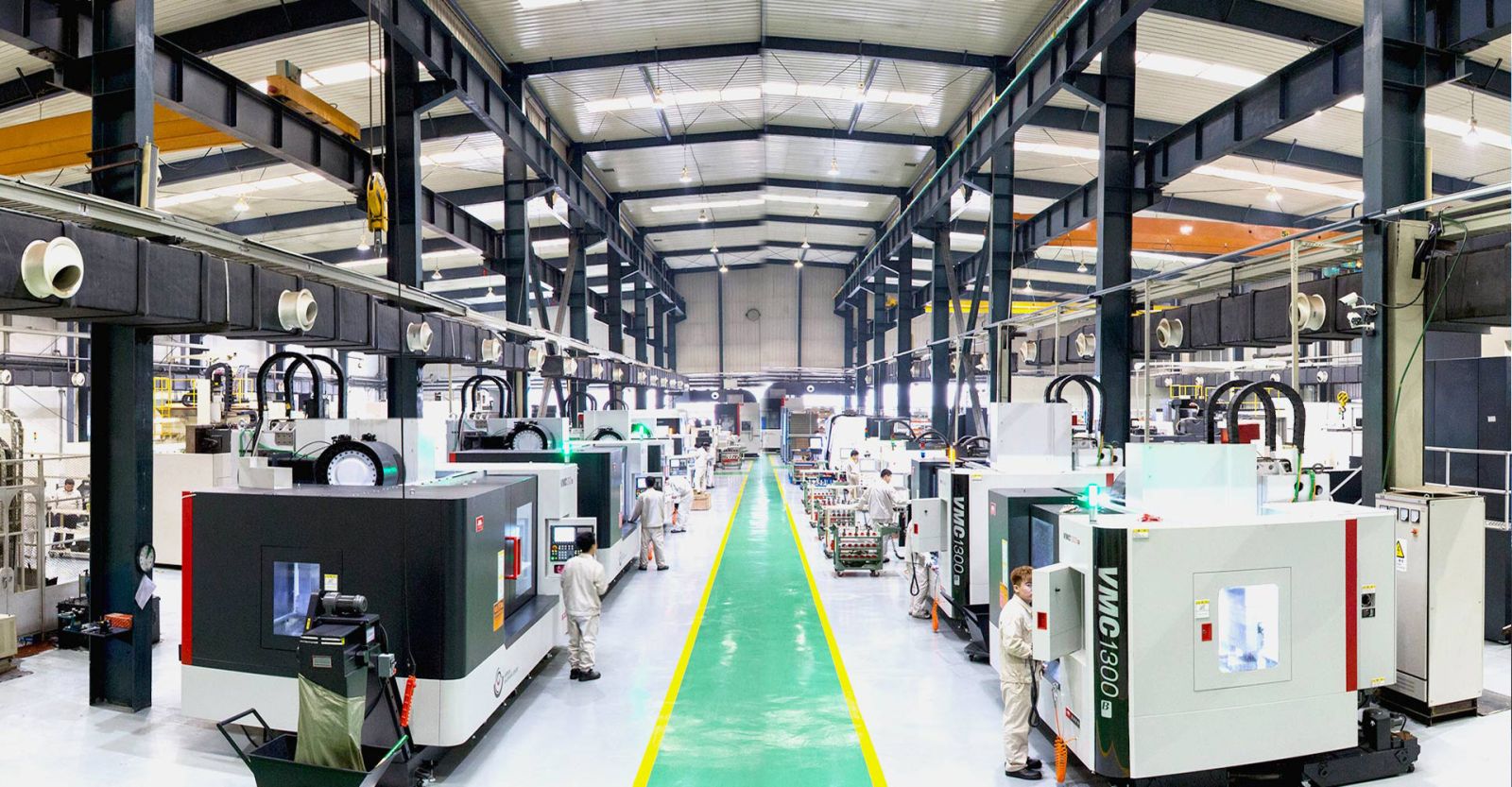
Ningbo Yichou Industrial Co., Ltd stands as your premier partner for CNC manufacturing solutions, offering comprehensive capabilities that span the full spectrum of precision engineering requirements across all industries. Our state-of-the-art facility features advanced multi-axis machining centers capable of producing the most complex components with exceptional precision that meets the most demanding specifications. From simple prototypes to high-volume production runs, we deliver quality results that meet your exact specifications every single time.
Our equipment portfolio includes 3-axis, 4-axis, and 5-axis CNC machining centers, enabling us to select the most efficient production approach for each unique requirement without compromising quality or cost. We machine a comprehensive range of materials including aluminum alloys, stainless steel, titanium, brass, copper, and engineering plastics, providing solutions across diverse industry applications that require specialized expertise. Our surface finishing capabilities including anodizing, powder coating, and precision cleaning deliver complete components ready for assembly or end use.
Quality systems certified to ISO 9001:2015 standards ensure consistent results for every project regardless of complexity or volume requirements. Our coordinate measuring machines and advanced inspection systems verify dimensional accuracy to micron-level tolerances that exceed industry standards. Comprehensive documentation and traceability support demanding industry requirements including aerospace, medical, and automotive applications.
Commitment to Customer Success
At Ningbo Yichou Industrial, we understand that your success depends on receiving parts that meet your exact requirements on time and at competitive prices that support your business profitability. Our quality-first approach ensures that every component receives the attention necessary to achieve flawless results that exceed expectations. Our experienced engineering team provides valuable input on design optimization, material selection, and manufacturing approach to maximize value while minimizing costs.
We pride ourselves on responsive communication and collaborative partnership throughout your project that keeps you informed at every stage of production. Our dedicated customer support team ensures that your inquiries receive prompt, helpful responses within 24 hours. We view challenges as opportunities to demonstrate our commitment to customer success, working creatively to find solutions that meet your requirements regardless of complexity.
Competitive pricing reflects our efficient operations and strategic supplier relationships that enable cost savings passed directly to customers. We continuously optimize our processes to deliver maximum value without compromising quality. Volume discounts and long-term partnership arrangements provide additional advantages for customers with ongoing requirements.
Contact Information
Ready to experience the difference that professional CNC manufacturing solutions can make for your projects? Contact Ningbo Yichou Industrial today to discuss your manufacturing requirements and discover how we can support your success.
We look forward to establishing a successful partnership that supports your business growth through reliable, high-quality precision manufacturing services.
Keywords: CNC Manufacturing Solutions, Precision CNC Machining, CNC Machining Services, Professional CNC Services, CNC Machining Company, CNC Machining Manufacturer, CNC Milling Services, CNC Turning Services, 5-Axis CNC Machining, Custom CNC Machining, CNC Machining Quote, CNC Machining Cost, CNC Machining Parts, Precision Manufacturing Services, Metal Machining, CNC Machine Shop, CNC Prototyping, CNC Production, Precision Parts Manufacturing, CNC Manufacturing China, CNC Machining Services Near Me, CNC Machining Tolerances, CNC Machining Materials, CNC Quality Control, CNC Manufacturing Applications, CNC Manufacturing Industries, Professional Machining Services, Engineering Manufacturing, Precision Component Manufacturing
Contact us today for a competitive quote and technical support!
Let Yichou help you achieve excellence in your next project. Whether you need raw materials, custom alloy solutions, or precision-manufactured components, our team is ready to assist.
- Email us: [email protected]
- Call us/whatsapp: +86 13355741031
- Chat with us: Live chat support available on our website