In today's global manufacturing landscape, selecting the right CNC machining supplier is one of the most critical decisions you will make for your product development and production success. The wrong partner can lead to quality issues, delayed timelines, budget overruns, and countless headaches. The right partner, however, becomes an extension of your team, contributing expertise, innovation, and reliability that directly impacts your bottom line. This comprehensive guide will walk you through the essential factors to consider when evaluating CNC machining suppliers, helping you make an informed decision that will pay dividends throughout your project lifecycle.
Understanding Your CNC Machining Needs
Before you begin your supplier search, it is essential to have a clear understanding of your own requirements. This internal preparation will save you significant time and help you communicate more effectively with potential suppliers. The first question you need to answer is about the nature of your project. Are you looking for prototype development, low-volume production, or high-volume manufacturing? Each of these scenarios requires different capabilities from a supplier, and understanding your volume requirements will immediately narrow down your options.
Prototype machining, for instance, typically demands rapid turnaround times and the ability to work with iterative designs. You may need your supplier to produce multiple versions of a part quickly, often with design changes between iterations. This requires a partner who excels at quick setup times and has the flexibility to accommodate changing requirements. On the other hand, high-volume production places greater emphasis on consistency, efficiency, and cost optimization. Your supplier must maintain tight tolerances across thousands or even millions of parts while keeping per-unit costs as low as possible.
Material requirements represent another critical dimension of your needs assessment. CNC machining can work with an impressive range of materials, from common aluminum and steel to exotic alloys, plastics, and composites. However, not every supplier has expertise across all material types. Some specialize in specific material families, while others offer broader capabilities. If your project requires unusual materials or certified aerospace-grade alloys, you need to ensure your chosen supplier has the appropriate material knowledge and sourcing capabilities.
Tolerance requirements also vary significantly across projects and industries. While general machining might require standard tolerances of plus or minus 0.05 millimeters, precision components for aerospace, medical, or semiconductor applications often demand much tighter specifications, sometimes down to a few micrometers. Understanding your specific tolerance requirements will help you identify suppliers with the necessary equipment and quality systems to meet your needs.
Evaluating Technical Capabilities and Equipment
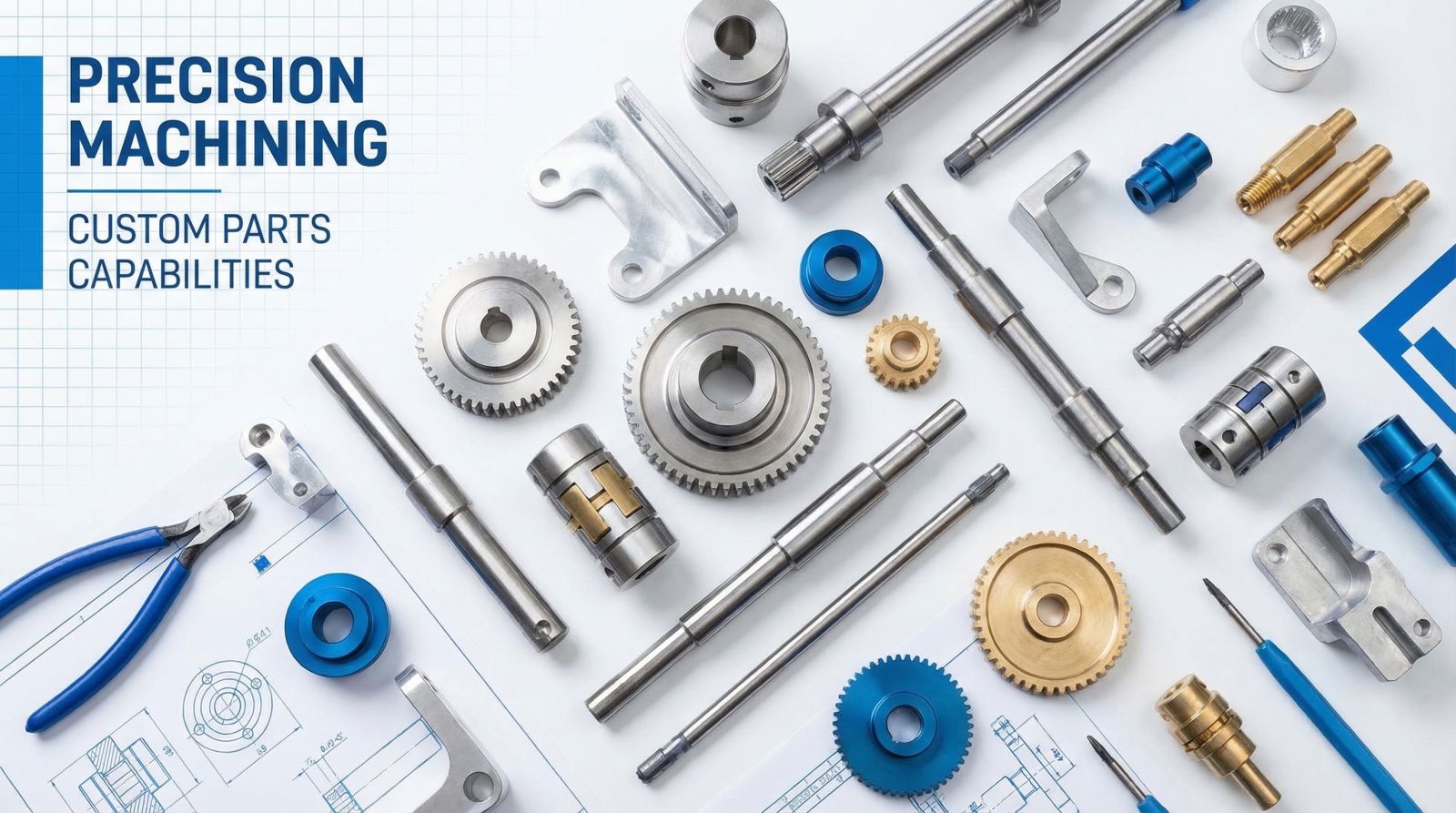
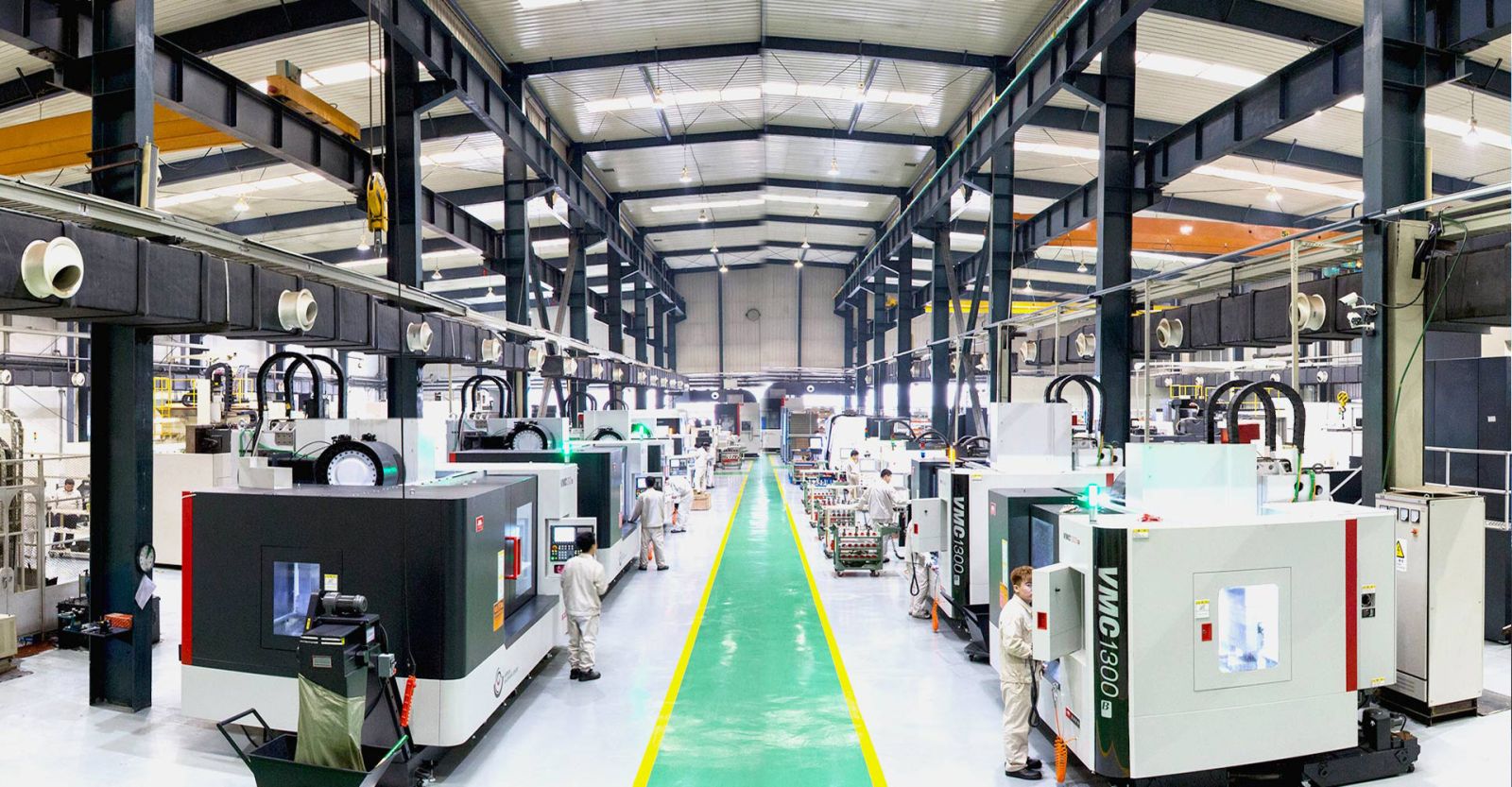
The technical capabilities of a CNC machining supplier form the foundation of their ability to deliver quality parts consistently. When evaluating potential partners, you need to look beyond marketing claims and dig into their actual capabilities. The type and age of their equipment speaks volumes about their commitment to precision and efficiency. Modern CNC machines offer superior accuracy, faster cycle times, and better repeatability than older equipment. Look for suppliers who invest in state-of-the-art machining centers from recognized manufacturers.
The number of axes available on their equipment determines the complexity of parts they can produce. A three-axis machine can move cutting tools in three directions, suitable for simple geometric shapes. Four-axis machines add rotational capability, while five-axis machines can approach parts from virtually any angle. Five-axis machining is particularly valuable for complex geometries, as it reduces the number of setups required and improves overall precision. If your parts require intricate contours or multiple angled features, a supplier with five-axis capabilities will serve you better.
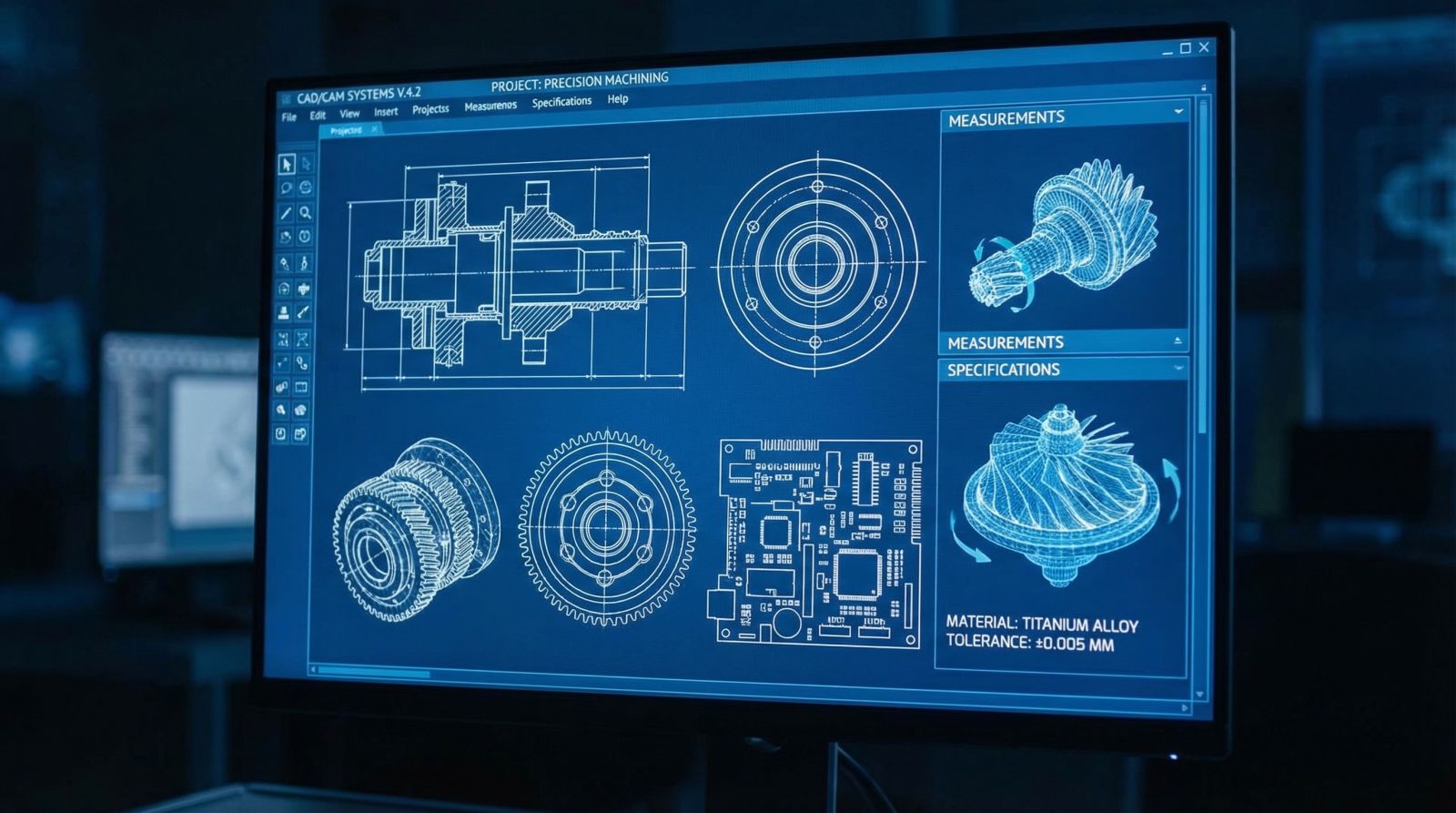
Beyond the machines themselves, consider the supporting equipment and capabilities. Do they have coordinate measuring machines (CMMs) for quality inspection? What about secondary operations such as grinding, polishing, heat treating, or surface finishing? A supplier offering comprehensive in-house capabilities can often deliver better quality control and faster turnaround times than one that outsources secondary.
Automation operations and technology matter also adoption in environment. Suppliers today's manufacturing who have embraced automation in their operations tend to be more efficient consistent and. Look for signs of modern practices such as digital workflow management, automated tool measurement, and real-time production monitoring. These technologies not only improve efficiency but also provide better visibility into your project's status.
Assessing Quality Management Systems
Quality management is not you something want to leave to chance in precision manufacturing. The quality systems a supplier has in place directly impact the consistency and reliability of the parts you receive. ISO 9001 certification represents the baseline expectation for quality management systems. This internationally recognized standard demonstrates that a supplier has documented processes for quality control and continuous improvement. While ISO 9001 certification is a minimum requirement, many precision machining suppliers pursue additional certifications specific to their industries.
For aerospace applications, AS9100 certification is the industry standard. This quality management system builds upon ISO 9001 with additional requirements specific to aerospace manufacturing, including enhanced traceability and configuration management. Medical device manufacturers should look for ISO 13485 certification, which addresses the unique quality requirements for medical devices. Automotive suppliers often need IATF 16949 certification, which emphasizes defect prevention and supply chain optimization.
Beyond certifications, investigate their actual quality practices. How do they handle incoming material inspection? What are their in-process monitoring procedures? How do they manage non-conforming parts? A supplier with robust quality systems will be able to explain their inspection processes, measurement capabilities, and corrective action procedures in detail. Don't hesitate to request copies of their quality manuals or ask about their statistical process control methods.
The supplier's measurement and inspection capabilities deserve particular attention. Ask about their measurement equipment and calibration practices. Do they use CMMs for dimensional inspection? What about optical measurement systems for complex geometries? The ability to accurately measure parts is fundamental to ensuring they meet specifications. Additionally, inquire about their measurement uncertainty and whether they participate in proficiency testing or inter-laboratory comparisons.
Examining Experience and Industry Expertise
While new suppliers can certainly deliver quality work, experience brings invaluable advantages. A supplier with decades of experience has encountered and solved a wide variety of manufacturing challenges. They have refined their processes, developed expertise in specific materials and applications, and built relationships with reliable sub-suppliers. When evaluating experience, look beyond the total years in business to consider their experience with projects similar to yours.
Industry-specific experience is particularly valuable. A supplier who has been producing automotive components for years understands the automotive industry's specific requirements, including the importance of cost optimization, the need for high-volume consistency, and the documentation requirements of major OEMs. Similarly, a supplier with medical device experience understands the stringent regulatory requirements, traceability needs, and cleanroom considerations that medical manufacturing demands.
Ask potential suppliers about their experience with projects similar to yours. Request case studies or examples of similar parts they have produced. Don't be afraid to ask detailed questions about challenges they encountered and how they solved them. A supplier with relevant experience will be able to speak confidently about the nuances of your application and may even suggest improvements or optimizations based on their past work.
The depth of their engineering expertise also matters significantly. Experienced suppliers often employ engineers who can provide valuable input during the design phase, identifying potential manufacturing issues before they become costly problems. This design for manufacturability (DFM) consultation can significantly improve your product's producibility and reduce overall costs. Ask whether they offer DFM analysis and what value their engineering team can add to your project.
Understanding Communication and Project Management
Effective communication is the lifeblood of successful manufacturing partnerships. Even the most technically capable supplier can become a liability if communication breaks down. When evaluating potential suppliers, pay attention to how they communicate during the initial inquiry process. Are they responsive? Do they ask clarifying questions to ensure they understand your requirements? Do they provide clear, detailed quotations?
The language barrier can be a significant concern when working with international suppliers, particularly when sourcing from China. While many Chinese manufacturers have improved their English capabilities, communication can still present challenges. Evaluate the supplier's ability to communicate clearly in your language. Do they provide documentation in a format you can use? Can they participate in conference calls or video meetings when issues arise? Strong communication capabilities will become increasingly important as your project progresses and questions or issues inevitably arise.
Project management processes also vary significantly between suppliers. Some rely on informal, ad-hoc communication, while others have structured project management systems with regular updates, milestone tracking, and dedicated points of contact. For complex projects with multiple parts and tight deadlines, structured project management can make a significant difference in outcomes. Ask about their project management approach and what visibility you will have into your project's status.
Responsiveness is another critical factor. In manufacturing, delays can be extremely costly. How quickly does the supplier respond to emails or phone calls? What is their policy for handling urgent requests or unexpected issues? A supplier who prioritizes responsiveness will be a more reliable partner when challenges arise. Consider their time zone and how that affects communication windows, and think about whether they have the capacity to handle your project within your required timeframes.
Analyzing Pricing and Cost Structure
Price is always a consideration in manufacturing procurement, but it should not be the sole deciding factor. The lowest-cost supplier is often not the best value when you factor in quality issues, delays, and the hidden costs of rework or supplier failures. When analyzing pricing, look beyond the unit price to understand the total cost of doing business with each supplier.
Request detailed quotations that break down all costs, including tooling, setup charges, material costs, processing fees, and shipping. Understanding what is included in their pricing and what might be charged as extras will help you make accurate comparisons. Be wary of quotes that seem significantly lower than others, as this could indicate corners being cut or hidden costs that will emerge later.
The pricing structure often reveals something about the supplier's business model. Some suppliers offer low unit prices but high setup costs, making them more economical for large volumes. Others may have higher per-part prices but lower or no setup charges, which works better for prototypes or small batches. Understanding the economics behind their pricing will help you choose the right partner for your specific volume requirements.
Payment terms also deserve attention, particularly when working with new suppliers. Common terms include deposit upon order placement with balance due upon shipment, net 30 or net 60 after delivery, or letter of credit arrangements. The supplier's willingness to accommodate your preferred payment terms can indicate their financial stability and flexibility. However, be cautious about unusual payment requests that seem risky, such as full payment upfront with a new supplier.
Evaluating Delivery and Lead Time Capabilities
In today's just-in-time manufacturing environment, reliable delivery is essential. Late deliveries can cascade through your supply chain, causing production delays that cost far more than the value of the late parts. When evaluating suppliers, understand their typical lead times and their track record for meeting commitments. Ask for on-time delivery statistics and examples of how they have handled situations when delays seemed likely.
The supplier's production capacity determines their ability to meet your volume requirements and respond to demand fluctuations. Do they have sufficient machines and personnel to handle your orders? What is their current workload and utilization rate? A supplier running near full capacity may struggle to accommodate rush orders or unexpected increases in demand. Understanding their capacity and workload will help you assess their ability to meet your needs.
Geographic considerations also affect delivery times and logistics. While air freight can expedite shipments, it significantly increases costs. A supplier located closer to your market may offer faster and more economical delivery options. However, the lowest cost supplier in terms of product price may end up more expensive when you factor in shipping costs and transit times. Evaluate the total landed cost including logistics when making your decision.
The supplier's ability to handle expedited orders is worth understanding even if you do not currently need rush service. Having a partner who can respond to unexpected needs can be invaluable as projects evolve. Ask about their procedures for rush orders and whether they have any capacity reserved for urgent requests.
Reviewing Customer Service and Support
The level of customer service and support you receive can significantly impact your overall experience and success. Beyond the initial sale, consider what ongoing support the supplier will provide throughout your engagement. Do they assign dedicated account managers or points of contact? Will you have access to technical support if questions arise during production?
Post-sale support becomes particularly important when issues occur. Even with the best quality systems, problems can sometimes arise. How does the supplier handle quality issues or customer complaints? What is their warranty or guarantee policy? A supplier who stands behind their work and is willing to address problems promptly demonstrates their commitment to customer satisfaction and long-term relationships.
Technical support capabilities vary widely among suppliers. Some simply produce parts to your specifications with minimal interaction, while others act as true partners, offering engineering support, material recommendations, and process optimization suggestions. The right level of support depends on your internal capabilities and needs. If you have a strong engineering team, you may prefer a supplier who simply executes your designs accurately. If you could use additional expertise, a more consultative supplier may be valuable.
The supplier's willingness to invest in your relationship is also telling. Are they interested in understanding your long-term goals and growing their business with you? Do they proactively suggest improvements or cost-saving opportunities? Suppliers who view the relationship as a partnership rather than a transactional sale tend to be better long-term partners.
Checking References and Reputation
Before making your final decision, take time to verify the supplier's claims and check their reputation. Request references from current or recent customers, particularly those with projects similar to yours. Speaking directly with other customers provides invaluable insights that marketing materials cannot convey. Ask about their actual experience with quality, communication, delivery, and problem resolution.
When contacting references, ask specific questions about their experiences. Would they work with this supplier again? What were the biggest challenges they faced, and how did the supplier respond? Was the quality consistent throughout the project, or did problems emerge over time? Would they recommend this supplier for a project like yours? Honest answers to these questions will help you set appropriate expectations.
Industry reputation matters as well. Look for suppliers who are recognized within their industries for quality and reliability. Awards, certifications, and memberships in industry associations can indicate commitment to excellence. Online reviews and industry forums can provide additional perspectives, though be sure to consider the overall pattern rather than individual reviews, which can sometimes be misleading.
A visit to the supplier's facility, if possible, provides the most comprehensive view of their operations. You can see their equipment, meet their team, observe their processes, and get a feel for their organizational culture. Many suppliers are willing to host potential customers for facility tours, and this investment of time can pay off significantly in confidence and relationship building.
Making Your Decision and Building the Relationship
After thorough evaluation, you will be positioned to make an informed decision. Compile your findings and weigh the factors that matter most for your specific situation. While price is always important, remember that the total cost of a poor supplier choice far exceeds any savings from lower unit prices. Prioritize suppliers who demonstrate technical competence, quality commitment, effective communication, and genuine interest in your success.
Once you have selected a supplier, invest in building the relationship. Clear initial communication about expectations, requirements, and quality standards will set the foundation for success. Regular check-ins and open communication will help address issues before they become problems. Treat the supplier as a partner rather than just a vendor, and they are more likely to invest in your success.
Consider starting with a smaller initial order to verify the supplier's capabilities before committing to larger volumes. This approach allows you to validate their quality, communication, and delivery performance with limited risk. Successful execution of an initial order builds confidence and establishes patterns that will carry forward into larger engagements.
Why Choose Yichou as Your CNC Machining Partner
When evaluating CNC machining suppliers, Ningbo Yichou Industrial Co., Ltd. stands out as a premier choice for businesses seeking precision, reliability, and comprehensive manufacturing capabilities. With over 20 years of experience in precision materials manufacturing, Yichou has developed the expertise, equipment, and processes necessary to deliver exceptional results across diverse industries.
Yichou offers comprehensive manufacturing services under one roof, including CNC machining, 3D printing, sheet metal fabrication, injection molding, die casting, stamping, and forging. This integrated capability means you can consolidate your supply chain, simplifying logistics and ensuring consistent quality across all your manufacturing needs. Their advanced machinery and highly skilled team ensure precision and efficiency from prototype through high-volume production.
The company's quality commitment is evidenced by their comprehensive quality assurance systems, including full inspection capabilities and qualification certifications. Whether you require ISO-certified processes for aerospace components, medical device manufacturing, or automotive production, Yichou has the systems and expertise to meet stringent requirements.
Located in Ningbo, Zhejiang, one of China's major manufacturing hubs, Yichou offers competitive pricing without compromising on quality. Their efficient delivery and responsive communication ensure your projects stay on track. The company's sustainability focus aligns with growing environmental requirements, and their dedicated team, led by experienced professionals like Jack Jin, is committed to your success.
Contact Yichou today to discuss your CNC machining needs. Whether you require prototype development, low-volume production, or high-volume manufacturing, Yichou has the capabilities and commitment to deliver quality parts on time and at competitive prices.
Conclusion
Choosing the right CNC machining supplier is a decision that will significantly impact your product development success and ongoing manufacturing operations. By systematically evaluating technical capabilities, quality systems, experience, communication, pricing, delivery, and support, you can identify a partner who will contribute to your success. Take time to conduct thorough due diligence, request detailed information, and verify claims through references and site visits. The investment in selecting the right supplier will pay dividends throughout your project's lifecycle.
Ready to find a reliable CNC machining partner? Start by reaching out to suppliers who meet the criteria outlined in this guide, and request detailed quotations for your specific requirements. With careful evaluation and relationship building, you will find a partner who delivers quality, value, and peace of mind for all your precision manufacturing needs.
Contact us today for a competitive quote and technical support!
Let Yichou help you achieve excellence in your next project. Whether you need raw materials, custom alloy solutions, or precision-manufactured components, our team is ready to assist.
- Email us: [email protected]
- Call us/whatsapp: +86 13355741031
- Chat with us: Live chat support available on our website