Executive Summary
The global precision machining landscape has undergone a fundamental transformation over the past two decades, with China emerging as the dominant destination for precision CNC machining services. International procurement managers, mechanical engineers, and supply chain directors increasingly recognize that Chinese precision machining suppliers offer compelling value propositions: advanced capabilities, competitive pricing, comprehensive quality systems, and manufacturing scalability that domestic suppliers often cannot match.
However, navigating the Chinese precision manufacturing landscape presents distinct challenges. The sheer number of suppliers, varying quality levels, communication barriers, and concerns about intellectual property protection create real risks for buyers unfamiliar with this market. This comprehensive guide provides everything you need to know about sourcing precision CNC machining services from China, from understanding supplier capabilities and quality expectations to establishing effective working relationships and mitigating common risks.
Whether you are specifying CNC milling, CNC turning, multi-axis machining, or complete turnkey manufacturing solutions, this guide will help you identify qualified partners, evaluate capabilities, negotiate effectively, and ensure successful project outcomes. The information presented draws from extensive industry experience and represents current best practices in international manufacturing sourcing.
1. Understanding China’s Precision Manufacturing Capabilities
1.1 The Evolution of Chinese Precision Manufacturing
China’s journey from a low-cost manufacturing hub to a sophisticated precision engineering center represents one of the most significant developments in global manufacturing history. Beginning in the 1980s with labor-intensive assembly operations, Chinese manufacturing has continuously upgraded capabilities, technology, and expertise to reach current levels of sophistication.
The precision machining sector specifically has experienced remarkable growth. What began as simple job shop operations serving local markets has evolved into globally competitive facilities equipped with the latest CNC machining centers, coordinate measuring machines, and advanced quality systems. Major factors driving this evolution include massive domestic demand from industries including automotive, electronics, and aerospace, continuous investment in advanced manufacturing equipment from global machine tool builders, development of world-class engineering talent through partnerships with international companies, and government policies supporting advanced manufacturing development.
Today’s Chinese precision machining suppliers offer capabilities that rival or exceed those available in traditional manufacturing centers. Many facilities now operate equipment from leading global manufacturers including Mazak, DMG Mori, Haas, Okuma, and Fanuc. Quality systems meeting international standards including ISO 9001, IATF 16949 (automotive), and AS9100 (aerospace) have become standard expectations among capable suppliers.
1.2 Technology and Equipment Capabilities
Modern Chinese precision machining facilities operate sophisticated equipment portfolios that enable handling of diverse project requirements. Understanding current capability levels helps buyers set appropriate expectations and identify suitable partners.
CNC Machining Centers: The installed base of CNC machining centers in China spans all capability levels, from basic three-axis vertical machining centers to advanced five-axis machines. Capable suppliers typically operate equipment from established global manufacturers rather than lower-cost domestic alternatives. Common configurations include three-axis vertical and horizontal machining centers for general prismatic parts, four-axis machines with rotary tables for indexed operations, and five-axis simultaneous machining centers for complex geometries.
CNC Turning Centers: Modern turning centers including live tooling configurations enable completion of complex turned parts in single setups. Capabilities typically include bar feeding for high-volume production, chucking for larger workpieces, and Y-axis or subspindle configurations for complete part machining.
EDM and Wire Cutting: Electrical discharge machining capabilities including wire EDM and conventional EDM enable machining of complex internal features, hardened materials, and geometries impossible to produce with cutting tools. These capabilities prove essential for injection mold components and precision tooling.
Grinding and Finishing: Surface grinding, cylindrical grinding, and specialized finishing operations enable achievement of tight tolerances and superior surface finishes. Capabilities range from manual operations to fully automated precision grinding cells.
Measurement and Inspection: Coordinate measuring machines (CMM), surface roughness measurement, optical inspection systems, and dimensional measurement equipment enable comprehensive quality verification. Leading suppliers invest in climate-controlled inspection facilities meeting ISO requirements.
1.3 Materials Expertise
Chinese precision machining suppliers have developed expertise across the full spectrum of engineering materials commonly specified in precision components.
Aluminum Alloys: From common 6061 and 7075 grades to specialized aerospace alloys, aluminum machining represents a core capability for most suppliers. Understanding of appropriate cutting parameters, tooling selection, and fixture design enables efficient production of aluminum components.
Stainless Steels: The broad range of stainless steel grades including austenitic (304, 316), martensitic (17-4PH), and precipitation hardening (630) grades requires different approaches for optimal machining. Capable suppliers understand these differences and adjust processes accordingly.
Titanium Alloys: Titanium machining presents particular challenges requiring appropriate equipment, tooling, and process parameters. While not all suppliers possess titanium expertise, those serving aerospace, medical, and industrial markets typically maintain this capability.
Specialty Alloys: High-performance applications increasingly specify exotic materials including nickel-based superalloys (Inconel, Waspaloy), cobalt alloys, and specialty metal combinations. These materials require specialized expertise and represent different supplier tiers.
Engineering Plastics: Beyond metals, precision machining of engineering plastics including PEEK, PTFE, Delrin, and specialized high-performance polymers serves medical, semiconductor, and industrial applications. Understanding of material-specific considerations including thermal expansion, moisture absorption, and machining parameters distinguishes capable suppliers.
2. Evaluating Chinese CNC Machining Suppliers
2.1 Identifying Qualified Suppliers
The Chinese precision machining market encompasses suppliers ranging from world-class operations to questionable operations with limited capabilities. Systematic supplier evaluation protects buyers from partnering with unsuitable vendors.
Certification Verification: ISO 9001 certification represents the minimum quality system expectation for serious precision suppliers. For automotive applications, IATF 16949 certification demonstrates capability in volume production environments. Aerospace programs typically require AS9100 certification and potentially Nadcap accreditation for special processes. Request certificate numbers and verify through official registration databases.
Facility Assessment: Direct facility visits provide irreplaceable insight into actual capabilities, equipment condition, workforce competence, and organizational culture. Virtual assessments using video conferencing have become acceptable alternatives but provide less complete information than in-person visits.
Technical Review: Detailed technical discussions during supplier qualification reveal capability depth. Capable suppliers demonstrate understanding of your requirements beyond simple replication of drawings. Look for design for manufacturability input, process planning sophistication, and quality planning competence.
Reference Verification: Request references from similar applications and verify through direct contact. Past performance on comparable projects provides strong indicator of future capability. Ask specific questions about communication responsiveness, problem resolution, and on-time delivery.
2.2 Capability Matching
Not all suppliers equally address all requirements. Effective supplier selection matches specific project needs with supplier capabilities.
Precision Requirements: Projects requiring tolerances tighter than ±0.01mm demand suppliers with demonstrated capability in precision machining. Not all suppliers maintain equipment, tooling, and expertise for such demanding work. Assess historical capability through capability studies and part samples.
Volume Requirements: Production volume significantly influences supplier selection. Low-volume prototyping suits flexible suppliers with broader capabilities, while high-volume production requires suppliers with demonstrated capacity, process repeatability, and statistical process control systems.
Material Requirements: Projects specifying specialty materials require suppliers with demonstrated processing experience. Request evidence of similar material experience and understand any limitations in material sourcing.
Complexity Requirements: Complex geometries requiring multi-axis machining, tight tolerancing, or specialized processes require suppliers with advanced capabilities. Evaluate through process capability studies and previous project examples.
2.3 Quality System Evaluation
Quality system maturity significantly influences product quality consistency and manufacturing reliability. Systematic evaluation identifies suppliers capable of meeting your quality expectations.
Documentation Practices: Review quality documentation including control plans, process specifications, and inspection records. Well-documented processes indicate systematic approach to quality management.
Measurement Capability: Assess measurement systems including equipment calibration, environmental controls, and measurement system analysis (MSA/GAGE R&R) practices. Measurement capability must match product tolerance requirements.
Incoming Material Control: Understand how suppliers verify incoming material meets specifications. Material verification practices protect against using out-of-specification raw materials.
Process Control: Inquire about in-process monitoring practices, statistical process control (SPC) applications, and reaction to out-of-control conditions. Process control practices determine consistency of production quality.
Nonconforming Product Control: Review procedures for identifying, segregating, and dispositioning nonconforming product. Responsible handling of quality issues protects your interests as the customer.
3. Managing Quality and Risk
3.1 Quality Assurance Expectations
International buyers should establish clear quality assurance expectations with Chinese suppliers. Defining requirements upfront prevents misunderstandings and ensures appropriate attention to quality throughout production.
First Article Inspection: Require first article inspection (FAI) for new programs or significant changes. First article provides opportunity to verify process capability before committing to full production runs.
In-Process Inspection: Define inspection requirements for critical characteristics during production. Some characteristics require 100% inspection while others may rely on statistical process control.
Final Inspection: Establish acceptance criteria for final inspection including sampling plans when 100% inspection proves impractical. Define handling of inspection results and disposition authority.
Certificate Requirements: Specify required documentation including material certifications (Mill Test Reports), process certifications, inspection reports, and conformance statements. Define certification formats and distribution requirements.
3.2 Intellectual Property Protection
Intellectual property concerns represent a common worry for buyers sourcing from China. While risks are real, they can be managed through appropriate measures.
Supplier Selection: Reputable suppliers with established international customer bases understand IP protection expectations and maintain practices protecting customer interests. Long-term relationships with established suppliers typically present lower risk than new relationships.
Controlled Documentation: Provide drawings with appropriate information rather than excessive detail. Consider dividing sensitive information across multiple suppliers for assembled products.
Non-Disclosure Agreements: Establish formal NDA relationships before sharing sensitive technical information. Chinese courts increasingly enforce intellectual property protections, and documented agreements strengthen legal position if issues arise.
Part Marking: Consider part marking requirements enabling identification of unauthorized parts. Traceability systems help identify sources of leaked components.
3.3 Communication and Project Management
Effective communication represents perhaps the most critical success factor in international manufacturing relationships. Establishing appropriate communication practices from project initiation sets the foundation for successful collaboration.
Language Considerations: While many Chinese suppliers employ English-speaking staff, technical communication may benefit from clear, simple language. Avoid idioms, colloquialisms, and cultural references that may not translate effectively.
Response Time Expectations: Establish reasonable response time expectations accounting for time zone differences. Define escalation procedures for urgent issues requiring immediate attention.
Documentation Standards: Maintain clear written documentation of all significant communications. Verbal agreements create misunderstandings; written confirmation protects both parties.
Regular Reviews: Establish regular project review cadence appropriate to program phase. More frequent reviews during program launch and production ramp-up help identify and resolve issues quickly.
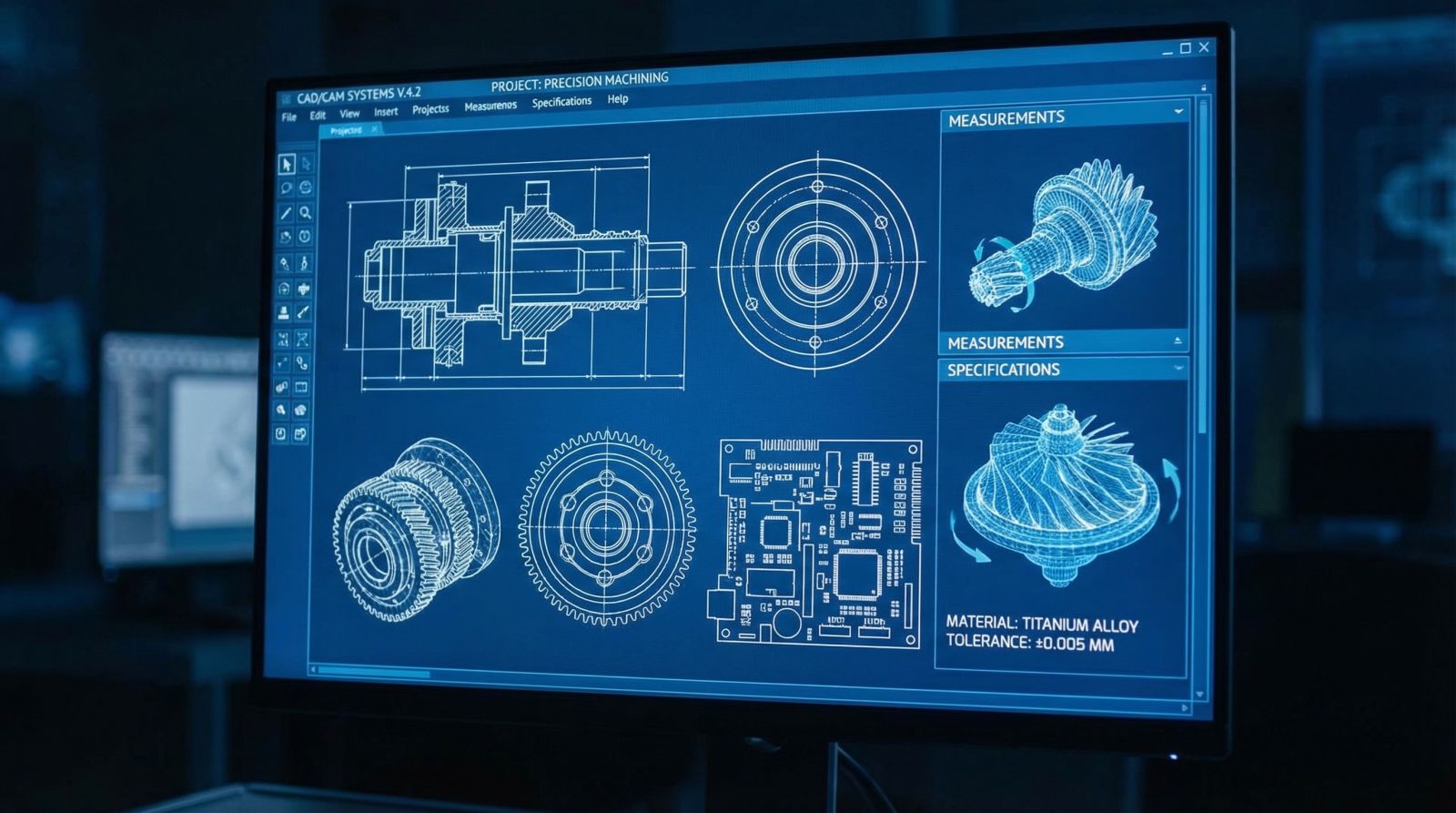
4. Cost Optimization and Commercial Considerations
4.1 Understanding Chinese Pricing Structure
Chinese precision machining pricing reflects competitive market dynamics, but understanding underlying cost structures helps buyers negotiate effectively.
Equipment Utilization: Machine hourly rates reflect equipment investment, operational costs, and desired utilization levels. Higher utilization enables lower rates while maintaining profitability.
Labor Costs: Labor represents a smaller portion of precision machining costs than many buyers assume. Automation and equipment investment reduce direct labor significance while increasing fixed cost importance.
Material Costs: Raw material pricing varies with quantity, supplier relationships, and market conditions. Buyers should understand material pricing mechanisms and any opportunities for cost reduction through volume or supplier management.
Overhead Allocation: Factory overhead including facility costs, management, quality, and support functions gets allocated across production. Understanding overhead allocation helps evaluate pricing reasonableness.
4.2 Negotiation Strategies
Effective negotiation achieves favorable pricing while maintaining supplier relationship quality and commitment to quality requirements.
Total Cost Focus: Focus negotiations on total cost of ownership rather than unit price alone. Logistics, tooling, quality costs, and inventory impacts may significantly influence total program economics.
Volume Commitments: Where possible, provide volume projections enabling suppliers to plan capacity investment. Volume commitments in exchange for pricing concessions benefit both parties.
Payment Terms: Payment terms affect supplier cash flow and pricing. Net 30 or Net 60 payment terms may enable more favorable pricing than immediate payment requirements.
Long-Term Relationships: Suppliers often provide better pricing and priority treatment for customers with whom they have established relationships. Consider multi-program or long-term commitments where appropriate.
4.3 Value Engineering Opportunities
Chinese suppliers often identify value engineering opportunities that reduce costs while maintaining or improving product functionality. Encouraging supplier input on cost reduction generates mutual benefit.
Design Modification: Supplier suggestions for design modifications reducing manufacturing complexity often yield significant cost reductions. DFM reviews early in program development maximize value engineering opportunities.
Material Substitution: Alternative materials offering equivalent performance at lower cost may be available. Supplier technical input helps evaluate material substitution feasibility.
Process Optimization: Manufacturing process modifications including consolidation of operations, alternative finishing methods, or tooling improvements may reduce costs without quality impact.
Tolerance Optimization: Specifications tighter than functional requirements increase cost unnecessarily. Supplier input on achievable tolerances helps optimize specifications.
5. Logistics and Supply Chain Integration
5.1 Shipping and Logistics Options
Establishing efficient logistics processes reduces total cost and improves supply chain responsiveness. Multiple shipping options serve different requirements.
Air Freight: For urgent requirements or low-volume high-value parts, air freight provides fastest delivery but at highest cost. Air freight suits prototype parts, emergency replacements, and time-critical production releases.
Sea Freight: For volume production shipments, sea freight provides most economical transportation. Lead times of 3-5 weeks from Chinese ports to major destinations require appropriate planning.
Express Courier: Services like DHL, FedEx, and UPS provide door-to-door express shipping for documents, samples, and small packages. Transit times of 3-5 business days balance speed and cost for many requirements.
Consolidation Programs: For ongoing production, consolidation programs combining multiple shipments reduce logistics costs while maintaining reasonable lead times. Freight forwarder relationships often enable favorable consolidation terms.
5.2 Inventory Management Strategies
Balancing inventory investment against stockout risk requires systematic approach especially for international supply chains.
Safety Stock Determination: International supply chains require safety stock accounting for longer replenishment lead times and greater supply variability. Quantitative analysis of demand and supply variability informs appropriate safety stock levels.
Vendor Managed Inventory: For high-volume items, vendor managed inventory (VMI) arrangements shift inventory management responsibility to suppliers while ensuring availability. Suppliers benefit from predictable demand visibility while buyers reduce inventory investment.
Kanban Systems: Electronic kanban systems linking buyer production systems with supplier order systems enable responsive replenishment. Implementation requires sufficient volume and system integration investment.
6. Building Successful Long-Term Partnerships
6.1 Partnership Development
The most successful international manufacturing relationships evolve beyond transactional purchasing into strategic partnerships delivering mutual benefit. Developing such relationships requires intentional effort from both parties.
Mutual Understanding: Invest in understanding supplier capabilities, constraints, and business dynamics. Likewise, help suppliers understand your requirements, priorities, and competitive situation.
Fair Dealing: Treat suppliers fairly including reasonable pricing, timely payment, and realistic requirements. Suppliers treated fairly become partners rather than vendors, providing priority treatment and problem resolution when issues arise.
Growth Opportunities: Where suppliers demonstrate capability and commitment, consider expanding relationship scope. Growing relationships reward supplier investment and strengthen competitive position.
6.2 Continuous Improvement
Long-term success requires continuous improvement in quality, cost, and delivery performance. Establishing improvement expectations and measuring results drives ongoing advancement.
Performance Metrics: Define key performance indicators (KPIs) including quality (defect rates, scrap rates), delivery (on-time delivery percentage), and cost (price trends). Regular performance reviews identify improvement opportunities.
Improvement Initiatives: Joint improvement projects addressing specific challenges strengthen relationships while delivering tangible results. Improvement investments benefit both parties when fairly structured.
Technology Updates: Manufacturing technology evolves continuously. Suppliers investing in advanced capabilities offer opportunities for early adoption of productivity and quality improvements.
7. Ningbo Yichou Industrial: Your Trusted Manufacturing Partner
For international buyers seeking a reliable Chinese precision machining partner, Ningbo Yichou Industrial Co., Ltd offers comprehensive capabilities backed by over two decades of industry experience.
Our company specializes in precision manufacturing services including CNC machining, investment casting, sheet metal fabrication, injection molding, and complete turnkey solutions. We serve customers across aerospace, medical, automotive, semiconductor, and general industrial sectors worldwide.
Our Capabilities Include:
- CNC Machining: Multi-axis CNC milling and turning with precision tolerances to ±0.005mm
- Investment Casting: Lost wax precision casting in stainless steel, carbon steel, alloy steels, and specialty alloys
- Sheet Metal Fabrication: Custom sheet metal parts with comprehensive finishing options
- Injection Molding: Plastic injection molding from prototyping through production volumes
- Surface Treatment: Comprehensive finishing including anodizing, plating, powder coating, and passivation
- Quality Assurance: ISO 9001 certified quality system with comprehensive inspection capabilities
Our team welcomes the opportunity to discuss your precision manufacturing requirements. We invite you to experience the capability and commitment that distinguish quality-oriented Chinese manufacturing suppliers.
Contact Information:
Website: www.nbyichou.com Email: [email protected] WhatsApp: +86 13355741031
We look forward to building a successful partnership with you.
Conclusion
China’s precision machining capabilities have reached world-class levels, offering international buyers compelling value propositions when quality, capability, and cost are appropriately balanced. Success in sourcing from Chinese suppliers requires systematic supplier evaluation, clear requirements definition, effective communication, and appropriate relationship development.
The rewards of successful Chinese manufacturing partnerships include access to advanced capabilities, competitive costs, and manufacturing scalability that enable global competitiveness. By applying the principles outlined in this guide, procurement professionals can confidently engage with Chinese precision machining suppliers while managing associated risks.
For companies seeking a manufacturing partner combining technical capability, quality commitment, and competitive economics, Ningbo Yichou Industrial stands ready to demonstrate our capabilities through your projects. We welcome inquiries from companies seeking reliable precision manufacturing solutions.
Keywords: CNC machining services China, precision manufacturing, Chinese supplier sourcing, CNC milling, CNC turning, five-axis machining, precision tolerances, manufacturing quality control, international supply chain, aerospace machining, medical device manufacturing
Related Services: CNC Machining | Precision Casting | Sheet Metal Fabrication | Injection Molding | Surface Treatment | Quality Manufacturing China
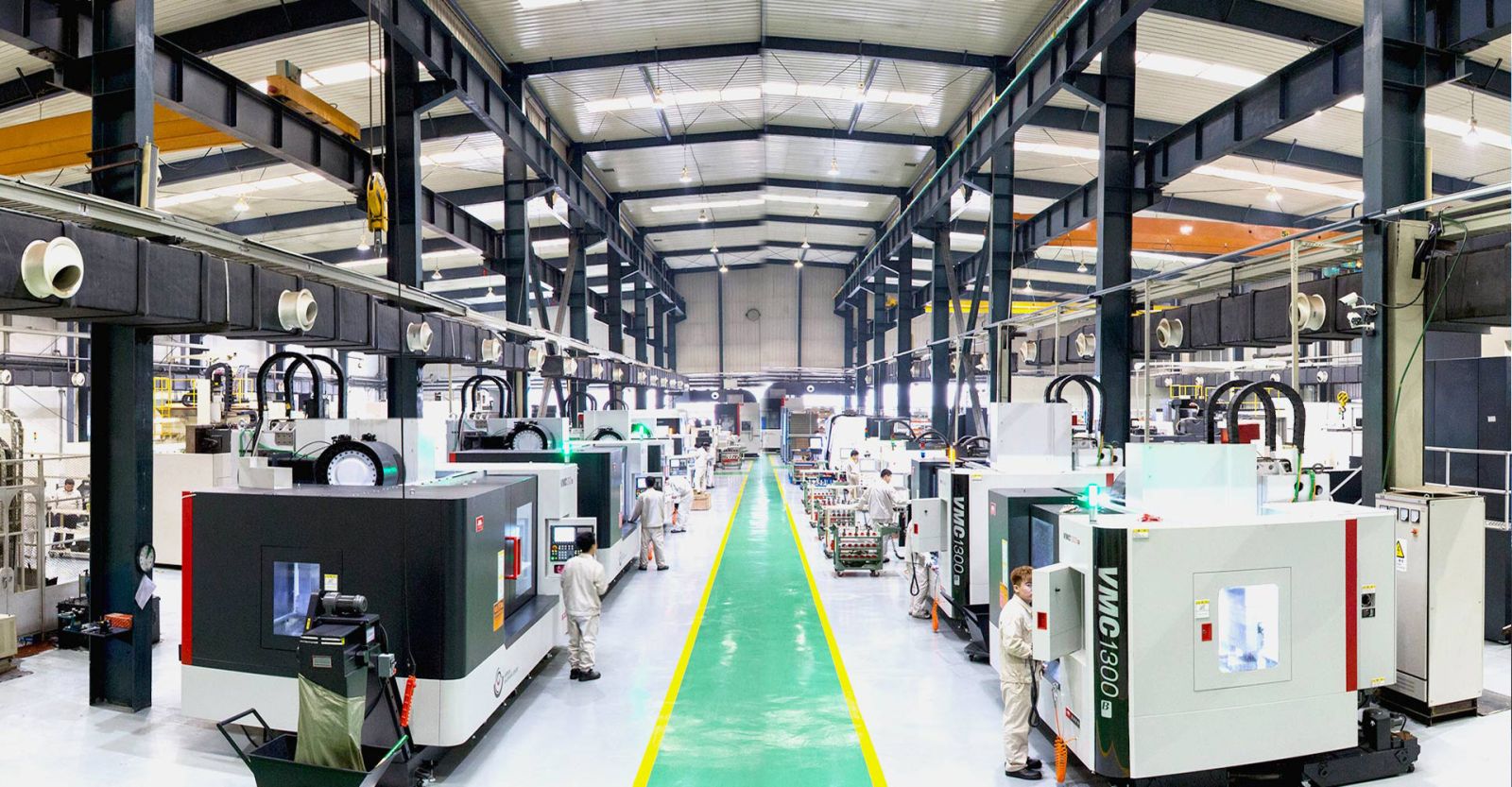
Contact us today for a competitive quote and technical support!
Let Yichou help you achieve excellence in your next project. Whether you need raw materials, custom alloy solutions, or precision-manufactured components, our team is ready to assist.
- Email us: [email protected]
- Call us/whatsapp: +86 13355741031
- Chat with us: Live chat support available on our website