Executive Summary
Titanium alloys represent some of the most strategically important materials in modern manufacturing, particularly for aerospace, medical, and high-performance industrial applications. Among the numerous titanium grades available, Grade 5 (Ti-6Al-4V) and Grade 23 (Ti-6Al-4V ELI) stand as the most widely utilized variants, each serving critical roles across diverse industries. Understanding the nuanced differences between these materials enables engineers, procurement professionals, and product designers to make informed material selection decisions that optimize both performance and cost-effectiveness.
This comprehensive guide examines the technical characteristics, processing considerations, applications, and trade-offs between Titanium Grade 5 and Grade 23. Whether you are designing aerospace structural components, medical implants, or high-performance industrial equipment, this analysis provides the information necessary to select the optimal titanium alloy for your specific requirements.
The selection between Grade 5 and Grade 23 impacts not only mechanical performance but also manufacturing processes, quality verification requirements, and total component cost. By understanding these factors,specifiers can avoid over-engineering solutions with unnecessarily expensive materials while ensuring that critical requirements are never compromised.
1. Understanding Titanium and Its Alloy Systems
1.1 Background on Titanium as an Engineering Material
Titanium was first discovered in 1791 by William Gregor and named after the Titans of Greek mythology reflecting the material’s exceptional strength. However, commercial production only became viable in the late 1940s, and widespread industrial adoption followed decades later. Today, titanium is recognized as an indispensable material for applications requiring exceptional strength-to-weight ratio, corrosion resistance, and biocompatibility.
The atomic number of titanium is 22, placing it in the transition metal group of the periodic table. As an element, titanium exhibits remarkable properties including a density approximately 60% that of steel, tensile strength comparable to many steels, exceptional corrosion resistance due to a stable oxide layer, and complete biocompatibility making it suitable for medical implant applications.
The metal exists in two crystallographic forms: alpha (hexagonal close-packed) below 882°C and beta (body-centered cubic) above this transformation temperature. This allotropic transformation enables heat treatment of titanium alloys, allowing optimization of mechanical properties for specific applications.
1.2 Titanium Alloy Classification System
Titanium alloys are classified according to their dominant phase composition, which determines processing characteristics and mechanical properties. Understanding this classification system provides essential context for evaluating Grade 5 and Grade 23.
Alpha Alloys: Composed primarily of the alpha phase, these alloys offer excellent weldability, good elevated temperature strength, and reasonable corrosion resistance. However, they cannot be heat treated for strength improvement. Commercially pure titanium grades fall into this category.
Alpha-Beta Alloys: The most widely used titanium alloys, these materials contain both alpha and beta phases in their microstructure. This classification provides an attractive balance of strength, ductility, and heat treatability. Grade 5 and Grade 23 both fall into this category.
Beta Alloys: These alloys contain sufficient beta-stabilizing elements to retain the beta phase at room temperature. Beta alloys offer excellent formability and high strength, but require careful processing control.
The alpha-beta classification encompasses the two grades central to this guide. Both Grade 5 and Grade 23 contain approximately 6% aluminum (the primary alpha stabilizer) and 4% vanadium (the primary beta stabilizer), hence their designations as Ti-6Al-4V alloys.
1.3 The Significance of ELI Designation
The “ELI” designation in Grade 23 stands for “Extra Low Interstitials,” indicating that this variant has reduced levels of impurity elements, particularly oxygen, iron, and carbon. This subtle difference in chemistry produces meaningful property variations that distinguish the two grades.
Interstitial elements occupy spaces between atoms in the metal crystal lattice, strengthening the material but reducing ductility and toughness. By minimizing these elements, Grade 23 achieves superior fracture toughness and ductility compared to Grade 5, making it the preferred choice for critical applications where these properties are paramount.
2. Chemical Composition and Material Specifications
2.1 Detailed Chemical Composition Comparison
Understanding the specific chemical composition requirements clarifies the practical differences between Grade 5 and Grade 23. Both alloys share the same fundamental alloying additions, but impurity limits differ substantially.
Titanium Grade 5 (ASTM B265, AMS 4911) chemical composition requirements include:
|
Element |
Content (%) |
|
Titanium |
Balance |
|
Aluminum |
5.5-6.75 |
|
Vanadium |
3.5-4.5 |
|
Iron |
Maximum 0.40 |
|
Oxygen |
Maximum 0.20 |
|
Carbon |
Maximum 0.08 |
|
Nitrogen |
Maximum 0.05 |
|
Hydrogen |
Maximum 0.015 |
|
Residual Elements |
0.10 each, 0.40 total |
Titanium Grade 23 (ASTM F136, AMS 4930) chemical composition requirements include:
|
Element |
Content (%) |
|
Titanium |
Balance |
|
Aluminum |
5.5-6.5 |
|
Vanadium |
3.5-4.5 |
|
Iron |
Maximum 0.25 |
|
Oxygen |
Maximum 0.13 |
|
Carbon |
Maximum 0.08 |
|
Nitrogen |
Maximum 0.05 |
|
Hydrogen |
Maximum 0.0125 |
|
Residual Elements |
0.10 each, 0.40 total |
The critical differences appear in the reduced limits for iron, oxygen, and hydrogen in Grade 23. These tighter controls require more refined manufacturing processes for both the raw material and subsequent processing.
2.2 Standard Specifications and Grade Designations
Both Grade 5 and Grade 23 are defined by multiple overlapping specifications addressing different applications and customer requirements. Understanding these specifications helps ensure appropriate material sourcing and verification.
Grade 5 (Ti-6Al-4V) applicable specifications include:
- ASTM B265: Specification for titanium and titanium alloy strip, sheet, and plate
- ASTM F136: Specification for wrought Ti-6Al-4V ELI for surgical implant applications (applies to Grade 23 actually)
- AMS 4911: Aerospace material specification for titanium alloy plate and sheet
- AMS 4919: Aerospace specification for bar and wire
- MIL-T-9046: Military specification for titanium and titanium alloy sheet, strip, and plate
Grade 23 (Ti-6Al-4V ELI) applicable specifications include:
- ASTM F136: Specification for wrought Ti-6Al-4V ELI for surgical implant applications
- AMS 4930: Aerospace material specification for titanium alloy bar and wire, ELI
- AMS 4931: Aerospace specification for titanium alloy plate, ELI
- ASTM B265 Grade 23: Sheet, strip, and plate
Note that Grade 23 is often specified for medical implant applications using ASTM F136, while Grade 5 serves general aerospace and industrial applications. These specification distinctions reflect the different property priorities for these applications.
2.3 Material Sourcing Considerations
Procuring titanium alloys requires attention to supplier qualifications and material verification to ensure specification compliance.
Qualified Material Suppliers: Source titanium from suppliers with documented quality systems and specification compliance history. For aerospace applications, approved source lists often define acceptable suppliers. Medical applications require materials from suppliers meeting FDA Quality System Regulation requirements.
Material Certification: Always require material test reports (MTR) documenting chemical composition, mechanical properties, and heat treatment condition. Certification should reference specific ASTM or AMS specifications and include lot traceability.
Positive Material Identification: For critical applications, spectroscopic analysis of received material confirms specification compliance. This verification protects against potential certification issues or material substitution.
3. Mechanical Properties and Performance Characteristics
3.1 Room Temperature Mechanical Properties
The mechanical property differences between Grade 5 and Grade 23 directly influence application selection. Both alloys offer excellent strength-to-weight ratios, but their ductility and toughness characteristics differ meaningfully.
Titanium Grade 5 (Ti-6Al-4V) typical room temperature mechanical properties in the annealed condition include:
- Tensile Strength: 950 MPa (138 ksi) minimum
- Yield Strength: 880 MPa (128 ksi) minimum
- Elongation: 14% minimum in 50mm gauge length
- Reduction of Area: 36% minimum
- Hardness: 36 HRC maximum (annealed), can reach 44 HRC when heat treated
- Modulus of Elasticity: 113 GPa (16,400 ksi)
Titanium Grade 23 (Ti-6Al-4V ELI) typical room temperature mechanical properties in the annealed condition include:
- Tensile Strength: 860 MPa (125 ksi) minimum
- Yield Strength: 795 MPa (115 ksi) minimum
- Elongation: 15% minimum in 50mm gauge length
- Reduction of Area: 45% minimum
- Hardness: 36 HRC maximum (annealed)
- Modulus of Elasticity: 113 GPa (16,400 ksi)
The lower strength of Grade 23 in the annealed condition reflects the reduced interstitial content. However, Grade 23 achieves comparable ultimate tensile strength when heat treated to the appropriate condition while maintaining superior ductility.
3.2 Fracture Toughness and Fatigue Performance
For critical applications, particularly aerospace components, fracture toughness and fatigue life often drive material selection. In these categories, Grade 23 demonstrates meaningful advantages.
Fracture Toughness: Grade 23 ELI exhibits superior fracture toughness compared to standard Grade 5. Testing according to ASTM E399 typically shows K_IC values of 75-90 MPa√m for Grade 23 in the appropriate heat treatment condition, compared to 55-70 MPa√m for Grade 5. This approximately 30% improvement in fracture resistance translates directly to improved damage tolerance for critical components.
Fatigue Performance: The superior ductility and cleanliness of Grade 23 generally provide better fatigue performance, particularly in environments where notches or stress concentrations are present. However, specific application performance depends heavily on surface finish, residual stresses, and operating conditions.
Creep Resistance: Both grades offer excellent creep resistance for temperatures up to approximately 400°C. For applications requiring extended elevated temperature exposure, consult specific property data for your temperature range.
3.3 Elevated Temperature Properties
Both Grade 5 and Grade 23 maintain mechanical performance at elevated temperatures, enabling use in aerospace hot sections and industrial applications involving heat exposure.
Strength Retention: Titanium Grade 5 retains approximately 60% of its room temperature tensile strength at 400°C and approximately 40% at 540°C. Grade 23 shows similar elevated temperature strength retention.
Creep Resistance: For long-term elevated temperature service, both alloys provide acceptable creep resistance to approximately 350-400°C. For higher temperature applications, alternative titanium alloys with higher aluminum content may be necessary.
Thermal Stability: Prolonged elevated temperature exposure can affect microstructure and mechanical properties. For applications involving extended high-temperature service, thermal stability testing may be appropriate to verify acceptable property retention.
4. Manufacturing and Processing Considerations
4.1 Machining Characteristics
Titanium alloys present well-known machining challenges, and Grade 5 and Grade 23 are no exceptions. However, with appropriate tooling and parameters, excellent results are achievable.
Machinability Rating: Both Grade 5 and Grade 23 receive machinability ratings approximately 0.25-0.35 relative to 100 for AISI B1112 free-machining steel. This rating indicates that titanium machining requires approximately 3-4 times longer cycle times than easy-to-machine steels.
Cutting Parameters: Successful titanium machining employs lower cutting speeds (30-50 m/min for carbide tooling), lighter depths of cut, and steady feed rates. Excessive cutting speeds lead rapidly to tool failure through built-up edge formation and thermal damage.
Tool Selection: Sharp-edged carbide tooling with appropriate geometry for titanium performs best. Coated tools including TiAlN or AlCrN coatings extend tool life. Rigid machine tool setups minimize vibration and deflection.
Coolant Application: Abundant coolant flow flushes chips and reduces cutting temperatures. High-pressure coolant systems prove particularly beneficial for deep drilling and internal operations.
4.2 Heat Treatment Response
Both Grade 5 and Grade 23 respond to heat treatment, enabling property optimization for specific applications. Understanding heat treatment capabilities helps specifiers achieve desired property combinations.
Solution Treatment and Aging: The standard heat treatment for both grades involves solution treating at 940-101 aging0°C followed by at 480-595°C. This treatment produces the optimal combination of strength and ductility for most applications.
Annealing: Full annealing produces the lowest strength condition, maximizing ductility for forming operations. This treatment involves heating to 700-785°C and holding followed by controlled cooling.
Stress Relief: Components with complex machining or welding benefit from stress relief heat treatment to minimize distortion risks during subsequent processing or in-service. Typical treatment involves 480-595°C exposure with appropriate cooling.
4.3 Forming and Fabrication
Both grades can be formed using appropriate techniques, though the higher strength of these alloys compared to commercially pure titanium requires greater force and more careful process control.
Hot Forming: Heating titanium components to 650-815°C enables forming with reduced forces and springback. However, careful temperature control prevents alpha-case formation that degrades ductility and fatigue performance.
Cold Forming: Limited cold forming is possible in the annealed condition, though springback exceeds that of steel or aluminum. Complex geometries typically require multiple forming operations with intermediate stress relief.
Welding: Both Grade 5 and Grade 23 can be welded using fusion welding techniques including GTAW (TIG), electron beam, and laser welding. However, careful control of shielding gas, filler metal selection, and post-weld heat treatment ensures acceptable weldment properties.

5. Applications and Industry Usage
5.1 Aerospace Industry Applications
Aerospace applications represent the largest market for titanium alloys, with Grade 5 dominating most structural applications while Grade 23 serves specialized critical components.
Grade 5 (Ti-6Al-4V) Aerospace Applications:
- Airframe structural components including wing skins, stiffeners, and landing gear
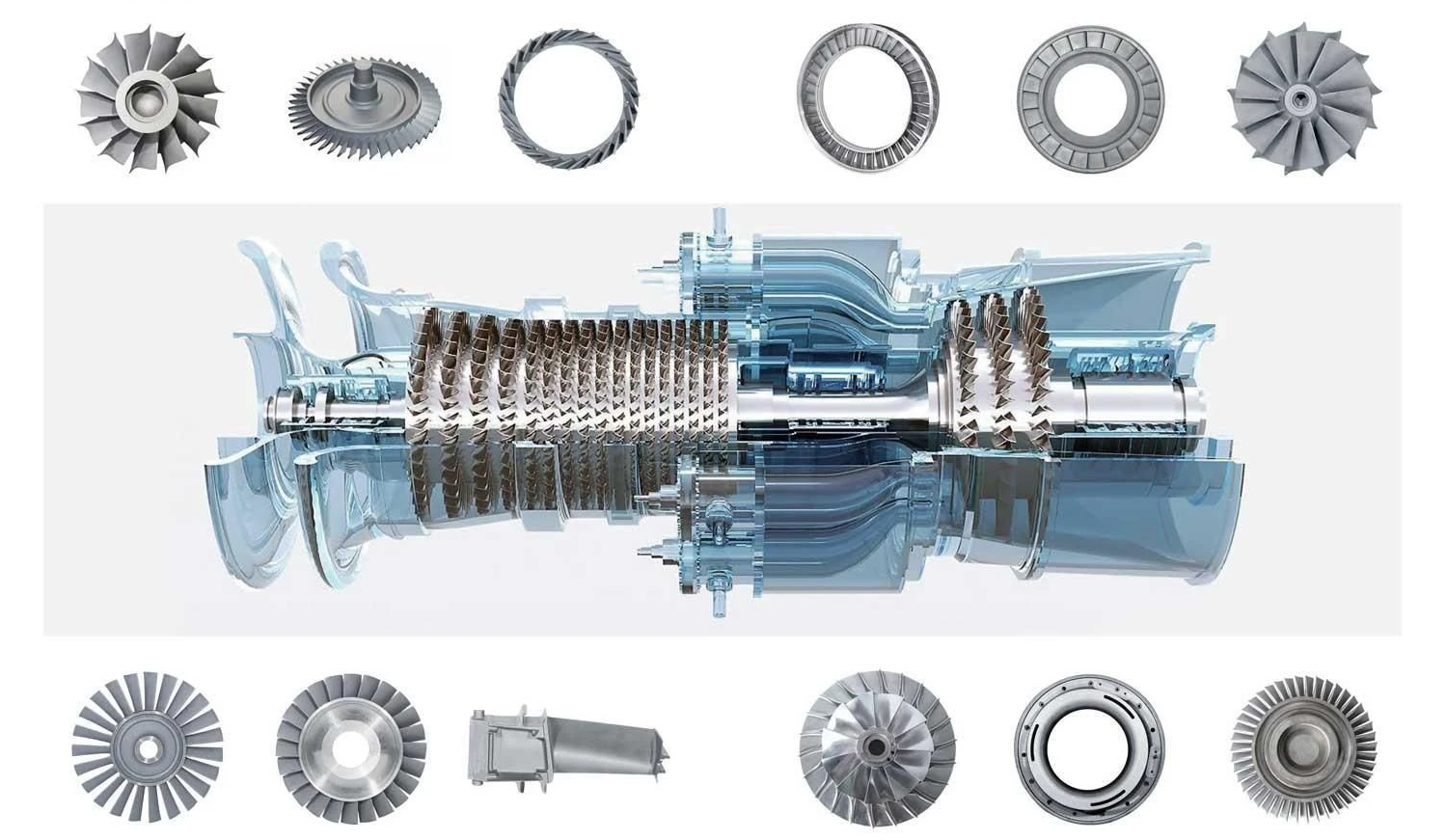
- Engine components including compressor blades, disks, and cases
- Helicopter rotor hub components
- Satellite structural components
- Missile and rocket motor cases
The combination of high strength, reasonable ductility, and established qualification makes Grade 5 the workhorse aerospace titanium alloy. Thousands of aerospace components have been qualification tested using this alloy, providing extensive performance data and design allowables.
Grade 23 (Ti-6Al-4V ELI) Aerospace Applications:
- Critical airframe structure requiring superior fracture toughness
- Spacecraft components where damage tolerance is paramount
- High-performance aircraft landing gear
- Engine components for rotating parts requiring fatigue resistance
The superior fracture toughness and fatigue performance of Grade 23 make it the preferred choice for applications where these properties are critical. Military and high-performance commercial aircraft utilize Grade 23 for the most critical structural elements.
5.2 Medical Device Applications
Medical applications leverage titanium’s unique combination of biocompatibility, corrosion resistance, and mechanical properties resembling human bone.
Grade 5 (Ti-6Al-4V) Medical Applications:
- Orthopedic implants including hip stems and knee components
- Dental implants and prosthetic components
- Surgical instruments
- Medical device hardware
Grade 23 (Ti-6Al-4V ELI) Medical Applications:
- Orthopedic implants requiring superior ductility and toughness
- Cardiovascular implants
- Spinal fusion devices
- Dental implant components
- Any implant application requiring the lowest modulus and best biocompatibility
ASTM F136 specifically defines requirements for Ti-6Al-4V ELI (Grade 23) for surgical implant applications. This specification ensures consistent material quality meeting medical device industry requirements. The improved ductility of Grade 23 accommodates the complex stresses encountered by implantable devices while the superior toughness provides resistance to fracture under impact loading.
5.3 Industrial and Commercial Applications
Beyond aerospace and medical sectors, both grades serve diverse industrial applications where titanium’s unique property combination proves valuable.
Chemical Processing: Both grades offer excellent corrosion resistance for chemical processing equipment including heat exchangers, reactors, and piping. The corrosion resistance of titanium in chlorides, acids, and saltwater environments exceeds that of stainless steels.
Marine Applications: Boat hardware, offshore structures, and desalination equipment utilize titanium’s corrosion resistance in seawater environments. While cost considerations limit adoption, life-cycle economics often favor titanium in aggressive marine conditions.
Sporting Goods: High-performance bicycle frames, golf club heads, and tennis racket components utilize titanium’s light weight and strength. While not as price-sensitive as aerospace applications, these markets benefit from cost optimization available through standard Grade 5 material.
Power Generation: Gas turbine components, nuclear fuel cladding, and geothermal energy equipment utilize titanium’s high-temperature capability and corrosion resistance.
6. Making the Right Material Selection
6.1 Selection Criteria and Decision Framework
Selecting between Grade 5 and Grade 23 requires systematic evaluation of application requirements. Consider the following decision framework for your specific situation.
Choose Titanium Grade 5 (Ti-6Al-4V) when:
- Standard aerospace or industrial applications without exceptional toughness requirements
- Maximum strength is prioritized over ductility
- Cost optimization is important (Grade 5 typically costs 15-25% less than Grade 23)
- Specification requirements specifically reference Grade 5 or equivalent
- Large component sizes where material availability is a consideration
Choose Titanium Grade 23 (Ti-6Al-4V ELI) when:
- Superior fracture toughness or fatigue performance is required
- Medical implant applications per ASTM F136 are specified
- Aerospace applications with damage tolerance requirements
- Maximum ductility is needed for complex stress states
- Premium material cost is justified by performance requirements
6.2 Cost Considerations
Material cost differences between Grade 5 and Grade 23 influence selection decisions, particularly for large components or high-volume production.
Raw Material Pricing: Grade 23 typically commands a 15-25% price premium over Grade 5 due to more stringent processing requirements and lower production volumes. For large aerospace components, this premium can significantly impact total program cost.
Processing Costs: The improved machinability of Grade 23 (slightly better due to lower interstitial content) provides minor processing cost benefits. However, these differences are typically small compared to raw material cost differences.
Total Cost Analysis: For cost-sensitive applications, perform total cost analysis considering raw material, processing, quality verification, and potential scrap/wastage costs. The performance benefits of Grade 23 may justify the premium for critical applications while standard Grade 5 suffices for less demanding uses.
6.3 Specification Compliance
Ensure your material selection complies with applicable specifications for your application.
Aerospace Applications: Reference specific AMS or MIL specifications for your program. Many aerospace programs have qualified designs using specific material lots and heat treatments, requiring careful matching of new procurement to existing qualification.
Medical Applications: ASTM F136 defines requirements for Ti-6Al-4V ELI for implant applications. Additional requirements from ISO 5832-3 or ASTM F67 (commercially pure titanium) may apply depending on specific device requirements.
General Industrial: For non-specified applications, standard ASTM B265 provides composition and property requirements. These specifications enable procurement without the overhead of aerospace or medical specification compliance.
7. Quality Assurance and Supply Chain Considerations
7.1 Material Verification Requirements
Responsible procurement includes appropriate verification that received material meets specification requirements.
Chemical Analysis: Spectroscopic analysis confirms chemical composition meets specification limits. This verification proves particularly important for Grade 23 where interstitial limits are tighter.
Mechanical Testing: Tensile testing verifies strength and ductility meet specification minimums. For critical applications, additional testing may include fracture toughness, fatigue, or creep testing.
Documentation Review: Mill test reports (MTR) should document heat lot, chemical composition, mechanical properties, heat treatment condition, and specification compliance. Maintain documentation throughout component life.
7.2 Supplier Qualification
Establish relationships with qualified titanium suppliers to ensure consistent material quality.
Approved Supplier Lists: For aerospace applications, approved supplier lists define acceptable sources. Maintain relationships with multiple qualified suppliers to ensure supply continuity.
Quality Systems: Verify supplier quality management systems through ISO 9001 certification or industry-specific standards (AS9100, ISO 13485 for medical).
Traceability: Establish lot traceability from raw material through finished component. This traceability enables investigation of any quality issues and supports customer audit requirements.
8. Partner with Ningbo Yichou Industrial for Titanium Machining
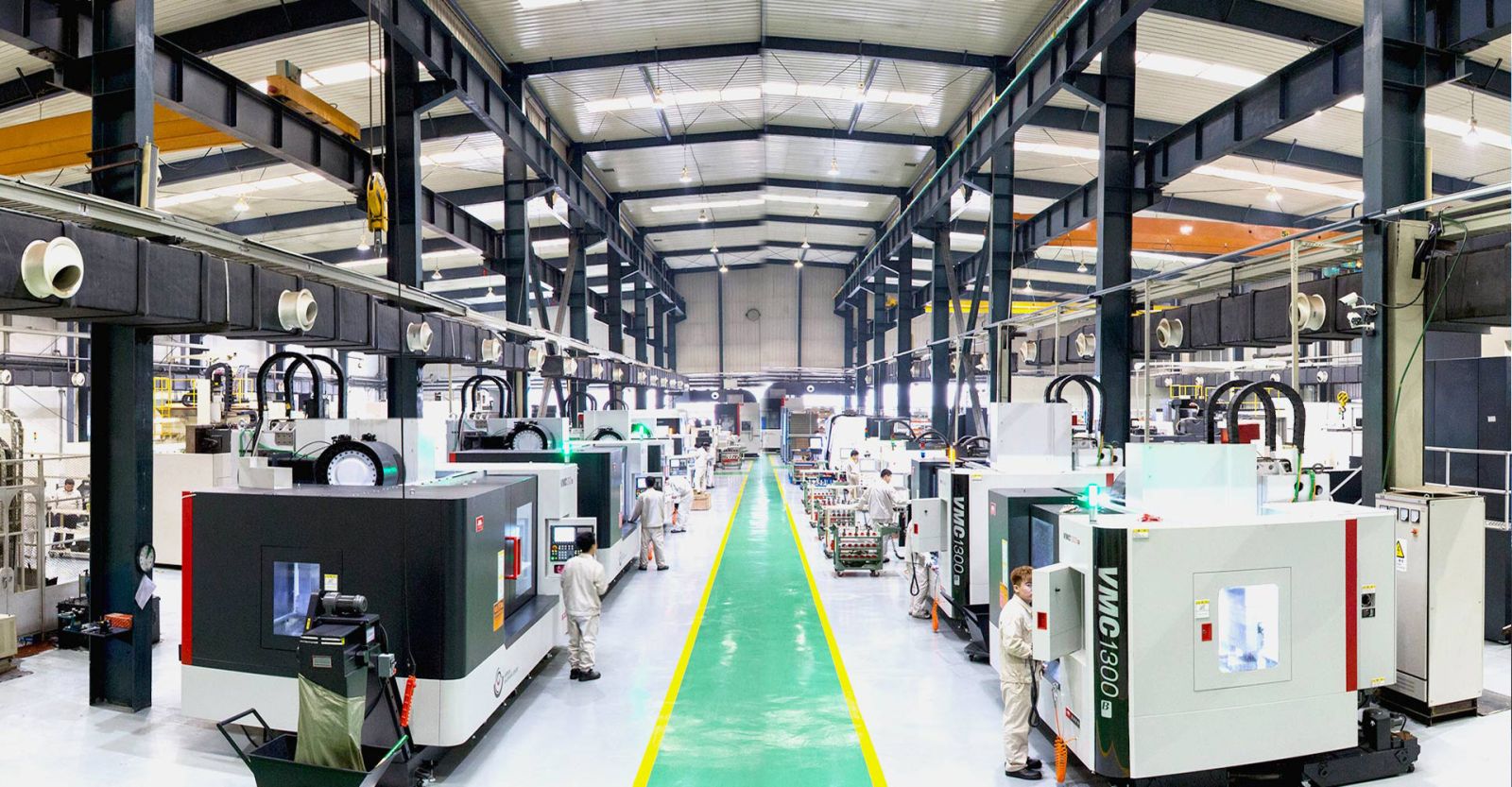
For companies requiring precision machining of titanium alloys including Grade 5 and Grade 23, Ningbo Yichou Industrial Co., Ltd offers proven capability and quality commitment. With over 20 years of experience serving aerospace, medical, and industrial customers worldwide, we have developed expertise in titanium machining that delivers consistent, high-quality results.
Our titanium machining capabilities include:
- CNC milling and turning with precision tolerances to ±0.005mm
- Complex geometry machining using multi-axis equipment
- Comprehensive heat treatment partnerships
- Full quality inspection including CMM measurement and material verification
- Complete documentation and traceability
We welcome inquiries from companies seeking a reliable manufacturing partner for titanium components. Our engineering team provides design for manufacturability support to optimize your components for production efficiency while meeting all specification requirements.
Contact Information:
Website: www.nbyichou.com Email: [email protected] WhatsApp: +86 13355741031
Conclusion
Titanium Grade 5 (Ti-6Al-4V) and Grade 23 (Ti-6Al-4V ELI) represent the two most important titanium alloys in modern manufacturing. Understanding their differences enables optimal material selection for specific applications.
Grade 5 provides excellent general-purpose performance at lower cost, making it the appropriate choice for most aerospace and industrial applications. Grade 23 delivers superior fracture toughness and ductility, justifying its premium for medical implants and critical aerospace components where these properties are essential.
Both materials present manufacturing challenges requiring appropriate equipment, tooling, and process expertise. Partnering with an experienced precision machining supplier ensures successful outcomes for titanium component programs.
For companies seeking a capable manufacturing partner with demonstrated titanium expertise, Ningbo Yichou Industrial stands ready to deliver the quality and service your applications require. Contact us today to discuss your titanium machining requirements.
Keywords: Titanium Grade 5, Ti-6Al-4V, Titanium Grade 23, Ti-6Al-4V ELI, aerospace titanium, medical titanium, titanium machining, titanium alloy comparison, implant materials, precision manufacturing
Related Services: Titanium Machining | CNC Precision Machining | Aerospace Parts Manufacturing | Medical Device Components | Investment Casting | Precision Manufacturing China
Contact us today for a competitive quote and technical support!
Let Yichou help you achieve excellence in your next project. Whether you need raw materials, custom alloy solutions, or precision-manufactured components, our team is ready to assist.
- Email us: [email protected]
- Call us/whatsapp: +86 13355741031
- Chat with us: Live chat support available on our website