In the rapidly evolving world of modern manufacturing, engineers and product developers often face a critical decision: should they use CNC machining or 3D printing for their project? This question has become increasingly relevant as both technologies have matured and gained widespread adoption across industries. Understanding the fundamental differences between these manufacturing methods, along with their respective advantages and limitations, is essential for making informed decisions that will impact your product development timeline, costs, and final part quality.
The choice between CNC machining and 3D printing extends beyond simple cost considerations. It involves evaluating your project's specific requirements, including precision needs, material properties, production volume, and timeline constraints. Each method offers distinct benefits that make it more suitable for certain applications, and selecting the wrong approach can result in increased costs, delayed timelines, or compromised part performance. This comprehensive guide will walk you through the key factors to consider, helping you determine which manufacturing method best aligns with your project goals.
Understanding the Fundamental Differences
CNC machining and 3D printing represent fundamentally different approaches to manufacturing, each with its own underlying principles and operational characteristics. CNC machining is a subtractive manufacturing process, meaning it begins with a solid block of material and removes material through cutting, drilling, milling, or turning to create the desired shape. The process relies on computer-controlled movements of cutting tools along multiple axes, following precise programming instructions to achieve exact dimensional specifications. This methodology has been refined over decades and represents a mature, well-understood manufacturing approach with extensive industry adoption.
In contrast, 3D printing, also known as additive manufacturing, builds parts layer by layer from the ground up. Using digital model data, the printing system deposits or solidifies material progressively, adding layer upon layer until the complete part emerges. This additive approach eliminates the need for specialized tooling and enables the creation of geometries that would be impossible or extremely difficult to achieve through subtractive methods. The technology has evolved significantly since its inception in the 1980s, with modern 3D printers capable of producing functional parts from various materials including metals, plastics, and composites.
The choice between these fundamentally different approaches has profound implications for your project. Subtractive manufacturing typically excels in precision and surface finish, while additive manufacturing offers advantages in geometric complexity and design freedom. Understanding these foundational differences sets the stage for evaluating which method will serve your specific needs most effectively.
Precision and Dimensional Accuracy
When precision is the paramount concern, CNC machining generally holds a distinct advantage over 3D printing. Modern CNC machines can achieve tolerances measured in micrometers, making them suitable for applications requiring exact dimensional specifications. This level of precision has made CNC machining the go-to choice for aerospace components, medical devices, and other applications where failure is not an option and tight tolerances are mandatory. The accuracy stems from the rigid construction of CNC machines, the precision of their linear guides and ball screws, and the repeatability of computer-controlled movements.
CNC machining also produces superior surface finishes directly from the machine, often requiring minimal post-processing to achieve the desired smoothness. This is particularly important for parts that will interface with other components, as surface finish can significantly affect fit, function, and wear characteristics. Parts produced through CNC machining can often go directly from the machine to assembly without additional finishing operations, reducing production time and costs.
3D printing, while having improved significantly in recent years, generally cannot match CNC machining in terms of dimensional precision. Layer-by-layer building creates slight stepping between layers that must be addressed through post-processing for applications requiring smooth surfaces. However, it's worth noting that certain 3D printing technologies, such as stereolithography (SLA), can achieve impressive precision for plastic parts, making them suitable for applications with moderate tolerance requirements. Understanding your specific precision requirements is crucial in making the right manufacturing choice.
Material Properties and Selection
The material properties achievable through CNC machining and 3D printing differ substantially, influencing which applications each method best serves. CNC machining works with an extensive range of conventional materials, including aluminum, steel, stainless steel, titanium, brass, copper, and a wide variety of engineering plastics. These materials have well-characterized properties and have been optimized for machining over decades of industrial use. The resulting parts exhibit the full material properties that the raw material offers, including strength, ductility, and thermal resistance.
Metal 3D printing has expanded the capabilities of additive manufacturing, but the material options remain more limited than traditional machining. The mechanical properties of 3D printed parts can also vary depending on the orientation of layers and the direction of applied forces, creating anisotropy that may not be present in machined parts. This anisotropic behavior must be considered in design, particularly for structural applications where consistent properties in all directions are essential.
For plastic parts, CNC machining produces components with predictable, isotropic properties similar to injection-molded parts. 3D printed plastics may have different characteristics depending on the printing orientation and technology used. Understanding these material property differences is essential for applications where strength, durability, or thermal resistance are critical considerations.
Geometric Complexity and Design Freedom
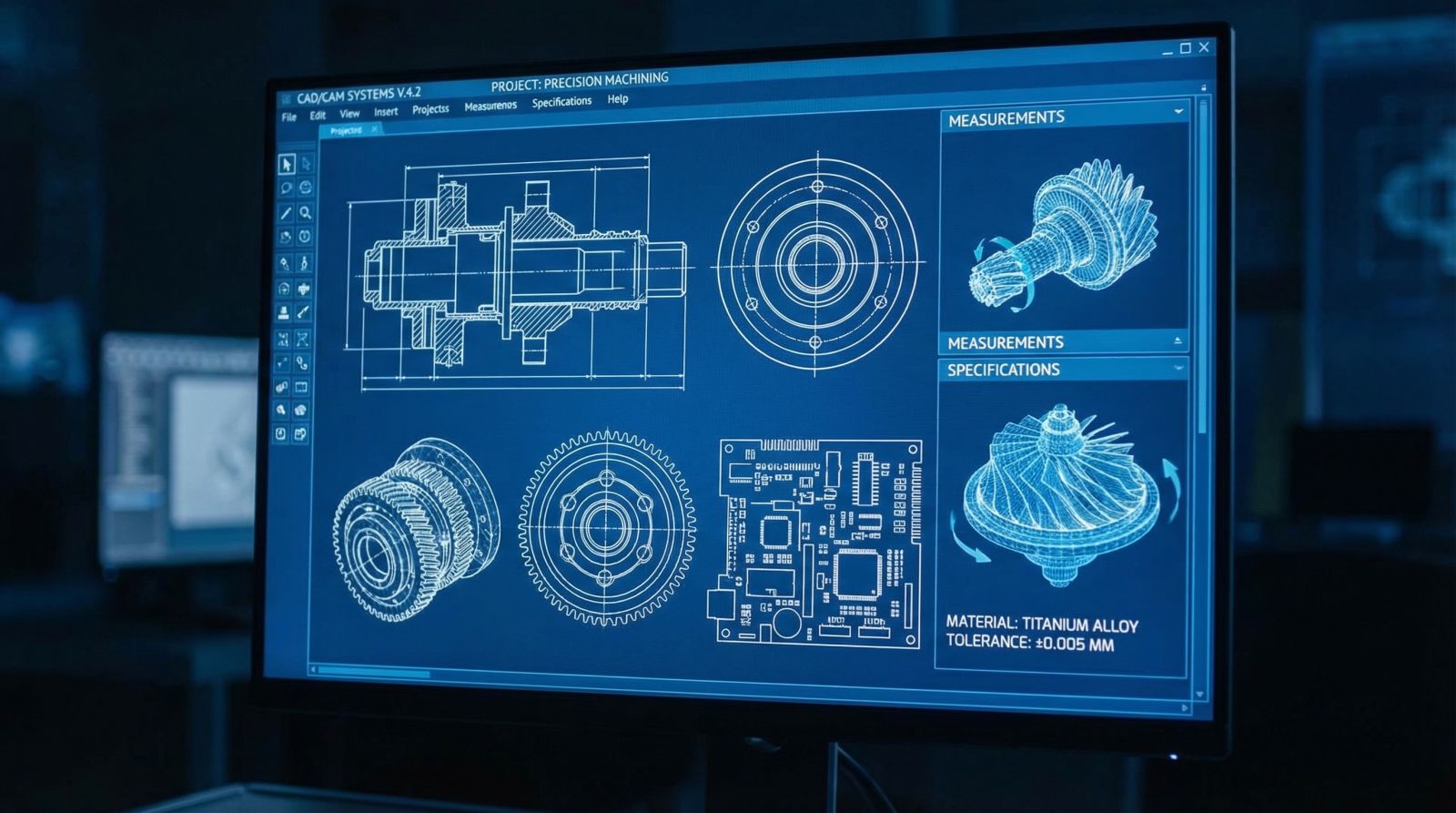
Here is where 3D printing demonstrates its most significant advantage over traditional machining. CNC machining is constrained by tool geometry and access. Complex internal channels, undercuts, and intricate geometries often require multiple setups, specialized tooling, or even impossible to machine with traditional methods. Every feature must be accessible to a cutting tool approaching from a viable direction, which limits design freedom significantly.
3D printing fundamentally changes this equation by building parts without tool access constraints. Internal cooling channels, lattice structures, organic shapes, and complex topology can be produced as easily as simple geometric forms. This design freedom enables innovative approaches to thermal management, weight reduction, and performance optimization that would be prohibitively expensive or impossible through traditional manufacturing. Engineers can now design parts specifically for function rather than manufacturing limitations.
However, this design freedom comes with its own considerations. While 3D printing can create complex shapes, certain features that seem simple in CAD can be challenging to print successfully. Overhangs require support structures, and internal voids can trap unsintered powder or uncured resin. Understanding these printing constraints is essential for designing parts that can be manufactured successfully and efficiently.
Production Volume and Cost Considerations
The economics of CNC machining versus 3D printing shift dramatically depending on production volume, making this factor crucial in your decision-making process. For low-volume production and prototyping, 3D printing often offers advantages in terms of setup time and cost. Without the need for custom tooling, jigs, or fixtures, 3D printing can produce parts quickly and cost-effectively in small quantities. This makes it particularly attractive for prototypes, custom parts, and pilot production runs.
CNC machining becomes increasingly economical as production volumes rise. While the initial setup requires programming and tooling investment, the per-part cost decreases significantly for larger runs. CNC machined parts benefit from consistent quality across high volumes, with each part being virtually identical to the last. The mature tooling ecosystem and established manufacturing processes also provide more predictable costs and lead times.
For very high-volume production, injection molding typically offers the lowest per-unit costs, though the significant tooling investment makes it most economical only for large quantities. CNC machining remains competitive for medium volumes where injection molding tooling costs cannot be amortized sufficiently. Understanding your anticipated production volume is essential for making economically sound manufacturing decisions.
Lead Time and Speed to Market
In today's competitive marketplace, speed to market can be as important as unit cost, making lead time a critical factor in manufacturing method selection. 3D printing excels in rapid prototyping scenarios where getting a physical model quickly is more valuable than achieving the lowest possible cost. A design can be modified in the afternoon and be in your hands the next morning, enabling rapid iteration cycles that accelerate product development.
CNC machining requires more lead time due to programming and setup requirements. Complex parts may need hours of programming time before production can begin, and tool changes during production add to cycle times. However, the overall lead time depends significantly on the complexity of the part and the capabilities of your manufacturing partner. An experienced provider with efficient programming practices and well-organized tooling can often deliver machined parts quickly.
For production runs, the time advantages of 3D printing diminish as quantities increase. While initial setup is faster, the serial nature of building parts one at a time means longer overall production times for large quantities. CNC machining's parallel processing capability, where multiple parts can be machined simultaneously in different workholding setups, often provides faster delivery for production quantities.
Surface Finish and Post-Processing
The as-built surface finish differs significantly between CNC machining and 3D printing, with implications for post-processing requirements and final part aesthetics. CNC machined surfaces typically emerge from the machine with a smooth finish that may require only deburring and minor refinement. The cutting action of sharp tools against the workpiece produces a relatively consistent surface texture that can be further enhanced through various finishing processes if needed.
3D printed parts almost always require some degree of post-processing to achieve the desired surface finish. Layer lines from the printing process are visible on as-printed parts, and support structure removal leaves marks that must be addressed. Depending on the application, post-processing options include sanding, bead blasting, chemical smoothing, or coating. Each adds time and cost to the part production, which should be factored into your manufacturing planning.
For functional parts where surface finish affects performance, understanding these differences is particularly important. Sealing surfaces, bearings, and optical components often require specific surface characteristics that may be achieved more easily through CNC machining. Taking these requirements into account early in the design phase helps avoid costly surprises during production.
Which Method Should You Choose?
Making the right choice between CNC machining and 3D printing requires evaluating your specific project requirements against the strengths and limitations of each method. Choose CNC machining when your project demands tight tolerances, superior surface finish, specific material properties, or production volumes that justify the setup investment. CNC machining remains the preferred choice for aerospace, medical, automotive, and industrial applications where precision and reliability are non-negotiable.
Choose 3D printing when your priorities include rapid prototyping, complex geometries that cannot be machined, design exploration, or low-volume production where tooling costs would be prohibitive. 3D printing enables design freedom that can unlock performance benefits and innovation opportunities unavailable through traditional manufacturing. The technology continues to mature, expanding its capabilities and applicability across industries.
The optimal approach may actually combine both technologies, using 3D printing for prototyping and design validation while transitioning to CNC machining for production quantities. This hybrid strategy leverages the strengths of each method while mitigating their limitations. Many successful product development programs use this approach to accelerate development while ensuring production readiness.
Partner with Yichou for Your Manufacturing Needs
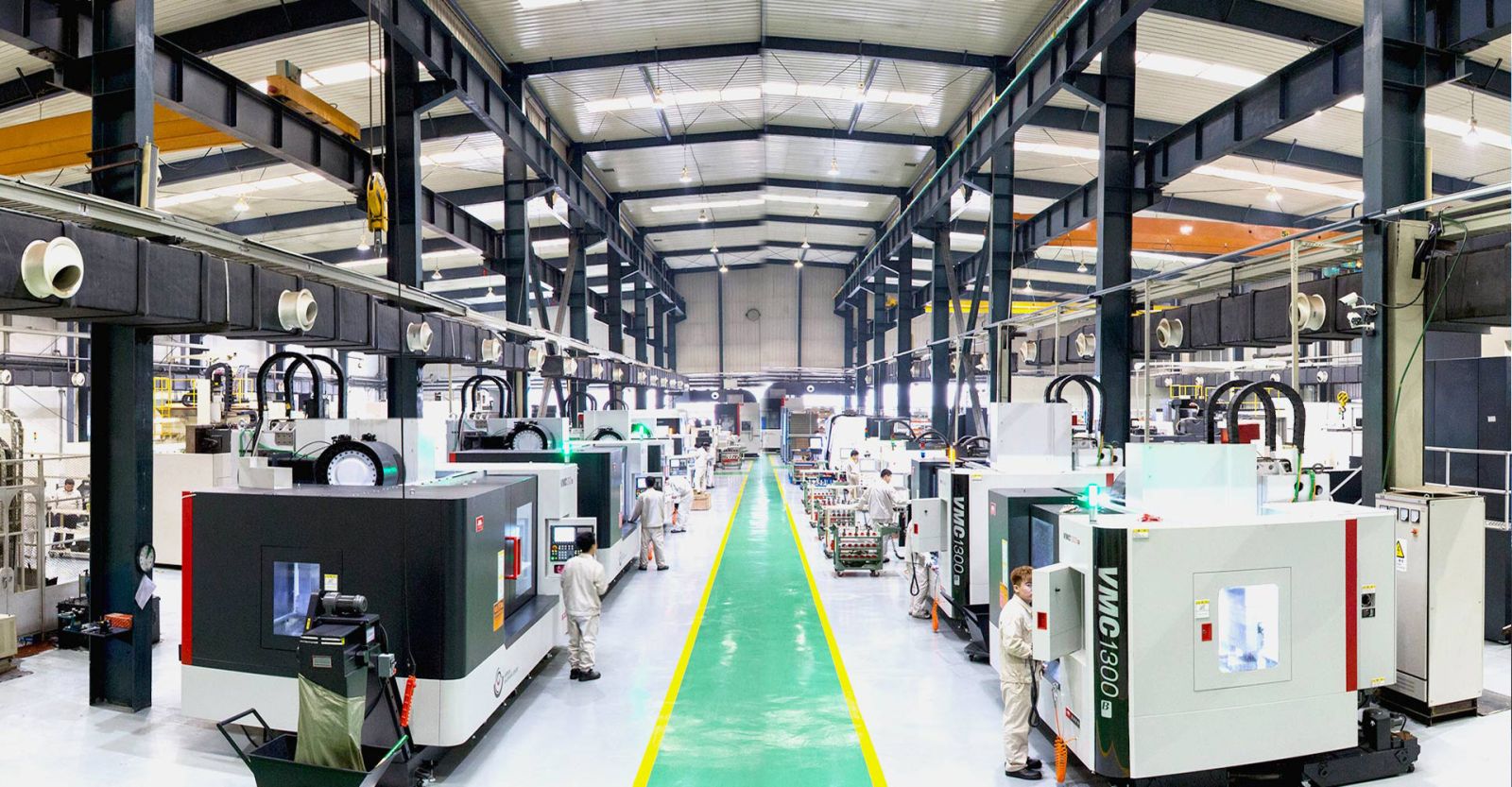
Whether CNC machining or 3D printing is right for your project, Ningbo Yichou Industrial Co., Ltd. has the expertise and capabilities to deliver quality results. With over 20 years of experience in precision manufacturing, Yichou offers comprehensive services including CNC machining, 3D printing, sheet metal fabrication, injection molding, die casting, and more. Their team of experienced engineers can help you select the optimal manufacturing method for your specific requirements and guide you through the design for manufacturability process.
Yichou's commitment to quality is evidenced by their comprehensive quality assurance systems and full inspection capabilities. Located in Ningbo, Zhejiang, they offer competitive pricing without compromising on the precision and reliability your applications demand. Their responsive communication and efficient delivery ensure your projects stay on track.
Contact Yichou today to discuss your project requirements. Their knowledgeable team will help you navigate the manufacturing method selection process and deliver parts that meet your exact specifications.
Contact us today for a competitive quote and technical support!
Let Yichou help you achieve excellence in your next project. Whether you need raw materials, custom alloy solutions, or precision-manufactured components, our team is ready to assist.
- Email us: [email protected]
- Call us/whatsapp: +86 13355741031
- Chat with us: Live chat support available on our website