1. Introduction to Nickel-Titanium (NiTi)
Nickel-Titanium (NiTi), often referred to as Nitinol, is a unique metal alloy made from roughly equal parts of nickel and titanium. Discovered in the 1960s by researchers at the U.S. Naval Ordnance Laboratory, this alloy is renowned for its exceptional shape memory and superelastic properties, which allow it to "remember" its original shape even after being bent or deformed. When heated to a certain temperature, nickel-titanium will revert to its original form, making it invaluable in applications where flexibility and durability are essential.
Over the years, NiTi has become indispensable in multiple industries due to its corrosion resistance, biocompatibility, and high strength-to-weight ratio. In the medical field, nickel-titanium is a preferred material for orthodontic wires and stents because of its ability to flex and conform to human anatomy. In consumer products, it’s used in high-quality eyeglass frames, cell phone antennas, and other items requiring durability and flexibility. Additionally, NiTi’s resilience in harsh environments has made it useful in aerospace and robotics, where materials must withstand extreme conditions and constant movement.
This combination of unique properties and versatility has made nickel-titanium highly valued across a broad spectrum of applications, from medical devices to advanced engineering projects, showcasing the alloy's adaptability and remarkable engineering potential.
.jpg)
2. What is Nickel-Titanium Used For?
Nickel-titanium (NiTi) has a broad range of applications across various fields due to its impressive mechanical properties, including strength, flexibility, and corrosion resistance. Here’s how this unique alloy is used in different sectors:
Industrial Applications
Nickel-titanium is highly valued in industrial settings, particularly where durability and resistance to wear and tear are critical. Here’s why:
-
Strength Comparison: While nickel-titanium is not necessarily stronger than stainless steel in terms of tensile strength, it offers a superior balance of strength and flexibility. This makes it more suitable for applications requiring both resilience and elasticity, such as in robotics and certain aerospace components.
-
Resistance to Rust: NiTi is highly resistant to corrosion and does not rust easily, even when exposed to harsh environments. This corrosion resistance makes it ideal for use in marine, oil, and gas industries, where it often encounters extreme conditions.
-
Bulletproofing: While nickel-titanium has high impact resistance, it’s not commonly used in bulletproof applications. Bulletproof materials require a different type of energy dispersion that NiTi does not naturally provide. However, NiTi is still used in high-stress situations where durability and resilience are essential, such as in structural components of drones and some military-grade equipment.
-
High-Stress Environments: Due to its shape memory and superelastic properties, nickel-titanium performs exceptionally well in high-stress and corrosion-prone environments. This includes components in aerospace, automotive systems, and chemical processing equipment, where it must withstand repetitive stress and corrosive elements.
Medical and Dental Applications
NiTi has transformed medical and dental fields due to its biocompatibility, flexibility, and ability to retain shape after deformation.
-
Dental Implants and Braces: One of the most common uses of nickel-titanium in dentistry is for orthodontic braces. NiTi wires can gently apply continuous force to teeth, gradually shifting them into alignment. Unlike traditional metal wires, NiTi wires retain their shape and require fewer adjustments, making them more comfortable and efficient.
-
Why NiTi in Dentistry: Nickel-titanium’s shape memory effect allows dental professionals to create appliances that adapt to the shape and position of the teeth over time, leading to shorter treatment times and more comfortable experiences for patients. Additionally, its biocompatibility ensures that it integrates well with the human body, minimizing allergic reactions or irritation.
Consumer Goods
In consumer markets, nickel-titanium is popular for its durability, flexibility, and sleek appearance, making it a valuable material for high-end and everyday items alike.
-
Jewelry and Wearable Technology: NiTi’s hypoallergenic properties and resilience make it a desirable material for jewelry, particularly for people with nickel allergies who seek an alternative to traditional metals. Additionally, its flexibility and memory properties make it suitable for eyeglass frames that can withstand bending and twisting without breaking.
-
Cost Comparison – Titanium vs. Gold: While titanium itself (and by extension, nickel-titanium) is not necessarily more expensive than gold per unit weight, it can sometimes be pricier due to the specialized processes required to shape and handle it. Its popularity in high-performance applications, such as aerospace and medical industries, also contributes to its premium pricing. Furthermore, gold has a stable value tied to its scarcity and cultural significance, while titanium’s cost is more related to its manufacturing complexity and properties.
In summary, nickel-titanium is a versatile material that plays a crucial role in a wide range of applications. Its strength, flexibility, biocompatibility, and resistance to rust make it a top choice for industries ranging from dentistry and medical devices to industrial equipment and consumer goods.
3. Unique Properties of Nickel-Titanium
Nickel-titanium (NiTi), commonly known as Nitinol, possesses several unique properties that make it highly valuable in both industrial and medical applications. These properties include shape memory, superelasticity, corrosion resistance, and temperature responsiveness, allowing NiTi to excel in situations where traditional metals would fall short.
Shape Memory Effect and Superelasticity
One of the most fascinating characteristics of nickel-titanium is its shape memory effect—the ability to “remember” and return to its original shape when heated after being deformed.
-
Explanation of Nitinol: Nitinol is a specific type of nickel-titanium alloy that exhibits this shape memory effect due to its crystalline structure. When deformed at lower temperatures, it can "reset" its shape upon heating to a certain temperature. This makes it highly valuable in applications where reusability and adaptability are key.
-
What Makes Nitinol Unique: Unlike most metals, Nitinol can undergo significant deformation and still return to its initial shape, thanks to its superelasticity. Superelasticity allows it to withstand up to 10 times more strain than standard metals without permanent deformation. This unique combination of properties is rarely found in other materials, making Nitinol highly versatile.
-
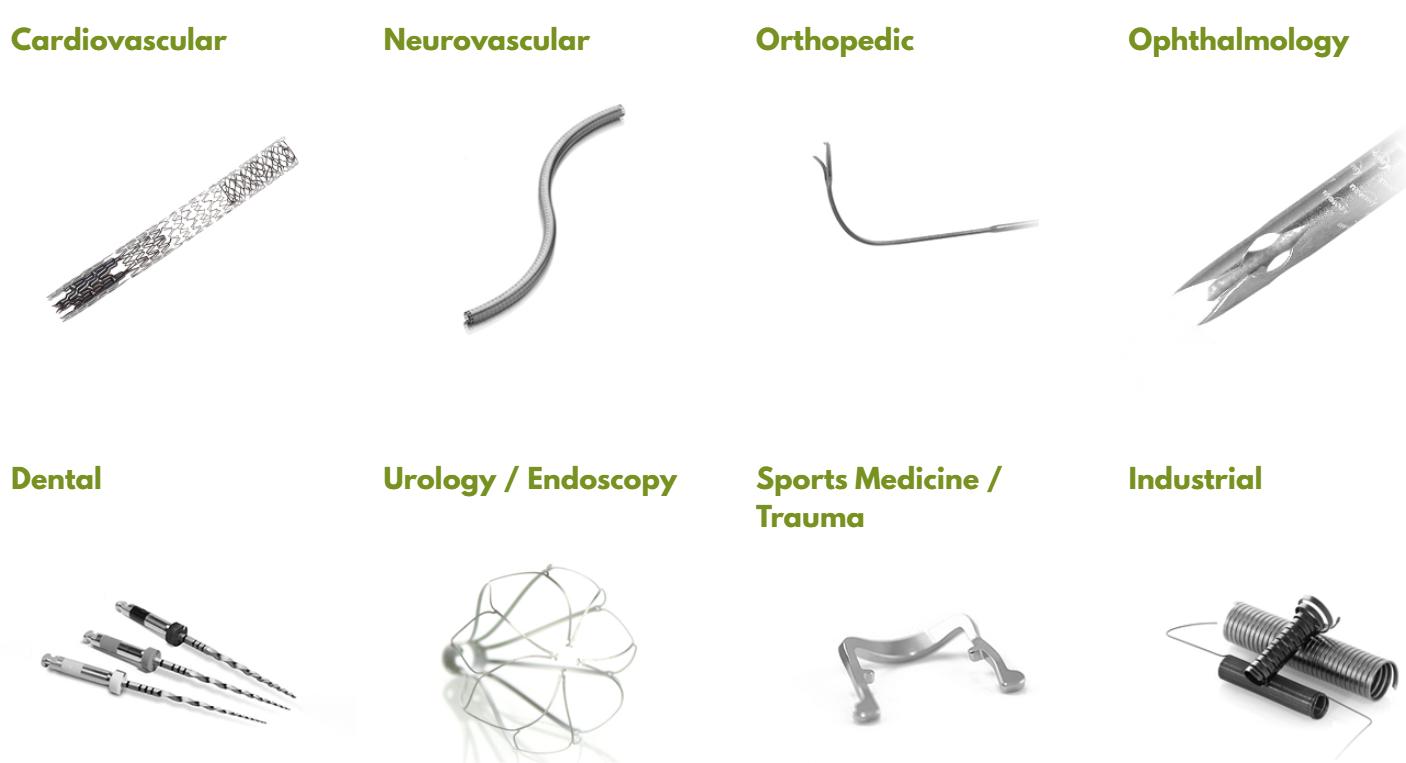
Importance in Medical Devices: In the medical field, the shape memory effect and superelasticity of Nitinol are critical for creating stents, guidewires, and other flexible medical devices that must adapt to the body’s natural movements. For example, Nitinol stents can be compressed for insertion, then expand to their full shape once inside a blood vessel, ensuring a secure fit without invasive procedures.
Corrosion Resistance
Nickel-titanium alloys are highly resistant to corrosion, a critical factor for applications in challenging environments.
-
Is Nickel-Titanium Corrosion-Resistant?: Yes, nickel-titanium is notably corrosion-resistant, which allows it to maintain integrity in environments where other metals would degrade. This is due to the protective oxide layer that forms on the surface, shielding it from reactive elements.
-
Chosen Over Other Metals: In harsh environments, such as those encountered in marine, chemical, and biomedical fields, nickel-titanium outperforms traditional metals like stainless steel, which can corrode over time. This corrosion resistance makes it particularly valuable in medical implants that remain in the body, as well as in industrial applications exposed to chemicals, moisture, or extreme conditions.
Magnetic Properties
Understanding the magnetic behavior of nickel-titanium is essential, especially in applications where interference with magnetic fields must be minimized.
- Is Nickel-Titanium Magnetic?: Nickel-titanium is generally considered non-magnetic or only weakly magnetic, depending on the specific alloy composition. This makes it suitable for medical implants and devices used in imaging environments, like MRI machines, where strong magnetic fields are present. Its low magnetic interference is another reason it’s favored in high-precision electronics and wearable technology.
Heat Activation
Nickel-titanium is also notable for its temperature sensitivity, which plays a key role in its shape memory and other functional applications.
-
Is Nickel-Titanium Heat-Activated?: Yes, nickel-titanium is heat-activated. When heated to its transformation temperature, the alloy changes phases from a deformed state back to its original shape—a process known as the martensitic transformation. This temperature can be precisely controlled during manufacturing, allowing NiTi components to respond to specific heat triggers.
-
Applications of Heat Activation: This property is highly beneficial in applications that require controlled activation. For example:
- Medical devices, such as stents, utilize heat activation to expand into their final shape once inside the body.
- Automotive and aerospace applications may use NiTi in components that need to adjust dynamically to temperature changes, such as self-adjusting valves.
- Consumer goods such as eyeglass frames benefit from heat-activated adjustments that allow frames to return to their original shape if bent.
In conclusion, nickel-titanium’s unique properties—shape memory, superelasticity, corrosion resistance, non-magnetic behavior, and heat responsiveness—make it an exceptionally versatile material. These qualities enable its widespread use in industries requiring flexibility, durability, and adaptability to challenging environments.
4. Is Nickel-Titanium Safe?
Nickel-titanium (NiTi) is widely used in medical, dental, and consumer applications, but questions about its safety, especially due to its nickel content, are common. This section addresses the key concerns surrounding NiTi's safety in different uses, including its compatibility with the human body, potential for allergic reactions, and environmental impact.
In Medical and Dental Use
Nickel-titanium is a popular choice for medical and dental applications due to its biocompatibility and durability. However, because it contains nickel, which is a common allergen, understanding its safety profile is essential.
-
Do Titanium Dental Implants Contain Nickel?: Standard titanium dental implants typically do not contain nickel; they are usually made from pure titanium or titanium alloys that exclude nickel. However, nickel-titanium alloys, especially Nitinol, are used in certain orthodontic appliances like braces and wires because of their flexibility and shape memory properties.
-
Is Titanium Safe for Use in the Body?: Yes, titanium and nickel-titanium alloys are considered safe for medical use. Nitinol has been used extensively in medical devices, including stents and dental braces, because of its biocompatibility and ability to adapt to the body’s movements. Studies indicate that the nickel content is generally stable and does not leach out significantly, making it a safe option for long-term implants. However, patients with known nickel allergies should consult with their healthcare providers before opting for NiTi devices.
Jewelry and Skin Contact
Nickel-titanium is increasingly popular in jewelry due to its durability and unique properties. But since nickel allergies are common, people are often concerned about wearing NiTi jewelry.
-
Is Nickel-Titanium Jewelry Safe for Skin?: For most people, nickel-titanium jewelry is safe and non-irritating. NiTi's protective oxide layer prevents the nickel from coming into direct contact with the skin, reducing the risk of allergic reactions. However, individuals with severe nickel allergies may still experience sensitivity, as even trace amounts of nickel can trigger reactions in highly sensitive people.
-
Can You Be Allergic to Nickel and Titanium?: Nickel allergies are more common than titanium allergies, as titanium is generally hypoallergenic. However, in rare cases, people may be allergic to both metals. If you have a known nickel allergy, it’s advisable to avoid or limit contact with nickel-titanium jewelry and consider alternative metals, especially for prolonged wear.
-
What is the Safest Metal for Nickel Allergy?: For individuals with nickel allergies, titanium (in pure form), stainless steel (nickel-free), and platinum are considered some of the safest choices for jewelry. These metals are less likely to cause irritation or an allergic response.
Environmental and Toxicity Concerns
Aside from personal safety, understanding the environmental impact and toxicity of nickel-titanium is important for industries and consumers alike.
- Is Nickel-Titanium Toxic?: No, nickel-titanium is generally considered non-toxic. The alloy is stable under normal conditions and does not release harmful substances into the environment. In medical and dental applications, studies have shown that NiTi alloys do not produce significant toxic effects in the human body. However, proper handling during manufacturing and disposal is essential to prevent nickel contamination in environments where it could harm aquatic life or ecosystems.
In summary, nickel-titanium is safe for most applications, especially when used in controlled settings like medical devices and jewelry. While individuals with nickel allergies may need to exercise caution, NiTi’s biocompatibility and stability make it a trusted material in many health-related and consumer applications.
5. What is Nickel-Titanium Wire Used For?
Nickel-titanium (NiTi) wire is known for its unique combination of flexibility, shape memory, and corrosion resistance, making it a valuable material across medical, industrial, and consumer applications. This section explores the versatile uses of NiTi wire, highlighting why it’s preferred in specific fields.
Medical Applications
One of the most recognized uses of nickel-titanium wire is in the medical field, particularly in orthodontics and surgical tools.
-
Common Use in Orthodontics for Braces and Dental Wires: Nickel-titanium wire is widely used in orthodontic braces and dental archwires due to its shape memory and superelasticity. NiTi wires can be bent to fit the patient’s teeth but gradually return to their original shape, applying consistent, gentle pressure to align the teeth. This unique ability reduces the frequency of adjustments required compared to traditional steel wires, improving patient comfort and treatment efficiency.
-
Use in Surgical Instruments and Stents: Besides orthodontics, NiTi wire is used in other medical applications like surgical instruments, guide wires, and stents. Its flexibility allows it to navigate through the body’s complex pathways, while its corrosion resistance ensures durability in the moist, acidic environments within the human body.
Industrial and Consumer Applications
Nickel-titanium wire also finds applications in industries where flexibility, durability, and resistance to harsh conditions are crucial.
-
Usage in Robotics and Electronics: NiTi wire is increasingly popular in robotics and electronics, especially in small, flexible components where precision is key. Its ability to "remember" shapes makes it valuable in actuators and smart materials for robotics, where wires contract or expand to create movement. Similarly, it’s used in electronic devices and wearables, providing flexibility without compromising on strength.
-
Flexible Consumer Products: NiTi wire is also utilized in eyeglass frames, mobile device components, and antennas. Its corrosion resistance and elasticity make it ideal for products that are frequently used and exposed to various environmental conditions. The wire's ability to withstand deformation and return to its original shape ensures longer product life and enhanced durability in these applications.
Benefits of Corrosion Resistance and Elasticity in Various Industries
Nickel-titanium wire is highly valued for its corrosion resistance and elasticity, which are advantageous across multiple sectors. These properties allow NiTi wire to perform reliably in harsh environments without degradation, making it suitable for outdoor applications, underwater equipment, and biomedical devices that encounter bodily fluids. The combination of these properties ensures that NiTi wire maintains performance, durability, and safety in diverse applications.
6. Is Titanium or NiTi Safe for Nickel Allergy?
Nickel allergies are a widespread concern, especially when it comes to jewelry and medical devices. This section examines whether nickel-titanium (NiTi) and pure titanium are suitable for individuals with nickel sensitivity, providing insights into alternative materials and ways to manage allergy risks.
Understanding Nickel Allergy
Nickel allergy is one of the most common metal allergies, with symptoms ranging from mild skin irritation to severe dermatitis.
-
Symptoms and Impact of Nickel Allergy: Symptoms of a nickel allergy often include itchiness, redness, swelling, and rash in the area that has come into contact with nickel. For individuals with heightened sensitivity, the reaction can be more severe and may even affect their ability to wear certain items or use specific medical devices comfortably.
-
Why Nickel Allergies Are Common: Nickel is found in many everyday items, including jewelry, coins, eyeglass frames, and even cell phones. This constant exposure increases the likelihood of developing an allergy, which may persist for life. Due to its prevalence, nickel sensitivity is a significant concern in choosing metals for wearable items and medical applications.
Nickel Content in NiTi Alloys
Nickel-titanium alloys, especially in the form of Nitinol, contain a significant amount of nickel. However, the nickel is tightly bound within the alloy, reducing direct exposure.
-
Is Nickel-Titanium Suitable for People with Nickel Allergies?: Despite its nickel content, NiTi is generally considered safe for most individuals, as the nickel ions are less likely to leach out due to a stable oxide layer that forms on the alloy’s surface. However, those with severe nickel allergies may still experience sensitivity, particularly if the NiTi item is worn or used frequently in close contact with the skin. For highly sensitive individuals, NiTi may not be the best option for prolonged contact.
-
Alternatives for Those with Sensitivity: For individuals with nickel allergies, pure titanium, platinum, and certain stainless steels are often recommended as alternatives. These materials are generally hypoallergenic and do not contain nickel, making them a safer choice for those with sensitivities. In jewelry, titanium is highly valued for its lightweight, corrosion resistance, and hypoallergenic properties.
Titanium vs. Nickel-Titanium in Jewelry
Titanium and nickel-titanium are both durable and resistant to corrosion, but they differ significantly in their nickel content and allergy risk.
-
Why Some People Choose Titanium for Its Hypoallergenic Properties: Pure titanium does not contain nickel and is considered hypoallergenic, making it an excellent choice for individuals with sensitive skin or known nickel allergies. It’s often used in jewelry, body piercings, and even medical implants because it rarely triggers allergic reactions.
-
How to Know if You’re Allergic to Nickel and Titanium: A nickel allergy test (usually a patch test performed by a dermatologist) can confirm if you are sensitive to nickel. While titanium allergies are rare, individuals with highly reactive skin may also want to test for titanium sensitivity. If you experience persistent irritation from metal items, it’s advisable to opt for pure titanium, as it is among the safest metals for sensitive skin.
7. Conclusion
Nickel-titanium (NiTi) alloy stands out as an innovative material with unique properties that make it invaluable across industrial, medical, and consumer applications. Its shape memory, superelasticity, corrosion resistance, and flexibility offer significant advantages, especially in environments where traditional metals may fail. NiTi’s versatility in orthodontics, robotics, electronics, and wearable technology highlights its importance in advancing technology and improving quality of life.
While generally safe for most applications, NiTi may not be suitable for those with severe nickel allergies, in which case pure titanium is often recommended as a hypoallergenic alternative. However, for users without nickel sensitivity concerns, nickel-titanium remains an excellent choice for reliable, high-performance applications.
If you are considering nickel-titanium for your projects, whether for industrial equipment, medical devices, or innovative consumer products, we encourage you to explore the possibilities of this exceptional alloy. For inquiries or to discuss your specific requirements, please reach out to us. Our team is ready to assist with any questions and help you source high-quality nickel-titanium products tailored to your needs.
Contact us today to learn more or to place an order for nickel-titanium products!

GET QUOTE
- Visit our website: https://www.nbyichou.com/
- Email us: [email protected]
- Call us/whatsapp: +86 13355741031
- Chat with us: Live chat support available on our website