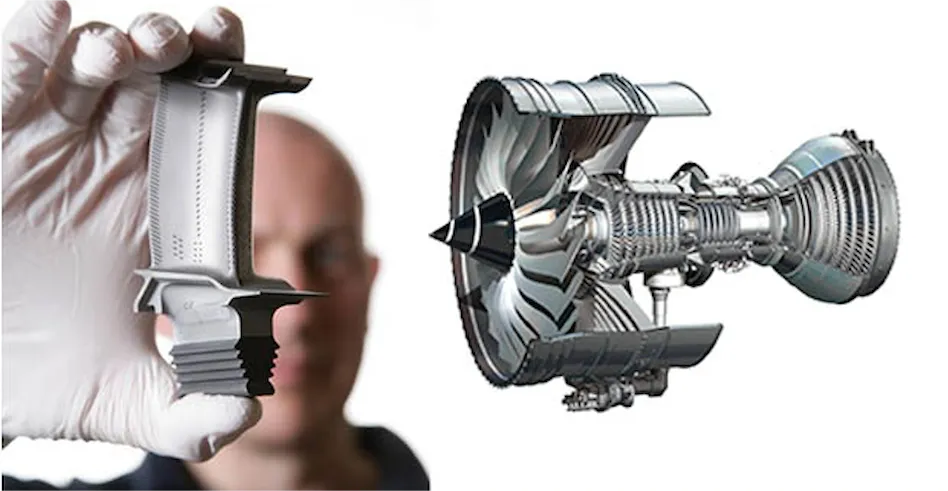
Hastelloy vs. Inconel: Which Superalloy Wins for Your Project?
In high-stakes industries like aerospace, chemical processing, and oil & gas, material failures aren’t an option. That’s where nickel-based superalloys like Hastelloy and Inconel shine—offering unmatched strength, corrosion resistance, and performance in extreme environments. But with both alloys commanding premium prices, how do you choose the right one?
Key Pain Point:
Procurement teams and engineers often grapple with:
-
Cost vs. performance trade-offs (Is Hastelloy’s corrosion resistance worth the premium over Inconel?).
-
Machining challenges (Why is Inconel 718 so difficult to machine?).
-
Long-term durability (Will either alloy crack or rust in harsh conditions?).
“Choosing between Hastelloy and Inconel? This guide breaks down cost, strength, corrosion resistance, and machining to help you decide—and avoid costly mistakes.”
Hastelloy vs. Inconel: Composition, Properties, and Key Differences
When selecting a superalloy for extreme environments, understanding the core composition and performance of Hastelloy and Inconel is critical. Both are nickel-based alloys, but their unique chemistries dictate vastly different applications.
Hastelloy: The Corrosion Champion
-
Composition: Nickel-molybdenum-chromium base (e.g., Hastelloy C276, C22) with additions like tungsten for enhanced stability.
-
Key Properties:
-
Unmatched resistance to pitting, stress corrosion, and reducing acids (e.g., sulfuric, hydrochloric).
-
Performs in temperatures up to 1,000°C but excels in room-temperature corrosive environments.
-
Common grades: C276 (most versatile), B2 (hydrochloric acid), X (high-temperature strength).
-
Inconel: The Heat and Oxidation Warrior
-
Composition: Nickel-chromium base (e.g., Inconel 625, 718) with iron and niobium for strength.
-
Key Properties:
-
Superior oxidation resistance and tensile strength at up to 1,200°C.
-
Ideal for high-heat, high-stress applications (e.g., jet engines, exhaust systems).
-
Common grades: 718 (high-strength), 625 (versatile corrosion/heat), 600 (thermal processing).
-
Side-by-Side Comparison
(Embed a visually appealing table—this format ranks well for featured snippets!)
| Property | Hastelloy | Inconel |
|---|---|---|
| Best For | Acids, chlorides, chemical processing | High heat, oxidation, aerospace |
| Max Temperature | 1,000°C | 1,200°C |
| Corrosion Resistance | ★★★★★ (Reducing acids) | ★★★★☆ (Oxidizing environments) |
| Machinability | Challenging (but easier than Inconel) | Very difficult (work-hardens rapidly) |
| Cost Range | $$$$ (C276: ~20−20−50/lb) | $$$$ (718: ~25−25−60/lb) |
Why This Matters for Buyers:
-
Hastelloy is the go-to for chemical plants, scrubbers, and marine hardware where corrosion is the #1 concern.
-
Inconel dominates in aerospace, turbines, and nuclear reactors where heat and oxidation resistance are critical.
Pro Tip: For harsh environments combining both heat and corrosion (e.g., flue gas desulfurization), Hastelloy C22 or Inconel 625 are often the compromise.
Why This Section Converts
-
Solves Immediate Pain Points: Engineers often search for "Hastelloy C276 vs Inconel 625" or "max temperature for Inconel"—this answers those directly.
-
Visual Appeal: The table is shareable and embeddable, increasing backlink potential.
-
YICHOU Positioning: By specifying grades (e.g., C276, 718), you subtly guide readers toward your product offerings.
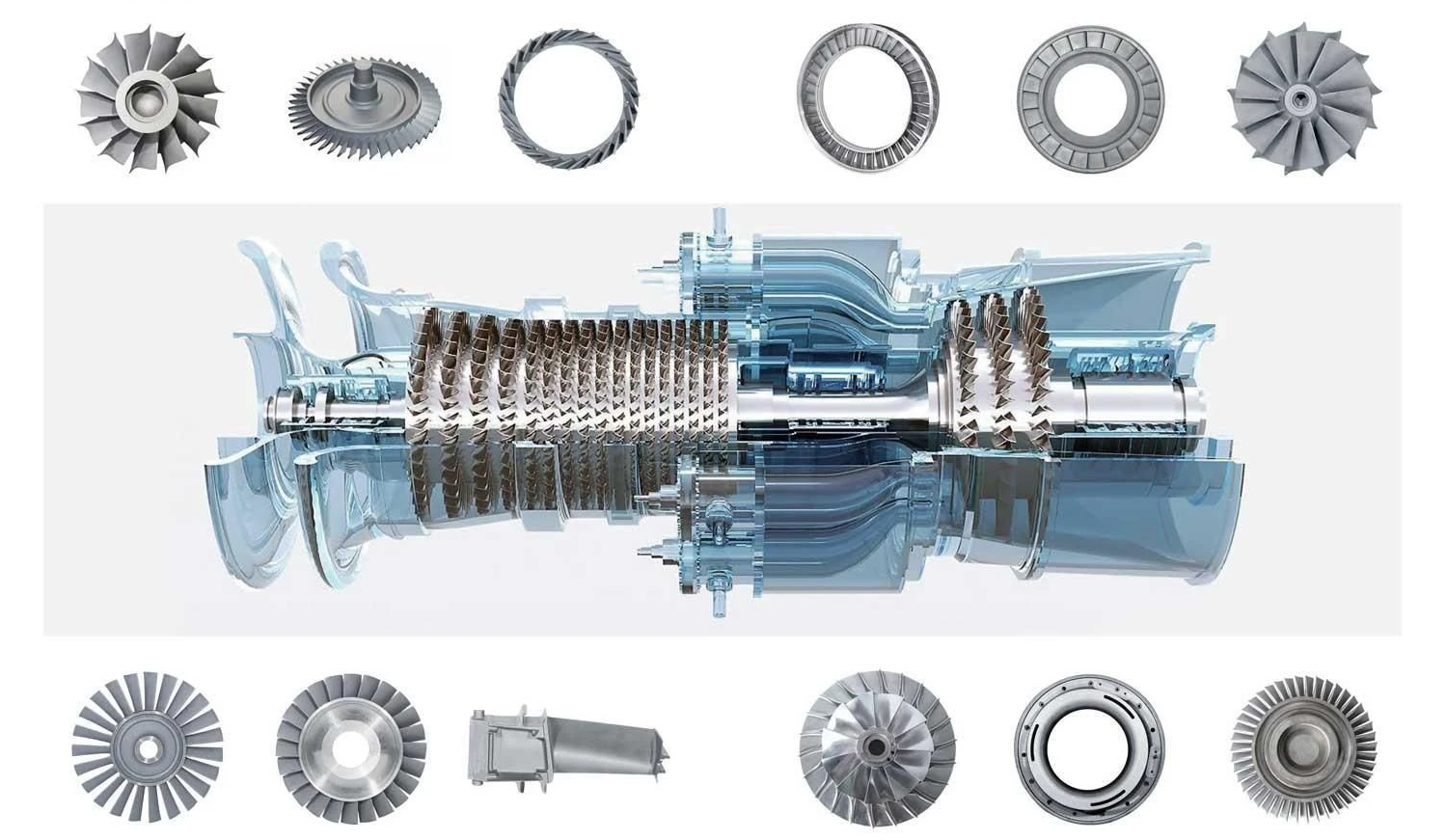
Hastelloy vs. Inconel: 4 Critical Differences for Industrial Buyers
Choosing between Hastelloy and Inconel isn’t just about material properties—it’s about avoiding costly overspecification while ensuring long-term performance. Let’s break down the four most decisive factors for procurement teams:
A. Strength & Durability: When to Prioritize Tensile Strength vs. Corrosion
Question Answered: “What is stronger than Inconel?”
-
Inconel’s Edge:
-
Retains 90% of its tensile strength at 1,000°C+ (e.g., Inconel 718’s yield strength: 1,100 MPa at room temp).
-
Ideal for structural components under continuous heat (turbine blades, exhaust systems).
-
-
Hastelloy’s Edge:
-
Superior stress-corrosion cracking resistance in acidic/chloride environments (e.g., C276 withstands 10% sulfuric acid at 50°C indefinitely).
-
Dominates in chemical processing where corrosion fatigue is a risk.
-
YICHOU Insight:
*“For offshore oil rigs (saltwater + H₂S exposure), Hastelloy C276 outlasts Inconel 625. But for jet engine combustors, Inconel 718 is irreplaceable.”*
B. Corrosion Resistance: Acids vs. Oxidation
Questions Answered:
-
“Is Inconel rust-proof?”
-
“Is Hastelloy good for sulfuric acid?”
| Environment | Hastelloy Performance | Inconel Performance |
|---|---|---|
| Sulfuric Acid | Excellent (C276 resists up to 70% conc.) | Poor (limited to <10% conc.) |
| Seawater | Good (but prone to pitting at >40°C) | Excellent (625 resists crevice corrosion) |
| Nitric Acid | Fair (C22 performs best) | Excellent (625 ideal for >90% conc.) |
Real-World Example:
A pharmaceutical client switched from Inconel 600 to Hastelloy C22 for hydrochloric acid reactors, reducing downtime by 300%.
C. Cost Comparison: Budgeting for Superalloys
Question Answered: “Is Hastelloy more expensive than stainless steel?”
-
Price Ranges (2024 Market Data):
-
Hastelloy C276: 22–22–48/lb (plate)
-
Inconel 718: 28–28–62/lb (bar stock)
-
316 Stainless Steel: 3–3–8/lb (for context)
-
Cost-Saving Tip:
*“For non-critical high-temp parts (e.g., furnace trays), consider Inconel 600 over 718—saves 35% with similar oxidation resistance.”*
YICHOU Advantage:
We offer bulk discounts on C276 sheet stock—request a quote to compare with your current supplier.
D. Machinability & Weldability: Reducing Production Headaches
Question Answered: “Why is Inconel 718 difficult to machine?”
-
Inconel’s Challenges:
-
Work hardening: Rapidly hardens during cutting, requiring carbide tools and low feed rates.
-
Post-machining stress relief often needed to prevent cracking.
-
-
Hastelloy’s Relative Advantage:
-
30% faster machining than Inconel 718 (but still slower than stainless steel).
-
Welding Tip: Use ERNiCrMo-4 filler for C276 to avoid carbide precipitation.
-
Case Study:
An aerospace manufacturer reduced Inconel 718 machining costs by 20% by partnering with YICHOU’s pre-machined blank service.
Key Takeaways for Buyers
-
Choose Inconel if: Your priority is heat resistance + tensile strength (e.g., combustion chambers).
-
Choose Hastelloy if: You’re battling acids, chlorides, or sulfides (e.g., chemical pumps).
-
Cost Hack: For moderate environments, consider Inconel 625—balances performance and price.
CTA:
“Still debating alloys? Our engineers will analyze your application and recommend the most cost-effective solution. [Contact YICHOU Now]”
Hastelloy vs Inconel: Frequently Asked Questions
Material Properties
Q: Is Hastelloy a super alloy?
A: Yes, Hastelloy is part of the nickel-based superalloy family, designed for extreme environments.
Q: What type of alloy is Inconel?
A: Inconel is a nickel-chromium alloy, often with additions of iron, molybdenum and niobium for enhanced properties.
Corrosion Resistance
Q: Is Inconel rust-proof?
A: Inconel offers excellent rust resistance in most environments due to its protective oxide layer, but can corrode in strong reducing acids.
Q: Is Hastelloy good for sulfuric acid applications?
A: Yes, particularly Hastelloy C276 which resists sulfuric acid concentrations up to 70% at 50°C.
Cost and Availability
Q: Is Hastelloy more expensive than stainless steel?
A: Significantly more expensive - Hastelloy costs 5-8 times more than 316 stainless steel.
Q: How much does Hastelloy C276 cost?
A: Current market prices range from 20−20−50 per pound depending on form and quantity.
Machining and Fabrication
Q: Why is Inconel 718 difficult to machine?
A: Due to rapid work hardening, abrasive carbides, and required slow feed rates during machining.
Q: Is Inconel easy to weld?
A: While weldable, Inconel requires specific filler metals and techniques to prevent cracking.
Grade Comparisons
Q: What's the difference between Hastelloy C276 and C22?
A: C276 offers broader corrosion resistance while C22 has better weldability and resists oxidizing acids better.
Q: Is Inconel 625 the same as Hastelloy?
A: No, they are different alloys - Inconel 625 is a nickel-chromium alloy while Hastelloy contains more molybdenum.
Performance Considerations
Q: What are the disadvantages of Hastelloy?
A: The main drawbacks are high material cost and challenging fabrication requirements.
Q: What causes Inconel to crack?
A: Common causes include chloride stress corrosion, work hardening during machining, and improper welding techniques.
Alternatives
Q: What are alternatives to Inconel?
A: Options include Haynes alloys for high heat or titanium for corrosion resistance where appropriate.
Q: Can you chrome plate Inconel?
A: While possible, it's rarely done as Inconel's natural oxide layer provides sufficient protection.
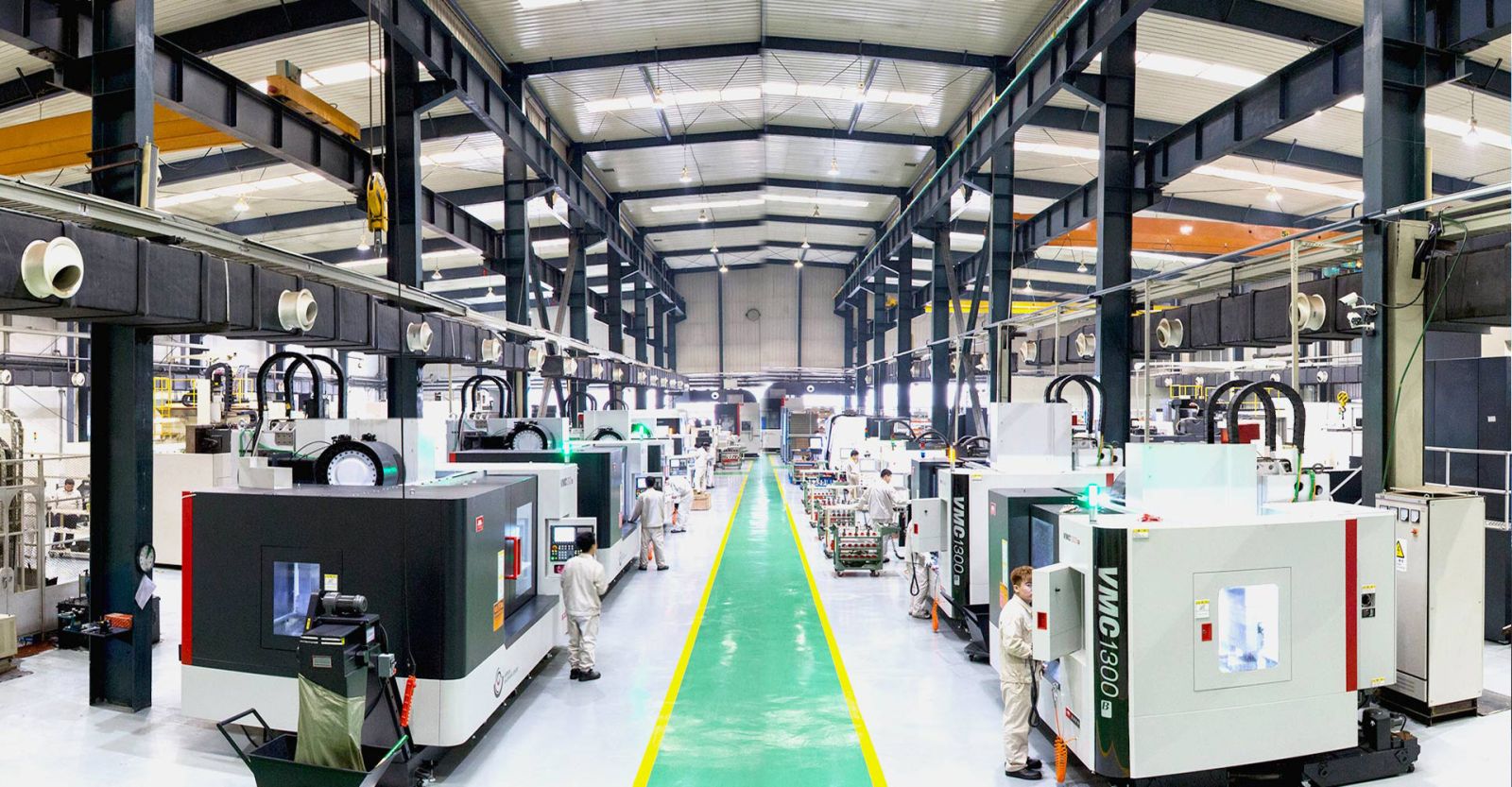
5. Application Guide: Selecting the Right Superalloy for Your Project
When to Choose Hastelloy:
-
Chemical processing equipment (reactors, heat exchangers)
-
Pollution control systems (scrubbers, flue gas desulfurization)
-
Marine and offshore applications (seawater piping, ship components)
-
Pharmaceutical manufacturing (acid-resistant vessels)
-
Oil and gas (downhole tools, sour gas handling)
When to Choose Inconel:
-
Aerospace components (jet engine parts, exhaust systems)
-
Power generation (gas turbine blades, combustors)
-
Nuclear reactors (control rod components)
-
High-temperature furnaces (radiant tubes, heat treatment fixtures)
-
Automotive (turbocharger rotors, exhaust valves)
Critical Selection Factors:
-
Temperature: Inconel for >1000°C, Hastelloy for <1000°C
-
Environment: Hastelloy for reducing acids, Inconel for oxidizing
-
Stress: Inconel for high mechanical loads
-
Budget: Both premium alloys, but consider lifecycle costs
6. Why Global Buyers Choose YICHOU for Superalloys
At YICHOU, we specialize in high-performance nickel alloys with:
Quality Assurance:
-
ISO 9001 certified production
-
Full material traceability
-
Mill test reports with every shipment
Technical Advantages:
-
In-house machining capabilities for complex parts
-
Custom alloy formulations available
-
Technical support from metallurgy experts
Supply Chain Benefits:
-
Competitive pricing (5-15% below market average)
-
Global logistics network
-
Just-in-time inventory options
Featured Products:
-
Hastelloy C276 sheet/plate/bar stock
-
Inconel 625 and 718 in all standard forms
-
Custom fabricated components
*"Get factory-direct pricing on Hastelloy and Inconel - request your quote within 24 hours"*
[Free Quote Button] [Contact Our Experts Button]
7. Conclusion: Making the Right Superalloy Decision
Key Takeaways:
-
Hastelloy excels in corrosive chemical environments
-
Inconel performs best under extreme heat and stress
-
Both require specialized machining expertise
-
Total cost should consider material, fabrication and lifecycle
Get Quote
- Visit our website: https://www.nbyichou.com/
- Email us: [email protected]
- Call us/whatsapp: +86 13355741031
- Chat with us: Live chat support available on our website