Meta Description
"Confused between Inconel and titanium? We compare strength, corrosion resistance, cost, and machining challenges to help you choose the right metal for aerospace, medical, or industrial use."
Introduction: Inconel vs Titanium – Superalloy vs Lightweight Champion
When it comes to high-performance metals, Inconel (a nickel-chromium superalloy) and titanium (a lightweight yet incredibly strong metal) are two of the most sought-after materials in demanding industries. But which one is right for your application?
Inconel excels in extreme environments—think jet engines, chemical processing, and nuclear reactors—thanks to its unmatched heat and corrosion resistance. Titanium, on the other hand, dominates where strength-to-weight ratio matters most, such as aerospace structures, medical implants, and marine components.
If you're a procurement specialist, engineer, or manufacturer, you’ve likely asked:
-
Is Inconel truly rust-proof?
-
Why is titanium more expensive than steel?
-
Which metal performs better under high stress?
In this guide, we’ll break down the key differences, advantages, and best uses of Inconel vs titanium—helping you make an informed, cost-effective decision for your next project.
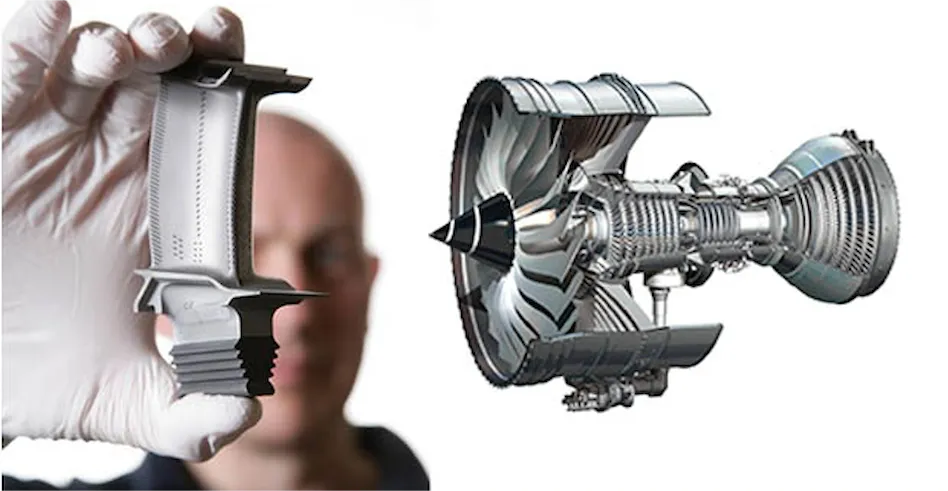
Inconel vs Titanium: Key Comparisons
To help you decide between these two high-performance metals, we’ve compared their critical properties side by side.
1. Strength
-
Inconel: Superior at high temperatures (ideal for jet engines, gas turbines).
-
Titanium: Outstanding strength-to-weight ratio (best for aerospace, automotive, and medical implants).
2. Corrosion Resistance
-
Inconel: Excellent in acidic, chloride, and oxidizing environments (chemical processing, marine applications).
-
Titanium: Highly resistant to seawater and biocompatible (used in desalination plants, surgical tools).
3. Cost
-
Inconel: Very expensive due to nickel/cobalt content and complex manufacturing.
-
Titanium: Expensive (costly refining process) but often more affordable than Inconel.
4. Machinability
-
Inconel: Difficult to machine (work-hardens quickly, requires specialized tools).
-
Titanium: Easier to machine than Inconel but still demands proper techniques.
5. Weight
-
Inconel: Denser and heavier (may not suit weight-sensitive applications).
-
Titanium: Lightweight (40% lighter than steel, preferred in aviation).
6. Temperature Resistance
-
Inconel: Retains strength at extreme temperatures (up to 2000°F / 1093°C).
-
Titanium: Performs well at moderate temps but weakens above 600°F (315°C).
7. Common Applications
-
Inconel: Turbine blades, exhaust systems, nuclear reactors.
-
Titanium: Aircraft frames, medical implants, marine hardware.
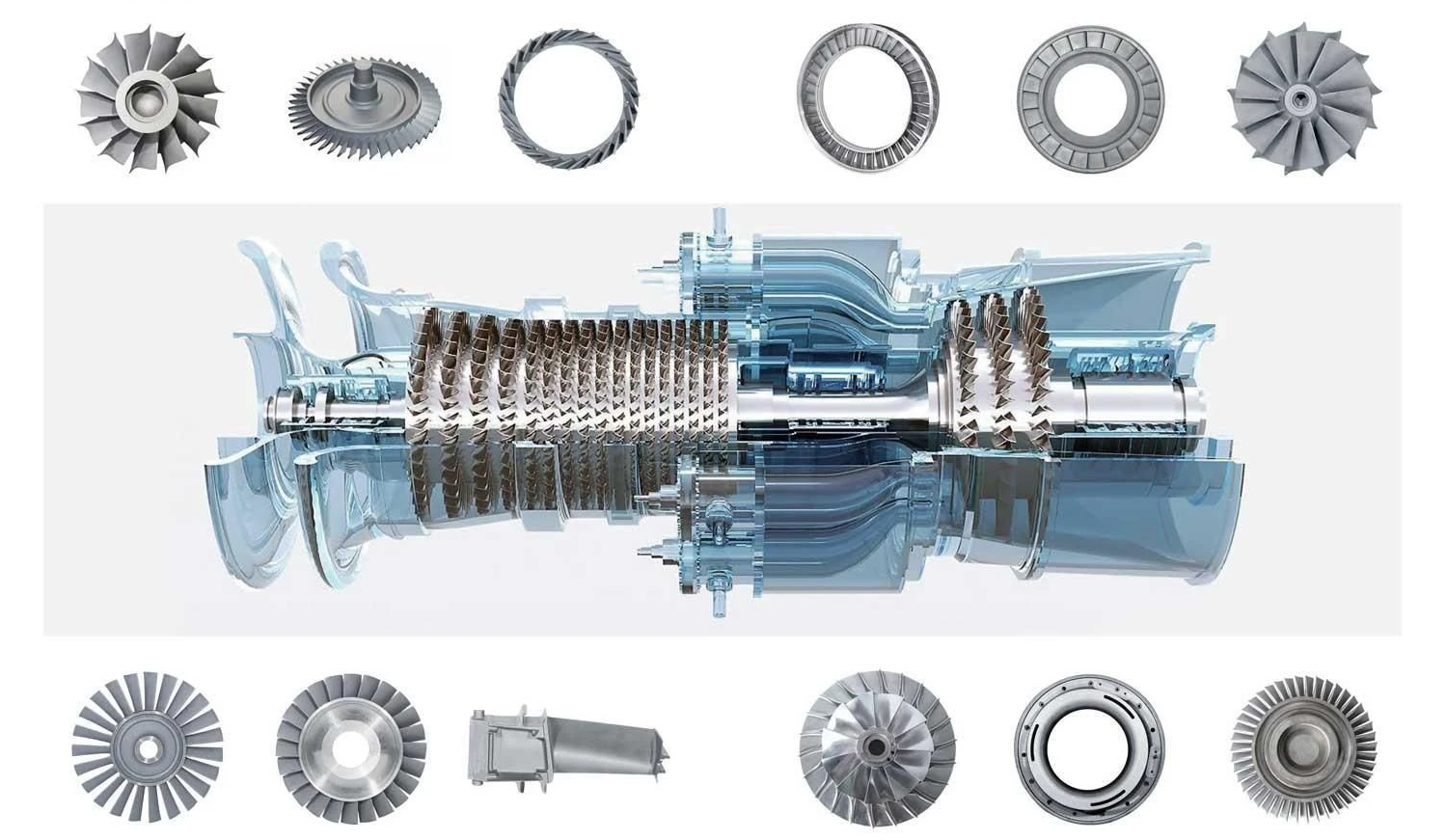
Frequently Asked Questions (FAQs) - Inconel vs Titanium
Q1: Is Inconel better than titanium?
A: It depends on your application. Inconel outperforms titanium in extreme heat environments (e.g., jet engines, chemical processing), while titanium is superior for weight-sensitive applications (e.g., aerospace frames, medical implants).
Q2: What are the disadvantages of Inconel?
A: The main drawbacks of Inconel include:
-
High cost due to nickel and cobalt content
-
Difficult to machine (work-hardens quickly)
-
Heavier than titanium, making it less ideal for lightweight designs
Q3: Is Inconel rust-proof?
A: Yes, Inconel is highly resistant to rust and oxidation, even in harsh environments like seawater and acidic conditions. However, it can be susceptible to stress corrosion cracking under certain conditions.
Q4: What metal is stronger than titanium?
A:
-
At high temperatures: Inconel is stronger.
-
At room temperature: Tungsten and high-grade steel alloys exceed titanium in pure strength.
Q5: Why is Inconel so expensive?
A: Inconel’s high price comes from:
-
Expensive raw materials (nickel, chromium, cobalt)
-
Complex manufacturing and heat treatment processes
-
High demand in aerospace, defense, and energy sectors
Q6: Is there anything better than titanium?
A: It depends on the application:
-
For heat resistance, Inconel is better.
-
For weight savings, titanium is unmatched.
-
For ultimate strength, tungsten or high-carbon steel may be preferable.
Q7: What is the strongest titanium alloy in the world?
A: Ti-6Al-4V (Grade 5 titanium) is the most commonly used high-strength alloy, offering excellent strength-to-weight ratio and corrosion resistance.
Q8: Is titanium better than cobalt?
A: Titanium is lighter and more biocompatible (ideal for medical implants), while cobalt alloys are harder and more wear-resistant (used in cutting tools and dental prosthetics).
Q9: Is titanium stronger than forged steel?
A: By weight, titanium is stronger than many steel alloys, but steel generally has higher absolute tensile strength. Titanium’s advantage is its lightweight and corrosion resistance.
Q10: What is the highest quality titanium?
A: Grade 5 (Ti-6Al-4V) is the highest-quality commercial titanium alloy, widely used in aerospace and medical applications.
Q11: What is the difference between titanium and Inconel valves?
A:
-
Titanium valves are lightweight and corrosion-resistant, ideal for high-performance engines.
-
Inconel valves handle extreme heat better, making them suitable for turbocharged and racing engines.
Q12: Why is Inconel so good?
A: Inconel offers:
-
Exceptional heat and corrosion resistance
-
High strength in extreme environments
-
Longevity in aggressive chemical and thermal conditions
Q13: Which is more durable, titanium or aluminum?
A: Titanium is far more durable—stronger, more corrosion-resistant, and longer-lasting than aluminum. However, aluminum is much lighter and cheaper.
Q14: What is the most corrosion-resistant titanium?
A: Grade 2 commercially pure titanium offers the best corrosion resistance, often used in chemical processing and marine applications.
Q15: Is nickel more expensive than titanium?
A: Yes, nickel is generally more expensive than titanium, contributing to Inconel’s higher cost compared to titanium alloys.
Best Applications: Where to Use Inconel vs Titanium
Inconel's Top Industrial Uses
-
Aerospace & Jet Engines
-
Turbine blades, combustion chambers, and exhaust systems (handles extreme heat up to 2000°F/1093°C)
-
-
Oil & Gas Industry
-
Downhole drilling tools, valves, and pipelines (resists sour gas/H₂S corrosion)
-
-
Chemical Processing
-
Reactors, heat exchangers, and piping (immune to acids like sulfuric and hydrochloric)
-
-
Nuclear Power
-
Reactor core components and radioactive waste containers
-
-
Automotive Turbochargers
-
High-performance exhaust systems and turbo housings
-
Titanium's Top Industrial Uses
-
Aerospace Structures
-
Airframe components, landing gear, and fasteners (lightweight + high strength)
-
-
Medical Implants
-
Hip replacements, dental implants, and surgical tools (biocompatible + non-toxic)
-
-
Marine & Offshore
-
Propeller shafts, submarine hulls, and desalination plants (immune to seawater corrosion)
-
-
Automotive Racing
-
Connecting rods, valves, and exhaust systems (weight reduction for speed)
-
-
Consumer Goods
-
Premium watches, golf clubs, and eyeglass frames (durable + corrosion-proof)
-
Key Decision Factors for Buyers
| Choose Inconel If You Need... | Choose Titanium If You Need... |
|---|---|
| Extreme heat resistance (>1000°F/538°C) | Maximum strength-to-weight ratio |
| Corrosion resistance in acidic/chemical environments | Corrosion resistance in seawater/body fluids |
| Heavy-duty industrial applications (e.g., turbines) | Precision applications (e.g., medical devices) |
| Budget allows for premium superalloy |
Lighter weight justifies higher cost vs steel |
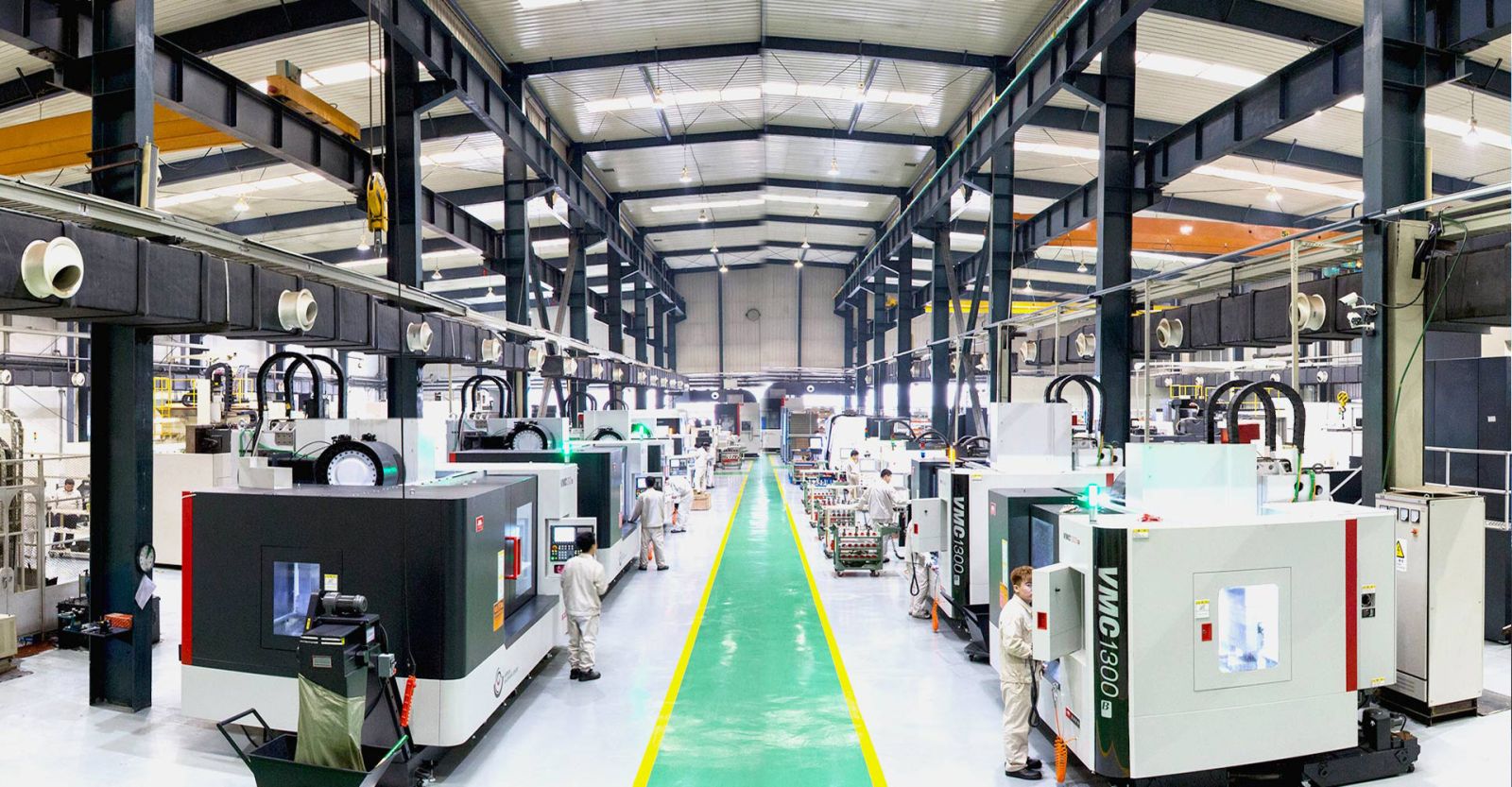
7. Why Choose YICHOU for Your Inconel and Titanium Needs
When sourcing high-performance metals, you need a supplier that delivers quality, reliability, and expertise. Here is why global manufacturers trust YICHOU:
-
Premium Materials: We supply certified Inconel and titanium alloys that meet ASTM, AMS, and ISO standards with full traceability.
-
Industry-Specific Solutions: Whether you are in aerospace, medical, or energy, we provide alloys tailored to your specifications.
-
Competitive Pricing: Our efficient supply chain reduces costs without compromising quality.
-
Custom Processing: We offer end-to-end metal solutions including machining, forging, and special coatings.
-
Fast Global Delivery: Our reliable logistics ensure your projects stay on schedule.
Contact YICHOU's metal experts today to discuss your project requirements and receive a competitive quote within 24 hours.
8. Conclusion: Making the Right Metal Choice
Inconel and titanium are both exceptional materials, but the best choice depends on your application:
-
Inconel excels in extreme heat and corrosion environments such as turbines and chemical plants.
-
Titanium is ideal for lightweight strength in aircraft, medical implants, and marine hardware.
If you need further assistance, our technical team is ready to help. Ask YICHOU's metal specialists for a free consultation to determine the optimal alloy for your needs.
For orders or inquiries, request a quote today and let us help you build something extraordinary.
Get Quote
- Visit our website: https://www.nbyichou.com/
- Email us: [email protected]
- Call us/whatsapp: +86 13355741031
- Chat with us: Live chat support available on our website