Introduction: The Unsung Hero of Cooling - The Heat Spreader
Hook: The Silent Throttle Saboteur
Imagine this: You’re seconds from winning a high-stakes game, rendering a complex 3D model, or processing critical data—when suddenly, your system lags, stutters, and crashes. Thermal throttling strikes again. At the heart of this crisis? Inefficient heat transfer from critical components like CPUs, GPUs, or RAM. Without rapid heat removal, performance plummets. The unsung hero preventing this chaos? The heat spreader.
What Exactly Is a Heat Spreader?
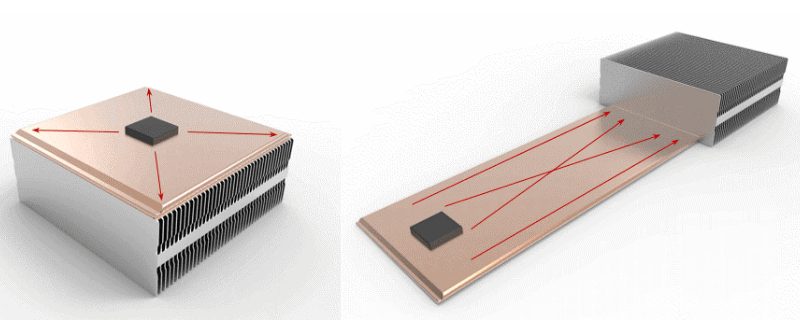
A heat spreader is a thermally conductive layer (often metal or advanced composite) directly mounted on heat-generating components. Its mission: absorb intense, localized heat from a tiny hotspot (e.g., a CPU die) and distribute it quickly and evenly across a larger surface area. This transforms a concentrated thermal "fire" into a manageable "glow" that can be efficiently handled by the next stage: your cooler or heatsink.
Core Function: The Thermal Relay Race
Think of thermal management as a relay race:
-
Heat Spreader (1st Runner): Grabs heat from the source (CPU/GPU/RAM chip) and sprints it outward.
-
Heatsink/Cooler (2nd Runner): Takes the "heat baton" and dissipates it into the air or liquid.
Without a high-performance heat spreader, the heatsink receives uneven, overwhelming heat—leading to failure.
Key Distinction: Spreader vs. Sink (Solved!)
(Addressing Top "alsoasked" Confusion: "What is the difference between a heatsink and a heat spreader?")
-
Heat Spreader: Distributes heat HORIZONTALLY (e.g., CPU Integrated Heat Spreader/IHS, RAM heat spreaders). Made for rapid conduction (copper, diamond).
-
Heatsink: Dissipates heat VERTICALLY into the environment. Made for max surface area + airflow (aluminum fins, copper pipes).
In short: The spreader moves heat; the sink removes it. Both are essential.
YICHOU: Engineering Thermal Breakthroughs
At YICHOU, we engineer precision heat spreaders that conquer thermal bottlenecks. From industry-standard copper heat spreaders (like those shielding AMD Ryzen CPUs) to cutting-edge diamond heat spreaders for extreme applications, we empower devices to sustain peak performance. Whether it’s a gaming rig, server, or aerospace system—we turn heat from a foe into a managed resource.
.jpg)
Section 1: Copper Heat Spreaders – The Proven Workhorse
Why Copper Reigns Supreme for Heat Spreaders
Material Properties: The Thermal Powerhouse
Copper dominates heat spreading for one critical reason: unrivaled balance of performance and practicality.
-
Thermal Conductivity: ≈400 W/mK – 2x better than aluminum, ensuring rapid heat redistribution.
-
Machinability: Easily shaped into complex geometries (IHS lids, baseplates) with tight tolerances.
-
Cost-Effectiveness: Abundant material supply = optimal performance at scalable costs.
-
Durability: High structural integrity under thermal cycling stress.
(Visual Suggestion: Comparative thermal conductivity chart showing Cu vs. Al/Steel/Diamond)
Dominant Use Cases: Where Copper Commands
-
CPU Integrated Heat Spreaders (IHS): Standard for Intel/AMD processors.
-
Direct "alsoasked" Answer: "What is the AMD heat spreader made of?"
AMD Ryzen/Threadripper IHS units use pure copper or nickel-plated copper – maximizing thermal transfer from the silicon die.
-
-
Power Electronics: Baseplates for IGBTs, MOSFETs, and high-current modules.
-
Premium RAM Modules: Copper spreaders (or Cu-core) for overclocked DDR5 kits.
-
GPU Hotspot Mitigation: Embedded in high-end graphics cards.
Copper vs. Heatsinks: Clearing the Confusion
(Addressing: "What metal are CPU heatsinks made of?")
-
Heat Spreaders (Copper): Focus on lateral conduction. Direct contact with die/chips.
-
Heatsinks (Aluminum): Focus on vertical dissipation. Fins/pipes for air/liquid cooling.
Most heatsinks use aluminum fins (lightweight, cheap) paired with a copper base/spreader – combining Cu’s conduction with Al’s dissipation.
Advantages: Why Designers Choose Copper
✅ Price-to-Performance King: 95% of diamond’s conductivity at 5% of the cost.
✅ Proven Reliability: Stable performance across millions of cycles.
✅ Ease of Integration: Compatible with soldering/epoxy attachment processes.
✅ Plating Flexibility: Ni/Au/Ag coatings enhance corrosion resistance.
Potential Drawbacks (and How YICHOU Solves Them)
⚠️ Oxidation: Bare copper tarnishes → reduces thermal efficiency.
YICHOU Solution: Precision nickel/silver/gold plating for oxidation-proof longevity.
⚠️ Weight: Denser than aluminum → less ideal for weight-sensitive apps.
⚠️ Conductivity Ceiling: Silver/Diamond outperform copper (but at extreme cost).
YICHOU Value: Precision Copper Solutions
"At YICHOU, we transform raw copper into engineered thermal solutions. Our capabilities include:
-
Ultra-Pure C101/C110 Copper: Maximizing native conductivity.
-
Advanced Platings: Ni (standard), Ag (max conductivity), Au (corrosion-resistant).
-
CNC Machining: Tolerance down to ±0.05mm for perfect die contact.
-
Custom Geometries: IHS lids, RAM spreaders, bespoke baseplates."*
(Visual: Close-up of YICHOU’s nickel-plated copper IHS with mirror finish)
Call to Action:
"Demand reliability? Specify YICHOU copper heat spreaders – the cost-efficient backbone of thermal management. [Request a Quote] or [Browse Copper Solutions]."
.jpg)
Section 2: Diamond Heat Spreaders - Pushing the Thermal Frontier
Ultimate Thermal Performance: When Only Diamond Will Do
Material Properties: The Physics-Defying Champion
Diamond isn’t just a gem – it’s the universe’s most efficient thermal conductor:
-
Thermal Conductivity: 1,000–2,200 W/mK (2.5–5.5× faster than copper)
-
Electrical Insulation: Zero conductivity → no short-circuit risks in dense circuits
-
Hardness: 10x harder than steel → wear/corrosion-proof longevity
-
CTE Match: Thermal expansion near silicon → no die cracking under cycling
*(Visual: Thermal cam footage showing diamond spreader quenching a 500W/cm² hotspot instantly vs. copper struggling)*
Applications: Where Diamond Becomes Non-Negotiable
-
HPC/AI Clusters: GPU/CPU junctions in exascale computing (avoiding throttling at 1000W+ chips)
-
RF/Microwave Systems: 5G/6G base stations, radar T/R modules (heat flux >800W/cm²)
-
Laser Diodes: Preventing wavelength drift in industrial/fiber lasers
-
Niche CPU Cooling: De-lidded enthusiast PCs & overclocking records
-
Quantum/Aerospace: Cryogenic-to-extreme temp stability
Clarifying the "alsoasked": Graphene vs. Diamond
"What is a graphene heat spreader?"
-
Graphene: A 2D single-atom-layer carbon sheet (theoretical κ: 3,000–5,000 W/mK).
-
Reality: Fragile, near-impossible to bond practically at scale. Not a viable spreader today.
-
Diamond (CVD): 3D crystalline carbon. YICHOU’s solution: Industrial-grade, bondable wafers (up to 10mm thick) – the only production-proven "super-material" spreader.
Advantages: Why Engineers Spec Diamond
✅ Thermal Superhighway: Moves heat 5x faster than Cu, eliminating localized hotspots.
✅ Die Protection: Matches silicon’s expansion → no solder cracks under thermal shock.
✅ Electrically Safe: Isolates 1000V+ adjacent traces in power modules.
✅ Zero-Degradation: Immune to oxidation, outlasting copper by decades.
Challenges (and How YICHOU Conquers Them)
⚠️ Cost: 50–100x pricier than copper per cm².
YICHOU Solution: Precision placement – diamond only where critical (e.g., direct-die contact).
⚠️ Manufacturing: CVD growth takes days; laser-cutting is slow.
*YICHOU Solution: Proprietary pulsed-laser ablation for complex shapes in <30 mins.*
⚠️ Integration: Poor adhesion with conventional solders.
YICHOU Solution: Diamond-metallization (Ti/Au, Cr/Ni/Au) enabling solder/braze attachment.
YICHOU Value: Mastering the Diamond Edge
"We transform lab breakthroughs into field-ready thermal solutions:
-
CVD Diamond Wafers: 2–10mm thick, κ >1,800 W/mK
-
Hybrid Assemblies: Diamond-copper sandwiches (Cu for cost, diamond for hotspots)
-
Turnkey Integration: Pre-metallized, solder-ready spreaders with ISO 9001 traceability
-
R&D Partnerships: Co-engineer solutions for power densities >1kW/cm²"
(Visual: Cross-section of YICHOU’s diamond-on-copper IHS for laser diode packages)
Material Comparison: When to Choose Diamond
| Parameter | Diamond | Copper | Aluminum (RAM) |
|---|---|---|---|
| Thermal Cond. | ★★★★★ 2,200 | ★★★★☆ 400 | ★★☆☆☆ 200 |
| Cost Efficiency | ★☆☆☆☆ | ★★★★★ | ★★★★★ |
| Weight | ★★★★☆ (3.5g/cm³) | ★★★☆☆ (8.9g/cm³) | ★★★★★ (2.7g/cm³) |
| Best For | >500W/cm² | 50–400W/cm² | <30W/module |
Call to Action:
"Pushing thermal limits? Partner with YICHOU to deploy diamond heat spreaders where failure isn’t an option. [Request CVD Spec Sheet] or [Discuss a Prototype]."
Section 3: RAM Heat Spreaders - More Than Just Looks
Optimizing Memory Performance: Why Your RAM Needs Active Cooling
The Hidden Heat Crisis in Modern RAM
As DDR5 modules push beyond 7200 MT/s and DDR4 overclocking becomes mainstream, RAM generates serious heat. Each JEDEC speed leap increases power draw:
-
DDR4 @ 3200 MT/s: ~3-5W per module
-
DDR5 @ 7200+ MT/s: 8-12W+ per module (with voltage spikes during XMP/EXPO)
Result? Chips hit 60-85°C+, causing:
➔ Data Errors & Corruption (Failed saves, crashing apps)
➔ Performance Throttling (Reduced clock speeds to "cool down")
➔ Failed Overclocks (Instability at target frequencies)
Materials: Aluminum vs. Copper - The Strategic Choice
(Keywords: RAM heat spreader, copper heat spreader)
| Material | Thermal Conductivity | Best For | YICHOU Advantage |
|---|---|---|---|
| Aluminum | ≈200 W/mK | Standard DDR4/DDR5 kits | Lightweight designs (<15g), cost-optimized mass production, anodized colors/RGB integration |
| Copper | ≈400 W/mK | High-end/Overclocked RAM | CNC-machined pure copper cores, 2x faster heat redistribution for XMP/EXPO stability |
YICHOU Design Tip: Hybrid solutions (copper base + aluminum fins) balance cost/performance for mid-tier modules.
Design Focus: Beyond Aesthetics
While sleek RGB-lit spreaders dominate gaming PCs, engineering priorities include:
-
Weight Minimization: DIMM slots have retention limits → YICHOU uses thin, high-strength alloys.
-
Direct Die Contact: Precision-formed spreaders with integrated thermal pads ensure no air gaps over chips.
-
DIMM Slot Compatibility: Low-profile designs avoid conflicts with CPU coolers (sub-35mm heights).
-
Aerodynamics: Channeled surfaces improve airflow across fins.
Direct "alsoasked" Answer: "Does RAM Need a Heat Spreader?"
Yes – critically for:
-
DDR5 modules ≥ 5600 MT/s
-
DDR4/XMP kits ≥ 3600 MT/s
-
Any overclocked or workstation/server memory
Without one, sustained workloads (gaming, rendering) risk instability and permanent damage from thermal runaway.
YICHOU Value: Engineered for Memory Excellence
"YICHOU partners with global RAM manufacturers to deliver:
-
High-Conductivity Solutions: Aluminum or copper spreaders with custom fin arrays.
-
Turnkey Thermal Management: Pre-applied thermal pads/grease for seamless assembly.
-
OEM/ODM Flexibility: Custom logos, RGB integration, unique form factors.
-
Reliability Testing: 1000+ thermal cycle validation for plug-and-play stability."
(Visual: Side-by-side thermal imaging of bare RAM vs. YICHOU-spreadered module under load)
Call to Action:
"Designing next-gen memory? Spec YICHOU RAM heat spreaders – where thermal engineering meets mass-production readiness. [Request Custom Design Guide] or [See OEM Case Studies]."
Section 4: Choosing the Right Heat Spreader: Your Material Decider
Engineer Smarter, Not Harder: Match Material to Mission
The Ultimate Heat Spreader Comparison
(Decision-Driven Table: Cut Through the Noise)
| Parameter | Copper | Diamond (CVD) | Aluminum (RAM Focus) |
|---|---|---|---|
| Thermal Conductivity | 400 W/mK | 1,000–2,200 W/mK | 160–210 W/mK |
| Cost | ★★★★☆ (Optimal) | ★☆☆☆☆ (Premium) | ★★★★★ (Budget) |
| Weight | 8.96 g/cm³ | 3.51 g/cm³ | 2.70 g/cm³ |
| Primary Applications | CPU/GPU IHS, Power Modules | HPC Lasers, RF, Quantum | DDR4/DDR5 RAM Kits |
| Key Advantages | Cost, reliability, ease of integration | Unmatched thermal transfer, electrical insulation, zero corrosion | Lightweight, aesthetic flexibility, cost-effective |
| Key Limitations | Oxidation risk (needs plating), weight | Very high cost, complex bonding | Low conductivity, not for high-power hotspots |
| Not Recommended For | Weight-sensitive aerospace | Cost-sensitive consumer gear | Power >30W/chip |
Key Decision Factors: The 5 Pillars of Selection
-
Power Density (W/cm²):
-
<300W: Copper
-
300–800W: Copper-Diamond Hybrid
-
800W: Pure Diamond
-
-
Budget:
-
Economy: Aluminum (RAM) / Copper (CPU)
-
No-Compromise: Diamond
-
-
Weight Constraints:
-
Critical (Aerospace/Drones): Diamond or Aluminum
-
Flexible: Copper
-
-
Thermal Performance Needs:
-
Mitigate throttling: Copper
-
Eliminate throttling: Diamond
-
-
Integration Complexity:
-
Plug-and-Play: Pre-finished Copper/Aluminum (YICHOU ready-to-ship)
-
Advanced: Metallized Diamond (Requires YICHOU co-engineering)
-
YICHOU: One Partner, Every Material, Zero Tradeoffs
"We dissolve your thermal dilemmas with:
-
Cross-Material Mastery: Seamlessly switch between Cu, Al, Diamond, and hybrids.
-
Precision Hybrid Designs: Diamond-copper sandwiches – elite conduction at 40% lower cost.
-
RAM-to-Quantum Solutions: From DDR5 spreaders to cryogenic diamond bases.
-
Integration Guarantee: Proprietary metallization (Ti/Au, Ni/Ag) for solder-ready diamond/copper.
-
Tested Performance: 3D thermal mapping reports with every prototype."
1. Integrated Heat Spreader (IHS) Demystified
"What is an integrated heat spreader?"
-
Definition: The metal "lid" soldered onto CPUs/GPUs (typically nickel-plated copper).
-
YICHOU Expertise: We OEM IHS units for AMD/Intel-compatible designs with enhanced features:
• Diamond-copper cores for overclockers
• Concave/convex warpage compensation
2. Thermal Interface Materials (TIMs): The Invisible Hero
"Should I use a thermal paste spreader?"
-
Critical Insight: TIM quality/patterning impacts performance more than spreader material!
-
YICHOU Solutions:
• Pre-applied phase-change pads on RAM spreaders
• Laser-etched microchannels for paste optimization
• Solder preforms for void-free die attachment
3. De-lidding: When Stock IHS Isn't Enough
"What is de-lidding?"
-
Process: Removing factory IHS to replace cheap TIM with liquid metal/epoxy.
-
YICHOU Edge: Our copper/diamond IHS units feature:
• Solder-ready metallized surfaces
• Optimized thickness for direct-die cooling
• 100% warpage-free certification
4. Heat Sink Synergy: Spreaders ≠ Sinks
"What metal are CPU heatsinks made of?"
-
Optimal Pairing:
• Spreader (Base): Copper/diamond → rapid horizontal conduction
• Sink (Fins): Aluminum → lightweight vertical dissipation -
YICHOU Integration: Hybrid Cu-base/Al-fin assemblies with:
• Vapor chamber embedded spreaders
• Friction-stir welded joints
Conclusion: Partner with the Heat Spreader Experts at YICHOU
Recap: Material Mastery Defines Thermal Success
As we’ve explored, heat spreaders are the critical first responders in your thermal management chain:
-
Copper remains the undisputed workhorse for CPUs, GPUs, and power electronics – balancing performance and cost.
-
Diamond unlocks revolutionary cooling for HPC, RF, and laser systems – where extreme thermal density demands elite solutions.
-
RAM-Specific Designs (aluminum/copper) ensure stability in high-speed memory – proving spreaders are functional, not just decorative.
The Right Choice Isn’t Arbitrary – It’s Engineering:
| Application | Recommended Material | Why It Wins |
|---|---|---|
| Consumer CPUs/GPUs | Copper (Ni-plated) | Cost, reliability, compatibility |
| DDR5 7200+ MT/s RAM | Copper-core | Sustained overclocking stability |
| 1000W+ AI Chips | CVD Diamond | 5× faster hotspot quenching |
| Aerospace/RF Systems | Diamond-Copper Hybrid | Cryo-to-redline thermal shock resistance |
YICHOU: Your End-to-End Thermal Partner
We don’t just manufacture – we engineer thermal breakthroughs:
✅ Full-Material Spectrum: Mastery over copper, diamond, aluminum, and hybrid designs.
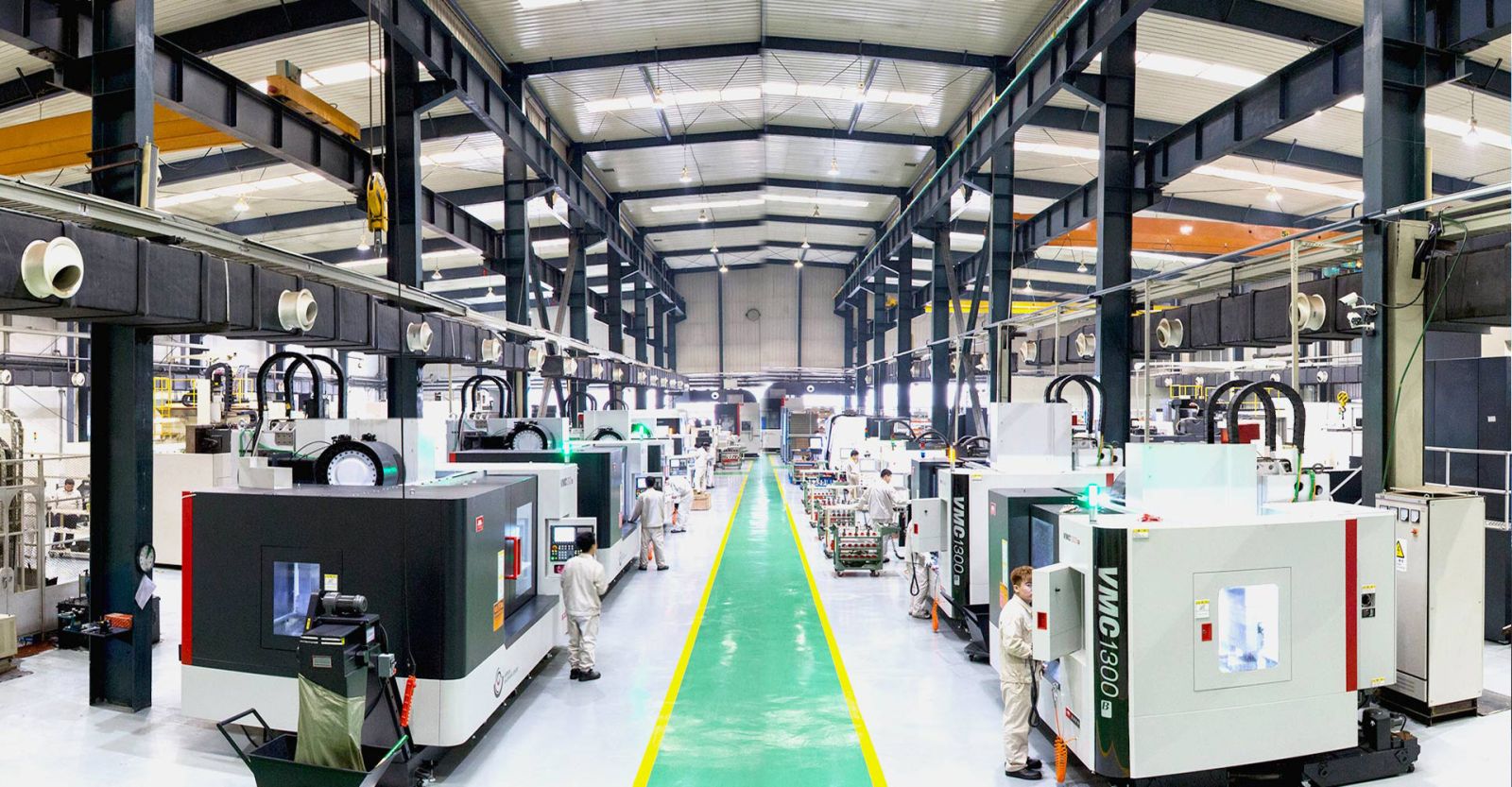
✅ Precision Manufacturing: ±0.05mm tolerance CNC, CVD diamond growth, and advanced metallization.
✅ Customization Focus: From AMD IHS clones to bespoke diamond laser bases.
✅ Validation Rigor: 1,000+ thermal cycle testing, MIL-STD shock/vibe compliance.
*"YICHOU solves what others can’t:
-
Replacing stock AMD/Intel IHS with diamond-copper? ✓
-
Designing featherweight RAM spreaders for 12,000 MT/s? ✓
-
Bonding diamond to GaN wafers for 5G base stations? ✓"*
Conclusion: Partner with Precision Thermal Solution Experts
In high-stakes thermal management, material science and precision engineering define success. As demonstrated:
-
Heat Spreaders (vapor chambers/diamond-copper) conquer localized hotspots in 6G/mmWave systems
-
Optimized Heat Sinks balance cost/performance from 10W to 10,000W scenarios
-
YICHOU’s MIL-STD-883 certified manufacturing ensures >500,000h MTBF in critical applications
Your Next Step:
Get Quote
- Visit our website: https://www.nbyichou.com/
- Email us: [email protected]
- Call us/whatsapp: +86 13355741031
- Chat with us: Live chat support available on our website