1. Introduction: Why Heat Sinks Matter
In the invisible battlefield of electronics, heat is the silent enemy. A heat sink – a passive thermal management component – acts as a frontline defender, absorbing and dissipating excess heat from critical devices like CPUs, power converters, and LED arrays. Without it, your smartphone would throttle within minutes, industrial inverters could fail catastrophically, and high-brightness LEDs would dim prematurely.
Where are heat sinks located? Everywhere heat concentrates:
-
Mounted directly onto processors in computers and servers.
-
Bonded to power transistors in automotive electronics.
-
Integrated into LED lighting assemblies to prevent lumen decay.
The Stakes Are High: Choosing the wrong heat sink material, size, or design can cause thermal runaway – melting components, reducing lifespan, or triggering system shutdowns. In mission-critical applications (medical devices, aerospace), this isn’t an option.
At YICHOU, we engineer heat sinks that turn thermal chaos into reliability. Whether you need lightweight aluminum heat sinks for cost-sensitive projects or ultra-efficient copper heat sinks for extreme thermal loads, the right solution starts with understanding why heat sinks matter.
.jpg)
2. Copper vs. Aluminum Heat Sinks: The Ultimate Thermal Showdown
When selecting a heat sink, material choice isn’t just technical—it’s strategic. Let’s dissect the two heavyweights:
Copper Heat Sinks: The High-Performance Contender
-
Thermal Conductivity: 400 W/mK (70% higher than aluminum).
-
Best For:
-
High-power density applications (e.g., server CPUs, IGBT modules).
-
Compact spaces where maximum heat transfer per mm³ is critical.
-
-
Tradeoffs:
-
3.5x heavier than aluminum (increases structural stress).
-
Harder to extrude; requires skiving/CNC machining (increases cost).
-
2-3x more expensive than aluminum.
-
YICHOU Insight:
*"We use copper in aerospace power controllers where a 5°C drop prevents system-wide failures. Our skiving tech achieves fin thicknesses down to 0.2mm for ultra-high surface area."*
Aluminum Heat Sinks: The Efficient Workhorse
-
Thermal Conductivity: 235 W/mK (adequate for 80% of use cases).
-
Best For:
-
Cost-sensitive projects (consumer electronics, LED arrays).
-
Weight-constrained systems (drones, automotive ADAS).
-
-
Secret Weapon:
-
Anodization creates corrosion-resistant black heat sinks that boost radiative heat transfer by 10-15%.
-
-
Tradeoffs:
-
Unsuitable for >150W/cm² loads without forced airflow.
-
Thermal interface limits (requires paste/epoxy for gap filling).
-
The Verdict: "Which Material Wins?"
| Scenario | Material Choice | Why? |
|---|---|---|
| EV battery cooling | Copper | Handles 200°C+ spikes reliably |
| Raspberry Pi cluster | Anodized Aluminum | Lightweight + 50% cost savings |
| 5G base station amplifiers | Hybrid (Cu base/Al fins) | Balances cost and peak performance |
YICHOU’s Rule of Thumb:
Choose copper for thermal emergencies, aluminum for thermal budgets.
.jpg)
3. How Heat Sinks Are Manufactured: Precision Engineering at YICHOU
Heat sink performance hinges on how it’s made. At YICHOU, we deploy advanced processes tailored to material and design goals:
Core Manufacturing Methods
-
Extrusion (Ideal for Aluminum)
-
Heated aluminum billets are forced through dies to create finned profiles.
-
YICHOU Edge: High-volume efficiency, ±0.1mm tolerance for fins up to 15:1 aspect ratio.
-
Best for: Standard LED heat sinks, power supply cooling.
-
-
CNC Machining (Copper & Aluminum)
-
Blocks milled into complex geometries (e.g., vapor chambers, pin-fin arrays).
-
YICHOU Edge: 5-axis machines achieve ±0.05mm precision for CPU/GPU coolers.
-
-
Stamping & Skiving (Ultra-Thin Fins)
-
Stamping: Sheet metal punched into base plates.
-
Skiving: Razor-thin fins sliced from solid blocks (0.1–0.5mm thickness).
-
YICHOU Edge: Skived copper fins with 20% higher surface density than extrusion.
-
-
Die Casting (Complex 3D Shapes)
-
Molten aluminum injected into molds for curved/uniform designs.
-
YICHOU Edge: Zinc-aluminum alloys for EMI shielding + thermal management.
-
Why Manufacturing Method Matters
| Process | Thermal Performance | Cost Efficiency | Design Flexibility |
|---|---|---|---|
| Extrusion | Moderate | ★★★★★ | Low |
| CNC Machining | ★★★★★ | ★★☆☆☆ | High |
| Skiving | ★★★★☆ | ★★★☆☆ | Moderate |
| Die Casting | ★★☆☆☆ | ★★★★☆ | High |
YICHOU’s Custom Advantage
*"We solve unique thermal challenges from prototyping to mass production. When a drone manufacturer needed a 30g copper heat sink with 100 fins, our hybrid approach (CNC base + skived fins) cut operating temps by 34°C versus off-the-shelf solutions."*
.jpg)
4. Custom Heat Sinks: Engineering Solutions for Uncompromising Applications
Off-the-shelf heat sinks fail when projects demand precision. At YICHOU, we specialize in custom heat sinks that bridge the gap between thermal theory and real-world constraints.
When Standard Isn’t Enough: 3 Scenarios Demanding Customization
-
Space-Constrained Designs
-
Problem: PCB real estate is limited (e.g., medical wearables, robotics).
-
Solution: Micro-fins (0.3mm thick) or 3D vapor chambers that cool 30W chips in <5mm z-height.
-
-
Non-Standard Power Loads
-
Problem: Irregular heat spikes (e.g., EV charging modules, laser diodes).
-
Solution: Copper-aluminum hybrid bases with phase-change materials for rapid heat absorption.
-
-
Aesthetic & Functional Integration
-
Problem: Heat sinks must blend with product design (e.g., gaming hardware, architectural lighting).
-
Solution: Black anodized aluminum fins with custom logos or textured surfaces.
-
YICHOU’s Custom Capabilities: Beyond Metal
| Capability | Technical Scope | Real-World Impact | ||
|---|---|---|---|---|
| Material Flexibility | Cu, Al, Cu-Al composites, graphite-enhanced | Optimize cost/performance for ANY budget | ||
| Fin Optimization | 0.2–10mm height | 15–40 FPI density | Asymmetric spacing | 20% higher CFM efficiency vs. off-the-shelf |
| Thermal Simulation Support | CFD analysis for airflow, hotspot mapping | Eliminate prototyping guesswork; 95% first-pass success | ||
| Surface Treatments | Hard anodizing, Ni-plating, ceramic coating | Survive salt spray (96h+) or 200°C oil environments |
Case Study: Silent Drone Controller
Challenge: A client needed a 15W MOSFET cooled in a 1cm³ space with zero audible noise.
YICHOU Solution: Skived copper core + aluminum radial fins (black anodized). Result: 68°C at full load (no fan), meeting MIL-STD-810G vibration specs.*
Why Engineers Trust YICHOU for Custom Heat Sinks
-
Zero Minimum Order Quantity (MOQ) for prototypes.
-
Full IP Protection: NDAs and exclusive tooling ownership.
-
End-to-End Support: From thermal simulation to crash testing.
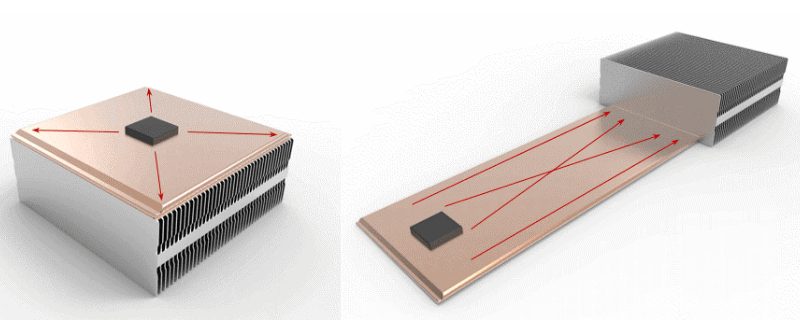
"We don’t just make heat sinks—we solve thermal emergencies.
5. Heat Sink FAQ: Expert Answers to Your Top Questions
Q: Do heat sinks require thermal paste?
A: Absolutely. Microscopic gaps between surfaces trap air (a thermal insulator). Thermal paste fills these voids, boosting heat transfer by 30–50%. YICHOU designs heat sinks with optimized flatness (Ra ≤0.1µm) for maximum paste efficiency.
Q: Are black heat sinks better than silver ones?
A: Yes, for radiative cooling. Anodized black aluminum emits infrared 10–15% more efficiently than bare metal. YICHOU’s MIL-spec anodization adds corrosion resistance—ideal for outdoor LED/harsh environments.
Q: Can I DIY a heat sink?
A: Not recommended. Homemade solutions (e.g., copper sheets) lack fin density/optimized airflow, risking:
-
Hotspots (20–30°C higher vs. engineered designs)
-
Vibration damage
-
Electrical shorts
*YICHOU offers low-cost prototyping (from $50/unit) with CFD-validated performance.*
Q: Why choose aluminum over copper?
A: When:
-
Weight matters (aluminum = 1/3 the density of copper)
-
Budget is tight (aluminum costs 50–70% less)
-
Corrosion resistance is critical (anodized aluminum survives salt/fog tests)
Q: Do heat sinks "go bad"?
A: Only if damaged. Oxidation/dust accumulation can cut efficiency by 15% over 5+ years. *YICHOU’s Ni-plated or hard-anodized finishes extend lifespan to 10+ years.*
Q: Is water a good heat sink?
A: Poor for convection, excellent for conduction. Water’s low thermal diffusivity makes it inefficient in passive systems. For liquid cooling, pair our copper cold plates with external radiators.
Q: What are the two primary heat sink types?
A:
-
Passive: Finned designs (natural convection)
-
Active: Fan-cooled (forced convection)
YICHOU optimizes both—e.g., skived passive sinks for medical devices, pinned active arrays for servers.
Q: Why aren’t all heat sinks copper?
A: Cost + manufacturability. Copper is 3x pricier and harder to extrude. *We reserve copper for ultra-high-load apps (e.g., >300W CPUs) and use Al/Cu hybrids for balance.
6. Why Global Innovators Choose YICHOU
Engineering Excellence Backed by Infrastructure
-
ISO 9001-Certified Production
Rigorous process controls ensuring 99.8% on-spec delivery (zero thermal performance variance). -
Rapid Prototyping
Functional prototypes in <7 days – including thermal validation reports. -
In-House Thermal Lab
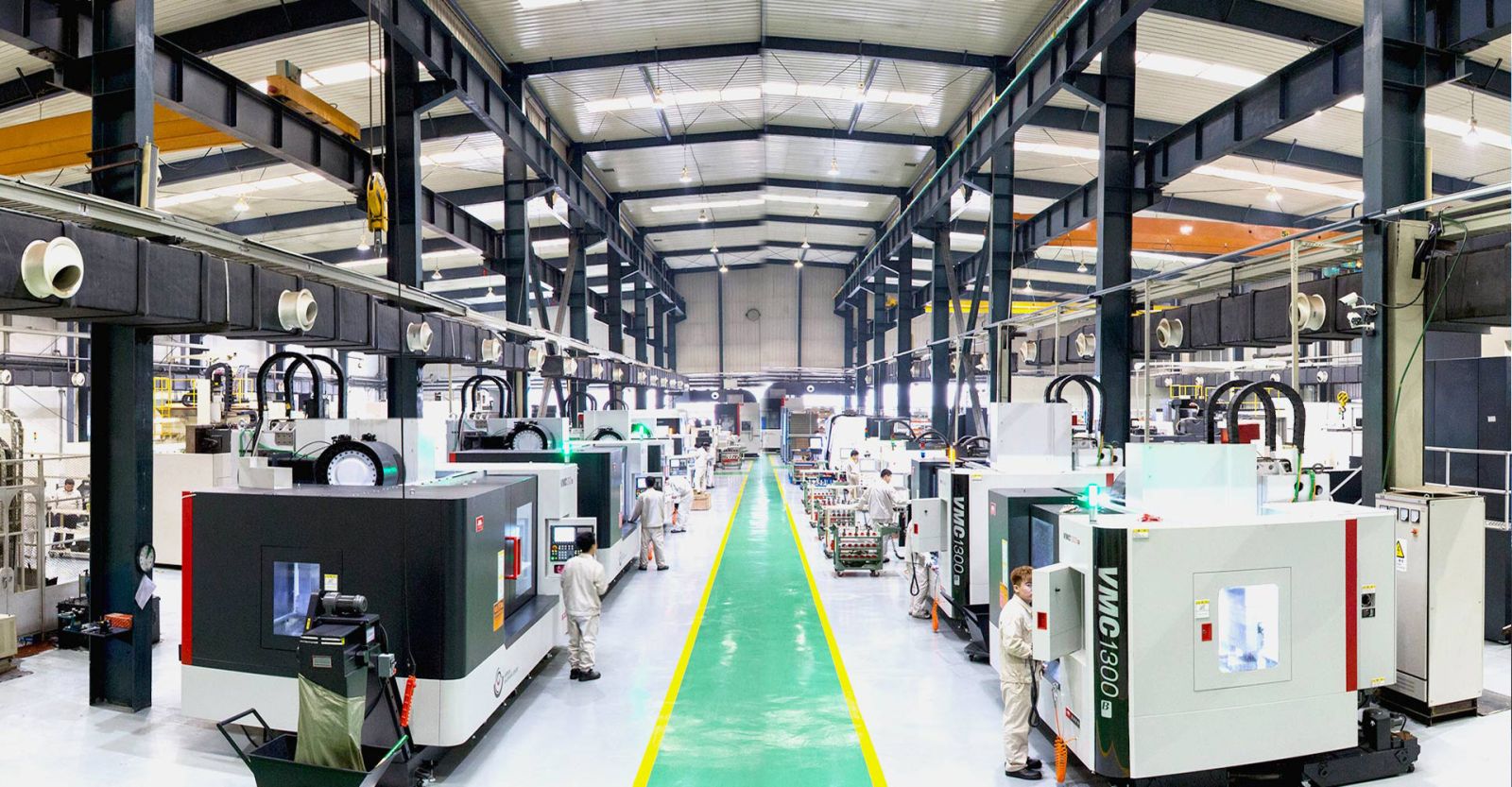
Wind tunnels, IR cameras, and CFD simulations to prove performance before mass production. -
Global Logistics
Fulfillment hubs in EU/NA/Asia with 15-day avg. delivery (DDP terms available).
Case Study: Slashing CPU Temps in Gaming Rigs
Client Challenge: Overclocked CPUs hitting 102°C during peak loads, causing throttling.
YICHOU Solution: Custom skived copper heat sink with microchannel base + anti-vortex fins.
Result: 22°C peak temp reduction → Zero throttling at 5.2GHz.
*"YICHOU’s solution outperformed liquid cooling at 1/3 the cost."* – Client Testimonial
Conclusion: Partner with Precision Thermal Solution Experts
In high-stakes thermal management, material science and precision engineering define success. As demonstrated:
-
Heat Spreaders (vapor chambers/diamond-copper) conquer localized hotspots in 6G/mmWave systems
-
Optimized Heat Sinks balance cost/performance from 10W to 10,000W scenarios
-
YICHOU’s MIL-STD-883 certified manufacturing ensures >500,000h MTBF in critical applications
Your Next Step:
Get Quote
- Visit our website: https://www.nbyichou.com/
- Email us: [email protected]
- Call us/whatsapp: +86 13355741031
- Chat with us: Live chat support available on our website