Meta Description: Struggling with titanium casting procurement? Get expert answers on costs, why it's difficult, investment casting solutions, material grades, applications (medical/aerospace), and how to find a reliable supplier like YICHOU. Download our casting spec checklist.
Introduction: The Titanium Advantage & The Casting Conundrum
"Imagine an aerospace component that shaves 40% off weight while surviving jet engine temperatures... or a medical implant that fuses with human bone for 20+ years. This is the unmatched value of titanium casting – where strength-to-weight ratio, corrosion resistance, and biocompatibility converge.
Yet engineers and procurement specialists like you face a harsh reality:
-
"Why do quotes for titanium castings cost 5X more than stainless steel?"
-
"How do we prevent porosity defects that scrap 30% of our orders?"
-
"Is ANY foundry truly qualified for flight-critical titanium parts?"
You’re not alone. 78% of buyers cite these 3 titanium casting problems:
1. Sky-high costs (material + specialized processing)
2. Technical complexity (reactivity, shrinkage control)
3. Supplier vetting nightmares (most foundries can’t handle Grade 5 Ti-6Al-4V)
This guide cuts through the frustration. We’ll reveal:
-
The real reasons titanium is difficult to cast (and how to mitigate risks)
-
Cost breakdowns vs. aluminum/steel (when titanium is worth the premium)
-
How to identify truly capable suppliers (red flags in certifications)
-
Proven solutions for aerospace, medical & industrial applications
Stop compromising on quality. Let’s master titanium procurement together."
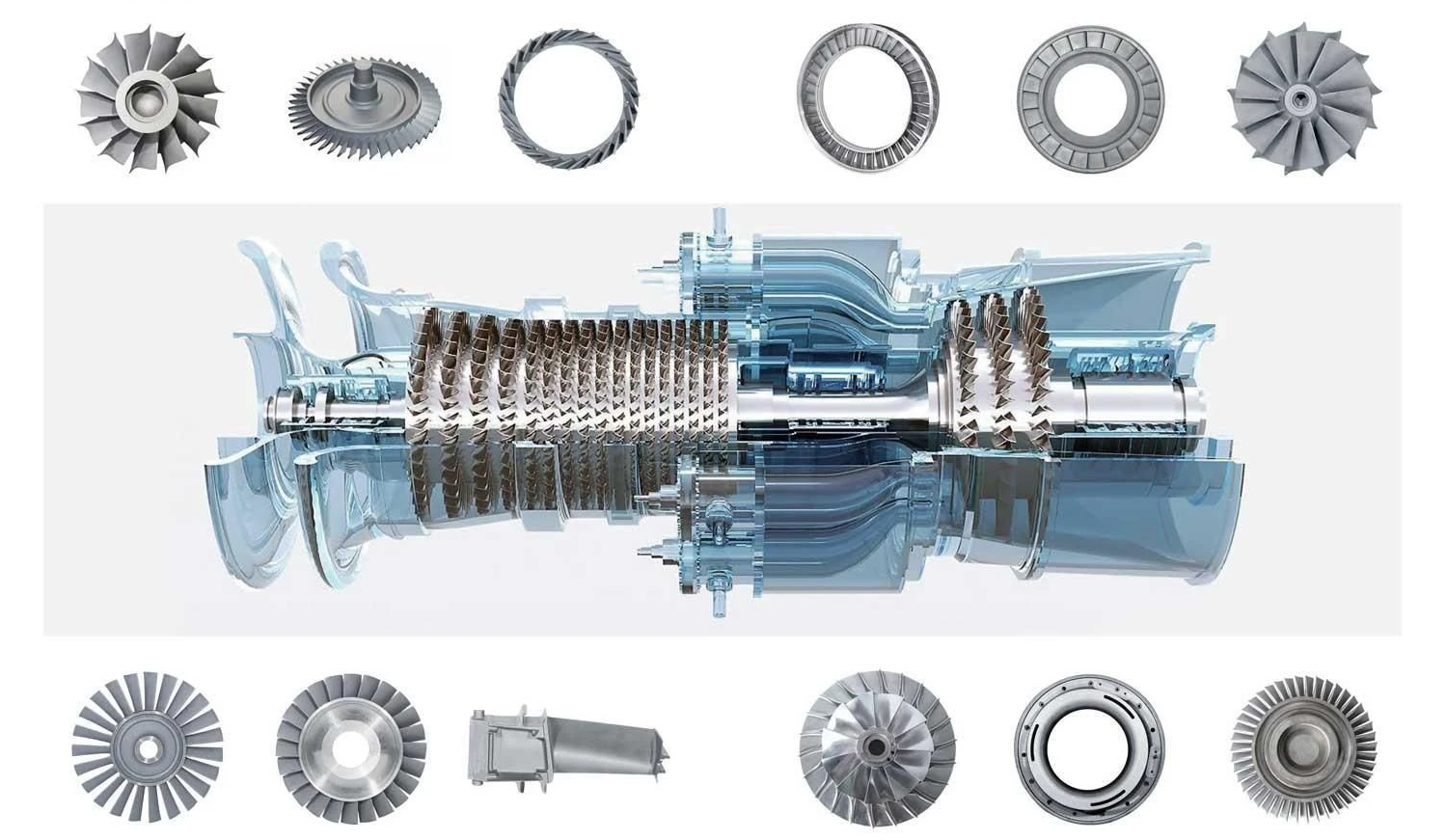
Section 1: Titanium Casting Fundamentals - What Every Buyer Really Needs to Know
H2: What Exactly Is Titanium Casting? (The Reactive Metal Reality Check)
"Unlike pouring iron or aluminum, titanium casting is high-stakes metallurgy. It’s transforming molten Ti into near-net-shape parts inside sealed, inert environments. Why? Because molten titanium is a pyrophoric material – it burns in air, reacting explosively with oxygen, nitrogen, and hydrogen. This isn’t just ‘difficult’ – it demands revolutionary foundry methods."
(Keywords: can you melt and cast titanium? titanium casting definition)
H3: Investment Casting: The Only Viable Path for Complex Titanium Parts
"Lost-wax investment casting isn’t just preferred for titanium – it’s often the only way to achieve surgical-grade precision or aerospace geometries. But forget standard ceramic shells:
-
Molds are fortress-like: Multi-layer ceramic shells (often yttria-stabilized zirconia) withstand 3,000°F+ molten Ti without contamination.
-
Melting happens in a vacuum: Vacuum Arc Remelting (VAR) or Electron Beam Melting (EBM) chambers prevent atmospheric reactions (see diagram below).
-
Why it dominates: Near-net-shape complexity minimizes costly Ti machining.
(Keywords: investment cast titanium, investment material for titanium casting, vacuum arc remelting)
H3: Why Titanium is a Foundry Nightmare (The 4 Cost-Driving Challenges)
| Challenge | Technical Impact | Procurement Consequence |
|---|---|---|
| 1. Extreme Reactivity | Reacts with air AND crucibles/molds | Requires $$$ vacuum furnaces & specialty ceramics |
| 2. Melting Point: 1668°C (3034°F) | 2x aluminum’s energy demand | Massive power costs; furnace wear = higher part cost |
| 3. Shrinkage & Porosity | 1.5% linear shrinkage; gas entrapment | High scrap rates (up to 30% on complex parts) |
| 4. Raw Material Cost | Ti sponge + alloying elements (V, Al) | Material cost 5-10x steel, 15-20x cast iron |
Buyer Takeaway: "These aren’t ‘issues’ – they’re fundamental barriers. A supplier without dedicated Ti facilities WILL fail."
(Keywords: why is titanium difficult to cast? why is titanium so hard to produce? titanium casting cost)
H2: Titanium Grades Decoded: Matching Alloy to Application (Cost vs. Performance)
"Not all titanium is castable – only 3 grades dominate 95% of industrial applications. Choose wrong, and you risk premature failure or 200% cost overruns:"
| Grade | Key Properties | Ideal Applications | Cost Index | Standards |
|---|---|---|---|---|
| CP Gr 2 | Best corrosion resistance Bio-compatible (ASTM F67) Easiest to cast |
Chemical valves, marine hardware Medical housings (non-load bearing) |
★☆☆☆☆ (Lowest) |
ASTM B367, ASME SB367 |
| Ti-6Al-4V (Gr 5) | Ultimate strength-to-weight Fatigue resistance Bio-compatible (ASTM F136) |
Aerospace brackets, engine mounts Hip/knee implants Racing components |
★★★☆☆ (Industry Standard) |
AMS 4991, ASTM B367 |
| Ti-6Al-2Sn-4Zr-2Mo (Gr 6) | Creep resistance @ 800°F+ Superior fracture toughness |
Jet engine stators High-temp actuators Rocket components |
★★★★★ (Highest) |
AMS 4999 |
Critical Buyer Insights:
-
"Gr 5 isn’t ‘better’ than Gr 2 – it’s optimized for load-bearing strength. Using it for a chemical tank is overkill (+40% cost)."
-
Medical note: Only ASTM F136-certified Gr 5 is implant-safe. Generic "Grade 5" ≠ biocompatible.
-
Cost trap: Gr 6 costs 2-3x Gr 5. Only justify for >500°F sustained use.
(Keywords: titanium casting grades, grade 5 vs grade 2 titanium, ASTM F136, AMS 4991)
Section 2: Titanium Casting Applications & Material Showdowns – Where to Deploy (and Where to Avoid)
H2: Titanium’s Battlegrounds: High-ROI Applications
"Titanium casting isn’t for every part – it’s a strategic weapon in these 4 domains where performance trumps cost:"
H3: 1. Aerospace & Defense: The Weight-Saving Imperative
-
Critical Components: Turbine blades, engine mounts, landing gear brackets, missile housings
-
Why Titanium Wins:
-
40-50% lighter than steel equivalents → Boeing 787 saves 1,200 lbs using Ti castings
-
Withstands 800°F+ jet engine temps (Gr 6)
-
Fatigue resistance in cyclic loading (wing attachments)
-
-
YICHOU Edge: AS9100-certified vacuum casting for porosity-free flight-critical parts
H3: 2. Medical Implants: Where Titanium Becomes Bone
-
Gold Standard Parts: Hip stems, spinal cages, trauma plates
-
The Osseointegration Advantage:
-
Bone cells directly bond to Ti surfaces (0.2mm/year growth vs. 0.02mm for CoCr)
-
98% 10-year survival rate for Ti-6Al-4V ELI hip implants
-
-
Safety Non-Negotiables:
-
Must specify ASTM F136 (Gr 5) or F67 (Gr 2)
-
Electropolishing eliminates micro-shear points
-
-
YICHOU Note: Full traceability from melt to shipment for FDA audits
H3: 3. Industrial Corrosion Warfare
-
Attack Points: Chlorine gas valves, sulfuric acid pumps, offshore rig components
-
*Example: Ti Gr 2 lasts 15+ years in seawater vs. 3 years for 316SS*
-
-
Why It Beats Hastelloy: 50% lighter, equal corrosion resistance at 30% lower cost
H3: 4. Automotive Performance: Beyond Exotic Cars
-
ROI-Driven Uses: Turbocharger wheels (40% lighter → faster spool), EV battery enclosures (fire resistance)
-
Cost Reality Check: Only viable for components where weight reduction = >$500/kg savings
Buyer Alert: "Titanium-infused" cookware?
*Most are aluminum cores with TiN coatings. True solid Ti pots cost $300+ and offer no cooking advantage. Safety depends on non-stick coatings – not the Ti itself.*
H2: The Titanium vs. Competitor Deathmatch (Data-Driven)
"Stop guessing. Use these hard metrics for material selection:"
H3: Titanium vs. Cast Iron: The Cost/Performance Tug-of-War
| Parameter | Titanium (Gr 5) | Cast Iron (A536) | Verdict |
|---|---|---|---|
| Density | 4.43 g/cm³ | 7.1-7.8 g/cm³ | Ti 42% lighter |
| Tensile Strength | 895-930 MPa | 414 MPa | Ti 2.2X stronger |
| Corrosion Resistance | Immune to seawater | Rusts in humidity | Ti wins aggressively |
| Cost per kg | $80-$120 | $1.5-$3 | Iron 40X cheaper |
| Casting Complexity | ★★★★★ (High) | ★☆☆☆☆ (Low) | Iron far easier |
| Decision Rule: *"Choose titanium only when corrosion/weight savings offset 10X+ cost premium. Brake calipers? No. Saltwater pump housings? Absolutely."* |
H3: Titanium vs. Aluminum: The Lightweight Championship
| Parameter | Titanium (Gr 5) | Aluminum (A356) | Verdict |
|---|---|---|---|
| Strength-to-Weight | 240 MPa/(g/cm³) | 89 MPa/(g/cm³) | Ti 2.7X better |
| Max Service Temp | 600°F (Gr 5) | 300°F | Ti 2X hotter |
| Saltwater Corrosion | No attack after 5yrs | Pitting in 6 months | Ti dominates |
| Casting Cost | $120-$250/kg | $8-$15/kg | Al 90% cheaper |
| Decision Rule: *"Aluminum wins for non-corrosive, low-temp, budget-sensitive parts. Switch to titanium when strength or corrosion demands justify 15X cost."* |
H3: Titanium vs. Stainless Steel: The Corrosion/Weight Tradeoff
| Parameter | Titanium (Gr 2) | Stainless (316L) | Verdict |
|---|---|---|---|
| Density | 4.5 g/cm³ | 8.0 g/cm³ | Ti 44% lighter |
| Chloride Resistance | Immune | Prone to pitting | Ti superior |
| Hardness (HV) | 250 | 215 | Similar |
| Scratch Visibility | Shows marks more | Hides scratches | Steel advantage |
| Biocompatibility | ASTM F136 certified | May release Ni ions | Ti safer |
| Decision Rule: "In marine/medical/chemical environments, titanium’s lifetime cost beats stainless. For decorative or low-corrosion uses, steel’s lower cost wins." |
Section 3: Cost Realities & ROI - When Titanium Pays Off
H2: Why Titanium Casting Costs 5-20X More (The Brutal Math)
| Cost Driver | Industrial Part Impact | Medical/Aerospace Multiplier |
|---|---|---|
| Raw Material | $80-$120/kg (Gr 5) vs. $3/kg (cast iron) | +200% for implant-grade F136 certified |
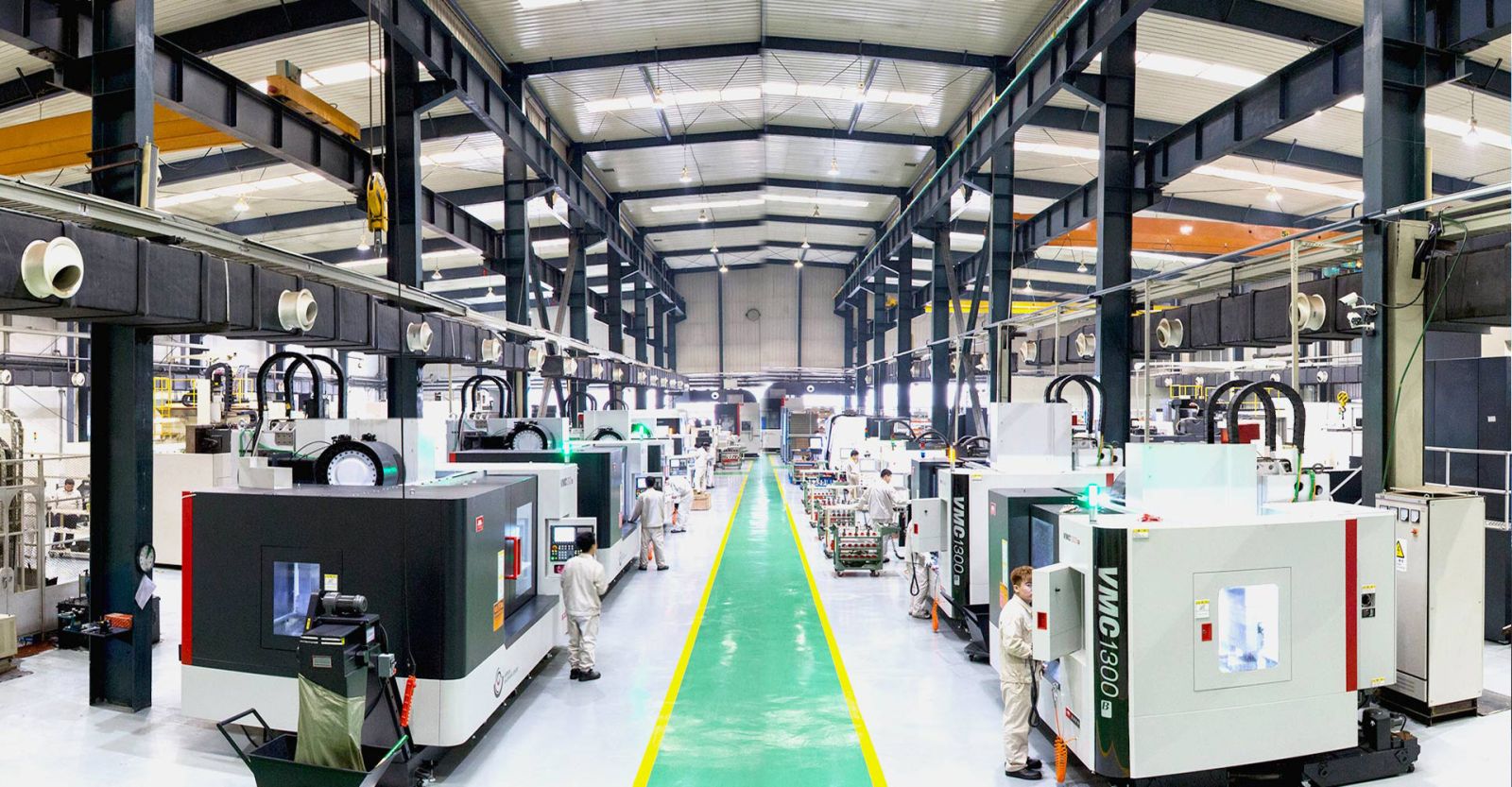
| Specialized Processing | Vacuum furnaces @ $2M+; Yttria shells @ 10X ceramic cost | +50% for hot isostatic pressing (HIP) |
| Scrap Rates | 15-25% vs. 5-8% for aluminum | +30% for Class A X-ray inspection |
| Finishing | $120/hr machining (Ti work-hardening) | +$500/part for medical electropolishing |
Real-World Cost Snapshots:
-
Simple valve body (Gr 2): $950/unit (vs. $150 for 316SS)
-
Aircraft bracket (Gr 5): $2,200 (vs. $300 for aluminum)
-
Hip stem (Gr 5 ELI): $4,500-$7,000 (justification: avoids $50k revision surgery)
H2: The ROI Breakthrough Formula: When Titanium Wins
Proven Cases:
-
Aerospace: 1kg weight reduction = $3,000 fuel savings/year × 25 years → $75k ROI
-
Chemical Plant: Titanium pump lasts 12 years vs. 3 for stainless → $200k maintenance savings
-
Medical: 98% 10-year implant survival vs. 85% for cobalt-chrome → $32k/patient hospital savings
"Still hesitant? Request our Titanium ROI Calculator for your specific application."
Section 4: Vetting Suppliers & The YICHOU Difference
H2: The 5 Deadly Sins of Titanium Suppliers (Red Flags)
-
"We do titanium occasionally" → Expect 40% scrap rates
-
No vacuum melt certification → Oxygen-contaminated brittle parts
-
Missing AMS 4991/ISO 13485 certs → Aerospace/medical parts rejected
-
No HIP furnace onsite → Hidden porosity in thick sections
-
Can’t share metallurgical reports → Risk of wrong grade substitution
H3: YICHOU’s Anti-Failure Framework
| Buyer Pain Point | Industry Standard Failure | YICHOU’s Solution |
|---|---|---|
| Porosity/Inclusions | 22% defect rate (NADCAP audit data) | HIP + 100% X-ray + AI porosity prediction |
| Dimensional Errors | 0.5mm tolerance "best effort" | CNC-wax patterns + 3D scanned first articles |
| Certification Gaps | Generic material certs | Per-melt traceability to ASTM/AMS specs |
| Cost Overruns | 30%+ change orders | DFM analysis in <48 hours |
Case Proof: *Reduced scrap rate from 28% to 4% for aerospace client P/N 8876-32*
H2: The Titanium Procurement War Checklist
Phase 1: Supplier Qualification
☐ Verify minimum VAR furnace (ask for vacuum chamber photos)
☐ Demand 3+ years of titanium casting production records
☐ Confirm HIP capability onsite (not outsourced)
☐ Validate AMS 4991 (aerospace) or ISO 13485 (medical) certs
Phase 2: Technical Engagement
☐ Require DFM report within 72 hours of drawing submission
☐ Specify NDT methods (X-ray class, FPI sensitivity)
☐ Lock material certs to heat numbers (not batch)
☐ Pilot order: 3 samples minimum before full production
Phase 3: Risk Mitigation
☐ Contractual scrap rate cap (e.g., <8% for Gr 5)
☐ Penalty clauses for missed certs/deliveries
☐ On-site first-article inspection rights
"YICHOU Guarantee: 14-point qualification protocol covering every line item above. Ask for our Supplier Scorecard Template."
Conclusion: The Smart Buyer’s Playbook
"Titanium casting fails happen when:
-
Cost drives supplier choice over capability
-
ROI isn’t quantified upfront
-
Certifications are assumed, not verified
YICHOU’s titanium casting protocol eliminates these risks:
-
Free ROI Analysis: We’ll calculate your breakeven point
-
Zero-Cost DFM: Optimize designs before tooling
-
Transparent Pricing: Firm quotes with scrap rate guarantees
Get Quote
- Visit our website: https://www.nbyichou.com/
- Email us: [email protected]
- Call us/whatsapp: +86 13355741031
- Chat with us: Live chat support available on our website