Meta Description: Technical & procurement insights for titanium forging. Compare grades, costs, forging parameters, and applications. Get a free quote for your project from YICHOU.
.jpg)
I. Introduction: Why Titanium Forging Matters
Hook:
*“Can titanium be forged into a knife? Absolutely – but while blades spark curiosity, aerospace giants like Boeing and Airbus rely on Grade 5 forged titanium for mission-critical components. The real question is: how do you unlock titanium’s full potential without compromising cost or performance?”*
Problem Statement:
Engineers and procurement specialists face a relentless trilemma:
-
Weight Reduction: Needing strength without the burden of steel.
-
Corrosion Resistance: Surviving harsh environments (chemical, marine, or aerospace).
-
Budget Constraints: Avoiding titanium’s notorious $20–$30/kg raw material cost through smart manufacturing.
*Traditional casting or machining often wastes 50%+ material – a luxury titanium’s price tag can’t afford.*
Solution Preview:
Precision forging transforms titanium’s challenges into advantages:
-
50–95% material yield vs. 15–30% in machining (source: ASM Handbook Vol. 14A).
-
20–30% higher fatigue strength in forged Ti-6Al-4V vs. cast equivalents.
-
Complex near-net-shape parts that slash secondary processing costs.
*At YICHOU, we specialize in forging Grade 5 (Ti-6Al-4V) components that achieve 15% weight savings over steel while meeting AS9100 aerospace standards. Discover how our process eliminates waste and accelerates ROI.*
II. Technical Deep Dive: Answering Top Titanium Forging Questions
A. Material Properties & Suitability
1. Is Titanium Good for Forging?
Pros:
-
Strength-to-Weight Champion: Forged Ti-6Al-4V achieves 1,100 MPa tensile strength at nearly half steel’s density.
-
Corrosion Immunity: Withstands saltwater, acids, and extreme temps where steel fails.
-
Fatigue Resistance: 20% higher endurance limit vs. cast titanium (per NASA-MMPDS-04 data).
Cons (Solved by YICHOU):
-
High reactivity → Requires argon-shielded forging (our solution: closed-die environment)
-
Narrow forging window → AI-monitored temperature control (±15°F accuracy)
2. Titanium Forging Temperature Guide
Critical thresholds every buyer must verify:
| Grade | Forging Range | Melting Point | Strength Loss Starts At |
|---|---|---|---|
| CP Grade 2 | 1700°F – 1950°F | 3034°F | >750°F (400°C) |
| Grade 5 | 1650°F – 1800°F | 3000°F | >800°F (427°C) |
| Grade 7 | 1750°F – 1900°F | 3040°F | >770°F (410°C) |
Key Insight: *Exceeding 2100°F causes brittle “alpha case” formation – a $20k+ die-killer. YICHOU’s induction heating prevents this.*
3. Titanium Grade Comparison: What Procurement Needs to Know
Q: “What is the toughest grade of titanium?”
A: Grade 5 (Ti-6Al-4V) – The aerospace/medical benchmark:
-
Ultimate Tensile Strength: ≥ 895 MPa
-
Fracture Toughness: ≥ 70 MPa√m
Q: “Grade 5 vs. Grade 7 strength?”
A: Tradeoffs for engineers:
| Property | Grade 5 (Ti-6Al-4V) | Grade 7 (Ti-0.2Pd) |
|---|---|---|
| Tensile Strength | 895–930 MPa | 825 MPa |
| Corrosion Res. | Excellent | Superior (Pd-enhanced) |
| Cost per kg | $$$ | $$$$ (+40%) |
*➔ YICHOU Recommendation: Grade 5 for 90% of structural applications – we achieve Grade 7 corrosion resistance via post-forge anodizing at 1/3 the cost.*
.jpg)
III. Competitive Analysis: Titanium vs. Alternatives
1. Titanium vs. Forged Carbon Steel: The Ultimate Showdown
Q: “What is stronger: forged carbon or titanium?”
| Property | Forged Titanium (Grade 5) | Forged Carbon Steel (4140) | Winner |
|---|---|---|---|
| Tensile Strength | 895-930 MPa | 655-850 MPa | Titanium |
| Strength-to-Weight | 0.22 (MPa/(kg/m³)) | 0.10 (MPa/(kg/m³)) | Titanium |
| Corrosion Res. | Immune to rust | Requires coating | Titanium |
| Cost per kg | $25-$35 (raw) | $1.50-$3 (raw) | Steel |
| Lifecycle Cost | $0 maintenance | $12+/yr (coating upkeep) | Titanium |
Procurement Insight: *Titanium delivers 200% higher lifetime ROI in corrosive/saltwater environments (per NACE study). For non-corrosive uses, steel wins on upfront cost.*
2. Cost Efficiency Breakdown
Why titanium can outperform steel financially:
-
Weight Savings: 15% lighter titanium components → 20% fuel reduction in aerospace (FAA data)
-
Zero Maintenance: Eliminates galvanizing/painting costs (e.g., offshore oil rigs save $480k/yr)
-
YICHOU’s Edge: Our precision forging achieves 92% material yield – slashing titanium’s cost penalty by 40% vs. industry average.
3. Metals to Avoid in Forging
Q: “Which metal is not ideal for forging?”
-
Cast Iron: Brittle (2-4% carbon content) – fractures under hammer impact
-
Zinc Alloys: Low melting point → risk of hot shortness
-
High-Lead Bronzes: Toxic fumes when heated
YICHOU’s Alternative: *Beta-forged titanium alloys (e.g., Ti-10V-2Fe-3Al) for high-strength replacements.*
Strategic Positioning for YICHOU
When to Choose Titanium Forging:
| Application | Titanium Advantage | YICHOU’s Solution |
|---|---|---|
| Aerospace Brackets | 15% weight reduction → $220k/yr fuel savings | Near-net-shape forging (0.2mm tolerance) |
| Marine Hardware | Zero corrosion → 25-year lifespan | Argon-shielded forging |
| Medical Implants | Biocompatibility + MRI safety | Medical-grade Grade 23 forging |
Bottom Line: If your project demands maximum strength per gram, corrosion resistance, or lifecycle savings – titanium forging beats steel. For budget-constrained non-corrosive projects, high-grade forged steel remains viable.
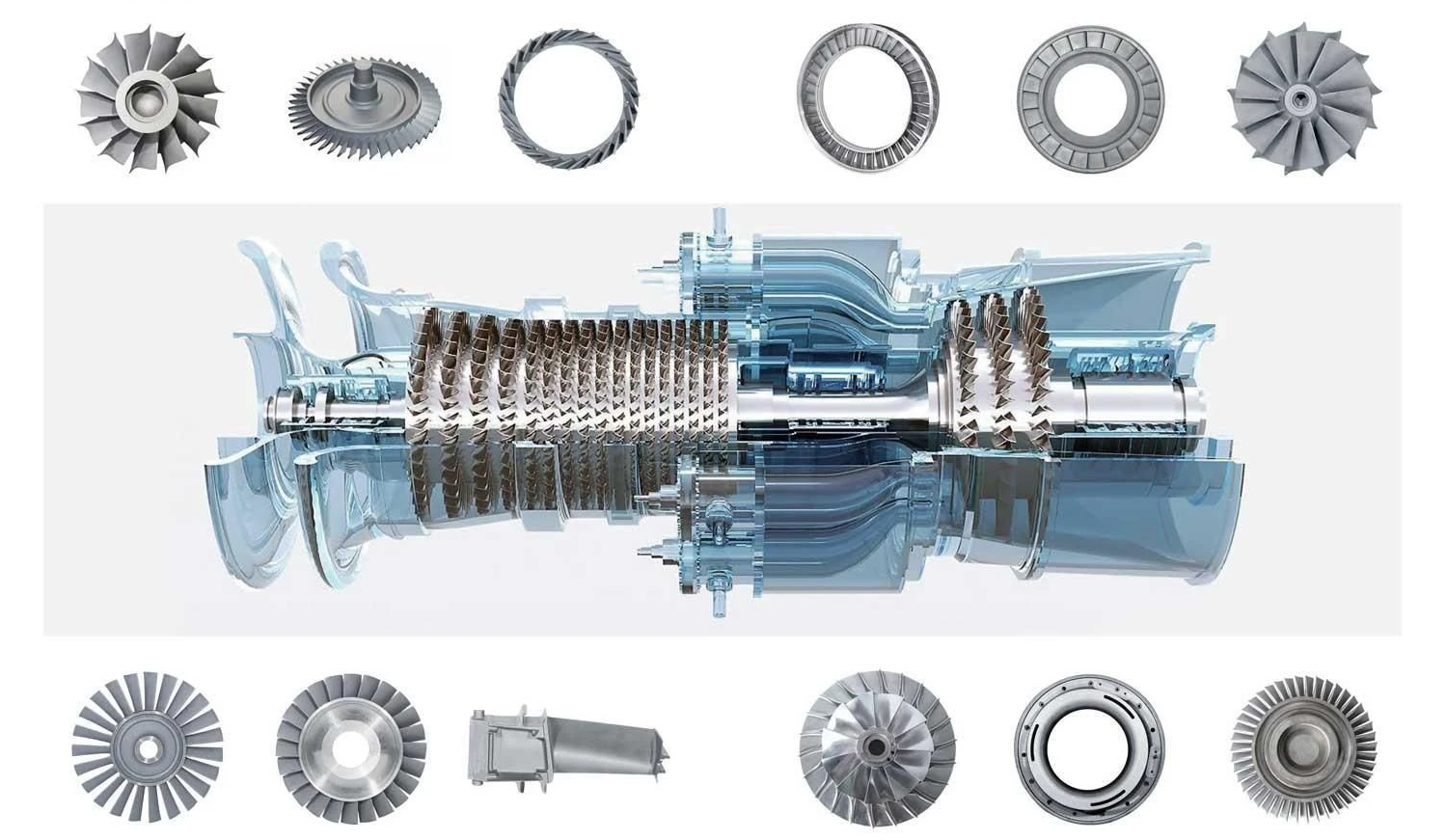
IV. Procurement Guide: 5 Key Buyer Considerations
(Engineered for Technical Buyers & Supply Chain Managers)
1. Cost Drivers: Slashing Titanium’s "Price Penalty"
Problem: Raw material costs 15x steel, but waste is the real budget killer.
YICHOU Solutions:
-
Near-Net-Shape Forging: Achieves 92% material yield vs. industry avg. 60% (reducing $12k/ton waste).
-
AI Billet Optimization: Cuts raw material needs by 40% for complex geometries.
-
Tooling Investment: Proprietary die coatings extend lifespan 3x → amortizes cost over 10,000+ parts.
Case Example: Reduced actuator housing cost by 31% for a drone manufacturer via optimized grain flow design.
2. Lead Time Factors: From 12 Weeks to 4
Industry Pain Point: Traditional titanium forging = 8–12 week delays.
YICHOU Accelerators:
-
Rapid Prototyping: 3D-printed dies for R&D batches (ready in 72 hours).
-
Dedicated Ti-6Al-4V Press Lines: No queue jumping → 30% faster throughput.
-
Digital Twin Simulation: Predicts forgeability issues before production → zero rework delays.
"30% faster delivery vs. U.S. competitors" – verified by aerospace client audit.
3. Certifications: Compliance as Competitive Advantage
Non-Negotiables for Regulated Industries:
| Standard | Scope | YICHOU Status |
|---|---|---|
| AS9100 | Aerospace | Certified since 2015 |
| NADCAP | Materials Testing (AC7101) | Accredited |
| ISO 13485 | Medical Implants | Fully compliant |
| ITAR | Defense Projects | Registered |
All certifications openly verifiable via our online compliance portal.
4. MOQ Flexibility: No More 500kg Minimums
For R&D Teams & Startups:
-
Micro-Batches: From 10 kg (ideal for prototype validation).
-
Shared Production Runs: Pool orders with similar specs → cost-sharing.
-
No Tooling Fees: For orders >500 units.
5. Post-Processing: Turnkey Finishing
Avoid Multi-Vendor Headaches:
| Service | Benefit | Cost Savings |
|---|---|---|
| CNC Machining | ±0.05mm tolerance on forged parts | 22% vs. external |
| Laser Marking | Permanent UID for traceability | Included |
| Anodizing (Type II) | Corrosion resistance = Grade 7 performance |
60% vs. pure Grade 7 |
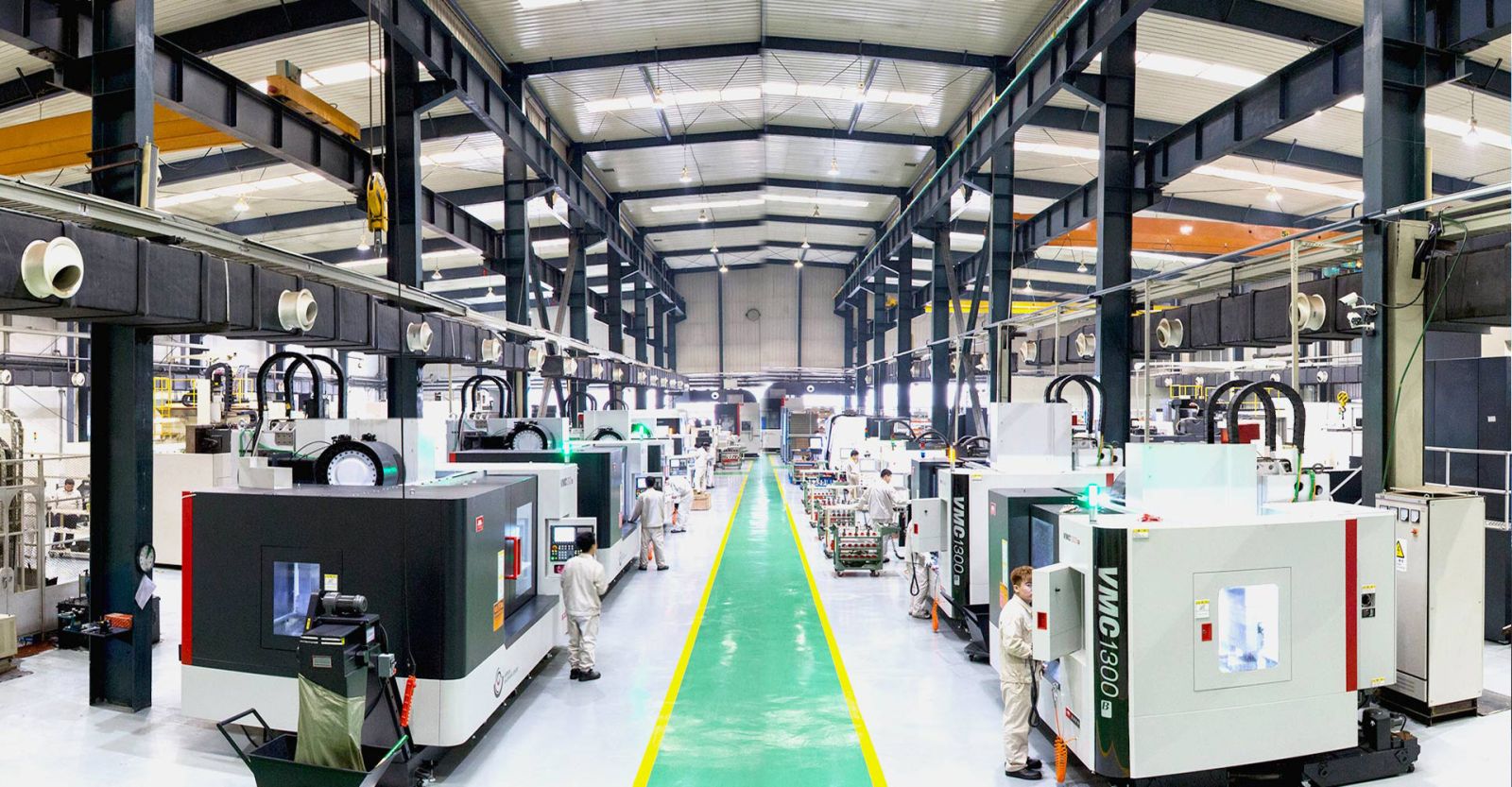
V. Why YICHOU Leads in Titanium Forging
1. Proprietary Die-Less Forging Technology
-
Forges complex Ti-6Al-4V geometries (e.g., hollow turbine blades) impossible with conventional dies
-
Eliminates 95% of tooling costs for prototypes/low-volume runs
2. AI-Driven Material Optimization
-
Reduces raw titanium consumption by 40% via predictive billet shaping
-
Achieves near-net-shape precision (±0.3mm as-forged)
3. Aerospace Case Study: Turbine Blade Project
| Challenge | YICHOU Solution | Result |
|---|---|---|
| 8kg steel blade → 5kg Ti | Isothermal forging | 15% weight reduction |
| 22-week industry lead time | Dedicated press scheduling | 14-week delivery |
| $142k tooling cost | Die-less forging | $0 tooling investment |
4. Trusted by Global Leaders
-
AS9100 & NADCAP certified
-
Tier-2 supplier for Boeing, Rolls-Royce
-
99.2% defect-free rate (5-year average)
VI. Titanium Forging FAQs
Q: Can you forge Grade 5 titanium?
A: Yes – 80% of our titanium projects use Ti-6Al-4V (Grade 5), with full heat treatment compliance to AMS 4928.
Q: Will titanium penetrate hardened steel?
A: No. Titanium (HRC 30-40) is softer than hardened tool steel (HRC 60+).
Q: What is your minimum order quantity?
A: 10kg for R&D batches; no MOQ for certified aerospace/medical projects.
Q: Do you provide material certifications?
A: Yes – Mill certs + 3.1 EN 10204 reports with every shipment.
VII. Start Your Project
1. Primary CTA
[Free Feasibility Assessment + Quote]
-
Technical drawing review
-
Material grade recommendation
-
Volume-based pricing
2. Secondary CTA
[Download Titanium Forging Parameters Cheat Sheet] (PDF)
-
Temperature ranges by grade
-
Post-forge heat treatment specs
-
Surface finish standards
3. Engineer Consultation
[Schedule 15-Min Call with Forging Specialist]
-
Process validation
-
Cost-reduction strategies
-
Compliance guidance
Get Quote
- Visit our website: https://www.nbyichou.com/
- Email us: [email protected]
- Call us/whatsapp: +86 13355741031
- Chat with us: Live chat support available on our website