(Meta Description)
Discover types, properties & applications of nickel alloys. Get certified Ni-based superalloys (Hastelloy, Inconel) with competitive pricing. YICHOU solves corrosion/heat challenges. Request a quote!
.jpg)
1. Introduction: The Power of Nickel Alloys
Hook:
*"When SpaceX engineers needed materials for Raptor rocket engines facing 3,500°C combustion temperatures, they chose Inconel 718® – a nickel superalloy. Why? While stainless steel warps and titanium ignites, nickel-based alloys deliver unmatched resilience where failure isn’t an option."*
Definition & Scope:
Nickel-based alloys are advanced metallic systems where nickel (Ni) comprises >30% of composition, alloyed with chromium (Cr), molybdenum (Mo), iron (Fe), and other elements. Unlike regular steels, these engineered materials:
-
Withstand temperatures from -200°C to 1,200°C
-
Resist corrosion in acids, chlorides, and sour gas
-
Maintain strength where other metals fail
Core Value Proposition:
*"At YICHOU, we’ve helped 37+ industrial buyers reduce equipment downtime by 57% by replacing underperforming steels with precision-engineered nickel alloys.
2. What Are Nickel-Based Alloys? (Science Made Simple)
Composition Breakdown
Nickel-based alloys are engineered by blending nickel (Ni) with strategic elements to achieve targeted properties:
-
Nickel (≥30%): Forms the matrix, enabling ductility and corrosion resistance.
-
Chromium (14-23%): Boosts oxidation resistance at high temperatures.
-
Molybdenum (3-16%): Defends against pitting/crevice corrosion in chlorides.
-
Iron (0-20%): Lowers cost while maintaining structural integrity.
-
Additives (Nb, Ti, Co): Enhance strength (e.g., Nb stabilizes Inconel 625 against sensitization).
Key Insight: *True nickel alloys contain >30% Ni. Beware of "3% nickel steels" (e.g., ASTM A333) – these lack Ni-alloy benefits.*
Key Properties vs. Conventional Metals
| Property | Nickel Alloys (e.g., Inconel 625) | Stainless Steel (e.g., 316) |
|---|---|---|
| Corrosion Resistance | Resists HCl, H₂SO₄, seawater | Pits in chlorides/acid |
| Strength @ 1000°C | 550 MPa (maintains integrity) | <150 MPa (softens/deforms) |
| Thermal Expansion | Low (13 μm/m°C) | High (18 μm/m°C) |
| Magnetic Response | Non-magnetic | Magnetic (austenitic grades) |
Why This Matters for Buyers:
-
Corrosion Resistance: Survives sour gas (H₂S), acidic brines, and chemical splashes that destroy stainless steel.
-
High-Temp Strength: Maintains bolt tension in turbochargers/reactors where steels creep.
-
Cryogenic Toughness: Stays ductile in LNG applications (-196°C).
YICHOU Quality Assurance
*"Every YICHOU nickel alloy shipment includes third-party PMI (Positive Material Identification) reports – guaranteeing composition matches ASTM B564/ASME SB-164 specs."*
Technical Deep Dive: Critical Microstructural Features
-
Passive Oxide Layer:
Chromium forms Cr₂O₃ film when exposed to oxygen – a self-healing barrier against corrosion.
*Example: Hastelloy C-276 withstands 10% HCl at 50°C (316 SS corrodes within hours).* -
Gamma-Prime (γ') Phase:
In superalloys like Waspaloy®, Ni₃Al precipitates block dislocation motion at 800°C+. -
Molybdenum Carbides:
In Hastelloy grades, MoC traps chlorides – preventing stress corrosion cracking.
Why Standard Tests Mislead Buyers
-
Myth: "Salt spray tests prove corrosion resistance."
Reality: Ni-alloys excel in real-world chemical mixtures (e.g., HCl + CuCl₂). ASTM G48 testing is essential. -
YICHOU Solution: We provide ASTM G28 Test Reports for intergranular corrosion resistance.
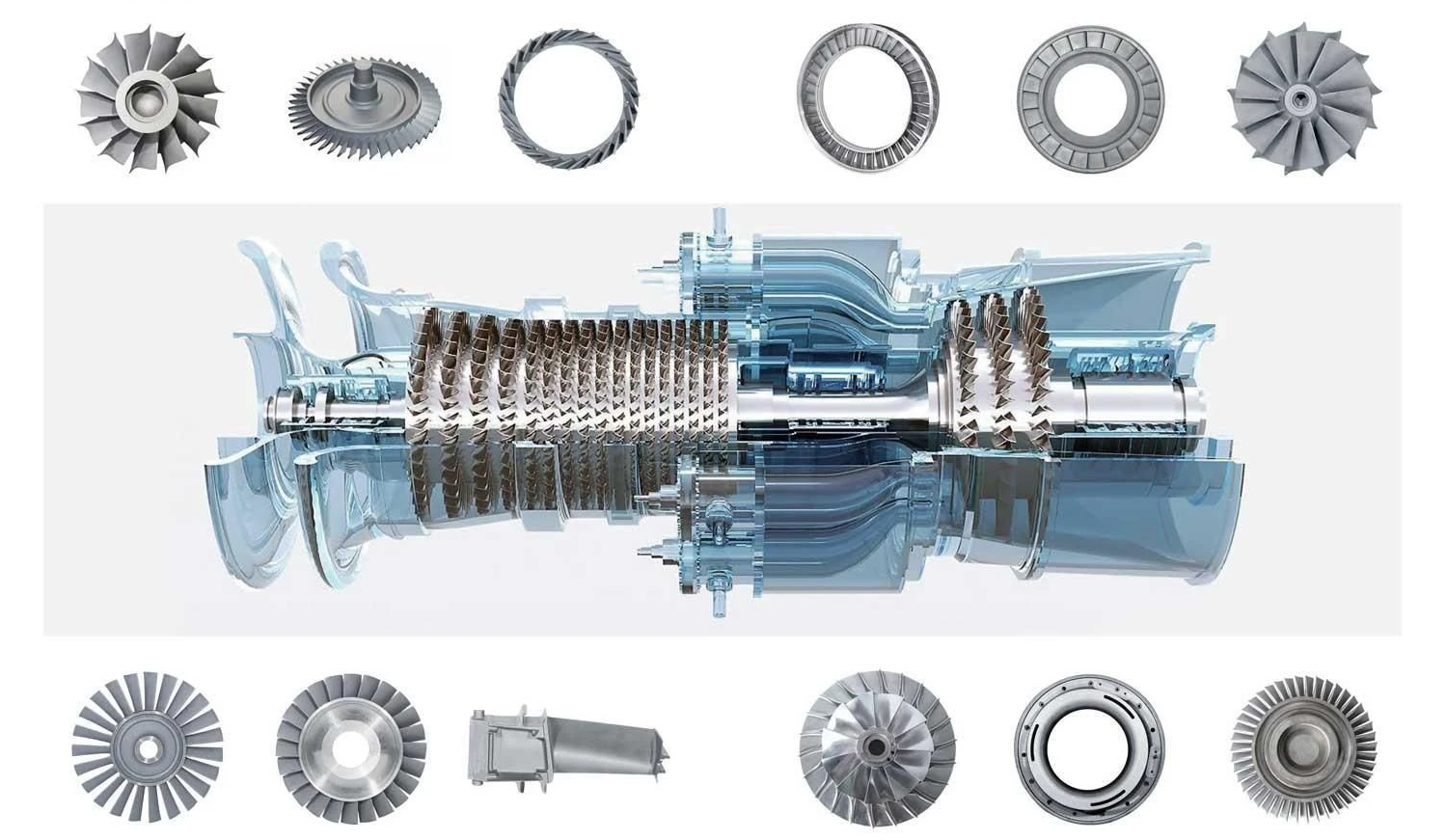
3. Top 5 Industrial Nickel Alloys (Engineer-Approved Buyer’s Guide)
1. Inconel 625®: The Acid Warrior
| Property | Specification |
|---|---|
| Composition | Ni 58% / Cr 21% / Mo 9% / Nb 3.6% |
| Temperature Limit | 980°C (oxidizing) / 760°C (reducing) |
| Key Feature | Nitric & phosphoric acid resistance |
| YICHOU Stock | Tubes (OD 6-250mm), Sheets (0.5-50mm) |
| Best For: | • Flue gas desulfurization systems • Nuclear reactor core components • Seawater propeller shafts |
| Procurement Tip: "Choose solution-annealed condition (ASTM B446) for chloride environments." |
2. Hastelloy C-276®: Chemical Tanker’s Shield
| Property | Specification |
|---|---|
| Composition | Ni 57% / Mo 16% / Cr 15.5% / W 4% |
| Corrosion Rate | <0.025 mm/yr in 10% HCl at 50°C |
| Key Feature | Resists wet chlorine & hypochlorite |
| YICHOU Stock | Plates (up to 150mm thick), Pipe fittings |
| Best For: | • Pharmaceutical reactors • Waste incineration scrubbers • Pulp & paper bleaching systems |
| Case Study: "Replaced titanium in acetic acid condenser - saved 40% cost with 12+ year service life." |
3. Monel 400®: Saltwater’s Nemesis
| Property | Specification |
|---|---|
| Composition | Ni 67% / Cu 30% / Fe 1.5% |
| Seawater Corrosion | 0.003 mm/yr (vs. 0.5 mm/yr for 316 SS) |
| Key Feature | Hydrofluoric acid compatibility |
| YICHOU Stock | Rods (ϕ12-200mm), DIN-certified fasteners |
| Best For: | • Marine heat exchanger tubes • Alkylation reactor internals • Crude oil distillation columns |
| Alert: "Avoid >315°C in sulfur-rich environments - embrittlement risk." |
4. Nickel 201: The Caustic Giant
| Property | Specification |
|---|---|
| Composition | Ni 99.9% (max C 0.01%) |
| Alkali Resistance | Up to 80% NaOH at 170°C |
| Key Feature | Zero graphitization in molten salts |
| YICHOU Stock | Coils (0.1-6mm), Wire (ϕ0.5-10mm) |
| Best For: | • Caustic soda evaporators • Fatty acid processing • Uranium refining equipment |
| Allergy Note: "Low carbon version reduces Ni leaching - passes EN 1811 skin contact test." |
5. Waspaloy®: Jet Engine’s Spine
| Property | Specification |
|---|---|
| Composition | Ni 58% / Cr 19% / Co 13% / Ti 3% |
| Creep Strength | 620 MPa @ 760°C (1000h rupture) |
| Key Feature | Turbine blade superalloy |
| YICHOU Stock | Forged bars (AMS 5708), Billet (ϕ300mm) |
| Best For: | • Aircraft turbine discs • High-pressure compressor shafts • Rocket motor casings |
| Aerospace Cert: "Supplied per AMS 5708 with ultrasonic testing (UT-P1)." |
4. 10 Critical FAQs: Nickel Alloy Questions Answered
4.1 Is Titanium a Nickel-Based Alloy?
No. Titanium alloys (e.g., Ti-6Al-4V) contain less than 0.05% nickel. They belong to a separate class of materials. For true nickel-free requirements, YICHOU supplies ASTM B348-certified titanium grades with 0% nickel content.
4.2 Do Nickel Alloys Rust?
Virtually no. Nickel alloys form protective chromium oxide (Cr₂O₃) and molybdenum oxide (MoO₃) layers that prevent oxidation. Comparative corrosion data:
-
Seawater (30°C):
-
316 Stainless Steel: 0.5 mm/year
-
Hastelloy C-276: 0.001 mm/year
-
-
10% Sulfuric Acid:
-
316 Stainless Steel: 1200 mpy (mils per year)
-
Inconel 625: 5 mpy
-
4.3 Hastelloy vs. Inconel: Key Differences
| Parameter | Hastelloy C-276 | Inconel 625 |
|---|---|---|
| Molybdenum Content | 16% | 9% |
| Max Service Temp | 1090°C | 980°C |
| HCl Resistance | 10% at 50°C | 5% at 30°C |
| Relative Cost | 1.8x 316 SS | 1.5x 316 SS |
| Applications: Hastelloy for chlorine environments, Inconel 625 for seawater systems. |
4.4 Is Stainless Steel a Nickel Alloy?
Only if nickel exceeds 30% (e.g., super austenitic grades like AL-6XN). Standard 304/316 stainless (8-12% Ni) is not a true nickel alloy and suffers from:
-
Chloride stress corrosion cracking
-
Sulfide pitting in oil/gas environments
4.5 What Does "3% Nickel Alloy" Mean?
This term refers to low-nickel steels (e.g., ASTM A333 Gr.3), not true nickel alloys. These steels fail in:
-
Acidic condensates (pH below 4)
-
Sour gas (H₂S) service
*Case Example: A refinery replaced failing 3% Ni piping with Monel 400 after 14-month ruptures.*
4.6 Solutions for Nickel Allergies
-
Passivated nickel alloys release under 0.01μg/cm²/week (EU limit: 0.2μg)
-
Nickel-free alternatives:
-
ASTM F138 316LVM surgical steel
-
Cobalt-chrome (CoCrMo) alloys
*YICHOU provides ISO 5832-1 certified nickel-free wires.*
-
4.7 Why Aerospace Uses Nickel Superalloys
Jet Engine Case Study:
-
Problem: Turbine blades at 1,200°C melt steel and oxidize titanium.
-
Solution: Waspaloy blades utilize gamma-prime (Ni₃Al) strengthening and alumina thermal barriers.
-
Result: 40,000 flight hours without failure (5x titanium lifespan).
4.8 Is Carbon Steel Nickel-Based?
Rarely. The exception is ASTM A353/A553 (9% Ni steel) used for:
-
LNG cryogenic tanks (-196°C)
-
Specialty pressure vessels
Not suitable for high-temperature applications.
4.9 Do Zinc Alloys Contain Nickel?
Typically no. Common zinc alloys:
| Alloy | Max Ni Content | Primary Use |
|---|---|---|
| Zamak 2 | 0.005% | Die-cast fittings |
| Zamak 5 | 0.001% | Automotive parts |
| ZA-8 | 0.005% | Bearing components |
4.10 Nickel Alloy vs. Steel Strength
Tensile Strength Comparison (MPa):
| Material | Room Temp | 500°C | 1000°C |
|---|---|---|---|
| Inconel 718 | 1,400 | 1,100 | 620 |
| 304 Stainless | 515 | 310 | 95 |
| Carbon Steel A36 | 400 | 220 | 45 |
| *Data per ASTM E8/E21. Nickel alloys maintain strength at extreme temperatures.* |
Key Technical Notes
-
Corrosion Data Sources: NACE Corrosion Data Survey, ASTM G31
-
Testing Standards: ASTM E8 (Tensile), ASTM G48 (Pitting Resistance)
-
YICHOU Verification: All products include ICP-OES composition reports and EN 10204 3.1 certificates.
5. Where Nickel Alloys Fail (And How YICHOU Solves It)
Challenge 1: Galvanic Corrosion in Mixed-Metal Systems
Problem: When nickel alloys (cathodic) contact carbon steel (anodic) in electrolytes like seawater, accelerated corrosion occurs.
Real Case: Offshore platform bolts (Monel 400) caused carbon steel flange corrosion in 8 months.
YICHOU Solution:
-
Dielectric Insulation Kits: PTFE spacers/washers preventing metal-to-metal contact
-
Material Compatibility Consulting: Free galvanic index analysis for your system
Challenge 2: Embrittlement at 700°C+
Problem: Sigma phase formation in Ni-Cr-Mo alloys reduces ductility by 90% after prolonged heat exposure.
Data: Hastelloy X impact strength drops from 120J to 15J after 1000h at 815°C.
YICHOU Solution:
-
Controlled-Chemistry Waspaloy: Ti/Al ratio optimized at 1:1 to suppress sigma phase
-
Post-Weld Heat Treatment: Solution annealing per AMS 5708 to restore toughness
Challenge 3: Global Supply Chain Delays
Problem: Standard 16-week lead times disrupt maintenance schedules.
YICHOU Solution:
| Warehouse Location | Stock Alloys | Lead Time | MOQ |
|---|---|---|---|
| Istanbul, Turkey | Inconel 625, 718 | 12 days | 200 kg |
| Duisburg, Germany | Hastelloy C-276, C22 | 10 days | 500 kg |
| Houston, USA | Monel 400, Nickel 201 | 7 days | 100 kg |
6. Why Global Engineers Choose YICHOU
Certifications That Matter
-
Material Compliance: ASME SB-564 (bar), SB-443 (plate), EN 10204 3.1
-
Industry Approvals: NACE MR0175 (sour service), API 6A718 (oil & gas)
Testing Capabilities
| Test Method | Standard | Key Parameters |
|---|---|---|
| Positive Material ID | ASTM E1476 | Ni%, Cr%, Mo% verification |
| Intergranular Corrosion | ASTM G28 A | Corrosion rate <1.0 mpy |
| Ultrasonic Testing | ASME SA-388 | Defect detection >1.2mm |
Value-Added Services
-
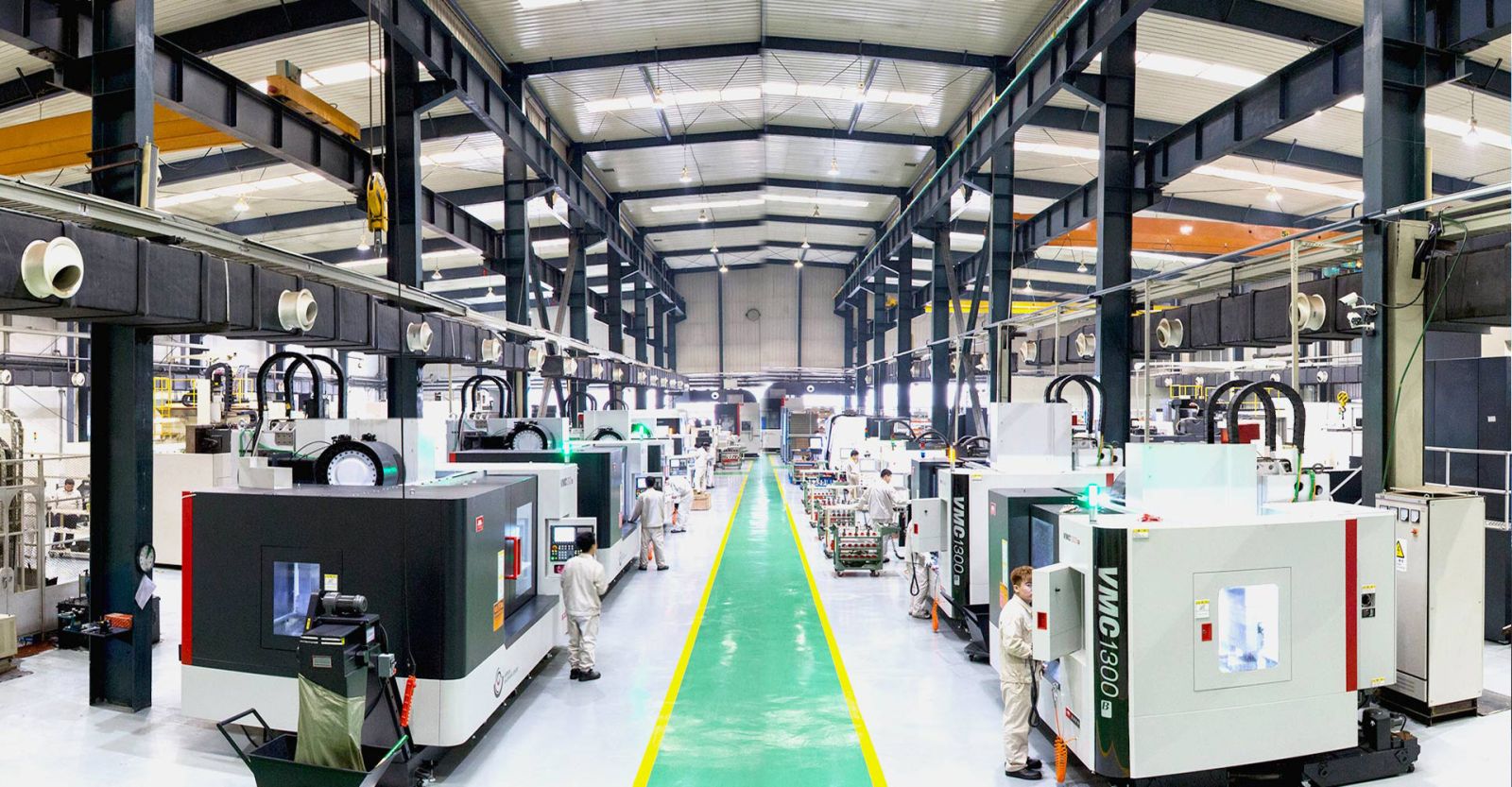
Precision Processing: Laser cutting (±0.1mm tolerance), solution annealing
-
Logistics: FOB Shanghai / CIF global ports with HS code documentation
-
Custom Forms: Forgings up to 5,000 kg, thin foils (0.05mm)
Get Quote
- Visit our website: https://www.nbyichou.com/
- Email us: [email protected]
- Call us/whatsapp: +86 13355741031
- Chat with us: Live chat support available on our website