Introduction
In the rapidly evolving landscape of defense technology, materials science plays a pivotal role in determining the capabilities and limitations of military equipment. Among the most promising developments in metallurgy is high-nitrogen stainless steel, a specialized class of austenitic stainless steels that is revolutionizing how defense contractors and naval engineers approach critical component design.
High-nitrogen stainless steel represents a significant departure from conventional stainless steels. While traditional austenitic grades like 304 and 316 rely heavily on nickel to stabilize their microstructure, high-nitrogen stainless steels leverage nitrogen as a primary alloying element. This substitution is not merely a matter of cost efficiency—though that is certainly a factor—but represents a fundamental improvement in material performance.
The nitrogen content in these advanced alloys typically exceeds 0.4%, with some modern manufacturing techniques achieving levels above 0.85%. This seemingly small addition of nitrogen transforms the material's properties in remarkable ways. Strength increases dramatically, corrosion resistance improves substantially, and the material maintains its non-magnetic characteristics even under extreme deformation—a critical requirement for many defense applications.
Recent manufacturing breakthroughs have made high-nitrogen stainless steel more accessible than ever before. Chinese manufacturers have successfully developed techniques to produce high-nitrogen stainless steel with nitrogen content exceeding 0.85% under atmospheric pressure conditions. This advancement eliminates the need for costly and complex pressurized melting equipment, making production safer, more economical, and scalable for defense procurement programs.
At Ningbo Yichou, we have positioned ourselves at the forefront of this materials revolution. Our capabilities extend beyond simply supplying these advanced alloys to include precision machining and fabrication services tailored to the demanding requirements of defense and marine applications. This comprehensive approach ensures that our clients receive not just superior materials, but complete solutions engineered for mission-critical performance.
Technical Properties of High-Nitrogen Stainless Steel
To understand why high-nitrogen stainless steel has become indispensable for defense applications, one must first appreciate its exceptional technical properties. The following table summarizes the key performance characteristics that set this material apart from conventional alternatives:
| Property | Performance | Advantage |
|---|---|---|
| Strength | Yield strengths 2-4 times higher than conventional austenitic stainless steels | Enables significant weight reduction in structural components |
| Corrosion Resistance | Excellent resistance to pitting and crevice corrosion, particularly in seawater environments | Ideal for prolonged marine exposure with minimal maintenance |
| Magnetic Permeability | Remains non-magnetic even after severe cold working | Critical for stealth applications and sensitive electronic equipment |
| Cryogenic Toughness | Superior impact toughness with no ductile-to-brittle transition | Suitable for extreme environments and low-temperature operations |
| Wear Resistance | Excellent work-hardening capability | Enhanced durability in abrasive conditions |
Strength Characteristics
The strength advantage of high-nitrogen stainless steel cannot be overstated. While conventional 316L stainless steel typically exhibits yield strengths around 170-210 MPa in the annealed condition, high-nitrogen grades routinely achieve yield strengths of 500 MPa or higher. Some specialized compositions can reach yield strengths exceeding 1000 MPa through appropriate thermomechanical processing.
This exceptional strength derives from multiple strengthening mechanisms working in concert. Nitrogen provides powerful solid solution strengthening, distorting the crystal lattice and impeding dislocation movement far more effectively than carbon or substitutional alloying elements. The interstitial nature of nitrogen atoms in the austenite lattice creates strain fields that interact with moving dislocations, requiring higher applied stresses to continue plastic deformation.
Additionally, nitrogen promotes grain refinement during processing, and the resulting finer grain structure contributes further to strength through grain boundary strengthening. The combination of these mechanisms produces a material that achieves strength levels comparable to many martensitic steels while retaining the ductility and formability characteristic of austenitic grades.
Corrosion Resistance in Marine Environments
For defense applications involving prolonged exposure to seawater, corrosion resistance often becomes the limiting factor in component life. High-nitrogen stainless steel excels in this demanding environment through multiple protective mechanisms.
The presence of nitrogen in solid solution enhances the stability and repassivation kinetics of the passive oxide film that forms on stainless steel surfaces. When this film is locally damaged—by abrasion, for example—nitrogen-enriched alloys reform the protective layer more rapidly than nitrogen-free alternatives. This self-healing capability proves invaluable in marine environments where chloride ions constantly challenge passive film integrity.
Nitrogen also exhibits a synergistic effect with molybdenum in resisting localized corrosion. The combination of these elements in carefully balanced proportions creates materials with pitting resistance equivalent numbers that significantly exceed those of conventional marine grades. For defense applications, this translates to longer service intervals, reduced maintenance burdens, and enhanced reliability for vessels operating far from support infrastructure.
Non-Magnetic Stability
Perhaps the most critical property for submarine and mine countermeasure applications is the maintenance of non-magnetic characteristics throughout the component's service life. Conventional austenitic stainless steels can develop magnetic phases when subjected to cold work or welding, compromising the stealth characteristics of naval vessels.
High-nitrogen stainless steel demonstrates exceptional austenite stability. The strong austenite-stabilizing effect of nitrogen suppresses the formation of deformation-induced martensite, even under severe cold working conditions. This ensures that components manufactured from these alloys—whether formed by bending, deep drawing, or other processes—retain their non-magnetic properties throughout fabrication and service.
For submarines designed to evade magnetic anomaly detection systems, this stability provides an additional layer of stealth that complements other signature reduction measures. For surface ships hosting sensitive electronic equipment, the non-magnetic characteristics of structural components prevent interference with navigation and communication systems.
Cryogenic Toughness
Defense operations increasingly extend into extreme environments, from Arctic regions to high-altitude missions. Materials that perform adequately at room temperature may become dangerously brittle at low temperatures, particularly those with body-centered cubic crystal structures.
High-nitrogen austenitic stainless steels maintain their face-centered cubic structure and associated ductility down to the lowest temperatures encountered in defense applications. Unlike ferritic or martensitic steels that exhibit a ductile-to-brittle transition temperature, these alloys retain high impact toughness even at cryogenic temperatures approaching absolute zero.
This characteristic makes high-nitrogen stainless steel particularly suitable for components in polar regions, high-altitude aircraft, and aerospace applications where temperature extremes challenge material performance. The combination of cryogenic toughness with excellent strength and corrosion resistance creates a uniquely versatile material for multi-environment defense platforms.
Why Defense Industries Demand High-Nitrogen Stainless
The unique property combination of high-nitrogen stainless steel addresses several critical requirements that have long challenged defense material engineers. Understanding these requirements illuminates why this material has become essential for modern military applications.
Submarine Hulls and Components
Modern submarine design places extraordinary demands on hull materials. The pressure hull must withstand immense hydrostatic forces at operating depths while minimizing weight to preserve buoyancy and payload capacity. Simultaneously, the hull material must contribute to stealth by minimizing magnetic and acoustic signatures.
High-nitrogen stainless steel addresses each of these requirements simultaneously. Its high strength-to-weight ratio enables hull designs that achieve required depth ratings with reduced section thickness compared to conventional hull steels. This weight savings translates directly to increased payload capacity or improved maneuverability.
The non-magnetic nature of high-nitrogen stainless steel proves equally important. Traditional high-strength hull steels typically exhibit magnetic permeability that contributes to a submarine's magnetic signature. Magnetic anomaly detectors deployed by anti-submarine aircraft can detect these signatures from considerable distances, compromising the submarine's primary defensive advantage—concealment. High-nitrogen stainless steel hulls dramatically reduce this vulnerability, providing a significant tactical advantage.
Beyond the pressure hull itself, numerous submarine components benefit from high-nitrogen stainless steel properties. Propeller shafts, control surface mechanisms, and various seawater handling systems encounter corrosive conditions while supporting high mechanical loads. The combination of corrosion resistance and strength makes high-nitrogen stainless steel ideal for these demanding applications.
Naval Ship Structures
Surface vessels face different but equally challenging material requirements. Extended deployments in marine environments expose structural components to continuous corrosion while operational demands impose cyclic mechanical loads. Maintenance access limitations make corrosion-related repairs particularly costly in terms of both money and vessel availability.
High-nitrogen stainless steel structural components offer compelling advantages for naval ship construction. Deck hardware, superstructure elements, and various exposed fittings benefit from the material's exceptional seawater corrosion resistance. The reduced corrosion rates translate directly to extended service intervals and reduced lifecycle costs.
For flight deck components on aircraft carriers and amphibious assault ships, the combination of strength and wear resistance proves particularly valuable. Arresting gear components, aircraft tie-down fittings, and various deck accessories experience extreme loads and abrasive conditions. High-nitrogen stainless steel's work-hardening characteristics provide natural wear resistance that extends component life in these demanding applications.
Armor Applications
Protective systems for both vehicles and personnel require materials that defeat threats while minimizing weight. High-nitrogen stainless steel offers unique advantages for armor applications, particularly where multi-hit capability and formability are required.
The high strength of these alloys provides excellent resistance to penetration by small arms and fragmentation threats. Unlike ceramic-based armor solutions that may fail catastrophically after a single impact, high-nitrogen stainless steel maintains structural integrity through multiple hits. The material's toughness prevents the brittle failure modes that can compromise protection after initial impacts.
The work-hardening behavior of high-nitrogen stainless steel enhances its ballistic performance further. When a projectile impacts the surface, local deformation induces rapid work hardening, increasing resistance to penetration dynamically. This adaptive response to threat impact provides protection efficiency that exceeds what simple strength measurements would predict.
For vehicle applications, the formability of high-nitrogen stainless steel enables complex curved armor shapes that optimize protection while accommodating design constraints. The material can be formed using conventional techniques, then heat-treated or worked to achieve final properties, providing design flexibility unavailable with many alternative armor materials.
Weapon Systems and Extreme Environment Reliability
Modern weapon systems must function reliably under conditions that challenge material performance in multiple ways simultaneously. High chamber pressures, rapid temperature changes, and exposure to corrosive propellant residues create demanding environments for weapon components.
High-nitrogen stainless steel components in weapon systems benefit from the material's combination of strength, fatigue resistance, and corrosion resistance. Barrel liners, bolt carriers, and various operating mechanisms can be manufactured from these alloys to achieve extended service life and improved reliability.
The consistent performance of high-nitrogen stainless steel across temperature ranges proves particularly valuable for systems deployed in diverse environments. Weapons that must function equally well in arctic cold and desert heat require materials that maintain properties across this temperature range. The stable austenitic structure of high-nitrogen stainless steel ensures that mechanical properties remain consistent regardless of ambient temperature.
Manufacturing Breakthroughs
The exceptional properties of high-nitrogen stainless steel have been recognized for decades, but manufacturing challenges long limited its practical application. Recent breakthroughs have transformed the production landscape, making these materials accessible for defense applications at realistic costs.
Traditional Manufacturing Challenges
The fundamental challenge in producing high-nitrogen stainless steel lies in nitrogen solubility. At the melting temperatures required for stainless steel production, atmospheric pressure nitrogen dissolves only to approximately 0.045% in liquid steel. Achieving the 0.4% to 1.0% nitrogen levels required for optimal properties demands techniques that increase nitrogen solubility during melting.
Traditional approaches to this challenge relied on pressurized melting equipment. By conducting melting and solidification under elevated nitrogen pressures, manufacturers could achieve the required nitrogen contents. However, this approach carried significant drawbacks. Pressure vessels for melting operations require substantial capital investment and present safety concerns during operation. The complexity of pressurized melting also limits production rates and increases per-ton costs.
Furthermore, the limited availability of pressurized melting capacity created supply constraints that restricted high-nitrogen stainless steel applications. Defense programs requiring significant tonnages faced long lead times and limited supplier options, creating programmatic risks that discouraged specification of these materials.
Atmospheric Pressure Technology Breakthroughs
Recent manufacturing innovations have fundamentally changed this calculus. Advanced alloy design combined with optimized melting practices now enables production of high-nitrogen stainless steel with nitrogen contents exceeding 0.85% using conventional atmospheric pressure equipment.
This breakthrough rests on sophisticated understanding of the thermodynamic factors controlling nitrogen solubility. By carefully balancing alloy composition, particularly the chromium, manganese, and molybdenum contents, manufacturers can dramatically increase nitrogen solubility at atmospheric pressure. Strategic use of nitride-forming elements during melting further facilitates nitrogen pickup without requiring elevated pressure.
The implications of this advancement extend beyond cost reduction. Atmospheric pressure melting eliminates the safety concerns associated with pressurized operations, simplifying facility requirements and reducing regulatory burdens. Production rates can increase significantly, enabling the tonnages required for major defense programs. Quality control improves as well, since atmospheric pressure casting avoids the gas entrapment and porosity issues that can plague pressurized solidification.
Economic Advantages of Nitrogen Substitution
Beyond the manufacturing process improvements, the substitution of nitrogen for nickel creates fundamental economic advantages. Nickel has historically experienced significant price volatility, driven by mining disruptions, changing demand patterns, and speculative trading. This volatility complicates cost estimation for long-duration defense procurement programs and can significantly impact program budgets.
Nitrogen, by contrast, is essentially inexhaustible and inexpensive. As a component of air, it is available everywhere at minimal cost. Replacing a substantial portion of the nickel content in austenitic stainless steel with nitrogen therefore stabilizes material costs and reduces exposure to commodity market fluctuations.
For defense programs with multi-year procurement cycles, this cost stability provides significant advantages. Budget estimates remain valid throughout program execution, and the risk of cost overruns from material price increases is substantially reduced. The economic case for specifying nitrogen-alloyed materials becomes increasingly compelling as nickel prices fluctuate.
Weldability and Formability Considerations
Any material proposed for defense applications must accommodate fabrication into complex components. High-nitrogen stainless steel meets this requirement through good weldability and formability when proper procedures are followed.
Welding of high-nitrogen stainless steel requires attention to nitrogen retention in the weld metal. Appropriate filler materials with matching or slightly enhanced nitrogen content ensure that weld properties approach those of the base metal. Modern welding processes with improved shielding techniques minimize nitrogen loss during welding, preserving corrosion resistance and mechanical properties in the heat-affected zone.
Formability of high-nitrogen stainless steel, while somewhat reduced compared to conventional austenitic grades due to higher strength, remains adequate for complex component fabrication. The high work-hardening rate that contributes to wear resistance also means that forming operations require higher forces than equivalent operations on conventional stainless steel. However, proper tool design and forming parameters accommodate these requirements, enabling production of complex shapes.
Machining Considerations
Successful implementation of high-nitrogen stainless steel in defense applications requires attention to machining characteristics. The same properties that make these alloys desirable for service—high strength, work hardening capability, and toughness—create considerations for machining operations.
Work Hardening Characteristics
The rapid work hardening that enhances wear resistance and ballistic performance also affects machining behavior. During cutting operations, the surface layer of the workpiece work hardens rapidly, potentially creating challenges for subsequent passes if cut depths are insufficient.
Successful machining strategies account for this behavior by maintaining consistent feed rates and avoiding light finishing passes that may rub rather than cut. When the tool rubs without penetrating beneath the work-hardened surface layer, accelerated tool wear and poor surface finish result. Ensuring that each pass removes material below any previously work-hardened layer maintains consistent cutting conditions.
Tool Selection for Optimal Results
Cutting tool materials and geometries significantly influence machining success with high-nitrogen stainless steel. Modern carbide grades with optimized coatings provide the combination of wear resistance and toughness required for productive machining operations. Positive rake geometries and sharp cutting edges reduce cutting forces and minimize work hardening during the cutting process.
For high-volume production, ceramic and cubic boron nitride tools offer extended tool life at increased cutting speeds. The high-temperature strength of these tool materials maintains cutting edge integrity under the conditions generated when machining high-strength alloys. While initial tool costs exceed those of carbide alternatives, productivity improvements often justify the investment for appropriate applications.
Coolant selection and application also affect machining outcomes. Adequate cooling at the cutting interface prevents temperature buildup that could accelerate tool wear or affect workpiece surface integrity. High-pressure coolant systems that deliver fluid directly to the cutting zone prove particularly effective for deep hole drilling and other challenging operations.
Ningbo Yichou's Machining Expertise
Our experience with high-strength alloys positions us to support defense contractors requiring finished components rather than raw material alone. We have developed machining protocols specifically optimized for high-nitrogen stainless steel grades, ensuring that our clients receive components that meet dimensional requirements while maintaining the material's beneficial properties.
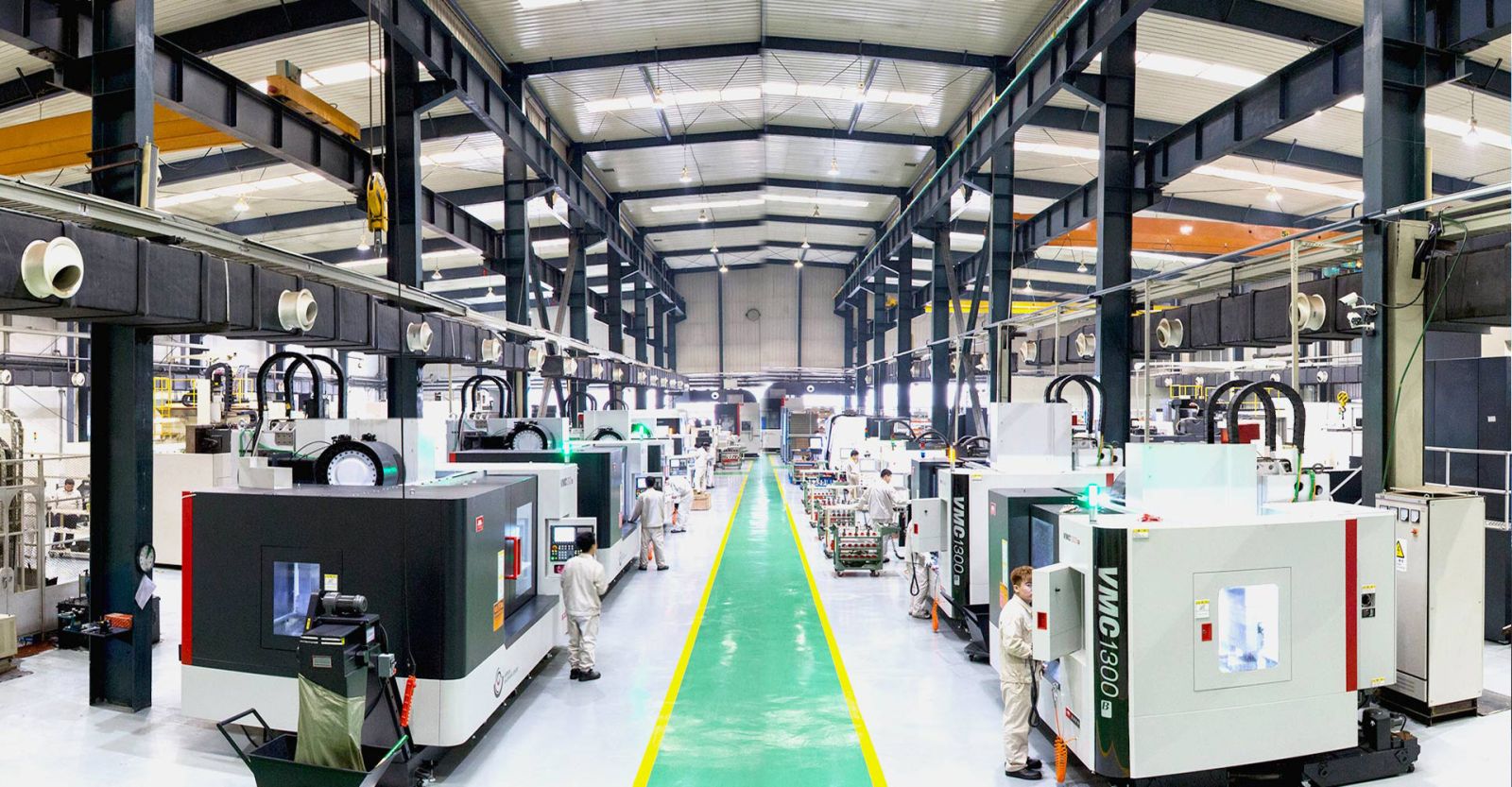
Our machining capabilities extend from simple turned parts to complex multi-axis milled components, with quality systems ensuring consistency across production runs. For defense applications requiring strict traceability, our processes maintain complete documentation from raw material receipt through final inspection.
Applications We Support
The unique properties of high-nitrogen stainless steel enable applications across multiple defense and related sectors. Our supply and machining capabilities support these applications with material grades selected for each specific requirement.
Naval Vessel Components
Submarine and surface ship components represent a major application area for high-nitrogen stainless steel. We supply material for propeller shafting, rudder components, seawater valve bodies, and various hull fittings requiring the combination of strength, corrosion resistance, and non-magnetic characteristics that these alloys provide.
For submarine applications requiring absolute non-magnetic performance, we offer grades specifically developed for maximum austenite stability. These materials maintain non-magnetic properties through the most severe forming and welding operations, ensuring that finished components meet signature requirements throughout their service life.
Marine Engineering Equipment
Beyond naval vessels themselves, marine engineering equipment supporting defense operations benefits from high-nitrogen stainless steel properties. Offshore installation equipment, underwater construction tools, and various support vessels encounter the same corrosive conditions as combatants while requiring similar reliability.
We support manufacturers of this equipment with material selections optimized for each application. For components experiencing wear in addition to corrosion, we recommend grades with enhanced work-hardening characteristics that develop wear-resistant surfaces during initial operation.
Defense Industry Structural Parts
Structural applications in defense equipment often require strength exceeding that available from conventional stainless steels while maintaining corrosion resistance for extended service life. High-nitrogen stainless steel fills this gap, providing mechanical properties approaching those of high-strength low-alloy steels while offering corrosion resistance comparable to premium stainless grades.
We supply material for weapons mounting systems, vehicle structural components, and various equipment frames where strength and corrosion resistance must coexist. Our machining capabilities extend to complete fabrication of these components for clients seeking integrated solutions.
Chemical Processing in Extreme Environments
Defense-related chemical processing applications, from propellant manufacturing to waste treatment, often involve aggressive media that challenge conventional materials. High-nitrogen stainless steel's exceptional corrosion resistance makes it suitable for these demanding chemical environments.
We support these applications with material certified for the specific chemical exposure conditions anticipated. Our technical team assists in grade selection based on actual process conditions, ensuring that selected materials provide appropriate service life.
Quality Assurance
Defense applications demand quality assurance exceeding commercial standards. Our quality systems address these requirements through comprehensive documentation and testing protocols.
Material Certification and Traceability
All material supplied for defense applications includes complete certification documenting chemical composition, mechanical properties, and processing history. Our traceability systems maintain linkage between certification documents and specific material lots, ensuring that any questions regarding material history can be answered definitively.
For applications requiring additional testing beyond standard certification, we coordinate with approved testing laboratories to obtain required data. Whether the requirement involves elevated temperature testing, fracture toughness determination, or specialized corrosion evaluation, we manage the process from sample submission to final report delivery.
PMI Testing Availability
Positive Material Identification verification provides additional confidence that delivered material matches specifications. Our PMI capabilities allow on-site verification of material composition, confirming that each component or lot meets the specified grade requirements before incorporation into defense systems.
For critical applications requiring 100% verification, we can perform PMI testing on every piece of material prior to shipment. This comprehensive approach eliminates any possibility of material mix-up and provides complete assurance for the most demanding applications.
Dimensional Verification
Components manufactured to defense specifications must meet dimensional requirements with the precision appropriate to their function. Our inspection capabilities include both conventional measurement tools and coordinate measuring machines for complex geometries.
Dimensional inspection reports accompany completed components, documenting conformance to drawing requirements. For applications requiring statistical process control data, we maintain records of production measurements that demonstrate process capability and consistency.
Conclusion
High-nitrogen stainless steel represents a genuine advance in materials technology for defense applications. The combination of exceptional strength, outstanding corrosion resistance, stable non-magnetic characteristics, and reliable performance across temperature extremes creates a uniquely versatile material for the most demanding military requirements.
Recent manufacturing breakthroughs have made these materials more accessible than ever before. Atmospheric pressure production eliminates previous cost and availability barriers, while nitrogen substitution for nickel stabilizes material costs against commodity market fluctuations. These developments position high-nitrogen stainless steel for expanded application across naval, armor, and general defense systems.
At Ningbo Yichou, we combine material supply with machining expertise to provide complete solutions for defense contractors. Our technical team understands both material characteristics and fabrication requirements, ensuring that clients receive appropriate grades with the processing support required for successful implementation.
We invite defense contractors, naval architects, and equipment manufacturers to discuss their high-nitrogen stainless steel requirements with our engineering team. Whether your need involves raw material supply, finished components, or technical guidance on material selection, we stand ready to support your mission-critical applications with the advanced materials they require.
Contact us to discuss how high-nitrogen stainless steel can enhance your defense applications through improved performance, extended service life, and reduced lifecycle costs.
Contact us today for a competitive quote and technical support!
Let Yichou help you achieve excellence in your next project. Whether you need raw materials, custom alloy solutions, or precision-manufactured components, our team is ready to assist.
- Email us: [email protected]
- Call us/whatsapp: +86 13355741031
- Chat with us: Live chat support available on our website