1. Introduction to Injection Molding Costs
Injection molding is one of the most commonly used manufacturing processes for producing plastic parts and products. It involves injecting molten material into a mold to create the desired shape. The benefits of injection molding are numerous, including high production efficiency, excellent precision, and the ability to produce complex shapes in a consistent and cost-effective manner.
However, despite these advantages, understanding the costs associated with injection molding is crucial for businesses that want to make informed decisions about their manufacturing processes. The costs can vary significantly depending on several factors, including material choice, design complexity, and production volume. Having a clear understanding of these costs helps businesses better plan their budgets, evaluate potential vendors, and make decisions that will maximize cost-effectiveness and profitability.
At YICHOU, we understand the importance of cost transparency and work closely with our clients to provide customized solutions that meet their production needs while staying within budget.
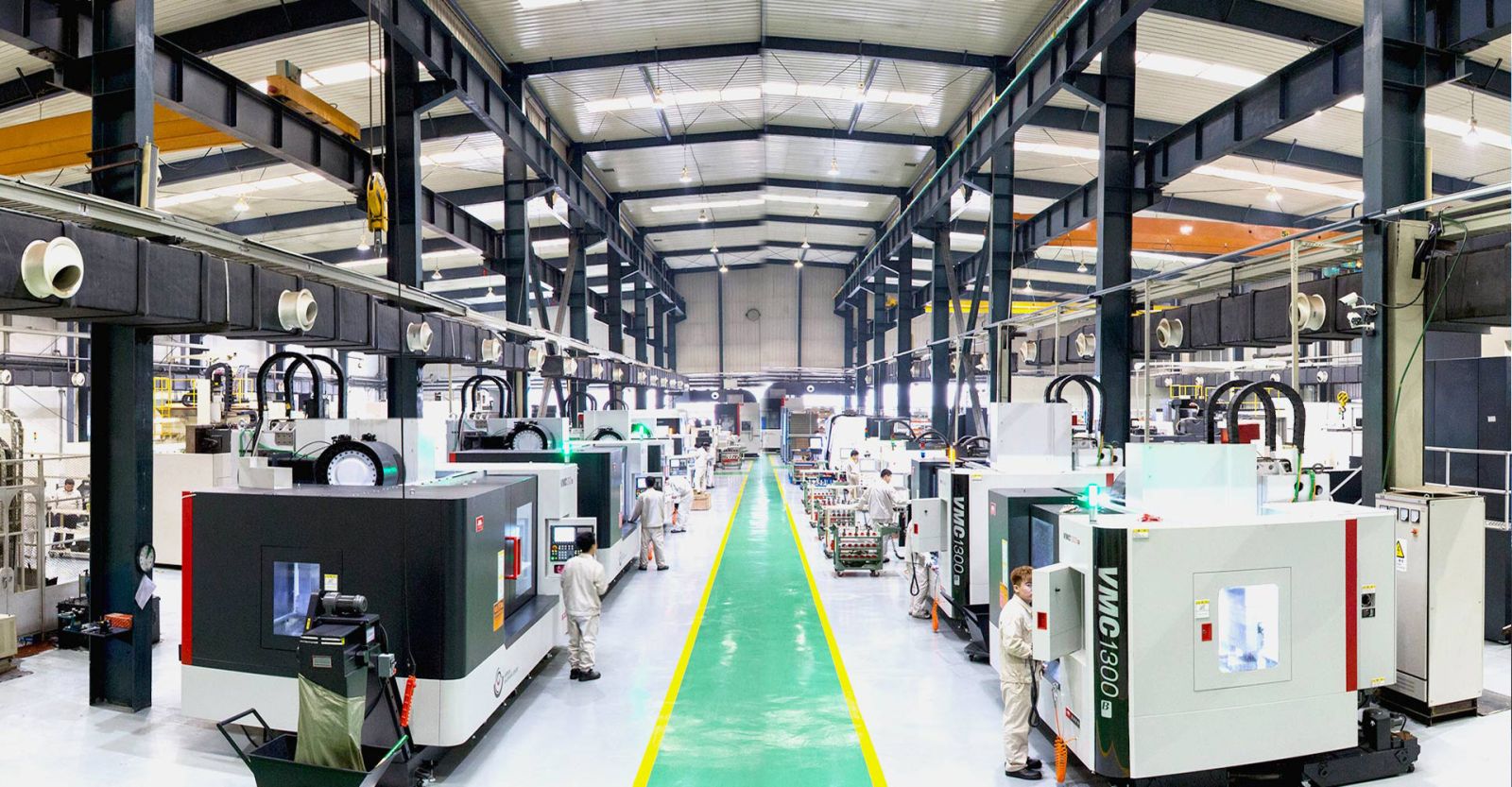
2. Factors Influencing Injection Molding Mold Costs
There are several key factors that impact the cost of injection molding molds. These factors need to be carefully considered to get an accurate estimate for a project.
Material Selection
The choice of material plays a significant role in both the mold cost and the production cost. Common injection molding materials include various types of plastic, such as thermoplastics (e.g., ABS, polypropylene) and thermosets (e.g., phenolics). For example, high-performance materials like PEEK or certain engineering plastics may increase the upfront mold cost, but these materials can also lead to a longer mold lifespan and more durable parts, ultimately reducing the cost per part over time.
For high-volume productions, investing in durable materials is often worthwhile, as they extend the mold's life and ensure consistent part quality.
Design Complexity
The complexity of the part design can greatly influence mold costs. Parts with intricate geometries, such as those with thin walls, deep cavities, or undercuts, require more sophisticated molds and tooling. These complexities demand more time and effort during the design and manufacturing phases, leading to higher initial mold costs. Simplifying the design and avoiding unnecessary features can help reduce mold expenses.
However, it's important to strike a balance between design complexity and part functionality. A well-engineered, optimized design will ensure that the part performs as intended while still keeping mold costs manageable.
Production Volume
The scale of production directly impacts the cost-effectiveness of injection molding. For high-volume runs, the initial mold cost is spread over a larger number of parts, reducing the per-part cost. This makes injection molding an ideal solution for mass production of identical parts.
On the other hand, for low-volume or one-off productions, the per-part cost tends to be higher due to the initial investment in molds, which may not be fully amortized. In such cases, other manufacturing methods like 3D printing or CNC machining might be considered for smaller production runs, although they may not offer the same level of efficiency.
Mold Material and Lifespan
Molds made from durable materials such as hardened steel generally have a longer lifespan and are better suited for high-volume production runs. These molds can last for millions of cycles, maintaining consistent part quality over time. However, they come with a higher upfront cost.
Aluminum molds, on the other hand, are less expensive and suitable for low- to mid-volume production but may wear out faster than steel molds. When choosing mold materials, businesses must consider the volume of production and the desired mold lifespan to determine the most cost-effective option.
3. Cost of Injection Molding Machines
The cost of injection molding machines is another important consideration in the overall cost structure of injection molding. The machine cost includes both the hourly usage rate and the capital investment required for the equipment itself.
Machine Hourly Rates
The cost per hour for using an injection molding machine depends on the machine’s size, capabilities, and production speed. Smaller machines typically cost less per hour to operate, making them a good option for low-volume production. Larger machines, which are capable of handling larger molds and producing more parts per cycle, have higher hourly rates.
Factors such as machine maintenance, energy consumption, and labor costs also contribute to the overall machine operating cost. The more automated the process, the lower the labor costs, but the initial investment in automation can be substantial.
Machine Type
There are two primary types of injection molding machines: electric and hydraulic. Electric machines are more energy-efficient and offer better precision, making them ideal for producing high-quality, complex parts. However, they typically come with a higher initial cost compared to hydraulic machines, which are more affordable and widely used for general-purpose applications.
Choosing the right machine type depends on factors such as part complexity, production volume, and budget. YICHOU uses a range of machines, both electric and hydraulic, to meet the diverse needs of our clients while maintaining competitive pricing.
4. Why Injection Molding Can Be Expensive
Injection molding can be expensive due to the high upfront costs associated with molds, machines, and setup. While the initial investment can be steep, the process becomes more cost-effective as production volume increases. Here are some of the key reasons why injection molding can be costly:
-
Initial Investment in Molds: The creation of molds requires specialized tools and materials, which can be costly depending on the part's complexity. These upfront costs are spread out over the production run, which is why high-volume production benefits from economies of scale.
-
Maintenance and Quality Control: Ongoing maintenance of molds and machines, along with strict quality control, ensures that parts meet precise specifications. While this adds to the overall cost, it guarantees that the final product meets the highest standards.
5. Cost Efficiency: Is Injection Molding Worth the Price?
When evaluating the cost-efficiency of injection molding, it’s important to consider the production volume. For high-volume production, injection molding becomes significantly more cost-effective. The key advantage lies in the ability to spread the initial mold and machine costs over a large number of parts. As the production run increases, the cost per part decreases due to the amortization of these fixed costs. This makes injection molding an ideal choice for mass production of identical parts, ensuring both high precision and cost efficiency.
However, for low-volume runs, injection molding may not be the most economical option. The upfront cost of mold creation and machine setup can be high, and it can be difficult to amortize these costs over a small number of parts. In such cases, alternative manufacturing methods such as 3D printing or CNC machining can be more suitable. These processes have lower initial setup costs and are often better for producing smaller quantities, though they can have higher per-part costs and longer production times compared to injection molding.
Businesses must carefully assess their production needs to choose the best manufacturing method for their specific project. If long-term production is expected, injection molding provides a greater return on investment. However, for prototypes or limited production, other methods may offer cost savings and faster turnaround times.
6. Alternatives to Injection Molding: When Should You Choose Other Methods?
While injection molding is an excellent choice for high-volume production, there are scenarios where alternative methods may be more suitable. Two of the most popular alternatives are 3D printing and CNC machining.
3D Printing
- Best For: Low-volume production, rapid prototyping, and custom parts.
- Cost Advantage: 3D printing has low initial setup costs since it doesn’t require molds or complex tooling. This makes it a more affordable choice for small batches or prototype parts that need to be tested before committing to full-scale production.
- Limitations: While the setup is cheaper, per-part costs are typically higher than injection molding. Additionally, production times can be longer, and the range of materials available may not meet the specific requirements of all projects.
CNC Machining
- Best For: Parts with intricate geometries or tight tolerances.
- Cost Advantage: Like 3D printing, CNC machining also benefits from low setup costs, and is ideal for creating complex parts with high precision. It works well for producing one-off parts or small production runs.
- Limitations: Material costs can be higher, and production time may be longer than injection molding. Additionally, CNC machining is typically less efficient for producing large quantities, as the process can be slower compared to the speed of injection molding.
Ultimately, choosing between these methods and injection molding depends on the specific needs of the project. For high-volume production, injection molding is usually the best option. However, for prototyping, small production runs, or when cost is a significant concern, 3D printing and CNC machining can offer valuable alternatives.
7. How to Calculate Injection Molding Costs
Understanding how to calculate injection molding costs is key to budgeting and planning your project. Here’s a breakdown of the main components you should consider when estimating costs:
Mold Costs
- Design: The complexity of the part design directly impacts the mold cost. Simple designs will result in lower mold costs, while complex parts with intricate details require more advanced tooling and higher initial costs.
- Material: The material used for the mold (steel, aluminum, etc.) will influence the mold cost. Steel molds are more durable and are typically used for high-volume production, but they have a higher upfront cost. Aluminum molds are less expensive but may not last as long.
- Manufacturing Expenses: The time and effort required to manufacture the mold also contribute to costs. For more complex molds, the labor and time required will be higher.
Production Costs
- Material Costs: The type and quantity of material used in the injection molding process will affect the overall cost. Different plastics have varying prices, with specialty materials like engineering plastics or elastomers typically being more expensive than standard thermoplastics.
- Machine Hourly Rates: The cost of operating the injection molding machine is charged by the hour, and the rate depends on the machine's type and capabilities. Larger machines with higher production capabilities will cost more to run.
- Labor Costs: Although the injection molding process is highly automated, labor costs for overseeing the machines, handling parts, and performing quality checks will still factor into the total cost.
- Overhead: This includes operational costs such as facility maintenance, utilities, and administrative costs.
Per-Part Cost
To calculate the per-part cost, simply divide the total cost (which includes mold and production costs) by the number of parts produced. For example, if the total cost for mold creation and production is $10,000, and you are producing 100,000 parts, the per-part cost would be $0.10.
- Formula:
Per-Part Cost = (Total Mold Cost + Production Costs) ÷ Number of Parts Produced
By accurately calculating these components, you can get a good estimate of what to expect in terms of cost. It's important to work with an experienced manufacturer, such as YICHOU, who can help optimize the process and provide clear cost breakdowns to ensure that the project stays within budget.
8. Conclusion
Understanding the factors that influence injection molding costs is essential for making informed and strategic manufacturing decisions. The process involves multiple considerations, including material selection, mold complexity, production volume, and machine costs, all of which contribute to the final price. By carefully evaluating these factors, businesses can ensure that they make the right choices to optimize both cost-effectiveness and part quality.
At YICHOU, we are dedicated to providing comprehensive injection molding services with transparent pricing. Our team works closely with clients to offer customized solutions that align with specific project requirements. Whether you're planning a high-volume production run or need rapid prototyping services, we are here to ensure that your injection molding project is a success.
Call to Action
Ready to bring your project to life? Contact YICHOU today to discuss your injection molding needs and receive a personalized quote tailored to your specific project requirements. Our experienced team is here to help you achieve cost-effective, high-quality production. Let us be your trusted partner in bringing your ideas to reality.
Get Quote
- Email us: [email protected]
- Call us/whatsapp: +86 13355741031
- Chat with us: Live chat support available on our website