Introduction
Selecting reliable manufacturing suppliers in China represents one of the most critical decisions facing procurement professionals today. The stakes could not be higher—supplier failures cascade through supply chains, causing production delays, quality disasters, and reputation damage. Yet identifying truly reliable partners among thousands of potential suppliers requires systematic evaluation that extends far beyond superficial website reviews and too-good-to-be-true pricing proposals.
Chinese manufacturing has evolved dramatically from its early reputation for cheap, low-quality production. Today, Chinese suppliers range from world-class facilities serving Fortune 500 companies to questionable operations with minimal capabilities. This guide provides systematic methodology for distinguishing excellent suppliers from problematic ones, enabling procurement professionals to build reliable supply chains with confidence.
The economic case for Chinese manufacturing remains compelling—competitive pricing, vast production capacity, and mature supply chains create value difficult to replicate elsewhere. However, realizing this value requires supplier selection processes that identify partners capable of delivering on promises. The methodology outlined here combines industry best practices with practical evaluation techniques proven effective across diverse manufacturing sectors.
This comprehensive guide covers every aspect of supplier evaluation—from initial screening through final qualification, from capability assessment to ongoing relationship management. Whether sourcing CNC machining, sheet metal fabrication, injection molding, or complete assemblies, the principles presented here enable confident supplier selection decisions.
Understanding the China Manufacturing Landscape
The Evolution of Chinese Manufacturing
Chinese manufacturing has transformed over four decades from low-cost, basic production to sophisticated capabilities across virtually every industrial sector. Initial advantages centered on abundant labor and lower operating costs. Contemporary advantages encompass advanced equipment, engineering expertise, and supply chain integration difficult to replicate elsewhere.
Specialization has created remarkable depth in specific manufacturing sectors. The Pearl River Delta hosts precision machining clusters with concentrated expertise. Shanghai and surrounding regions offer sheet metal fabrication and stamping capabilities. Shenzhen and Dongguan dominate consumer electronics and injection molding. This geographic specialization enables remarkable capability depth within specific sectors.
The Tier structure in Chinese manufacturing reflects capability levels. Tier 1 suppliers serve international brands with sophisticated requirements. Tier 2 suppliers handle moderate complexity production. Tier 3 suppliers focus on simple, price-sensitive components. Understanding this structure helps position sourcing expectations appropriately.
Common Sourcing Challenges
Communication barriers create ongoing challenges despite improvements in English capability. Technical terminology requires precise understanding—ambiguity invites defects and delays. Time zone differences require structured communication protocols. Cultural differences affect business relationship expectations.
Quality inconsistency remains a persistent concern. Some suppliers excel at producing consistent quality; others struggle with basic process control. Identifying which category potential suppliers occupy requires systematic evaluation, not assumptions based on certificates or presentations.
Intellectual property concerns require appropriate protection strategies. Engineering data and tooling require security measures. Product photography and descriptions require careful management. Relationships built on trust combined with appropriate legal protections minimize risks.
Market Segmentation
Manufacturing suppliers cluster into distinct market segments based on capability and customer focus. International brand suppliers target global OEMs with sophisticated requirements. Export-oriented suppliers serve overseas customers with moderate complexity. Domestic suppliers focus primarily on Chinese market customers.
Price positioning varies across segments. Premium suppliers command higher prices reflecting quality and service. Value suppliers offer competitive pricing for acceptable quality. Budget suppliers serve price-sensitive applications with basic requirements. Align supplier selection with your quality and cost requirements.
Industry specialization concentrates expertise in specific sectors. Medical device suppliers understand regulatory requirements. Automotive suppliers hold industry-specific certifications. Aerospace suppliers maintain specialized process capabilities. Industry experience accelerates qualification and reduces execution risk.
Pre-Qualification Screening
Initial Supplier Identification
Multiple channels identify potential suppliers. Trade shows gather suppliers physically—IMTS, Canton Fair, and industry-specific events enable direct supplier contact. Online platforms including Alibaba, Made-in-China, and Globalsources aggregate supplier information. Industry directories and trade publications provide targeted options.
Referrals from trusted sources provide qualified leads. Other companies in your industry may recommend suppliers. Industry associations facilitate connections. Professional networks often yield valuable supplier recommendations. Referrals reduce screening burden significantly.
Search strategies identify suppliers matching specific requirements. Include capability keywords in searches—CNC machining, sheet metal, injection molding. Geographic targeting narrows search to preferred regions. Review multiple suppliers from search results to establish market benchmarks.
Basic Capability Verification
Company registration verification confirms legitimate business entities. National Enterprise Credit Information Publicity System (qichacha.com) provides registration verification. Confirm business license validity, registered capital, and operational status. Legitimate suppliers provide registration information willingly.
Years in business indicate operational stability. Established suppliers have track records demonstrating capability. New suppliers may offer advantages but require more extensive evaluation. Balance experience against other qualification factors.
Export experience demonstrates international transaction capability. Suppliers experienced with overseas customers understand requirements better. Ask about export experience with similar products. Request references from existing export customers.
Website and Communication Assessment
Professional website presence indicates operational maturity. Detailed capability descriptions suggest substantive operations. Incomplete or generic websites warrant caution. Request additional information when websites lack specifics.
Responsiveness indicates customer service orientation. Prompt, complete responses suggest organized operations. Delayed or incomplete responses suggest disorganized processes. Test responsiveness with initial inquiries before formal evaluation.
English capability varies significantly. Technical communication requires adequate language skills. Request clarification when responses seem unclear. Poor communication at initial contact rarely improves with formal orders.
Supplier Capability Assessment
Production Facility Evaluation
Physical facility assessment provides essential capability verification. On-site audits confirm actual operations. Virtual audits using video technology enable remote evaluation. Audit findings identify capability gaps and improvement areas.
Equipment inventory determines production capability. Match equipment types against your requirements. Equipment condition affects quality and capacity. Newer equipment often indicates investment and capability.
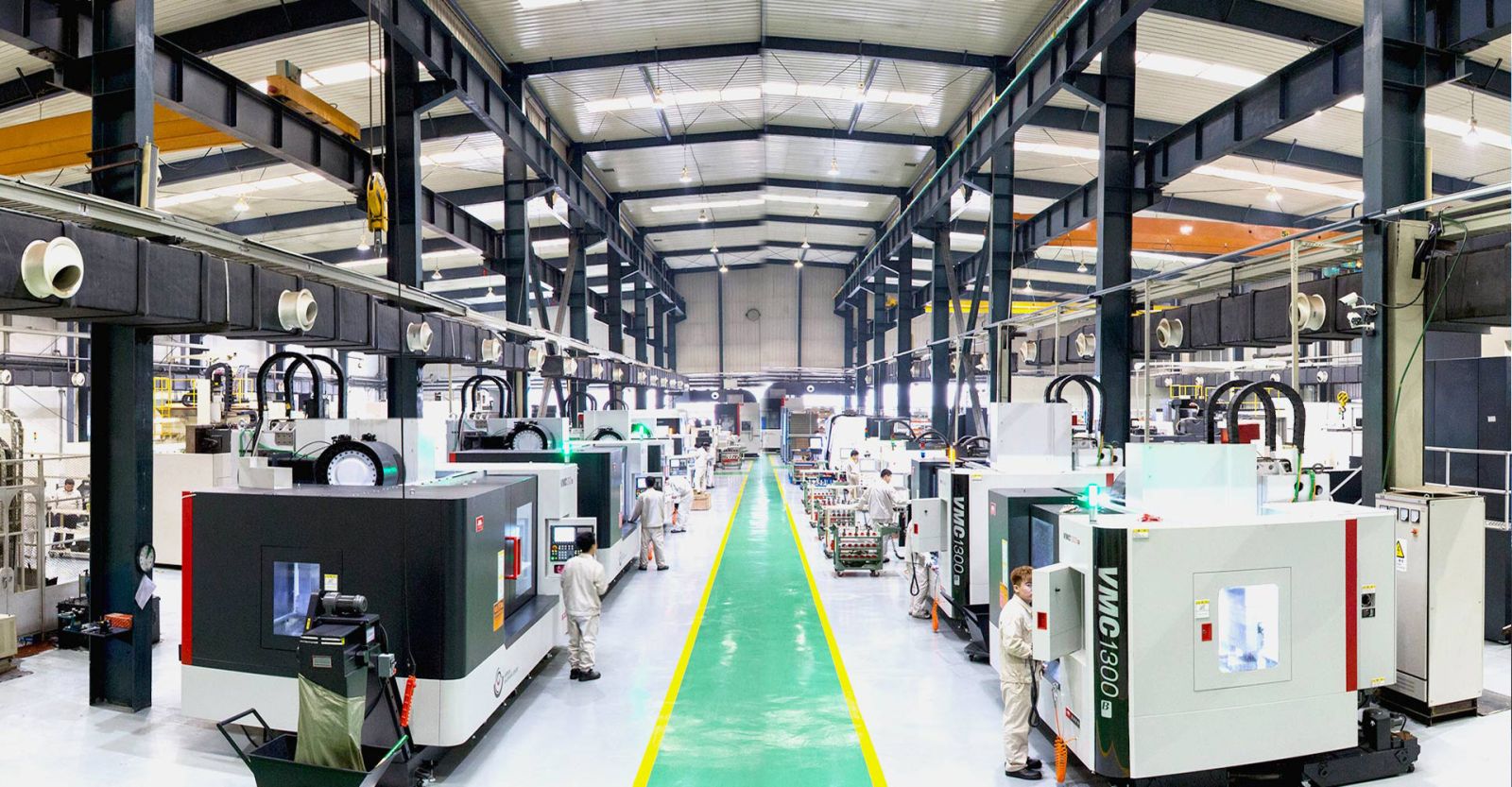
Production organization indicates operational maturity. Clean, organized facilities suggest quality focus. Disorganized operations risk quality problems. Visual assessment reveals operational discipline.
Quality Management Systems
ISO 9001 certification demonstrates quality management capability. Verify certificate validity through certification body databases. Review audit scope to confirm covered processes. Certification provides baseline quality system verification.
Industry-specific certifications address specialized requirements. IATF 16949 applies to automotive suppliers. AS9100 addresses aerospace requirements. ISO 13485 governs medical device quality. Industry certifications exceed general quality management.
Quality documentation demonstrates process control. Control plans, work instructions, and inspection records indicate systematic approaches. Request samples of quality documentation during evaluation. Documentation completeness reflects process maturity.
Engineering Capabilities
Design for Manufacturability (DFM) support indicates engineering capability. Suppliers offering DFM recommendations add value beyond basic production. Engineering capability reduces problems during production. Assess engineering staffing and experience.
Process engineering capability enables problem resolution. Suppliers with process engineering resources address issues effectively. Limited engineering capability may cause persistent problems. Inquire about engineering support availability.
Tooling capability affects production flexibility. In-house tooling facilities reduce lead times. External tooling sources add time and cost. Assess tooling capability based on product requirements.
Financial and Operational Assessment
Financial Health Evaluation
Financial stability protects supply chain continuity. Credit reports indicate financial health. Trade credit references from other suppliers reveal payment history. Financial stress may cause quality or delivery problems.
Business insurance coverage protects against unexpected losses. Product liability insurance matters for consumer products. Property insurance indicates business stability. Request proof of appropriate insurance coverage.
Payment term discussions reveal financial positioning. Standard payment terms indicate acceptable financial health. Aggressive payment demands may indicate cash flow problems. Balance payment terms against pricing advantages.
Production Capacity Analysis
Capacity assessment confirms ability to meet volume requirements. Machine capacity determines maximum production throughput. Labor availability affects capacity flexibility. Seasonal capacity variations may affect delivery.
Lead time capability must match production requirements. Standard lead times may not satisfy urgent requirements. Expedited production often involves premium pricing. Confirm lead time capability during qualification.
Subcontracting practices affect quality and traceability. Some suppliers subcontract without customer knowledge. Clear policies on subcontracting should exist. Specify subcontracting approval requirements in contracts.
Delivery Performance History
On-time delivery indicates operational reliability. Request delivery performance records from existing customers. Track delivery performance once production begins. Delivery problems often precede quality problems.
Lead time adherence demonstrates scheduling discipline. Suppliers meeting quoted lead times likely manage production effectively. Chronic lead time extensions indicate capacity or planning problems. Evaluate lead time performance throughout relationship.
Geographic shipping considerations affect logistics. Port access influences shipping costs and times. Inland shipping adds time and cost. Consider logistics in supplier selection.
Quality Assurance Processes
Inspection and Testing Capabilities
In-process inspection identifies problems during production. Statistical process control monitors critical characteristics. First article inspection validates production readiness. In-process inspection reduces final inspection burden.
Final inspection verifies completed product quality. Measurement equipment calibration ensures accuracy. Inspection procedures define acceptance criteria. Request inspection protocols during qualification.
Testing capabilities address product requirements. Material testing verifies raw material properties. Dimensional testing confirms geometry requirements. Functional testing validates performance requirements. Match testing capabilities to product requirements.
Defect Management Systems
Defect tracking systems identify quality trends. Pareto analysis focuses improvement efforts. Root cause analysis addresses systematic problems. Effective defect management prevents recurrence.
Corrective action processes resolve quality issues. 8D methodology provides structured problem solving. Supplier corrective action requests drive improvement. Response quality indicates quality culture.
Warranty and claims processes protect buyer interests. Clear warranty terms should exist. Claims handling processes should be defined. Historical claims experience informs risk assessment.
Documentation and Traceability
Material traceability enables problem investigation. Lot-level traceability identifies affected material. Complete traceability chain from raw material to finished product. Material certificates verify material properties.
Process documentation supports quality verification. Work instructions ensure process consistency. Process records demonstrate compliance. Documentation availability affects problem resolution.
Certificate availability provides quality verification. Mill certificates verify material properties. Test reports document testing results. Certificates of conformance document quality compliance. Request appropriate certificates for your requirements.
Technical Evaluation Process
Request for Information Process
RFI (Request for Information) process gathers preliminary capability data. Structured RFI templates ensure consistent information. Request capability, capacity, quality, and financial information. Compare responses against requirements systematically.
Technical capability section addresses manufacturing processes. List available processes and equipment. Request capabilities for required operations. Technical capability determines qualification potential.
Capacity information enables volume planning. Request production capacity data. Understand capacity utilization and flexibility. Capacity constraints affect order fulfillment.
Request for Quotation Process
RFQ (Request for Quotation) process gathers pricing and delivery information. Complete technical packages enable accurate quotations. Specify quantities, materials, tolerances, and surface requirements. Ambiguous specifications invite pricing problems.
Pricing breakdown reveals cost components. Separate material, processing, tooling, and shipping costs. Compare pricing across suppliers consistently. Understand pricing structure for negotiation leverage.
Lead time quotations require verification. Request standard and expedited lead times. Understand lead time assumptions. Confirm lead time capability for required schedules.
Sample and Prototype Evaluation
Sample production validates supplier capability. Request samples before production orders. Evaluate dimensional accuracy, surface finish, and material properties. Samples reveal capability gaps before production commitment.
Prototype programs reduce qualification risk. Prototype quantities enable process development. Design iteration may require multiple prototypes. Prototype costs reflect engineering investment.
Production trial runs validate full-scale capability. Limited production runs enable process verification. Problem identification before full production prevents larger issues. Production trials confirm qualification.
Contract and Agreement Framework
Quality Agreements
Quality agreements define quality requirements and responsibilities. Specify quality standards and acceptance criteria. Define inspection requirements and testing protocols. Quality agreements prevent misunderstandings.
Defect handling procedures should be explicit. Define defect classification and disposition. Specify non-conforming product handling. Establish corrective action requirements.
Audit rights enable quality verification. Define audit frequency and scope. Specify audit notification requirements. Audit rights ensure ongoing compliance.
Intellectual Property Protection
IP protection requirements should be explicit. Define what information requires protection. Specify handling requirements for technical data. IP protection clauses in contracts provide legal basis.
Tooling ownership and control requires definition. Specify tooling ownership clearly. Define tooling storage and disposition. Control of tooling protects product investment.
Non-disclosure agreements establish legal protections. NDA execution before technical discussions. NDAs should cover all sensitive information. Legal protection supports relationship trust.
Delivery and Payment Terms
Delivery terms define shipment and risk transfer. Incoterms specify responsibility and risk points. Define shipping terms and packaging requirements. Clear delivery terms prevent disputes.
Payment terms affect cash flow and pricing. Standard terms balance buyer and supplier needs. Advance payment may be required for new relationships. Payment performance affects pricing flexibility.
Lead time commitments should be explicit. Define standard and guaranteed lead times. Specify consequences for late delivery. Lead time accountability ensures supply reliability.
Relationship Management Best Practices
Communication Protocols
Regular communication maintains relationship health. Establish communication cadence appropriate to relationship stage. More frequent communication during initial periods. Reduce frequency as relationships mature.
Escalation paths address problem resolution. Define escalation procedures for quality or delivery issues. Ensure appropriate response to urgent problems. Effective escalation prevents small problems from becoming major issues.
Performance reviews assess relationship health. Regular performance discussions identify improvement opportunities. Address concerns proactively. Continuous improvement strengthens relationships.
Continuous Improvement Programs
Supplier development improves capability over time. Share improvement opportunities with suppliers. Support supplier improvement initiatives. Joint improvement creates mutual benefit.
Cost reduction initiatives benefit both parties. Value analysis identifies cost reduction opportunities. Process improvement reduces waste. Shared savings reward improvement efforts.
Quality improvement drives defect reduction. Quality targets focus improvement efforts. Statistical quality tracking monitors progress. Quality improvement enhances value proposition.
Risk Management
Supply chain risk assessment identifies vulnerability areas. Single-source dependencies create risk. Geographic concentration affects resilience. Risk assessment informs mitigation strategies.
Backup supplier development reduces single-source risk. Qualify alternate suppliers for critical components. Distribute volume across qualified suppliers. Backup capacity provides resilience.
Business continuity planning addresses disruption risk. Supplier financial monitoring identifies risk early. Natural disaster and geopolitical risk requires attention. Proactive risk management protects supply continuity.
Industry-Specific Considerations
CNC Machining Supplier Selection
Precision capability distinguishes CNC machining suppliers. Equipment types determine capability limits. Machining centers, turning centers, and EDM equipment address different requirements. Match equipment to product needs.
Material expertise affects capability depth. Aluminum, steel, stainless steel, and exotic alloys require different approaches. Suppliers with material experience produce quality results more consistently. Request material-specific experience.
Surface finishing capability completes the offering. In-house finishing reduces lead times and cost. External finishing requires additional coordination. Evaluate finishing capability based on requirements.
Sheet Metal Fabrication Supplier Selection
Fabrication capability breadth affects supplier suitability. Laser cutting, punching, bending, and welding address different needs. Suppliers with broad capabilities reduce coordination burden. Single-source capability simplifies logistics.
Material handling capability matters for production efficiency. Coil and sheet processing capabilities differ. Material sourcing affects cost and lead time. Evaluate material capability against requirements.
Finishing capability affects product completion. Powder coating, wet painting, and anodizing address different needs. Suppliers with finishing capability deliver complete products. Evaluate finishing based on product requirements.
Injection Molding Supplier Selection
Molding capability determines production suitability. Tonnage requirements affect machine selection. Shot size limits constrain part size. Clamp force requirements prevent defects.
Tooling capability affects mold management. In-house tooling reduces lead times. External tooling requires coordination. Evaluate tooling capability based on program requirements.
Material expertise affects part quality. Engineering thermoplastics require specific processing. Color matching requires material experience. Material capability should match requirements.
Red Flags and Warning Signs
Common Supplier Problems
Inconsistent communication often indicates operational problems. Response delays may signal capacity or quality issues. Changing points of contact suggest turnover. Communication problems rarely improve with order placement.
Pricing below market rates may indicate capability gaps. Unsustainable pricing often precedes quality problems. Below-cost pricing cannot deliver promised quality. Realistic pricing reflects actual capability.
Certificate display without verification provides false comfort. Certificate validity requires verification. Scope limitations may exclude critical processes. Certificate review during qualification prevents false assumptions.
Evaluation Warning Signs
Refusal to provide samples indicates capability concerns. Sample provision enables capability verification. Limited samples suggest limited production experience. Samples reveal capability truth.
Reluctance to provide customer references suggests poor performance. References verify supplier claims. Poor reference feedback reveals problems. Reference checking provides valuable insight.
Vague or incomplete quotations indicate estimation problems. Detailed quotations reflect systematic processes. Incomplete quotations may hide cost elements. Detailed pricing enables comparison and negotiation.
Problem Prevention Strategies
Thorough qualification prevents downstream problems. Investment in qualification reduces risk. Comprehensive evaluation reveals capability gaps. Qualification prevents production problems.
Clear specifications prevent misunderstandings. Complete technical packages enable accurate execution. Ambiguity invites interpretation differences. Clear specifications enable successful production.
Realistic expectations prevent disappointment. Supplier capability matching prevents overcommitment. Aggressive requirements require capable suppliers. Realistic expectations enable success.
Conclusion
Reliable China supplier selection requires systematic evaluation beyond superficial reviews and pricing comparisons. The methodology outlined in this guide enables procurement professionals to identify capable suppliers, mitigate risks, and build sustainable supply chains. Investment in thorough qualification pays dividends through reduced problems and successful partnerships.
Chinese manufacturing offers compelling value for organizations capable of navigating supplier selection effectively. The key lies in matching supplier capabilities to requirements, verifying claims through systematic evaluation, and building relationships based on clear expectations and mutual benefit. Organizations applying these principles successfully access world-class manufacturing capabilities at competitive prices.
Supplier relationships require ongoing attention and management. Initial qualification establishes the foundation; continuous management builds lasting value. Effective supplier relationships create competitive advantage through reliable quality, consistent delivery, and collaborative improvement. Apply these principles to build supplier relationships delivering lasting value.
Frequently Asked Questions
How long does supplier qualification in China typically take?
Complete supplier qualification typically takes 4-8 weeks depending on complexity. Basic qualification through samples and documentation may complete in 2-3 weeks. Comprehensive qualification including facility audits requires 6-8 weeks. Allow additional time for complex or critical components.
What is the minimum order quantity for most Chinese manufacturers?
Minimum order quantities vary by supplier and product type. Many manufacturers accept 50-500 pieces for simple CNC machined parts. Injection molding typically requires higher minimums (1000+ pieces). Complex assemblies may require higher quantities. Discuss MOQ during initial qualification.
How do I verify Chinese supplier quality certifications?
Verify certifications through certification body databases. ISO certificates register with accreditation bodies. Request certificate copies directly from suppliers. Contact certification bodies to verify validity. Industry certifications require specific verification approaches.
Should I visit Chinese suppliers before placing orders?
On-site visits provide valuable capability verification. Factory tours reveal actual operational conditions. Face-to-face meetings build stronger relationships. Initial orders with small quantities reduce risk when visits aren't possible.
What payment terms are standard with Chinese suppliers?
Standard terms often include 30% advance with 70% before shipping. New relationships may require more conservative terms. Established relationships may access better payment terms. Balance payment security against pricing advantages.
How do I protect intellectual property when sourcing from China?
Execute non-disclosure agreements before technical discussions. Limit technical information to necessary scope. Control product photography and descriptions. Consider tooling ownership and storage. Legal protection combined with trust enables relationship development.
Ready to find your reliable manufacturing partner?
Contact us today for a competitive quote and technical support!
Let Yichou help you achieve excellence in your next project. Whether you need raw materials, custom alloy solutions, or precision-manufactured components, our team is ready to assist.
- Email us: [email protected]
- Call us/whatsapp: +86 13355741031
- Chat with us: Live chat support available on our website