Understanding the factors that influence CNC machining costs is essential for anyone sourcing custom machined parts. Whether you're an engineer, product designer, or procurement professional, knowing what drives pricing helps you make informed decisions, optimize designs for manufacturability, and ultimately reduce your total part costs without sacrificing quality. This comprehensive guide breaks down exactly what affects CNC machining pricing and provides actionable strategies for cost optimization.
The Real Cost Structure of CNC Machining
When you receive a quote for CNC machined parts, the price isn't arbitrary. It's calculated based on several interconnected factors that reflect the actual cost of production. Understanding this structure empowers you to make design choices that directly impact your bottom line.
Material Costs: The Foundation of Your Quote
The material you choose significantly impacts your part cost. Raw material prices fluctuate based on market conditions, but relative costs between materials remain relatively consistent. Understanding these relationships helps you make informed material selection decisions.
Aluminum alloys represent the most cost-effective option for most CNC machining applications. Aluminum 6061, the most commonly used alloy, offers excellent machinability, good strength, and reasonable corrosion resistance at a relatively low material cost. The material itself costs approximately $3-5 per kilogram in standard quantities, and its softness means cutting tools last longer, machining cycles are faster, and overall production costs remain low. For projects where weight is a concern, aluminum's low density (2.7 g/cm³) also reduces shipping costs.
Stainless steel costs significantly more than aluminum, typically ranging from $5-10 per kilogram depending on the specific grade. Type 304 stainless steel, the most common grade, offers excellent corrosion resistance and good mechanical properties but requires slower cutting speeds and more durable tooling. Type 316 stainless steel, with its added molybdenum for enhanced corrosion resistance, commands an even higher price. The higher hardness of stainless steel (approximately 95 HRB for 304) compared to aluminum (approximately 60 HRB for 6061) means tool life is reduced, contributing to higher overall manufacturing costs.
Titanium alloys represent the premium end of the material spectrum. Ti-6Al-4V (Grade 5), the workhorse titanium alloy, costs $30-50 per kilogram or more, making it 10-20 times more expensive than aluminum. This premium reflects both the raw material cost and the significant challenges of machining titanium. The alloy's low thermal conductivity (approximately 1/5 that of steel) means heat concentrates at the cutting edge rather than dissipating into chips, rapidly degrading tool life. Cutting speeds for titanium are typically 20-40% of those used for aluminum, dramatically increasing machining time.
Brass and copper fall in the mid-range of material costs, typically $5-8 per kilogram. These materials offer excellent machinability and are often chosen for electrical components, plumbing fittings, or decorative applications. However, their tendency to gall (material transferring onto the cutting edge) requires careful tool selection and appropriate cutting parameters.
Machining Time: The Primary Cost Driver
Machining time typically constitutes 40-60% of the total part cost, making it the single largest factor in your quote. Understanding what affects machining time helps you design parts that are faster and cheaper to produce.
Complexity drives time. Parts with intricate geometries require more operations, tool changes, and complex programming. Every pocket, hole, slot, and contour requires a specific tool path. The number of unique tool operations directly correlates with production time. A simple rectangular block might require only two or three operations (facing, drilling, countersinking), while a complex aerospace component might require 20 or more distinct operations.
Tolerances affect time exponentially. Standard tolerances of ±0.1mm (0.004") can typically be achieved with standard machining parameters. Tightening tolerances to ±0.02mm (0.001") might increase time by 20-30%. Achieving precision tolerances below ±0.01mm (0.0004") often requires specialized equipment, temperature-controlled environments, and significantly slower cutting speeds—potentially doubling or tripling the machining time.
Surface finish requirements impact production speed. Achieving a standard as-machined finish (Ra 1.6-3.2μm) requires no additional operations. However, if your application requires a smooth Ra 0.8μm finish, you may need to reduce cutting speeds, use lighter cuts, or add secondary finishing operations. Improving surface finish from standard to mirror-quality can increase costs by 200-400%.
Setup Costs: The Hidden Expense
Every CNC machining job requires initial setup—programming the machine, installing and aligning workholding fixtures, zeroing the coordinate system, and running test pieces. These setup activities take significant time regardless of whether you're producing one part or one thousand.
For prototype or low-volume production, setup costs can exceed the actual machining costs. A $50 setup fee spread across one part adds $50 to each part's cost. The same setup fee spread across 1,000 parts adds only $0.05 per part. This is why many shops have minimum order quantities (MOQs) or minimum order values (MOVs).
Reducing setup costs involves several strategies. Designing parts to use standard tooling reduces the need for custom tool creation. Using common workholding systems (like tombstone fixtures or standard vises) speeds fixture setup. Planning for production quantities from the beginning—even if initial orders are small—allows you to amortize setup costs across larger runs.
Tooling and Consumables: The Wear Factor
Cutting tools don't last forever, and their cost directly affects part pricing. Different materials wear tools at dramatically different rates.
Aluminum is gentle on tools. Standard carbide end mills can machine hundreds of parts in aluminum before requiring replacement. The material is soft enough that tool wear is relatively slow, and the chips are short and easy to evacuate.
Stainless steel is considerably more abrasive. The work-hardening tendency of stainless steel means tools must be sharp and use appropriate cutting parameters. Tool life might be measured in dozens of parts rather than hundreds, particularly for complex geometries or deep cuts.
Titanium is the most demanding. Tool life in titanium is often measured in minutes rather than parts. Premium tooling (solid carbide with specialized coatings, ceramic tools, or even polycrystalline diamond tools) may be required, driving costs significantly higher. It's common for tool costs to exceed 30% of the machining time cost for titanium parts.
Hardened steels and exotic alloys present similar challenges. Inconel, Hastelloy, and other high-temperature alloys require slow speeds, careful cooling, and frequent tool changes—all adding to cost.
Secondary Operations: The Add-On Costs
Many parts require more than just machining. These secondary operations add to your total cost:
Heat treatment may be required for parts needing specific hardness or strength properties. Common treatments like annealing, normalizing, or quenching and tempering add $5-20 per kilogram. Specialized treatments like induction hardening or case hardening add more.
Surface finishing beyond as-machined adds significant cost. Anodizing aluminum adds $2-5 per part. Electroless nickel plating might add $5-15. Powder coating, painting, or other decorative finishes can double or triple finishing costs.
Quality documentation for aerospace, medical, or automotive applications adds overhead. Material certifications, inspection reports, and traceability documentation require time and administrative effort.
Packaging is often overlooked but matters for production volumes. Custom packaging, clean room packaging, or specialized shipping containers add to per-part costs.
Machine Type and Capability
The equipment used affects your quote more than many buyers realize.
3-axis machining centers are the most common and typically the least expensive to operate. They're ideal for parts with relatively simple geometries.
4-axis machines add rotational capability, reducing setup changes for complex parts. They cost more to operate per hour but can reduce total time for appropriate parts.
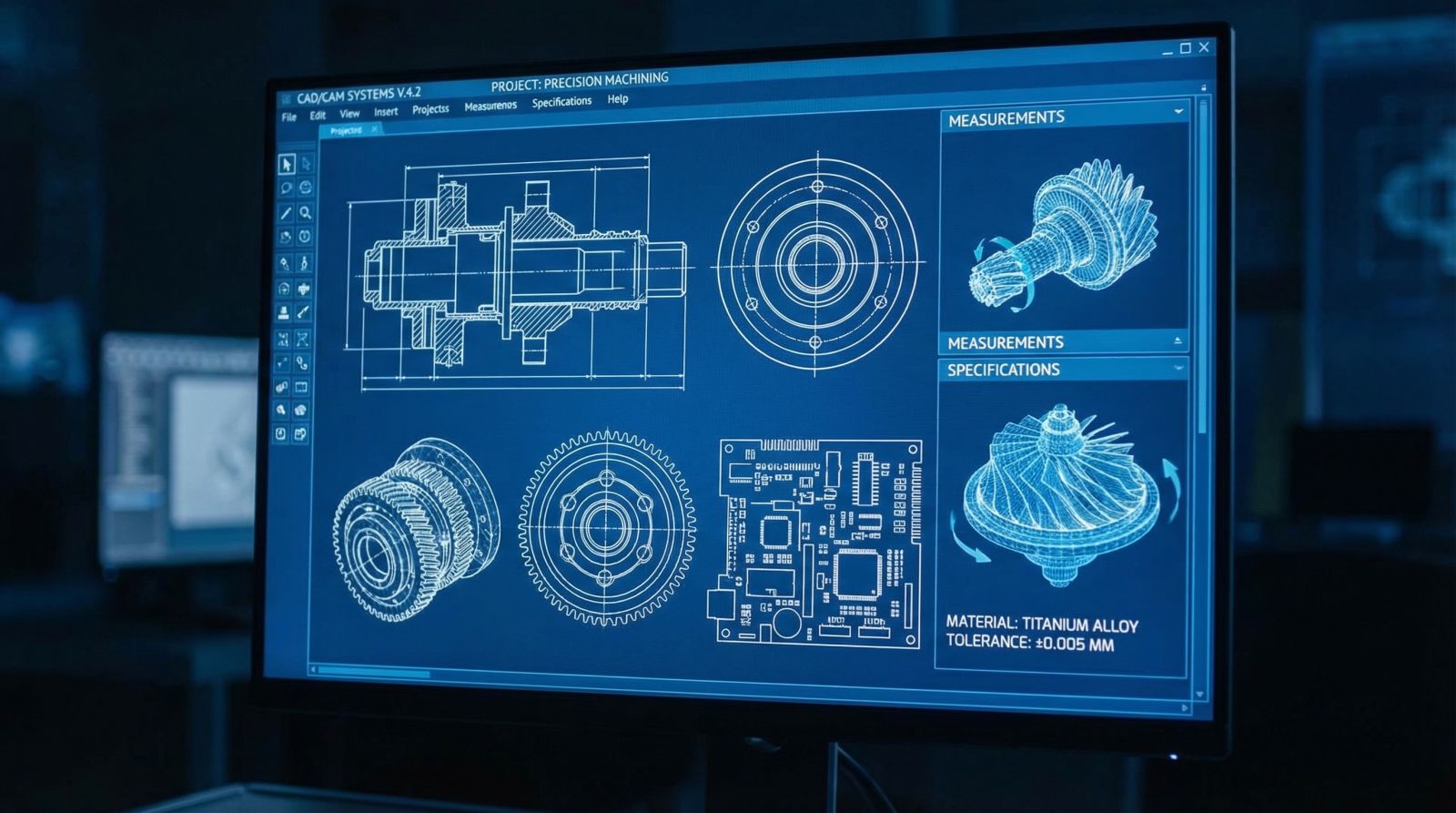
5-axis machines enable extremely complex parts to be machined in a single setup. While the machines cost significantly more to operate, the ability to machine entire parts without re-fixturing often results in lower total costs for complex geometries. However, programming is more complex and expensive.
Horizontal vs. vertical orientation matters for production. Horizontal machining centers excel at high-volume production because they can accommodate multiple parts in a single setup, reducing per-part cycle times.
Quantity: The Economy of Scale
Quantity affects pricing in ways that might not be immediately obvious:
Setup amortization is the primary quantity-related savings. As discussed, setup costs spread across more parts reduce per-part cost.
Bulk material pricing often improves with quantity. A small order of aluminum plate might pay list price; a large order might receive 20-30% discount.
Production efficiency improves with volume. Operators become more efficient, programming can be optimized, and supply chains streamline.
However, the relationship isn't linear. Doubling quantity doesn't halve the price. The first significant cost reduction comes at around 50-100 parts, where setup amortization becomes meaningful. The next step-change often occurs at 1,000+ parts, where dedicated tooling and process optimization become viable.
7 Proven Strategies to Reduce Your CNC Machining Costs
Now that you understand the factors driving costs, here are specific strategies to reduce your expenses without compromising quality:
Strategy 1: Optimize Your Design for Manufacturability
The most impactful cost reduction happens at the design stage. Design modifications that seem minor can have dramatic effects on manufacturing cost.
Reduce complexity. Eliminate unnecessary features. Every pocket, fillet, and threaded hole adds machining time. Ask yourself whether each feature is functionally necessary.
Standardize hole sizes. Using a limited set of hole diameters (like M3, M4, M5, M6 for metric threads) allows shops to use standard drills and taps rather than creating custom tooling.
Design for common tolerances. Specify tolerances only where functionally necessary. A ±0.1mm tolerance is easy to achieve; ±0.01mm costs significantly more. If your application doesn't require high precision, don't pay for it.
Allow for machinability. Include adequate clearance for tool access. Deep cavities or features adjacent to walls can require specialized long-reach tools or multi-axis machines, dramatically increasing costs.
Consider standard stock sizes. Designing parts to use standard bar, plate, or tube sizes minimizes material waste and often reduces lead times.
Strategy 2: Select Cost-Effective Materials
Material selection dramatically affects both material costs and processing expenses.
Choose aluminum when possible. Unless your application requires stainless steel's corrosion resistance or titanium's strength-to-weight ratio, aluminum typically provides the best value. Aluminum 6061-T6 offers excellent mechanical properties for most applications.
Consider alternatives to titanium. Titanium's high cost and difficulty to machine mean it should only be used when its specific properties are essential. For many applications, aluminum (with appropriate surface treatment) or stainless steel provides adequate performance at a fraction of the cost.
Use readily available grades. Specialty alloys often carry premium pricing and longer lead times. Standard grades like 6061-T6, 304 stainless steel, and 1018 carbon steel are widely available and competitively priced.
Strategy 3: Optimize Surface Finish Requirements
Surface finish has an exponential relationship with cost. Every improvement beyond standard as-machined surface requires disproportionately more time and expense.
Only specify what's necessary. Ra 1.6μm (63μin) is achievable as-machined and is adequate for most applications. If your part doesn't slide against another surface or require sealing, a rougher finish might be acceptable.
Consider post-machining options. Sometimes it's cheaper to machine slightly oversize and then finish with secondary operations like grinding, polishing, or tumbling.
Use appropriate finishing for the application. Anodizing or powder coating can provide both protection and appearance, potentially allowing for more lenient base finish requirements.
Strategy 4: Design for Efficient Machining
Thinking like a machinist helps you design parts that are faster and cheaper to produce.
Orient features to minimize tool changes. Group similar operations together. Drilling all holes on one face before moving to another reduces tool changes and machine time.
Minimize depths. Deep cavities require longer tools, slower speeds, and risk vibration. Where possible, design features to be as shallow as functional requirements allow.
Use efficient geometries. Sharp internal corners require smaller tools and slower speeds. Adding small fillets (even 1-2mm) allows use of larger, more efficient tools.
Allow for workholding. Parts must be securely held during machining. Features that provide clear clamping areas reduce the need for custom fixtures.
Strategy 5: Consolidate Orders
Combining multiple parts into single orders provides several cost advantages:
Setup costs amortize across more parts. Even unrelated parts produced in the same batch can share setup time.
Material utilization improves when nesting multiple parts in available stock material.
Shipping costs decrease as you ship once rather than multiple times.
If your production involves multiple part numbers, consider whether they could be combined into periodic larger orders rather than numerous small orders.
Strategy 6: Build Supplier Relationships
Long-term supplier relationships benefit both buyers and manufacturers:
Volume commitments often secure better pricing. If you can forecast annual requirements, sharing that forecast with your supplier can unlock discounts.
Lead time flexibility often comes with relationship depth. A trusted supplier might prioritize your orders during capacity constraints.
Engineering collaboration improves designs. Your supplier knows what works and can provide DFM (Design for Manufacturability) feedback that reduces costs without compromising function.
Strategy 7: Communicate Effectively with Suppliers
Clear communication prevents costly misunderstandings:
Provide complete documentation. Include all relevant dimensions, tolerances, material specifications, and surface finish requirements. Ambiguity leads to rejected parts and re-work.
Share application context. Why does this part need tight tolerances? Understanding the functional requirements helps suppliers recommend appropriate solutions.
Ask for alternatives. If a design requirement is driving cost, ask your supplier if alternatives might work. Often there's a less expensive approach that achieves the same functional result.
Discuss lead time trade-offs. Expedited production costs more. If your application allows flexibility, choosing standard lead times reduces costs.
Understanding CNC Machining Quotes: What to Look For
When reviewing quotes from CNC machining suppliers, pay attention to these details:
Itemized vs. Lump Sum Pricing
Some suppliers provide detailed quotes showing setup fees, machining time, material costs, and finishing separately. Others provide a single lump sum. Itemized quotes allow you to identify specific cost-saving opportunities.
Included vs. Excluded Services
Does the quote include:
- Material certification?
- Inspection reports?
- Packaging?
- Shipping?
These "extras" can significantly affect the bottom line.
Lead Time Implications
Standard, expedited, and rush lead times typically have different pricing. Understanding the trade-offs helps you choose the best option for your situation.
Minimum Order Requirements
Some suppliers have minimum order values (MOV) or minimum order quantities (MOQ). Understanding these requirements helps you plan ordering strategies.
Frequently Asked Questions About CNC Machining Costs
Q: Why does my small order cost so much per part?
A: Setup costs—which are incurred regardless of order size—constitute a larger percentage of per-part cost for small orders. A $100 setup fee adds $100 to a single-part order but only $0.10 per part for a 1,000-part order. Consider batching multiple parts or planning larger orders to reduce per-part costs.
Q: How much do tight tolerances increase cost?
A: The relationship is exponential, not linear. Going from standard ±0.1mm to precision ±0.02mm typically increases cost by 20-30%. Achieving ultra-precision below ±0.01mm can double or triple costs. Always specify only the tolerances truly required for function.
Q: Why is titanium so expensive?
A: Titanium combines high raw material cost (10-20x aluminum) with extreme machining difficulty. Cutting speeds must be 50-70% slower than aluminum, tools wear 5-10x faster, and specialized equipment is often required. The total manufacturing cost for titanium is often 15-25x that of aluminum for similar part geometries.
Q: Can I reduce costs by providing my own material?
A: Sometimes, but rarely. Suppliers typically purchase materials at better rates due to volume purchasing. They also benefit from receiving material they're confident will machine well. Unless you have specific material sourcing advantages, let your supplier provide material.
Q: What's the most cost-effective surface finish for aluminum?
A: As-machined finish (Ra 1.6-3.2μm) is included in base pricing and sufficient for most applications. If you need improved appearance or corrosion resistance, anodizing ($2-5 per part) provides excellent value. More elaborate finishes like powder coating add $5-15 but may not be necessary for functional purposes.
Partner with Yichou for Cost-Effective CNC Machining
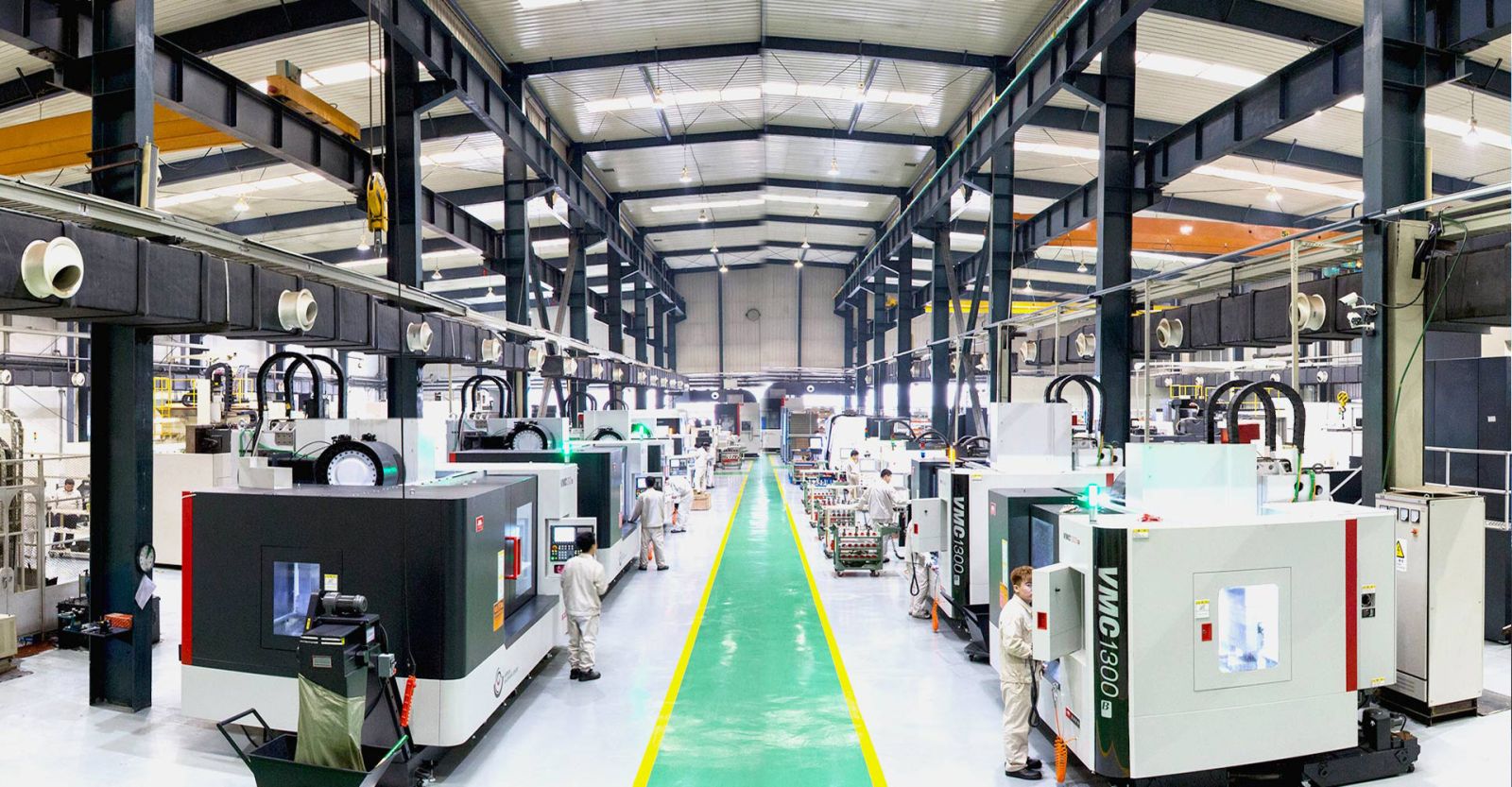
Ningbo Yichou Industrial Co., Ltd. combines over 20 years of precision manufacturing experience with a commitment to helping customers optimize costs without compromising quality. Their engineering team provides valuable Design for Manufacturability (DFM) feedback, identifying design modifications that reduce costs while maintaining function.
Yichou's comprehensive capabilities include:
- 3-axis, 4-axis, and 5-axis CNC machining
- Turning, milling, grinding, and wire EDM
- Extensive material expertise including aluminum, stainless steel, titanium, and exotic alloys
- Full secondary operations including heat treatment, surface finishing, and assembly
- Quality systems supporting aerospace, medical, automotive, and industrial applications
Contact Yichou today for a comprehensive quote on your CNC machining requirements. Their team will work with you to optimize designs for cost-effectiveness while delivering quality parts that meet your exact specifications.
Contact us today for a competitive quote and technical support!
Let Yichou help you achieve excellence in your next project. Whether you need raw materials, custom alloy solutions, or precision-manufactured components, our team is ready to assist.
- Email us: [email protected]
- Call us/whatsapp: +86 13355741031
- Chat with us: Live chat support available on our website