Introduction
Rapid prototyping has transformed product development, enabling engineers and designers to validate concepts, test functionality, and refine designs before committing to expensive production tooling. Understanding rapid prototyping services empowers product development teams to make informed decisions about prototype methods, suppliers, and program timing. This comprehensive guide examines every aspect of rapid prototyping for new product development.
The rapid prototyping landscape encompasses diverse technologies, each suited to specific applications and requirements. From 3D printing processes to CNC machining and injection molding prototypes, understanding these technologies enables optimal selection for your specific needs. This guide provides systematic methodology for evaluating rapid prototyping options.
Chinese rapid prototyping suppliers have established significant capabilities, offering competitive pricing and substantial capacity for global product development programs. These suppliers serve startups, established companies, and major OEMs developing new products. The capabilities and services described in this guide apply broadly, though specific supplier capabilities require individual verification.
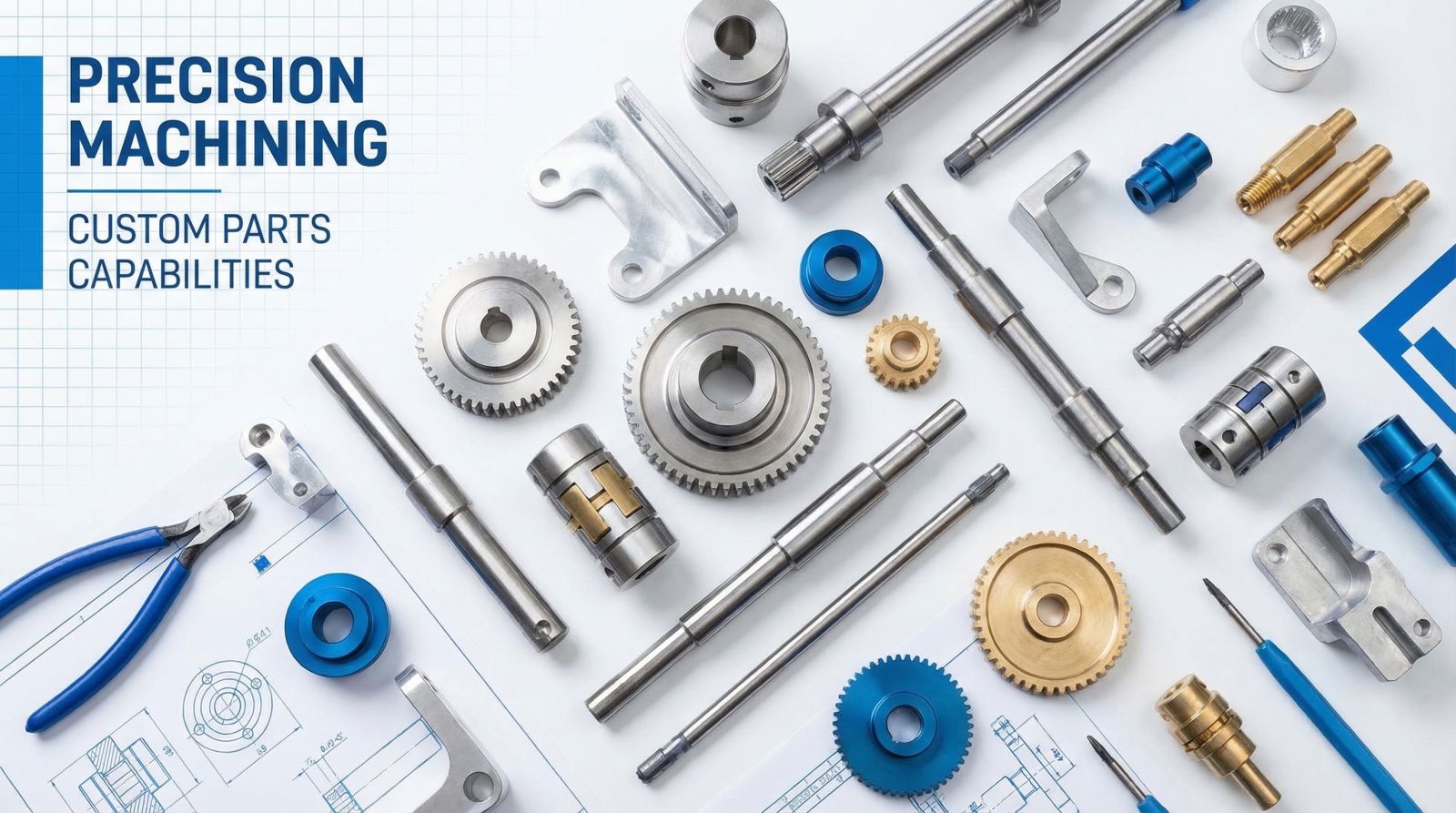
Understanding Rapid Prototyping Technologies
3D Printing Processes
Additive manufacturing, commonly known as 3D printing, creates parts layer by layer from digital models. This category encompasses multiple distinct technologies, each with unique capabilities and limitations. Understanding these differences enables appropriate technology selection for your specific requirements.
Stereolithography (SLA) uses ultraviolet light to cure photopolymer resins. This technology produces parts with excellent surface finish and high precision. SLA parts serve as functional prototypes and investment casting patterns. Material options include standard, tough, and high-temperature resins.
Selective Laser Sintering (SLS) sinters nylon powder using lasers. This process produces strong, functional parts without support structures. SLS serves functional testing and low-volume production. Material options include standard nylon, glass-filled, and flexible formulations.
Fused Deposition Modeling (FDM) extrudes thermoplastic filaments layer by layer. This technology offers economical prototyping with common materials. FDM parts serve concept models and basic functional testing. Surface finish typically requires post-processing.
Multi Jet Fusion (MJF) uses inkjet fusing of nylon powder. This process produces parts with excellent mechanical properties and surface quality. MJF offers faster production than SLS with similar part quality. This technology has gained significant adoption for functional prototyping.
Metal 3D printing includes processes like Direct Metal Laser Sintering (DMLS) and Electron Beam Melting (EBM). These processes produce metal parts for functional testing and limited production. Material options include stainless steel, titanium, aluminum, and cobalt chrome. Metal additive manufacturing serves aerospace, medical, and high-performance applications.
CNC Machining Prototypes
CNC machining provides reliable prototype production using traditional manufacturing methods. This approach produces parts from solid material stock, achieving excellent precision and surface finish. CNC prototypes often serve as bridge tooling before production.
CNC milling produces complex geometries from block materials. Three-axis machining handles most prototype requirements. Five-axis machining enables complex contours and reduced setup. CNC prototypes achieve tolerances matching production requirements.
CNC turning produces cylindrical components efficiently. Bar-fed turning produces multiple identical parts from stock material. Turning prototypes serve shaft, bearing, and rotational component development. Combined turning and milling handles complex rotational geometries.
Manual CNC and hand-finishing often supplement automated machining for prototypes. This combination provides flexibility for design iterations. Skilled technicians adjust processes for specific requirements. Prototype production frequently requires this adaptability.
Injection Molding Prototypes
Prototype injection molding bridges development and production. Several approaches serve different requirements and budgets, from soft tooling to production-equivalent tooling for pilot runs.
Soft tooling uses aluminum or other soft metals for limited production runs. This approach enables samples within weeks rather than months. Soft tool production runs typically range from hundreds to thousands of parts. Tool life limits production volumes but enables market testing and design validation.
Bridge tooling provides production-intent tooling for limited quantities. These tools bridge prototype and production phases, enabling pilot runs and market testing. Bridge tooling typically produces thousands to tens of thousands of parts with production-quality surfaces.
Production tooling follows design finalization, enabling full production volumes. Production molds use hardened steel for extended tool life. This investment suits products proceeding to full market launch.
Technology Selection Guidelines
Part Geometry Considerations
Geometry complexity influences technology selection significantly. Simple geometries suit any prototyping method. Complex geometries may favor 3D printing, which creates complexity without additional setup.
Undercuts and internal cavities present distinct challenges for different methods. 3D printing handles complex internal geometries without additional processing. CNC machining requires multiple operations for complex internal features. Injection molding requires cores and slides that increase cost and lead time.
Part size affects process capability and economics. Large parts may exceed 3D printer envelope. CNC machining handles large parts within machine capacity. Large injection molding requires substantial tooling investment. Consider size requirements when selecting technologies.
Material Requirements
Material selection often drives technology choice printing processes limit material. 3D options to those formulated for specific processes. CNC machining works with virtually any machinable material. Injection molding prototypes use production materials where possible.
Mechanical testing requirements may limit options. Functional testing often requires materials matching production properties. 3D printing materials have properties differing from injection molding materials. CNC machining enables use of production materials for representative testing.
Temperature resistance requirements affect material and process selection. High-temperature applications may require specific materials not available in 3D printing. CNC machining with production materials enables accurate high-temperature testing.
Surface Finish Requirements
Aesthetic prototypes require excellent surface quality. SLA produces smooth surfaces suitable for appearance evaluation. CNC machining achieves smooth finishes with additional processing. Some 3D printing processes require significant post-processing for smooth surfaces.
Functional testing may prioritize mechanical properties over surface finish. Strength and performance testing often accepts as-produced surfaces. Evaluate whether surface finish affects your testing objectives.
Production intent prototypes should represent final surface quality. Any differences between prototype and production surfaces may affect design decisions. Specify surface requirements clearly when requesting prototypes.
Design for Prototyping
CAD Model Requirements
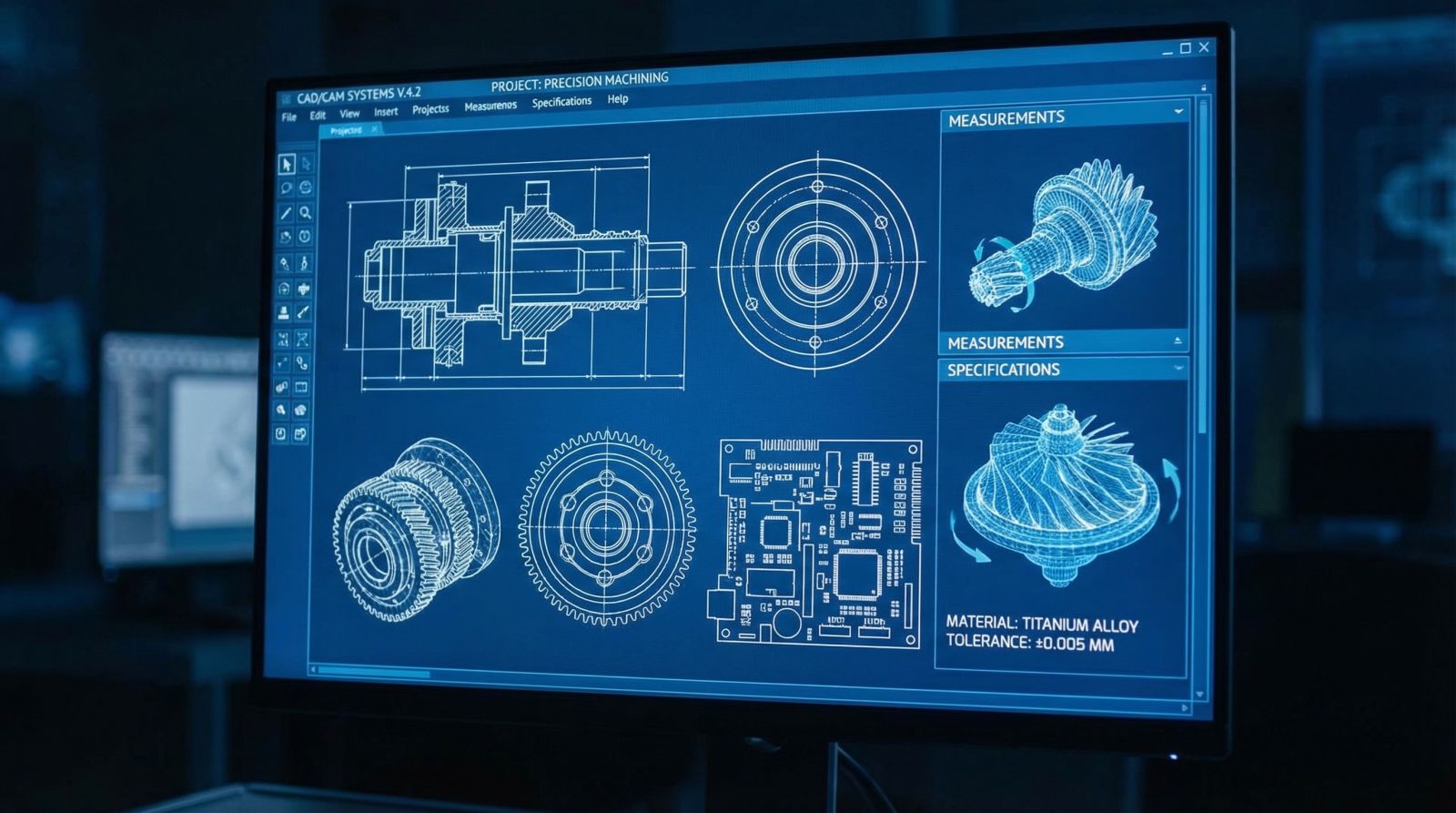
3D CAD models provide the foundation for rapid prototyping. Complete, watertight models ensure accurate part creation. Design intent should include all features for accurate representation.
Model geometry quality affects prototype accuracy. Poor geometry, non-manifold edges, and intersecting surfaces cause problems. Clean CAD data produces better prototypes faster. Review models before submitting for prototyping.
Multiple file formats suit different processes. STL provides universal format for 3D printing. STEP and IGES transfer CAD data for CNC machining. Native CAD files may be required for some services. Provide files in requested formats for efficient processing.
Tolerances and Specifications
Prototype tolerance requirements should match production requirements where practical. Over-specifying tolerances increases cost without benefit. Specify tolerances appropriate for prototype purposes.
Critical dimensions requiring tight tolerances should be clearly identified. Provide tolerance callouts for dimensions affecting assembly or function. Non-critical dimensions may use standard tolerances.
Surface finish specifications should indicate requirements clearly. Prototype parts often receive additional finishing beyond standard. Specify finish requirements and evaluate cost implications.
Design Iteration Planning
Prototype programs typically involve multiple iterations. Design iteration planning reduces total development time and cost. Prototype supplier selection should consider ability to support iterations.
Design freeze points should be established before prototypes. Each iteration requires time and cost. Clear freeze points prevent endless iteration cycles.
Parallel development paths reduce total development time. Multiple design options may be prototyped simultaneously. This approach identifies issues earlier and accelerates development.
Cost Considerations
Process Cost Comparison
3D printing typically offers lowest cost for complex geometries. Per-part costs remain relatively constant regardless of complexity. 3D printing suits low-quantity prototypes efficiently.
CNC machining costs depend on machining time and material. Complex parts require more machine time. Material costs affect total cost significantly. CNC machining becomes more economical as quantity increases.
Injection molding prototypes involve substantial tooling investment. Soft tooling enables lower-cost samples. Production tooling costs apply for pilot runs. Injection molding per-part costs drop dramatically at higher volumes.
Volume Economics
Prototype quantities typically range from single pieces to hundreds. Single pieces favor 3D printing or simple CNC programming. Small batches may justify multi-axis CNC or multiple 3D printed parts.
Bridge production quantities may reach thousands. This volume range transitions from prototype to production. Soft tooling or CNC machining may suit these quantities.
Pilot production requires production-equivalent samples. Bridge tooling or production tooling with limited volume serves these requirements. Cost analysis should consider full program volumes.
Hidden Costs
Shipping costs affect total prototype cost, particularly internationally. Factor shipping time and cost into program planning. International suppliers may offer lower part costs despite shipping.
Expedited services often carry premium pricing. Rush prototype programs may cost significantly more. Build schedule buffers to avoid rush charges where possible.
Quality issues from inadequate prototyping may cause downstream costs. Prototype problems discovered in production prove extremely expensive. Appropriate prototype investment reduces overall program risk.
Lead Time Considerations
Process Lead Times
3D printing typically offers fastest turnaround for single parts. Standard SLA and SLS services may ship within days. Complex parts may require additional time.
CNC machining lead times depend on complexity. Simple parts may ship within days. Complex multi-axis parts require more time. Programming and setup add to lead time.
Injection molding prototypes require tooling regardless of approach. Soft tooling enables faster samples than production tooling. Lead times range from weeks to months depending on complexity.
Expedited Options
Most prototype suppliers offer expedited services. Rush processing reduces internal queue time. Premium pricing typically applies to expedited service.
24-hour and same-day services may be available for critical needs. These services carry substantial premiums. Evaluate urgency against cost before requesting expedited service.
Production planning should build in adequate prototype time. Expedited services provide insurance against schedule surprises. Avoid reliance on expedited services for routine development.
International Shipping
International prototype orders add shipping time to lead time. Air freight provides fastest delivery. Sea freight suits less urgent requirements.
Shipping costs and customs clearance add complexity. International suppliers may consolidate shipments to reduce costs. Factor customs requirements into international prototype planning.
Communication across time zones requires planning. Establish clear communication protocols. Video conferencing enables effective collaboration despite distance.
Supplier Selection
Capability Assessment
Prototype suppliers specialize in different technologies. Evaluate capabilities against your specific requirements. A supplier excellent for 3D printing may not excel at CNC machining.
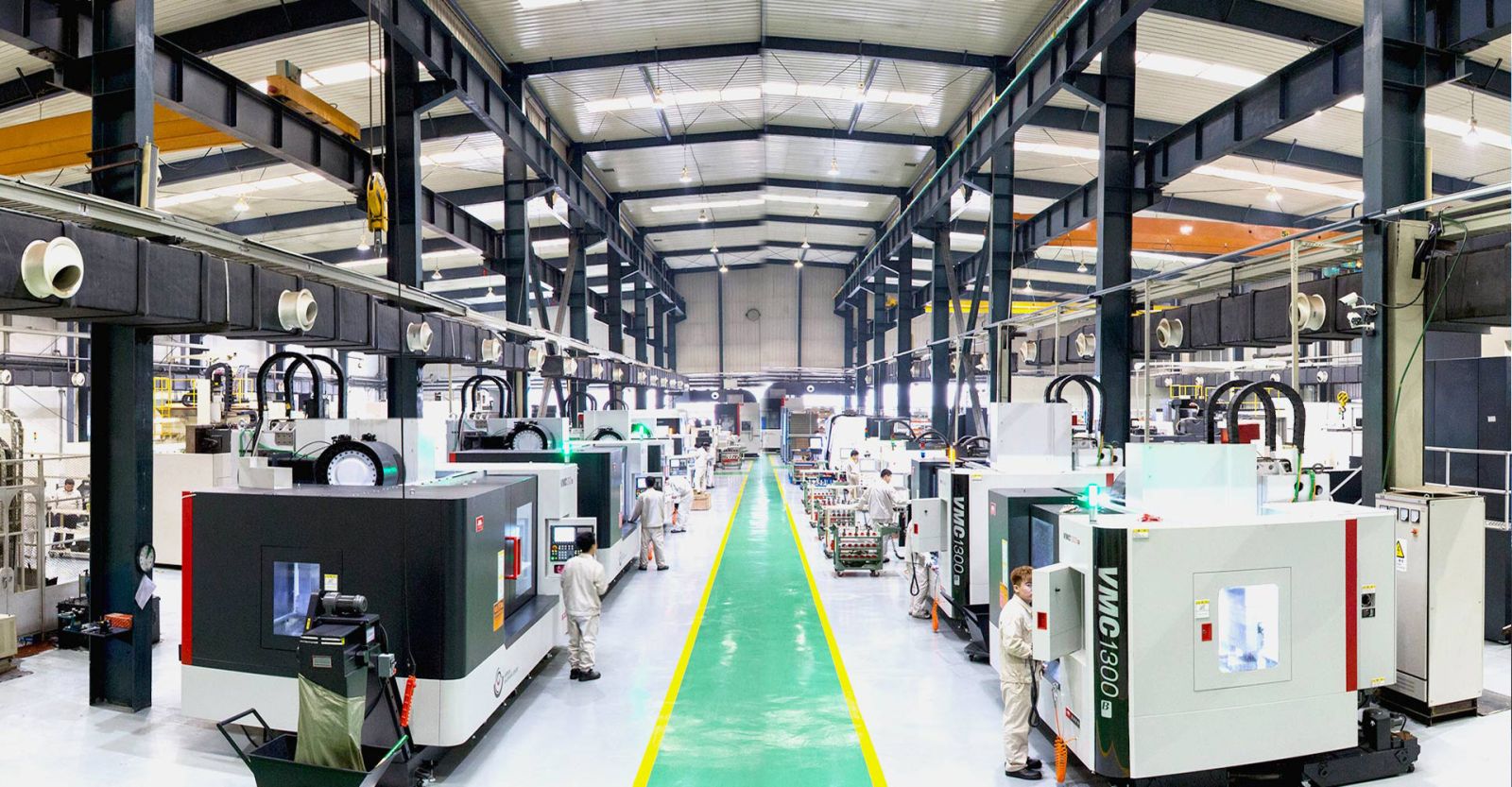
Equipment inventory indicates production capability. Review available equipment to confirm capacity. Newer equipment often indicates capability investment.
Quality systems demonstrate supplier maturity. ISO 9001 certification provides baseline quality assurance. Industry-specific certifications may apply to your application.
Communication and Responsiveness
Clear communication proves critical for prototype programs. Responsive suppliers answer questions quickly. Clear explanations indicate technical capability.
Language capability affects international collaboration. English communication should be clear and professional. Technical terminology requires precise understanding.
Documentation requirements should be discussed early. Process records, material certifications, and inspection reports may be required. Confirm supplier ability to provide required documentation.
Pricing and Payment Terms
Prototype pricing varies widely between suppliers. Request detailed quotations comparing options. Consider total cost including shipping and expedited fees.
Payment terms vary by supplier and relationship. New customers may face more restrictive terms. Net-30 terms may be available for established relationships.
Prototype programs often require payment before shipment. Establish payment terms during qualification. Avoid payment terms that create cash flow problems.
Industry Applications
Consumer Electronics
Consumer electronics prototyping requires exceptional surface quality. Appearance prototypes may require painting or metal finishing. Functional prototypes test mechanical and thermal performance.
Design iterations in consumer electronics proceed rapidly. Prototype suppliers must respond quickly to support aggressive schedules. Volume ranges from single concept models to thousands of engineering samples.
Material requirements include plastics, metals, and sometimes exotic materials. Production materials should be used for representative testing. Material properties affect design decisions.
Automotive Development
Automotive prototyping serves multiple purposes through development. Concept models visualize design directions. Engineering prototypes test performance and manufacturing. Production validation prototypes verify tooling and processes.
Automotive quality requirements demand comprehensive documentation. PPAP requirements may apply to production-intent parts. ISO/TS 16949 certification indicates automotive quality capability.
Automotive programs involve high part volumes during development. Bridge production enables design validation before production launch. Prototype suppliers must support these volume requirements.
Medical Devices
Medical device prototyping requires biocompatible materials when appropriate. Material selection affects validation requirements. Sterilization compatibility may require consideration.
Regulatory requirements affect prototype documentation. Design history files must include prototype records. Prototype suppliers should understand documentation requirements.
Medical device development proceeds through design controls. Design verification and validation require specific testing. Prototype timing must support regulatory schedules.
Aerospace
Aerospace prototyping serves critical validation purposes. Material properties must represent production materials. Process verification requires documentation.
Aero suppliers often require AS9100 certification. Quality management systems must meet aerospace requirements. Traceability may be required for certain components.
Aero development programs involve extended timelines. Prototype suppliers must support long-term programs. Program continuity matters for supplier selection.
Best Practices
Prototype Planning
Effective prototype programs require advance planning. Define prototype objectives before requesting quotes. Objectives guide technology and quantity selection.
Build relationship with prototype suppliers. Repeat business often yields better pricing and service. Suppliers understand your requirements over time.
Document lessons learned from prototype programs. This information improves future programs. Share learnings with suppliers to improve collaboration.
Communication Best Practices
Provide complete information in initial requests. Incomplete information causes delays and confusion. Detailed requirements enable accurate quotations.
Confirm requirements before production begins. Review quotations carefully before approval. Changes after production starts cause delays and cost increases.
Maintain regular communication throughout programs. Status updates prevent surprises. Address issues promptly to maintain schedules.
Quality Management
Define quality requirements explicitly. Acceptable quality levels should be established. Inspection requirements should match application criticality.
First article inspection validates production readiness. First article approval before full production prevents problems. Document inspection results for quality records.
Non-conforming product handling requires clear procedures. Identify defects early and address root causes. Effective problem resolution improves future programs.
Future Trends
Advanced Materials
Material development continues expanding 3D printing capabilities. New formulations address strength, temperature resistance, and specialized properties. Material options increasingly match production materials.
Metal additive manufacturing materials continue developing. New alloys designed specifically for additive manufacturing improve properties. This development expands metal 3D printing applications.
Multi-material printing enables complex material combinations. This capability may replace assemblies with single printed parts. Future prototypes may represent production materials more accurately.
Process Evolution
Process speeds continue increasing across technologies. Faster production reduces costs and lead times. Higher productivity improves economic viability.
Automation reduces labor content in prototype production. Automated finishing, inspection, and packaging reduce costs. Automation improves consistency and quality.
Digital workflows connect design and production more directly. This integration reduces errors and accelerates programs. Future prototype programs may operate with minimal manual intervention.
Supplier Integration
Prototype suppliers increasingly integrate with production. Single suppliers may support prototype through production. This integration reduces program management burden.
Supply chain integration improves logistics efficiency. Consolidation reduces supplier management overhead. Strategic relationships benefit both parties.
Global supplier networks enable around-the-clock development. Handoff between time zones accelerates programs. International collaboration becomes increasingly seamless.
Conclusion
Rapid prototyping services provide essential support for product development programs. Understanding available technologies, selecting appropriate processes, and working effectively with suppliers enables successful prototype programs. The investment in prototypes reduces risk and improves final product quality.
Chinese rapid prototyping suppliers offer compelling value for global product development. Capabilities span 3D printing, CNC machining, and injection molding prototypes. Competitive pricing and responsive service support aggressive development schedules.
Apply the principles in this guide to your prototype programs. Technology selection should match requirements. Supplier relationships should emphasize communication and quality. Effective prototyping accelerates product development and improves outcomes.
Frequently Asked Questions
How quickly can I get prototype parts from China?
Standard lead times range from 1-2 weeks for 3D printing to 3-6 weeks for CNC machining. Soft tooling injection molding requires 4-8 weeks. Expedited services may reduce these times with premium pricing.
What is the minimum quantity for rapid prototyping?
Single parts are commonly produced for prototypes. Low quantities from 1-10 pieces suit 3D printing and CNC machining. Injection molding typically requires minimums of 50-100 pieces for soft tooling.
Which prototyping technology should I choose?
Selection depends on material requirements, surface finish needs, geometric complexity, and quantity. 3D printing suits complex geometries. CNC machining suits production material requirements. Injection molding bridges prototype and production.
Can prototype parts use production materials?
CNC machining and injection molding can use production materials. 3D printing materials differ from production materials in most cases. Specify material requirements to ensure appropriate matching.
How much do rapid prototyping services cost?
Costs vary widely by process, complexity, and quantity. Simple 3D printed parts may cost under $50. Complex CNC machined parts may cost hundreds or thousands. Injection molding tooling may cost thousands to tens of thousands.
Should I qualify multiple prototype suppliers?
Qualifying multiple suppliers provides backup capability and competitive pricing. However, relationship depth benefits single suppliers. Balance multiple sourcing against relationship development.
Contact us today for a competitive quote and technical support!
Let Yichou help you achieve excellence in your next project. Whether you need raw materials, custom alloy solutions, or precision-manufactured components, our team is ready to assist.
- Email us: [email protected]
- Call us/whatsapp: +86 13355741031
- Chat with us: Live chat support available on our website