Introduction
Sheet metal fabrication represents one of the most versatile and widely-used manufacturing processes in modern industry. From simple brackets to complex enclosures, sheet metal parts serve critical functions across virtually every sector of manufacturing. This comprehensive guide explores everything procurement specialists, engineers, and product developers need to know about sourcing sheet metal fabrication services, particularly from Chinese manufacturers.
The global sheet metal fabrication market continues to expand as industries demand increasingly sophisticated components. Understanding the nuances of this manufacturing process enables better supplier selection, cost optimization, and quality assurance. Whether you are specifying parts for aerospace applications, automotive production, or consumer electronics, the principles of effective sheet metal sourcing remain consistent.
Chinese sheet metal fabrication facilities have established themselves as premier suppliers to global markets, offering competitive pricing without compromising on quality. However, navigating this landscape requires understanding capabilities, standards, and communication protocols that differ from domestic sourcing. This guide provides the knowledge foundation necessary to establish successful partnerships with sheet metal fabricators.
Understanding Sheet Metal Fabrication Processes
Laser Cutting Technology
Laser cutting has revolutionized sheet metal fabrication, offering exceptional precision and versatility. The process utilizes concentrated light beams to melt, burn, or vaporize material, creating clean edges with minimal heat-affected zones. Modern fiber laser systems achieve remarkable accuracy, maintaining tolerances of ±0.05mm on complex geometries.
CO2 lasers traditionally served heavier gauge materials, but fiber laser technology has largely supplanted this approach for most applications. Fiber lasers offer superior energy efficiency, faster cutting speeds, and better beam quality for reflective metals. When evaluating suppliers, inquire about their laser systems—modern equipment indicates commitment to quality and capacity.
Nitrogen-assisted cutting produces oxide-free edges suitable for painting or powder coating without additional processing. Oxygen-assisted cutting achieves faster speeds on carbon steel but leaves oxide layers requiring removal. Understanding these distinctions helps specify appropriate processes for your application requirements.
CNC Punching Operations
Computer numerical control punching offers rapid production of holes, slots, and complex contours in sheet metal components. Turret punch presses with automatic tool changing enable production of intricate patterns without tooling costs associated with stamping operations. This capability proves particularly valuable for prototype runs and small batch production.
Progressive punching operations combine multiple station operations into single machine setups, reducing handling and setup time. Today's advanced punch presses incorporate forming capabilities, creating louvers,embosses, and other features without secondary operations. When evaluating suppliers, assess their tool库存 and capabilities for forming operations.
Punching tolerances typically range from ±0.1mm to ±0.2mm depending on material thickness and part geometry. For precision applications, understand whether punching alone meets requirements or whether subsequent machining becomes necessary. This understanding prevents downstream quality issues and unexpected costs.
Sheet Metal Bending and Forming
Press brake forming remains the primary method for creating angular bends in sheet metal components. Understanding bend allowances, K-factors, and springback compensation proves essential for achieving accurate final dimensions. Different materials exhibit varying springback characteristics—aluminum requires different compensation than stainless steel.
Multi-axis CNC press brakes enable complex bend sequences with minimal manual handling. Advanced systems utilize back gauges with multiple axes, positioning material precisely for each bend operation. This capability proves particularly valuable for parts requiring multiple bends at varying angles.
Die bending versus air bending represents a fundamental choice in sheet metal forming. Coined tooling produces consistent angles within close tolerances but requires dedicated tooling investment. Air bending offers flexibility for varied geometries but demands precise parameter control. Each approach suits different production scenarios and volume requirements.
Welding and Assembly
Welding transforms individual sheet metal pieces into complete assemblies. MIG welding serves as the predominant process for sheet metal fabrication, offering speed and versatility across materials. TIG welding provides superior aesthetics and precision for stainless steel applications where appearance matters.
Spot welding enables rapid joining of sheet metal assemblies, particularly in automotive and appliance manufacturing. Projection welding localizes heat input for controlled penetration. Resistance welding processes offer speed advantages for high-volume production runs.
Structural welding requires understanding weld strength, distortion control, and post-weld treatment. Welded assemblies may require straightening, grinding, or polishing to achieve final specifications. Specify weld quality requirements clearly—AWS standards provide reference points for acceptance criteria.
Material Selection for Sheet Metal Components
Aluminum Alloys in Fabrication
Aluminum sheet metal fabrication serves applications requiring lightweight strength and corrosion resistance. The 5000-series alloys (5052, 5754) offer excellent formability and weldability, making them popular choices for enclosures and structural components. The 6000-series alloys (6061, 6063) provide superior strength with good extrudability.
Aluminum's lower density (approximately 2.7 g/cm³) makes it ideal for weight-sensitive applications. However, its lower melting point and higher thermal conductivity require adjusted welding parameters. Material thickness selection must account for strength requirements while maintaining manufacturability.
Surface treatment options for aluminum include anodizing, powder coating, and chemical conversion coatings. Each treatment offers distinct advantages—anodizing provides hard, wear-resistant surfaces while powder coating enables diverse color options. Specify final surface requirements early in the design process.
Stainless Steel Varieties
Stainless steel sheet metal fabrication serves demanding environments requiring corrosion resistance and aesthetic appeal. Type 304 (18-8 stainless) offers general-purpose corrosion resistance for most environments. Type 316 provides superior resistance in marine and chemical processing applications.
The formability of stainless steel varies by grade—304 forms readily while 409 offers limited formability but excellent cost efficiency for exhaust applications. Spring temper grades (301, 17-7) provide high strength for spring components. Understanding these distinctions prevents material selection errors.
Stainless steel welding requires specialized techniques to prevent sensitization and subsequent corrosion problems. Low heat input, appropriate filler materials, and nitrogen shielding gas preserve corrosion resistance. Post-weld passivation restores chromium-depleted zones in heat-affected areas.
Carbon Steel Options
Carbon steel sheet metal fabrication serves cost-sensitive applications where corrosion resistance requirements are minimal. Cold-rolled steel offers excellent surface quality for painting and powder coating. Hot-rolled steel provides economic options for structural applications where surface appearance matters less.
Galvanized steel combines carbon steel substrate with zinc coating for corrosion protection. Electro-galvanized and hot-dipped galvanizing provide different coating weights and application methods. Specify coating type based on environmental exposure and subsequent processing requirements.
Spring steel grades (1074, 1095) enable high-strength component fabrication. These materials require careful handling due to their tendency toward cracking during forming. Heat treatment after forming achieves final mechanical properties.
Copper and Brass Applications
Copper sheet metal fabrication serves electrical, thermal, and decorative applications. Pure copper (C11000) offers maximum conductivity for electrical contacts and heat exchangers. Brass alloys provide attractive appearance combined with good formability and machinability.
Copper's formability enables complex geometries but requires consideration of its tendency toward strain hardening. Multiple forming operations may require intermediate annealing. Soldering and brazing enable leak-tight joints without the heat-affected zone concerns of welding.
Brass sheet metal finds application in decorative hardware, plumbing fixtures, and electrical enclosures. Different brass alloys offer varying combinations of strength, formability, and appearance. Specify alloy type based on application requirements.
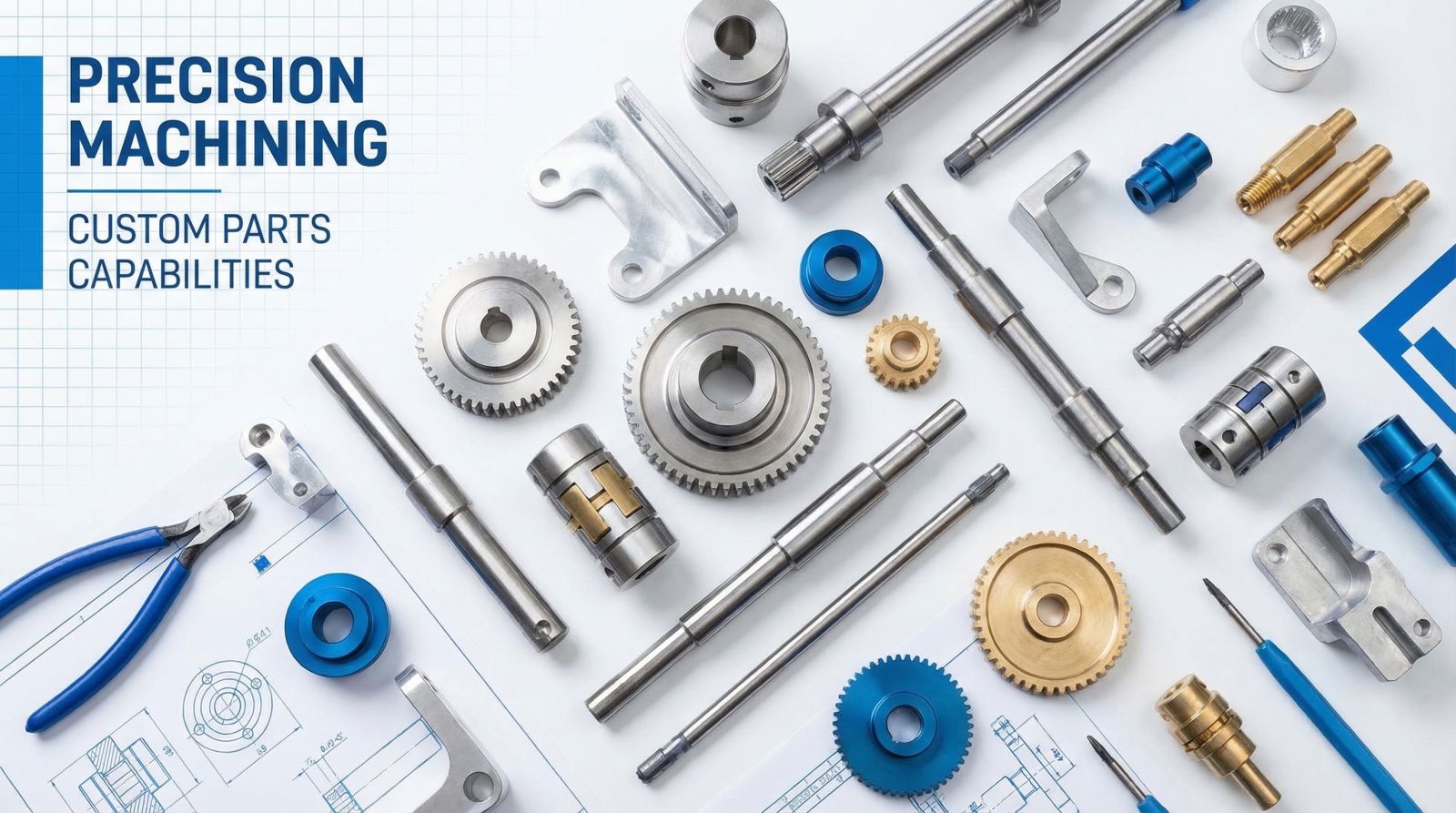
Tolerances and Precision Standards
Standard Tolerance Guidelines
Sheet metal fabrication typically achieves standard tolerances of ±0.5mm for general applications. Laser cutting maintains ±0.1mm precision on thinner materials, degrading slightly as material thickness increases. Press brake bending achieves ±0.5mm on simple angles, expanding to ±1.0mm on complex geometries.
ISO 2768 defines standard tolerance grades applicable to sheet metal fabrication. The medium grade (m) typically satisfies general engineering requirements. Precision applications may require tighter tolerances achievable through secondary machining operations.
Understanding the relationship between tolerance and cost proves essential for specifications. Tighter tolerances invariably increase manufacturing costs through additional processing, inspection, and scrap. Balance precision requirements against actual application needs.
Precision Machining Integration
CNC machining operations complement sheet metal fabrication for features requiring tolerances beyond standard capabilities. Machined features may include threaded holes, precision bores, and complex contours. Integrating machining operations requires consideration of part handling and datum alignment.
Combined fabrication and machining approaches optimize cost by applying precision operations only where necessary. Locating holes relative to formed features requires understanding how bending affects feature positions. Collaboration between design engineers and manufacturing specialists optimizes such integration.
Hard tooling versus soft tooling decisions affect precision capabilities. Hard tooling (dedicated dies) provides consistent precision for high-volume production. Soft tooling (manual bending, CNC press brake) offers flexibility for smaller batches and engineering changes.
Surface Finish Requirements
Surface finish specifications directly impact both appearance and function of sheet metal components. As-cut laser surfaces exhibit slight roughness requiring treatment for painted applications. Polished surfaces achieve specified roughness values through grinding and buffing operations.
Texture specifications (per ASME B46.1) define surface roughness requirements for functional surfaces. Specify roughness values only where functional requirements demand them—excessive specifications increase costs unnecessarily. Mill finish, standard polish, and mirror polish represent common finish levels.
Protective films prevent damage during handling and shipping. Specify film type based on storage conditions and subsequent processing. Some films leave adhesive residue requiring cleanup before finishing operations.
Design for Manufacturability
Optimizing Sheet Metal Designs
Design for manufacturability (DFM) principles reduce costs while improving quality and delivery. Minimum bend radii prevent material cracking and thickness reduction at bend lines. Recommended radii vary by material—1.0 times material thickness serves as a general guideline for aluminum.
Bend relief and tab relief prevent tearing at geometry intersections. Relief cut dimensions depend on material thickness and bend angle. Insufficient relief causes tears propagating from cut edges into bend areas.
Dimensional constraints affect feature placement relative to bends. Features too close to bend lines distort during forming. Minimum distance recommendations from bend lines equal material thickness plus clearance. This guideline prevents feature deformation and ensures consistent positioning.
Cost Reduction Strategies
Nest optimization maximizes material utilization in production. Common utilization rates range from 70% to 85% depending on part geometry complexity. Sharing common geometries across multiple products improves overall material efficiency.
Standard hole sizes and punch tooling availability reduce tooling costs. Common punch diameters include increments of 1mm—deviations require custom tooling with associated costs and lead times. Evaluate whether design modifications accommodate standard tooling.
Batch production economics favor larger orders—setup costs amortize across more units. However, inventory carrying costs offset production efficiencies. Collaborative forecasting with suppliers enables production scheduling optimizations.
Avoiding Common Design Errors
Undercut features requiring complex tooling frequently surprise designers unfamiliar with sheet metal processes. Features that extend below the neutral axis of bent material cause forming difficulties. Redesign from inside flanges resolves such issues.
Insufficient clearance between features causes interference during assembly. Specify clearance based on tolerances of both mating components. Overly tight clearances increase assembly difficulty and reject rates.
Mismatched hole patterns between mating parts create assembly problems. Standardize hole sizes and positions where possible. When mismatches occur, specify which component adjusts to match the other.
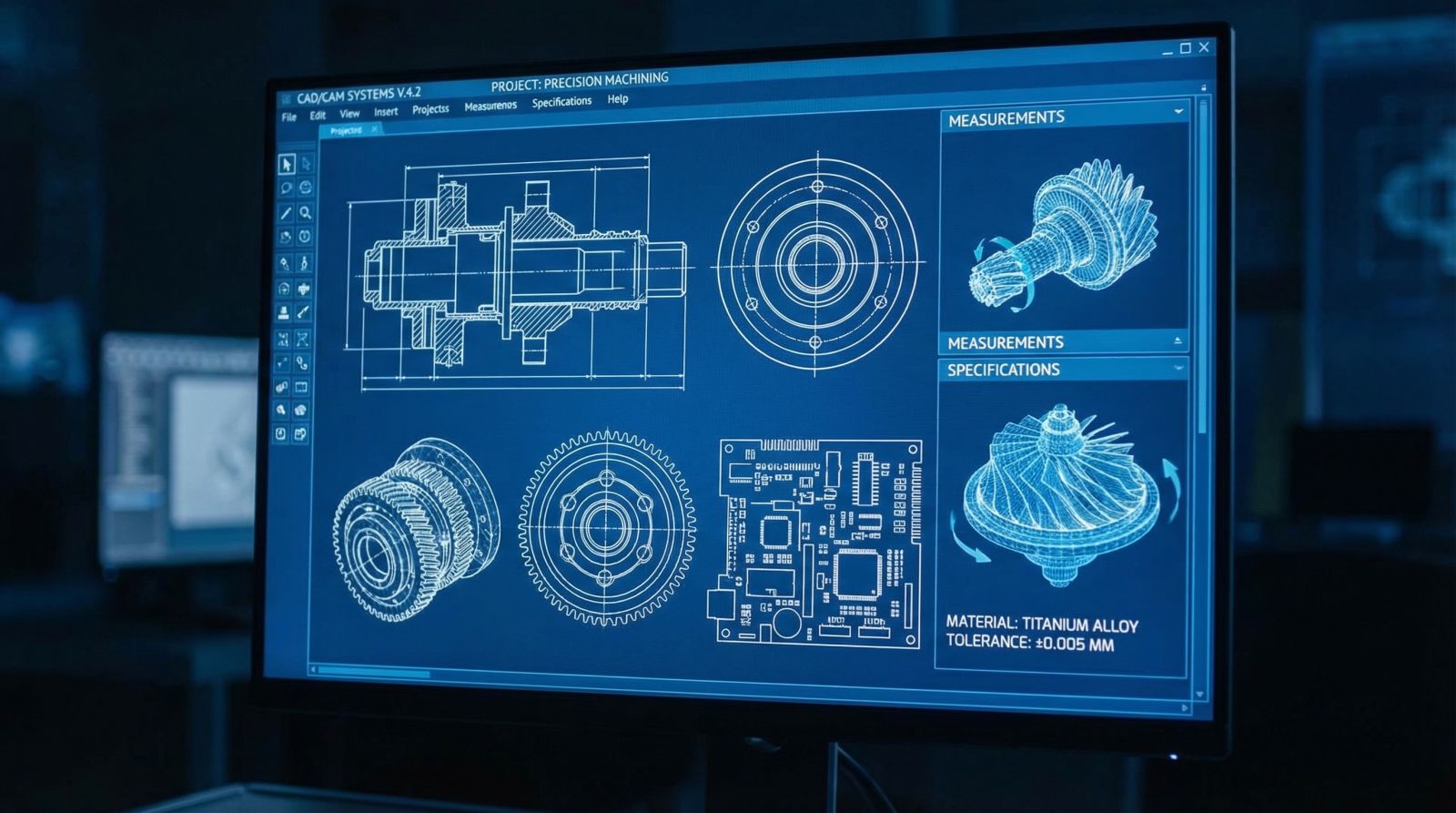
Quality Assurance and Inspection
Inspection Methods and Equipment
Coordinate measuring machines (CMM) provide precise dimensional verification for sheet metal components. Portable CMMs enable inspection of large assemblies without disassembly. Laser scanning creates detailed digital records for comparison against CAD models.
Visual inspection addresses surface defects, weld quality, and assembly completeness. Weld inspection methods include liquid penetrant testing, magnetic particle testing, and ultrasonic testing for critical applications. Specify inspection requirements based on application criticality.
First article inspection validates production processes before full run approval. Provide detailed inspection requirements including critical dimensions, critical features, and acceptance criteria. First article documentation demonstrates process capability.
Quality Management Systems
ISO 9001 certification demonstrates supplier quality management capabilities. However, industry-specific certifications carry greater relevance for specialized applications. IATF 16949 applies to automotive suppliers, AS9100 to aerospace, and ISO 13485 to medical devices.
Certification scope determines applicability—some suppliers hold certificates covering limited capabilities. Verify that relevant processes appear in certification scope before depending on certification for supplier qualification.
Quality documentation requirements should match application criticality. Flight hardware demands rigorous documentation and traceability. Commercial applications may accept standard certifications and test reports. Specify documentation requirements explicitly in procurement documents.
Defect Prevention and Control
Statistical process control (SPC) monitors production consistency and identifies process drift before out-of-tolerance conditions occur. Control charts for critical dimensions enable proactive quality management. SPC data supports continuous improvement initiatives.
Root cause analysis addresses systematic defect causes rather than individual part rejection. 8D problem-solving methodology provides structured approaches for supplier quality issues. Effective corrective action prevents recurrence and improves overall quality performance.
Incoming inspection verifies supplier quality claims before parts enter production. Inspection sampling plans balance cost against detection risk. Reduce inspection intensity for suppliers demonstrating consistent quality performance.
Sourcing from Chinese Manufacturers
Supplier Qualification Process
Supplier site audits verify manufacturing capabilities, quality systems, and capacity. Remote video audits provide initial capability assessment when physical visits prove impractical. Audit findings identify improvement areas and qualification status.
Production capability verification confirms equipment, capacity, and process capability for required products. Request capability studies demonstrating process capability indices (Cpk) for critical characteristics. Capability assessment prevents production surprises after order placement.
Financial health assessment protects against supply chain disruption from supplier business failure. Trade credit reports and business references provide financial stability indicators. Long-term partnerships benefit from supplier financial health monitoring.
Communication and Project Management
Clear technical communication prevents misunderstandings affecting quality and delivery. Provide complete technical packages including 3D models, 2D drawings, material specifications, and surface finish requirements. Ambiguous specifications invite interpretation disagreements.
Time zone differences require structured communication protocols. Establish regular status meetings accommodating both parties' working hours. Written confirmation of verbal agreements prevents subsequent misunderstandings.
Language considerations extend beyond basic English—technical terminology requires precise understanding. Provide glossary definitions for unusual terms. Request confirmation of understanding for critical requirements.
Logistics and Shipping Considerations
International shipping involves multiple handling stages risking damage to finished components. Appropriate packaging prevents transit damage—wooden crates, foam inserts, and moisture barriers address various risks. Specify packaging requirements explicitly in procurement documents.
Incoterms define responsibility and risk transfer points in international transactions. FOB (Free on Board) shipments transfer risk at Chinese port loading. CIF (Cost, Insurance, and Freight) transfers risk at destination port arrival. Understand Incoterm implications for your supply chain.
Lead time management requires consideration of production, inspection, and shipping cycles. Standard production runs require 2-4 weeks in China. Expedited production may reduce this to 1-2 weeks with premium pricing. Air freight provides faster delivery than sea freight but at significantly higher cost.
Cost Factors and Pricing Structure
Material Cost Components
Raw material costs fluctuate with commodity markets—aluminum, steel, and copper prices respond to global demand and supply conditions. Material surcharges may apply during periods of market volatility. Establish price adjustment mechanisms for long-term contracts.
Material utilization affects total part cost significantly. Nesting optimization maximizes material yield from standard sheet sizes. Request yield information during quotation to understand material cost drivers.
Material waste from cutting and forming operations adds to material costs. Complex geometries generate more waste than simple shapes. Part redesign for improved nesting substantially reduces material costs.
Processing Cost Factors
Laser cutting costs depend on material type, thickness, and cutting length. Thick materials and exotic alloys require slower cutting speeds, increasing costs. Nitrogen cutting adds gas costs but produces cleaner edges.
Press brake operations cost based on bend count and complexity. Simple parts with few bends achieve lower per-bend costs. Complex geometries with multiple angles require more machine time and operator skill.
Welding costs depend on weld length, joint configuration, and finishing requirements. Full-penetration welds cost more than fillet welds. Post-weld grinding and polishing add substantial labor content.
Setup and Tooling Costs
Tooling costs apply to custom operations—bending dies, punch tooling, and welding fixtures. Hard tooling involves permanent dies suitable for high-volume production. Soft tooling uses generic or adjustable equipment for lower volumes.
Engineering setup includes CAD/CAM programming for laser cutting and CNC bending. Complex parts require more engineering time for process planning. Prototype runs may share setup costs across multiple similar parts.
Tooling amortization spreads costs across production quantities. High-volume production amortizes tooling quickly, reducing per-unit impact. Prototype and low-volume production bears full tooling costs, increasing per-unit prices.
Applications and Industry Standards
Automotive Industry Applications
Automotive sheet metal fabrication serves structural components, body panels, and interior hardware. Crash performance requirements demand specific material grades and joining methods. Fatigue resistance matters for suspension components and moving parts.
IATF 16949 certification represents the automotive quality standard. Suppliers must demonstrate advanced quality planning, production part approval, and ongoing performance monitoring. The production part approval process (PPAP) requires comprehensive documentation.
Just-in-time (JIT) delivery requirements demand reliable supplier performance. Automotive OEMs expect defect-free parts delivered on schedule to support lean manufacturing. Supplier quality history affects sourcing decisions for new programs.
Medical Device Manufacturing
Medical equipment sheet metal fabrication serves diagnostic equipment, patient monitors, and surgical instruments. Cleanroom manufacturing may be necessary for certain applications. Biocompatibility requirements affect material selection and surface treatment.
ISO 13485 certification demonstrates quality management for medical devices. Traceability requirements demand lot-level documentation from material through finished parts. Sterilization compatibility influences material and finishing choices.
Regulatory compliance documentation supports device approval processes. Device master records (DMR) require complete manufacturing documentation. Supplier quality agreements define responsibilities and liabilities.
Aerospace Components
Aerospace sheet metal fabrication serves aircraft structures, interior components, and propulsion systems. Stringent quality requirements demand specialized processes and documentation. Material traceability to original mill certifications proves essential.
AS9100 certification represents the aerospace quality standard. Nadcap accreditation demonstrates specialized process capability for aerospace applications. First article inspection reports (FAIR) document compliance with specifications.
Weight sensitivity drives material selection toward aluminum alloys and composites. Strength requirements demand specific tempers and material forms. Tight tolerances on structural components require precision manufacturing capabilities.
Electronics Enclosures
Electronics housing sheet metal fabrication serves consumer electronics, industrial controls, and telecommunications equipment. EMI/RFI shielding requirements may dictate material selection and construction methods. Thermal management considerations affect ventilation design.
Surface finish requirements range from functional paint to cosmetic anodizing. Appearance standards for consumer products demand exceptional quality consistency. Prototype-through-production programs test design viability before full commitment.
Integration ofheet metal with injection molded components creates complex assemblies. Snap fits, threaded inserts, and adhesive bonding enable multi-material construction. Design for assembly principles optimize total system cost.
Surface Treatment Options
Powder Coating Processes
Powder coating applies electrostatically charged powder to metal surfaces, then cures under heat to form durable finishes. This approach provides excellent coverage on complex geometries without runs or drips associated with liquid painting. Powder coating offers thicker builds than liquid coating in single applications.
Color options span the full spectrum including custom matching. Texture options range from smooth to wrinkled to textured finishes. Special effects include metallics, hammer tones, and wrinkle finishes.
Chemical resistance and durability make powder coating suitable for exterior applications. UV resistance prevents fading in outdoor environments. Impact resistance accommodates handling and use conditions.
Anodizing Aluminum
Anodizing creates controlled oxide layers on aluminum surfaces, improving corrosion resistance and enabling dye coloration. Type II anodizing produces decorative finishes in various colors. Type III (hard anodizing) creates wear-resistant surfaces for functional applications.
Anodizing thickness affects both appearance and protection—15-25 microns satisfies decorative requirements while 25-50 microns provide hardcoat protection. Specify anodize type and thickness based on application requirements.
Anodizing affects dimensional tolerances— coating adds approximately half its thickness to each surface. Account for this growth in design specifications for precision parts. Masking prevents coating on surfaces requiring electrical contact or subsequent welding.
Wet Painting Systems
Wet painting enables color matching and special effects difficult to achieve with powder coating. Multi-stage systems provide superior appearance for automotive and consumer applications. Clearcoat over basecoat systems offer enhanced durability and depth.
Industrial painting provides cost-effective protection for equipment and structural components. Epoxy primers, polyurethane topcoats, and special formulations address various environmental conditions. Specify paint system based on exposure conditions and performance requirements.
Paint adhesion requires proper surface preparation. Chemical conversion coating improves paint adhesion on aluminum. Phosphatizing prepares steel surfaces for painting. Inadequate surface preparation causes premature coating failure.
Additional Surface Treatments
Passivation removes free iron from stainless steel surfaces, restoring inherent corrosion resistance. This process proves essential after any operation potentially embedding iron—cutting, grinding, or welding. Passivation prevents rust staining and maintains corrosion resistance.
Electropolishing smooths and brightens stainless steel surfaces, improving corrosion resistance and appearance. This electrochemical process removes surface material uniformly, achieving finishes difficult to obtain mechanically. Electropolished surfaces find application in pharmaceutical, food processing, and architectural contexts.
Silk screening, pad printing, and laser marking provide permanent markings for identification and branding. Specify marking methods compatible with surface treatments. Some marking methods require surface preparation before application.
Conclusion
Sheet metal fabrication services represent essential manufacturing capabilities for product development and production. Understanding processes, materials, tolerances, and quality requirements enables effective specification and sourcing. Chinese manufacturers offer competitive advantages in cost and capability for global supply chains.
Successful sheet metal sourcing requires collaboration between designers, procurement specialists, and manufacturing partners. Clear communication of requirements, realistic tolerance specifications, and appropriate quality expectations prevent downstream problems. Invest in supplier relationships—long-term partnerships yield continuous improvement and cost optimization.
The information in this guide provides foundation for informed decision-making in sheet metal fabrication sourcing. Apply these principles to your specific applications, and engage qualified suppliers capable of meeting your requirements. Quality sheet metal components result from effective specification, capable manufacturing, and collaborative partnership.
Frequently Asked Questions
What is the minimum order quantity for sheet metal fabrication in China?
Minimum order quantities (MOQ) vary by supplier and complexity. Many Chinese fabricators accept orders as low as 50-100 pieces for simple parts. Complex assemblies may require higher minimums due to setup costs. Discuss MOQ requirements during supplier qualification.
How long does sheet metal fabrication take in China?
Standard production lead times range from 2-4 weeks after tooling completion and material procurement. Prototype runs may complete in 1-2 weeks with expedited processing. Add 2-4 weeks for international shipping. Complex assemblies or specialized materials may require additional time.
What file formats should I provide for sheet metal fabrication quotes?
Provide 3D CAD files (STEP or IGES format preferred) along with 2D drawings showing tolerances, surface finish requirements, and material specifications. Include any applicable industry standards or customer specifications. Clear, complete technical packages enable accurate quotations.
How do I ensure quality when sourcing sheet metal from China?
Qualify suppliers through capability audits, quality system verification, and trial production. Specify quality requirements clearly in procurement documents. Implement incoming inspection protocols. Establish quality agreements defining defect handling and corrective action procedures.
What surface finishes are available for sheet metal parts?
Common surface finishes include powder coating, wet painting, anodizing (aluminum), passivation (stainless steel), and various plating options. Specify finish requirements based on appearance needs, environmental exposure, and functional requirements. Some finishes affect dimensional tolerances.
Can Chinese manufacturers produce sheet metal parts meeting ISO or industry standards?
Many Chinese sheet metal fabricators hold ISO 9001 certification and industry-specific certifications including IATF 16949 (automotive), AS9100 (aerospace), and ISO 13485 (medical). Verify certification scope and request documentation for critical applications.
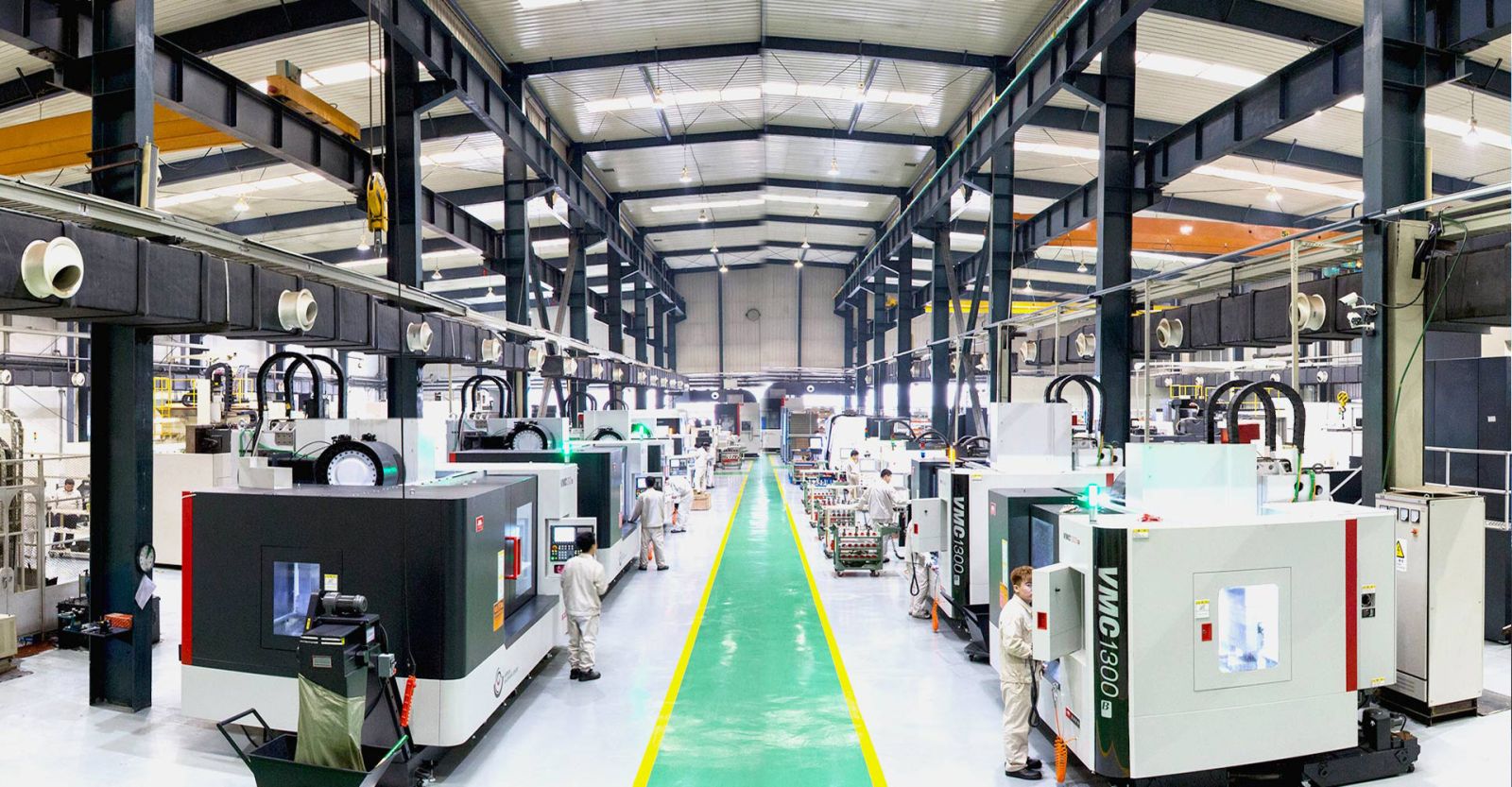
Contact us today for a competitive quote and technical support!
Let Yichou help you achieve excellence in your next project. Whether you need raw materials, custom alloy solutions, or precision-manufactured components, our team is ready to assist.
- Email us: [email protected]
- Call us/whatsapp: +86 13355741031
- Chat with us: Live chat support available on our website