Nickel-based superalloys including Inconel, Monel, and Hastelloy represent the pinnacle of corrosion-resistant and high-temperature material engineering. These specialized alloys serve demanding applications in aerospace, chemical processing, marine, and nuclear industries where conventional materials fail. Understanding the distinct characteristics, compositions, and applications of these high-performance alloys enables informed material selection for challenging environments.
Each nickel alloy family offers unique property combinations optimized for specific aggressive conditions. Inconel excels in high-temperature strength and oxidation resistance, Monel provides exceptional seawater and reducing acid resistance, while Hastelloy delivers supreme corrosion resistance in the most aggressive chemical environments. This comprehensive technical guide explores these remarkable materials and their appropriate applications.
Inconel Alloys: High-Temperature Performance
Inconel encompasses a family of nickel-chromium-based superalloys designed for exceptional high-temperature strength and oxidation resistance. The most common grade, Inconel 625 (UNS N06625), contains approximately 58% nickel, 21% chromium, and 9% molybdenum, with niobium providing additional strengthening through precipitation hardening. This composition delivers outstanding tensile and creep strength at temperatures exceeding 1000°C while maintaining corrosion resistance in oxidizing and reducing environments.
The mechanical properties of Inconel 625 make it indispensable for aerospace engine components, gas turbine blades, and exhaust systems where temperatures exceed the capability of conventional materials. The alloy maintains its strength over extended service periods at elevated temperatures while resisting oxidation and carburization that would rapidly degrade lesser materials. Nuclear industry applications utilize Inconel for reactor core components, control rod hardware, and spent fuel handling equipment where radiation resistance complements high-temperature performance.
Chemical processing equipment frequently employs Inconel 625 for heat exchangers, reactor vessels, and piping systems handling corrosive chemicals at elevated temperatures. The alloy's resistance to chlorides, sulfur compounds, and oxidizing acids enables reliable service in challenging process environments. Additional Inconel grades including 718, 600, and X-750 provide optimized properties for specific temperature and strength requirements.
Monel Alloys: Seawater Resistance
Monel alloys are nickel-copper compositions offering exceptional resistance to seawater and various chemical environments. Monel 400 (UNS N04400) contains approximately 67% nickel and 28% copper with small iron and manganese additions, providing excellent resistance to flowing and stagnant seawater, hydrofluoric acid at all concentrations, and many organic acids. This combination of corrosion resistance and mechanical properties makes Monel the traditional choice for marine hardware, propeller shafts, and seawater piping.
The mechanical properties of Monel 400 include yield strength of approximately 240 MPa and ultimate tensile strength exceeding 550 MPa in the annealed condition, combined with excellent ductility. The alloy work hardens readily, enabling strength improvement through cold working while maintaining corrosion resistance. Monel K-500 (UNS N05500) adds aluminum and titanium for precipitation hardening capability, achieving yield strength exceeding 700 MPa while retaining excellent corrosion resistance.
Marine applications dominate Monel usage, with propeller shafts, pump shafts, seawater valves, and underwater hardware benefiting from its resistance to seawater corrosion and erosion. Chemical processing equipment including pump impellers, valve stems, and process piping utilizes Monel for handling fluoride compounds, sulfuric acid, and other aggressive chemicals. The alloy's resistance to stress corrosion cracking in chloride environments exceeds that of many stainless steels.
Hastelloy Alloys: Ultimate Corrosion Resistance
Hastelloy represents the most corrosion-resistant nickel alloy family, designed for the most aggressive chemical environments encountered in industrial processing. The original Hastelloy B (UNS N10001) provides excellent resistance to reducing acids including hydrochloric acid at all concentrations and temperatures. Modern derivatives including C-276 (UNS N10276) and C-22 (UNS N06022) offer broader corrosion resistance including oxidizing environments while maintaining resistance to reducing conditions.
Hastelloy C-276 contains approximately 57% nickel, 15% chromium, 16% molybdenum, and 5% tungsten, providing resistance to pitting, crevice corrosion, and stress corrosion cracking in chloride-containing environments. This alloy handles mixed acid solutions, chlorine dioxide, and oxidizing acid contaminants that rapidly attack stainless steels. The exceptional versatility of C-276 makes it the most widely used Hastelloy grade across chemical processing applications.
Corrosion resistance of Hastelloy alloys depends critically on proper material selection for specific chemical environments. Different grades optimize performance for particular exposure conditions, and consultation with material suppliers or corrosion engineers is recommended for critical applications. The premium cost of Hastelloy compared to stainless steels or other nickel alloys is justified by extended service life in aggressive environments where cheaper materials would require frequent replacement.
Machining Challenges and Solutions
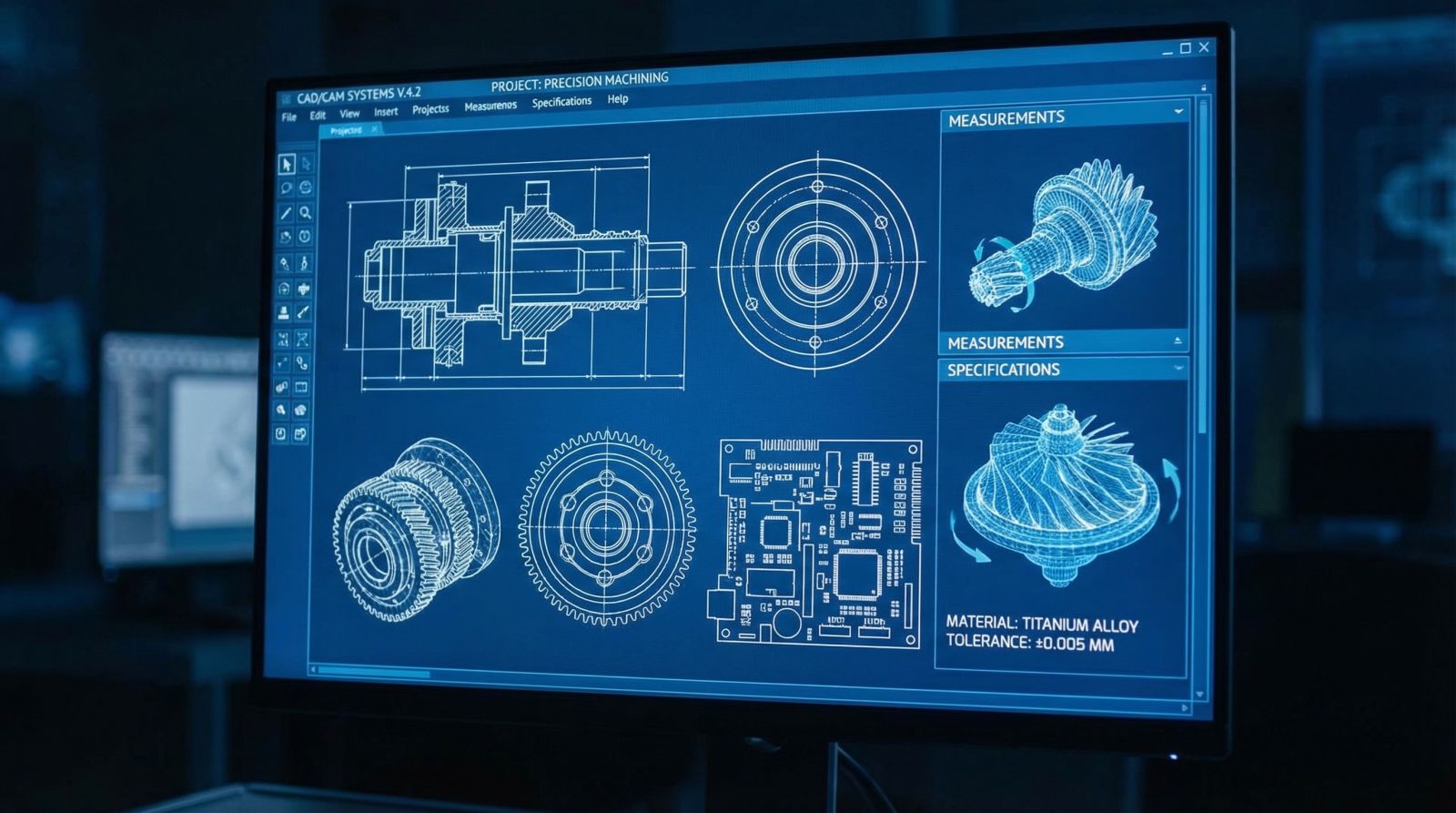
Machining Inconel, Monel, and Hastelloy presents significant challenges requiring specialized approaches, tooling, and parameters. These alloys work harden rapidly, generate high cutting temperatures, and exhibit stringy chip formation that complicates chip evacuation. The combination of high strength at elevated temperatures and abrasive alloying elements accelerates tool wear, particularly when using inappropriate tooling or parameters.
Tool selection for nickel alloy machining requires premium carbide grades with specialized coatings. PVD-coated tools, particularly those with AlTiN or TiAlN coatings, provide improved heat resistance and wear resistance compared to uncoated carbide. Ceramic tools may be appropriate for certain finishing operations where thermal shock can be managed. Cubic boron nitride (CBN) tools enable high-speed roughing of aged Inconel where sufficient hardness has developed.
Cutting parameters for nickel alloys require lower speeds than steel or aluminum, typically 20-40 m/min for roughing with carbide tools. Reduced depth of cut and careful chip load management help control cutting temperatures while maintaining tool life. High-pressure coolant delivery is essential for heat removal and chip evacuation, with coolant composition selected to avoid chemical attack on the workpiece. Workpiece rigidity and machine tool stiffness significantly affect achievable results.
Material Selection Guidelines
Selecting between Inconel, Monel, and Hastelloy requires evaluation of specific environmental conditions, mechanical requirements, and cost considerations. Inconel should be selected for high-temperature applications where oxidation resistance and creep strength are primary requirements, particularly above 600°C. The alloy handles both oxidizing and reducing environments but is optimized for high-temperature service.
Monel is the appropriate choice for seawater service and applications requiring resistance to hydrofluoric acid or reducing conditions at moderate temperatures. The excellent ductility and formability of Monel enable complex fabrications that would be difficult with more specialized alloys. Cost is moderate compared to other nickel alloys, though higher than stainless steel alternatives.
Hastelloy provides maximum corrosion resistance for the most aggressive chemical environments, particularly mixed acid solutions, chlorine-bearing chemicals, and highly chlorinated conditions. The higher cost of Hastelloy is justified when superior corrosion resistance enables reliable long-term service where other materials fail. C-276 offers the broadest capability for mixed exposure conditions.
Partner with Yichou for Nickel Alloy Machining
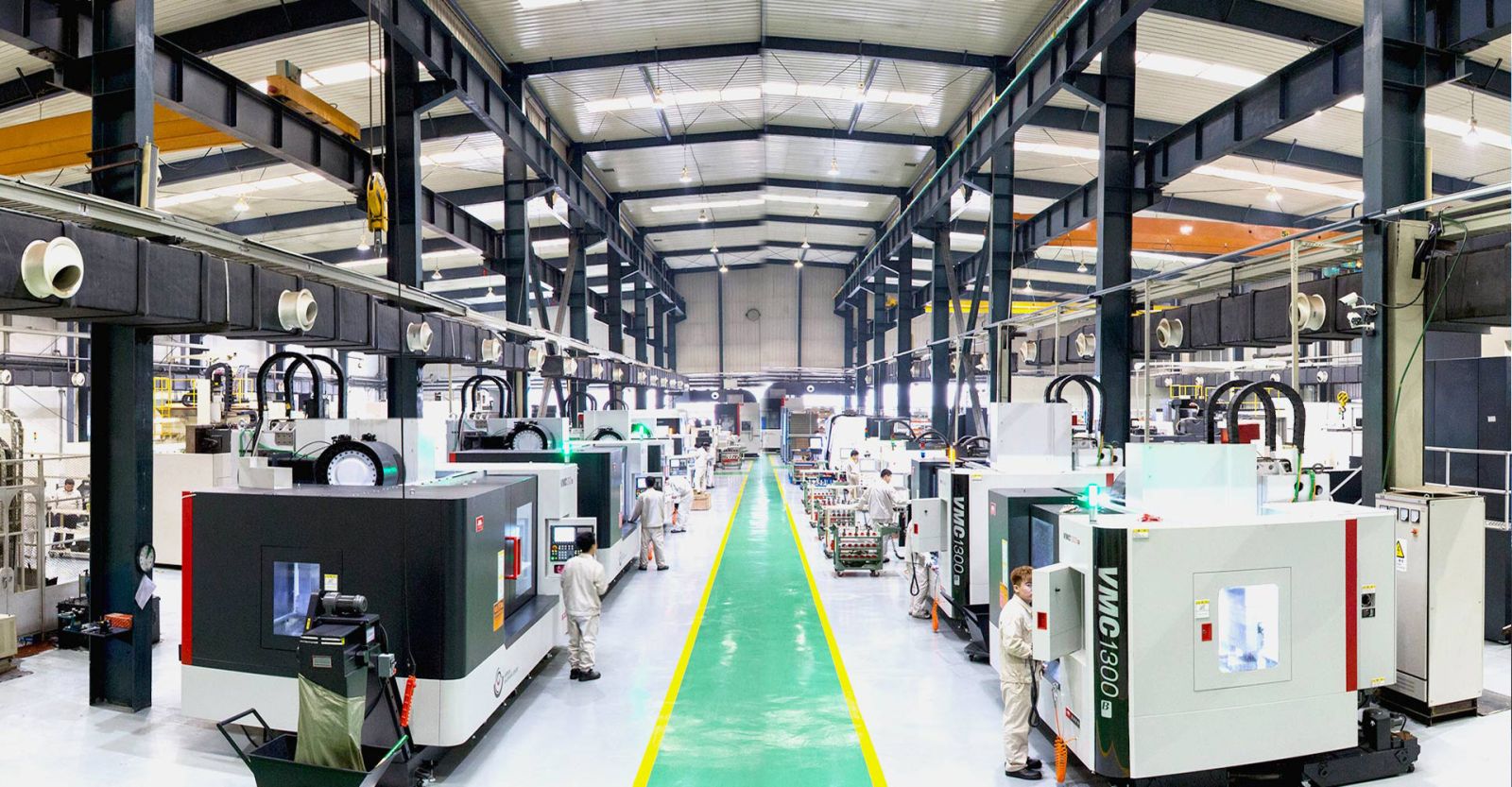
Ningbo Yichou Industrial Co., Ltd. provides comprehensive CNC machining capabilities for Inconel, Monel, Hastelloy, and other high-performance nickel alloys. Their team of experienced technicians understands the unique challenges of machining these difficult materials and applies optimized parameters to deliver quality components. Equipment capabilities include rigid machine tools, specialized tooling, and high-pressure coolant systems appropriate for nickel alloy processing.
Yichou's quality systems ensure consistent results through proper process control and inspection. Their engineering team provides design for manufacturability feedback to optimize component designs for successful nickel alloy machining. Comprehensive documentation supports aerospace, medical, and industrial applications with quality requirements.
Contact Yichou today to discuss your Inconel, Monel, or Hastelloy machining requirements. Their experienced team will help you select appropriate materials and manufacturing approaches for your demanding applications.
Contact us today for a competitive quote and technical support!
Let Yichou help you achieve excellence in your next project. Whether you need raw materials, custom alloy solutions, or precision-manufactured components, our team is ready to assist.
- Email us: [email protected]
- Call us/whatsapp: +86 13355741031
- Chat with us: Live chat support available on our website