Introduction
Manufacturing machine parts are essential components that keep industries running smoothly. From automotive to aerospace, medical to energy, these precision-engineered parts ensure efficiency, durability, and performance in machinery.
At YICHOU, we specialize in manufacturing high-quality machine parts with strict precision and reliability. As a trusted machine parts manufacturer, we serve industries worldwide, providing custom solutions tailored to specific needs.
This guide is designed to help procurement professionals, engineers, and buyers understand machine parts, their applications, and how to choose the right supplier. Whether you need CNC-machined components, castings, or custom tooling, we’ll help you make informed decisions for your supply chain.
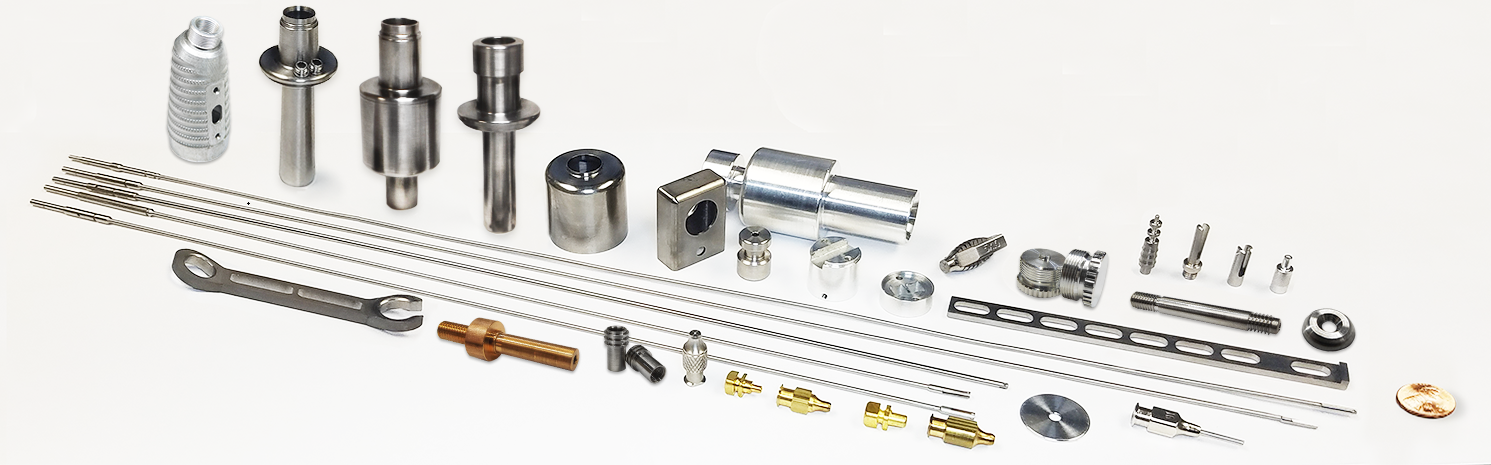
2. Understanding Machine Parts: Key Questions Answered
This section addresses the most common questions procurement professionals and engineers ask about machine parts and manufacturing processes.
A. Basics of Machine Parts
What are the basic parts of a machine?
Every machine consists of fundamental components that work together to perform specific functions. The most essential parts include:
-
Gears: Transfer motion and power between machine parts
-
Bearings: Reduce friction between moving components
-
Shafts: Rotating elements that transmit power
-
Fasteners: Bolts, nuts and screws that hold parts together
-
Housings: Protective enclosures for internal mechanisms
-
Seals: Prevent leakage of fluids and contaminants
What are the six main simple machines?
These fundamental mechanical devices form the basis for more complex machinery:
-
Lever: A rigid bar that pivots on a fulcrum
-
Pulley: A wheel with a grooved rim for ropes or belts
-
Wheel and axle: A circular frame revolving on a central axis
-
Inclined plane: A sloping surface that reduces force needed
-
Wedge: Used to split, lift, or tighten components
-
Screw: An inclined plane wrapped around a cylinder
What is an example of a machine part?
Common examples we manufacture at YICHOU include:
-
CNC-machined gears for automotive transmissions
-
Precision hydraulic pistons for industrial equipment
-
Custom bearing housings for aerospace applications
-
Stainless steel shafts for food processing machinery
B. Types of Machine Tools & Components
What are the 7 basic types of machine tools?
-
Lathes: For cylindrical part production
-
Milling machines: For complex shaping and cutting
-
Grinders: For high-precision surface finishing
-
Drills: For creating precise holes
-
Boring machines: For enlarging existing holes
-
Planers: For flat surface machining
-
Shapers: For linear cutting operations
What are the five basic elements of a machine tool?
-
Bed: The base that supports all components
-
Headstock: Contains the main spindle and drive mechanism
-
Tailstock: Supports the workpiece opposite the headstock
-
Carriage: Moves the cutting tool along the workpiece
-
Tool post: Holds and positions cutting tools
What are the major components of a lathe machine?
[Image placeholder: Detailed lathe machine diagram]
-
Headstock with spindle
-
Tailstock for workpiece support
-
Carriage assembly
-
Cross-slide and compound rest
-
Tool turret or post
-
Lead screw and feed rod
-
Bed ways for guidance
-
Chuck or faceplate for workpiece holding
C. Manufacturing & Machining Processes
What is the difference between manufacturing and machining?
Manufacturing is the broad process of converting raw materials into finished products, which may include assembly, joining, and finishing. Machining specifically refers to the subtractive process of removing material to create precise shapes and features.
What are the 7 steps of manufacturing?
-
Product design and prototyping
-
Material selection and procurement
-
Process planning
-
Production (machining, forming, casting)
-
Quality control and inspection
-
Assembly and finishing
-
Packaging and distribution
What is machining in manufacturing?
Machining is a subtractive manufacturing process where material is removed from a workpiece using cutting tools to achieve desired dimensions and surface finish. Common machining operations include turning, milling, drilling, and grinding.
What are the parts of machining operations?
Key elements include:
-
Workpiece: The material being machined
-
Cutting tool: The device that removes material
-
Machine tool: The equipment that performs the operation
-
Fixtures: Devices that hold the workpiece
-
Coolant system: For temperature control and chip removal
-
Control system: Manual or CNC operation
D. Industrial Machinery & Equipment
What machinery is used in manufacturing?
Modern manufacturing facilities utilize:
-
CNC machines (mills, lathes, routers)
-
Injection molding machines
-
Stamping presses
-
3D printers
-
Robotic assembly systems
-
Welding equipment
-
Inspection and measurement devices
What is manufacturing equipment?
This refers to all machinery, tools, and devices used in production processes, including:
-
Primary processing equipment
-
Material handling systems
-
Assembly line components
-
Quality control instruments
-
Packaging machines
What is considered tooling in manufacturing?
Tooling encompasses all devices and accessories needed for production:
-
Cutting tools (end mills, drills, inserts)
-
Dies and molds
-
Jigs and fixtures
-
Gauges and measuring tools
-
Workholding devices
-
Custom tooling for specialized operations
3. Why Choose YICHOU as Your Machine Parts Manufacturer?
When sourcing precision machine parts, selecting the right manufacturing partner is critical to your operation's success. Here's why global buyers consistently choose YICHOU for their machine part requirements:
Unmatched Precision Engineering Capabilities
-
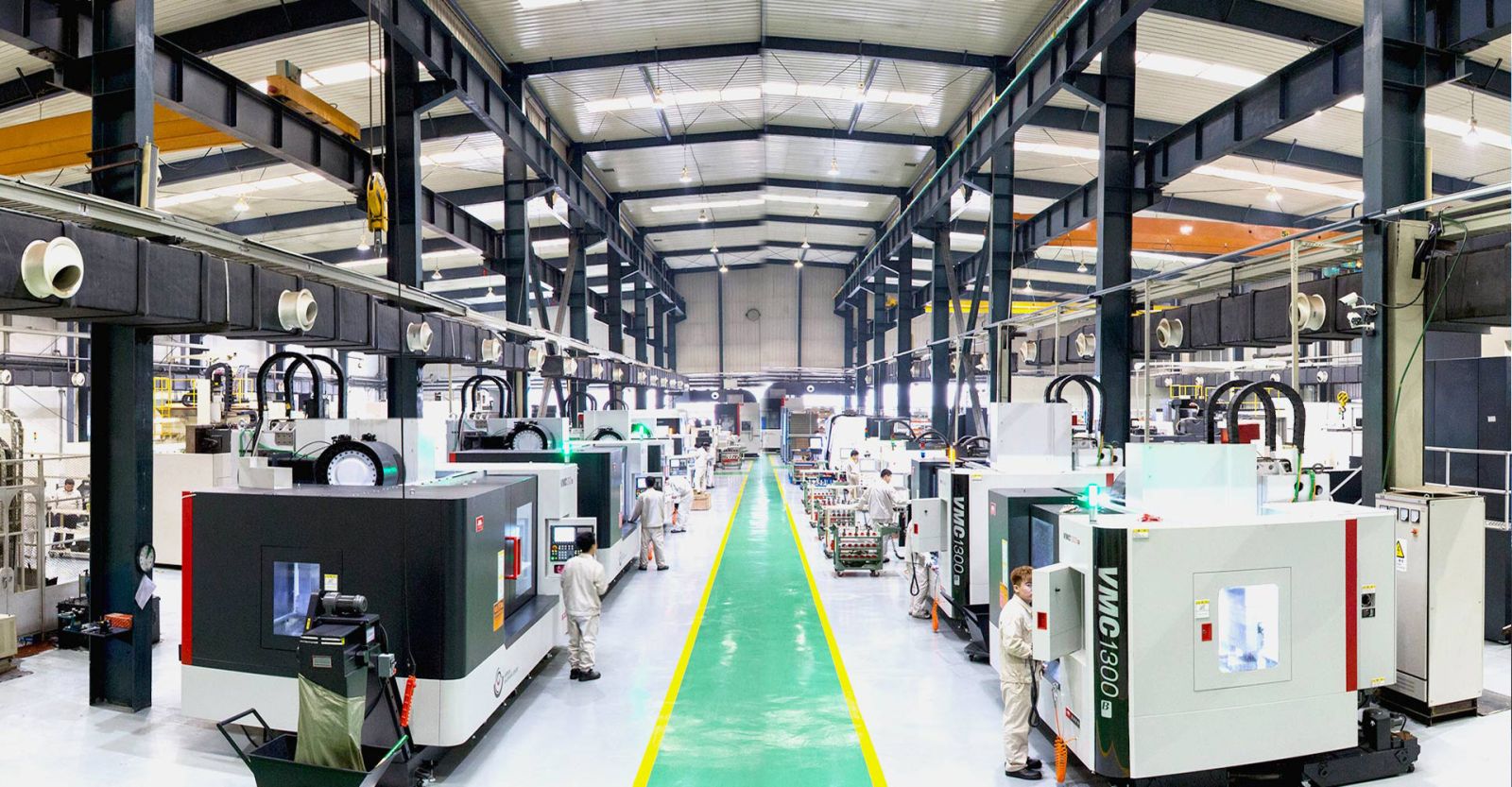
Advanced CNC Machining: Our state-of-the-art CNC centers maintain tolerances to ±0.005mm for critical dimensions
-
Comprehensive Forming Processes: Capabilities include precision casting (investment/sand/die), forging (hot/cold), and stamping
-
Multi-Axis Machining: 5-axis CNC machining for complex geometries in single setups
-
Specialized Finishing: Grinding, honing, lapping, and superfinishing for superior surface quality
Extensive Material Expertise
We work with all industry-standard and specialty materials:
| Material Type | Common Grades | Applications |
|---|---|---|
| Stainless Steel | 303, 304, 316, 17-4PH | Corrosion-resistant components |
| Aluminum Alloys | 6061, 7075, 2024 | Aerospace & automotive parts |
| Titanium | Grade 2, 5, 23 | Medical implants & defense |
| Tool Steels | D2, A2, H13 | Molds & dies |
| Exotic Alloys | Inconel, Hastelloy | Extreme environment parts |
| Plastics | PEEK, Delrin, UHMW | Low-friction applications |
Custom material sourcing available for specialized requirements
Rigorous Quality Assurance System
-
ISO 9001:2015 Certified quality management system
-
First Article Inspection (FAI) for all new parts
-
Statistical Process Control (SPC) for production monitoring
-
Full Traceability with material certifications
-
Advanced Metrology including CMM, optical comparators, and surface roughness testers
-
PPAP Documentation available for automotive customers
Custom Manufacturing Solutions
We specialize in supporting customers with:
-
OEM/ODM Services: From concept to finished product
-
Reverse Engineering: For legacy part reproduction
-
Low-Volume Prototyping: As few as 1-50 pieces
-
High-Volume Production: Millions of annual parts
-
Value Engineering: Cost reduction without quality compromise
-
Assembly Services: Kitting and sub-assembly options
Reliable Global Supply Chain
-
15-30 Day Standard Lead Times for most orders
-
Expedited Services available for urgent needs
-
Competitive MOQs with no minimum for established partners
-
Dual-Sourcing Options for supply chain redundancy
-
Global Logistics Network with FOB, CIF, and DDP options
-
Inventory Management Programs for high-use components
[Insert Quality Assurance Infographic Here]
Proven Industry Experience:
✔ 12+ years specializing in precision machine parts
✔ 200+ satisfied global customers
✔ 98.7% on-time delivery rate
✔ 99.2% quality acceptance rate
Whether you need standard replacement parts or completely custom-designed components, YICHOU has the technical expertise, quality systems, and manufacturing capacity to be your trusted long-term partner. Our engineering team is ready to collaborate on your most challenging part requirements.
4. Applications of Machine Parts Across Industries
At YICHOU, we engineer precision machine components that power critical operations across multiple sectors. Here's how our parts drive innovation in key industries:
Automotive Manufacturing
-
Key Components: Transmission gears, engine valves, suspension parts
-
YICHOU Advantage: High-volume production with PPAP documentation
-
Case Example: Supplied 500,000+ fuel injection components annually to Tier 1 supplier
Aerospace & Defense
-
Key Components: Turbine blades, landing gear parts, actuator components
-
YICHOU Advantage: AS9100-compliant manufacturing with full material traceability
-
Case Example: Developed lightweight aluminum housings reducing component weight by 22%
Medical Equipment
-
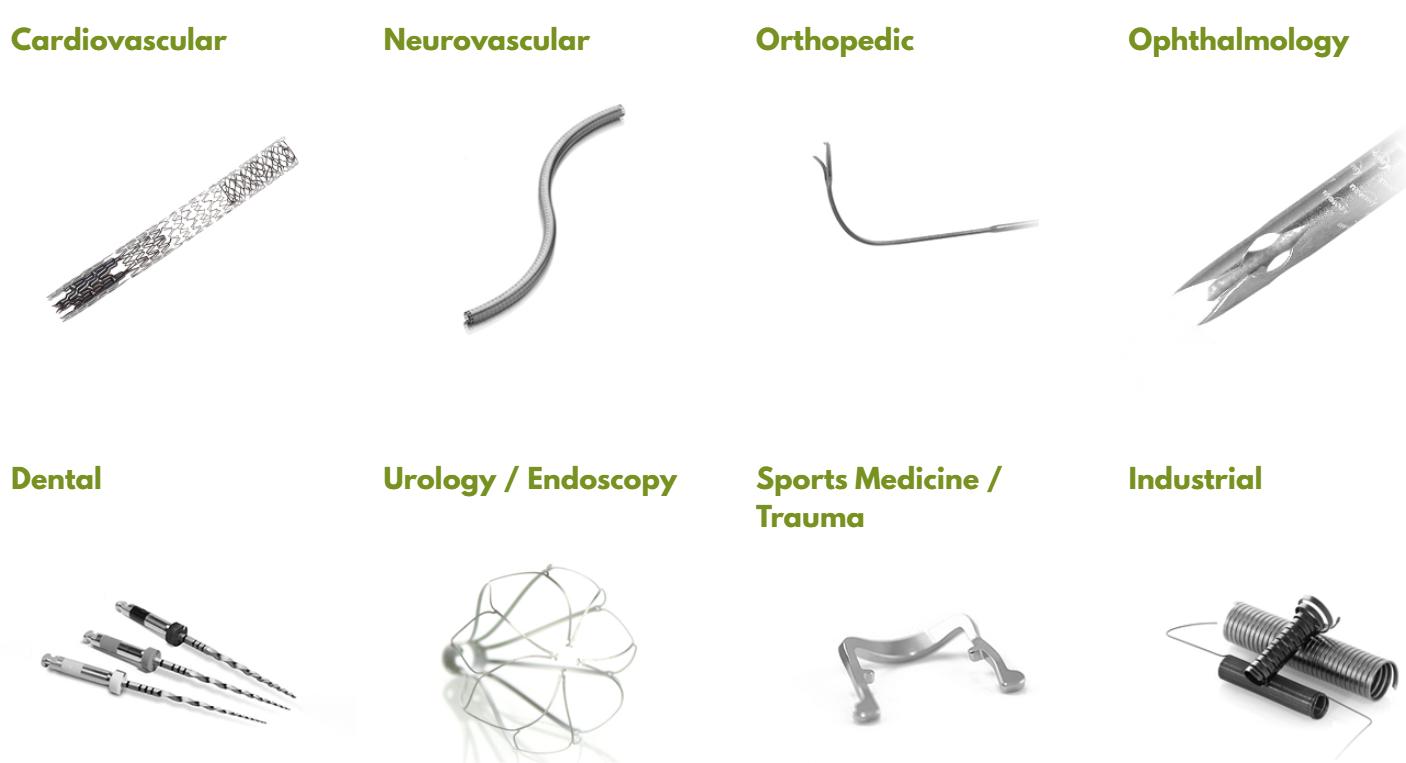
Key Components: Surgical instrument parts, implantable components
-
YICHOU Advantage: ISO 13485 certified cleanroom machining
-
Case Example: Achieved 0.1μm surface finish for titanium orthopedic implants
Energy Sector
-
Key Components: Valve bodies, pump components, turbine parts
-
YICHOU Advantage: Corrosion-resistant alloys for extreme environments
-
Case Example: Custom-designed drilling components with 3x service life
Industrial Robotics
-
Key Components: Harmonic drives, actuator parts, sensor mounts
-
YICHOU Advantage: High-precision (<5μm) components for smooth motion control
[Insert Industry Applications Infographic]
5. How to Choose the Right Machine Parts Supplier
Selecting a manufacturing partner requires careful evaluation of these critical factors:
Key Selection Criteria
| Factor | What to Look For | Why It Matters |
|---|---|---|
| Quality Systems | ISO certifications, QC processes, inspection reports | Ensures consistent part quality |
| Technical Capability | Equipment list, engineering team, material expertise | Handles complex requirements |
| Production Capacity | Facility size, workforce, shift patterns | Meets volume demands |
| Supply Chain Reliability | Raw material sources, lead time consistency | Prevents production delays |
| Cost Competitiveness | Transparent pricing, value-added services | Maximizes ROI |
| After-Sales Support | Warranty terms, technical assistance | Provides long-term security |
Why YICHOU Outperforms Competitors
-
End-to-End Solutions
-
Single-source responsibility from prototyping to mass production
-
Dedicated engineering support at every stage
-
-
Technology Advantage
-
50+ CNC machines including Swiss-type lathes and 5-axis mills
-
In-house tooling department for faster turnaround
-
-
Quality Leadership
-
100% first-article inspection
-
Automated SPC monitoring for critical dimensions
-
-
Customer-Centric Approach
-
24/7 project management support
-
Flexible order quantities from prototype to bulk
-
-
Proven Track Record
-
12 years defect-free deliveries to Fortune 500 companies
-
40% repeat business rate from existing customers
-
Supplier Comparison Checklist:
✅ Request and compare quality certifications
✅ Evaluate sample parts before full order
✅ Verify production capacity for your volumes
✅ Assess communication responsiveness
✅ Review customer references in your industry
6. Frequently Asked Questions About Machine Parts Manufacturing
Industrial Manufacturing Insights
Q: What is industrial equipment manufacturing?
A: Industrial equipment manufacturing involves producing heavy-duty machinery and systems used in production facilities, including:
-
Assembly line systems
-
Material handling equipment
-
Processing machinery
-
Packaging systems
-
Industrial robots
YICHOU specializes in manufacturing precision components for all these equipment types, with particular expertise in wear-resistant parts for heavy industrial use.
Q: Who is the largest producer of machine tools in the world?
A: As of 2024, the top machine tool manufacturers globally include:
-
Yamazaki Mazak (Japan)
-
DMG Mori (Germany/Japan)
-
Trumpf (Germany)
-
Amada (Japan)
-
Haas Automation (USA)
*YICHOU partners with many of these manufacturers to produce high-precision replacement parts and custom components, often at 30-50% lower cost than OEM prices.*
Q: What are examples of industrial machinery manufacturing?
A: Common examples include:
-
CNC machine tools
-
Injection molding machines
-
Industrial compressors
-
Hydraulic presses
-
Turbines and generators
-
Conveyor systems
[Insert FAQ Visual: "Did You Know?" infographic about industrial machinery facts]
7. Conclusion & Next Steps
Why Precision Machine Parts Matter
In today's competitive industrial landscape, the quality of your machine components directly impacts:
✔ Production uptime and efficiency
✔ Product consistency and quality
✔ Maintenance costs and service life
✔ Overall operational safety
Your Trusted Manufacturing Partner
At YICHOU, we combine advanced manufacturing technologies with rigorous quality control to deliver:
-
Precision components with tolerances up to ±0.005mm
-
Custom solutions for unique applications
-
Reliable supply chain with global logistics support
-
Cost-effective alternatives to OEM parts
Get Quote
- Visit our website: https://www.nbyichou.com/
- Email us: [email protected]
- Call us/whatsapp: +86 13355741031
- Chat with us: Live chat support available on our website