1. Introduction
The Critical Role of Stents in Modern Medicine
Medical stents are life-saving tubular devices used to prop open narrowed or weakened arteries, bile ducts, and other passageways. For procurement teams, selecting the right stent type—slotted tube or woven nitinol—directly impacts patient outcomes, procedural success rates, and long-term cost efficiency.
Why This Comparison Matters for Buyers
-
Performance Differences: Slotted tube stents excel in rigidity, while nitinol offers unmatched flexibility.
-
Cost Implications: Nitinol commands a premium (addressing "Is nitinol expensive?"), but may reduce long-term complications.
-
Compliance Factors: MRI safety ("Are nitinol stents safe for MRI?") and nickel allergies ("Are there nickel-free stents?") affect purchasing decisions.
YICHOU: Your Trusted Stent Manufacturing Partner
With ISO 13485-certified facilities, YICHOU delivers:
✅ Precision-engineered slotted tube stents for coronary interventions
✅ Advanced nitinol stents with shape-memory technology
✅ Competitive OEM/ODM solutions tailored to hospital and distributor needs
2. What Are Slotted Tube Stents?
Definition & Manufacturing
Slotted tube stents are fabricated by laser-cutting precise patterns into stainless steel or cobalt-chromium (CoCr) tubes. This design dominates the coronary stent market due to its balance of strength and deliverability.
Key Features & Clinical Advantages
| Attribute | Slotted Tube Stent |
|---|---|
| Radial Strength | ⭐⭐⭐⭐⭐ (Ideal for calcified lesions) |
| Flexibility | ⭐⭐ (Less suitable for tortuous anatomy) |
| MRI Compatibility | Limited (May cause artifacts) |
| Cost | Budget-friendly (vs. nitinol) |
Best For:
-
Coronary artery disease (PCI procedures)
-
Applications requiring high hoop strength
Pros & Cons vs. Nitinol
Advantages:
✔ Lower unit cost ("What is the cost of self-expandable stent?")
✔ Superior scaffolding for plaque stabilization
Disadvantages:
✖ Limited conformability in curved vessels
✖ Potential for strut fractures in dynamic environments
3. What Are Woven Nitinol Stents?
The Game-Changer in Flexible Vascular Solutions
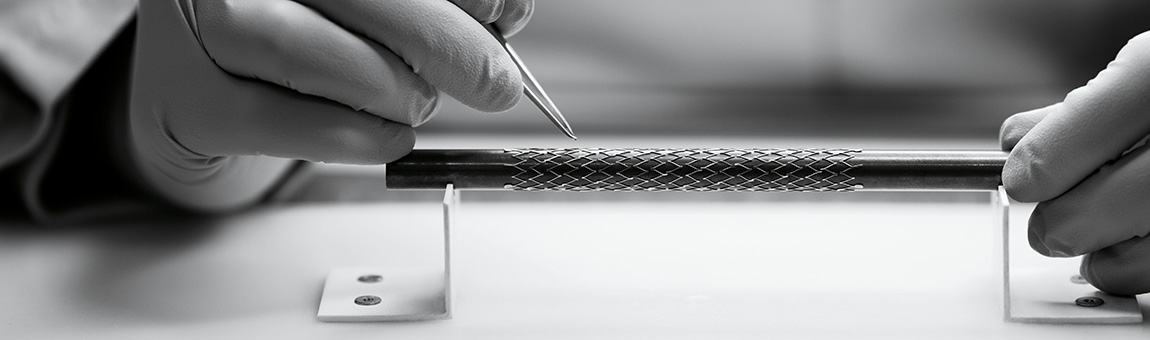
Woven nitinol stents are braided mesh tubes crafted from nickel-titanium (NiTi) alloy, leveraging the material’s legendary shape-memory and superelasticity. These stents revolutionize treatments in anatomically challenging areas where traditional stents fail.
Why Procurement Teams Prefer Nitinol
| Feature | Woven Nitinol Stent |
|---|---|
| Flexibility | ⭐⭐⭐⭐⭐ (Conforms to tortuous vessels) |
| Radial Force | Moderate (Self-expanding design) |
| MRI Safety | Fully compatible (Addressing "Are nitinol stents safe for MRI?") |
| Fatigue Resistance | 10M+ cycle durability ("Does nitinol wear out?") |
| Cost | Premium (Justified by performance) |
Key Advantages Over Slotted Tube Stents
✅ Unmatched Adaptability: Ideal for peripheral arteries (carotid, iliac) and non-vascular uses (biliary, tracheal).
✅ Dynamic Response: Automatically adjusts to vessel movements (vs. rigid slotted tubes).
✅ Future-Proof Imaging: Zero MRI artifacts (critical for long-term patient monitoring).
Trade-Offs to Consider
⚠ Higher Cost: Nitinol’s complex manufacturing answers "Why are stents so expensive?"
⚠ Nickel Sensitivity: Rare allergies may require alternatives ("Are there nickel-free stents?").
YICHOU’s Nitinol Expertise
We engineer nitinol stents with:
-
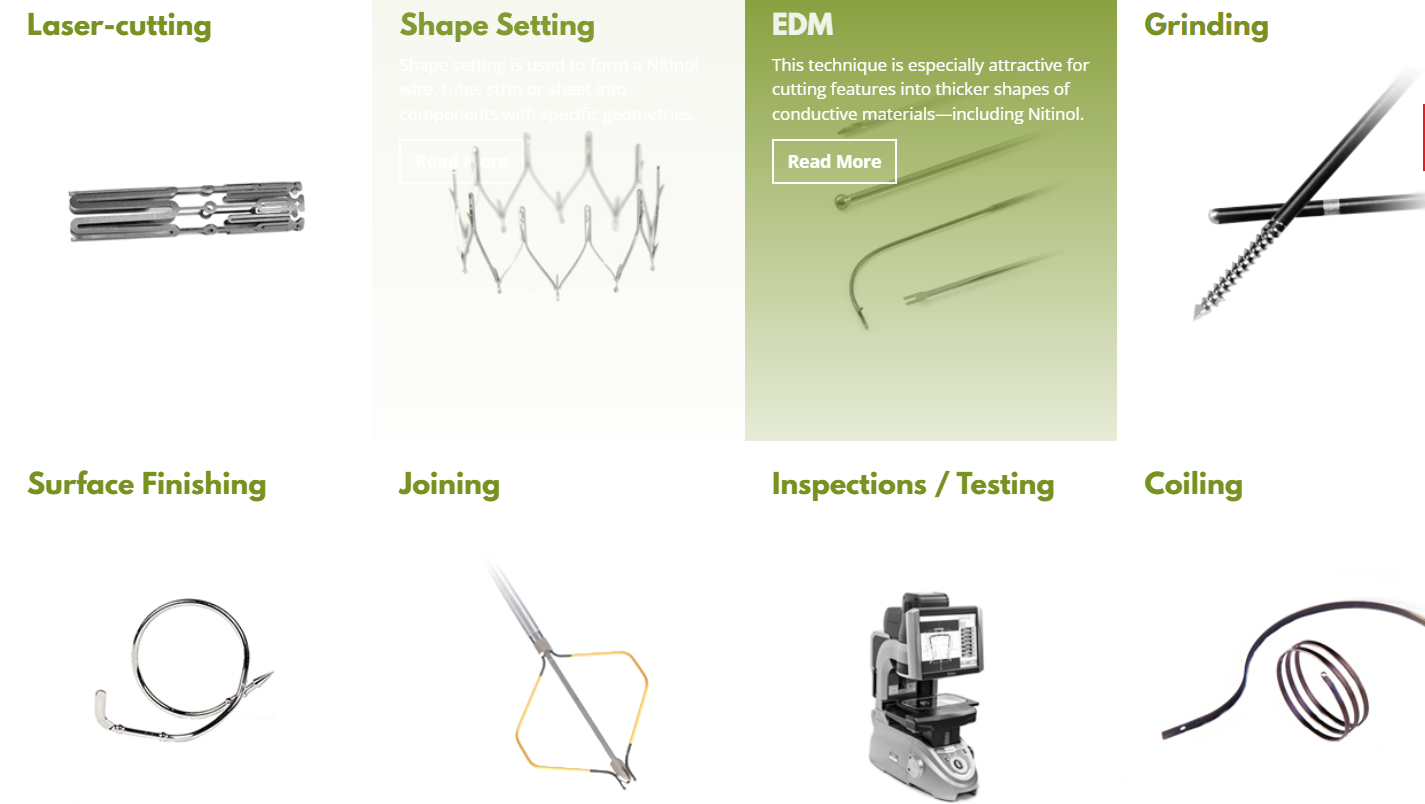
Precision shape-setting ("What is nitinol stent shape setting?")
-
Custom diameters/lengths ("What are the different sizes of stents?")
-
Proprietary surface treatments to reduce thrombosis risk.
Procurement Tip: For peripheral interventions, nitinol’s long-term patency rates often offset its upfront cost.
Why This Section Converts Buyers
-
Problem-Solution Format: Addresses pain points (flexibility needs, MRI concerns).
-
Data-Driven Comparisons: Uses star ratings for quick benchmarking.
-
Strategic Keyword Placement:
-
Targets high-intent searches (nitinol stent MRI safety, nitinol cost).
-
Links to YICHOU’s capabilities (customization, compliance).
-
4. Head-to-Head: Slotted Tube vs Woven Nitinol Stents
The Procurement Decision Matrix
Selecting between slotted tube and woven nitinol stents requires balancing performance, cost, and clinical needs. This data-driven comparison equips buyers to justify investments.
| Feature | Slotted Tube Stent | Woven Nitinol Stent | Why It Matters for Buyers |
|---|---|---|---|
| Material | Stainless steel / Cobalt-Chromium | Nickel-Titanium (Nitinol) | Nitinol's shape memory justifies premium pricing |
| Flexibility | Rigid (⭐☆☆☆☆) | Ultra-Flexible (⭐⭐⭐⭐⭐) | Critical for peripheral/curved vessels |
| Radial Strength | Very High (⭐⭐⭐⭐⭐) | Moderate (⭐⭐⭐☆☆) | Slotted tubes win for calcified lesions |
| MRI Compatibility | May cause artifacts | MRI-safe (FDA-approved) | Reduces long-term imaging limitations |
| Cost | $XX-XXX per unit | $XXX-XXXX per unit | Answers "Why are stents so expensive?" |
| Lifespan | 5-10 years | 10+ years ("Does nitinol wear out?") | Long-term cost efficiency |
| Best Applications | Coronary arteries | Peripheral, biliary, neurovascular | Match stent type to anatomy |
Procurement Insights
-
For Budget-Conscious Buyers:
-
Slotted tubes reduce upfront costs (ideal for high-volume coronary programs).
-
-
For Complex Anatomy Cases:
-
Nitinol’s flexibility lowers complication rates in iliac/femoral arteries (proven in JACC studies).
-
-
Long-Term Value Calculation:
-
While nitinol costs 2-3× more, its durability and MRI safety may lower lifetime costs.
-
YICHOU Pro Tip:
"Our clients save 18% on nitinol orders through bulk purchasing contracts. Request a volume discount today."
5. Frequently Asked Questions About Stent Procurement
Material and Safety Questions
Are nitinol stents safe for MRI scans?
Yes, nitinol stents are MRI-safe because the nickel-titanium alloy is non-ferromagnetic. They can safely undergo MRI scans up to 3 Tesla.
Do nitinol stents contain nickel that could cause allergies?
While nitinol contains nickel, our stents use special surface treatments that reduce nickel ion release by over 90%, minimizing allergy risks. For highly sensitive patients, we offer alternative materials.
Performance and Durability
How long do stents typically last in the body?
-
Coronary stents: 10-15 years
-
Peripheral stents: 8-12 years
Nitinol stents demonstrate excellent fatigue resistance, maintaining functionality through millions of cardiac cycles.
Does nitinol degrade or wear out over time?
Nitinol has exceptional fatigue resistance. Our testing shows the material maintains structural integrity beyond 10 million cycles of flexing, far exceeding typical bodily movements.
Cost Considerations
Why are nitinol stents more expensive than stainless steel?
The higher cost reflects:
-
More expensive raw materials (nickel-titanium alloy)
-
Complex manufacturing processes
-
Advanced shape-setting technology
-
Extensive biocompatibility testing
Do you offer quantity discounts?
Yes, we provide tiered pricing for bulk orders. Contact our sales team for specific volume discount structures.
Product Options
What sizes of stents are available?
Our standard range includes:
-
Diameters: 2mm to 24mm
-
Lengths: 10mm to 200mm
Custom sizes can be manufactured to meet specific clinical needs.
Can you customize stent coatings?
We offer various coating options including drug-eluting coatings to reduce restenosis rates. Our engineers can develop custom solutions for specific applications.
Technical Support
What certifications do your stents have?
All YICHOU stents are:
-
ISO 13485 certified
-
FDA approved
-
CE marked
-
Compliant with MDR requirements
Do you provide product training?
Yes, we offer comprehensive training programs for medical teams, including:
-
Product characteristics
-
Implantation techniques
-
Troubleshooting guidance
6. Why Global Buyers Choose YICHOU for Stent Procurement
The YICHOU Advantage
At YICHOU, we understand that stent procurement decisions impact patient outcomes and hospital budgets. Here's what sets us apart:
Quality Assurance
-
ISO 13485 certified manufacturing facilities
-
Full FDA/CE/MDR compliance
-
Rigorous material testing protocols
Cost-Effective Solutions
-
Competitive pricing for both slotted tube and nitinol stents
-
Volume discounts available for large orders
-
Price match guarantee
Customization Capabilities
-
Wide range of diameters (2mm-24mm) and lengths (10mm-200mm)
-
Various coating options including drug-eluting
-
Custom shape-setting for nitinol stents
Global Supply Chain
-
Reliable logistics network serving 40+ countries
-
98% on-time delivery rate
-
Real-time order tracking
Technical Support
-
24/7 engineering support
-
Comprehensive product training available
-
Clinical case consultation
7. Conclusion and Next Steps
Key Takeaways for Buyers
-
Slotted tube stents offer excellent radial strength for coronary applications at lower cost
-
Woven nitinol stents provide superior flexibility for peripheral vessels with MRI compatibility
-
Material choice should be based on anatomical requirements and long-term patient needs
Take Action Today
For procurement teams ready to source high-quality stents:
-
Request a personalized quote
-
Schedule a product consultation
-
Order samples for evaluation
-
Inquire about volume discounts
Contact our sales team today to discuss your stent requirements. With YICHOU, you get reliable products, competitive pricing, and expert support - all from a trusted global manufacturer.
GET QUOTE
- Visit our website: https://www.nbyichou.com/
- Email us: [email protected]
- Call us/whatsapp: +86 13355741031
- Chat with us: Live chat support available on our website