Meta Description: Looking for high-precision Wire EDM services? This comprehensive guide explains the Electrical Discharge Machining process, its advantages, applications, and how to choose the right EDM machining partner for your project.
Target Keywords: Wire EDM Services, Electrical Discharge Machining, EDM Machining
I. Introduction
In the world of precision manufacturing, there comes a point where conventional cutting methods simply reach their limits. When you're facing hardened tool steel, titanium alloys, or components requiring sharp internal corners with micron-level accuracy, traditional CNC milling and turning often fall short. This is where Electrical Discharge Machining (EDM) emerges as the hero of precision engineering.
Electrical Discharge Machining (EDM) , often referred to as spark machining, is a non-traditional manufacturing process that uses controlled electrical sparks to erode material from a workpiece. Unlike conventional machining that relies on mechanical force and sharp cutting tools, EDM harnesses thermal energy—generating intense heat up to 21,500°F (12,000°C)—to vaporize tiny amounts of conductive materials with exceptional precision.
Among the various EDM techniques, Wire EDM Services have become indispensable for industries demanding intricate geometries, burr-free finishes, and the ability to machine the toughest materials. Whether you're in aerospace, medical devices, automotive, or tool and die making, understanding the capabilities of Wire EDM can transform your approach to manufacturing complex components.
In this comprehensive guide, we'll explore the science behind EDM machining, dive deep into Wire EDM technology, compare different EDM types, examine real-world applications, and provide expert insights on selecting the right EDM Machining partner for your specific project requirements.
II. What is Electrical Discharge Machining (EDM)?
The Core Principle
At its heart, Electrical Discharge Machining is a thermal process that removes material through controlled electrical discharges. Imagine a series of rapid, high-frequency sparks jumping between an electrode and your workpiece—each spark generates intense localized heat that melts and vaporizes microscopic particles of material. The dielectric fluid surrounding the area immediately flushes away these eroded particles, cooling the zone and preparing it for the next spark.
This process repeats thousands of times per second, gradually shaping the workpiece with precision that traditional methods struggle to achieve. The key insight? There is absolutely no physical contact between the tool (electrode) and the workpiece. This non-contact nature eliminates mechanical stress, tool deflection, and vibration issues that plague conventional machining of delicate or thin-walled components.
Key Components of an EDM System
To understand how EDM machining achieves its remarkable precision, let's examine the four essential components that work in harmony:
1. Power Supply System
The pulse power supply is the brain of the operation, controlling discharge energy and optimizing processing efficiency. It generates high-frequency electrical pulses, typically lasting only microseconds, with precise intervals between discharges. Voltage typically ranges from 50V to 300V, while pulse frequency can be adjusted from 1kHz to 500kHz depending on whether you're roughing or finishing.
2. Electrode
The electrode carries the electrical charge and comes in various materials depending on the application. Copper electrodes offer excellent conductivity for high-precision work, graphite electrodes excel in high-current applications due to their temperature resistance, and tungsten-copper combinations handle the toughest materials like cemented carbides and nickel-based alloys.
3. Dielectric System
The dielectric fluid serves multiple critical functions: it insulates the electrode and workpiece until voltage builds sufficiently, cools the machined area, flushes away eroded particles, and helps control the spark discharge. For Wire EDM, deionized water is the preferred dielectric due to its high resistivity and cooling capacity, while sinker EDM typically uses oil-based dielectrics.
4. Servo Control System
Modern EDM machines employ CNC servo systems that maintain a precise gap (typically 5-50 micrometers) between electrode and workpiece. The system continuously monitors discharge conditions and adjusts feed rate in real-time—retracting if debris accumulation threatens a short circuit, advancing when the gap widens. This closed-loop control ensures consistent machining quality even during long, unattended operations.
EDM vs. Conventional Machining
| Aspect | EDM Machining | Conventional Machining (CNC Milling/Turning) |
|---|---|---|
| Cutting Force | Zero mechanical force; non-contact process | Significant cutting forces; can cause distortion in thin walls |
| Material Hardness | Cuts any conductive material regardless of hardness | Limited by tool hardness; struggles with hardened steels, titanium |
| Tool Wear | Minimal; wire is continuously renewed | Significant tool wear; requires frequent replacement |
| Internal Corners | Can achieve extremely sharp corners | Limited by tool radius; requires small endmills or EDM |
| Surface Finish | Burr-free; Ra as low as 0.05 μm with multiple passes | May leave machining marks; often requires secondary finishing |
| Material Removal Rate | Slower; best for precision work | Faster; ideal for high-volume material removal |
III. The Three Main Types of EDM Machining
While Wire EDM is our primary focus, understanding all three EDM types helps you appreciate when Wire EDM is the optimal choice and when alternative methods might better serve your needs.
1. Wire EDM (Electrical Discharge Machining)
Wire EDM, also known as wire erosion or wire cutting, uses a thin, continuously fed wire as the electrode to cut through conductive materials. Think of it as an ultra-precise electronic band saw—but one that never actually touches the material.
How It Works: A spool feeds brass or zinc-coated wire (typically 0.05mm to 0.35mm in diameter) through the workpiece, guided by precision CNC controls. The wire carries an electrical charge while the workpiece carries the opposite charge. Deionized water surrounds both, acting as the dielectric medium. As the wire approaches the workpiece, sparks jump the gap, eroding material along the programmed path.
The Multi-Pass Strategy: For high-precision work, Wire EDM employs multiple cutting passes:
-
Rough cut: Removes bulk material quickly, achieving tolerances around ±0.002 inches
-
Skim cuts (1-9 passes): Lower-power passes that remove minimal material (as little as 0.0025mm) to achieve exceptional surface finishes and tolerances down to ±0.0001 inches
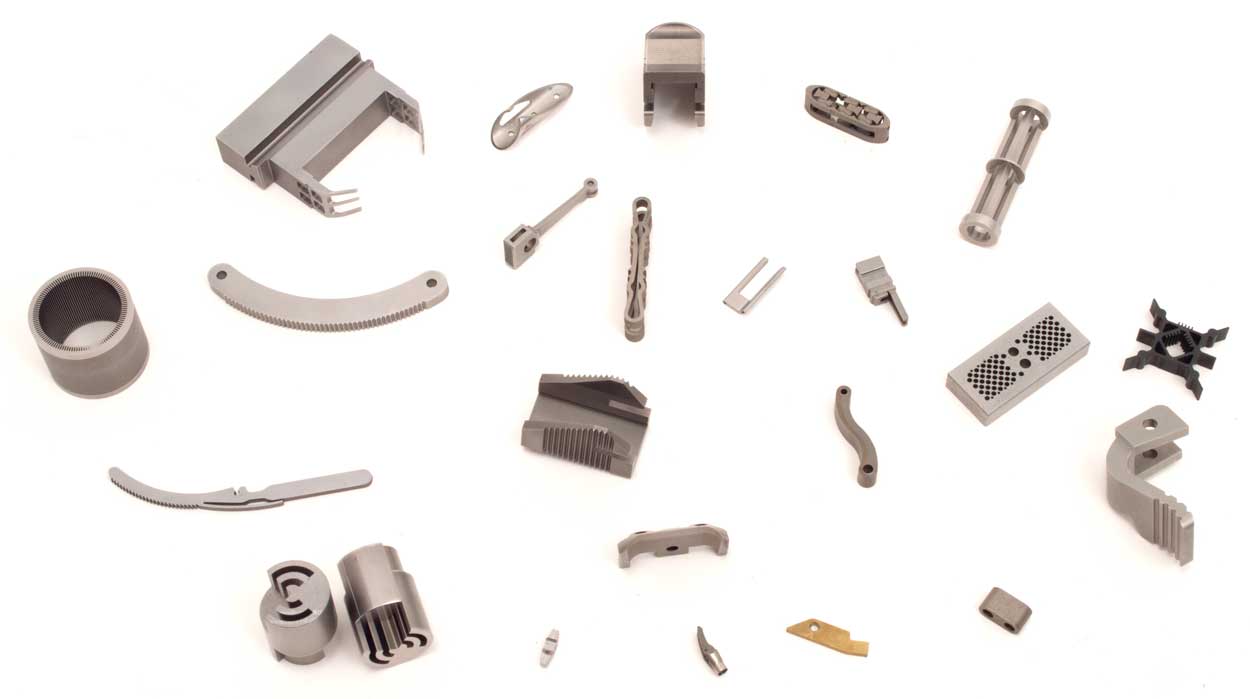
Best Applications: Through-hole cutting, extrusion dies, gears, medical implants, aerospace components, and complex contours in thick plates
2. Sinker EDM (Ram EDM)
Sinker EDM, also called conventional EDM or die-sinking EDM, uses a custom-shaped electrode to create cavities and complex internal features.
How It Works: A graphite or copper electrode is machined in the reverse shape of the desired cavity. This electrode is slowly lowered (sunk) into the workpiece while submerged in dielectric oil. Electrical discharges erode the workpiece material, creating an exact mirror image of the electrode shape.
Best Applications: Injection molds, die-casting dies, blind pockets, and complex 3D cavities where the feature doesn't go through the entire workpiece
3. Hole Drilling EDM (Hole Popper)
Hole drilling EDM specializes in creating very small, deep holes that would be impossible with conventional drilling.
How It Works: A rotating tubular electrode functions like a drill bit, but instead of mechanical cutting, electrical sparks erode the material. High-pressure dielectric fluid flushes through the electrode tube, removing debris and enabling deep hole drilling.
Best Applications: Cooling holes in turbine blades, fuel injector components, and starter holes for Wire EDM operations
IV. Deep Dive: Why Choose Wire EDM Services?
Now that we understand the fundamentals, let's explore why Wire EDM Services have become indispensable in modern precision manufacturing.
Unmatched Precision and Accuracy
When your project demands tolerances measured in tenths of thousandths of an inch, Wire EDM delivers. State-of-the-art Wire EDM machines achieve positioning accuracy of ±0.0001 inches (0.0025mm) consistently. This level of precision is essential for industries like aerospace, where component failure isn't an option, and medical devices, where human lives depend on perfect functionality.
But precision isn't just about numbers on a specification sheet—it's about repeatability. Wire EDM maintains this accuracy across entire production runs, whether you need one prototype part or thousands of production components.
Stress-Free Machining for Delicate Components
Because Wire EDM is a non-contact process, there is zero mechanical force exerted on the workpiece. This fundamental characteristic opens possibilities that conventional machining simply cannot match:
-
Thin walls: Machine delicate features as thin as 0.002 inches without distortion
-
Fragile parts: Cut intricate components that would shatter under cutting tool pressure
-
No work hardening: The process doesn't induce additional hardness in materials that are prone to work hardening during conventional cutting
Complex Geometries and Sharp Internal Corners
Every machinist knows the frustration of trying to achieve a sharp internal corner with an endmill—the tool radius always leaves a radius. Wire EDM eliminates this limitation entirely.
With wire diameters as small as 0.02mm (20 micrometers), Wire EDM can create inside radii down to 0.011mm (11 micrometers). This capability is transformative for:
-
Extrusion dies: Creating precise die openings with sharp corners
-
Tool and die making: Producing punch and die sets with minimal clearance
-
Gears: Cutting exact tooth profiles with proper root radii
Material Versatility: Cutting the Uncuttable
One of the most compelling advantages of EDM Machining is its ability to cut any conductive material regardless of hardness. While conventional tools dull and fail against hardened materials, Wire EDM cuts through them like butter:
-
Hardened tool steels (up to 65-70 HRC)
-
Titanium alloys used in aerospace and medical implants
-
Inconel and Hastelloy superalloys for high-temperature applications
-
Carbide and tungsten for wear-resistant components
-
Carbon graphite for specialized applications
This versatility means you can machine parts after heat treatment, eliminating the distortion risks associated with machining soft then hardening.
Superior Surface Finishes
Wire EDM produces surfaces that are completely free of burrs and directional machining marks. With multiple skim passes, surface finishes as fine as Ra 0.05 μm (2 microinches) are achievable—a mirror-like finish that often eliminates the need for secondary polishing operations.
For comparison, typical CNC milling produces finishes around Ra 1.6 μm, while grinding achieves Ra 0.4 μm. Wire EDM's ability to achieve sub-micron finishes directly from the machine saves time, labor, and cost.
Cost-Effectiveness for Complex Work
While Wire EDM may have a slower material removal rate than conventional machining for simple parts, it proves remarkably cost-effective for complex work. Consider these factors:
-
Stack cutting: Multiple thin plates can be stacked and cut simultaneously, producing many parts in one pass
-
No tooling costs: No expensive form tools or custom cutters required
-
Minimal secondary operations: Burr-free parts often ship directly from the machine
-
Reduced scrap: Precision programming and closed-loop control minimize errors
V. Technical Deep Dive: Factors Influencing Quality in EDM Machining
For those seeking to understand what separates exceptional Wire EDM Services from mediocre ones, this technical section explores the variables that influence final part quality.
The Skim Pass Strategy
As mentioned earlier, achieving the finest surface finishes and tightest tolerances requires multiple skim passes. Here's how the strategy works:
First Cut (Roughing): Uses higher power settings to remove material quickly. This pass establishes the basic shape but leaves a rougher surface with a noticeable recast layer—the thin layer of resolidified material on the cut edge.
Skim Passes (Finishing): Each subsequent pass uses progressively lower power settings and reduced flushing pressure. These passes remove minimal material—typically 0.0025mm to 0.05mm per pass—but dramatically improve surface finish and dimensional accuracy.
Number of Passes: While two skim passes suffice for most applications, achieving the finest finishes (Ra 0.05 μm) may require up to nine passes. Each additional pass adds time but delivers incremental improvements in surface quality.
Wire Selection Matters
The wire electrode is a consumable tool, and choosing the right wire for your application significantly impacts results:
Brass Wire: The most common and economical choice for general-purpose cutting. Good conductivity and reasonable wear characteristics make it suitable for most materials and applications.
Zinc-Coated Wire: The zinc coating improves flushability and allows faster cutting speeds, particularly in thick workpieces. The coating vaporizes during cutting, helping to stabilize the spark gap.
Diffusion-Annealed Wire: These specialty wires offer superior surface finishes and are ideal for finishing passes on demanding materials like aerospace superalloys.
Micro-Fine Wire: For micromachining applications, wires as small as 0.02mm (0.0008 inches) enable cutting of slots and features invisible to the naked eye.
Dielectric Fluid Dynamics
In Wire EDM, deionized water serves as the dielectric medium, and its properties directly affect machining performance:
Conductivity Control: The water's resistivity must be precisely maintained—typically above 1 MΩ·cm for stable machining. Too conductive, and the spark energy dissipates; too resistive, and spark initiation becomes erratic.
Flushing Pressure: Proper flushing removes debris from the cut zone. Insufficient pressure allows debris accumulation, leading to wire breakage or poor surface finish. Excessive pressure can cause wire vibration, reducing accuracy.
Temperature Stability: Maintaining consistent water temperature prevents thermal expansion of both workpiece and machine, preserving dimensional accuracy during long machining cycles.
Power Settings and Pulse Parameters
Modern CNC-controlled EDM machines offer extensive adjustability in power parameters:
Pulse On-Time: The duration of each electrical discharge. Longer on-time removes more material per spark but creates a rougher surface and thicker recast layer.
Pulse Off-Time: The pause between discharges. Sufficient off-time allows the dielectric to deionize and flush debris; insufficient off-time leads to unstable arcing.
Peak Current: The amperage of each discharge. Higher current increases material removal but also increases electrode wear and surface roughness.
Servo Voltage: Controls the spark gap distance. Higher voltage increases the gap, improving flushing but potentially reducing cutting speed.
Managing the Heat-Affected Zone
While Wire EDM is often called a "cold" process because it doesn't induce mechanical stress, it does generate localized heat. This creates a thin heat-affected zone (HAZ) or recast layer on the cut edge.
For most applications, this layer is negligible—typically 0.001mm to 0.005mm thick. However, for critical aerospace or medical components, specifications may require its removal. Strategies include:
-
Multiple skim passes to minimize recast layer thickness
-
Post-EDM electropolishing to remove any remaining recast material
-
Optimized power parameters to reduce thermal input
VI. Real-World Applications of Wire EDM
The true measure of any technology lies in its real-world applications. Let's explore how Wire EDM Services solve manufacturing challenges across diverse industries.
Aerospace Industry
Aerospace manufacturing demands uncompromising precision and reliability. Components must withstand extreme temperatures, pressures, and stresses while maintaining exact specifications.
Turbine Blades and Vanes: Modern jet engines operate at temperatures exceeding the melting point of their constituent materials—only possible because of intricate internal cooling channels. Wire EDM creates these cooling passages in superalloys like Inconel 718 and René 88, materials with hardness of 44-50 HRC that defeat conventional cutting tools.
Fir-Tree Root Forms: The complex dovetail attachments that secure turbine blades to disks require precise, stress-free profiles. Wire EDM cuts these forms without inducing micro-cracks or residual stresses that could lead to premature failure.
Structural Components: Satellite components, landing gear parts, and engine mounts all benefit from Wire EDM's ability to machine high-strength materials while maintaining tight tolerances.
Medical Device Manufacturing
In medical applications, precision literally saves lives. Wire EDM plays a crucial role in producing components for:
Surgical Instruments: From micro-scissors to complex laparoscopic tools, Wire EDM creates sharp, burr-free cutting edges and intricate mechanisms. The non-contact process ensures no contamination from tool materials.
Implants: Orthopedic implants like hip and knee replacements require exact geometries and surface finishes to integrate properly with bone. Wire EDM cuts titanium and cobalt-chrome alloys with the required precision.
Stents and Delivery Systems: Micro-wire EDM enables the creation of ultra-fine features in stents and the complex mechanisms of stent delivery systems.
Surgical Tooling: Molds for producing medical devices often incorporate complex cooling channels and ejection systems that Wire EDM creates with unmatched precision.
Automotive Industry
Modern vehicles incorporate increasing numbers of precision components, many benefiting from Wire EDM technology.
Gears and Transmission Components: Wire EDM produces prototype and low-volume production gears with exact tooth profiles, eliminating the need for expensive gear-cutting tooling.
Fuel Injection Systems: Diesel and gasoline direct injection systems require microscopic holes and precise metering geometries. Hole-drilling EDM creates these features, while Wire EDM produces the associated components.
Prototype Parts: Automotive development cycles demand rapid iteration. Wire EDM produces prototype components directly from CAD data without hard tooling, accelerating design validation.
Tool and Die Making
This remains one of the largest applications for Wire EDM, and for good reason.
Progressive Dies: Complex stamping dies for high-volume production require precise clearance, sharp corners, and exact alignment. Wire EDM cuts punch and die sets with the necessary precision, often achieving fits that require no hand finishing.
Injection Molds: Mold cores and cavities incorporate cooling lines, ejector pin holes, and complex parting lines. Wire EDM creates these features in hardened tool steel, ensuring mold longevity.
Extrusion Dies: The profiles for plastic extrusion, aluminum extrusion, and similar processes demand exact, smooth openings. Wire EDM produces these profiles directly, with taper capabilities for die design requirements.
Electronics Manufacturing
As electronic devices shrink, the components within them follow suit.
Connectors: High-density connectors require precise, burr-free contact points. Wire EDM produces the tooling that forms these connectors and, in some cases, the connectors themselves.
Semiconductor Components: Wafer handling equipment, test fixtures, and processing hardware often incorporate features best created by Wire EDM in specialized materials.
Microelectronics: With wire diameters down to 20 micrometers, Wire EDM creates features for microelectronic assemblies that would be impossible to machine conventionally.
VII. Advantages and Limitations of Wire EDM
A balanced understanding helps you determine when Wire EDM Services are the optimal solution—and when alternative methods might serve better.
Advantages Summary
| Advantage | Impact |
|---|---|
| Extreme Precision | Tolerances down to ±0.0001 inches |
| Material Versatility | Cuts any conductive material regardless of hardness |
| No Mechanical Stress | Ideal for delicate, thin-walled parts |
| Sharp Internal Corners | Radii as small as 0.011mm possible |
| Burr-Free Finish | Eliminates secondary deburring operations |
| Stack Cutting | Multiple parts cut simultaneously for efficiency |
| Hard Material Machining | Cuts hardened steels, carbides, superalloys |
Limitations to Consider
Conductivity Requirement: Wire EDM only works on electrically conductive materials. If your part is plastic, ceramic, or composite, alternative methods like waterjet or laser cutting are necessary.
Slower Cutting Speed: For simple geometries or high-volume production, conventional machining removes material faster. Wire EDM excels at complexity, not speed.
Heat-Affected Zone: While minimal, a thin recast layer forms on cut edges. For most applications this is acceptable, but critical components may require post-processing removal.
Skilled Operation Required: Achieving optimal results requires experienced programmers and operators who understand the complex interplay of parameters.
Cost for Simple Parts: For basic cuts in soft materials, Wire EDM may be more expensive than sawing or conventional machining.
VIII. How to Choose the Right EDM Machining Partner
Selecting a partner for Wire EDM Services is a critical decision that affects your project's success. Here's what to evaluate:
Technical Capabilities
Machine Fleet: Look for modern, well-maintained equipment from reputable manufacturers. Multi-axis capability (4-axis or 5-axis) enables complex taper cuts and contouring.
Size Capacity: Ensure the partner can accommodate your largest workpieces. Maximum workpiece dimensions vary significantly between machines.
Wire Diameter Range: The ability to use different wire diameters—from 0.02mm for micromachining to 0.3mm for heavy cutting—indicates versatility.
Tolerance Capability: Ask about achievable tolerances in production, not just ideal conditions. A partner confident in ±0.0001-inch tolerances demonstrates mastery.
Quality Systems
Certifications: ISO 9001:2015 is standard; AS9100D indicates aerospace capability. Industry-specific certifications matter for medical, aerospace, and defense work.
Inspection Equipment: In-process probing and post-process CMM inspection ensure parts meet specifications. Ask about their measurement capabilities and reporting.
Material Traceability: For regulated industries, full material traceability from receipt to shipment is essential.
Experience and Expertise
Years in Business: Longevity indicates stability and accumulated knowledge.
Industry Experience: A partner familiar with your industry understands your specific requirements—whether it's medical cleanliness, aerospace documentation, or automotive production volumes.
Engineering Support: Can they provide design for manufacturability feedback? Experienced partners identify potential issues before cutting begins, saving time and money.
Communication and Service
Quoting Process: Clear, transparent quoting with no hidden costs indicates professional operations. Look for partners who offer free, no-obligation quotes.
Turnaround Communication: Do they set realistic expectations and communicate proactively about schedule changes?
Design Assistance: Partners who help optimize designs for Wire EDM add value beyond simply cutting parts.
IX. Materials Suitable for Wire EDM
Understanding material compatibility helps you design parts optimized for EDM Machining.
Commonly Processed Materials
-
Steels: All grades including carbon steel, tool steel (A2, D2, O1, S7), stainless steels (303, 304, 316, 17-4), and hardened steels
-
Titanium: Grades 1-5 and aerospace alloys like Ti-6Al-4V
-
Nickel Alloys: Inconel 600, 625, 718; Hastelloy; Monel; Waspaloy
-
Copper and Alloys: Pure copper, beryllium copper, brass, bronze
-
Aluminum: All grades (though cutting speed may be slower due to oxide formation)
-
Carbides: Tungsten carbide, titanium carbide
-
Exotic Metals: Kovar, molybdenum, tantalum, zirconium
Material Considerations
Hardness: Unlike conventional machining, hardness is not an obstacle. In fact, harder materials often cut more efficiently because they promote stable sparking.
Melting Point: Higher melting point materials require more energy per spark, potentially slowing cutting speed.
Thermal Conductivity: Materials with high thermal conductivity (like copper) dissipate heat quickly, requiring adjusted parameters for efficient cutting.
Oxide Formation: Materials that form insulating oxides (like aluminum) may require special strategies to maintain consistent sparking.
X. Conclusion & Call to Action
Electrical Discharge Machining—and particularly Wire EDM Services—represents the pinnacle of precision manufacturing technology. When conventional methods reach their limits with hardened materials, complex geometries, or impossible tolerances, Wire EDM delivers results that other processes simply cannot match.
From aerospace components that must survive extreme conditions to medical devices where precision determines patient outcomes, from intricate tooling that shapes mass-produced goods to prototype parts that validate innovative designs, Wire EDM continues to push the boundaries of what's possible in manufacturing.
Why Choose Our EDM Machining Services?
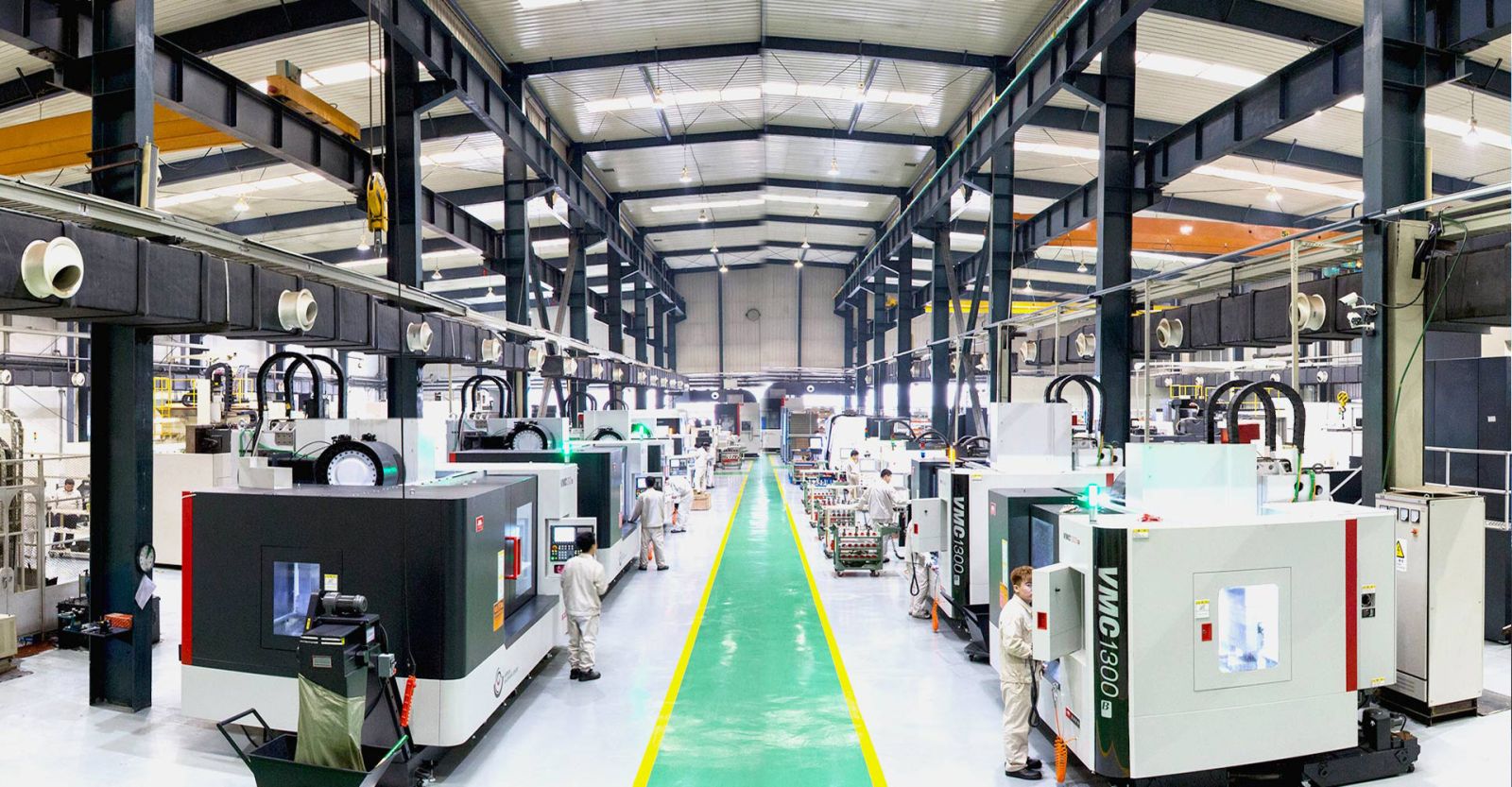
As an experienced EDM Machining factory, we bring decades of combined expertise to every project. Our facility features state-of-the-art Wire EDM equipment capable of handling workpieces from microminiature components to large-scale tooling. We serve diverse industries including aerospace, medical, automotive, defense, and electronics, maintaining the rigorous quality standards each demands.
Our commitment to you:
-
Precision: We routinely hold tolerances of ±0.0001 inches
-
Quality: ISO-certified processes with full traceability
-
Expertise: Experienced engineers who understand your industry
-
Communication: Transparent quoting with no hidden costs
-
Speed: Efficient processing with realistic lead times
Ready to Start Your Project?
Whether you have production-ready CAD files or just a concept that needs development, we're here to help. Our engineering team provides comprehensive design for manufacturability feedback, ensuring your parts are optimized for Wire EDM success.
Contact us today for a free, no-obligation quote. Upload your CAD files, discuss your requirements with our engineers, and discover how our Wire EDM services can transform your precision manufacturing challenges into successful realities.
Let's push the boundaries of precision together.
Frequently Asked Questions About Wire EDM
Q: How does Wire EDM compare to traditional machining methods?
A: Wire EDM offers superior precision and the ability to cut complex shapes in hard materials, while traditional machining is faster for simple parts.
Q: Is Wire EDM cost-effective?
A: Yes for intricate, precise work and hard materials; potentially not the best choice for large volumes of simple parts.
Q: Does Wire EDM produce burrs?
A: No, Wire EDM produces virtually no burrs, eliminating most secondary deburring operations.
Q: What materials can be cut with Wire EDM?
A: Any electrically conductive material including steel, titanium, brass, copper, carbide, Inconel, and aluminum.
Q: What kind of accuracy can I expect?
A: Tolerances as tight as ±0.0001 inches are achievable with proper machine setup and skim passes.
Q: Does Wire EDM generate heat that damages parts?
A: Minimal heat is generated, and the dielectric fluid continuously cools the work zone. The heat-affected zone is typically less than 0.005mm.
Q: Can Wire EDM cut thick materials?
A: Yes, Wire EDM can cut materials up to 15 inches thick, depending on the machine.
Q: How long does Wire EDM take?
A: Cutting time depends on material thickness, complexity, and required finish. Typical lead times range from 6-8 days for production parts.
Contact us today for a competitive quote and technical support!
Let Yichou help you achieve excellence in your next project. Whether you need raw materials, custom alloy solutions, or precision-manufactured components, our team is ready to assist.
- Email us: [email protected]
- Call us/whatsapp: +86 13355741031
- Chat with us: Live chat support available on our website