When it comes to the inner workings of an engine, there's a small but mighty component that plays a crucial role in its functionality - the valve cover. Often overlooked, this humble part is responsible for protecting the valves, camshafts, and other important components from dirt, debris, and oil leaks. In this comprehensive guide, we'll delve into the secrets of a reliable valve cover, unlocking its importance and functionality. Whether you're a seasoned mechanic or a curious car enthusiast, understanding the inner workings of this component will give you valuable insights into your engine's performance. Here, you'll discover the key features of a trustworthy valve cover, such as durable materials, efficient sealing mechanisms, and integrated gasket designs. We'll also explore the different types of valve covers available in the market, from traditional stamped steel covers to modern aluminum and carbon fiber ones. Put simply, this guide is your go-to resource for unraveling the mysteries behind a reliable valve cover. Join us as we delve into this essential component and discover how it contributes to the overall health and performance of your engine.
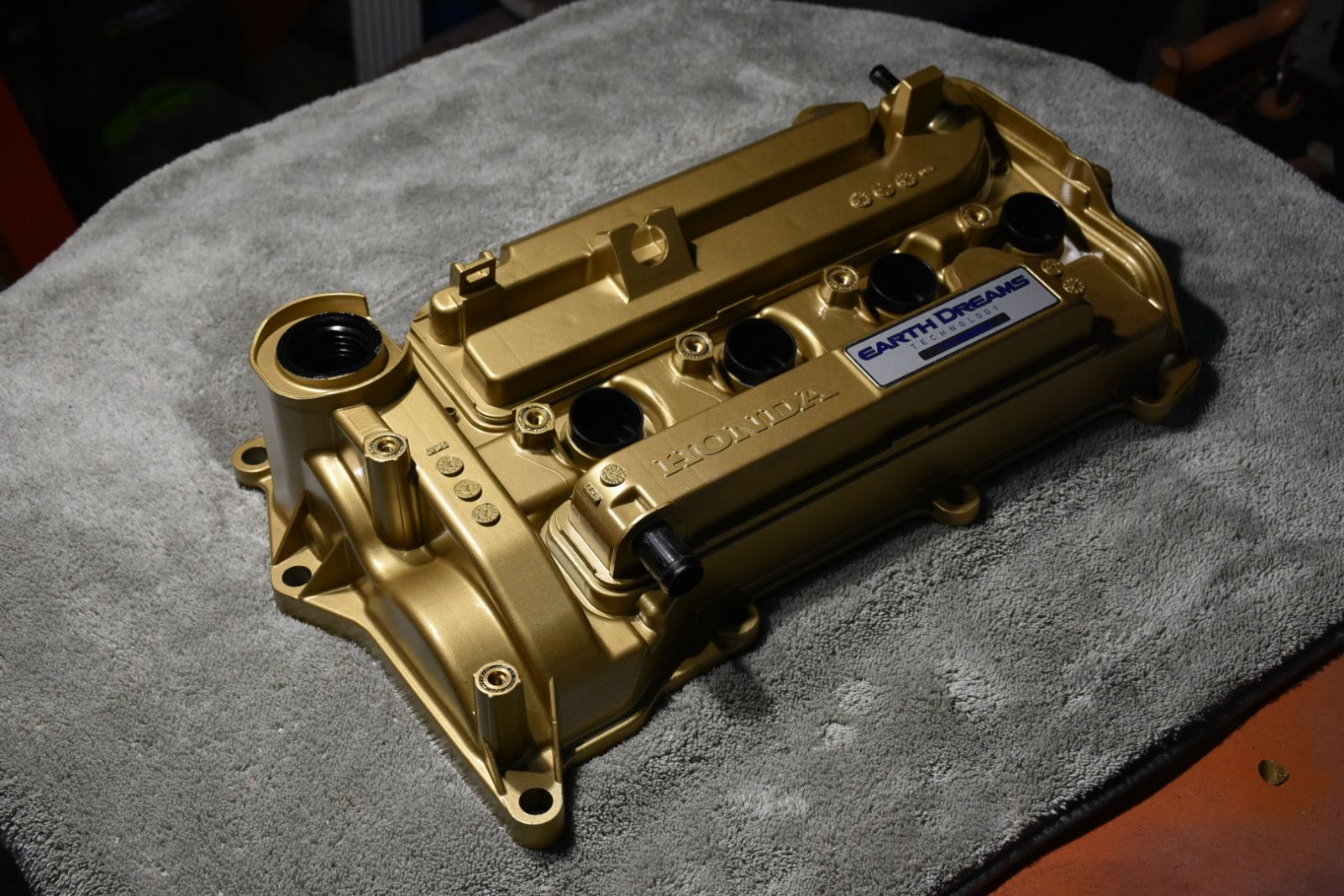
The Importance of Valve Covers in Engine Performance
When it comes to optimizing your engine's performance, paying attention to every component under the hood is essential. One often-overlooked but critical element is the valve cover. This seemingly unassuming part plays a vital role in maintaining your engine's health and efficiency. In this article, we'll delve into the significance of valve covers in engine performance, shedding light on why they should be on your priority list when it comes to automotive care.
Valve covers serve as protective shields for the intricate components inside your engine. They encase the valve train, which consists of valves, pushrods, and rocker arms, among other parts. This enclosure is not just for aesthetic purposes; it serves a functional role in maintaining your engine's performance.
One of the primary functions of a valve cover is to prevent debris, dirt, and contaminants from infiltrating the valve train. The valve train is responsible for the precise timing and control of air and fuel intake and exhaust, which are crucial for your engine's operation. Even small particles can disrupt this delicate balance, leading to decreased performance, increased wear and tear, and potential engine damage.
Valve covers also keep the oil that lubricates the valve train contained. Proper lubrication is vital to reduce friction, heat, and wear on moving parts. Without a well-maintained valve cover, oil leaks can occur, depleting your engine's lubrication supply and potentially causing overheating or even catastrophic failure.
Furthermore, valve covers contribute to the aesthetics of your engine. They are often customized and stylized, adding a touch of personality to your vehicle. But their importance goes far beyond looks; they are integral to your engine's longevity and efficiency.
In summary, valve covers are not just decorative elements under your hood. They play a pivotal role in safeguarding your engine's intricate components, ensuring proper lubrication, and maintaining the engine's performance. Neglecting these seemingly insignificant parts can have a domino effect on your vehicle's overall health and efficiency.

Components of a Valve Cover
To understand the importance of valve covers fully, it's crucial to dissect their anatomy and comprehend the various components that make up this essential engine part. A valve cover might seem like a simple metal or plastic shell, but it's a sophisticated structure with several key components.
-
Valve Cover Gasket: The valve cover gasket is a critical component responsible for sealing the valve cover to the cylinder head. It prevents oil and debris from leaking out of the valve cover and into the engine bay. A damaged or worn gasket can lead to oil leaks and decreased engine performance.
-
Baffles: Inside the valve cover, you'll find baffles or windage trays. These are designed to control the flow of oil and prevent it from splashing around inside the cover. Proper oil control ensures that the valve train receives a consistent supply of lubrication.
-
Ventilation System: Many valve covers are equipped with a ventilation system, including a PCV (Positive Crankcase Ventilation) valve. This system regulates the pressure inside the engine crankcase, ensuring that harmful gases are vented out and not recirculated into the engine. It's essential for maintaining emissions compliance and engine efficiency.
-
Fasteners: Valve covers are secured to the cylinder head using a series of fasteners, such as bolts or studs. These fasteners need to be torqued to specific specifications to ensure a proper seal. Over-tightening or under-tightening can lead to leaks and other issues.
-
Oil Filler Cap: The oil filler cap is often integrated into the valve cover. It provides a convenient access point for adding oil to the engine. A damaged or loose oil filler cap can lead to oil leaks and contamination.
Understanding these components and their functions is crucial for proper valve cover maintenance and troubleshooting. Regular inspection and maintenance of these parts can go a long way in ensuring the longevity and optimal performance of your engine.
.jpg)
Common Issues with Valve Covers and Their Impact on Engine Health
Valve covers may be small in size, but they can pose significant problems when neglected or poorly maintained. Understanding the common issues that can arise with valve covers and their potential impact on engine health is vital for any vehicle owner.
-
Oil Leaks: One of the most prevalent issues with valve covers is oil leaks. A deteriorating valve cover gasket, overtightened fasteners, or damage to the valve cover itself can all lead to oil seepage. Oil leaks not only create a mess in your engine bay but can also result in low oil levels, leading to inadequate lubrication and potential engine damage.
-
Ventilation System Problems: If the ventilation system within the valve cover malfunctions, it can disrupt the balance of pressure within the engine crankcase. This can lead to increased emissions, reduced fuel efficiency, and even engine misfires. Regularly inspecting and cleaning the PCV valve and associated components is crucial for maintaining engine health.
-
Cracks and Warping: Valve covers are typically made of metal or plastic, both of which are susceptible to heat and wear. Over time, exposure to engine heat can cause valve covers to warp or develop cracks. These defects can result in oil leaks and allow contaminants to enter the valve train, potentially causing severe engine damage.
-
Improper Installation: Installing or replacing valve covers incorrectly is a common issue. Over-tightening fasteners can crush the gasket and cause leaks, while under-tightening can result in an inadequate seal. It's essential to follow manufacturer-recommended torque specifications during installation.
-
Aesthetics and Customization: While not a mechanical issue, neglecting the appearance of valve covers can impact your vehicle's overall value and appeal. Customized valve covers can enhance the aesthetics of your engine bay and reflect your personal style.
In conclusion, valve cover issues may seem minor, but they can have a substantial impact on your engine's health and performance. Regular inspection, proper maintenance, and prompt resolution of any problems are essential to ensure your engine continues to run smoothly and efficiently.
.jpg)
Choosing the Right Valve Cover Material
Selecting the appropriate valve cover material is a critical decision that can significantly affect your engine's performance and longevity. Valve covers are commonly made from two primary materials: aluminum and plastic. Each material has its advantages and disadvantages, and making the right choice depends on your specific needs and preferences.
-
Aluminum Valve Covers: Aluminum valve covers are a popular choice among enthusiasts and performance-oriented vehicle owners. They offer several benefits:
-
Durability: Aluminum valve covers are known for their robustness and resistance to heat and wear. They are less likely to warp or crack under high temperatures, making them suitable for high-performance applications.
-
Heat Dissipation: Aluminum is an excellent conductor of heat, which means it can help dissipate heat from the engine more effectively. This can be especially beneficial in high-performance and racing engines, where heat management is crucial.
-
Aesthetics: Aluminum valve covers can be polished, painted, or anodized to achieve a custom look. They are often chosen for their ability to enhance the visual appeal of the engine bay.
However, it's essential to note that aluminum valve covers can be heavier than their plastic counterparts, which may impact overall vehicle weight and fuel efficiency.
-
-
Plastic Valve Covers: Plastic valve covers are commonly found in many modern vehicles. They also offer specific advantages:
-
Lightweight: Plastic valve covers are lighter than aluminum ones, contributing to better fuel efficiency and handling in some cases.
-
Cost-Effective: Plastic valve covers are often more affordable than aluminum ones, making them a practical choice for budget-conscious consumers.
-
Resistance to Corrosion: Plastic valve covers are resistant to corrosion, which can extend their lifespan, especially in regions with harsh weather conditions.
However, plastic valve covers may not be as durable as aluminum ones, and they can be more prone to warping or cracking under extreme heat. They may also have limited customization options compared to aluminum covers.
-
When choosing between aluminum and plastic valve covers, consider factors such as your vehicle's intended use, budget, and personal preferences. High-performance and racing applications may benefit from aluminum covers, while daily drivers looking for cost-effectiveness and corrosion resistance may prefer plastic covers.
Ultimately, the right valve cover material can contribute to the overall health and performance of your engine. Whichever material you choose, proper maintenance and care are essential to ensure longevity and optimal functionality.
Proper Maintenance and Care for Valve Covers
Maintaining and caring for your valve covers is crucial to ensure they continue to perform their essential functions effectively. Neglecting valve cover maintenance can lead to oil leaks, contamination, and reduced engine performance. Here are some key maintenance and care tips to keep your valve covers in top condition:
-
Regular Inspection: Periodically inspect your valve covers for signs of damage, including cracks, warping, or corrosion. Check for oil leaks around the valve cover gasket and fasteners. Early detection of issues can prevent more significant problems down the road.
-
Gasket Replacement: The valve cover gasket is a wear-and-tear component that should be replaced as part of routine maintenance. Follow the manufacturer's recommended service intervals for gasket replacement to ensure a proper seal and prevent oil leaks.
-
Fastener Torque: During valve cover installation or replacement, be sure to torque the fasteners to the manufacturer's specifications. Over-tightening can damage the gasket, while under-tightening can result in leaks.
-
Ventilation System Maintenance: If your valve covers have a ventilation system with a PCV valve, regularly check and clean these components. A clogged or malfunctioning PCV valve can lead to pressure imbalances and decreased engine efficiency.
-
Customization Considerations: If you've customized your valve covers for aesthetics, be mindful of the materials and finishes you've chosen. Some coatings or paints may require special care to maintain their appearance.
-
Heat Management: If you're using aluminum valve covers in a high-performance application, consider additional heat management measures, such as heat shields or insulating gaskets, to prevent heat-related issues.
-
Cleanliness: Keep the area around the valve covers clean and free of debris. Dirt and grime can make it difficult to detect leaks and may contribute to gasket deterioration.
-
Oil Quality: Use high-quality engine oil and change it at the recommended intervals. Quality oil helps maintain proper lubrication and reduces the risk of sludge buildup inside the valve covers.
By following these maintenance and care tips, you can prolong the life of your valve covers and ensure they continue to protect your engine and contribute to its optimal performance. Regular attention to these details will save you from costly repairs and potential engine damage in the long run.
.jpg)
How to Identify a Reliable Valve Cover
Choosing a reliable valve cover is essential for the health and performance of your engine. With various options available on the market, it's crucial to know how to identify a quality valve cover that meets your specific needs. Here are some key factors to consider when searching for a reliable valve cover:
-
Material Quality: Assess the material used to manufacture the valve cover. Whether it's aluminum or plastic, ensure that it meets high-quality standards. Look for materials that are heat-resistant, durable, and resistant to corrosion.
-
Manufacturer Reputation: Research the manufacturer of the valve cover. Established and reputable companies are more likely to produce reliable and well-crafted products. Read customer reviews and ask for recommendations from automotive enthusiasts and experts.
-
Fitment and Compatibility: Ensure that the valve cover is designed to fit your specific engine make and model. Proper fitment is crucial to achieving a secure seal and preventing oil leaks.
-
Gasket Quality: Pay attention to the quality of the included valve cover gasket. High-quality gaskets are made from materials that can withstand heat and pressure, reducing the risk of leaks.
-
Customization Options: If aesthetics are important to you, consider whether the valve cover allows for customization. Some valve covers come with various finishes and designs, allowing you to personalize your engine bay.
-
Ventilation System: If your engine requires a specific ventilation system, make sure the valve cover is equipped with the necessary components, such as a PCV valve. Verify that the ventilation system is designed to function effectively and prevent pressure imbalances.
-
Warranty: Check if the valve cover comes with a warranty. A warranty indicates the manufacturer's confidence in their product's quality. Be sure to understand the terms and conditions of the warranty.
-
Cost and Value: While cost is a factor, don't prioritize price over quality. Investing in a reliable valve cover may save you money in the long run by preventing engine damage and costly repairs.
-
Performance Considerations: If you have a high-performance or racing engine, consider whether the valve cover is designed to handle the additional stress and heat associated with such applications.
-
Compatibility with Modifications: If you've made aftermarket modifications to your engine, ensure that the valve cover is compatible with these changes. Modifications can sometimes affect the fitment of certain valve covers.
By carefully considering these factors and conducting thorough research, you can identify a reliable valve cover that suits your engine's needs and contributes to its overall health and performance.
Tips for Installing and Replacing Valve Covers
Installing or replacing valve covers may seem like a straightforward task, but it's essential to approach it with care and precision to avoid issues such as oil leaks and improper sealing. Here are some valuable tips to help you install or replace valve covers successfully:
-
Prepare Your Workspace: Start by ensuring that your workspace is clean and well-organized. Remove any debris or clutter from the engine bay to prevent contaminants from entering when you remove the old valve covers.
-
Disconnect the Battery: For safety reasons, disconnect the vehicle's battery before beginning any work on the engine. This reduces the risk of electrical accidents and ensures a safe working environment.
-
Label Components: If necessary, label and organize the components you remove, especially if your engine has multiple valve covers or a complex layout. This will make reassembly much smoother.
-
Drain Engine Oil: If your valve cover replacement requires removing components that are connected to the oil system, such as the PCV valve or breather hoses, consider draining the engine oil to prevent spills and contamination.
-
Clean the Valve Covers: Before installing new valve covers, thoroughly clean the mating surface on the cylinder head and the valve covers themselves. Remove any old gasket material or residue to ensure a proper seal.
-
Inspect and Replace Gaskets: Examine the valve cover gaskets for signs of wear, damage, or deterioration. If they show any issues, replace them with new gaskets. Lubricate the gaskets with a small amount of engine oil to aid in sealing.
-
Proper Torque Sequence: When securing the valve covers, follow the manufacturer's recommended torque sequence and specifications. Overtightening can damage the gaskets, while undertightening can result in leaks.
-
Use Threadlocker: Consider applying a threadlocker to the fasteners to prevent them from loosening due to engine vibrations. Be sure to use a threadlocker that is compatible with your specific application.
-
Reconnect Components: Reconnect any hoses, wires, or components that were disconnected during the process. Ensure that all connections are secure and properly routed.
-
Double-Check Everything: Before starting the engine, double-check all connections, including the PCV valve, breather hoses, and any other components you removed or disconnected. Verify that there are no loose fasteners or unsecured parts.
-
Refill Engine Oil: If you drained the engine oil, refill it with the appropriate oil grade and quantity recommended by the manufacturer. Check the oil level using the dipstick to ensure it's at the correct level.
-
Battery Reconnection: Reconnect the vehicle's battery and start the engine. Listen for any unusual noises or signs of oil leaks. Monitor the engine for a few minutes to ensure everything is functioning correctly.
-
Inspect for Leaks: After running the engine for a short while, inspect the area around the valve covers for any signs of oil leaks. If you detect a leak, address it promptly.
-
Final Check: Once you are confident that there are no leaks and the engine is running smoothly, perform a final inspection to ensure all components are in their proper places.
By following these tips and taking a methodical approach to valve cover installation or replacement, you can minimize the risk of problems and ensure a secure seal, contributing to the long-term health and performance of your engine.
Recommended Brands for High-Quality Valve Covers
When it comes to selecting high-quality valve covers for your engine, choosing a reputable brand can make a significant difference in terms of performance, durability, and reliability. While there are numerous brands in the market, some have consistently proven themselves as reliable sources for valve covers. Here are a few recommended brands known for producing top-notch valve covers:
-
Edelbrock: Edelbrock is a well-respected name in the automotive aftermarket industry. They offer a wide range of valve covers designed for various engine applications, including high-performance and racing engines. Edelbrock valve covers are known for their quality construction and precise fitment.
-
Fel-Pro: Fel-Pro is a trusted brand when it comes to gaskets and sealing solutions, including valve cover gaskets. Their gaskets are known for their durability and ability to provide a reliable seal. Pairing a Fel-Pro gasket with your valve cover choice can enhance overall performance.
-
Holley: Holley is a renowned brand in the world of performance automotive parts. They offer valve covers designed for both classic and modern engines. Holley valve covers are known for their robust construction and innovative designs.
-
Moroso: Moroso specializes in high-performance and racing components, including valve covers. Their valve covers are engineered for durability and efficient heat dissipation, making them suitable for demanding applications.
-
Summit Racing: Summit Racing is a go-to source for a wide range of automotive parts, including valve covers. They offer their own line of Summit Racing brand valve covers, known for their quality and competitive pricing.
-
Mopar: If you own a Chrysler, Dodge, or Jeep vehicle, Mopar is the official parts and accessories brand for these vehicles. Mopar valve covers are designed to meet the manufacturer's specifications, ensuring a perfect fit and reliable performance.
-
Ford Racing: Ford Racing, also known as Ford Performance, offers valve covers specifically designed for Ford engines. These valve covers are engineered to provide optimal performance and durability for Ford enthusiasts.
-
Chevrolet Performance: Chevrolet Performance offers valve covers tailored for Chevrolet and GM engines. These valve covers are designed to meet the exacting standards of GM, ensuring compatibility and performance.
When choosing a brand for your valve covers, it's essential to consider factors such as your vehicle's make and model, engine type, and intended use. Additionally, consult with automotive experts, read user reviews, and seek recommendations from fellow enthusiasts to make an informed decision.
Conclusion: The Significance of a Reliable Valve Cover for Engine Longevity
In the world of automotive maintenance and performance enhancement, it's often the small details that make a significant difference in the longevity and efficiency of your engine. The valve cover, a seemingly modest component, plays a pivotal role in safeguarding the health of your engine.
By encapsulating the delicate valve train, the valve cover shields critical components from contaminants and debris that could disrupt the precise timing and control of air and fuel intake and exhaust. It also serves as a barrier, containing the engine oil necessary for proper lubrication. Neglecting the condition and maintenance of your valve covers can lead to a cascade of issues, including oil leaks, decreased performance, and potential engine damage.
Choosing the right valve cover material, whether it's aluminum or plastic, is a critical decision that can impact your engine's performance. Both materials have their advantages, and your choice should align with your vehicle's needs and your preferences.
Proper maintenance and care for valve covers involve regular inspection, gasket replacement, and attention to details such as fastener torque and ventilation system integrity. These steps are essential to prevent leaks and ensure your engine runs smoothly.
Identifying a reliable valve cover entails considering factors like material quality, manufacturer reputation, fitment, and compatibility. A high-quality valve cover can contribute to your engine's health and longevity.
When installing or replacing valve covers, following a systematic approach, such as preparing your workspace, labeling components, and torquing fasteners correctly, can prevent issues and ensure a secure seal.
Lastly, choosing from reputable brands known for producing high-quality valve covers, such as Edelbrock, Fel-Pro, Holley, and others, can give you confidence in your purchase.
In conclusion, while valve covers may be small in size, their significance in engine performance and longevity cannot be overstated. Proper selection, maintenance, and care of valve covers are essential for ensuring your engine continues to run efficiently and reliably for years to come. By paying attention to these details, you'll be well on your way to a healthy and high-performing engine.
.jpg)
FAQ 1: Why are Valve Covers Important for Engine Performance?
Keywords: Valve covers, engine performance, significance, protection, lubrication, contamination, efficiency.
Valve covers play a crucial role in maintaining engine performance by providing protection to vital components. These covers encase the valve train, which controls the timing and regulation of air and fuel intake and exhaust, ensuring optimal engine operation. They safeguard this intricate system from contamination by preventing dirt and debris from infiltrating. Furthermore, valve covers keep the engine's lifeblood, the oil, contained. Proper lubrication is vital to reduce friction and wear on moving parts. Neglecting valve covers can lead to oil leaks, decreased efficiency, and potentially catastrophic engine damage.
FAQ 2: What Materials are Best for Valve Covers?
Keywords: Valve cover materials, aluminum, plastic, durability, heat resistance, customization, budget.
Choosing the right valve cover material is crucial. Aluminum valve covers are preferred for their durability and heat resistance, making them suitable for high-performance engines. They dissipate heat efficiently and can be customized for aesthetics. On the other hand, plastic valve covers are lightweight, cost-effective, and corrosion-resistant, making them ideal for budget-conscious consumers. The choice between these materials depends on your engine's needs, budget, and customization preferences.
FAQ 3: How Can I Maintain Valve Covers for Optimal Performance?
Keywords: Valve cover maintenance, inspection, gasket replacement, fastener torque, ventilation system, cleanliness.
Maintaining valve covers is essential for peak engine performance. Regular inspection is key; look for cracks, oil leaks, and gasket wear. Replace worn gaskets following manufacturer-recommended intervals and lubricate them for a proper seal. Ensure fasteners are torqued correctly to prevent leaks. Keep the ventilation system, including the PCV valve, clean and functional, as it impacts emissions and efficiency. Finally, maintain a clean engine bay to prevent contamination.
FAQ 4: How Do I Choose a Reliable Valve Cover for My Engine?
Keywords: Reliable valve covers, material quality, manufacturer reputation, fitment, customization, warranty.
Identifying a reliable valve cover is crucial. Focus on material quality; choose aluminum for durability or plastic for affordability. Research the manufacturer's reputation; established brands like YICHOU are known for quality. Ensure proper fitment for your engine, and consider customization options if aesthetics matter. Check for warranties as they reflect the manufacturer's confidence in their product.
FAQ 5: Any Tips for Installing or Replacing Valve Covers?
Keywords: Valve cover installation, workspace preparation, labeling components, gasket inspection, fastener torque, final inspection.
Installing or replacing valve covers requires attention to detail. Start by preparing a clean workspace, disconnect the battery, and label components for easy reassembly. Inspect the gaskets for wear and replace them if necessary. Follow the manufacturer's torque specifications during installation. After reassembling, check for leaks, secure connections, and proper functioning before starting the engine.