Executive Summary
Rapid prototyping and low-volume manufacturing have revolutionized product development, enabling companies to accelerate time-to-market while reducing development costs and design risks. As competition intensifies across industries from consumer electronics to aerospace, the ability to quickly produce functional prototypes and pilot production runs has become a critical competitive advantage. This comprehensive guide explores the technologies, processes, and best practices that enable efficient prototype and low-volume manufacturing, providing engineering professionals and procurement specialists with the knowledge necessary to optimize their development workflows and sourcing strategies.
The evolution from traditional prototype methods including sheet metal fabrication and manual machining to contemporary CNC-based rapid prototyping has dramatically compressed development timelines while improving prototype fidelity and functionality. Today’s prototype services can produce parts matching production materials, tolerances, and finishing options, enabling design validation that was previously impossible until full-scale production. This capability accelerates the iterative design process while reducing the risk of discovering fundamental design problems late in development when changes become expensive and time-consuming.
Understanding rapid prototyping options enables effective program planning that balances speed, cost, and capability requirements. Whether developing a new consumer product requiring aesthetic prototypes for market testing, an aerospace component requiring functional prototypes for flight testing, or a medical device requiring regulatory validation prototypes, selecting appropriate prototype methods significantly affects development success. This guide provides the knowledge necessary to make informed decisions throughout the prototype development process.
1. Understanding Rapid Prototyping Technologies
1.1 CNC Machining for Prototypes
CNC machining represents the most versatile and widely used prototype manufacturing technology, producing parts from solid stock materials using computer-controlled cutting tools. Unlike additive manufacturing technologies limited to specific materials and geometric constraints, CNC machining works with virtually any machinable material including metals, plastics, composites, and specialized engineering materials. This material flexibility enables prototype parts that accurately represent production material properties.
Prototype CNC machining typically employs faster setups and more flexible programming approaches than production CNC, prioritizing speed over long-term production efficiency. Single-piece and low-volume work often justifies manual programming and expedited tooling where production would require automated approaches. Understanding this distinction helps set appropriate expectations for prototype lead times and costs.
Post-processing capabilities distinguish professional prototype services from basic machining operations. As-machined surfaces often require additional operations including bead blasting, polishing, anodizing, painting, or other finishing to achieve appearance or functional requirements. Services offering comprehensive finishing enable single-source solutions that simplify procurement while ensuring consistent quality across prototype builds.
1.2 3D Printing and Additive Manufacturing
Additive manufacturing technologies including stereolithography (SLA), selective laser sintering (SLS), and fused deposition modeling (FDM) create parts layer-by-layer from digital models without traditional tooling requirements. These technologies excel at complex geometries that would be impossible or prohibitively expensive to produce through subtractive manufacturing. However, each technology presents specific material limitations and surface finish characteristics that affect appropriate application selection.
SLA produces high-resolution parts from photopolymer resins, offering excellent surface finish and dimensional accuracy suitable for appearance prototypes and functional testing where material properties permit. Material options include clear, durable, high-temperature, and specialty formulations addressing specific requirements. SLA parts typically require post-processing including cleaning, support removal, and surface finishing.
SLS creates parts from powdered thermoplastics, building complex geometries without support structures while producing durable functional parts. Nylon represents the most common SLS material, offering good mechanical properties and chemical resistance. SLS excels for functional prototypes where complex internal features or living hinges require geometries impossible to produce through CNC machining.
1.3 Sheet Metal Fabrication
Sheet metal fabrication provides rapid prototyping capability for enclosures, brackets, and structural components where production will employ sheet metal processes. Laser cutting and CNC punching produce flat patterns from sheet stock, while CNC press brakes form features bending requiring operations. This approach enables prototypes that accurately represent production manufacturing processes, validating design assumptions before committing to production tooling.
Quick-turn sheet metal services provide prototype quantities from single pieces through hundreds of parts with lead times typically measured in days rather than weeks. Material options including aluminum, stainless steel, and carbon steel enable material-appropriate prototyping for specific applications. Finishing options including powder coating, wet painting, and anodizing complete the prototype appearance.
Design for sheet metal prototyping requires understanding manufacturing constraints including minimum bend radii, hole-to-edge distances, and relief requirements. Services specializing in prototype sheet metal understand these constraints and provide design feedback that optimizes parts for efficient fabrication while maintaining functional requirements.
2. Low-Volume Manufacturing Strategies
2.1 Injection Molding for Limited Production
Injection molding provides the most cost-effective approach for production quantities exceeding approximately 500-1000 parts, but模具 costs make this approach expensive for lower volumes. However, rapid tooling techniques including aluminum soft tooling and 3D printed molds enable economical low-volume injection molding for hundreds to thousands of parts. These approaches sacrifice some production tool life for reduced upfront investment and faster delivery.
Soft tooling aluminum molds provide typically 5,000-10,000 shots before wear becomes significant, suitable for product launch volumes and market validation builds. The lower hardness of aluminum compared to production tool steel enables faster machining and lower tooling costs while providing adequate life for limited production runs. Design modifications during development are accommodated more easily than with production tooling.
3D printed molds using high-temperature resin or metal sintering technologies enable even faster delivery for very low volumes or design-iteration prototypes. While not as durable as aluminum tooling, these approaches support rapid design changes and extremely fast delivery for early prototype builds.
2.2 CNC Machining for Production Quantities
CNC machining remains competitive for low-volume production where quantities don’t justify injection molding tooling investment. Modern CNC equipment achieves excellent productivity through high-speed machining, automated workhandling, and optimized tooling strategies. For complex parts or demanding materials where injection molding would require expensive tooling modifications, CNC machining often provides the most practical production approach.
Dedicated low-volume production cells optimize equipment for specific part families, reducing setup times and maximizing throughput for recurring production. These cells typically combine CNC machining with integrated inspection and finishing operations for complete part production. Such arrangements prove economical for volumes of hundreds to low thousands of parts annually.
Process optimization for low-volume production balances throughput against flexibility, avoiding over-automation that would extend payback periods excessively. Manual operations including part loading and some finishing may prove more economical than
expensive automation for truly low volumes. Professional low-volume suppliers optimize these tradeoffs based on specific part characteristics and volume expectations.
2.3 Hybrid Manufacturing Approaches
Hybrid approaches combining multiple manufacturing technologies often optimize low-volume production economics. A component might combine CNC machined critical features with sheet metal non-structural elements, or injection molded components with machined inserts. Understanding these optimization opportunities requires broad manufacturing expertise and willingness to consider creative approaches.
Value engineering for low-volume production identifies opportunities to modify designs for manufacturing efficiency without compromising function. These modifications might simplify geometries, consolidate assemblies, or substitute materials to enable more efficient production methods. The prototype phase provides ideal opportunity to implement such optimizations before production commitments.
Supply chain coordination for hybrid manufacturing requires managing multiple suppliers while ensuring quality consistency and on-time delivery. Full-service suppliers offering multiple manufacturing capabilities simplify this coordination while providing single-point accountability for complete component quality.
3. Design for Manufacturability in Prototyping
3.1 Design Iteration Best Practices
Effective prototype programs embrace iteration as essential to design excellence, planning for multiple design cycles rather than seeking perfection in single attempts. Early prototype phases should prioritize speed over precision, using coarser tolerances and simpler processes to validate fundamental concepts before investing in refined prototypes. This approach accelerates learning while managing development costs.
Design review cadence should align with prototype delivery, ensuring that learnings from each build inform subsequent iterations. Prototype suppliers can contribute valuable manufacturing perspectives to these reviews, identifying potential production issues before they become entrenched in designs. Early engagement of manufacturing expertise typically yields more producible designs than late-stage design-for-manufacturing reviews.
Documentation of design rationale and manufacturing learnings creates institutional knowledge that benefits future programs. Decisions about what worked and what didn’t should be captured systematically, enabling transfer to team members and application to future projects. This documentation also supports intellectual property protection through systematic records of development evolution.
3.2 Tolerance Specification Strategies
Tolerance selection balances manufacturing cost against functional requirements, with unnecessarily tight tolerances increasing production costs without corresponding benefit. Prototype phases often employ production tolerances to validate producibility, but specifications should recognize prototype processes may not achieve production-level precision. Realistic prototype tolerances enable meaningful design validation while avoiding false failures from unrealistic specifications.
Critical dimensions essential to function should receive explicit identification, enabling inspection focus while allowing relaxation of non-critical features. GD&T specifications communicate these priorities clearly while enabling suppliers to optimize processes appropriately. Discussion of tolerance priorities with prototype suppliers often reveals opportunities for specification optimization.
Statistical tolerance analysis confirms that accumulated tolerances from assembled components remain within functional requirements. This analysis validates design feasibility before prototype fabrication, potentially revealing issues requiring design modification. Such validation prevents wasted prototype investment on fundamentally unproducible designs.
3.3 Material Selection Considerations
Material selection for prototypes should anticipate production material requirements, using identical or similar materials to validate design assumptions about mechanical properties, thermal behavior, and environmental resistance. Material substitution for prototype convenience may mask design issues that emerge only in production materials. The additional cost of material-appropriate prototyping typically proves worthwhile compared to discovering material-related problems late in development.
Material data sheets provide baseline property information, but prototypes enable validation of actual material performance in application-specific conditions. Environmental testing of prototypes identifies material limitations not apparent from specification data, enabling appropriate material selection before production commitment.
Material availability for prototyping should be verified, as some engineering materials may require longer lead times or minimum order quantities. Planning prototype material procurement early in programs prevents delays from material availability issues discovered too late to resolve without schedule impact.
4. Quality Assurance for Prototypes
4.1 Inspection and Verification Approaches
Prototype inspection differs from production inspection in priorities and methods, emphasizing rapid feedback over comprehensive documentation. Dimensional verification should focus on critical features while accepting broader tolerances on non-critical
dimensions. This prioritization enables faster feedback while using inspection resources efficiently.
First article inspection provides comprehensive dimensional verification of initial prototype samples, identifying systematic issues before committing to full prototype builds. Professional prototype suppliers typically include first article inspection as standard, enabling design validation before producing additional quantities.
CMM inspection provides comprehensive dimensional data for complex geometries, but traditional CMM approaches may prove too slow for rapid prototype programs. Portable measuring arms and 3D scanning provide faster alternatives for many prototype inspection requirements, enabling rapid feedback while still providing dimensional verification.
4.2 Functional Testing and Validation
Functional testing validates that prototypes perform as intended in actual or simulated service conditions. Testing may range from simple manual operation checks to sophisticated automated testing depending on application complexity and criticality. Prototype test planning should identify required tests, acceptance criteria, and sample sizes for meaningful validation.
Environmental testing including temperature cycling, humidity exposure, and vibration testing validates design robustness for applications with demanding environmental requirements. Such testing typically requires more sophisticated fixtures and longer timeframes than basic functional testing, requiring appropriate planning and resource allocation.
Regulatory compliance testing for products requiring agency approval must be planned early, as certification testing often requires design freeze and sufficient sample quantities. Prototype phases should generate validation prototypes suitable for certification testing when programs reach appropriate maturity.
4.3 Documentation and Traceability
Prototype documentation requirements vary by application, from minimal records for concept validation to comprehensive documentation for regulated industries. Medical device and aerospace applications typically require traceability and documentation even for prototypes, anticipating eventual production regulatory submissions. Understanding documentation requirements early prevents late surprises that could compromise program timelines.
Design history files capturing prototype development evolution support both internal learning and external compliance requirements. Systematic documentation of design changes, testing results, and supplier communications creates records that prove invaluable for future reference and potential intellectual property protection.
Supplier quality records including material certifications, inspection reports, and process parameters provide traceability supporting production quality verification. Even prototype
suppliers should provide basic documentation enabling verification of material compliance and dimensional conformance.
5. Sourcing Prototype and Low-Volume Manufacturing
5.1 Evaluating Prototype Service Providers
Prototype service provider selection should begin with capability assessment matching available technologies and materials to program requirements. Not all prototype suppliers offer equivalent capabilities, making technology-specific evaluation essential. The best CNC prototype supplier may differ from the best injection molding prototype supplier, requiring clear requirements understanding before sourcing.
Capacity and lead time capabilities determine whether suppliers can meet program timelines, particularly for programs with aggressive schedules. Understanding current supplier workload and typical lead times enables realistic planning while identifying potential capacity constraints before they become problems.
Quality system maturity indicates systematic approaches to quality that benefit production phases as well as prototypes. ISO 9001 certification provides baseline assurance, while industry-specific certifications (AS9100 for aerospace, ISO 13485 for medical) indicate capability for demanding applications.
5.2 Building Prototype Supplier Relationships
Long-term prototype supplier relationships provide significant benefits through familiarity with program requirements, design conventions, and quality expectations. Repeated programs with established suppliers typically execute faster and more smoothly than first-time programs, as suppliers understand requirements without extensive explanation.
Prototype suppliers invested in customer success become valuable development partners contributing manufacturing expertise to design optimization. Suppliers who actively suggest producibility improvements and flag potential issues provide value beyond simple execution of provided instructions.
Communication quality and responsiveness indicate organizational efficiency and customer focus that typically extends to production performance. Suppliers who communicate clearly and promptly during quoting typically maintain similar communication standards during production.
5.3 Cost Optimization Strategies
Prototype cost optimization balances speed, capability, and cost to maximize value within program budgets. Understanding what drives prototype costs enables informed tradeoffs between these factors. Expedited delivery typically costs premium rates, while standard lead times provide lower costs but longer waits.
Design optimization for manufacturing efficiency often yields significant cost reductions without compromising function. Prototype phases provide ideal opportunity to implement such optimizations, as design changes remain relatively easy before production tooling commits designs.
Quote comparison should compare complete costs including shipping, inspection, and finishing, not just base part prices. Apples-to-apples comparison requires understanding what each quote includes and excludes, enabling accurate cost evaluation.
6. Future Trends in Rapid Prototyping
6.1 Advanced Additive Manufacturing
Additive manufacturing continues advancing with new materials, larger build envelopes, and improved surface finishes expanding application possibilities. Metal additive manufacturing enables complex geometries impossible through traditional manufacturing, including conformal cooling channels and lattice structures. These capabilities open design possibilities previously constrained by manufacturing limitations.
Multi-material additive manufacturing enables creation of parts with spatially varying properties, from flexible regions to rigid structures within single builds. This capability supports advanced functional prototypes and enables production applications where property gradients provide functional benefits.
In-process monitoring and closed-loop control improve additive manufacturing consistency and repeatability, addressing historical variability concerns. These improvements enable broader adoption in production applications where consistency has historically limited additive manufacturing acceptance.
6.2 Digital Manufacturing Integration
Digital thread and digital twin concepts connect design data through manufacturing and inspection processes, enabling comprehensive traceability and process optimization. Prototype programs increasingly employ these digital approaches, creating data flows that extend through production when programs succeed.
Automated quotation systems using artificial intelligence analyze CAD models to generate manufacturing quotations rapidly. These systems reduce quote turnaround time while enabling higher quote volume, supporting faster design iteration cycles.
Cloud-based manufacturing networks connect designers with distributed production capabilities, enabling rapid capacity access regardless of geographic location. These networks provide flexibility particularly valuable for programs with fluctuating capacity requirements.
7. Ningbo Yichou Industrial: Your Prototype Manufacturing Partner
For companies seeking rapid prototyping and low-volume manufacturing services backed by comprehensive capabilities and quality systems, Ningbo Yichou Industrial Co., Ltd offers the expertise and infrastructure necessary to support your development programs. With extensive experience serving customers across aerospace, medical, automotive, and industrial sectors, we have developed the capabilities, processes, and responsiveness that demanding prototype and low-volume programs require.
Our prototype and low-volume manufacturing capabilities include:
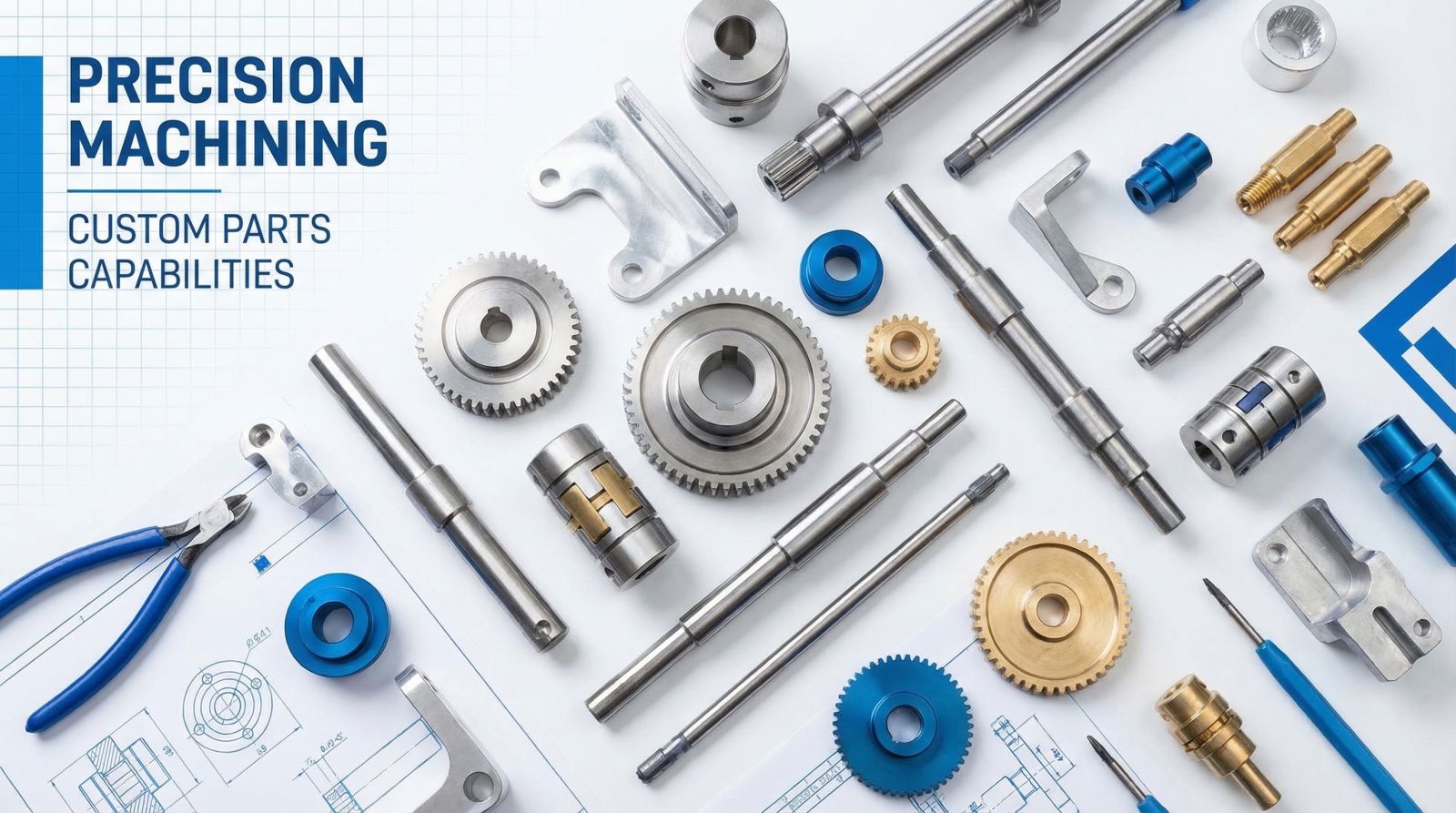
Comprehensive Manufacturing Technologies: We provide CNC machining, sheet metal fabrication, and finishing services supporting prototype and low-volume production requirements. Our broad capability enables optimized approaches for diverse part requirements without requiring multiple supplier relationships.
Rapid Turnaround: We understand prototype program timelines, offering expedited services for urgent requirements while maintaining quality standards. Our production planning accommodates prototype priorities while efficiently managing production workloads.
Quality Systems: We maintain ISO 9001:2015 certification and can provide AS9100D and ISO 13485 compliant quality systems for aerospace and medical applications. Our documentation and traceability capabilities support regulated industry requirements.
Engineering Support: Our experienced team provides design for manufacturability feedback, helping optimize designs for efficient production. We collaborate throughout development programs to ensure producible designs that meet functional requirements.
Complete Production Solutions: Beyond prototypes, we offer production manufacturing services, enabling seamless transition from development to production with an established supplier.
We welcome inquiries from companies seeking a prototype and low-volume manufacturing partner. Our team provides responsive technical support, competitive quotations, and manufacturing expertise your development programs require.
Contact Information:
Website: www.nbyichou.com Email: [email protected] WhatsApp: +86 13355741031
Conclusion
Rapid prototyping and low-volume manufacturing capabilities have become essential competitive requirements in industries ranging from consumer products to aerospace. Understanding available technologies, design best practices, and supplier selection criteria enables optimization of development programs for speed, cost, and capability. The
investment in appropriate prototype capabilities pays dividends through faster time-to-market, reduced development risk, and improved product quality.
Successful prototype programs require systematic approaches balancing iteration speed against resource investment while maintaining focus on eventual production requirements. Early engagement of manufacturing expertise, realistic tolerance and material specifications, and partnership with capable suppliers create foundation for successful outcomes.
For companies seeking a prototype and low-volume manufacturing partner with proven capabilities across diverse industries, Ningbo Yichou Industrial stands ready to support your development programs. Contact us today to explore how our prototype manufacturing expertise can accelerate your product development success.
Keywords: Rapid Prototyping, CNC Prototyping, Low-Volume Manufacturing, Prototype Manufacturing Services, Quick Turn Prototyping, CNC Machining Prototypes, Injection Molding Prototypes, Product Development, Design for Manufacturing, Prototype Supplier, Manufacturing Partner, Prototype Services, Low-Volume Production, Prototype Design, Manufacturing Innovation
Related Services: CNC Prototyping | Low-Volume CNC Machining | Rapid Tooling | Sheet Metal Prototypes | Prototype Manufacturing | Design for Manufacturability | Production Manufacturing | Quality Inspection
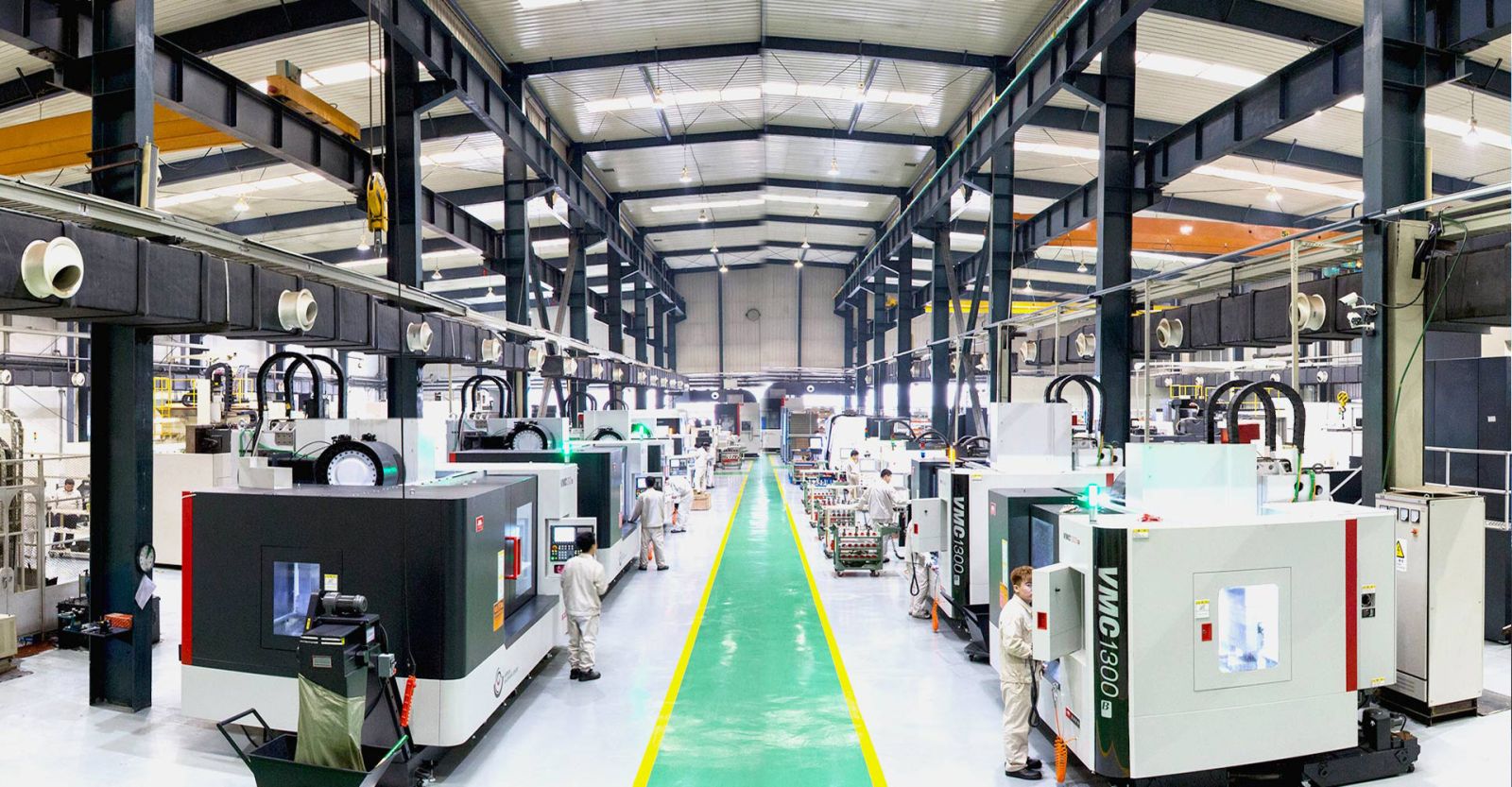
Contact us today for a competitive quote and technical support!
Let Yichou help you achieve excellence in your next project. Whether you need raw materials, custom alloy solutions, or precision-manufactured components, our team is ready to assist.
- Email us: [email protected]
- Call us/whatsapp: +86 13355741031
- Chat with us: Live chat support available on our website