In the race to conquer the skies, aerospace manufacturing corporations pave the way for a future of boundless possibilities. These influential industry players are the driving force behind the innovation and advancement in aviation technology. From revolutionary materials and cutting-edge designs to the development of state-of-the-art engines, they are setting the sky on fire with their relentless pursuit of excellence. With a keen focus on precision engineering and unparalleled expertise, aerospace manufacturing corps are transforming the way we think about flight. Their commitment to pushing the boundaries of what is possible enables them to shape the future of aviation, making air travel safer, more efficient, and more sustainable. By harnessing the latest advancements in technology and employing world-class engineers and scientists, these corporations continually redefine what is achievable in the world of aerospace. From building faster and more fuel-efficient aircraft to exploring new frontiers such as space travel, they are at the forefront of shaping the future of flight. In this article, we will explore the groundbreaking innovations and game-changing advancements brought forth by these aerospace manufacturing corps, revolutionizing the way we experience the skies. Hold on tight as we embark on a journey to discover how these industry giants are propelling us into a future where the possibilities are limitless.
Title: The Importance of Aerospace Manufacturing
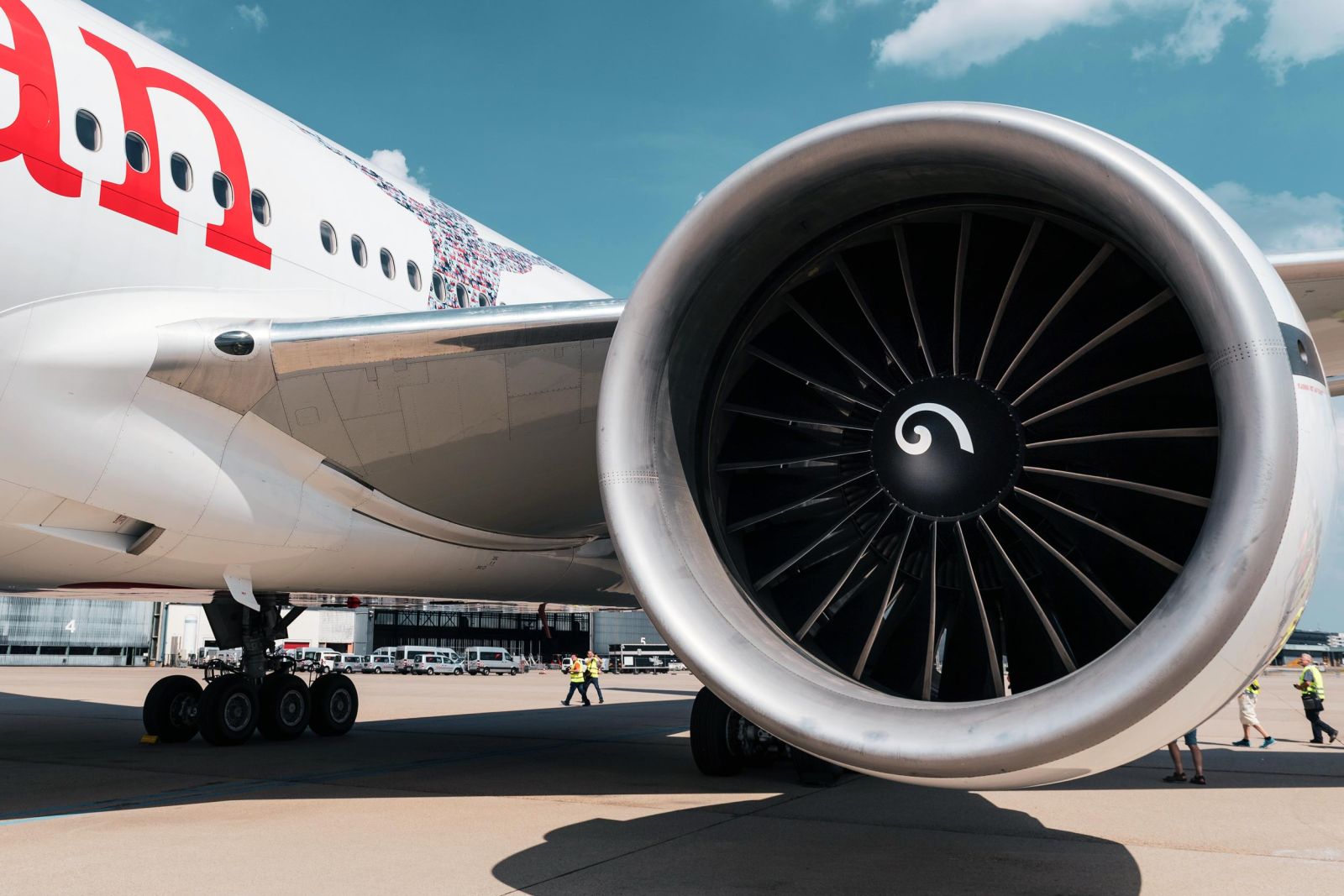
Aerospace manufacturing stands as a cornerstone of modern civilization, playing a pivotal role in shaping the world we live in today. This industry, often operating behind the scenes, is responsible for crafting the marvels of human flight, from commercial airliners to cutting-edge spacecraft. It encompasses a vast array of processes, technologies, and materials, all with the singular purpose of conquering the skies and beyond.
One cannot overstate the significance of aerospace manufacturing. It has not only revolutionized transportation but also enabled the exploration of space, connecting nations, fostering global trade, and opening up new frontiers for scientific discovery. The ability to design, build, and maintain aircraft and spacecraft has propelled us into an era where distances are mere numbers, and the sky is no longer the limit.
As we delve deeper into this blog, we will explore the multifaceted nature of aerospace manufacturing, its current challenges, innovative pursuits, the role of technology, environmental considerations, career prospects, and the key players that shape its course. By the end, you'll have a comprehensive understanding of how this industry has transformed our world and what the future holds for aerospace manufacturing.
Title: Current Challenges in the Aerospace Manufacturing Industry
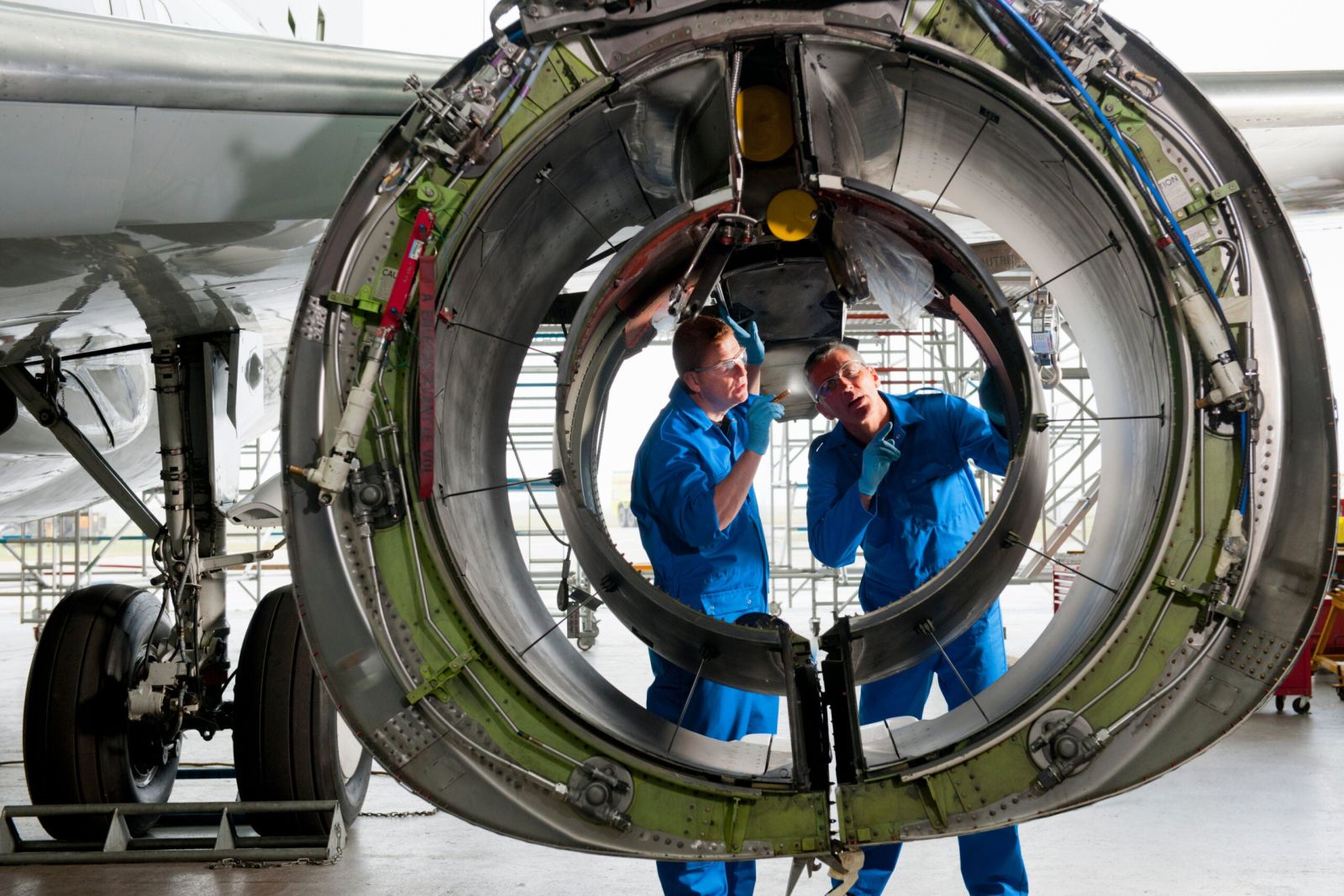
While aerospace manufacturing has brought remarkable advancements, it's not without its share of challenges. One pressing issue is the rising demand for air travel, which has put enormous pressure on manufacturers to produce more aircraft. This heightened demand comes with increased scrutiny on safety and efficiency, leading to stringent regulations and testing processes. Additionally, the industry faces the challenge of staying cost-effective while maintaining the highest safety standards.
Supply chain disruptions, geopolitical tensions, and economic fluctuations further complicate matters for aerospace manufacturers. The industry's reliance on a global network of suppliers means that disruptions in one part of the world can have far-reaching consequences. Furthermore, environmental concerns have led to calls for more sustainable practices, which require significant investments in research and development.
In this context, aerospace manufacturing companies must navigate these obstacles while continuing to innovate. It's a delicate balancing act between meeting market demands, adhering to safety regulations, and addressing environmental concerns. Overcoming these challenges is essential for the continued growth and success of the aerospace manufacturing industry.
Title: How Aerospace Manufacturing Corporations are Driving Innovation
Innovation has always been at the heart of aerospace manufacturing. In a bid to overcome challenges, corporations in this industry are continuously pushing the boundaries of what's possible. One key area of innovation lies in materials and manufacturing processes. Lightweight, high-strength materials such as carbon composites are replacing traditional aluminum, making aircraft more fuel-efficient and environmentally friendly.
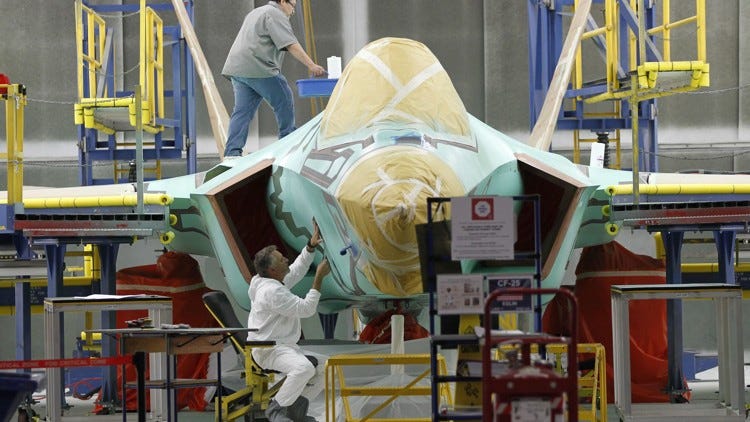
Advancements in automation and robotics are also transforming aerospace manufacturing. These technologies streamline production, reduce errors, and enhance worker safety. Furthermore, artificial intelligence and data analytics are being employed to optimize maintenance schedules and predict component failures, improving overall safety and reliability.
Beyond these technological advances, aerospace manufacturers are exploring novel propulsion systems, including electric and hybrid-electric engines, which promise to revolutionize aviation's environmental impact. These innovations aren't just improving existing aircraft but also enabling the development of entirely new types of vehicles, such as supersonic jets and reusable space launch systems.
Innovation is not just a buzzword in aerospace manufacturing; it's the driving force that ensures the industry remains at the forefront of technology and continues to shape the future of flight.
.jpg)
Title: The Future of Flight: Advancements in Aerospace Manufacturing
The future of flight is a tantalizing prospect, with aerospace manufacturing poised to play a pivotal role in its realization. One of the most exciting developments is the emergence of electric and hybrid-electric propulsion systems. These technologies promise to reduce emissions significantly, making air travel more environmentally sustainable. Electric vertical take-off and landing (eVTOL) aircraft are a prime example, offering the potential for urban air mobility and shorter, more efficient commutes.
Moreover, advancements in aerodynamics and materials are leading to the creation of aircraft with unprecedented efficiency and performance. Concepts like blended-wing bodies and laminar flow wings promise to reduce drag and improve fuel efficiency, while 3D printing enables the rapid prototyping of complex components, reducing development times and costs.
Space exploration is also undergoing a renaissance, thanks to aerospace manufacturing. Companies like SpaceX and Blue Origin are developing reusable rockets, driving down the cost of access to space. This paves the way for more frequent and ambitious missions, from lunar colonization to Mars exploration.
In essence, the future of flight holds the promise of cleaner, faster, and more accessible transportation, and aerospace manufacturing is at the forefront of turning these dreams into reality.
Title: The Role of Technology in Aerospace Manufacturing
Technology is the linchpin of aerospace manufacturing, serving as both the catalyst and enabler of progress. From the design phase to production and maintenance, cutting-edge technology permeates every aspect of the industry.
Computer-aided design (CAD) and simulation software allow engineers to create and test aircraft and spacecraft designs with unprecedented precision. Virtual reality (VR) and augmented reality (AR) tools aid in training and maintenance, enhancing safety and efficiency.
Automation and robotics have revolutionized the manufacturing process, increasing precision and productivity while reducing the risk of human error. Additive manufacturing, or 3D printing, has become a game-changer, enabling the rapid prototyping of complex components and customization.
Data analytics and artificial intelligence play a critical role in predictive maintenance, helping airlines and space agencies detect and address issues before they become critical. This not only enhances safety but also reduces downtime and operational costs.
Furthermore, technology extends to the skies themselves, with advancements in avionics, navigation systems, and communication technologies ensuring the safety and efficiency of air travel. Satellite-based systems like GPS are indispensable for modern aviation, enabling precise navigation and reducing congestion in the skies.
In sum, technology is the backbone of aerospace manufacturing, driving efficiency, safety, and innovation throughout the industry.
.jpg)
Title: Environmental Sustainability in Aerospace Manufacturing
The aerospace manufacturing industry is acutely aware of its environmental footprint and is actively working to mitigate its impact. With increasing concerns about climate change, there is a growing imperative to reduce emissions and embrace sustainability in all aspects of the industry.
One significant area of focus is aircraft emissions. Manufacturers are investing heavily in research to develop more fuel-efficient engines and lighter materials. The goal is to reduce the carbon footprint of each flight, not only by making aircraft more efficient but also by exploring alternative fuels and propulsion systems.
Moreover, the industry is committed to reducing waste and improving recycling processes. Aerospace manufacturing produces vast quantities of materials, and finding sustainable ways to manage this waste is crucial. Companies are exploring innovative recycling methods, including reusing composite materials and reducing the environmental impact of manufacturing processes.
Aerospace manufacturers are also actively participating in carbon offset initiatives and are exploring the use of sustainable aviation fuels (SAFs). SAFs are made from renewable sources and have the potential to significantly reduce the carbon emissions associated with air travel.
In summary, environmental sustainability is not just a buzzword in aerospace manufacturing; it's a driving force for change, pushing the industry towards more eco-friendly practices and technologies.
Title: Careers in Aerospace Manufacturing
For those looking to embark on a career in aerospace manufacturing, there's no shortage of exciting opportunities. The industry offers a diverse range of roles, from engineers and technicians to project managers and quality control specialists.
Aerospace engineers are at the forefront of innovation, designing aircraft and spacecraft that defy the limits of technology. They work on everything from aerodynamics and propulsion systems to materials science and avionics.
Technicians play a crucial role in the manufacturing process, assembling and maintaining aircraft components. Their attention to detail ensures that every part meets rigorous quality standards.
Project managers oversee the entire production process, coordinating teams and resources to ensure projects are completed on time and within budget. Quality control specialists meticulously inspect and test components to ensure they meet safety and quality standards.
Additionally, aerospace manufacturing offers opportunities in research and development, environmental sustainability, and even space exploration. As the industry continues to evolve, new and exciting career paths will continue to emerge.
In conclusion, a career in aerospace manufacturing offers not only the chance to be part of groundbreaking innovations but also the satisfaction of knowing that your work contributes to the future of flight.
Title: Key Players in the Aerospace Manufacturing Industry
Behind the scenes of aerospace manufacturing are the key players that shape the industry's trajectory. These corporations are giants in the field, with the resources and expertise to drive innovation and set industry standards.
Boeing, an American aerospace company, has a long history of producing iconic commercial aircraft, including the Boeing 747 and 787 Dreamliner. They are also heavily involved in space exploration, with projects like the Space Launch System (SLS) for NASA.
Airbus, Boeing's European counterpart, is a major player in the commercial aircraft market. They are known for their A320 and A350 series, as well as their forays into electric and hydrogen-powered flight.
Lockheed Martin is a leader in defense and aerospace technology, responsible for projects like the F-35 Lightning II and spacecraft for NASA's deep space missions.
Northrop Grumman is another key player, focusing on aerospace and defense technologies. They have a strong presence in space exploration, contributing to missions like the James Webb Space Telescope.
SpaceX, led by Elon Musk, has disrupted the space industry with its reusable rockets and ambitious Mars colonization plans. Blue Origin, founded by Jeff Bezos, is also making waves in the space industry with its focus on sustainable space travel.
These corporations, along with many others, are the driving force behind the evolution of aerospace manufacturing. Their investments in research, development, and sustainability initiatives shape the industry's future and have a profound impact on the future of flight.
Title: Conclusion: The Impact of Aerospace Manufacturing on the Future of Flight
In conclusion, aerospace manufacturing is not merely an industry; it's a catalyst for human progress. Its importance cannot be overstated, as it has revolutionized transportation, enabled space exploration, and brought the world closer together. As we look to the future, aerospace manufacturing faces numerous challenges, from meeting the rising demand for air travel to addressing environmental concerns and pushing the boundaries of innovation.
However, it's in overcoming these challenges that the industry truly shines. Aerospace manufacturing corporations are at the forefront of innovation, harnessing cutting-edge technology to design and produce more efficient, sustainable, and capable aircraft and spacecraft. The future of flight is filled with promise, including electric propulsion, novel materials, and the exploration of space.
Technology is the lifeblood of aerospace manufacturing, from advanced design tools to automation and data analytics. It enhances safety, efficiency, and innovation, making it possible to create aircraft and spacecraft that were once considered science fiction.
Environmental sustainability is a top priority for the industry, with a focus on reducing emissions, waste, and reliance on fossil fuels. Sustainable aviation fuels and lightweight materials are paving the way for a greener future in aerospace.
For those considering a career in aerospace manufacturing, the industry offers a wide range of opportunities, from engineering and design to project management and quality control. It's a field where innovation and creativity thrive, and where your work can shape the future of flight.
Key players in the aerospace manufacturing industry, such as Boeing, Airbus, Lockheed Martin, Northrop Grumman, SpaceX, and Blue Origin, are driving progress and setting the course for the industry's future. Their investments in technology, sustainability, and space exploration have far-reaching implications for the future of flight.
In essence, aerospace manufacturing is not just about building aircraft and spacecraft; it's about shaping the future. It's about pushing the boundaries of what's possible, making travel more accessible and sustainable, and exploring the cosmos. As we look ahead, the sky is not the limit; it's just the beginning, thanks to the unwavering commitment and innovation of the aerospace manufacturing industry.
.jpg)
FAQ 1: What Are the Key Aerospace Manufacturing Components Produced by YICHOU?
At YICHOU, we specialize in crafting precision aerospace components that are integral to the industry's innovation and advancement. Our core offerings encompass a wide array of aerospace parts, including turbine blades, structural components, avionics housings, and propulsion system components. These meticulously engineered parts play a critical role in ensuring the safety, performance, and efficiency of aircraft and spacecraft. Our commitment to quality and cutting-edge manufacturing techniques makes us a trusted partner for aerospace corporations worldwide.
FAQ 2: How Does YICHOU Address Environmental Sustainability in Aerospace Manufacturing?
Environmental sustainability is a top priority at YICHOU. We understand the importance of reducing the environmental impact of aerospace manufacturing. To achieve this, we employ advanced materials that are not only lightweight but also eco-friendly. Additionally, we continually invest in research and development to explore sustainable manufacturing practices and minimize waste. Our dedication to sustainability aligns with the aerospace industry's goal of reducing emissions and promoting greener aviation solutions.
FAQ 3: What Technological Innovations Drive YICHOU's Aerospace Manufacturing Processes?
YICHOU's commitment to staying at the forefront of aerospace manufacturing is underpinned by technological innovations. Our manufacturing processes leverage cutting-edge automation and robotics to ensure precision and efficiency. We also embrace additive manufacturing, enabling rapid prototyping and customization. Furthermore, our utilization of data analytics and artificial intelligence enhances quality control and predictive maintenance. These technological advancements empower us to meet the industry's evolving demands and exceed expectations.
FAQ 4: What Career Opportunities Does YICHOU Offer in Aerospace Manufacturing?
For individuals aspiring to pursue a rewarding career in aerospace manufacturing, YICHOU presents a diverse range of opportunities. We regularly seek talented professionals to join our team, spanning roles such as aerospace engineers, quality control specialists, project managers, and technicians. Working at YICHOU offers a chance to contribute to groundbreaking innovations in the aerospace sector and be part of a dynamic, forward-thinking organization dedicated to shaping the future of flight.
FAQ 5: How Does YICHOU Collaborate with Key Players in the Aerospace Manufacturing Industry?
Collaboration is at the heart of YICHOU's success in the aerospace manufacturing industry. We actively partner with key industry players, both domestically and internationally, to drive innovation and deliver high-quality aerospace components. Our collaborations extend to leading aircraft manufacturers, defense contractors, and space exploration enterprises. These partnerships enable us to stay at the forefront of industry trends, share knowledge, and collectively shape the future of aerospace manufacturing.