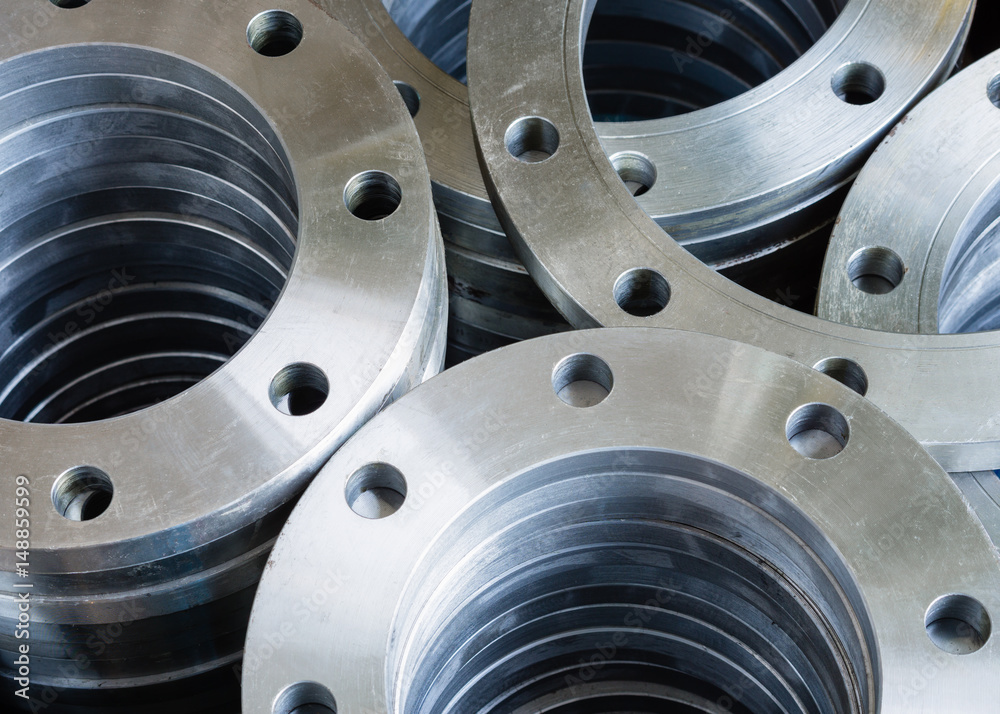
In the world of industrial applications, there is a small yet crucial component that plays a significant role in ensuring the smooth functioning of various machines and systems: the flange. Whether you are familiar with it or not, understanding the types, functions, and importance of flanges is essential for anyone working in the industrial sector. In this comprehensive guide, we will delve into the world of flanges and provide you with all the information you need to know. We will explore the different types of flanges, their functions, and their importance in various industrial applications. From the common slip-on flange to the more specialized blind flange, we will cover it all. Join us as we unravel the mysteries of the flange and shed light on its role in sealing connections, providing structural support, and facilitating easy maintenance and repairs in industrial settings. Whether you are a seasoned professional or just getting started in the industry, this guide aims to equip you with the knowledge to better understand and appreciate the importance of flanges in industrial applications.
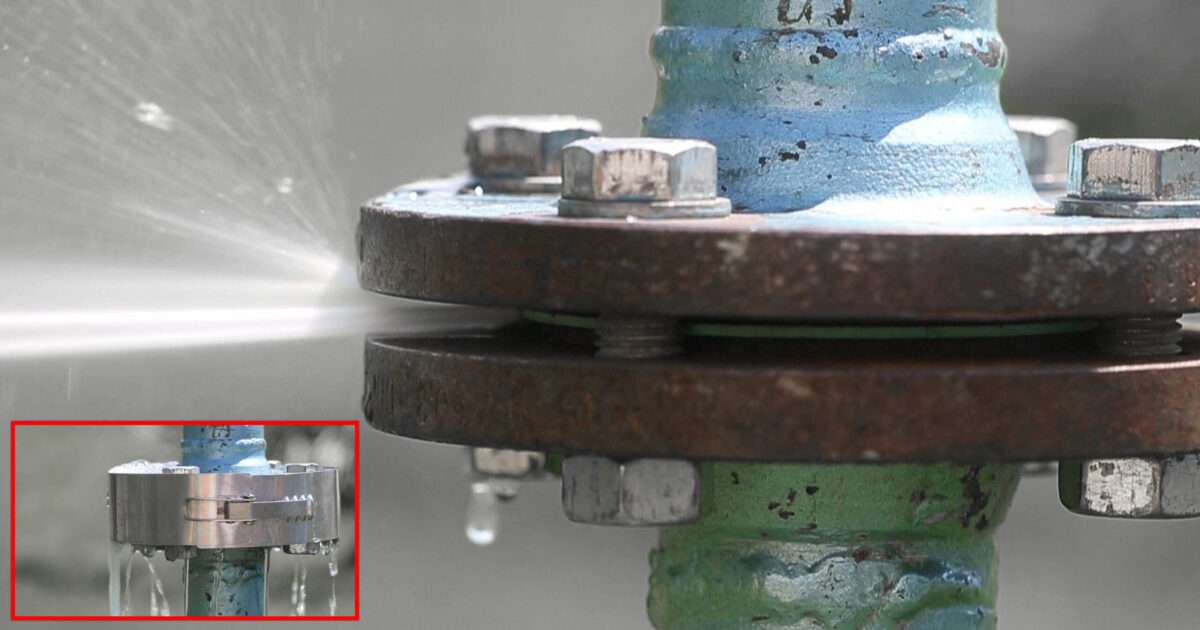
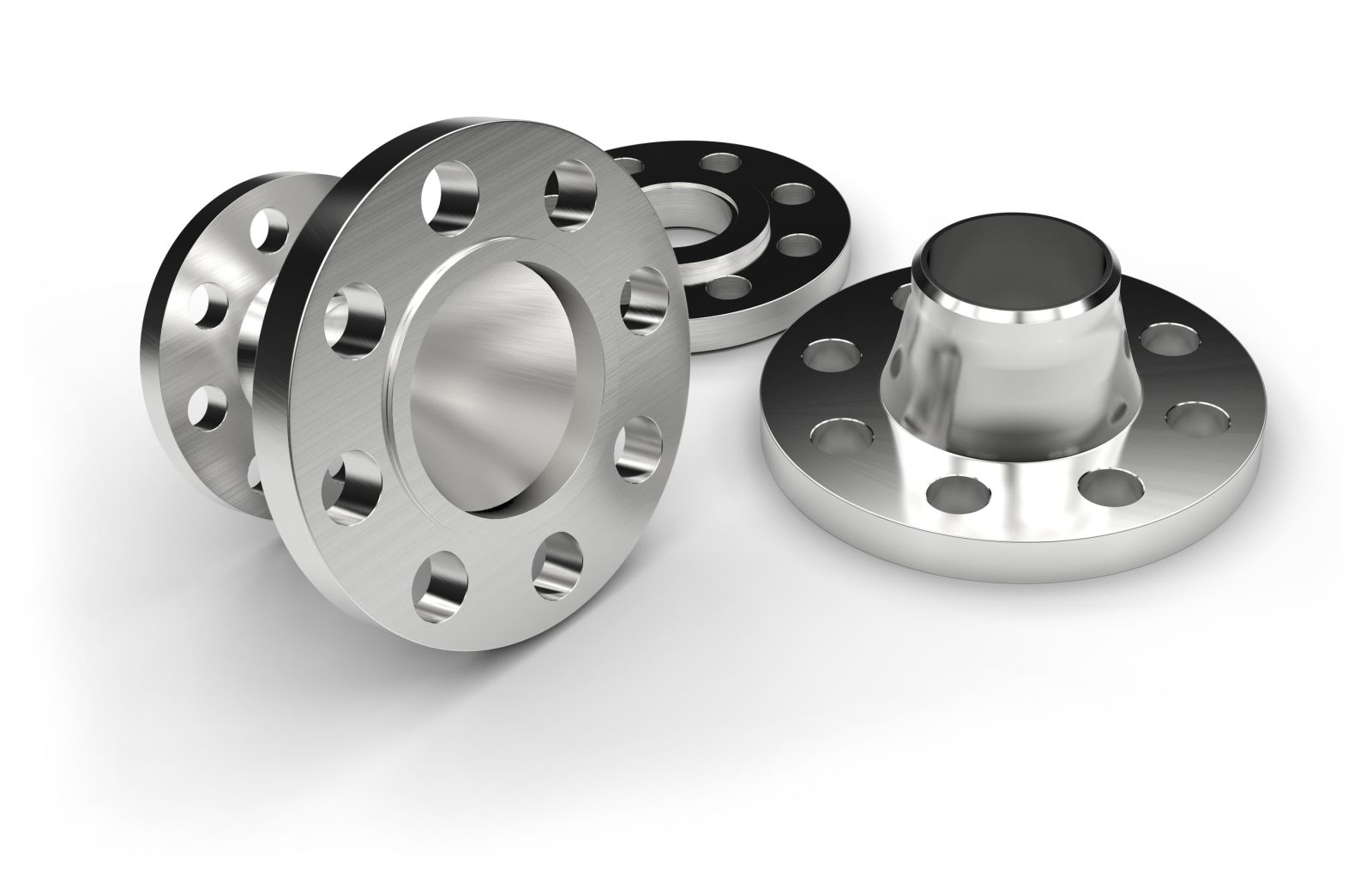
Types of Flanges
Flanges are crucial components in various industrial applications, serving as connectors that join pipes, valves, and other equipment together. Understanding the different types of flanges available is essential for selecting the right one for your specific needs.
-
Weld Neck Flanges (WN): These flanges are characterized by a long tapered hub, which provides excellent reinforcement and support for high-pressure and high-temperature applications. Their design minimizes stress concentration at the base of the flange and makes them ideal for critical systems.
-
Slip-On Flanges (SO): Slip-on flanges are easy to install and are commonly used in less demanding applications. They slide over the pipe and are then welded both inside and outside to provide a secure connection. They are cost-effective and suitable for low-pressure systems.
-
Socket Weld Flanges (SW): Socket weld flanges have a recessed area (socket) that the pipe fits into, and they are then fillet-welded around the perimeter. These flanges are ideal for small-diameter, high-pressure systems, and they ensure a smooth flow path.
-
Threaded Flanges (TH): Threaded flanges have an internal thread that matches the external thread of the pipe or fitting. They are suitable for low-pressure, non-critical applications and are easy to install and dismantle.
-
Blind Flanges (BL): Blind flanges are used to seal the end of a pipe or a vessel. They are often employed in systems where maintenance or future expansion might be required, as they can be easily removed and replaced.
-
Lap Joint Flanges (LJ): Lap joint flanges consist of two parts: a stub end and a backing flange. The stub end is attached to the pipe, and the backing flange is used to create a connection. They are ideal for systems where frequent disassembly is necessary.
-
Orifice Flanges (ORF): Orifice flanges are specifically designed for measuring the flow rate of liquids and gases. They have a small orifice hole, often accompanied by a set of pressure-tapping points, which allow for accurate flow measurements.
-
Expander Flanges (EXP): Expander flanges are used in systems where thermal expansion and contraction are a concern. They have a tapered design that compensates for temperature-related changes in pipe length.
-
Reducing Flanges: Reducing flanges are used to connect pipes of different diameters. They have one side with a larger bore and another with a smaller bore, facilitating a smooth transition between pipes of different sizes.
-
Square Flanges: Square flanges, as the name suggests, have a square shape. They are often used in applications where a rectangular or square pipe or duct needs to be connected.
Choosing the right type of flange depends on factors such as the application's pressure, temperature, size, and material compatibility. By understanding the various flange types, you can make informed decisions to ensure the integrity and efficiency of your industrial systems.

Common Materials Used for Flanges
The materials used in flange manufacturing play a pivotal role in determining their performance, longevity, and suitability for specific applications. Selecting the right material is crucial to ensure that the flange can withstand the environmental and operational challenges it will encounter.
-
Carbon Steel: Carbon steel flanges are popular due to their strength and affordability. They are suitable for a wide range of applications, especially in industries where corrosion resistance is not a primary concern. However, they may require additional coatings or treatments in corrosive environments.
-
Stainless Steel: Stainless steel flanges are highly corrosion-resistant and ideal for applications where exposure to moisture or chemicals is a concern. They come in various grades, with 316 and 304 being the most common choices for industrial use.
-
Alloy Steel: Alloy steel flanges offer enhanced strength and durability, making them suitable for high-temperature and high-pressure applications. Alloys like chrome-molybdenum provide excellent resistance to corrosion and oxidation.
-
Duplex and Super Duplex: Duplex and super duplex stainless steels are known for their exceptional corrosion resistance and strength. They are commonly used in offshore and marine applications, as well as in the chemical and petrochemical industries.
-
Nickel Alloys: Nickel alloy flanges are indispensable in industries that demand exceptional resistance to high-temperature and corrosive environments. Inconel, Hastelloy, and Monel are some well-known nickel alloys used in flange manufacturing.
-
Brass and Copper: Brass and copper flanges are primarily used in plumbing and HVAC systems due to their excellent thermal conductivity and corrosion resistance. They are also favored in decorative applications.
-
Titanium: Titanium flanges are exceptionally lightweight and corrosion-resistant, making them suitable for aerospace, chemical processing, and medical equipment applications.
-
Plastics: Thermoplastic flanges, such as PVC and CPVC, are used in applications where chemical resistance and non-conductivity are essential, like in the water treatment and semiconductor industries.
-
Exotic Alloys: In some specialized applications, exotic alloys like tantalum, zirconium, and niobium may be required to meet stringent corrosion resistance and temperature tolerance requirements.
Selecting the right material is critical to ensure the longevity and safety of your industrial systems. Consider factors like temperature, pressure, chemical exposure, and environmental conditions when choosing the material for your flanges. Additionally, it's essential to adhere to industry-specific material standards and regulations to maintain system integrity.
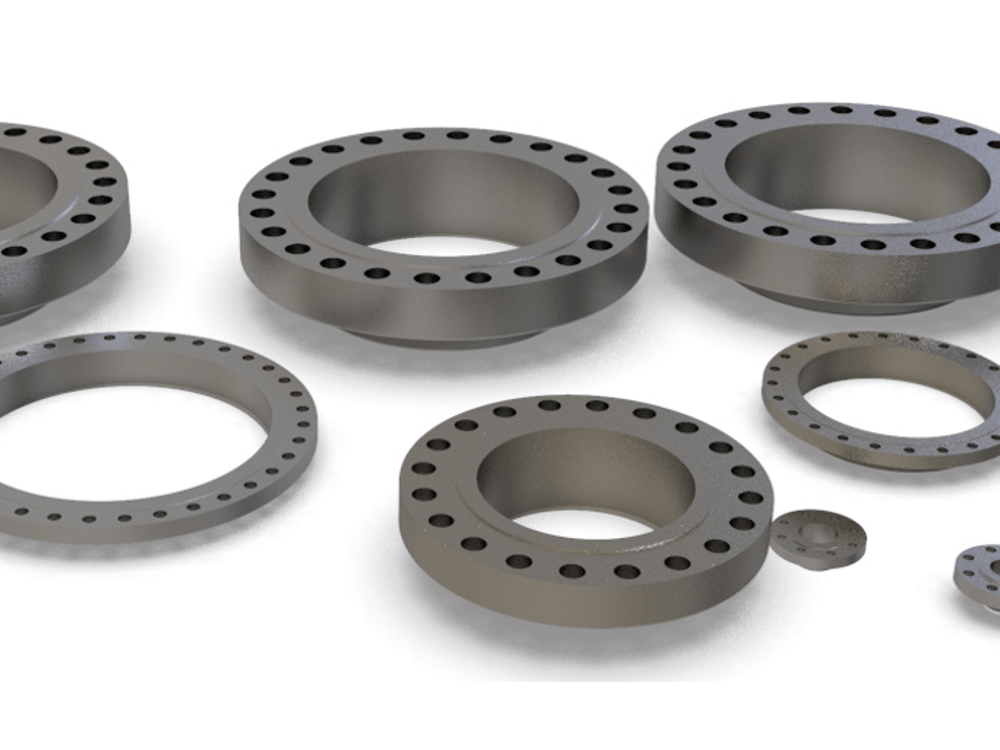
Flange Dimensions and Standards
Flanges come in various sizes and dimensions to accommodate different pipe sizes and pressure ratings. Understanding the standard dimensions and ratings is essential for ensuring compatibility and performance in your industrial systems.
-
ANSI/ASME Standards: In the United States, ANSI/ASME B16.5 is the most widely used standard for flange dimensions and ratings. It covers flanges from 1/2" to 24" in size and includes pressure classes ranging from 150 to 2500. ANSI/ASME B16.47 focuses on larger flanges from 26" to 60".
-
MSS-SP Standards: The Manufacturers Standardization Society (MSS) has established standards like MSS SP-44 for steel pipeline flanges, MSS SP-6 for stainless steel flanges, and MSS SP-51 for cast iron pipe flanges. These standards provide specifications for various materials and applications.
-
API Standards: The American Petroleum Institute (API) has developed standards such as API 6A for wellhead and Christmas tree equipment and API 605 for large-diameter carbon steel flanges. These standards are essential in the oil and gas industry.
-
ISO Standards: The International Organization for Standardization (ISO) offers a range of standards for flanges, with ISO 7005-1 and ISO 7005-2 being commonly referenced for steel flanges. ISO standards are widely used in international projects.
-
DIN Standards: The German Institute for Standardization (DIN) has established standards like DIN 2501 and DIN 2633 for flanges used in Europe. DIN standards are prevalent in the European Union and other regions.
-
JIS Standards: The Japanese Industrial Standards (JIS) include specifications for flanges used in Japan and some other Asian countries. JIS B2220 is a standard for steel pipe flanges widely used in Japan.
-
BS Standards: The British Standards Institution (BSI) has developed standards like BS 4504 and BS EN 1092-1 for flanges used in the United Kingdom and other regions that follow British standards.
Understanding these standards is crucial because they dictate the dimensions, pressure ratings, and material requirements for flanges used in specific industries and regions. Using flanges that adhere to the appropriate standards ensures compatibility and safety within your industrial systems. When sourcing flanges, always verify that they meet the relevant standards to avoid compatibility issues and potential hazards.
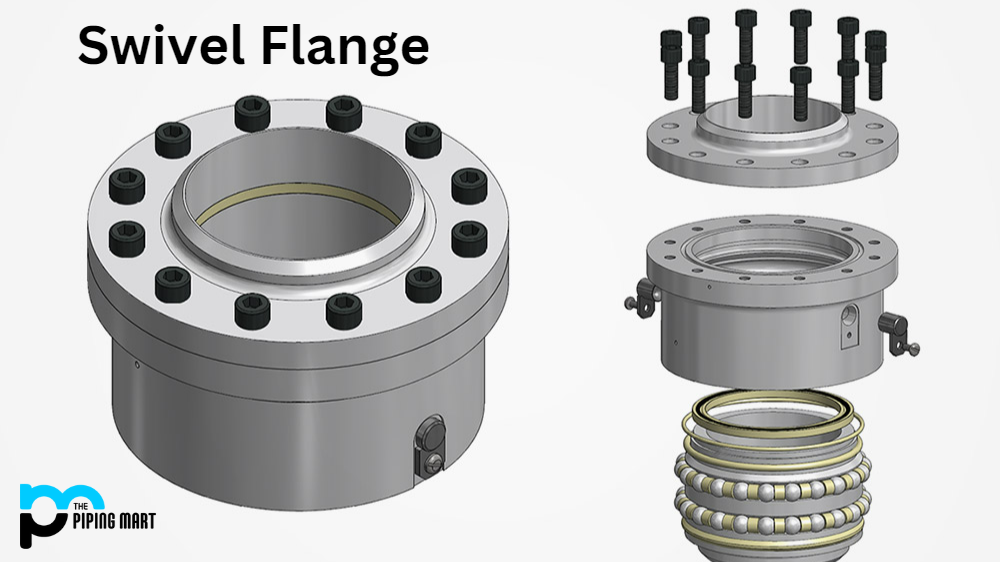
Functions of Flanges in Industrial Applications
Flanges serve a multitude of functions in industrial applications, ranging from connecting pipes to providing structural support and facilitating maintenance. Understanding these functions is essential for designing efficient and reliable systems.
-
Pipeline Connection: The primary function of flanges is to connect pipes and components in a secure and leak-proof manner. They enable the assembly and disassembly of pipelines, making maintenance and repairs more accessible.
-
Pressure Containment: Flanges play a vital role in containing pressure within a system. Their design and material selection must withstand the pressure and temperature conditions of the application, ensuring safe operation.
-
Sealing: Flanges are responsible for creating a tight seal between pipe connections. Proper gasket selection and installation are crucial to prevent leaks, which can be costly and pose safety risks.
-
Alignment and Support: Flanges ensure proper alignment of pipes and equipment. They provide structural support, preventing sagging or misalignment due to thermal expansion and contraction.
-
Branch Connections: In some cases, flanges are used to create branch connections, allowing additional pipes or equipment to be attached to the main pipeline without interrupting flow.
-
Flow Control: Orifice flanges with precisely machined holes are used for flow measurement and control. They are critical for accurately monitoring and regulating fluid or gas flow rates.
-
Vibration Dampening: Flanges can help dampen vibrations and reduce the transmission of noise in piping systems. This is particularly important in industries where vibration control is necessary, such as petrochemical and power generation.
-
Corrosion Resistance: The choice of flange material can significantly impact the corrosion resistance of a system. Flanges made from corrosion-resistant materials protect against chemical reactions that can weaken the structure.
-
Accessibility for Inspection and Maintenance: Flanges allow for easy access to system components, facilitating inspection, maintenance, and repairs. This accessibility minimizes downtime and ensures system reliability.
-
Pressure Relief: In cases of excess pressure buildup, safety relief valves can be integrated with flanges to protect the system from damage or catastrophic failure.
Understanding these functions is essential for proper flange selection and design in industrial applications. The right choice of flanges can enhance the efficiency, safety, and longevity of your systems, reducing operational costs and minimizing downtime.
Importance of Proper Flange Installation and Maintenance
While selecting the right type of flange and material is crucial, proper installation and ongoing maintenance are equally essential for ensuring the reliability and safety of your industrial systems.
-
Installation Procedures: Flange installation should follow industry best practices and manufacturer guidelines. This includes ensuring proper alignment, torque values, and gasket selection. Improper installation can lead to leaks, system failures, and safety hazards.
-
Gasket Selection: Choosing the right gasket material is critical for achieving a reliable seal. Factors such as temperature, pressure, and the nature of the fluid being conveyed must be considered when selecting gaskets. Common gasket materials include rubber, graphite, and PTFE.
-
Bolt Torque: Proper bolt torque is essential to create a secure seal and prevent leakage. Under-torquing can result in loose connections, while over-torquing can damage flanges and gaskets. Following manufacturer-recommended torque values is crucial.
-
Surface Preparation: Flange surfaces must be clean and smooth to ensure a proper seal. Rust, debris, or imperfections can compromise the integrity of the connection. Surface preparation methods include machining, grinding, and sandblasting.
-
Inspection and Testing: Regular inspection of flanges and their connections is necessary to detect signs of wear, corrosion, or damage. Non-destructive testing methods, such as ultrasonic testing and dye penetrant inspection, can identify hidden defects.
-
Corrosion Protection: Flanges in corrosive environments should be protected with coatings or corrosion-resistant materials. Regular inspections can identify areas where corrosion may be occurring.
-
Gasket Replacement: Gaskets have a limited lifespan and may need to be replaced periodically. Monitoring gasket condition and replacing them when necessary is essential for maintaining a leak-free system.
-
Leak Detection: Implementing leak detection systems, such as pressure sensors or visual inspections, can help identify leaks early and prevent costly downtime and environmental damage.
-
Training and Competence: Ensuring that personnel responsible for flange installation and maintenance are properly trained and competent is vital. Inadequate knowledge and skills can lead to errors and safety risks.
-
Emergency Response: Have a well-defined emergency response plan in place for handling flange-related incidents. This includes procedures for shutting down the system, containing leaks, and addressing any safety hazards.
Proper installation and maintenance practices are essential for preventing costly downtime, environmental damage, and safety incidents. Investing in training and adherence to best practices can lead to increased system reliability and longevity.
Flange Leakage Prevention and Sealing Techniques
Preventing flange leaks is a top priority in industrial applications, as even small leaks can lead to significant operational issues, safety hazards, and environmental concerns. Employing effective sealing techniques is essential to maintaining leak-free systems.
-
Gasket Selection: Choosing the appropriate gasket material is critical for effective sealing. Different gasket materials are suitable for various applications. For instance, rubber gaskets are ideal for low-pressure systems, while metal gaskets are preferred for high-pressure and high-temperature applications.
-
Proper Gasket Installation: Gaskets must be installed correctly to ensure a reliable seal. This includes aligning the gasket properly, positioning it between the flange faces, and following the recommended torque specifications for bolt tightening.
-
Flange Facing: Flange faces should be smooth and flat to ensure a proper seal. Any imperfections or irregularities can lead to leaks. If necessary, resurfacing or machining the flange faces can improve sealing performance.
-
Bolt Tightening Sequence: Tightening bolts in the correct sequence is crucial for uniform compression and even gasket compression. Following a specified tightening pattern minimizes the risk of uneven pressure distribution and leaks.
-
Bolted Joint Integrity: Regularly inspect bolted joints for signs of loosening or corrosion. Bolts that have lost their torque or integrity should be replaced promptly to maintain sealing integrity.
-
Flange Lubrication: Applying a suitable lubricant to bolt threads and flange surfaces can reduce friction during tightening and improve the integrity of the seal.
-
Use of Sealants: In some cases, sealants or gasket compounds can be applied in addition to gaskets to enhance sealing performance. It's essential to choose a sealant compatible with the process fluid and operating conditions.
-
Double-Gasketing: In critical applications, double-gasketing can provide an extra layer of protection against leaks. This involves installing two gaskets with an additional spacer ring between them.
-
Flange Encapsulation: Flange encapsulation involves covering the flange and bolts with a protective material or coating to shield them from corrosive substances and external environmental factors.
-
Monitoring and Inspection: Implementing a routine monitoring and inspection program is vital to detect early signs of leaks or gasket degradation. Use leak detection methods such as visual inspections, dye penetrant tests, or ultrasonic testing.
-
Emergency Response: Have a clear emergency response plan in place in case of unexpected leaks. This should include procedures for containment, shutdown, and repair to minimize the impact of a leak.
Proactive leak prevention and sealing techniques are essential for maintaining the integrity of industrial systems. By implementing these strategies and staying vigilant with inspections and maintenance, you can reduce the risk of flange-related leaks and their associated costs and risks.
Flange Safety Considerations
Safety is paramount in industrial operations, and flanges play a crucial role in ensuring safe processes. Understanding flange safety considerations is vital to prevent accidents, protect personnel, and maintain the integrity of your systems.
-
Pressure and Temperature Limits: Always operate flanges within their specified pressure and temperature limits. Exceeding these limits can lead to catastrophic failures and safety hazards.
-
Material Compatibility: Ensure that the materials used for flanges, gaskets, and piping are compatible with the process fluids. Incompatible materials can lead to corrosion, leaks, and chemical reactions that pose safety risks.
-
Corrosion Protection: Implement corrosion protection measures for flanges exposed to corrosive environments. This may include using corrosion-resistant materials, coatings, or cathodic protection systems.
-
Flange Inspection: Regularly inspect flanges for signs of wear, corrosion, or damage. Any issues should be addressed promptly to prevent safety hazards.
-
Bolt Torque: Properly torqued bolts are essential for maintaining flange integrity. Under-torquing can result in loose connections, while over-torquing can lead to gasket damage or flange distortion. Follow manufacturer-recommended torque values.
-
Flange Guards and Shields: In high-pressure or high-temperature applications, consider using flange guards or shields to contain leaks and protect personnel from hot or hazardous fluids.
-
Flange Orientation: Ensure that flanges are properly oriented to minimize the risk of fluid spillage in case of a leak. Position flanges in a way that directs any potential leaks away from personnel and sensitive equipment.
-
Leak Detection Systems: Implement leak detection systems, such as pressure sensors or optical sensors, to quickly identify and respond to leaks. Early detection can prevent accidents and mitigate risks.
-
Emergency Shutdown Procedures: Establish clear emergency shutdown procedures in case of flange-related incidents. Personnel should be trained in these procedures to ensure a swift and safe response.
-
Personal Protective Equipment (PPE): Provide appropriate PPE, including safety goggles, gloves, and heat-resistant clothing, to personnel working near flanges in hazardous environments.
-
Training and Competence: Ensure that all personnel involved in flange-related tasks are adequately trained and competent in safety protocols and procedures.
-
Safety Training: Conduct regular safety training sessions and drills to familiarize personnel with emergency response procedures and safety precautions.
-
Documentation: Maintain thorough documentation of flange specifications, inspection records, and safety procedures. This documentation is essential for compliance and incident investigation.
-
Risk Assessment: Perform risk assessments to identify potential hazards associated with flange operations. Develop risk mitigation strategies to reduce the likelihood of accidents.
-
Regulatory Compliance: Adhere to all relevant safety regulations and industry standards governing flange usage and safety.
Prioritizing flange safety considerations is essential to protect both personnel and the environment. By implementing safety measures and protocols, you can minimize the risk of accidents and ensure the smooth operation of industrial systems.
Flange Selection Guidelines for Specific Applications
Selecting the right flange for a specific application requires a thorough understanding of the operating conditions, fluid properties, and system requirements. Here are guidelines for choosing the most suitable flange for various industrial applications:
-
High-Pressure Systems: For applications involving high pressure, such as in oil and gas pipelines, consider weld neck flanges (WN) with raised faces and a higher pressure class rating. Materials like alloy steel or stainless steel are often preferred for their strength and corrosion resistance.
-
High-Temperature Environments: In systems with elevated temperatures, use flanges made from materials designed for high-temperature applications, such as stainless steel or alloy steel. Ensure that gaskets and bolting materials are also suitable for the temperature range.
-
Corrosive Fluids: When handling corrosive fluids, select flanges and gaskets made from corrosion-resistant materials such as stainless steel, nickel alloys, or titanium. Proper surface treatment or coating may also be necessary.
-
Hygienic Applications: Industries like pharmaceuticals and food processing require sanitary flanges made from materials like stainless steel, which are easy to clean and maintain. Use gaskets approved for food contact and follow hygienic design principles.
-
Abrasive Media: In applications involving abrasive media, consider flanges made from wear-resistant materials like lined or coated carbon steel. Regular inspection and maintenance are essential to monitor wear and prevent leaks.
-
Cryogenic Applications: For extremely low-temperature applications, choose flanges and gaskets designed for cryogenic service. Materials like stainless steel or special low-temperature alloys are suitable.
-
Potable Water Systems: When handling drinking water, use flanges made from materials approved for potable water contact, such as brass or ductile iron. Ensure compliance with local water quality regulations.
-
Chemical Processing: Chemical plants often require flanges made from materials resistant to chemical corrosion. Consider materials like Hastelloy or Inconel for such applications.
-
Offshore and Marine: In offshore and marine environments, flanges must withstand saltwater exposure and extreme weather conditions. Corrosion-resistant materials and coatings are essential.
-
Mining and Slurry Transport: In mining applications involving abrasive slurry, use flanges made from wear-resistant materials like hardened steel or rubber-lined flanges. Regular maintenance is critical to prevent wear and leaks.
-
Fire Protection Systems: Fire protection systems require flanges that can withstand high-temperature exposure. Carbon steel flanges with suitable coatings or linings are often used.
-
Aerospace and Aviation: Aerospace applications demand lightweight yet strong flanges made from materials like titanium or aluminum alloys. Precision machining and tight tolerances are critical.
-
Nuclear Industry: Nuclear applications require flanges made from materials with low neutron absorption properties, such as certain stainless steels. Stringent quality control and testing are essential.
-
Pulp and Paper Industry: Flanges in the pulp and paper industry must handle aggressive chemicals and high temperatures. Stainless steel or nickel alloys are common choices.
-
Renewable Energy: Flanges in renewable energy systems, such as wind turbines and solar thermal plants, should be corrosion-resistant and designed for long-term exposure to outdoor conditions.
-
Pharmaceutical and Biotechnology: Hygienic and sterile flanges are essential in pharmaceutical and biotechnology applications. Use materials like stainless steel and follow industry-specific standards.
-
Electronics Manufacturing: Cleanroom environments in electronics manufacturing require flanges made from non-contaminating materials like PTFE or PVC.
-
HVAC and Plumbing: Select flanges suitable for plumbing and HVAC systems, considering factors like water pressure, temperature, and compatibility with potable water.
-
Automotive and Transportation: Flanges in automotive and transportation systems must meet industry-specific requirements for strength, weight, and durability. Materials like stainless steel and aluminum are common choices.
-
Custom Applications: For unique or specialized applications, consult with experts and engineers to design custom flanges that meet the specific requirements of the system.
Choosing the right flange for a specific application involves careful consideration of material compatibility, operating conditions, and regulatory compliance. Consulting with industry experts or engineers with expertise in flange selection can help ensure the best choice for your unique needs.
Conclusion: The Role of Flanges in Ensuring Safe and Efficient Industrial Operations
Flanges are unsung heroes in industrial operations, serving as critical components that facilitate the seamless connection of pipes, valves, and equipment. Their importance cannot be overstated, as they play a pivotal role in ensuring safe, efficient, and reliable industrial processes.
From understanding the various types of flanges available to selecting the right materials for specific applications, flange knowledge is essential. It enables industries to maintain the integrity of their systems, prevent leaks, and protect personnel and the environment.
Proper flange installation and maintenance practices are equally crucial, as they reduce the risk of accidents, downtime, and costly repairs. Regular inspections, adherence to safety protocols, and proactive leak prevention measures are fundamental to safe industrial operations.
In a world where industries are increasingly diverse and specialized, the correct selection of flanges tailored to specific applications is vital. Whether in high-pressure environments, corrosive chemical processes, or sensitive hygienic applications, the right flanges ensure system performance and safety.
Flanges also find their place in cutting-edge industries like aerospace, renewable energy, and electronics manufacturing, where precision, durability, and reliability are paramount.
In conclusion, the unassuming flange is an indispensable component that binds industries together. Its role in ensuring the safety and efficiency of industrial operations cannot be overstated. By understanding the various aspects of flanges and adhering to best practices, industries can continue to thrive while prioritizing safety, reliability, and sustainability.
FAQ 1: What Are the Most Common Flange Types in Industrial Applications?
Keywords: common flange types, industrial flanges, flange selection
In the realm of industrial applications, various flange types serve distinct purposes. Among the most common are Weld Neck Flanges (WN), Slip-On Flanges (SO), Socket Weld Flanges (SW), Threaded Flanges (TH), Blind Flanges (BL), Lap Joint Flanges (LJ), Orifice Flanges (ORF), Expander Flanges (EXP), Reducing Flanges, and Square Flanges. Each of these flange types is engineered to meet specific requirements, such as high pressure, high temperature, or ease of assembly, offering manufacturers like YICHOU a broad range of choices for various industrial needs.
FAQ 2: What Materials Should YICHOU Consider for Manufacturing Flanges?
Keywords: flange materials, industrial flange materials, material selection
Choosing the right materials for manufacturing flanges is crucial for ensuring their performance and longevity. Materials like Carbon Steel, Stainless Steel, Alloy Steel, Duplex and Super Duplex, Nickel Alloys, Brass and Copper, Titanium, Plastics, and Exotic Alloys all have their unique strengths and are suited to specific industrial applications. At YICHOU, considering the materials' corrosion resistance, temperature tolerance, and mechanical properties in line with industry standards is paramount for producing reliable flanges.
FAQ 3: What Are the Key Dimensions and Standards for Flanges?
Keywords: flange dimensions, flange standards, industry standards
Understanding the dimensions and standards of flanges is essential for manufacturers like YICHOU. Key standards include ANSI/ASME, MSS-SP, API, ISO, DIN, JIS, and BS. These standards dictate the dimensions, pressure ratings, and material requirements for flanges used in specific industries and regions. Adhering to these standards ensures compatibility and safety within industrial systems, a priority for YICHOU's manufacturing processes.
FAQ 4: How Do Flanges Contribute to the Safety of Industrial Operations?
Keywords: flange safety, industrial safety, safety considerations
Flanges are more than just connectors; they are critical components for ensuring safety in industrial operations. Proper installation, regular maintenance, and adherence to safety protocols, such as pressure and temperature limits, material compatibility, and corrosion protection, are all vital aspects. YICHOU places safety at the forefront of its manufacturing practices to deliver flanges that contribute to the safety and integrity of industrial systems.
FAQ 5: What Are the Guidelines for Selecting the Right Flange for Specific Applications?
Keywords: flange selection, flange guidelines, industrial applications
Selecting the right flange for specific applications requires a nuanced approach. YICHOU considers factors like pressure, temperature, fluid properties, and environmental conditions. For high-pressure systems, materials like alloy steel may be preferable, while sanitary applications may necessitate stainless steel. With expertise in manufacturing, YICHOU ensures that the choice of flange aligns with the unique requirements of each industrial application, promoting efficiency and reliability.