Meta Description: What is Squeeze Casting? This ultimate guide explains the process, advantages over Die Casting (HPDC/LPDC) & Forging, applications, and how our squeeze casting manufacturing expertise solves common defects for stronger, lighter parts. Get your questions answered.
Target Keywords: Squeeze Casting, Squeeze Casting Manufacturer, Squeeze Casting vs Die Casting, Squeeze Casting Process, Aluminum Squeeze Casting, Liquid Metal Forging, High Integrity Casting, Porosity Free Casting, Casting vs Forging.
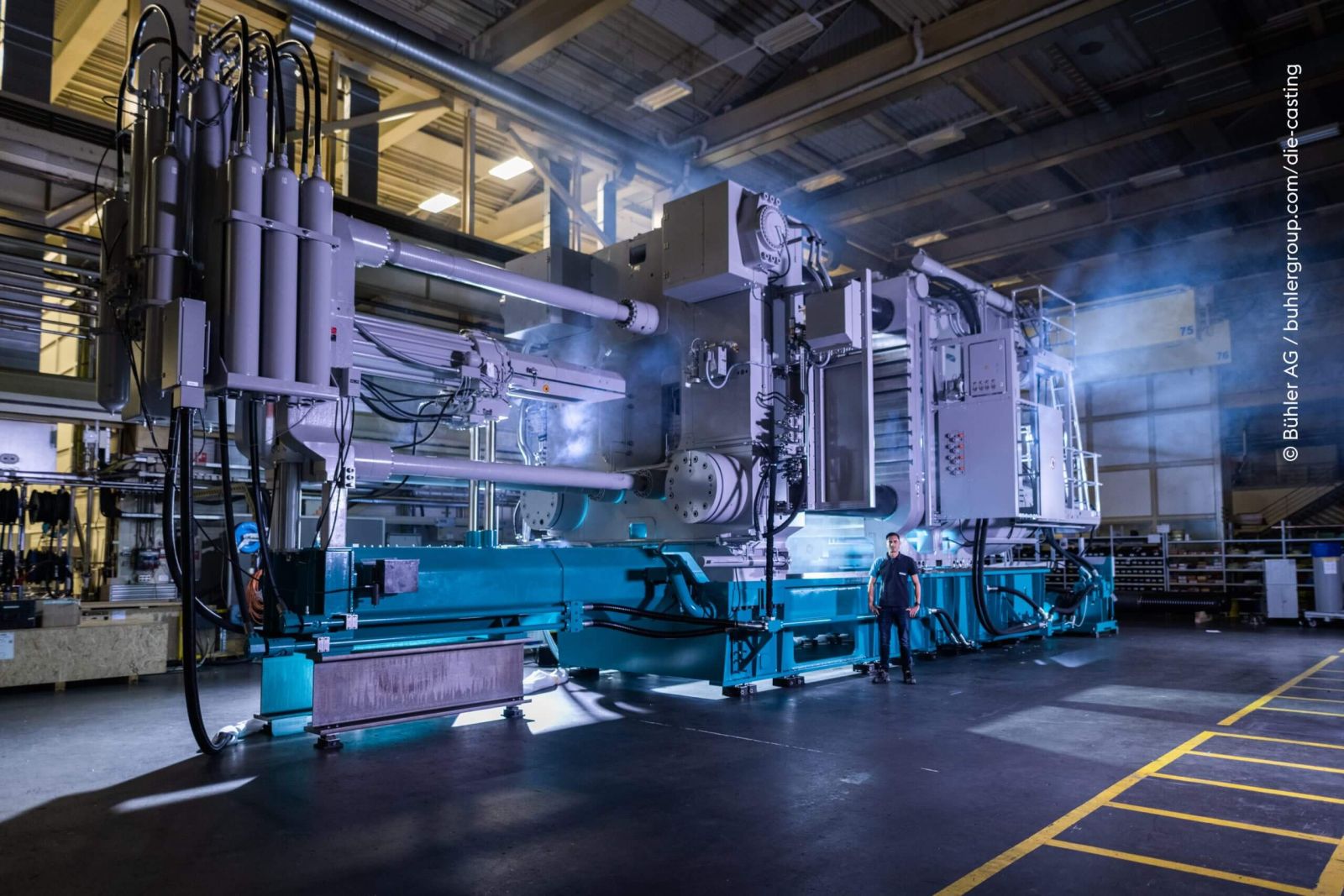
Introduction: The Quest for the Perfect Casting
-
Hook: Start by addressing the universal challenge in metal part manufacturing: achieving high strength, complex geometries, and cost-efficiency simultaneously.
-
Introduce the Problem: Briefly mention common casting issues like porosity (from the file: "What causes veining in casting?", "Why does casting fail?") that plague traditional methods.
-
Present the Solution: Introduce Squeeze Casting as the advanced hybrid manufacturing process that bridges the gap between casting and forging.
-
Establish Authority: State our position as a leading squeeze casting manufacturer, dedicated to solving high-stakes engineering challenges.
Part 1: Demystifying Squeeze Casting - What It Is and How It Works
-
1.1. What is Squeeze Casting? A Clear Definition
-
Answer the fundamental question from the file directly.
-
Define it as a hybrid process (Liquid Metal Forging) that combines the virtues of casting's complexity with forging's strength.
-
Briefly mention its application in composite materials ("What is squeeze casting in composite materials?").
-
-
1.2. The Squeeze Casting Process: A Detailed, Step-by-Step Breakdown
-
Answer "What is the process of squeeze casting?" and "What are the three basic steps in casting?" with a tailored, four-step sequence for squeeze casting.
-
Step 1: Die Preparation & Molten Metal Pouring: Emphasize precision and controlled atmosphere.
-
Step 2: High-Pressure Application & Solidification: The core of the process. Explain how intense pressure is applied and held throughout the entire solidification phase. This is key to eliminating porosity.
-
Step 3: Pressure Release & Ejection: Describe the controlled ejection of the near-net-shape part.
-
Step 4: Minimal Finishing: Highlight the excellent surface finish that reduces post-processing.
-
-
1.3. The Science Behind the Strength: Why Pressure Makes Perfect
-
Explain the metallurgical benefits: refined grain structure, elimination of gas and shrinkage porosity, and enhanced feedability.
-
Part 2: Squeeze Casting vs. The Field: A Head-to-Head Technical Comparison
-
2.1. Squeeze Casting vs. High-Pressure Die Casting (HPDC)
-
Directly answer "What is the difference between die casting and squeeze casting?" and "What is HPDC and LPDC?".
-
The Porosity Problem in HPDC: Explain how turbulent filling in HPDC leads to entrapped air, addressing "the main disadvantage of die casting".
-
Contrasting Table: A clear comparison on parameters like Pressure (Timing & Purpose), Microstructure, Porosity, Mechanical Properties, and Part Complexity.
-
The "Squeeze Pin" Explained: Briefly clarify "What is a squeeze pin in die casting?" as a different, less effective technique used in HPDC to reduce shrinkage, not a replacement for the full squeeze casting process.
-
-
2.2. Squeeze Casting vs. Low-Pressure Die Casting (LPDC)
-
Compare the controlled filling of LPDC with the high-pressure solidification of squeeze casting.
-
Discuss advantages in mechanical properties and suitability for thicker, higher-integrity parts.
-
-
2.3. Squeeze Casting vs. Forging: The Great Debate
-
Directly tackle "What is the difference between squeeze casting and forging?", "Is casting stronger than forging?", and "Is casting considered forging?".
-
Geometry Complexity: Forging is limited to simpler shapes; squeeze casting allows for intricate features, cores, and thinner walls.
-
Material Utilization & Cost: Explain "Why is casting cheaper than forging?" (near-net-shape vs. significant machining from a billet).
-
Performance: Acknowledge that traditional forging can have superior properties in some cases, but squeeze casting closes the gap significantly while offering design freedom.
-
Conclusion: Position squeeze casting as the optimal choice for complex, high-strength components where forging is impractical or too expensive.
-
-
2.4. Squeeze Casting vs. Other Processes (Sand Casting, Gravity Casting)
-
Brief comparison focusing on dimensional accuracy, surface finish, and production rate.
-
Part 3: The Unbeatable Advantages of Squeeze Casting
-
Synthesize the answers to "What are the advantages of the casting process?" specifically for squeeze casting.
-
1. Superior Mechanical Properties: High tensile strength, impact toughness, and fatigue life.
-
2. Elimination of Porosity: Pressure-tight components suitable for hydraulic and pneumatic applications.
-
3. Excellent Dimensional Accuracy and Surface Finish: Reduces machining costs and time.
-
4. Material Versatility: Excellent for a wide range of aluminum and magnesium alloys, and metal matrix composites.
-
5. Cost-Effectiveness for Complex Parts: Answers "Is casting cost effective?" for high-value components by reducing scrap and machining.
-
Part 4: Applications – Where Squeeze Casting Excels
-
Showcase real-world applications to build credibility and inspire potential clients.
-
Automotive: Knuckles, control arms, engine brackets, brake components.
-
Aerospace: Structural fittings, housings, and drone components.
-
Defense: Weapon components, armored vehicle parts.
-
Electrical & Thermal Management: Heat sinks with complex fin structures.
-
High-Performance Industrial & Recreational Equipment.
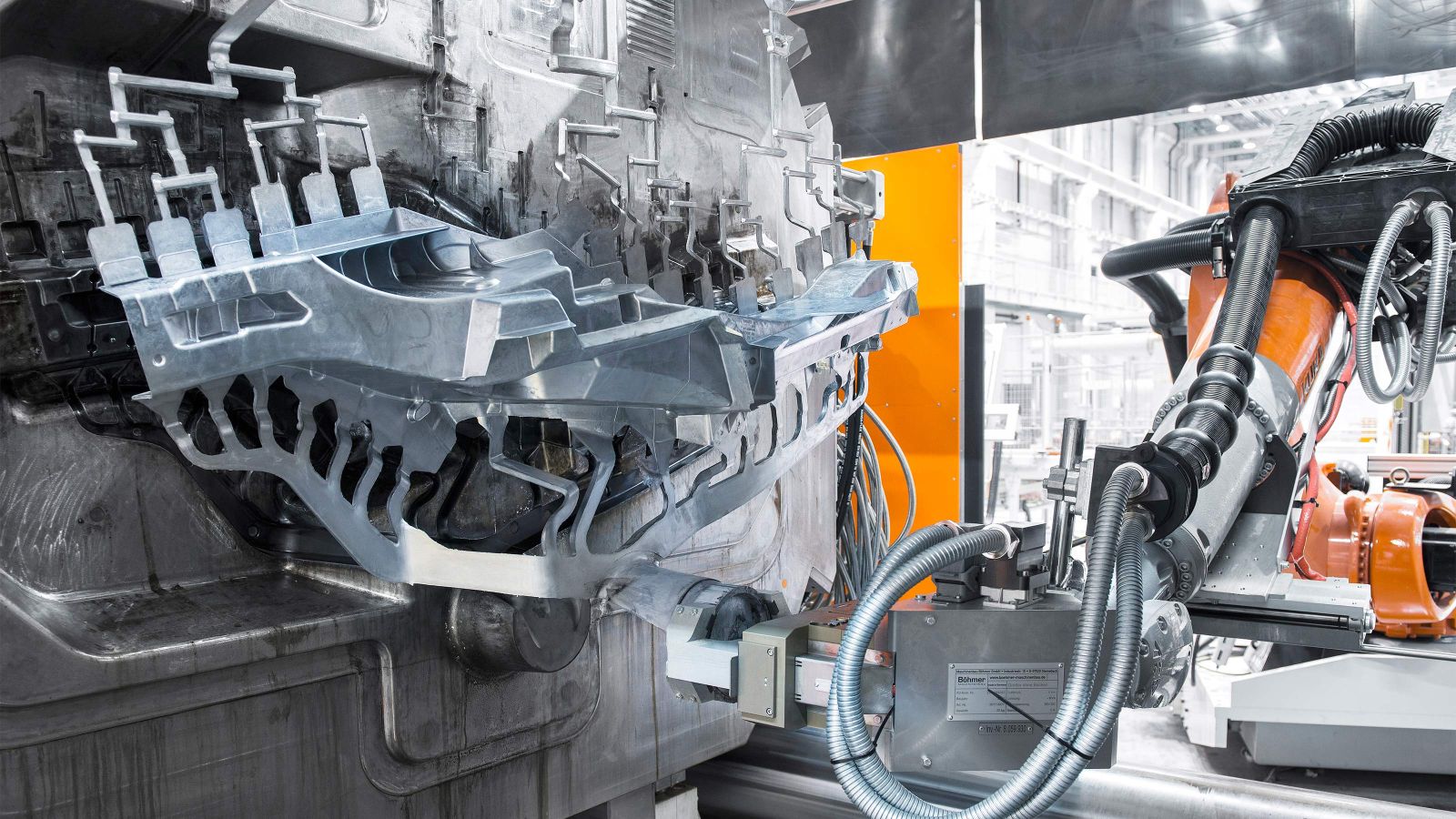
Part 5: Answering Your Top Squeeze Casting and Manufacturing Questions (FAQ Section)
-
Q: Is squeeze casting considered forging?
-
A: Clarify the "Liquid Metal Forging" terminology and its hybrid nature.
-
-
Q: What are the disadvantages of cast aluminum, and how does squeeze casting fix them?
-
A: Address lower ductility and potential porosity in traditional casting, and explain how squeeze casting's microstructure eliminates these weaknesses.
-
-
Q: Which metal cannot be forged? (And can it be squeeze cast?)
-
A: Discuss brittle metals like cast iron, and explain how squeeze casting is primarily for non-ferrous alloys with good ductility.
-
-
Q: Is casting better than machining?
-
A: Explain it's not "better," but complementary. Squeeze casting creates the near-net-shape part, drastically reducing the amount of expensive machining required.
-
-
Q: What is the minimum wall thickness for LPDC? (And how does it compare to squeeze casting?)
-
A: Provide a general range for LPDC, then explain that squeeze casting can achieve similar or slightly thicker minimums but with much greater strength in those thin sections.
-
-
Q: What is PDC and CDC?
-
A: Decode these acronyms (Pressure Die Casting = PDC, often meaning HPDC; CDC is less standard but could be Centrifugal Die Casting), and position squeeze casting as a distinct, superior process.
-
Part 6: Partnering with the Right Squeeze Casting Manufacturer
-
Why Expertise Matters: Transition from the "what" to the "who." Emphasize that successful squeeze casting requires deep process knowledge and precision engineering.
-
Our Value Proposition:
-
Design for Manufacturability (DFM) Support: We help optimize your part design from the start.
-
Advanced Process Control: Ensuring consistency and quality in every part.
-
Full-Service Support: From material selection to final inspection and delivery.
-
Proven Track Record: (Mention specific industries or show a brief case study).
-
Conclusion: Elevate Your Components with Squeeze Casting
-
Summarize the key takeaway: For applications demanding the highest strength-to-weight ratio, complexity, and reliability, squeeze casting is the unparalleled manufacturing solution.
-
Reiterate our role as the expert partner to make it happen.
.jpg)
GET QUOTE
- Visit our website: https://www.nbyichou.com/
- Email us: [email protected]
- Call us/whatsapp: +86 13355741031
- Chat with us: Live chat support available on our website