Meta Title: Titanium Bolts & Fasteners Manufacturer | High-Strength, Corrosion-Resistant
Meta Description: Explore the definitive guide to titanium bolts and fasteners. As a leading manufacturer, we break down strength, weight, corrosion resistance, and applications. Discover why titanium is the superior choice for aerospace, automotive, marine, and more. Get a competitive quote today.
.jpg)
H1: Titanium Bolts and Fasteners: The Engineer's Choice for Peak Performance
In the high-stakes worlds of aerospace, elite motorsport, and advanced marine engineering, every component is pushed to its absolute limit. The margin for error is zero. In these environments, the choice of a simple bolt or nut is not a trivial matter—it's a critical engineering decision that impacts performance, safety, and longevity. It is here, under extreme pressure and in corrosive environments, that titanium bolts and fasteners prove their worth, offering an unparalleled combination of properties that other materials simply cannot match.
For decades, titanium has been synonymous with cutting-edge technology. But what exactly makes it so special? Is it the right choice for your project? And with so much information—and misinformation—available, how can you make an informed decision?
As a specialist manufacturer of titanium fasteners, we have the expertise and experience to provide definitive answers. This comprehensive guide will delve deep into the science, the benefits, the challenges, and the practical applications of titanium bolts, empowering you to understand why this remarkable material is the ultimate solution for demanding applications.
Section 1: What Are Titanium Fasteners? The Foundation of Modern Engineering
At their core, titanium fasteners—which include bolts, screws, nuts, washers, and rivets—are precision components machined from titanium and its alloys. Unlike standard steel fasteners, they are defined by one crucial characteristic: an exceptional strength-to-weight ratio.
Imagine a material that possesses the strength of high-grade steel but is nearly half the weight. That is the fundamental promise of titanium. This unique property, combined with its legendary resistance to corrosion, elevates it from a mere component to a performance-enhancing asset. From securing critical airframe structures to ensuring the integrity of a race car's suspension at 200 mph, titanium fasteners are the invisible backbone of modern high-performance engineering.
Section 2: The Unbeatable Advantages of Titanium Bolts
Why do engineers and designers consistently turn to titanium for their most challenging projects? The advantages are clear, measurable, and transformative.
H3: The Power-to-Weight Champion
The most celebrated benefit of titanium bolts is their incredible strength relative to their weight. With a density of about 4.43 g/cm³, titanium is approximately 45% lighter than steel (7.8 g/cm³). However, when alloyed (most commonly as Grade 5, Ti-6Al-4V), its strength can meet or even exceed that of many high-strength alloy steels.
The Result: Significant weight savings without any compromise in structural integrity. In industries like aerospace and motorsports, reducing unsprung mass or airframe weight leads directly to improved fuel efficiency, faster acceleration, enhanced handling, and higher top speeds.
H3: The Corrosion-Resistant Warrior
One of the most frequent questions we encounter is, "Do titanium bolts rust?" The definitive answer is no.
Titanium is not a ferrous metal; it is inherently immune to rust. When exposed to oxygen, titanium forms a thin, tenacious, and self-repairing oxide layer (TiO2) on its surface. This layer is highly inert, protecting the base metal from a vast range of corrosive attacks, including:
-
Saltwater: Making it ideal for marine and offshore applications.
-
Chlorides: Resisting the pitting and crevice corrosion that plagues stainless steel.
-
Industrial Chemicals: Withstanding exposure to many acids, chlorines, and other harsh substances.
This makes titanium fasteners a lifetime solution for applications where exposure to the elements or corrosive agents is a constant concern.
H3: Biocompatibility for Medical and Food Safety
Titanium is completely biocompatible, meaning it is non-toxic and not rejected by the human body. This makes titanium screws and implants the standard for the medical industry. Furthermore, this property, combined with its corrosion resistance, makes it an excellent choice for food processing equipment and pharmaceutical manufacturing, where purity and sanitation are paramount.
H3: Non-Magnetic Properties for Sensitive Environments
"Will a magnet stick to titanium alloy?" No, it will not. Titanium is non-magnetic, a critical property for applications in:
-
Medical Imaging: MRI machines require non-magnetic components to function correctly.
-
Aerospace and Defense: Stealth technology and sensitive navigation equipment must be free from magnetic interference.
-
Electronics: Protecting sensitive circuitry from magnetic fields.
H3: Exceptional Fatigue Resistance
Components in dynamic systems are subject to constant cycles of stress and relaxation. Titanium boasts an excellent fatigue limit, meaning it can endure a high number of load cycles before failing. This is crucial for parts in moving assemblies, such as aircraft wings, rotating machinery, and high-performance vehicle chassis.
Section 3: Addressing the Downsides and Myths with Expert Insight
To make an informed decision, it is crucial to understand the limitations and challenges of any material. Transparency builds trust, and we believe in providing a complete picture.
H3: The Cost Factor: An Investment in Performance
There is no denying that titanium fasteners command a higher initial price than steel or stainless steel alternatives. This cost is a direct result of the complex and energy-intensive Kroll process required for extraction and the challenges involved in machining the material. However, it is essential to view this not as an expense, but as an investment. The long-term benefits—reduced maintenance, elimination of replacement costs, weight savings leading to operational efficiencies, and total avoidance of corrosion-related failures—often result in a lower total cost of ownership.
H3: Galling and Seizing: The "Enemy of Titanium"
This is the most significant technical challenge and the source of many misconceptions. We often hear, "Do titanium bolts strip easily?" The issue isn't that they strip easily, but that they are highly susceptible to galling (also known as cold welding).
What is Galling?
Under pressure and friction, the protective oxide layer on titanium can be worn away, allowing the clean, reactive base metal of the threads to cold-weld together. This can seize the bolt and nut, potentially ruining the fastener and the component.
The Solution: Proper Installation is Key
This leads to the critical question: "Do you need anti-seize on titanium bolts?" The answer is an emphatic YES. Using a high-quality anti-seize lubricant is not a recommendation; it is a mandatory step for the successful installation of titanium bolts.
"What is the best lubricant for titanium bolts?" We recommend a high-quality, molybdenum-disulfide (Moly) based anti-seize compound. It creates a barrier between the threads, preventing metal-to-metal contact and eliminating the risk of galling. Proper torque settings, which are often lower than for equivalent steel fasteners due to reduced friction, must also be strictly followed.
H3: Debunking the Brittleness Myth: "Does Titanium Snap Easily?"
This is a common oversimplification. The question, "Does titanium bend or break?" requires a nuanced answer. Pure titanium is quite ductile. However, high-strength titanium alloys like Grade 5 are indeed less ductile than low-carbon steels. This means that while they have a very high yield strength (resistance to bending), they have less plastic deformation before fracture.
In practical terms, a high-strength titanium bolt will resist bending under loads that would cause a steel bolt to permanently deform. However, if pushed far beyond its yield point, it may fracture rather than bend. This is not a flaw but a known characteristic that engineers design for, ensuring the fastener operates well within its safe load limits. When used correctly, titanium bolts do not "snap easily"; they provide reliable, predictable performance.
H3: Not the Hardest Surface
While the core material is strong, the surface hardness of titanium can be less than that of case-hardened steel. This can make it more susceptible to wear in abrasive environments. For such applications, specific surface treatments or coatings can be applied to enhance wear resistance.
Section 4: Titanium vs. The Competition: A Data-Driven Comparison
How does titanium truly stack up against its rivals? Let's break it down.
H3: Titanium vs. Stainless Steel
The choice between titanium and stainless steel hinges on the application's priorities.
| Property | Titanium Fasteners | Stainless Steel (304/316) Fasteners |
|---|---|---|
| Strength-to-Weight | Excellent | Good |
| Corrosion Resistance | Superior (especially to chlorides) | Very Good (but can pit) |
| Cost | Higher | More Affordable |
| Magnetic | Non-Magnetic | Generally non-magnetic (varies) |
| Galling Tendency | High (requires anti-seize) | Low to Moderate |
Verdict: Choose titanium for the ultimate performance where weight savings and maximum corrosion resistance (especially in saltwater) are critical. Choose stainless steel for excellent corrosion resistance in most environments at a more budget-friendly price point.
H3: Titanium vs. High-Strength Alloy Steel (e.g., Grade 8)
This debate often centers on the question: "What is the strongest metal for a bolt?"
-
Absolute Strength: Some high-grade alloy steels, like ASTM A574 socket head cap screws, can have a higher ultimate tensile strength (UTS) than common titanium grades.
-
Strength-to-Weight: This is where titanium wins decisively. A titanium bolt with the same strength as a steel bolt will be dramatically lighter.
-
Corrosion: Alloy steel will rust readily unless coated, whereas titanium is inherently corrosion-resistant.
Verdict: If you need the absolute highest possible tensile strength in a stationary, protected environment, a specialty steel might be chosen. For any application where weight, corrosion, or fatigue life are factors, titanium is the superior overall choice.
Section 5: A Deep Dive into Titanium Grades for Fasteners
Not all titanium is created equal. The grade specifies the alloy composition and directly determines its mechanical properties.
-
Grade 2 (Commercially Pure): Offers excellent corrosion resistance and good ductility but lower strength. Ideal for chemical processing equipment or marine applications where mechanical loads are not extreme.
-
Grade 5 (Ti-6Al-4V): The aerospace and performance industry benchmark. It offers an outstanding balance of high strength, good fatigue resistance, and good ductility. "Is grade 5 titanium stronger than steel?" Yes, its strength surpasses that of many common low-alloy steels.
-
Comparison: Grade 2 vs. Grade 5: For most structural and performance applications, Grade 5 is the unequivocal choice due to its superior strength.
Section 6: When Should You Use Titanium Bolts? An Application Guide
Titanium fasteners are not for every project, but for the right ones, they are indispensable.
Ideal Use Cases:
-
Aerospace & Aviation: From airframes to jet engines, where every gram saved translates into massive fuel savings and increased payload.
-
Motorsports & Automotive: Titanium lug nuts, suspension components, and engine bolts reduce unsprung weight and rotational mass, leading to tangible performance gains.
-
Marine and Offshore: The ultimate solution for saltwater environments, used in boat fittings, rigging, and subsea equipment.
-
High-End Bicycles & Motorcycles: For weight-conscious builds where shaving grams leads to a faster, more responsive ride.
-
Medical Implants & Equipment: Leveraging its biocompatibility and strength.
-
Chemical Processing Plants: Resisting corrosive acids and solvents.
When to Consider Alternatives:
-
Cost-sensitive projects with no performance requirements.
-
Applications where extreme surface hardness is the primary need and wear is a greater concern than corrosion.
Section 7: Installation and Maintenance: Ensuring Peak Performance
Proper handling is the final step to unlocking titanium's full potential.
-
Anti-Seize is Non-Negotiable: As discussed, always use a Moly-based anti-seize lubricant on the threads.
-
Follow Correct Torque Specifications: Friction is different, so torque values are not a 1:1 substitute for steel. Always use torque charts specific to lubricated titanium fasteners.
-
Use the Right Tools: Always use well-fitting, high-quality sockets and wrenches to avoid rounding the heads.
-
Drilling and Machining: "How to drill titanium bolts?" Use sharp, cobalt or carbide-tipped tools, slow speeds, high feed rates, and plenty of coolant to avoid work-hardening the material.
-
Durability: "How long do titanium bolts last?" In a properly selected and installed application, they will almost certainly outlast the assembly they are part of. They do not weaken over time and are immune to corrosion-driven failure.
.jpg)
Conclusion: The Smart Investment for Uncompromising Performance
Titanium bolts and fasteners represent the pinnacle of fastener technology. While the initial investment is higher, the returns in performance, reliability, and longevity are undeniable. They are the clear choice for engineers, designers, and builders who refuse to compromise.
The challenges, like galling, are well-understood and easily managed with proper installation techniques. The myths about brittleness are just that—myths, when the material is used within its well-defined and impressive capabilities.
Frequently Asked Questions (FAQ)
Q: Do titanium bolts rust?
A: No. Titanium is inherently corrosion-resistant and does not rust, even in saltwater environments.
Q: What is the strongest metal for a bolt?
A: While some specialty steels have higher absolute tensile strength, titanium alloys like Grade 5 offer the best combination of that high strength with a 45% weight savings and total corrosion resistance.
Q: Do you need anti-seize on titanium bolts?
A: Yes, absolutely. It is critical to prevent thread galling and seizing.
Q: Will a magnet stick to titanium?
A: No. Titanium is non-magnetic.
Q: How long do titanium bolts last?
A: They have an exceptionally long service life and will typically outlast the structure or vehicle they are used in, as they are not subject to corrosion.
Q: Is grade 5 titanium stronger than steel?
A: Yes, Grade 5 titanium is stronger than many common types of steel, such as mild steel and some low-alloy steels, on a strength-to-weight basis.
Your Partner for Premium Titanium Fasteners
Understanding the "why" behind titanium is the first step. The next is finding a manufacturer you can trust to deliver consistent, high-quality, and certified components.
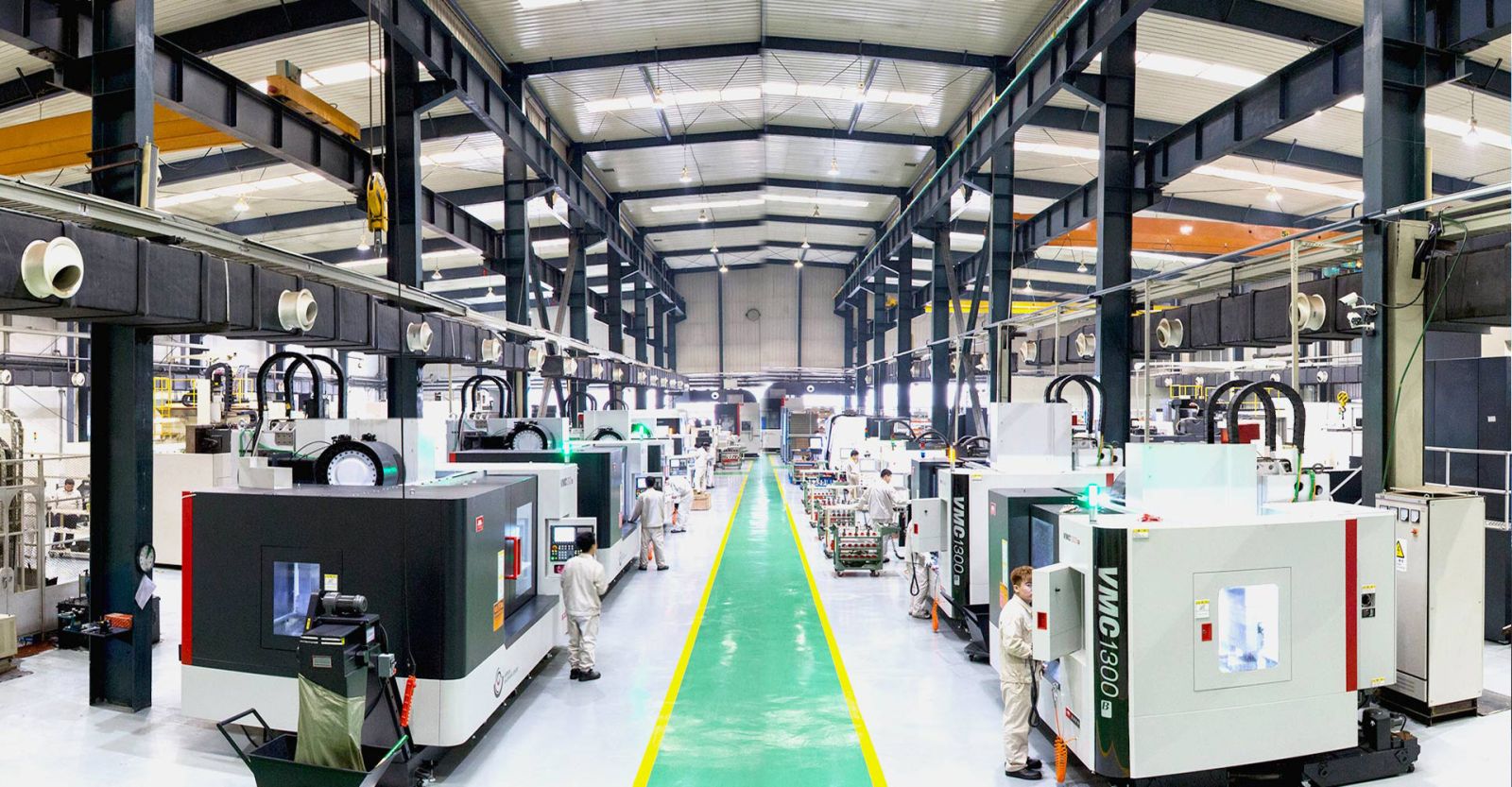
As a dedicated titanium fasteners manufacturer, we control the process from raw material to finished product. We offer a wide range of titanium bolts, screws, nuts, and custom fasteners in various grades, including the industry-standard Grade 5.
Ready to elevate your project with the proven performance of titanium?
-
Browse our extensive online catalog of standard and custom titanium fasteners.
-
Contact our engineering and sales team for technical support, custom quotes, and volume pricing.
-
GET QUOTE
- Visit our website: https://www.nbyichou.com/
- Email us: [email protected]
- Call us/whatsapp: +86 13355741031
- Chat with us: Live chat support available on our website