In the world of metalworking, there is a skill that goes beyond mere shaping and crafting – it’s the art of lathing metal. This ancient technique is a true representation of precision, durability, and creative freedom. With each turn of the lathe, skilled craftsmen unlock the potential of metal, transforming it into something extraordinary. Lathing metal is a meticulous process that requires a steady hand and an eye for detail. From creating intricate designs to perfectly balanced geometric forms, lathing allows artisans to push the boundaries of what is possible with metal. The end result is a masterpiece that showcases the beauty and versatility of this versatile material. The secrets to achieving precision, durability, and creative freedom through lathing metal lie in the combination of technical expertise, innovation, and a deep understanding of the medium. By harnessing the power of specialized tools and techniques, artisans can shape metal with unrivaled precision and create lasting works of art. In this article, we will delve into the world of lathing metal, exploring the techniques, tools, and materials used by craftsmen to achieve extraordinary results. Whether you are a seasoned metalworker or simply fascinated by the art of lathing, join us as we uncover the secrets that make this ancient craft so captivating. Brand Voice: Informative, professional, and authoritative.
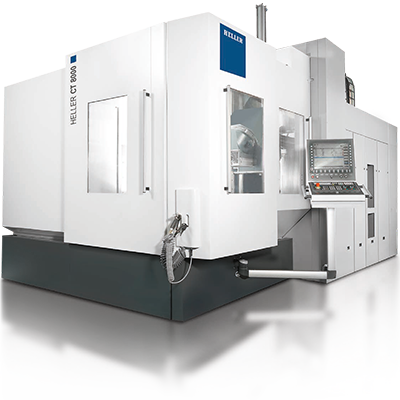
Title: The History of Metal Lathing
Metal lathing is a time-honored craft that has played a pivotal role in the evolution of engineering and manufacturing. Its roots can be traced back to ancient civilizations where early metalworkers used rudimentary tools and techniques to shape metal into various forms. The earliest evidence of metal lathing dates back to ancient Egypt and Mesopotamia, where copper and bronze were turned on simple spindle lathes. These early lathes were manually operated, requiring a skilled artisan to craft intricate metalwork. Over the centuries, the art of metal lathing evolved, leading to the development of more sophisticated machines and techniques.
During the Industrial Revolution in the 18th century, the metal lathing process saw significant advancements. The introduction of steam power revolutionized manufacturing, enabling the production of metal parts on a much larger scale. With the advent of precision engineering, lathes became more accurate and versatile, allowing for the creation of intricate components used in machinery, transportation, and various industries.
The 20th century brought further innovations in metal lathing with the introduction of computer numerical control (CNC) technology. CNC lathes enabled automated and highly precise metal shaping, reducing human error and increasing efficiency. Today, the history of metal lathing continues to evolve, with modern techniques and technology pushing the boundaries of what is possible in terms of precision and creativity.
Understanding the rich history of metal lathing provides valuable insights into the craft's enduring significance in contemporary industries. As we delve deeper into this fascinating world, we'll explore the importance of precision in metal lathing and how it has shaped the craft over time.
Title: The Importance of Precision in Metal Lathing
Precision is the cornerstone of metal lathing, distinguishing it as a crucial craft in various industries. Whether you're creating intricate components for aerospace engineering or crafting custom pieces for artistic expression, precision is non-negotiable. Achieving precise measurements and tolerances is essential to ensure the functionality, safety, and reliability of the final product.
In metal lathing, precision is achieved through a combination of factors, including the skill of the operator, the quality of the equipment, and the precision of the tools used. One of the key advantages of modern CNC lathes is their ability to consistently and accurately replicate designs, making them indispensable in industries where precision is paramount.
The importance of precision in metal lathing extends beyond the production floor. It directly impacts the bottom line of businesses by reducing material wastage and minimizing the need for rework. Precise metal lathing also contributes to the longevity of the finished product, ensuring that it performs reliably over its intended lifespan.
Furthermore, precision in metal lathing plays a vital role in innovation. Many groundbreaking technologies and inventions have relied on the precision of metal lathing to bring their concepts to life. From the development of space exploration equipment to advancements in medical devices, the quest for precision in metal lathing has led to remarkable breakthroughs.
In the next section, we'll explore the tools and equipment used in metal lathing and how they contribute to achieving the high level of precision demanded by various industries.
.jpeg)
Title: Tools and Equipment for Metal Lathing
To achieve precision and craftsmanship in metal lathing, the choice of tools and equipment is paramount. The tools used in metal lathing have evolved significantly over the centuries, mirroring the advancements in technology and engineering. Today, a wide array of specialized equipment is available to cater to the diverse needs of metalworkers.
One of the primary tools in metal lathing is the lathe machine itself. Modern lathes come in various sizes and configurations, ranging from manual lathes operated by skilled artisans to highly automated CNC lathes that execute complex operations with unparalleled precision. CNC lathes, in particular, have revolutionized the field by allowing for precise, automated control of the cutting process.
Cutting tools are another critical component of metal lathing. High-speed steel (HSS) and carbide tools are commonly used for shaping metal. The choice of tool material depends on factors such as the type of metal being worked on and the desired finish. Precision-ground cutting tools ensure that the material removal process is consistent and accurate.
In addition to lathes and cutting tools, other equipment such as chucks, collets, and tool holders are essential for securing and manipulating the workpiece. These components contribute to stability and accuracy during the metal lathing process.
Precision measuring instruments, such as micrometers and calipers, are indispensable for verifying the dimensions and tolerances of the machined parts. These instruments allow metalworkers to make minute adjustments to ensure that the final product meets the desired specifications.
As technology continues to advance, we see the integration of automation and digital controls in metal lathing equipment, enhancing precision and efficiency. In the following section, we'll delve into techniques for achieving precision and durability in metal lathing, shedding light on the skills and practices that elevate metal lathing to an art form.
Title: Techniques for Achieving Precision and Durability in Metal Lathing
Achieving precision and durability in metal lathing requires a combination of technical expertise, meticulous attention to detail, and a deep understanding of the materials being worked on. Whether you're crafting precision components for industrial machinery or creating custom pieces of art, mastering these techniques is essential to produce high-quality results.
One of the fundamental techniques in metal lathing is selecting the appropriate cutting speed and feed rate. These parameters depend on the type of metal, tooling, and desired surface finish. Optimal settings ensure efficient material removal while minimizing tool wear and heat generation, which can compromise precision.
Tool geometry plays a critical role in achieving precision. Proper tool angles, clearances, and tool profiles are essential for achieving clean cuts and dimensional accuracy. Understanding the geometry of cutting tools allows metalworkers to control chip formation and prevent issues like chatter and tool deflection.
Additionally, the choice of cutting fluids or lubricants is essential to maintain tool life and achieve a high-quality surface finish. These fluids reduce friction and dissipate heat, preventing workpiece deformation and ensuring precise cuts.
Fixturing and workholding techniques are equally important in metal lathing. Securely clamping the workpiece minimizes vibrations and ensures consistent results. Advanced fixtures and jigs can be customized for specific projects to enhance precision.
For complex shapes and intricate designs, the use of CAD/CAM (Computer-Aided Design/Computer-Aided Manufacturing) software can streamline the design-to-production process. CAD/CAM systems enable the creation of detailed 3D models and generate toolpaths for CNC lathes, ensuring accuracy and repeatability.
Innovations in tool coatings and materials, such as advanced carbide inserts and coatings, have further improved the precision and durability of metal lathing tools. These enhancements extend tool life, reduce downtime for tool changes, and contribute to cost-effectiveness.
The next section will explore the creative possibilities of metal lathing, showcasing how this versatile craft can be harnessed for artistic expression and innovation in various industries.
Title: Exploring the Creative Possibilities of Metal Lathing
Metal lathing is often associated with precision engineering and industrial applications, but its creative potential extends far beyond the realm of manufacturing. This versatile craft offers a canvas for artists, designers, and innovators to push the boundaries of what is possible with metal.
In the world of art and design, metal lathing opens up a realm of creative expression. Artisans can turn ordinary pieces of metal into intricate sculptures, decorative elements, and functional works of art. From ornate metal vases to contemporary sculptures, metal lathing allows artists to bring their visions to life with precision and craftsmanship.
In the automotive industry, metal lathing plays a crucial role in crafting custom parts and accessories that enhance both aesthetics and performance. From custom wheel rims to exhaust systems, the precision of metal lathing ensures that every component fits seamlessly and functions optimally.
In aerospace and aviation, metal lathing is indispensable for producing critical components that must meet stringent safety and performance standards. The ability to create complex geometries and maintain tight tolerances is vital for the success of these industries.
Innovations in materials, such as the use of lightweight alloys and composite materials, have expanded the possibilities of metal lathing even further. These materials offer a unique blend of strength and weight reduction, making them ideal for applications ranging from sporting equipment to medical devices.
Beyond traditional industries, metal lathing is a driving force behind the maker movement and the DIY (Do-It-Yourself) community. Enthusiasts and hobbyists use metal lathing to create custom tools, parts, and prototypes, turning their ideas into reality.
In the next section, we'll delve into common challenges faced by metal lathing practitioners and explore effective strategies for overcoming them, ensuring that both novices and experienced craftsmen can navigate potential obstacles with confidence.
Title: Common Challenges in Metal Lathing and How to Overcome Them
While metal lathing offers a wide range of creative and industrial opportunities, it is not without its challenges. Metalworking, by its nature, demands precision, and even small errors can lead to significant setbacks. Understanding and addressing these challenges is essential for achieving success in the craft of metal lathing.
One common challenge in metal lathing is tool wear. As cutting tools interact with metal, they gradually wear down, affecting the quality of cuts and the overall precision of the process. To mitigate this challenge, it's important to monitor tool wear regularly and replace worn tools promptly. Investing in high-quality tool materials and coatings can also extend tool life.
Another challenge is chip control. Metal lathing generates chips of varying sizes and shapes, which can interfere with the machining process and lead to poor surface finishes. Employing effective chip control strategies, such as using appropriate cutting tool geometries and coolant systems, helps prevent chip-related issues.
Maintaining dimensional accuracy is crucial, and thermal expansion can pose a challenge. As metal heats up during machining, it can expand, potentially affecting the final dimensions of the workpiece. To counteract this, using stable machining processes, coolant systems, and periodic measurements can help maintain precision.
Vibrations and chatter are frequent problems in metal lathing, leading to poor surface finishes and tool wear. Proper machine setup, tool geometry, and workpiece support can minimize vibrations and ensure smooth, accurate cutting.
Material selection is another consideration. Different metals have varying properties, including hardness, machinability, and thermal conductivity. Understanding the characteristics of the material you're working with is essential for achieving the desired results.
Lastly, the learning curve associated with metal lathing can be steep, especially for beginners. It takes time and practice to develop the skills necessary to consistently produce precise and high-quality work. Taking advantage of resources and training programs can accelerate the learning process.
In the subsequent section, we'll address safety precautions in metal lathing, emphasizing the importance of maintaining a secure and hazard-free work environment.
.jpg)
Title: Safety Precautions in Metal Lathing
Safety is paramount in metal lathing, given the machinery's power and the potential risks involved. A commitment to safety not only protects the well-being of those working with metal lathes but also ensures the quality and precision of the work. Here are some essential safety precautions to observe in metal lathing:
-
Personal Protective Equipment (PPE): Always wear appropriate PPE, including safety glasses, hearing protection, and work gloves, to shield against flying debris, noise, and potential burns.
-
Machine Safety Guards: Ensure that all machine safety guards are in place and functioning correctly. These guards prevent contact with moving parts and chips.
-
Machine Inspection: Regularly inspect the lathe machine for any signs of wear, damage, or malfunction. Address any issues promptly to maintain safe operation.
-
Tool Inspection: Inspect cutting tools for damage and wear. Dull or damaged tools can lead to accidents and poor-quality work.
-
Emergency Stop: Familiarize yourself with the location and operation of the emergency stop button on the lathe. Be prepared to use it in case of an emergency.
-
Workpiece Securement: Properly secure the workpiece using appropriate fixtures and clamps to prevent it from becoming dislodged during machining.
-
Spindle Speeds: Ensure that the lathe spindle is running at the appropriate speed for the material and cutting tool being used. Incorrect speeds can lead to accidents.
-
Chip Management: Keep the work area clean of chips and debris. Use chip guards and chip conveyors to prevent chips from accumulating near the cutting area.
-
Training and Supervision: Ensure that operators receive proper training in metal lathing techniques and safety procedures. Supervision of novice operators is crucial.
-
Fire Safety: Be aware of fire risks, especially when working with flammable materials or cutting fluids. Have fire extinguishers and fire safety measures in place.
-
Ventilation: Ensure adequate ventilation to disperse cutting fluid mist and fumes, promoting a healthy work environment.
-
First Aid: Have a well-equipped first-aid kit on hand and know how to administer basic first aid for potential injuries.
By adhering to these safety precautions, metal lathing practitioners can create a secure work environment that not only safeguards their well-being but also contributes to achieving precision and quality in their work.
In the following section, we'll explore the resources available for learning and improving metal lathing skills, catering to both beginners and experienced craftsmen.
Title: Resources for Learning and Improving Metal Lathing Skills
Learning and improving metal lathing skills is an ongoing journey that requires access to the right resources and knowledge. Fortunately, there is a wealth of educational materials and organizations dedicated to supporting individuals in their pursuit of excellence in metal lathing.
-
Trade Schools and Technical Institutes: Many trade schools and technical institutes offer comprehensive metalworking programs that cover the fundamentals of metal lathing. These programs often include hands-on training and access to modern equipment.
-
Online Courses and Tutorials: The internet is a treasure trove of information for aspiring metal lathers. Numerous online courses, video tutorials, and instructional articles provide step-by-step guidance on various aspects of metal lathing.
-
Books and Publications: A wide range of books and publications delve into the theory and practice of metal lathing. These resources can serve as valuable references for both beginners and experienced practitioners.
-
Industry Associations: Joining industry associations, such as the American Machinist's Association or the Institute of Industrial and Systems Engineers, can provide access to educational resources, workshops, and networking opportunities.
-
Local Workshops and Classes: Check with local vocational schools, community colleges, and makerspaces for metal lathing workshops and classes. These hands-on experiences can accelerate skill development.
-
Mentorship Programs: Seeking mentorship from experienced metal lathers can be immensely beneficial. Mentors can offer guidance, share practical insights, and help troubleshoot challenges.
-
Online Forums and Communities: Engage with online forums and communities dedicated to metalworking and metal lathing. These platforms facilitate knowledge sharing, problem-solving, and networking with fellow enthusiasts.
-
Tool and Equipment Suppliers: Manufacturers and suppliers of metal lathing equipment often provide training materials and support for their products. Take advantage of these resources to maximize the use of your equipment.
-
Safety Training: Ensure that you undergo proper safety training and certification. Many organizations offer safety courses specifically tailored to metalworking environments.
-
Continual Practice: The most effective way to improve metal lathing skills is through consistent practice. Set aside time for regular practice and projects to refine your craftsmanship.
By leveraging these resources and continuously honing your skills, you can become a proficient metal lather and explore the diverse applications of this craft in various industries.
Title: Conclusion: Embracing the Art of Metal Lathing for Craftsmanship and Innovation
Metal lathing, with its rich history and enduring relevance, stands as both a time-honored craft and a driver of innovation in today's industries. From its humble origins in ancient civilizations to the precision-driven capabilities of modern CNC lathes, metal lathing has evolved into an art form that marries craftsmanship with technology.
The importance of precision in metal lathing cannot be overstated. It is the linchpin that ensures the quality, reliability, and safety of the products crafted through this process. Precision is not only a requirement in industries like aerospace and manufacturing but also a gateway to creative expression for artists and designers.
The tools and equipment used in metal lathing have evolved in tandem with technological advancements. From traditional manual lathes to sophisticated CNC machines, these tools empower metalworkers to achieve remarkable levels of precision and complexity in their work.
Mastering techniques for precision and durability is the hallmark of a skilled metal lather. Understanding factors such as tool selection, cutting speeds, and workholding methods is essential for consistently producing high-quality results.
Beyond its industrial applications, metal lathing opens doors to creative possibilities across various fields. Artists, engineers, and innovators harness its capabilities to craft everything from intricate sculptures to custom automotive components, demonstrating its versatility and adaptability.
However, challenges in metal lathing, including tool wear, chip control, and material selection, require careful consideration and problem-solving skills. Adhering to safety precautions is paramount to ensure the well-being of practitioners and the integrity of the work.
Learning and improving metal lathing skills is an ongoing journey facilitated by a wealth of resources, including educational programs, online courses, mentorship opportunities, and industry associations. Continuous practice and dedication are key to mastering this craft.
In conclusion, embracing the art of metal lathing offers a pathway to craftsmanship and innovation that spans centuries of history and continues to shape the future of industries and creative endeavors. Whether you are a novice or an experienced metalworker, the journey of exploration and refinement in metal lathing is an enduring and rewarding one.

FAQ 1: What is YICHOU and its Expertise in Metal Lathing?
Keywords: YICHOU, Chinese lathe processing factory, metal lathing expertise
Q: Can you tell us about YICHOU and its specialization in metal lathing?
A: YICHOU is a distinguished Chinese lathe processing factory renowned for its expertise in metal lathing. With a history deeply rooted in precision engineering, our skilled artisans and modern CNC technology enable us to deliver top-notch metal lathing services. We take pride in our commitment to quality and precision, serving industries across the globe with precision-crafted components and innovative solutions.
FAQ 2: What Are the Key Benefits of Precision Metal Lathing at YICHOU?
Keywords: Precision metal lathing, benefits, YICHOU
Q: What advantages can clients expect when choosing YICHOU for precision metal lathing?
A: At YICHOU, precision is our mantra. Our dedication to achieving the highest levels of precision in metal lathing translates into impeccable results for our clients. The benefits include superior craftsmanship, exceptional product reliability, minimized material wastage, and efficient production processes. Choosing YICHOU means embracing precision that underpins the success of your projects.
FAQ 3: How Does YICHOU Ensure Safety and Quality in Metal Lathing Processes?
Keywords: Safety, quality assurance, metal lathing, YICHOU
Q: What measures does YICHOU take to ensure safety and maintain quality during metal lathing processes?
A: Safety and quality are paramount at YICHOU. We uphold rigorous safety protocols to create a secure work environment for our skilled craftsmen. This commitment extends to maintaining the highest quality standards throughout the metal lathing process. Through regular machine inspections, adherence to safety guidelines, and meticulous quality control, we deliver precision and reliability without compromise.
FAQ 4: Does YICHOU Offer Custom Metal Lathing Solutions for Creative Projects?
Keywords: Custom metal lathing, creative projects, YICHOU
Q: Can YICHOU accommodate custom metal lathing projects for artistic or innovative endeavors?
A: Absolutely. YICHOU's expertise in metal lathing extends beyond industrial applications. We enthusiastically embrace custom projects that require creativity and innovation. Our artisans are skilled at turning your unique visions into reality, whether it's crafting intricate sculptures or precision components for cutting-edge innovations. YICHOU is your partner in creative metal lathing endeavors.
FAQ 5: How Can Clients Learn and Collaborate with YICHOU for Metal Lathing Solutions?
Keywords: Learning, collaboration, metal lathing solutions, YICHOU
Q: What opportunities are available for clients to learn and collaborate with YICHOU for their metal lathing needs?
A: YICHOU is committed to fostering collaboration and knowledge sharing. We welcome clients to explore our resources, including workshops, educational programs, and consultation services. Whether you're looking to expand your metalworking skills or seeking tailored metal lathing solutions, YICHOU is your trusted partner on the journey of learning and innovation in metal lathing.