Unraveling the Secrets of Shaft Parts: Exploring the Essential Components and Their Functionality In the fascinating world of machinery and mechanics, shaft parts play a pivotal role in ensuring smooth and efficient operations. From automobiles to industrial machinery, understanding the functionality of these essential components is vital for engineers and enthusiasts alike. In this comprehensive article, we delve into the secrets of shaft parts, uncovering their intricate design and the critical role they play in various applications. We explore the different types of shafts, their construction, and the materials used to enhance their strength and durability. By gaining a deeper understanding of the functionality of shaft parts, readers can appreciate how these components transmit power and torque, enabling the seamless operation of mechanical systems. We discuss key terms and concepts related to shaft parts, demystifying technical jargon and providing valuable insights for both beginners and experts in the field. Get ready to dive into the fascinating world of shaft parts as we shed light on their inner workings and the crucial role they play in the machinery that drives our modern world. Whether you're a mechanical engineer or simply curious about the intricate details behind the machines we depend on, this article is a must-read.
.jpg)
The Importance of Shaft Parts in Machinery
In the world of machinery and mechanical systems, the significance of shaft parts cannot be overstated. These unassuming components play a pivotal role in ensuring the seamless operation of various machines, from automobiles to industrial equipment. Shafts are the unsung heroes that transmit power, torque, and motion between different parts of a machine. They serve as the backbone upon which the entire system relies, making them indispensable in the grand scheme of mechanical engineering.
The role of shafts goes beyond merely connecting different components; they are the lifelines that transfer power from the engine to the wheels of a vehicle, the turbines in a power plant, or the conveyor belts in a manufacturing unit. As such, understanding the intricate dynamics of shaft parts and their impact on the performance of machinery is crucial for engineers, designers, and anyone involved in the realm of mechanical systems.
Types of Shaft Parts
Shaft parts come in various shapes, sizes, and configurations, each tailored to specific applications. It's essential to grasp the diversity of shaft types to make informed decisions during the design and manufacturing processes. Among the most common types are:
-
Solid Shafts: These are straightforward, unbroken cylinders and are widely used in applications where simplicity and reliability are paramount.
-
Hollow Shafts: Hollow shafts are characterized by their tubular design, which reduces weight while maintaining strength. They are often employed in situations where weight savings are critical.
-
Splined Shafts: Splined shafts have ridges or grooves along their length, allowing them to transmit torque while allowing for axial movement. They are frequently used in automotive transmissions and other systems requiring both torque transmission and axial flexibility.
-
Flexible Shafts: As the name suggests, flexible shafts can bend and twist, making them ideal for applications that require movement in tight or irregular spaces, such as rotary tools and some medical devices.
-
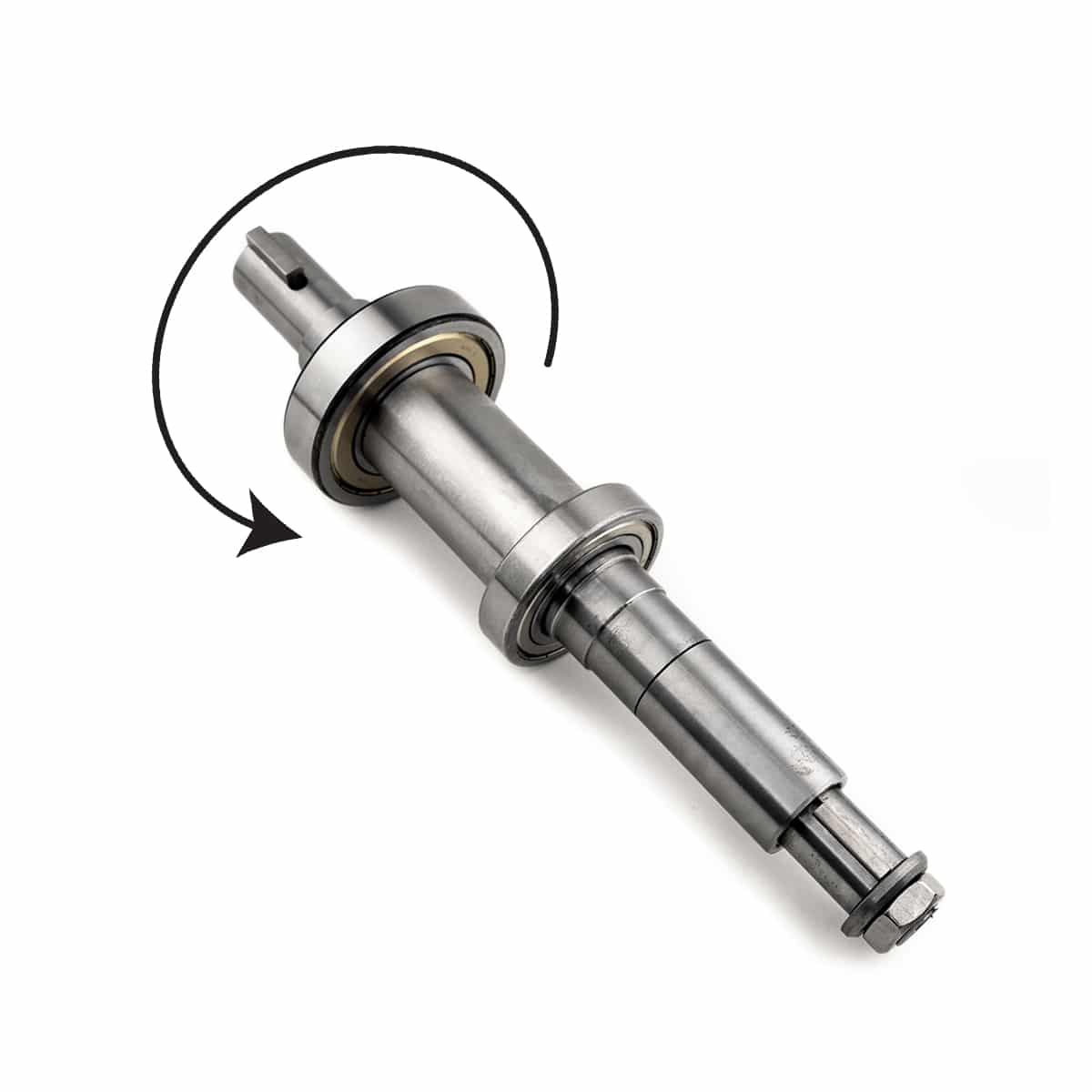
Stepped Shafts: Stepped shafts have varying diameters along their length, allowing them to connect components with different bore sizes.
Understanding these different shaft types is crucial for selecting the right one for a specific application, ensuring optimal performance and longevity.
.jpg)
Understanding the Functionality of Shaft Parts
To truly appreciate the importance of shaft parts, it's essential to delve into their functionality within machinery. At the core of their operation lies the transmission of power and motion from one component to another. The shaft's ability to rotate while withstanding axial and radial loads is what makes it indispensable.
In essence, shafts act as conduits for torque, ensuring that the power generated by an engine or motor reaches its intended destination. They must exhibit high tensile strength, excellent wear resistance, and precise manufacturing tolerances to withstand the forces and stresses they encounter during operation.
Additionally, shafts must be perfectly aligned to prevent vibrations and excessive wear on other components. Misaligned shafts can lead to reduced efficiency, increased maintenance costs, and even catastrophic failures. Hence, proper engineering and alignment are critical to maximizing the functionality and longevity of shaft parts in machinery.
Common Issues and Challenges Faced with Shaft Parts
Despite their importance, shaft parts are not immune to problems and challenges. Engineers and maintenance personnel often encounter issues related to shafts, and being aware of these challenges is key to addressing them effectively. Some common problems include:
-
Bearing Failures: Bearings are crucial components of shaft assemblies, and their failure can lead to catastrophic breakdowns. Understanding the root causes of bearing failures, such as misalignment, inadequate lubrication, or overloading, is essential for preventing them.
-
Wear and Corrosion: Over time, shafts can suffer from wear and corrosion, leading to reduced performance and reliability. Implementing proper maintenance practices and selecting corrosion-resistant materials are vital strategies to combat these issues.
-
Vibration and Imbalance: Unwanted vibrations in rotating machinery can stem from imbalanced shafts. Addressing these vibrations is critical to prevent premature wear on bearings and other components.
-
Material Fatigue: Shafts are subjected to repeated loading and unloading cycles, which can lead to material fatigue over time. Proper material selection, heat treatment, and stress analysis can mitigate this risk.
By identifying and addressing these challenges, engineers and maintenance teams can ensure the continued functionality and reliability of shaft parts in machinery.
.jpg)
Proper Maintenance and Care for Shaft Parts
To maintain the longevity and efficiency of shaft parts, it's imperative to implement a robust maintenance regimen. Regular inspection, lubrication, and alignment checks are fundamental aspects of shaft care. Here are some key maintenance practices:
-
Lubrication: Proper lubrication is essential to reduce friction and wear. Selecting the right lubricant and ensuring it is applied in the correct quantity and at the right intervals can significantly extend the life of shaft components.
-
Alignment: Regular alignment checks help prevent vibrations and misalignments that can lead to premature wear. Modern laser alignment tools make this task more accurate and efficient.
-
Balance: Balancing shafts is crucial to reducing vibration and preventing uneven wear on bearings. Dynamic balancing machines can help achieve precise balance.
-
Inspection: Routine visual and non-destructive testing inspections can detect early signs of wear, corrosion, or fatigue. Identifying issues early allows for timely maintenance and avoids costly downtime.
-
Material Selection: Choosing the right materials for shafts, such as corrosion-resistant alloys or hardened steels, can reduce the risk of material degradation and increase longevity.
By incorporating these maintenance practices into your machinery maintenance program, you can ensure that your shaft parts continue to perform optimally, minimizing downtime and repair costs.
Choosing the Right Materials for Shaft Parts
Selecting the appropriate materials for shaft parts is a critical decision that directly impacts their performance and longevity. The choice of material depends on various factors, including the application, operating conditions, and budget constraints. Here are some common materials used for shaft manufacturing:
-
Steel Alloys: Steel remains a popular choice for many shaft applications due to its excellent strength, durability, and availability. High-carbon steels are often used for solid shafts, while stainless steels offer corrosion resistance for applications in harsh environments.
-
Aluminum Alloys: Aluminum shafts are lightweight and have excellent corrosion resistance. They are commonly used in applications where weight reduction is essential, such as aerospace.
-
Titanium Alloys: Titanium shafts are known for their exceptional strength-to-weight ratio and corrosion resistance. They are prevalent in aerospace, medical devices, and marine applications.
-
Carbon Fiber Composites: Carbon fiber composites are prized for their high strength and lightweight properties. They are ideal for applications that require both strength and reduced weight, such as sports equipment and high-performance vehicles.
-
Ceramics: In applications where extreme hardness, wear resistance, and high-temperature capabilities are required, ceramic shafts may be used.
-
Plastics and Polymers: Some low-load and low-speed applications benefit from plastic or polymer shafts due to their self-lubricating properties and corrosion resistance.
The material selection process involves a thorough analysis of the specific requirements of the shaft, considering factors like load, speed, temperature, and exposure to corrosive substances. Proper material selection ensures that the shaft can withstand the rigors of its intended application and provides the desired level of performance and longevity.
Innovations and Advancements in Shaft Part Technology
The field of mechanical engineering is constantly evolving, and shaft part technology is no exception. Recent innovations and advancements have led to improved performance, reduced maintenance requirements, and enhanced durability of shaft components. Let's explore some of the notable innovations:
-
Smart Shaft Monitoring: The integration of sensors and IoT technology allows for real-time monitoring of shaft condition. This proactive approach helps detect issues before they lead to catastrophic failures, reducing downtime and maintenance costs.
-
Advanced Coatings: The development of advanced coatings, such as diamond-like carbon (DLC) coatings, enhances the wear resistance of shafts, extending their service life in demanding applications.
-
Additive Manufacturing: 3D printing has revolutionized the manufacturing process, enabling the creation of complex and customized shaft geometries with reduced lead times.
-
High-Performance Polymers: New polymer formulations with improved mechanical properties have expanded the use of plastic and polymer shafts in various industries.
-
Composite Materials: Continued research in composite materials has led to the creation of shafts with exceptional strength-to-weight ratios, ideal for aerospace and automotive applications.
-
Nanotechnology: Nanomaterials and nanocoatings are being explored for their potential to enhance the properties of shafts, such as increased hardness and reduced friction.
Keeping abreast of these innovations and incorporating them into your machinery design and maintenance strategies can lead to improved efficiency and cost savings over time.
Finding Reliable Suppliers for Shaft Parts
When it comes to sourcing shaft parts for your machinery, the reliability of your suppliers is paramount. Working with reputable suppliers ensures that you receive high-quality components that meet your specifications and standards. Here are some tips for finding reliable suppliers:
-
Industry Reputation: Research suppliers within your industry and seek recommendations from peers. An established reputation for quality and reliability is a good indicator of a trustworthy supplier.
-
Quality Certifications: Check if the supplier holds relevant quality certifications, such as ISO 9001, which demonstrate a commitment to quality control and consistency.
-
Material Expertise: Look for suppliers who specialize in the materials you require for your shaft parts. Material expertise is crucial for selecting the right alloys and compositions.
-
Customization Capabilities: If your application requires custom shafts, choose suppliers with the ability to tailor products to your specific needs.
-
Supply Chain Reliability: Evaluate the supplier's ability to meet your demand consistently and on time. A reliable supply chain minimizes production disruptions.
-
Quality Assurance Processes: Inquire about the supplier's quality assurance processes, including inspection, testing, and documentation.
-
Cost-Effective Pricing: While quality is paramount, competitive pricing is also important. Compare quotes from multiple suppliers to ensure you receive value for your investment.
Conclusion
In conclusion, the importance of shaft parts in machinery cannot be overstated. These unassuming components serve as the backbone of mechanical systems, transmitting power, torque, and motion to ensure the seamless operation of various machines. Understanding the different types of shafts, their functionality, and the challenges associated with them is crucial for engineers and designers.
Proper maintenance and material selection are key to maximizing the longevity and performance of shaft parts, while staying updated on innovations in shaft technology can lead to improved efficiency and cost savings. When it comes to sourcing shaft parts, working with reliable suppliers is essential to ensure the quality and consistency of the components you integrate into your machinery.
In the ever-evolving world of mechanical engineering, shaft parts remain a fundamental and indispensable component, driving progress and innovation across a wide range of industries.
FAQ 1: What are the Key Strengths of YICHOU's Shaft Component Manufacturing?
At YICHOU, we take pride in our state-of-the-art shaft component manufacturing facility in China. Our core strengths lie in precision engineering, advanced materials selection, and a commitment to quality. We utilize cutting-edge technology and adhere to rigorous quality control processes to ensure that our shaft components meet and exceed industry standards. With a focus on continuous improvement and innovation, YICHOU delivers high-performance shaft parts that are durable, efficient, and cost-effective.
FAQ 2: How Does YICHOU Ensure Material Quality for Shaft Components?
Material selection is a critical aspect of shaft component manufacturing. YICHOU places great emphasis on sourcing and using the highest quality materials. We work with reputable suppliers and employ strict material testing and verification procedures. Our expertise in choosing the right alloys and compositions ensures that our shaft components exhibit excellent wear resistance, corrosion resistance, and mechanical properties, thereby extending their service life and reliability.
FAQ 3: Can YICHOU Customize Shaft Components for Unique Requirements?
Yes, at YICHOU, we understand that different applications may demand unique shaft solutions. We offer a wide range of customization options to meet the specific needs of our customers. Whether it's custom dimensions, surface finishes, or complex geometries, our experienced engineers and advanced manufacturing processes enable us to deliver tailor-made shaft components that precisely match your requirements.
FAQ 4: What Sets YICHOU Apart in Terms of Innovation and Technology?
Innovation is at the core of YICHOU's manufacturing philosophy. We constantly invest in research and development to stay at the forefront of shaft component technology. Our commitment to innovation has led to the integration of advanced coatings, smart monitoring systems, and cutting-edge materials into our products. These innovations not only enhance the performance of our shaft components but also reduce maintenance costs and improve overall machinery efficiency.
FAQ 5: How Can I Contact YICHOU for My Shaft Component Needs?
Contacting YICHOU for your shaft component requirements is easy. You can reach out to us through our website, where you'll find our contact information, including email addresses and phone numbers. Our dedicated customer support team is always ready to assist you with inquiries, quotes, and any information you may need. We value clear communication and are committed to providing prompt responses to ensure a smooth and efficient customer experience.