Are you familiar with your vehicle's drive shaft? Understanding and maintaining this crucial component can help keep your vehicle running smoothly and prevent expensive repairs down the road. In this comprehensive guide, we will provide everything you need to know about drive shafts. Whether you're a car enthusiast or just want to gain a better understanding of how your vehicle works, this article will cover the ins and outs of drive shafts. From their basic function to the different types available, we'll break down the key aspects of this important part. We'll also guide you through the process of maintaining your drive shaft, including routine inspections, lubrication, and troubleshooting common issues. By taking proper care of your drive shaft, you can extend its lifespan and avoid costly breakdowns. With our expert tips and insights, this ultimate guide will empower you to become a knowledgeable and responsible vehicle owner. So, let's dive in and explore the world of drive shafts together!
.jpg)
Title: What is a Drive Shaft?
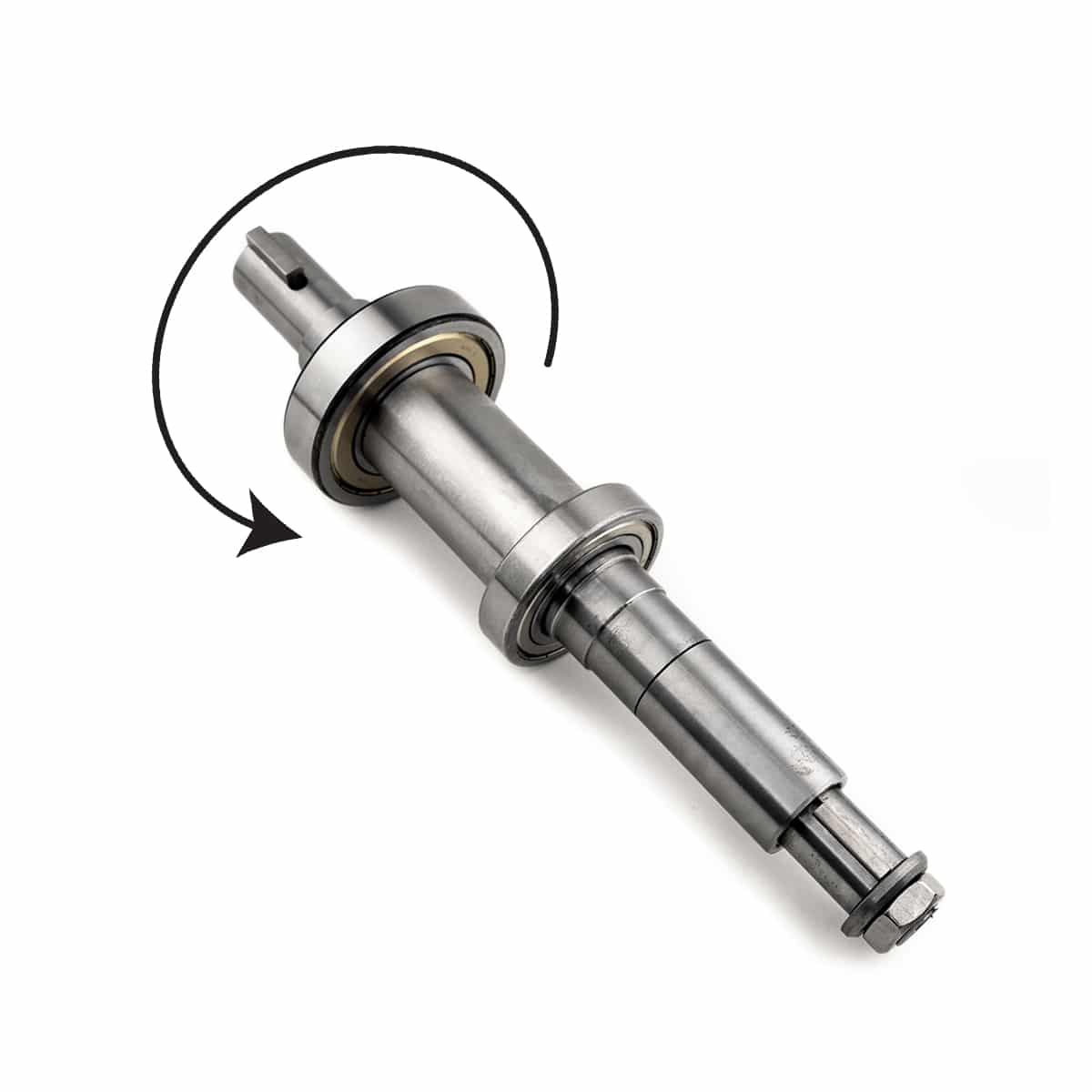
A drive shaft is a fundamental component of a vehicle's drivetrain, playing a crucial role in transferring power from the engine to the wheels. Essentially a long, tubular shaft, it connects the transmission or gearbox to the differential, allowing the rotational energy generated by the engine to be transmitted to the wheels, propelling the vehicle forward. In essence, the drive shaft acts as the bridge that carries power to the wheels, and its efficient functioning is vital for the smooth operation of any automobile.
A drive shaft typically consists of a metal tube with a universal joint at each end, allowing for flexibility and compensating for the relative movement of the wheels during steering and suspension travel. It may be a single-piece shaft or a two-piece assembly with a center support bearing, depending on the vehicle's design.
The importance of understanding what a drive shaft is cannot be overstated, as it forms the backbone of your vehicle's power transmission system. To ensure the longevity and performance of your drive shaft, regular maintenance and care are essential. In this comprehensive guide, we will explore the various facets of drive shafts, including their maintenance, common problems, and tips for finding reliable repair services. By the end of this article, you'll be well-equipped to take proper care of this critical automotive component.
Title: Importance of Maintaining Your Drive Shaft
Maintaining your drive shaft is not merely a matter of vehicle upkeep; it's a critical aspect of ensuring your safety on the road and preventing costly breakdowns. Neglecting the maintenance of your drive shaft can lead to a slew of problems, from reduced fuel efficiency and compromised handling to complete drivetrain failure. Let's delve into the importance of proper drive shaft maintenance and why it should be a top priority for any vehicle owner.
First and foremost, a well-maintained drive shaft contributes to the overall safety of your vehicle. A damaged or malfunctioning drive shaft can lead to loss of control while driving, causing accidents and putting lives at risk. Regular inspections and maintenance can identify potential issues before they escalate into hazardous situations.
Moreover, a properly maintained drive shaft is essential for optimal performance. When the drive shaft is in good condition, power is transmitted efficiently from the engine to the wheels, ensuring smooth acceleration and consistent speed. This not only enhances your driving experience but also contributes to better fuel economy, reducing the cost of operating your vehicle.
Furthermore, ignoring drive shaft maintenance can lead to costly repairs down the line. A damaged drive shaft can cause additional strain on other drivetrain components, leading to a domino effect of breakdowns and expenses. By investing in regular inspections and lubrication, you can catch issues early and address them before they become major problems.
In summary, maintaining your drive shaft is vital for safety, performance, and cost savings. Neglecting this essential component can have dire consequences, so it's imperative to prioritize its care and upkeep. In the following sections, we will explore the signs of a damaged drive shaft, the different types of drive shafts, and effective maintenance strategies to ensure your drive shaft remains in top-notch condition.
Title: Signs of a Damaged Drive Shaft
Recognizing the signs of a damaged drive shaft is crucial for prompt intervention and preventing further complications. While drive shafts are built to be durable, they are not immune to wear and tear, especially in harsh driving conditions or when maintenance is neglected. Here are some common indicators that your drive shaft may be in trouble:
-
Vibration: One of the earliest signs of drive shaft trouble is an unusual vibration, especially when accelerating or cruising at high speeds. This vibration can be felt through the steering wheel or the entire vehicle and is often a sign of an imbalanced or misaligned drive shaft.
-
Clunking or Thumping Noises: If you hear clunking or thumping noises coming from underneath your vehicle when shifting gears or changing speed, it could indicate a problem with the drive shaft's universal joints or center support bearing.
-
Difficulty in Turning: A damaged drive shaft can lead to difficulty in steering, making it challenging to control your vehicle. This can be particularly dangerous when navigating sharp turns or sudden maneuvers.
-
Drivetrain Noise: Unusual noises from the drivetrain, such as squeaking or rattling, can be indicative of a failing drive shaft. These noises often become more pronounced when the vehicle is under load, such as during acceleration or when towing.
-
Visible Damage: Sometimes, visual inspection can reveal signs of drive shaft damage. Look for cracks, dents, or visible wear and tear on the drive shaft itself or its components. Any visible damage should be addressed immediately.
-
Excessive Play: If you can move the drive shaft by hand when the vehicle is stationary, it may indicate a problem with the universal joints or a loose connection.
-
Leaking Grease: Grease leakage around the drive shaft's universal joints is a telltale sign of impending trouble. It suggests that the protective seals have been compromised, and the joints may be in need of replacement.
It's essential to pay attention to these signs and take action promptly if you notice any of them. Ignoring drive shaft issues can lead to more extensive damage, increased repair costs, and even safety hazards. In the next section, we'll dive into the different types of drive shafts commonly found in vehicles, as understanding these variations can help you better address specific maintenance and repair needs.
.jpg)
Title: Understanding the Different Types of Drive Shafts
Drive shafts come in various types and configurations, each tailored to the specific needs and designs of different vehicles. Understanding the differences among these drive shaft types is crucial for proper maintenance and troubleshooting. Let's explore the most common types of drive shafts you may encounter:
-
One-Piece Drive Shaft: This is the simplest and most common type of drive shaft. It consists of a single, solid shaft connecting the transmission to the differential. One-piece drive shafts are typically used in rear-wheel-drive vehicles and are known for their simplicity and durability.
-
Two-Piece Drive Shaft: Two-piece drive shafts are found in many four-wheel-drive and all-wheel-drive vehicles. They consist of two sections connected by a center support bearing. The center support bearing helps reduce vibrations and allows for variations in driveshaft length, making it suitable for vehicles with longer wheelbases.
-
Carbon Fiber Drive Shaft: In recent years, some high-performance and sports cars have adopted carbon fiber drive shafts. These drive shafts are exceptionally lightweight and strong, enhancing performance by reducing rotational mass. However, they can be expensive to manufacture and replace.
-
Aluminum Drive Shaft: Aluminum drive shafts are lighter than traditional steel drive shafts and are often used in modern vehicles to improve fuel efficiency. They are also less prone to corrosion, making them a popular choice in regions with harsh weather conditions.
-
Composite Drive Shaft: Composite drive shafts incorporate a combination of materials, such as fiberglass and epoxy, to achieve a balance of strength and weight reduction. They are commonly used in trucks and commercial vehicles to withstand heavy loads.
-
Slip Yoke Eliminator Kit: In some off-road and four-wheel-drive applications, a slip yoke eliminator kit is used to replace the traditional slip yoke and improve the drive shaft's performance under extreme conditions.
Understanding which type of drive shaft your vehicle uses is essential when it comes to maintenance and replacement. Different types may have distinct maintenance requirements and potential issues. In the following section, we will explore how to properly maintain your drive shaft through regular inspections and lubrication.
Title: Drive Shaft Maintenance: Regular Inspections and Lubrication
Proper maintenance is the key to extending the lifespan and ensuring the reliability of your drive shaft. Regular inspections and lubrication can help identify potential issues early and prevent costly breakdowns. Here's a step-by-step guide on how to maintain your drive shaft effectively:
1. Visual Inspection: Start by visually inspecting the drive shaft and its components. Look for any signs of damage, such as cracks, dents, or corrosion. Pay special attention to the universal joints and center support bearing. If you notice any issues, address them promptly.
2. Check for Play: While the vehicle is stationary, check for excessive play in the drive shaft by trying to move it by hand. Any significant movement indicates a problem with the universal joints or connections.
3. Grease Universal Joints: Regularly lubricate the universal joints with the appropriate type of grease recommended by the manufacturer. Proper lubrication reduces friction and extends the life of these critical components.
4. Inspect Seals: Check the seals around the universal joints for signs of wear or leakage. Damaged seals should be replaced to prevent dirt and moisture from entering the joints.
5. Balance Inspection: If you experience vibrations while driving, it's essential to check the balance of the drive shaft. Imbalanced drive shafts can lead to vibration issues and should be addressed promptly.
6. Center Support Bearing: For vehicles with two-piece drive shafts, inspect the center support bearing for wear and play. Replace it if necessary to maintain proper alignment.
7. Maintain Proper Alignment: Ensure that the drive shaft is properly aligned with the transmission and differential. Misalignment can lead to premature wear and vibration issues.
8. Follow Manufacturer Recommendations: Always adhere to the manufacturer's maintenance schedule and recommendations for your specific vehicle. This includes the type and frequency of lubrication and inspections.
By following these maintenance guidelines, you can significantly increase the lifespan of your drive shaft and minimize the risk of unexpected failures. However, despite diligent maintenance, drive shafts can encounter problems over time. In the next section, we will explore common drive shaft problems and their solutions.
.jpg)
Title: Common Drive Shaft Problems and Solutions
Despite regular maintenance, drive shafts can experience a range of problems due to wear and tear, driving conditions, or manufacturing defects. Here are some common drive shaft problems you may encounter and their corresponding solutions:
-
Universal Joint Wear: Over time, universal joints can wear out, leading to increased play and vibrations. The solution is to replace the worn-out universal joint with a new one and ensure it is properly lubricated.
-
Center Support Bearing Failure: In two-piece drive shafts, the center support bearing may fail, causing vibrations and noise. Replacing the center support bearing is the solution to this issue.
-
Imbalance: Imbalanced drive shafts can cause vibrations at certain speeds. Balancing the drive shaft by adding or removing weights can resolve this problem.
-
Bent Drive Shaft: A bent drive shaft can result from accidents or rough off-road driving. In such cases, the drive shaft may need to be straightened or replaced, depending on the extent of the damage.
-
Cracked or Damaged Shaft: If the drive shaft itself is cracked or severely damaged, it must be replaced. Attempting to repair a severely damaged drive shaft is generally not advisable due to safety concerns.
-
Lack of Lubrication: Insufficient lubrication of universal joints can lead to premature wear and failure. Ensure proper lubrication as part of regular maintenance to prevent this issue.
-
Misalignment: Misalignment between the transmission, drive shaft, and differential can result in excessive wear and vibrations. Correcting the alignment is necessary to resolve this problem.
-
Corrosion: Drive shafts can corrode, especially in regions with salted roads or high humidity. Regularly inspect for corrosion and replace any corroded components to prevent structural weakening.
-
Torn Seals: Damaged or torn seals around the universal joints can lead to contamination and premature wear. Replacing the seals is a straightforward fix.
-
Excessive Play: Excessive play in the drive shaft may be due to worn-out components or loose connections. Identifying the root cause and addressing it is essential to eliminate play.
It's important to address drive shaft problems promptly to prevent further damage and maintain the safety and performance of your vehicle. In some cases, professional repair or replacement may be necessary. In the following section, we will discuss how to extend the lifespan of your drive shaft through proper care and driving habits.
Title: How to Extend the Lifespan of Your Drive Shaft
Extending the lifespan of your drive shaft requires a combination of proper maintenance, care, and mindful driving habits. Here are some tips to help you get the most out of this critical vehicle component:
-
Regular Maintenance: As discussed earlier, regular inspections and lubrication are paramount to keeping your drive shaft in good condition. Stick to the manufacturer's recommended maintenance schedule.
-
Balanced Wheels: Ensure that your vehicle's wheels are properly balanced. Imbalanced wheels can transmit vibrations to the drive shaft, potentially causing damage.
-
Smooth Driving: Avoid abrupt acceleration, deceleration, and sharp turns. Smooth driving reduces stress on the drive shaft and its components.
-
Watch Your Load: Be mindful of the weight you carry in your vehicle, especially if you have a truck or SUV. Overloading can strain the drive shaft and lead to premature wear.
-
Avoid Rough Terrain: If you have a four-wheel-drive vehicle, use it for off-road adventures and avoid rough terrain whenever possible. Excessive off-road driving can subject the drive shaft to extreme stress.
-
Proper Alignment: Ensure that your vehicle's wheels and suspension are properly aligned. Misalignment can place unnecessary strain on the drive shaft.
-
Inspect for Leaks: Periodically check for grease or fluid leaks around the universal joints. Address any leaks promptly to prevent contamination and wear.
-
Keep It Clean: Clean the undercarriage of your vehicle regularly, especially if you live in an area with salted roads during winter. Removing salt and debris can help prevent corrosion.
-
Choose Quality Parts: When it's time to replace drive shaft components, opt for high-quality parts from reputable manufacturers. Quality components are more likely to have a longer lifespan.
-
Drive Responsibly: Ultimately, responsible driving practices can go a long way in preserving your drive shaft's integrity. Avoid aggressive driving behaviors that can strain the drivetrain.
By following these tips, you can significantly extend the lifespan of your drive shaft and reduce the likelihood of costly repairs. However, despite your best efforts, there may come a time when drive shaft replacement is necessary. In the next section, we will explore when drive shaft replacement becomes a requirement.
Title: Drive Shaft Replacement: When Is It Necessary?
Drive shaft replacement becomes necessary when the component is no longer safe or cost-effective to repair. While proper maintenance can prolong its lifespan, there are situations in which replacement is the only viable option. Here are some scenarios that may warrant drive shaft replacement:
-
Severe Damage: If the drive shaft has suffered severe damage, such as a significant bend or cracks, it should be replaced. Attempting to repair a severely damaged drive shaft may compromise safety.
-
Worn-Out Universal Joints: When the universal joints have reached the end of their service life and are no longer responsive to lubrication, replacement is necessary. Worn-out universal joints can lead to drivability issues and safety concerns.
-
Center Support Bearing Failure: In two-piece drive shafts, a failed center support bearing can cause excessive vibrations and noise. Replacing the bearing is often more practical than attempting repairs.
-
Excessive Corrosion: Drive shafts that have corroded extensively, compromising their structural integrity, should be replaced to ensure safety and performance.
-
Balancing Issues: If the drive shaft cannot be properly balanced due to damage or wear, replacement is the recommended solution to eliminate vibrations and maintain smooth operation.
-
Manufacturer's Recommendations: In some cases, manufacturers may specify a maximum service life for drive shaft components. If your drive shaft has exceeded this limit, replacement may be necessary for safety and reliability.
-
Cost of Repairs: Evaluate the cost of repairs versus the cost of replacement. If the repairs required to address drive shaft issues are prohibitively expensive, replacement may be the more cost-effective choice in the long run.
It's important to consult with a qualified mechanic or technician to assess the condition of your drive shaft and determine whether replacement is the best course of action. While drive shaft replacement may incur an upfront cost, it ensures the continued safety and reliability of your vehicle.
In the next section, we'll provide valuable tips for finding a reliable drive shaft repair service to assist you with maintenance and replacement needs.
Title: Tips for Finding a Reliable Drive Shaft Repair Service
Finding a reliable drive shaft repair service is essential for ensuring the proper care and maintenance of this critical vehicle component. Here are some tips to help you identify a trustworthy repair service:
-
Check for Certification: Look for a repair service that employs technicians certified by reputable organizations, such as the Automotive Service Excellence (ASE). Certification indicates that the technicians have met industry standards for knowledge and skills.
-
Read Reviews: Read online reviews and seek recommendations from friends, family, or fellow car enthusiasts. Reviews can provide insights into the quality of service and customer satisfaction.
-
Ask About Experience: Inquire about the repair service's experience with drive shaft maintenance and replacement. A service with a proven track record is more likely to deliver quality work.
-
Inspect Facilities: Visit the repair facility if possible. A well-maintained and organized shop is a good indicator of professionalism and attention to detail.
-
Request Quotes: Obtain quotes from multiple repair services to compare prices and services offered. Be wary of significantly lower prices, as they may indicate subpar workmanship or the use of inferior parts.
-
Inquire About Warranties: Ask about warranties on parts and labor. Reputable repair services often provide warranties to guarantee their work.
-
Check for Specializations: Some repair services specialize in specific vehicle makes or types. If you have a unique or high-performance vehicle, consider choosing a service with expertise in that area.
-
Verify Licensing and Insurance: Ensure that the repair service is licensed and carries the necessary insurance. This protects you in case of any unforeseen issues during the repair process.
-
Ask About Turnaround Time: Inquire about the estimated turnaround time for drive shaft repairs or replacement. A reliable service should provide a reasonable timeline for completing the work.
-
Communication: Choose a repair service that communicates effectively and keeps you informed throughout the repair process. Clear communication helps ensure that you are fully aware of the work being done.
-
Inspect Previous Work: If possible, ask to see examples of previous drive shaft repairs or replacements performed by the service. This can give you confidence in their capabilities.
-
Consider Location: While convenience is important, prioritize the quality of service over proximity. It's worth traveling a bit farther for a reputable repair service.
By following these tips, you can select a drive shaft repair service that meets your needs and provides the level of expertise required for proper maintenance and replacement. Investing in a reliable service ensures the safety and longevity of your vehicle's drive shaft.
Title: Conclusion
In conclusion, the drive shaft is a vital component of your vehicle's drivetrain, responsible for transmitting power from the engine to the wheels. Proper maintenance and care of the drive shaft are essential for safety, performance, and cost savings. Understanding the signs of a damaged drive shaft, the different types of drive shafts, and effective maintenance strategies is crucial for any vehicle owner.
Regular inspections, lubrication, and addressing common drive shaft problems are key to extending its lifespan. Additionally, adopting responsible driving habits and choosing quality repair services can further enhance the longevity and reliability of your drive shaft.
In the event that drive shaft replacement becomes necessary, it's important to rely on a reputable repair service with experienced technicians. By following the tips outlined in this guide, you can confidently navigate drive shaft maintenance and repair, ensuring that your vehicle's power transfer remains efficient and dependable for years to come.
FAQ 1: What Are Drive Shaft Components, and How Does YICHOU Manufacture Them?
Keywords: Drive Shaft Components, YICHOU Manufacturing, Drive Shaft Production
At YICHOU, we specialize in the manufacturing of drive shaft components, which are crucial parts of a vehicle's drivetrain system. These components include drive shafts, universal joints, center support bearings, and related parts. Our production process adheres to strict quality standards, utilizing advanced machinery and materials to ensure durability and performance. Our skilled technicians oversee the entire manufacturing process, from design to assembly, to produce top-quality drive shaft components for various applications.
FAQ 2: Why is Proper Drive Shaft Maintenance Important, and How Can YICHOU Help?
Keywords: Drive Shaft Maintenance, YICHOU Services, Maintenance Importance
Proper drive shaft maintenance is essential for vehicle safety and performance. Neglecting maintenance can lead to costly breakdowns and safety hazards. YICHOU offers a range of services to help vehicle owners with drive shaft maintenance. Our experts can provide guidance on inspection intervals, lubrication procedures, and maintenance best practices. By partnering with YICHOU, you can extend the lifespan of your drive shaft components and ensure their reliability on the road.
FAQ 3: What Sets YICHOU Drive Shaft Components Apart from Competitors?
Keywords: YICHOU Drive Shaft Components, Competitive Advantage, Quality
YICHOU drive shaft components stand out in the market due to our commitment to quality and innovation. Our components are manufactured using precision engineering and high-quality materials, ensuring longevity and performance. We conduct rigorous quality control checks at every stage of production to meet and exceed industry standards. With YICHOU, you can expect reliable drive shaft components that provide excellent value for your investment.
FAQ 4: Can YICHOU Provide Custom Drive Shaft Solutions for Unique Requirements?
Keywords: Custom Drive Shaft Solutions, YICHOU Customization, Tailored Drive Shafts
Yes, YICHOU offers custom drive shaft solutions tailored to meet your unique requirements. We understand that different vehicles and applications demand specialized drive shaft components. Our team of engineers and technicians can work closely with you to design and manufacture custom drive shafts that fit your specifications. Whether you need a specific length, material, or design, YICHOU can deliver customized solutions to meet your needs.
FAQ 5: How Do I Choose the Right Drive Shaft Repair Service, and Does YICHOU Offer Repair Services?
Keywords: Drive Shaft Repair Service, Choosing the Right Service, YICHOU Repair Services
Choosing the right drive shaft repair service is crucial for the longevity of your vehicle's drivetrain components. While YICHOU primarily focuses on manufacturing drive shaft components, we recommend selecting a reputable local repair service for maintenance and repairs. When selecting a service, consider factors such as certification, experience, and customer reviews. A reliable service can help keep your YICHOU drive shaft components in optimal condition for years to come.