In the relentless pursuit of manufacturing excellence, the ability to produce highly complex, precise, and reliable components is what separates industry leaders from the rest. For decades, this quest was hampered by the limitations of traditional machining methods, often requiring multiple setups, complex fixtures, and a higher risk of human error. This is where 5-axis CNC machining emerges not just as an alternative, but as a revolutionary force. At YICHOU, we have embraced this technology to provide our clients with unparalleled manufacturing solutions. This comprehensive guide will explore the intricacies of 5-axis CNC machining, its profound benefits, and why partnering with an expert like YICHOU is crucial for your success.
What is 5-Axis CNC Machining? The Foundation of Modern Manufacturing
To understand 5-axis machining, it is helpful to first recall standard 3-axis machining. A 3-axis CNC machine moves a cutting tool along three linear axes: X (left to right), Y (front to back), and Z (up and down). This is effective for many parts but requires multiple setups to machine different sides, introducing potential alignment errors and increasing production time.
A 5-axis CNC machine incorporates two additional rotational axes, typically referred to as A and B or A and C. The A-axis rotates around the X-axis, the B-axis around the Y-axis, and the C-axis around the Z-axis. This allows the cutting tool to approach the workpiece from virtually any direction in a single, continuous operation. There are two primary configurations: a trunnion-style machine, where the table rotates, and a swivel-rotate style, where the spindle head articulates. This multi-directional capability is the core of its power.
Demystifying the Types: 3+2-Axis vs. Simultaneous 5-Axis Machining
A common point of confusion lies in the different modes of 5-axis operation.
3+2-Axis Machining, also known as positional 5-axis, involves programming the two rotational axes to orient the cutting tool at a fixed angle relative to the workpiece. Once positioned, the machining operation proceeds much like a 3-axis cut. This method is excellent for machining features on multiple sides of a part in a single setup, such as drilling holes at various angles. It is faster and often more accurate than manually re-fixturing a part on a 3-axis machine.
Simultaneous 5-Axis Machining is the true pinnacle of the technology. Here, all five axes move in coordinated, uninterrupted motion throughout the machining operation. This allows for the creation of highly complex, organic geometries and contoured surfaces—think aerospace impellers, turbine blades, and intricate medical implants. The tool remains perfectly tangential to the surface being cut, optimizing tool life and achieving a superior surface finish.
This distinction directly answers a frequently asked question: What is the difference between 3-2 and full 5-axis? 3+2 is about positioning for efficiency, while simultaneous 5-axis is about complex motion for unparalleled geometry.
The Unmatched Advantages of 5-Axis CNC Machining
The decision to utilize 5-axis machining is driven by its transformative advantages, which translate into tangible business benefits for our clients at YICHOU.
Single Setup Production and Dramatically Reduced Lead Times
The most significant advantage is the ability to complete a complex part in a single setup. In traditional machining, a part might need to be moved between several machines or manually repositioned in multiple fixtures. Each change introduces a potential for error, requires additional quality checks, and consumes valuable time. With 5-axis machining, the part is fixed once, and the machine does all the work. This streamlines the entire production process, drastically reducing lead times and accelerating time-to-market for our clients.
Superior Surface Finish and Geometric Accuracy
Because the cutting tool can be continuously oriented to maintain the optimal position relative to the workpiece, 5-axis machining produces exceptionally smooth surface finishes. The tool can also be kept shorter, as it can be tilted to reach undercuts and deep features, reducing tool deflection. Less deflection means higher accuracy and the ability to hold tighter tolerances consistently. This directly addresses the query: How does 5-axis CNC improve accuracy? It does so by minimizing setup errors, reducing tool vibration, and enabling optimal tool engagement.
Ability to Machine Highly Complex Parts
This is the raison d'être of 5-axis technology. It unlocks design possibilities that are simply impossible with 3-axis machining. Complex organic shapes, undercuts, contoured surfaces, and features on compound angles become not only feasible but also efficient to produce. This empowers engineers and designers to innovate without being constrained by manufacturing limitations.
Improved Tool Life and Efficiency
The rotational axes allow the machine to tilt the tool so that the most effective part of the cutter is engaged with the material. This prevents the tool tip from being the primary point of contact, which wears down quickly. By using the side of the flute and maintaining a consistent chip load, tools last significantly longer, reducing machining costs and downtime for tool changes.
Common Applications and Projects for 5-Axis Machining
The versatility of 5-axis machining makes it indispensable across a wide range of high-tech industries. At YICHOU, we have extensive experience delivering precision parts for these sectors.
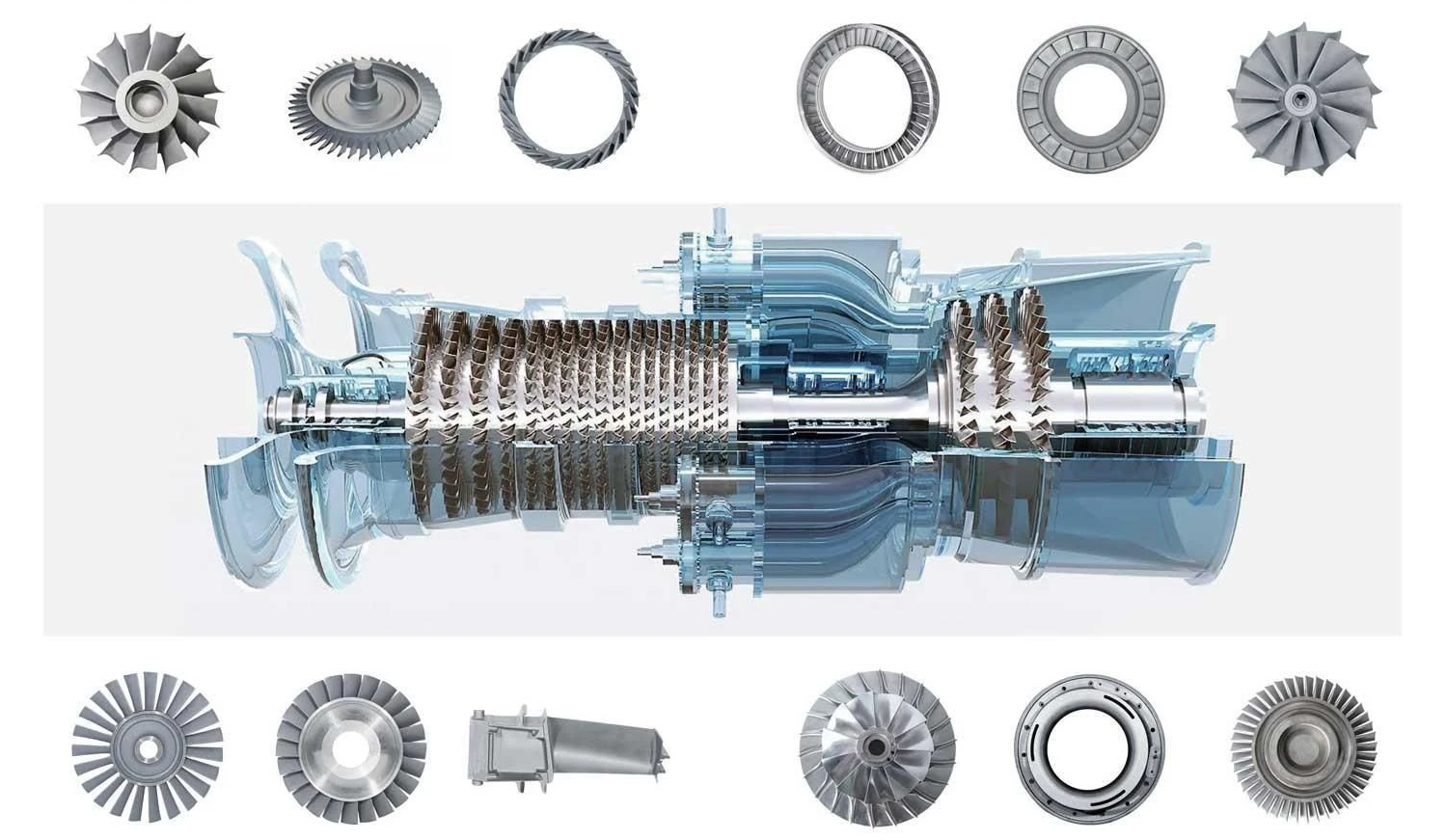
Aerospace and Defense: The aerospace industry was an early and ardent adopter of 5-axis technology. Components like turbine blades, impellers, bulkheads, and ducting require incredibly complex aerodynamic profiles made from tough, exotic materials like titanium and Inconel. The weight-saving, high-strength designs essential for flight are perfectly suited to the capabilities of 5-axis machining.
Automotive and Racing: From high-performance engine blocks and cylinder heads to custom intake manifolds and lightweight structural components, 5-axis machining enables both prototyping and production of critical automotive parts. In Formula 1 and motorsports, where every gram and every aerodynamic advantage counts, 5-axis is the standard.
Medical and Dental: The medical field demands the highest levels of precision and biocompatibility. 5-axis CNC machines are used to manufacture orthopedic implants (knees, hips, spinal cages), surgical instruments, prosthetics, and dental components. The ability to machine the complex curves of the human body from materials like medical-grade titanium and PEEK is a life-saving application of this technology.
Energy Sector: Components for the oil, gas, and renewable energy industries, such as valve bodies, pump housings, and turbine components, are often large, complex, and must withstand extreme pressures and corrosive environments. 5-axis machining provides the strength and precision these critical parts require.
Industrial Applications: This includes the production of complex jigs, fixtures, and molds for injection molding or die-casting. Creating a mold with intricate cooling channels and precise contours in a single setup saves immense time and cost in the tooling process.
Addressing Common Questions and Myths: The YICHOU FAQ
We engage with countless clients who have questions about adopting 5-axis machining. Here, we answer some of the most common queries with transparency and expertise.
What does a 5-axis CNC machine cost? / How much does a good CNC cost?
This is a natural first question. The investment for a new industrial-grade 5-axis CNC machine is significant, typically ranging from $200,000 to over $500,000, with large-format or ultra-precision models costing much more. However, the focus for our clients should not be on the machine's price tag but on the value of the service it enables. The cost savings from reduced fixtures, fewer setups, faster completion times, and higher part quality often make 5-axis machining the most economical choice for complex components.
How much is the Okuma 5-axis? / What is the price of a Mazak machine?
At YICHOU, we invest in a fleet of industry-leading machine tools from top-tier manufacturers like Okuma, Mazak, and DMG Mori. The exact model and specification we use for a project depend on the part's size, material, and complexity. Rather than focusing on a single brand's cost, we focus on selecting the perfect machine from our arsenal to meet your specific technical and budgetary requirements, ensuring an optimal outcome every time.
What are the limitations of 5-axis machining? / What are the disadvantages?
The primary challenges are the higher initial machine investment, the need for more advanced and expensive CAD/CAM software, and the requirement for highly skilled programmers and machinists. The programming is inherently more complex than for 3-axis work. However, these are disadvantages for a machine shop to overcome, not for the client. By partnering with an experienced manufacturer like YICHOU, you gain access to this advanced technology without any of its inherent complexities. The disadvantages are ours to manage; the advantages are yours to enjoy.
Is there a 6-axis or 7-axis CNC machine?
The terms 6-axis or 7-axis are often used in marketing but are not standard definitions in the milling world. These typically refer to highly specialized multi-tasking machines that combine milling, turning, and sometimes additional manipulator arms. For dedicated milling and contouring, 5-axis simultaneous machining remains the gold standard for complexity and precision. The pursuit of more axes is less important than the perfect execution of 5-axis technology.
Is 5-axis CNC machining difficult? / How hard is CNC to learn?
Yes, it is more difficult than 3-axis machining. The programming requires a deep understanding of toolpath generation, collision avoidance, and machine kinematics. The operation requires a meticulous approach to setup and verification. This is precisely why expertise matters. At YICHOU, our team comprises seasoned engineers and machinists who have mastered this complexity. We handle the difficult tasks so you receive a perfect part, effortlessly.
How much maintenance does a 5-axis CNC need?
Precision machinery requires rigorous preventive maintenance. Our technical team follows strict, scheduled maintenance protocols to ensure every machine in our facility operates at peak accuracy and reliability. This includes regular calibration, lubrication, and inspection. Our commitment to maintenance is our promise to you: zero downtime and consistent, high-quality output for your projects.
What are the tolerances for a 5-axis machine?
While machine capability is one factor, the achievable tolerance depends on part size, material, and design. Our YICHOU facilities are equipped to routinely hold tolerances within ±0.0002 inches (±0.005 mm) and even tighter for specific applications. During our project review process, we will work with you to define the optimal tolerances for functionality and cost-effectiveness.
Why Partner with YICHOU for Your 5-Axis CNC Machining Projects?
Choosing a manufacturing partner is about more than just accessing machinery; it is about leveraging expertise, reliability, and a commitment to your success.
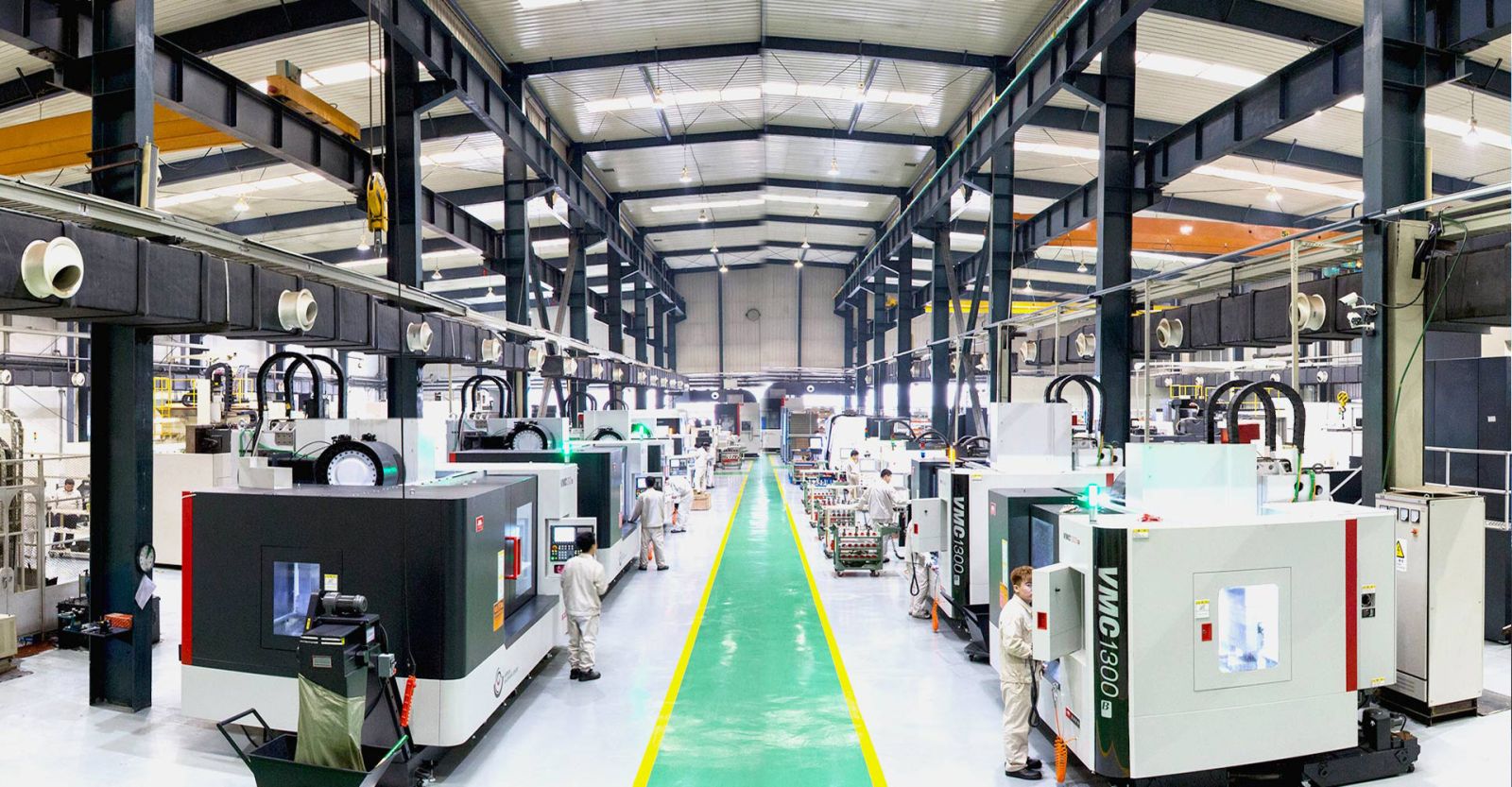
State-of-the-Art Technology: We continuously invest in a modern fleet of 5-axis CNC machining centers, ensuring we have the right tool for every project, from compact, high-speed models to large-format machines.
Engineering Expertise: Our team is our greatest asset. Our programmers and machinists are highly trained problem-solvers who can provide valuable Design for Manufacturability (DFM) feedback to optimize your parts for cost, performance, and manufacturability.
Uncompromising Quality Control: Quality is embedded in our process. We utilize advanced metrology equipment, including CMMs and optical scanners, to meticulously inspect every part and ensure it meets all print specifications and your highest expectations.
Customer-Centric Partnership: We view ourselves as an extension of your engineering team. We are committed to clear communication, transparency throughout the manufacturing process, and building long-term relationships based on trust and exceptional results.
Competitive Pricing and Reliable Turnarounds: Our efficiency and expertise allow us to provide exceptional value. We understand the pressures of modern manufacturing and are committed to delivering your parts on time and on budget.
Ready to Experience the YICHOU Difference?
The potential of 5-axis CNC machining is vast, but unlocking it requires the right partner. At YICHOU, we are passionate about transforming complex designs into precision realities. Let us show you how our expertise can streamline your production, reduce your costs, and bring your most ambitious ideas to life.
Contact us today for a confidential consultation and a competitive quote. Simply send your CAD files to our engineering team, and we will provide a comprehensive DFM analysis and a detailed project plan. Let's build the future, together.
Get in Touch with Yichou
Let Yichou help you achieve excellence in your next project. Whether you need raw materials, custom alloy solutions, or precision-manufactured components, our team is ready to assist.
- Email us: [email protected]
- Call us/whatsapp: +86 13355741031
- Chat with us: Live chat support available on our website