
Introduction to Nitinol: The Shape Memory Alloy Revolution
Nitinol, a nearly equal combination of nickel and titanium, represents one of the most significant advancements in materials science over the past half-century. Discovered in 1959 at the Naval Ordnance Laboratory (hence the name: Nickel Titanium Naval Ordnance Laboratory), this remarkable alloy has transformed numerous industries with its unique properties. At YICHOU, we have dedicated ourselves to mastering the complexities of nitinol tube processing, positioning ourselves as global leaders in precision manufacturing of this extraordinary material.
The fundamental characteristic that distinguishes nitinol from conventional metals is its ability to "remember" its original shape after deformation when exposed to appropriate thermal conditions. This shape memory effect, combined with exceptional superelasticity, has opened new frontiers in medical technology, aerospace engineering, robotics, and beyond. As manufacturing experts, we understand both the tremendous potential and the significant challenges that nitinol presents to engineers and product designers.
Exceptional Properties of Nitinol Tubes
Shape Memory Effect: The Foundation of Smart Material Applications
The shape memory effect (SME) enables nitinol to return to a predetermined shape when heated above its transformation temperature. This phenomenon occurs due to a reversible solid-state phase transformation between austenite (high-temperature phase) and martensite (low-temperature phase) crystal structures. The practical implication is profound: nitinol components can be deformed at low temperatures and will recover their original shape upon heating, making them ideal for applications requiring precise actuation or deployment mechanisms.
Superelasticity: Unprecedented Elastic Deformation
Nitinol exhibits superelasticity (also called pseudoelasticity) at temperatures above its austenite finish temperature, allowing it to undergo reversible strains of up to 8%—significantly greater than conventional metals, which typically exhibit less than 0.5% elastic strain. This property makes nitinol tubes exceptionally resistant to kinking and permanent deformation, a critical advantage in medical guidewires, endoscopic instruments, and other applications where reliability under deformation is paramount.
Biomechanical Compatibility: The Medical Advantage
The biomechanical properties of nitinol closely match those of human biological tissues, particularly in terms of flexibility and stiffness. This compatibility reduces stress shielding and tissue damage, promoting better integration and healing in medical implants. Additionally, nitinol's constant gentle outward force in stent applications minimizes vessel trauma while maintaining vascular support.
Corrosion Resistance: Long-Term Reliability
Nitinol demonstrates excellent corrosion resistance comparable to titanium, making it suitable for long-term implantation in the aggressive physiological environment of the human body. This resistance also benefits marine applications and other environments where corrosion would typically compromise performance.
Fatigue Resistance: Enduring Cyclic Loading
With superior fatigue resistance compared to stainless steel, nitinol components withstand repetitive loading and motion without failure. This property is particularly valuable in applications like heart valve frames, orthopedic implants, and aerospace components that undergo constant stress cycles.
Advanced Applications of Nitinol Tubes
Medical Device Innovations
Vascular Therapy: Self-Expanding Stents
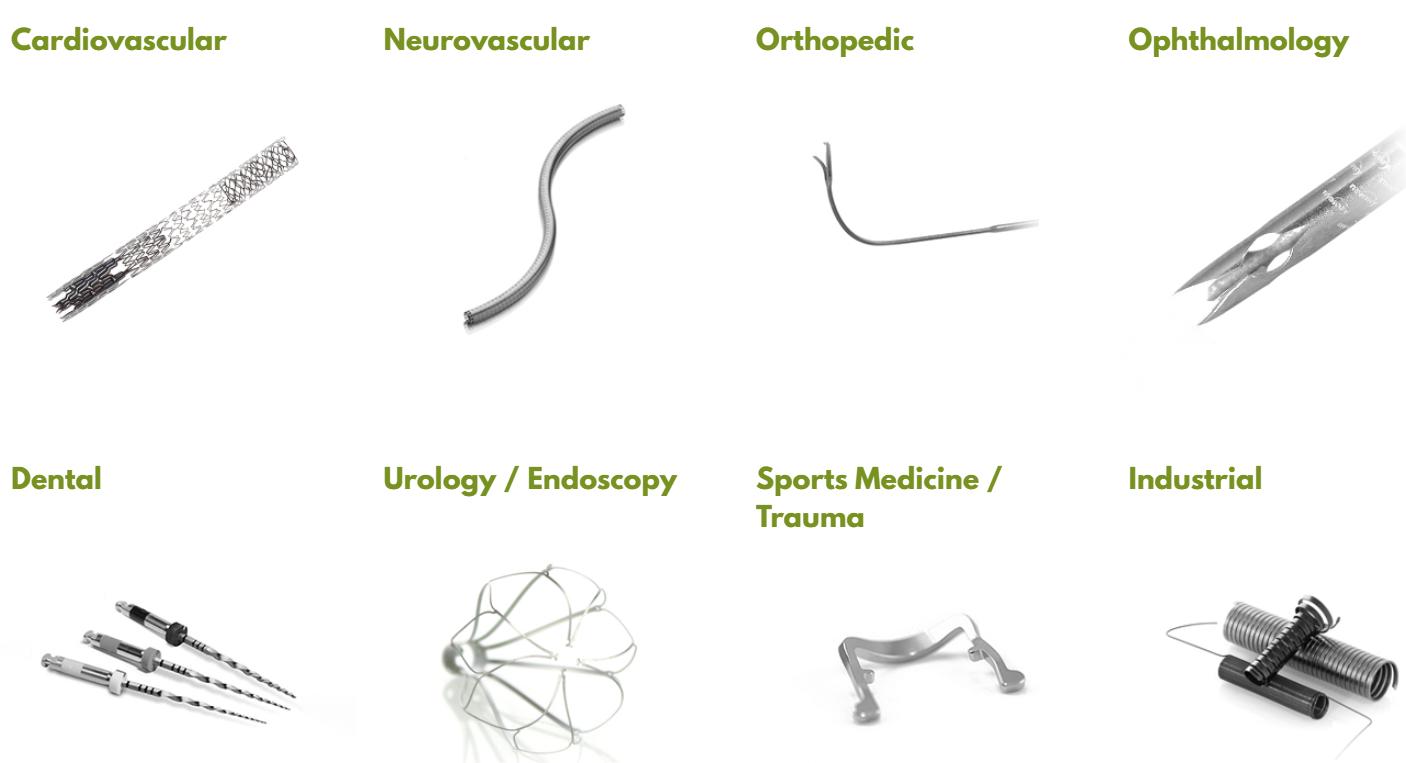
Nitinol tubes have revolutionized endovascular therapy through self-expanding stents. These devices are machined from nitinol tube stock, crimped into a delivery system, and deployed at the treatment site where they expand to their predetermined diameter upon exposure to body temperature. The constant radial force exerted by nitinol stents maintains vessel patency while accommodating natural vessel movement, reducing compliance mismatch and subsequent complications.
Guidewires and Delivery Systems
The superelasticity of nitinol tubes makes them ideal for guidewires and catheter components that must navigate tortuous anatomy without kinking or permanent deformation. This reliability improves procedural success rates while reducing operation time and potential complications.
Orthodontic Archwires
Nitinol archwires apply continuous gentle forces to teeth, reducing the need for frequent adjustments compared to traditional stainless steel wires. This property has transformed orthodontic treatment, making procedures more efficient and comfortable for patients.
Orthopedic Implants
Compression staples, bone anchors, and spinal fixation devices benefit from nitinol's shape memory effect, which allows for minimal incision procedures and dynamic compression across fracture sites.
Aerospace and Defense Applications
Actuator Systems
Nitinol tubes function as thermal actuators in aerospace applications, converting thermal energy into mechanical work without requiring motors or hydraulic systems. This simplicity enhances reliability while reducing weight and complexity in aircraft systems.
Coupling and Fastening Systems
Nitinol couplings provide secure connections in difficult-to-access locations, particularly in aircraft hydraulic and fuel systems. These couplings expand when cooled, allow placement, and then contract as they warm to room temperature, creating a tight, reliable seal.
Morphing Structures
Advanced aerospace concepts utilize nitinol tubes in morphing wings and variable geometry structures that adapt to different flight conditions, improving efficiency across various operational profiles.
Industrial and Consumer Applications
Robotics and Automation
Nitinol actuators enable precise, compact motion in robotic systems, particularly where electromagnetic interference must be minimized or where traditional motors would be impractical due to size constraints.
Consumer Electronics
The superelasticity of nitinol tubes benefits smartphone components, eyeglass frames, and other consumer products where durability and thin form factors are essential design considerations.
Automotive Systems
Nitinol sensors and actuators improve automotive safety and efficiency in applications ranging from turbocharger actuators to transmission control systems.
Precision Machining of Nitinol Tubes: Technical Challenges and Solutions
Material Processing Difficulties
Machining nitinol presents significant challenges due to its unique properties:
-
Work Hardening: Rapid hardening during deformation requires specialized tooling and techniques
-
Tool Wear: The tough, elastic nature of nitinol accelerates tool wear
-
Heat Generation: Poor thermal conductivity leads to heat buildup during machining
-
Shape Memory Effect: The material tends to return to its original shape during processing
YICHOU's Advanced Manufacturing Capabilities
Laser Processing
We utilize state-of-the-art laser cutting systems with specialized parameters for nitinol, achieving precise features with minimal heat-affected zones and preserving material properties.
Electrochemical Machining (ECM)
For particularly complex geometries, we employ ECM to selectively remove material through electrochemical dissolution, avoiding thermal and mechanical stresses entirely.
Centerless Grinding
Our precision grinding processes achieve tight diameter tolerances and superior surface finishes required for medical applications.
Heat Treatment Expertise
Controlled atmosphere heat treatment systems ensure precise transformation temperature control and optimal material properties for specific applications.
Surface Treatment
We offer electropolishing, passivation, and specialized coatings to enhance corrosion resistance and biocompatibility while maintaining superelastic performance.
Comprehensive FAQ: Addressing Common Nitinol Tube Questions
General Properties
What is nitinol used for?
Nitinol is utilized across medical (stents, guidewires, orthodontic archwires), aerospace (actuators, couplings), automotive (sensors, valves), and consumer products (eyeglass frames, electronics) due to its unique shape memory and superelastic properties.
How expensive is nitinol?
Raw nitinol material costs approximately 5-10 times more than stainless steel due to complex manufacturing processes and expensive raw materials. However, its unique properties often justify the investment through improved performance and reliability.
Is nitinol safe to touch?
Yes, nitinol is biocompatible and safe for skin contact. It is widely used in permanent medical implants with an excellent safety profile.
Does nitinol react to electricity?
Nitinol conducts electricity but is not highly reactive. Its electrical resistance changes during phase transformation, enabling applications in sensors and actuators.
Can nitinol rust?
No, nitinol exhibits excellent corrosion resistance comparable to titanium, making it suitable for medical implants and harsh environments.
How strong is nitinol compared to steel?
While nitinol has lower ultimate tensile strength than steel (approximately 900 MPa vs. 500-2000+ MPa for various steels), its superelasticity allows recovery from much greater deformations without permanent damage.
Is nitinol magnetic?
Generally no, nitinol is not magnetic due to its nickel-titanium composition, though specific processing can create weakly magnetic characteristics in some cases.
What happens when nitinol is heated?
When heated above its transformation temperature, nitinol returns to its original shape through a phase change from martensite to austenite—this is the shape memory effect.
What is nitinol made of?
Nitinol consists of approximately 55% nickel and 45% titanium by weight, with precise composition adjustments controlling transformation temperatures.
Can nitinol be welded or machined?
Yes, but both processes require specialized techniques due to nitinol's unique properties. YICHOU has developed proprietary methods for reliable welding and precision machining.
Medical Applications
What is a nitinol tube used for in stents?
Nitinol tubes form the basis for self-expanding stents that are compressed into delivery systems, then expand to their predetermined shape when deployed at body temperature to support blood vessels or other anatomical passages.
Are nitinol stents self-expanding?
Yes, nitinol stents expand automatically upon deployment due to the shape memory effect activated by body heat.
What is the cost of nitinol stents?
Nitinol stents represent premium medical devices typically costing between $1,000 and $3,000 depending on design complexity, size, and regulatory requirements, with material costs representing a significant portion.
How long do metal stents last?
Nitinol stents are designed for permanent implantation with demonstrated durability exceeding 10-15 years in clinical studies, with many expected to remain functional for decades.
What is the difference between a stent and a tube?
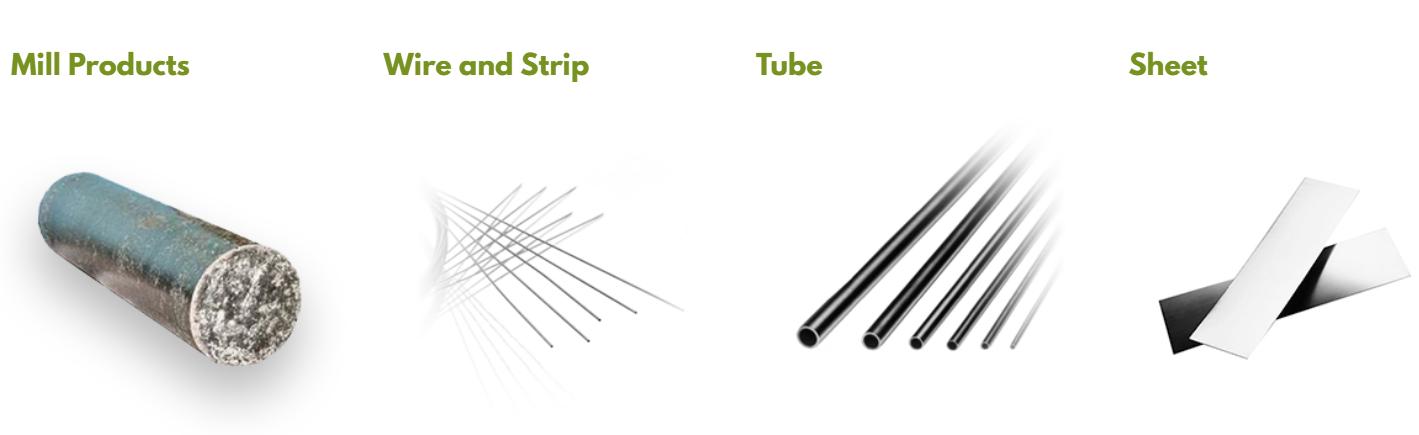
A tube is the raw material form, while a stent is a precision-engineered medical device fabricated from nitinol tube stock through cutting, shaping, and heat treatment processes.
Manufacturing and Technical Considerations
Can you machine nitinol?
Yes, but successful machining requires specialized expertise. YICHOU has developed proprietary techniques for precision machining of nitinol tubes with tight tolerances and preserved material properties.
How is nitinol made?
Nitinol production involves vacuum melting of high-purity nickel and titanium, followed by hot working, cold drawing with intermediate heat treatments, and precise final heat setting to establish transformation temperatures and shape memory properties.
What are the disadvantages of nitinol?
Primary limitations include high material cost, manufacturing challenges, potential nickel sensitivity in some patients (though surface treatments minimize nickel release), and the need for specialized processing equipment and expertise.
What two metals make up nitinol?
Nitinol consists of nickel and titanium in approximately equal atomic percentages (55% nickel, 45% titanium by weight).
How durable is nitinol?
Nitinol exhibits exceptional fatigue resistance, typically outperforming stainless steel by 10-100 times in rotating beam fatigue tests, making it ideal for applications requiring long-term cyclic loading capability.
Can nitinol be magnetized?
Generally, nitinol is not magnetic, though specific processing can create limited magnetic responsiveness in some cases.
The Future of Nitinol Technology
Emerging Applications
Ongoing research continues to expand nitinol applications in micro-electromechanical systems (MEMS), energy harvesting devices, seismic protection systems for buildings, and advanced robotics. The development of nickel-free shape memory alloys addresses potential nickel sensitivity concerns while maintaining beneficial properties.
Manufacturing Advancements
Additive manufacturing techniques for nitinol are progressing rapidly, enabling complex geometries previously impossible with conventional machining. YICHOU is investing in these technologies to maintain our position at the forefront of nitinol processing capabilities.
Market Trends
The global nitinol market is projected to grow at approximately 8% CAGR through 2028, driven primarily by expanding medical applications and increasing adoption in aerospace and consumer electronics. Minimally invasive surgical techniques continue to drive demand for sophisticated nitinol components.
Why Choose YICHOU for Nitinol Tube Processing?
Technical Expertise
With over 15 years of specialized experience in nitinol processing, our engineering team understands the nuances of working with this challenging material. We've developed proprietary techniques that ensure consistent quality and optimal performance in finished components.
Comprehensive Capabilities
From prototype development to high-volume production, we offer complete solutions including:
-
Precision laser cutting
-
Electrochemical machining
-
Heat treatment and shape setting
-
Surface finishing and polishing
-
Comprehensive quality control and testing
Quality Assurance
Our ISO 13485 certification (for medical devices) and AS9100 certification (for aerospace applications) demonstrate our commitment to quality. We implement rigorous process controls and comprehensive testing including:
-
Dimensional verification
-
Transformation temperature testing
-
Mechanical property validation
-
Surface quality inspection
-
Functional testing of shape memory and superelastic properties
Customer Collaboration
We partner with clients throughout the development process, providing design for manufacturability feedback, material selection guidance, and application-specific processing recommendations to optimize performance and cost-effectiveness.
Call to Action: Partner with Nitinol Processing Experts
At YICHOU, we combine extensive technical expertise with state-of-the-art manufacturing capabilities to deliver precision nitinol components that meet your most demanding requirements. Contact us today to discuss your project needs, request a quotation, or arrange a technical consultation with our engineering team.
GET QUOTE
- Visit our website: https://www.nbyichou.com/
- Email us: [email protected]
- Call us/whatsapp: +86 13355741031
- Chat with us: Live chat support available on our website