In the high-stakes world of industrial fluid and gas control, system failure is not merely an operational setback—it is a catastrophic event with profound safety, financial, and environmental consequences. From the superheated, corrosive streams of a chemical reactor to the high-purity, critical lines of a semiconductor fab or the punishing saline environment of an offshore platform, the valve is the guardian of system integrity. For decades, engineers have wrestled with the limitations of conventional materials. Stainless steel corrodes, exotic alloys become prohibitively expensive, and standard solutions force process compromises.
This long-standing challenge finds its resolution in one of the most remarkable materials available to modern engineering: titanium. More than just an alternative, titanium valves represent a paradigm shift. This comprehensive guide delves deep into the science, engineering, and practical application of custom titanium valves, providing plant managers, design engineers, and procurement specialists with the knowledge to specify the ultimate solution for their most demanding applications.
.jpg)
Chapter 1: Titanium Uncovered – Why It Reigns Supreme in Hostile Environments
The question "Why use titanium instead of steel?" is fundamental. The answer lies not in a single attribute, but in a constellation of properties that, when combined, are unmatched by any other commercial metal.
1.1 The Unbreakable Shield: Corrosion Resistance Beyond Compare
Titanium's most celebrated virtue is its near-complete immunity to corrosion. This stems from its instantaneous formation of a tenacious, self-healing, and highly adherent oxide layer (TiO2) upon exposure to oxygen or moisture. This passive layer is what makes it "noble" in many environments.
-
Champion Against Chlorides: Where stainless steels succumb to pitting and stress corrosion cracking in the presence of chlorides (seawater, bleach, process salts), titanium stands inert. This makes it the undisputed choice for desalination plants, offshore oil & gas systems, and chlorine manufacturing.
-
Resistance to Oxidizing Media: It performs exceptionally well in nitric acid, chromic acid, and other oxidizing environments.
-
Compatibility with Diverse Media: Titanium offers excellent resistance to wet chlorine, most organic acids, and chlorine dioxide, critical in pulp & paper bleaching and chemical processing.
1.2 Strength with Grace: The Unbeatable Strength-to-Weight Ratio
Titanium possesses a tensile strength comparable to many grades of steel but at approximately 45% less weight. For industries like aerospace and marine engineering, this translates directly into:
-
Reduced structural support requirements.
-
Lower inertial loads in dynamic systems.
-
Significant fuel and energy savings over the lifecycle of the system.
-
Easier, safer manual handling during installation and maintenance.
1.3 Performance Across the Thermal Spectrum
Unlike many materials that excel only within a narrow band, titanium maintains its integrity from cryogenic chill to intense heat.
-
Cryogenic Toughness: It remains ductile and fracture-resistant at temperatures as low as -250°C (-418°F), making it ideal for LNG, liquid nitrogen, and other cryogenic applications.
-
High-Temperature Stability: Useful mechanical properties are retained up to approximately 600°C (1112°F), suitable for many high-heat processes in power generation and chemical synthesis.
1.4 Biocompatibility: Opening Doors to Life Sciences
A critical ancillary benefit is titanium's complete biocompatibility. It is non-toxic, non-allergenic, and fully accepted by the human body. This property, while central to medical implants like heart valves (addressing questions like "What is a titanium heart valve?" and "How long does a titanium heart valve last?"), is equally valuable in pharmaceutical, biotechnology, and food & beverage processing where product purity is paramount.
Chapter 2: The Imperative of Customization – Beyond the Catalog
While standard titanium valves address common needs, the true power of this material is unlocked through customization. Custom titanium valves are not a luxury; they are a strategic engineering tool to optimize process efficiency, safety, and total cost of ownership.
2.1 The Philosophy of Engineered-to-Order Solutions
Every industrial process has unique fingerprints—pressure spikes, thermal cycles, aggressive chemical cocktails, and specific cleanliness standards. An off-the-shelf valve is a compromise. A custom valve is a perfect fit.
2.2 Dimensions of Customization
Our engineering partnership with clients focuses on several critical axes of customization:
-
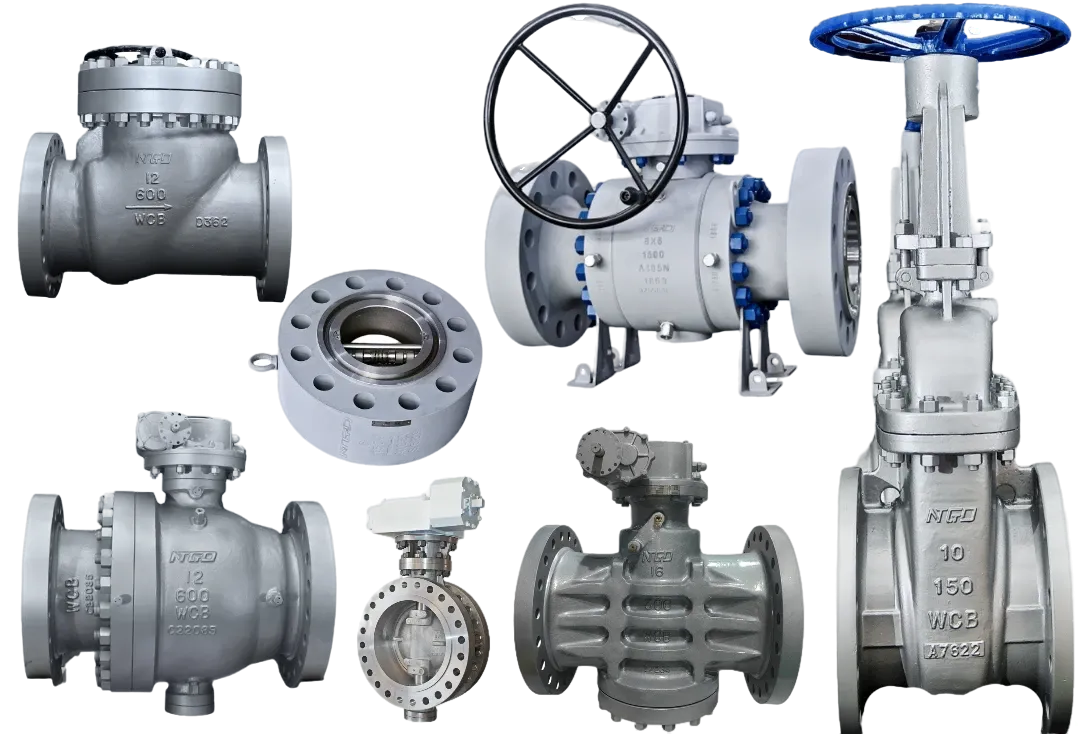
Geometry & Design: Modifying body shape, port sizes, and internal flow paths (CV optimization) to minimize pressure drop and turbulence for your specific fluid.
-
Alloy Precision: Selecting the exact titanium grade is science. We guide clients beyond generic "titanium" to the optimal choice:
-
Grade 2 (CP): The workhorse, offering excellent corrosion resistance and formability.
-
Grade 5 (Ti-6Al-4V): The aerospace standard, providing the highest strength-to-weight ratio for demanding pressure and structural applications.
-
Grade 7 (Pd-alloyed) & Grade 12 (Mo-Ni alloyed): Enhanced resistance to reducing acids (e.g., sulfuric, hydrochloric) and crevice corrosion.
-
-
Specialized Components: Integrating custom actuators, designing unique stem/disk geometries, or applying specialized surface enhancements like nitriding or PTFE-impregnated coatings for wear resistance.
-
Connections & Integration: Manufacturing to match exotic flange standards, creating weld-end preparations for specific pipe schedules, or adding proprietary instrument and injection ports.
Chapter 3: Manufacturing Excellence – How a Custom Titanium Valve is Born
The journey from raw material to a mission-critical valve is defined by precision, verification, and uncompromising quality.
3.1 Precision Machining: The Foundation
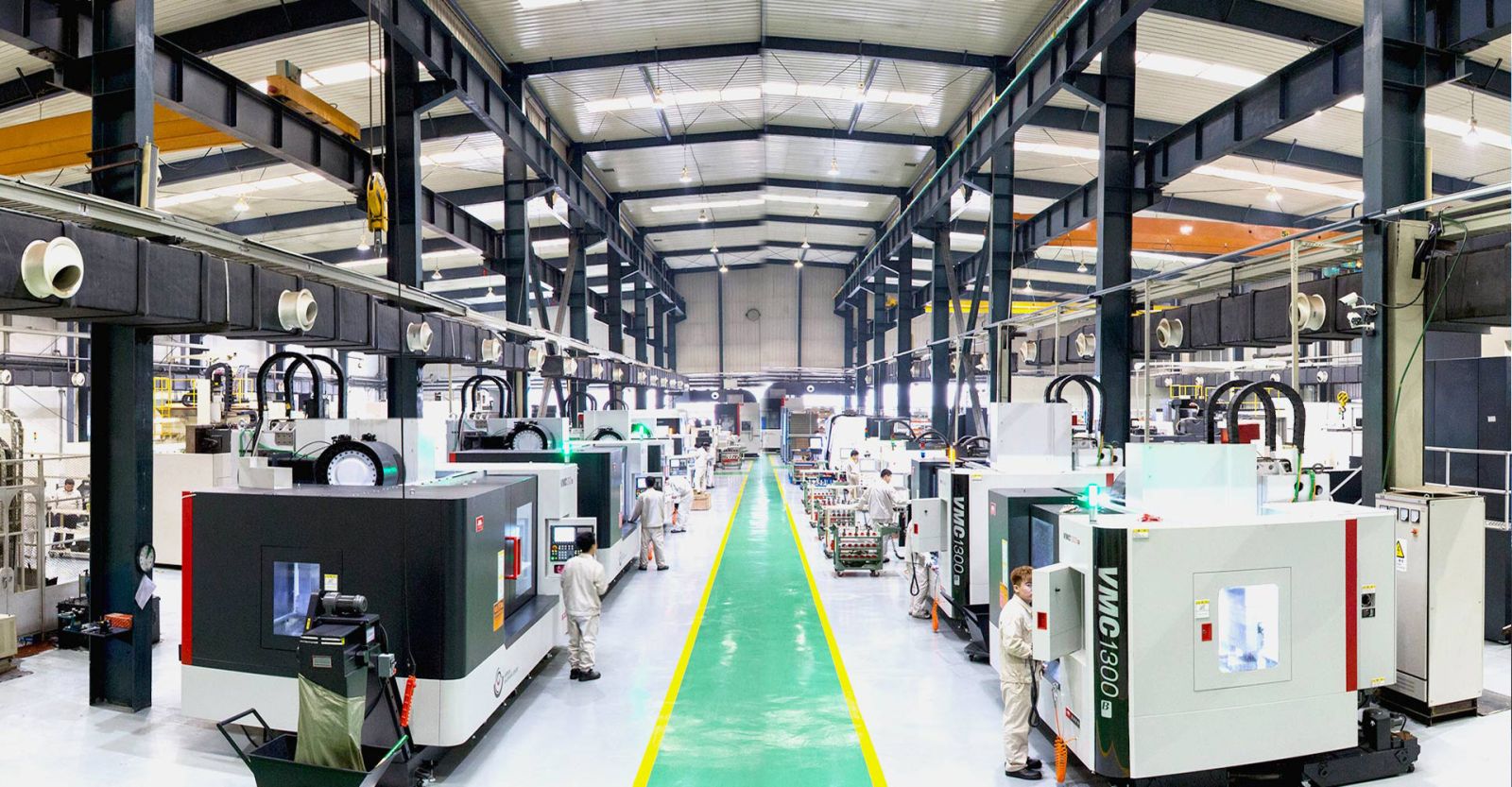
We employ advanced 5-axis CNC machining centers capable of handling titanium's unique machining characteristics. The focus is on achieving mirror-finish sealing surfaces, perfect bore alignment, and geometries that eliminate stress concentrations. Every valve body, stem, and trim component is machined to tolerances measured in microns.
3.2 The Crucible of Quality Assurance
Traceability and verification are non-negotiable.
-
Material Certification: Every titanium billet or forging arrives with full mill certification, including chemistry reports and physical property data. We maintain this chain of custody through the entire manufacturing process.
-
Non-Destructive Testing (NDT): 100% of critical components undergo rigorous inspection. Techniques include:
-
Dye Penetrant Inspection (DPI): For surface defect detection on all sealing surfaces.
-
Radiographic Testing (RT): For volumetric inspection of welds and castings to reveal internal flaws.
-
-
Performance Testing: Every assembled valve is subjected to factory acceptance testing per API 598, ISO 5208, or ASME B16.34. This includes shell tests (150% of design pressure), seat tests, and operational cycle tests under both ambient and simulated service conditions.
Chapter 4: Addressing the Market – Your Questions Answered
Synthesizing technical expertise with real-world queries, we address the core questions surrounding titanium valves.
4.1 Lifespan and Durability
"How long do titanium valves last?" This is the most critical ROI question. The answer is contextual. In a mildly corrosive water line, a titanium valve may last decades—essentially the life of the plant. In an application that destroys a 316 stainless steel valve in 6-12 months (e.g., hot seawater service), a Grade 2 or 12 titanium valve can reliably last 10-20 years or more. The lifespan isn't just longer; it's often an order of magnitude greater, transforming a recurring maintenance cost into a permanent capital solution.
4.2 The Niche of High-Performance Automotive
Questions like "Do titanium valves need lash caps?" originate from the high-performance automotive world. In internal combustion engines, aftermarket titanium valves are prized for their light weight, allowing higher RPM limits. Because titanium is softer than hardened steel, lash caps (small hardened steel sleeves) are often placed on the valve stem tip to prevent wear from the rocker arm. In industrial contexts, this is addressed during design by using hardened stem tips, specific alloy choices, or compatible actuator interfaces, ensuring longevity without secondary components.
4.3 The Cost-Performance Equation
"Why isn't titanium used for everything?" The barrier is upfront cost. Titanium's extraction and processing are energy-intensive. For non-critical applications like low-pressure domestic water lines or compressed air, ductile iron or brass is economically rational. Titanium's value proposition shines where failure costs—in downtime, safety incidents, environmental cleanup, or lost product—dwarf the valve's purchase price. It is the strategic choice for critical path equipment.
4.4 Clarifying a Common Misconception
Searches for "Can I shower with titanium steel" or "Can you live a normal life with a thermal bath" appear to be garbled mixes of medical implant queries and material science. For our industrial audience, the key takeaway is this: Titanium's corrosion resistance is so complete that it is unaffected by the ions in shower water, swimming pools, or harsh industrial "baths," making it ideal for processing equipment in these very industries.
Chapter 5: Titanium in Action – Cross-Industry Case Studies
5.1 Chemical Processing: Conquering Chlorides
A European chemical plant producing intermediates used hot, wet chlorine gas. Their nickel-alloy valves required rebuilding every 8 months at a cost of $15,000 per valve in parts and labor, plus 3 days of line shutdown. Solution: We supplied custom Grade 7 (Pd-alloyed) Titanium Globe Valves with a specialized gland packing system. Result: After 7 years of continuous service, the valves were inspected during a planned outage and showed negligible wear. The ROI was achieved within the first 18 months.
5.2 Aerospace & Semiconductor: The Purity Imperative
In aerospace fuel systems and semiconductor gas lines, even nanoscale particulate contamination or trace outgassing can cause failure. Solution: We manufacture ultra-high-purity titanium valves with electropolished internal surfaces achieving Ra < 10 µin, special cleaning for ISO Class 4 cleanliness, and all-welded constructions to eliminate potential leak paths from threaded or gasketed connections. Result: Guaranteed purity for sensitive fuels and etching gases, enabling next-generation manufacturing and propulsion reliability.
5.3 Marine & Offshore: The Sea's Ultimate Adversary
An offshore platform's seawater injection system was plagued by valve failures. The high salinity, dissolved oxygen, and microbial activity destroyed standard materials. Solution: A full retrofit with custom Grade 2 Titanium Gate Valves featuring a cathodic protection system integrated into the design for subsea components. Result: Elimination of unplanned downtime due to valve failure, reduced maintenance diver costs, and a projected service life exceeding 25 years in continuous seawater immersion.
Chapter 6: Your Roadmap to a Superior Valve Solution – From Inquiry to Installation
Specifying a custom titanium valve is a collaborative engineering project. Here is our proven, transparent process:
-
Process Diagnostics (Week 1): Our engineering team engages in a deep-dive consultation. We require details on: Fluid Composition & Concentration, Temperature & Pressure Profiles (including cycles), Flow Rate & Required Cv, Actuation & Control Requirements, and Industry-Specific Standards (e.g., NACE, ASME B31.3, FDA).
-
Design & Proposal (Weeks 2-4): We develop 3D models, perform fluid dynamics simulations if needed, select the optimal titanium grade, and provide a detailed technical and commercial proposal, including lead time.
-
Collaborative Review & Approval: We present the design, walk through the testing protocol, and adjust based on your feedback until the solution is perfected.
-
Manufacturing & Validation (Lead Time): Your valve is manufactured under our rigorous QA protocol. You receive interim inspection reports and the full certification dossier upon completion.
-
Deployment & Lifelong Support: We provide comprehensive installation guidance and offer lifetime technical support and a ready supply of genuine spare parts.
Call to Action: Begin Engineering Your Solution Today
The gap between your current valve performance and what is possible with advanced materials and custom engineering is likely vast. Bridging that gap starts with a conversation.
Get Quote
- Visit our website: https://www.nbyichou.com/
- Email us: [email protected]
- Call us/whatsapp: +86 13355741031
- Chat with us: Live chat support available on our website