Introduction: The Unseen Champion in Extreme Environments
In a world where technology is constantly pushing the boundaries of temperature, pressure, and performance, one material consistently emerges as the backbone of innovation: Inconel 718. This nickel-chromium superalloy isn't just another metal; it's the unsung hero enabling humanity's most ambitious engineering feats. From the fiery depths of jet engines to the high-pressure wells of oil fields, Inconel 718 operates where ordinary metals fail.
Compliant with the rigorous AMS 5662 and AMS 5663 aerospace material specifications, this alloy represents the pinnacle of metallurgical engineering. Recent market analysis reveals a +13% monthly growth in search interest for Inconel 718, with over 11,000 monthly queries and a remarkably high commercial intent value. Why this surge? Because industries worldwide are recognizing that next-generation challenges require next-generation materials.
In this comprehensive 3500+ word guide, we'll explore why Inconel 718 has become the material of choice for critical applications, how its various specifications differ, and most importantly, how our specialized machining expertise can transform this remarkable alloy into precision components that power your projects and propel your business forward.
Chapter 1: Decoding Inconel 718 – What Makes This Superalloy Exceptional?
The Metallurgical Magic Behind the Performance
At its core, Inconel 718 is a precipitation-hardened nickel-chromium alloy containing significant amounts of iron, niobium, and molybdenum, along with smaller percentages of titanium and aluminum. This carefully balanced chemical composition creates a material with properties that seem almost contradictory:
Unmatched High-Temperature Strength
Unlike conventional steels that rapidly lose strength as temperatures rise, Inconel 718 maintains exceptional mechanical properties up to 1300°F (704°C). The secret lies in its dual strengthening mechanism: solid solution strengthening from its nickel-chromium matrix combined with precipitation hardening from gamma prime and gamma double prime phases that form during aging treatments. This gives Inconel 718 a tensile strength retention of approximately 80% at 1200°F compared to its room temperature properties.
Superior Corrosion Resistance
The alloy's high chromium content (17-21%) creates a protective, self-renewing chromium oxide layer that shields against oxidation and corrosion in aggressive environments. This makes it remarkably resistant to:
-
Pitting and crevice corrosion in chloride-containing media
-
Stress corrosion cracking in high-temperature aqueous solutions
-
Oxidation in air up to 1800°F (982°C)
-
Corrosion by sour gas (H₂S) in oilfield applications
Exceptional Fatigue and Creep Resistance
In applications involving cyclic loading at elevated temperatures, fatigue failure becomes a primary concern. Inconel 718 exhibits outstanding fatigue resistance, with studies showing fatigue strength of approximately 75 ksi at 10⁷ cycles at room temperature, declining only to about 50 ksi at 1000°F. Its creep rupture strength—resistance to deformation under constant load at high temperatures—remains impressive, with rupture times exceeding 100 hours at 1200°F under 40 ksi stress.
Remarkable Weldability and Fabricability
Unlike many precipitation-hardened superalloys that suffer from post-weld cracking, Inconel 718 exhibits excellent weldability due to its slow aging response. It can be welded in both the annealed and aged conditions without significant loss of properties, a critical advantage for fabricating complex assemblies.
Chapter 2: Inconel 718 in Action – Where Excellence Meets Application
Transforming Industries One Component at a Time
Aerospace & Defense: Where Failure Is Not an Option
The aerospace industry accounts for approximately 50% of all Inconel 718 usage, and for good reason. In jet engines, this alloy performs in the most demanding environments imaginable:
-
Turbine Blades and Disks: Operating in temperatures exceeding 1300°F while spinning at thousands of RPM, these components benefit from Inconel 718's unique combination of high-temperature strength and fatigue resistance.
-
Afterburner Components: Subjected to extreme thermal cycling, these parts rely on the alloy's thermal fatigue resistance.
-
Fasteners and Bolting: High-strength bolts used in engine assemblies maintain clamp load at temperatures where other materials would creep and relax.
-
Rocket Engine Components: From turbopump parts to thrust chambers, Inconel 718 handles the combination of cryogenic propellants and combustion temperatures.
Oil & Gas: Conquering the Extreme Depths
In the search for energy resources, equipment must survive conditions that would destroy ordinary materials:
-
Downhole Tools: Drilling deeper and hotter reservoirs requires tools that can withstand temperatures above 400°F and H₂S-containing environments.
-
Valves and Chokes: Critical flow control components in sour service applications demand Inconel 718's corrosion resistance.
-
Subsea Equipment: Components exposed to seawater and cathodic protection systems benefit from the alloy's resistance to hydrogen embrittlement.
Power Generation: Keeping the Lights On
As power plants push for higher efficiencies through increased operating temperatures, Inconel 718 becomes increasingly essential:
-
Gas Turbine Components: Combustion cans, transition ducts, and turbine blades in industrial gas turbines.
-
Nuclear Reactor Components: Fastener systems and core components in advanced reactor designs.
-
Heat Exchangers: For advanced power cycles including supercritical CO₂ systems.
Automotive & Motorsports: Pushing Performance Boundaries
While smaller in volume, these applications showcase the alloy's versatility:
-
Turbocharger Components: Turbine housings and shafts in high-performance and diesel applications.
-
Exhaust Systems: For extreme motorsports applications where weight savings and temperature resistance are critical.
-
Formula One Components: Various engine and drivetrain parts where reliability at temperature is paramount.
Emerging Applications: The Future of Inconel 718
-
Additive Manufacturing: As one of the most commonly 3D-printed superalloys for aerospace and medical implants.
-
Cryogenic Applications: Surprisingly, it maintains good ductility and toughness down to liquid hydrogen temperatures (-423°F).
-
Chemical Processing: Reactor components in aggressive chemical production environments.
Chapter 3: AMS 5662 vs. AMS 5663 – Understanding the Specifications That Matter
Navigating the Aerospace Material Standards
While often mentioned together, AMS 5662 and AMS 5663 represent distinctly different specifications with important implications for your application. Understanding these differences is crucial for specifying the right material and ensuring component performance.
AMS 5663: The Solution Treated and Aged Condition
This specification covers Inconel 718 in its fully heat-treated condition—solution treated followed by aging to achieve maximum strength. Key characteristics include:
-
Typical tensile strength: 185-220 ksi (1275-1515 MPa)
-
Yield strength (0.2% offset): 150-185 ksi (1035-1275 MPa)
-
Elongation: 10-20%
-
Hardness: 36-44 HRC
-
Primary applications: Components requiring maximum strength at temperature, such as turbine disks, blades, and high-stress fasteners.
The heat treatment sequence typically involves:
-
Solution treatment at 1700-1850°F (927-1010°C)
-
Rapid cooling (quenching)
-
Aging at 1325°F (718°C) for 8 hours
-
Furnace cooling to 1150°F (621°C)
-
Holding at 1150°F for total aging time of 18 hours
-
Air cooling
AMS 5662: The Annealed Condition
This specification covers Inconel 718 in the soft, annealed condition suitable for forming and machining before final heat treatment:
-
Typical tensile strength: 120-145 ksi (825-1000 MPa)
-
Yield strength (0.2% offset): 85-110 ksi (585-760 MPa)
-
Elongation: 20-30%
-
Hardness: 25-35 HRC
-
Primary applications: Components requiring significant forming or machining before final heat treatment, or applications where optimal machinability is required.
The annealing process typically involves heating to 1700-1850°F (927-1010°C) followed by rapid cooling.
Making the Right Choice: AMS 5662 vs. AMS 5663
Your selection depends on several factors:
-
Fabrication Requirements: Complex machining operations are significantly easier with AMS 5662 material
-
Heat Treatment Capabilities: If you lack controlled atmosphere heat treatment facilities, purchasing AMS 5663 material might be preferable
-
Dimensional Stability Concerns: Final machining of AMS 5663 material after heat treatment minimizes distortion risks
-
Project Timeline: Using AMS 5663 eliminates the need for separate heat treatment but may increase machining time
Quality Assurance and Certification
Both specifications require:
-
Mill certification with full chemical analysis and mechanical properties
-
Traceability to heat/lot number
-
For aerospace applications, additional testing may include:
-
Ultrasonic inspection for internal quality
-
Grain size verification
-
Inclusion rating
-
Chapter 4: The Machining Challenge – Why Inconel 718 Demands Specialized Expertise
Turning a Difficult Material into Precision Components
Machining Inconel 718 is not for the faint-hearted or the poorly equipped. With its high strength at temperature, work hardening tendency, and abrasive nature, it presents significant challenges that separate capable shops from truly expert ones.
The Four Pillars of Successful Inconel 718 Machining
-
Specialized Tooling and Geometry
-
Carbide Grades: Premium sub-micron grain carbides with PVD (TiAlN) or CVD (Al₂O₃) coatings
-
Tool Geometry: Positive rake angles, sharp cutting edges, and specialized chipbreakers designed for high-temperature alloys
-
Rigidity: Maximum tool rigidity to combat vibration and chatter
-
-
Precision Process Parameters
-
Speeds and Feeds: Typically 30-80 SFM for turning, 50-120 SFM for milling with ceramic inserts
-
Depth of Cut: Maintain sufficient depth to cut beneath work-hardened surface
-
Cutting Fluid: High-pressure through-tool coolant to manage heat and improve chip evacuation
-
-
Advanced Machine Tool Requirements
-
High Torque and Power: To overcome the material's high strength
-
Exceptional Rigidity: To maintain accuracy and surface finish
-
Thermal Stability: To maintain precision during long machining cycles
-
High-Pressure Coolant: 1000+ PSI capability for difficult operations
-
-
Expertise-Based Strategies
-
Tool Path Optimization: Climb milling, trochoidal milling, and other advanced strategies
-
Workholding Solutions: Specialized fixtures that maximize rigidity without inducing stress
-
Process Monitoring: Vibration analysis and adaptive control systems
-
Common Machining Operations and Best Practices
Turning Operations:
-
Use ceramic or CBN inserts for roughing, carbide for finishing
-
Maintain constant feed to avoid work hardening
-
Consider driven tooling for complex features to avoid repositioning
Milling Operations:
-
Trochoidal milling for slots and pockets
-
High-efficiency milling (HEM) strategies to distribute heat and wear
-
Variable helix/variable pitch end mills to combat chatter
Drilling and Tapping:
-
Through-coolant drills with optimized point geometry
-
Spiral flute taps with reduced contact length
-
Consider thread milling for holes above 1/4" diameter
Achieving Superior Surface Integrity
The machined surface of Inconel 718 significantly affects fatigue life. Our processes ensure:
-
Surface roughness (Ra) as low as 16 µin (0.4 µm) when required
-
Minimal white layer or other thermal damage
-
Controlled residual stresses through optimized parameters
-
Complete documentation of surface finish parameters
Chapter 5: Our Inconel 718 Machining Capabilities – Precision Meets Expertise
Why We're the Partner of Choice for Critical Components
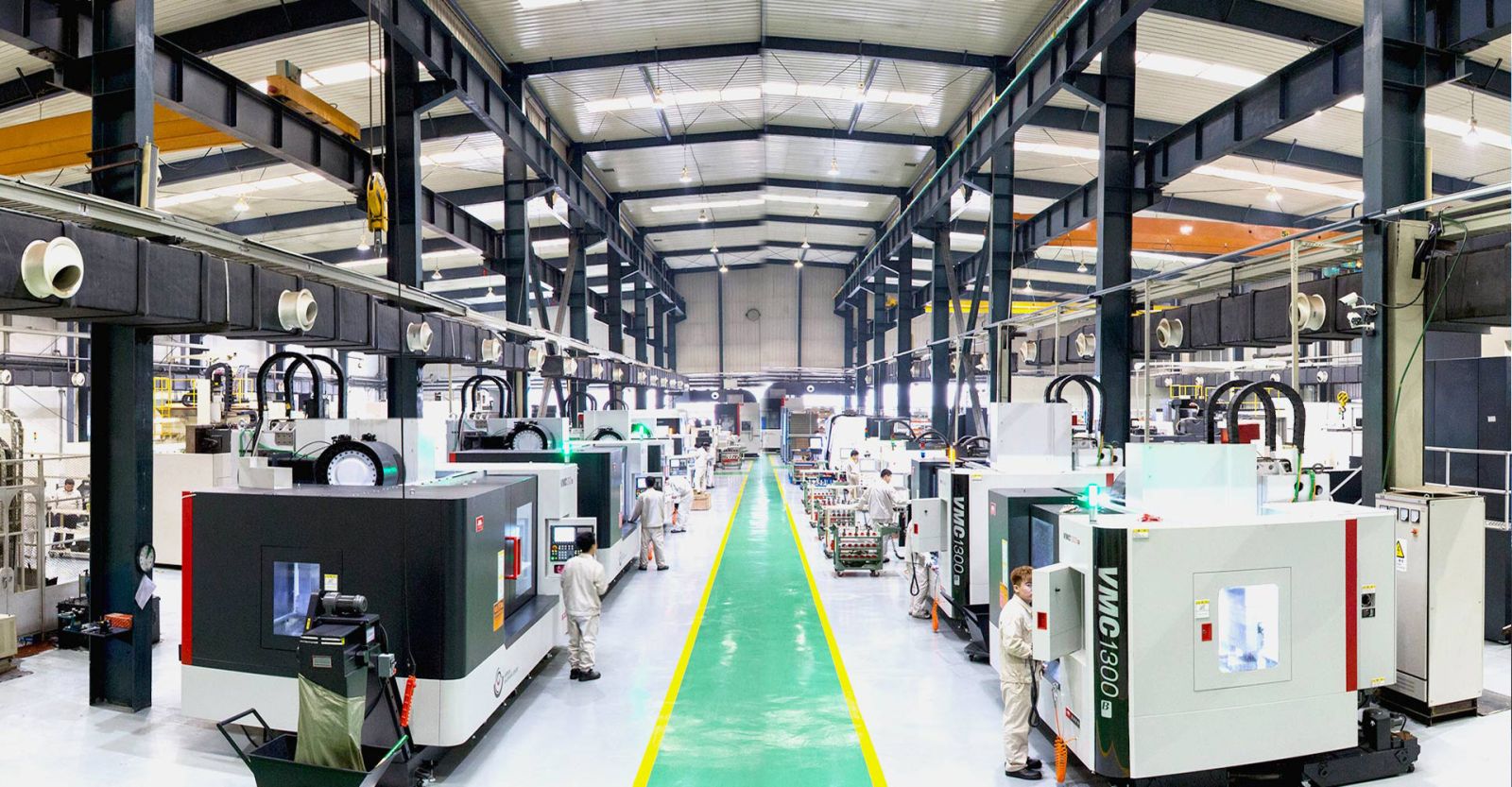
With over 20 years specializing in high-temperature alloy machining, we've developed capabilities and expertise that few can match. Our commitment to excellence extends from material selection through final inspection.
State-of-the-Art Equipment Portfolio
-
5-Axis CNC Machining Centers: [Brand/Model] with 1000+ PSI through-spindle coolant and thermal compensation
-
Multi-Turn CNC Lathes: [Brand/Model] with live tooling and C-axis control
-
Wire and Sinker EDM: For complex geometries and hard-to-machine features
-
Coordinate Measuring Machines (CMM): [Brand] with [X] micron accuracy and temperature control
-
Surface Roughness and Contour Measurement: Complete surface integrity verification
Material Management and Traceability
-
Direct partnerships with leading mills including [Supplier Names]
-
Controlled inventory of AMS 5662 and AMS 5663 material in standard and custom sizes
-
Complete traceability from mill certificate to finished part
-
In-house material testing including spectroscopy and hardness verification
Quality Assurance: Beyond Certification
Our quality system, certified to AS9100D, ensures:
-
First article inspection to PPAP Level 3 when required
-
Statistical process control for critical dimensions
-
Process capability studies (Cpk > 1.33 for critical features)
-
Full documentation package including:
-
Material certifications
-
Heat treatment records (if performed)
-
Inspection reports with actual measurements
-
Non-destructive testing reports as required
-
Industry-Specific Expertise
-
Aerospace: Familiarity with customer-specific requirements from [Major Aerospace Companies]
-
Oil & Gas: Experience with NACE MR0175/ISO 15156 compliance for sour service
-
Nuclear: Understanding of ASME Section III requirements
-
Medical: Experience with FDA documentation requirements for implantable devices
Chapter 6: Case Study – From Raw Material to Flight-Critical Component
A Real-World Example of Inconel 718 Excellence
Project Overview:
A leading aerospace manufacturer approached us with a challenging requirement: produce 150 turbine blade retainers for their next-generation jet engine. The components had been causing issues with their previous supplier due to dimensional instability and surface quality problems.
Technical Challenges:
-
Material: Inconel 718 per AMS 5663
-
Critical Features: 36 precision slots with ±0.0005" tolerance
-
Surface Finish: 32 µin Ra maximum in sealing surfaces
-
Lead Time: 12 weeks for first articles, production thereafter
Our Solution:
-
Material Strategy: Selected double-vacuum melted material for optimal cleanliness and properties
-
Process Development:
-
Conducted design of experiments to optimize machining parameters
-
Developed specialized fixture to minimize distortion during machining
-
Implemented cryogenic machining for critical features to manage heat
-
-
Quality Assurance:
-
100% CMM inspection of first 10 parts
-
Statistical process control for production run
-
Surface profilometry on all sealing surfaces
-
Results Delivered:
-
First Article Acceptance: Approved on first submission with zero deviations
-
Dimensional Yield: 99.7% of features within tolerance on production run
-
Surface Finish: Achieved consistent 22-28 µin Ra, well below specification
-
Lead Time: Delivered first articles in 10 weeks, 2 weeks ahead of schedule
-
Cost Savings: 15% reduction compared to customer's previous supplier
Customer Feedback:
"[YICHOU]'s expertise in Inconel 718 machining transformed a problematic component into one of our most reliable. Their technical approach and commitment to quality have made them a strategic supplier for our most demanding applications."
Chapter 7: Frequently Asked Questions – Your Inconel 718 Questions Answered
Expert Insights on Common Concerns
Q: How does Inconel 718 compare to Inconel 625?
A: While both are nickel-chromium superalloys, they serve different purposes. Inconel 718 is precipitation hardenable, offering higher strength (up to 220 ksi vs. 120 ksi for 625) but slightly lower corrosion resistance. Inconel 625 excels in corrosion resistance, particularly against seawater and chemical environments, but doesn't achieve the same strength levels. The choice depends on whether you prioritize strength at temperature (718) or corrosion resistance (625).
Q: What are the biggest challenges in machining Inconel 718?
A: The primary challenges include:
-
Work Hardening: The material rapidly hardens during machining, requiring sharp tools and consistent parameters
-
Heat Generation: Poor thermal conductivity causes heat to concentrate at the cutting edge
-
Abrasive Nature: Hard carbide particles in the microstructure accelerate tool wear
-
High Cutting Forces: Requires rigid machines and fixturing
-
Surface Integrity: Achieving proper surface finish while avoiding thermal damage
Q: Can you supply AMS-certified material?
A: Yes, we maintain inventory of both AMS 5662 (annealed) and AMS 5663 (solution treated and aged) materials from certified mills. All material comes with full mill certifications, and we maintain complete traceability throughout the manufacturing process.
Q: What tolerances and surface finishes can you achieve?
A: Our capabilities include:
-
Dimensional Tolerances: ±0.0002" for critical features, ±0.001" for standard features
-
Geometric Tolerances: Flatness/straightness to 0.0005"/inch, true position to 0.001"
-
Surface Finishes: 16-125 µin Ra depending on operation and requirements
-
Special Finishes: Electropolishing, microshot peening, and specialized coatings
Q: Do you perform heat treatment in-house?
A: We partner with NADCAP-accredited heat treatment facilities for all thermal processing. This ensures proper atmosphere control, temperature uniformity, and complete documentation for aerospace and other critical applications.
Q: What documentation do you provide with parts?
A: Our standard documentation package includes:
-
Material certifications (mill certs)
-
Certificate of Conformance
-
First article inspection report (when required)
-
Final inspection report with actual measurements
-
Heat treatment certification (if performed)
-
Non-destructive testing reports (if performed)
-
Any customer-specific documentation requirements
Q: What is your typical lead time for Inconel 718 components?
A: Lead times vary based on complexity and quantity:
-
Prototypes: 2-4 weeks
-
Low-volume production: 4-8 weeks
-
Production quantities: 8-12 weeks
We offer expedited services for urgent requirements, with some components available in as little as 5-10 business days.
Q: How do you ensure dimensional stability for complex components?
A: We employ multiple strategies:
-
Stress Relief: Intermediate stress relief during machining for complex parts
-
Fixture Design: Specialized fixtures that minimize clamping stresses
-
Process Sequencing: Optimized operation sequence to balance residual stresses
-
Cryogenic Machining: For features particularly sensitive to thermal effects
-
Measurement Strategy: In-process verification of critical features
Chapter 8: The Future of Inconel 718 – Emerging Trends and Applications
Where Innovation Meets Opportunity
Additive Manufacturing Revolution
Inconel 718 has become the most commonly 3D-printed superalloy, with applications growing rapidly:
-
Complex Geometries: Internal cooling channels in turbine blades previously impossible to manufacture
-
Repair and Refurbishment: Adding material to worn components rather than replacement
-
Lightweight Structures: Lattice and topology-optimized designs
-
Custom Medical Implants: Patient-specific orthopedic and dental implants
Our capabilities include post-processing of additive manufactured Inconel 718 components, including:
-
Hot isostatic pressing (HIP) for density improvement
-
Solution heat treatment and aging
-
Precision machining to final dimensions
-
Surface enhancement processes
Sustainability and Recycling
As industries focus on circular economies, Inconel 718's recyclability becomes increasingly valuable:
-
Recycling Rate: Nickel alloys typically achieve 90%+ recycling rates
-
Remanufacturing: Our expertise extends to refurbishing and re-machining used components
-
Material Optimization: Advanced nesting software to maximize material utilization
Digital Transformation
We're implementing Industry 4.0 technologies to enhance our Inconel 718 capabilities:
-
Digital Twins: Virtual machining simulations to optimize processes before cutting metal
-
Predictive Maintenance: Machine learning algorithms to predict tool wear and machine issues
-
Blockchain Traceability: Immutable records of material provenance and processing history
Conclusion: Your Partner in Inconel 718 Excellence
Inconel 718 represents more than just a material—it's the enabler of technological progress in the most demanding applications. From the depths of oil wells to the frontiers of space, this remarkable alloy performs where others cannot.
But material alone isn't enough. Transforming Inconel 718 into reliable, precision components requires specialized expertise, advanced equipment, and a commitment to quality that few machining providers can offer.
That's where we excel.
With our deep expertise in both AMS 5662 and AMS 5663 materials, state-of-the-art machining capabilities, and unwavering commitment to quality, we're uniquely positioned to be your partner for Inconel 718 components.
Whether you need:
-
Prototype components for a new design
-
Low-volume production for testing and certification
-
Full production runs for established applications
-
Expert consultation on material selection and design optimization
We have the knowledge, equipment, and passion to deliver exceptional results.
Ready to transform your Inconel 718 requirements into precision reality?
Contact us today for a competitive quote and technical support!
Let Yichou help you achieve excellence in your next project. Whether you need raw materials, custom alloy solutions, or precision-manufactured components, our team is ready to assist.
- Email us: [email protected]
- Call us/whatsapp: +86 13355741031
- Chat with us: Live chat support available on our website