Meta Description: Your complete guide to Ti-6Al-4V (GR5 titanium alloy). Discover its superior properties, key applications in aerospace & medical fields, and expert machining solutions for your high-performance component needs. Request a precision machining quote today.
Introduction: The Titanium Workhorse
In the world of advanced engineering materials, few alloys command as much respect and find as widespread use as Ti-6Al-4V. Known colloquially as Grade 5 Titanium or simply Ti-6-4, this alpha-beta alloy is the backbone of modern aerospace, medical, and high-performance industrial applications. Accounting for nearly 50% of all titanium usage globally, its dominance is a testament to its unparalleled combination of properties.
But what makes this specific blend of titanium, aluminum, and vanadium so extraordinary? Why do engineers consistently specify it for mission-critical components, from the landing gear of a jetliner to the spinal implants fusing a patient’s vertebrae? And more importantly, if you’re sourcing or manufacturing parts from this material, how do you navigate its renowned machining challenges to achieve cost-effective, high-precision results?
This definitive guide delves deep into the world of Ti-6Al-4V. We’ll explore its scientific makeup, celebrate its strengths, examine its diverse applications, and demystify the complexities of machining this "exotic" yet essential alloy. Whether you’re a design engineer finalizing a specification, a procurement specialist sourcing materials, or a manufacturer seeking reliable partnership, this resource is designed to equip you with the knowledge to succeed with GR5 titanium.
Chapter 1: Unveiling Ti-6Al-4V – Composition and Fundamental Characteristics
Ti-6Al-4V is not a single-element metal but a meticulously engineered alloy. Its name is its recipe: a titanium (Ti) base alloyed with approximately 6% Aluminum (Al) and 4% Vanadium (V). This specific formulation creates an "alpha-beta" alloy, meaning its microstructure consists of a combination of two different crystalline phases of titanium, which is the key to its balanced properties.
-
Primary Elements & Their Roles:
-
Titanium (Base): Provides the foundational benefits of low density, inherent corrosion resistance, and biocompatibility.
-
Aluminum (6%): A potent alpha stabilizer. It increases the alloy’s strength, lowers its density further, and raises its operating temperature limit.
-
Vanadium (4%): A beta stabilizer. It enhances the alloy’s ductility, formability, and hardenability, allowing it to be heat-treated for even greater strength.
-
This synergistic combination yields a material profile that is often described as the "best of all worlds" for structural applications.
Key Material Properties at a Glance:
-
Exceptional Strength-to-Weight Ratio: With a density of about 4.43 g/cm³ (roughly 60% that of steel), Ti-6Al-4V offers tensile strengths comparable to many steels. This makes it the go-to choice where saving weight directly translates to performance (e.g., increased fuel efficiency in aircraft) or capability (e.g., longer-lasting medical devices).
-
Outstanding Corrosion Resistance: It forms a tenacious, self-healing oxide layer (TiO₂) when exposed to air or moisture. This makes it highly resistant to atmospheric, marine, and many chemical environments, outperforming stainless steels in many aggressive settings.
-
Excellent Biocompatibility: The human body readily accepts titanium alloys. Ti-6Al-4V is non-toxic, non-allergenic, and osseointegrative (bone can grow directly onto it), making it ideal for permanent implants.
-
Good High-Temperature Performance: It retains significant strength at temperatures up to approximately 400-450°C (750-840°F), suitable for many engine and airframe components.
-
Low Modulus of Elasticity: Its stiffness is about half that of steel, which can be advantageous for applications requiring some flexibility or a closer match to bone modulus in implants.
-
Non-Magnetic and Low Thermal Conductivity: Essential for applications in sensitive electronics (MRI machines) and where thermal management is critical.
Common Product Forms & Global Designations:
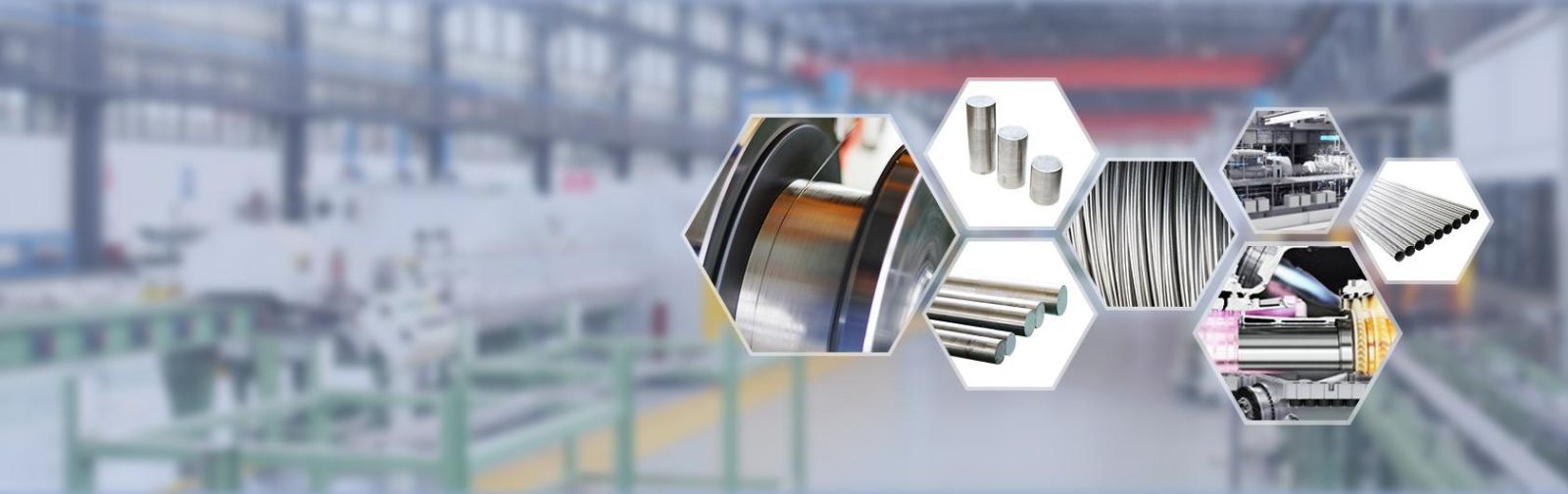
Ti-6Al-4V is available in all standard mill forms: bar, rod, sheet, plate, tube, wire, and billet. It’s universally recognized:
-
UNS R56400 / ASTM B265 Grade 5
-
ISO 5832-3 (Implants)
-
AMS 4911 (Sheet, Strip, Plate)
-
Common Names: Grade 5 Titanium, Ti-6-4, TC4 (in China), and occasionally seen in older or variant documents as tj 6al 4v.
Chapter 2: Where Excellence is Required: Applications of Ti-6Al-4V
The properties of Ti-6Al-4V directly solve complex engineering challenges across industries. Its use is a clear indicator of a component’s critical nature.
1. Aerospace & Aviation:
This is the largest consumer of Ti-6Al-4V. Every modern commercial and military aircraft is laden with it.
-
Airframe Components: Landing gear, wing attachments, engine mounts, and critical bulkheads. The weight saved here is multiplied throughout the aircraft's lifecycle in fuel savings.
-
Jet Engine Parts: Fan blades, compressor discs and blades, and inlet cases. Its strength at temperature and fatigue resistance are vital here.
-
Spacecraft & Rockets: Used in pressure vessels, satellite frames, and rocket engine components for its strength and corrosion resistance in extreme environments.
2. Medical & Biomedical:
A life-saving and life-enabling material.
-
Orthopedic Implants: Hip joints, knee replacements, spinal fixation devices, and bone plates/screws. Its biocompatibility and strength are paramount.
-
Dental Implants: The standard for root-form implants due to osseointegration.
-
Surgical Instruments: Especially for minimally invasive surgery where lightness and precision are key.
3. Marine & Offshore:
-
Submarine Hulls: For deep-sea exploration and naval vessels, its resistance to seawater corrosion is superior to steel.
-
Propeller Shafts, Heat Exchangers, and Valves in desalination plants and offshore platforms.
4. High-Performance Automotive & Racing:
-
Connecting Rods, Valves, and Springs in high-end motorsports and luxury performance cars, where reducing reciprocating mass unlocks higher RPMs and efficiency.
-
Exhaust Systems in premium applications for weight savings and corrosion resistance.
5. Industrial & Chemical Processing:
-
Pumps, Valves, and Heat Exchangers handling highly corrosive chlorides, acids, and other aggressive media.
-
Components in the oil & gas industry for downhole applications.
Chapter 3: The Machining Challenge: Taming the Titanium Titan
While Ti-6Al-4V’s properties are a designer’s dream, they present a well-known challenge to machinists. It is often classified as "difficult-to-machine," but with the correct knowledge and tools, it can be machined efficiently and precisely. Here’s a breakdown of the challenges and the proven strategies to overcome them.
Why is Ti-6Al-4V Difficult to Machine?
-
Low Thermal Conductivity: Titanium dissipates heat very poorly. During cutting, instead of being carried away by the chip, heat concentrates at the cutting tool edge. This leads to rapid tool wear, edge chipping, and the generation of high temperatures.
-
High Strength at Elevated Temperature: Even as it gets hot at the cutting zone, the material remains strong, maintaining high cutting forces and accelerating tool degradation.
-
Chemical Reactivity: At high temperatures, titanium tends to chemically react with tool materials (like carbide), leading to galling, welding, and diffusion wear.
-
Low Modulus of Elasticity: Parts can deflect or "spring" under cutting pressure, making it difficult to hold tight tolerances and achieve a good surface finish without proper fixturing and tool path strategies.
Expert Machining Strategies & Best Practices:
A. Tooling Selection is Paramount:
-
Material: Use fine-grained or sub-micron grain carbide grades with high hot hardness. Coatings like PVD (Physical Vapor Deposition) TiAlN or AlTiN are highly recommended as they provide a thermal barrier and reduce reactivity.
-
Geometry: Sharp cutting edges, positive rake angles, and generous relief angles are essential to reduce cutting forces and heat generation. Polished flutes help in chip evacuation.
-
Condition: Always use fresh, sharp tools. Worn tools exponentially increase heat and the risk of workpiece damage.
B. Cutting Parameters: The "Sweet Spot":
-
Moderate to Low Cutting Speeds (SFM): This is critical to control heat generation. Typical speeds range from 30-80 m/min (100-260 SFM) for milling, and lower for turning.
-
Adequate Feed Rate: Maintaining a consistent, appropriate chip load is vital. Too low a feed allows the tool to rub instead of cut, generating more heat. A good rule is to aim for a thick, curled chip that efficiently carries heat away.
-
Depth of Cut: Use a radial depth of cut less than the tool diameter (e.g., 30-50% of tool diameter for milling) and a consistent axial depth to manage tool pressure and heat.
C. Rigidity is Non-Negotiable:
-
Machine Tool: A rigid, high-torque CNC machine with a sealed spindle to resist abrasive titanium dust is ideal.
-
Workholding: The workpiece must be clamped securely to counteract any vibration or deflection. Use dedicated fixtures or vises with high clamping force.
-
Tool Holding: Hydraulic or shrink-fit holders offer superior rigidity and runout accuracy compared to collet chucks, leading to better tool life and surface finish.
D. Copious, Targeted Coolant Application:
-
High-Pressure Through-Tool Coolant (if available) is the gold standard. It flushes chips from the cut, suppresses heat at the source, and breaks up the "chip weld" tendency.
-
Flood coolant is a must if through-tool isn’t available. Use a coolant formulated for difficult-to-machine metals.
E. Chip Control:
-
Never let chips recut. Use compressed air or coolant to clear the work area. Long, stringy chips are a hazard and indicate improper parameters.
Chapter 4: Beyond Machining: Heat Treatment and Finishing
Heat Treatment:
Ti-6Al-4V can be heat-treated to enhance its properties:
-
Annealing: The most common treatment. It relieves stresses from fabrication and improves ductility and dimensional stability.
-
Solution Treating and Aging (STA): Increases the alloy’s strength significantly. The material is heated, quenched, and then aged at a lower temperature to precipitate strengthening phases.
Finishing Options:
-
Deburring: Essential due to the material's toughness. Methods include vibratory finishing, manual filing, or thermal energy deburring.
-
Surface Enhancements: Anodizing (for color coding or mild wear resistance) and bead/shot blasting for a uniform matte finish.
-
Superfinishing: Processes like electropolishing can be used to improve surface smoothness and fatigue resistance, crucial for medical implants.
Chapter 5: Why Partner with Us for Your Ti-6Al-4V Projects?
Navigating the complexities of Ti-6Al-4V machining requires more than just a CNC machine; it demands expertise, specialized tooling, and a process-oriented approach. This is where our value as your manufacturing partner becomes clear.
1. Deep Material Expertise:
We don't just cut metal; we understand the metallurgy of GR5 titanium. Our process engineers develop machining strategies tailored specifically to its behavior, optimizing every parameter for tool life, surface integrity, and cost-effectiveness.
2. State-of-the-Art Technology:
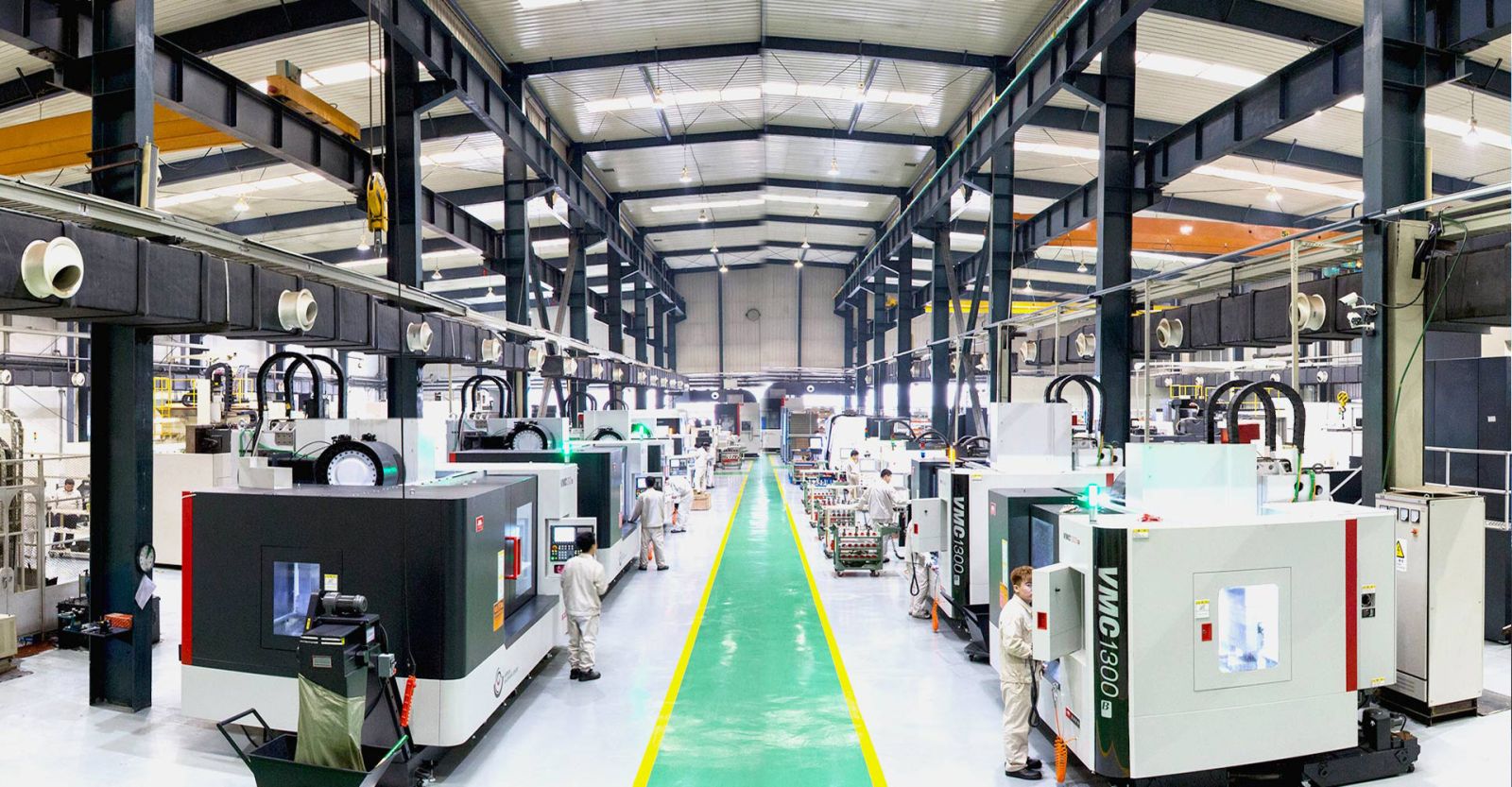
Our workshop is equipped with modern, rigid CNC machining centers, many equipped with high-pressure through-spindle coolant systems specifically beneficial for titanium alloys. Our inspection equipment, including CMMs, ensures every part meets the most stringent tolerances.
3. Full-Service Capability – From Raw Material to Finished Part:
We can simplify your supply chain.
-
Material Sourcing: We have trusted relationships with leading Ti-6Al-4V suppliers and can procure certified material (with mill certs) in various forms, ensuring traceability and quality from the start.
-
Precision Machining: Our core competency. From 3-axis to 5-axis milling, turning, and drilling.
-
Value-Added Services: Heat treatment coordination, finishing, non-destructive testing (NDT), and assembly.
4. Commitment to Quality & Certifications:
Our quality management system is designed for high-reliability industries. We understand the critical nature of components made from this alloy and adhere to strict protocols for documentation, inspection, and traceability.
5. Collaborative Engineering Support:
Facing a design challenge with a titanium component? Our engineering team can collaborate on Design for Manufacturability (DFM) advice, suggesting subtle changes that can dramatically improve machinability and reduce cost without compromising function.
Chapter 6: Frequently Asked Questions (FAQs)
Q1: Is Ti-6Al-4V weldable?
A: Yes, it is readily weldable using processes like GTAW (TIG) in an inert argon atmosphere. However, it requires meticulous cleanliness and post-weld heat treatment (usually annealing) to restore ductility and relieve stresses in the Heat-Affected Zone (HAZ).
Q2: How does Ti-6Al-4V (Grade 5) compare to Commercially Pure Titanium (Grade 2)?
A: Grade 2 CP Titanium is more ductile, easier to form and machine, and offers excellent corrosion resistance. Ti-6Al-4V is significantly stronger (over twice the tensile strength) but more challenging to machine. Choose Grade 2 for corrosion-resistant tanks or simpler formed parts. Choose Grade 5 where high strength is the primary requirement.
Q3: What are the main alternatives to Ti-6Al-4V?
A: For higher temperature use, Ti-6Al-2Sn-4Zr-2Mo may be specified. For better crevice corrosion resistance, Grade 29 (Ti-6Al-4V ELI with Ruthenium) is used. For ultimate biocompatibility (especially for implants), the ELI (Extra Low Interstitial) version of Ti-6Al-4V, with lower oxygen and iron, is the standard.
Q4: Can you supply both the raw material and the finished machined parts?
A: Absolutely. We offer a complete "material-to-part" service. You provide the print, and we handle material procurement, certification, precision machining, finishing, and final inspection, delivering ready-to-use components.
Conclusion: Your Partner in High-Performance Manufacturing
Ti-6Al-4V is more than just a material; it is an enabler of innovation in the most demanding fields of human endeavor. Its journey from a raw billet to a flight-critical aerospace component or a life-changing medical implant is a complex one, demanding respect for its unique characteristics and mastery over advanced manufacturing techniques.
At [Your Company Name], we have dedicated ourselves to mastering this material. We combine technical knowledge with cutting-edge technology and a commitment to quality, transforming the challenges of titanium alloy machining into reliable, high-precision outcomes for our clients.
Ready to Start Your Next Project?
If you are designing, specifying, or procuring components from Ti-6Al-4V (GR5 Titanium), let’s talk. Whether you need a prototype or full production run, our team is ready to provide a competitive quote, valuable DFM insights, and become your trusted partner in high-performance manufacturing.
、
Contact us today for a competitive quote and technical support!
Let Yichou help you achieve excellence in your next project. Whether you need raw materials, custom alloy solutions, or precision-manufactured components, our team is ready to assist.
- Email us: [email protected]
- Call us/whatsapp: +86 13355741031
- Chat with us: Live chat support available on our website