Introduction: The Rise of a High-Performance Polymer
In the ever-evolving landscape of advanced engineering materials, few polymers have generated as much impact as Polyether Ether Ketone, universally known as PEEK. This high-performance thermoplastic has revolutionized industries ranging from aerospace and medical to semiconductor and energy, offering a unique combination of properties previously unattainable in a single material. For engineers, designers, and procurement specialists, selecting PEEK is often the key to solving complex challenges involving extreme temperatures, harsh chemicals, and demanding mechanical loads.
However, specifying the material is only half the battle. The true value of PEEK is unlocked through precision manufacturing. This is where expertise matters. At YICHOU, we are not just suppliers; we are specialists in the machining, processing, and fabrication of PEEK components. From custom-machined parts and intricate components to standard stock forms like PEEK tubes, PEEK rods, and PEEK sheets, our manufacturing prowess transforms this exceptional polymer into the critical parts that power modern technology.
This definitive guide delves deep into the world of PEEK. We will explore its fundamental properties, answer the most frequently asked questions, examine its diverse applications, and ultimately, illustrate why YICHOU is the preferred partner for your PEEK manufacturing requirements.
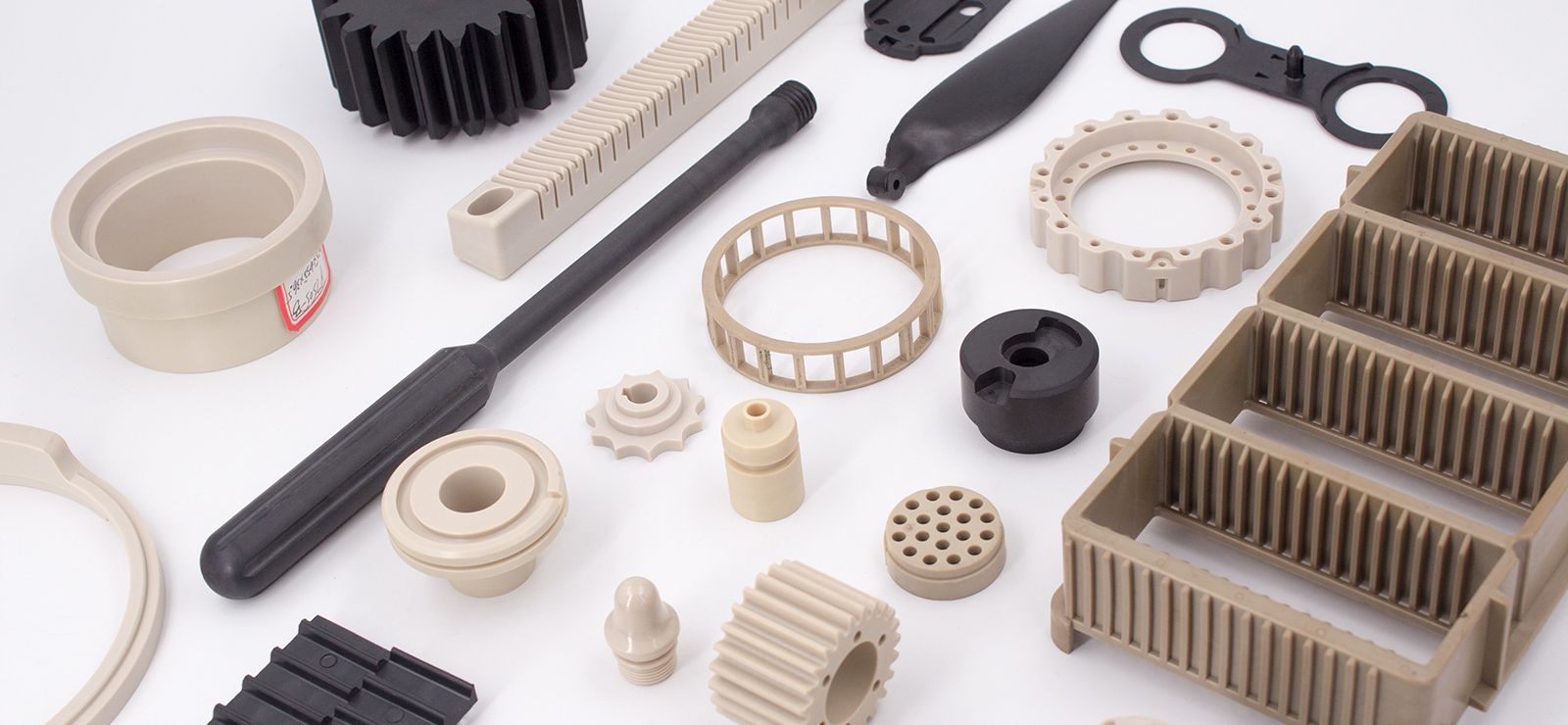
Chapter 1: What Exactly is PEEK? Understanding the Fundamentals
PEEK is a semi-crystalline, organic thermoplastic polymer belonging to the polyaryletherketone (PAEK) family. Its molecular structure, characterized by a backbone of alternating ether and ketone groups between aromatic rings, is the source of its remarkable stability and performance.
Key Properties that Define PEEK:
-
Exceptional Mechanical Strength: PEEK maintains high tensile strength, stiffness, and fatigue resistance even at elevated temperatures, rivaling many metal alloys while being significantly lighter.
-
Outstanding Thermal Resistance: With a continuous operating temperature of up to 250°C (482°F) and short-term exposure capability exceeding 300°C (572°F), PEEK is ideal for high-heat environments.
-
Superior Chemical Resistance: It is highly resistant to a wide range of chemicals, including acids, bases, organic solvents, and hydrocarbons, making it perfect for harsh chemical processing applications.
-
Excellent Wear and Abrasion Resistance: PEEK exhibits a low coefficient of friction and high resistance to dynamic wear, often outperforming traditional materials like bronze and steel in bearing and sealing applications.
-
Inherent Flame Retardancy: It is inherently flame-resistant, emitting low smoke and toxic gases when exposed to flame, which is critical for aerospace and mass transit applications.
-
Hydrolysis Resistance: PEEK can withstand prolonged exposure to hot water and steam without degrading, unlike many other polymers.
-
Outstanding Electrical Properties: It maintains excellent electrical insulation properties across a wide range of frequencies and temperatures.
Chapter 2: PEEK in Action: Industry-Specific Applications
The unique property profile of PEEK makes it indispensable across numerous high-stakes industries.
-
Medical and Healthcare: This is one of the fastest-growing sectors for PEEK. Its biocompatibility (ISO 10993/USP Class VI) and radiolucency (does not obscure X-ray images) make it ideal for:
-
Trauma and Spinal Implants: Spinal fusion cages, bone screws, and cranial plates.
-
Joint Replacement: Components for knees, hips, and shoulders.
-
Dental Applications: Healing abutments, temporary crowns, and denture frameworks.
-
Surgical Instruments: Lightweight, sterilizable (via autoclave, gamma, or EtO) handles and components for reusable instruments.
-
-
Aerospace and Defense: The need for lightweight, strong, and flame-retardant materials makes PEEK a staple.
-
Cable Insulation and Wiring: Replacing heavier materials in aircraft wiring systems.
-
Cable Ties and Clamps: Withstanding high temperatures near engines.
-
Bushings, Bearings, and Seals: In hydraulic systems and control surfaces.
-
-
Oil, Gas, and Energy: Demanding downhole environments require PEEK's chemical and thermal resilience.
-
Downhole Cable Insulation
-
Compressor Plate Valves
-
Electrical Submersible Pump Components
-
Seals and Back-up Rings for extreme pressures and temperatures.
-
-
Semiconductor Manufacturing: The need for ultra-purity and resistance to aggressive plasma chemistries is critical.
-
Wafer Carriers and Handling Tools
-
Chemical Valves and Pump Components
-
Cleanroom Fixtures
-
-
Automotive: The push for efficiency and performance under the hood drives adoption.
-
Transmission Components
-
Thrust Washers and Bearings
-
Sealing Rings in high-temperature turbocharged systems.
-
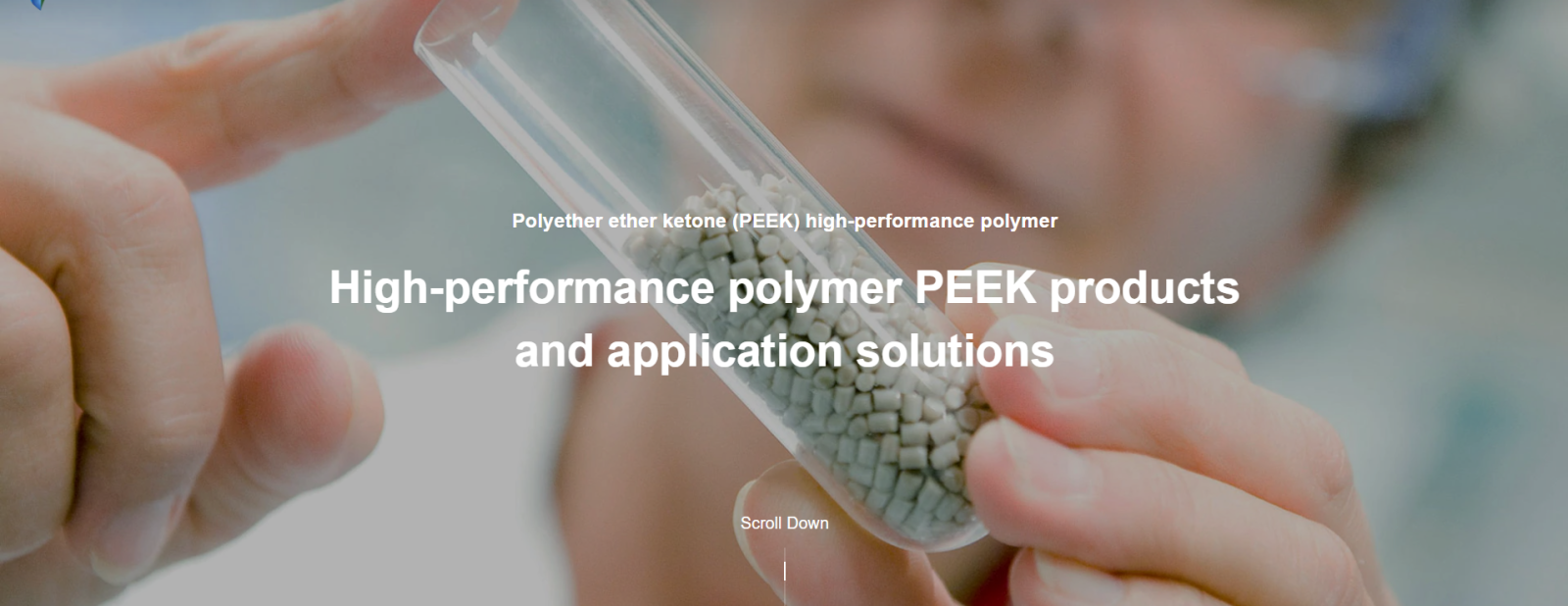
Chapter 3: The YICHOU Manufacturing Advantage: From Raw Material to Finished Part
At YICHOU, we understand that the inherent properties of PEEK can be compromised by poor machining practices. Our entire process is engineered to preserve the integrity of the material and deliver parts that meet the most stringent specifications.
Our Core Capabilities:
-
Precision CNC Machining: Our state-of-the-art CNC mills and lathes are operated by skilled technicians who understand the specific machining characteristics of PEEK. We control factors like feed rate, tool speed, and cooling to prevent melting, internal stress, and delamination.
-
Comprehensive Stock Forms: We supply high-quality virgin PEEK in various forms to meet different needs:
-
PEEK Tube: Available in various diameters and wall thicknesses for fluid handling, insulation, and structural applications.
-
PEEK Rod: Solid rods are the starting point for countless machined components like bearings, pistons, and insulators.
-
PEEK Sheet: Used for fabrication into gaskets, washers, and custom fabrications.
-
-
Quality Assurance: Every batch of raw material is verified, and critical dimensions on finished parts are meticulously inspected using precision measuring equipment. We provide certifications and documentation as required.
-
Material Expertise: We don't just machine plastic; we are experts in the PEEK family, including various grades (e.g., 30% glass-filled for enhanced stiffness, 30% carbon-filled for superior wear resistance).
Why Partner with YICHOU?
-
Expertise: Deep knowledge of PEEK's behavior during machining.
-
Precision: Commitment to holding tight tolerances and achieving superior surface finishes.
-
Efficiency: Streamlined processes from quote to delivery.
-
Collaboration: We work as an extension of your team to solve complex design and manufacturing challenges.
Chapter 4: Frequently Asked Questions (FAQ) About PEEK
This section addresses the common queries we encounter, providing clear, authoritative answers.
Q1: What is a PEEK tube used for?
A: PEEK tubes are used in applications requiring a combination of chemical resistance, high-pressure capability, and thermal stability. Common uses include chromatographic systems, chemical processing fluid lines, medical device cannulas, and protective sleeving for sensors and wires.
Q2: What is the purpose of PEEK?
A: The primary purpose of PEEK is to serve as a high-performance replacement for metals, other plastics, and ceramics in environments where their limitations—such as weight, corrosion, wear, or inability to perform at high temperatures—become problematic.
Q3: What is the success rate of PEEK implants?
A: PEEK implants have a very high clinical success rate. Studies and meta-analyses have shown success rates comparable to, and in some cases superior to, traditional titanium implants, particularly in spinal fusion cages, due to their elastic modulus similarity to bone, which reduces stress shielding.
Q4: Why do we use PEEK instead of metal?
A: We use PEEK over metal for several reasons: it is significantly lighter (weight reduction), radiolucent for medical imaging, chemically inert (won't corrode), has a similar stiffness to bone (preventing bone loss around implants), and provides excellent vibration dampening and electrical insulation.
Q5: What are the medical uses of PEEK?
A: As detailed earlier, its uses are vast: spinal implants, trauma fixation devices, joint replacement components, dental prosthetics, and surgical instrument handles.
Q6: Why is PEEK so expensive?
A: The high cost is attributed to the complex and expensive synthesis process requiring high temperatures and controlled environments, the cost of raw monomers, and the specialized, high-temperature processing required for both polymerization and subsequent machining.
Q7: What are the three main types of tubing?
A: While there are many, three broad categories are:
-
Metal Tubing (e.g., Stainless steel, copper): For high strength/heat but prone to corrosion.
-
Thermoplastic Tubing (e.g., PEEK, PTFE, Nylon): For flexibility, chemical resistance, and electrical insulation.
-
Elastomeric Tubing (e.g., Silicone, rubber): For extreme flexibility and peristaltic pump applications.
Q8: Why is PEEK used in implants?
A: Key reasons are its biocompatibility, radiolucency, and elastic modulus (~3.6 GPa) that closely matches that of cortical bone (~3-30 GPa), preventing "stress shielding" that can lead to bone resorption and implant failure.
Q9: What is the difference between PEEK and peak?
A: This is a common confusion. PEEK is always spelled in all caps as it is an acronym for Polyether Ether Ketone. Peak is a common English word meaning the top or highest point of something.
Q10: What does PEEK material stand for?
A: Polyether Ether Ketone.
Q11: What is the infection rate of PEEK implants?
A: PEEK itself has no higher inherent infection rate than other implant materials like titanium. In fact, its inert surface is resistant to microbial adhesion. The infection risk is more closely tied to surgical procedure and patient factors. PEEK's advantage is that it can be easily blended with materials like carbon fibers or impregnated with antibiotics to further reduce infection risks.
Q12: What are the advantages of PEEK in dentistry?
A: Advantages include high strength for thin designs, excellent aesthetics (tooth-like color), low plaque adhesion, no metal taste or allergy concerns, and shock absorption that is kinder to opposing teeth.
Q13: What is the difference between PEEK and PTFE?
A: While both are high-performance plastics, they serve different purposes. PEEK has much higher mechanical strength, rigidity, and abrasion resistance. PTFE (Teflon®) has the lowest coefficient of friction of any solid material but is very soft and prone to cold flow (deforming under pressure). PEEK is used for structural parts; PTFE is best for non-stick linings and low-friction seals.
Q14: How expensive is PEEK material?
A: As a raw material, PEEK is one of the most expensive engineering thermoplastics, typically costing many times more than common plastics like nylon or acetal. However, its total lifetime cost in an application is often lower due to its durability and performance.
Q15: Is PEEK filament hard to 3D print with?
A: Yes, it is considered one of the most challenging filaments to print. It requires a high-temperature printer capable of nozzle temperatures of 380-430°C and a heated chamber (often >120°C) to prevent warping and cracking due to rapid crystallization and cooling.
Q16: Is PEEK better than PTFE?
A: "Better" depends on the application. For strength, wear resistance, and dimensional stability, PEEK is superior. For pure non-stick properties and the absolute lowest friction, PTFE is superior.
Q17: What are the disadvantages of PEEK filament for 3D printing?
A: The main disadvantages are the stringent hardware requirements (high-temp capable printer), high cost of both filament and printer, proneness to warping, and the need for a controlled printing environment.
Q18: Is PEEK filament food safe?
A: Yes, virgin, unfilled PEEK is FDA-compliant for repeated food contact. However, the safety of a 3D-printed part also depends on the printer nozzle (must be non-reactive) and the part's porosity, which can harbor bacteria if not properly sealed and maintained.
Q19: Is PEEK FDA approved?
A: Yes, certain grades of unfilled and filled PEEK are FDA compliant for use in food contact applications and are also approved for many long-term medical implant applications under FDA regulations.
Q20: Can PEEK be 3D printed?
A: Absolutely. While challenging, both Fused Filament Fabrication (FFF) and Selective Laser Sintering (SLS) processes can be used to 3D print PEEK, primarily for prototypes, custom jigs, fixtures, and non-critical parts.
Q21: Is PEEK biocompatible?
A: Yes, PEEK is considered biocompatible and is approved for long-term implantable device applications by major regulatory bodies worldwide.
Q22: What are the limitations of PEEK?
A: Its primary limitations are its high cost, sensitivity to UV radiation (requires stabilization for outdoor use), and lower impact strength compared to some tough polymers like Polycarbonate at room temperature.
Q23: How strong is PEEK material?
A: Unfilled PEEK has a tensile strength of approximately 90-100 MPa and a flexural modulus of about 3.6 GPa. When reinforced with carbon fibers, its tensile strength can exceed 200 MPa and its stiffness can reach over 20 GPa.
Q24: What nozzle is best for PEEK filament in 3D printing?
A: A hardened steel nozzle or a ruby-tipped nozzle is essential. Standard brass nozzles will wear out extremely quickly due to the abrasive nature of PEEK, especially any glass or carbon-filled variants.
Conclusion: Partner with YICHOU for Your PEEK Manufacturing Success
PEEK is a material that demands respect and expertise. Its potential is vast, but it can only be fully realized through precise, knowledgeable manufacturing. Whether you are designing a life-saving medical implant, a component for a satellite, or a seal for a deep-sea well, the quality of the finished PEEK part is paramount.
At YICHOU, we have built our reputation on a foundation of technical expertise, precision machining, and an unwavering commitment to quality. We are more than just a factory; we are your strategic partner in innovation, ready to provide not only top-tier PEEK tubes, rods, and sheets but also the expert machining services to turn them into your next breakthrough product.
Ready to Get Started?
Contact YICHOU today for a consultation and quote. Let our expertise in PEEK manufacturing become your competitive advantage.
.jpg)
GET QUOTE
- Visit our website: https://www.nbyichou.com/
- Email us: [email protected]
- Call us/WhatsApp: +86 13355741031
- Chat with us: Live chat support available on our website