Introduction: Beyond the Ordinary Metal
In the vast landscape of advanced materials, few alloys capture the imagination and drive innovation like Nitinol. This unique metal, whose name derives from its composition (Nickel and Titanium) and its place of discovery (the Naval Ordnance Laboratory), possesses almost magical properties that defy conventional metallurgy. Unlike static ordinary metals, Nitinol is dynamic. It remembers its shape,它 bends and flexes with extraordinary elasticity, and it thrives in environments where other materials fail.
At YICHOU, we are not just observers of this material revolution; we are active pioneers. As a specialized manufacturing partner focused exclusively on the precision processing of Nitinol, we transform this remarkable alloy into high-performance components, seamless tubes, precision rods, and flat sheets that form the backbone of breakthrough technologies across the globe. This article delves deep into the world of Nitinol, answering your most pressing questions and illuminating why it is the material of choice for the most demanding engineering challenges.
What Makes Nitinol So Special? The Science of Shape Memory and Superelasticity
At its core, Nitinol's magic is rooted in two phenomenal properties: the Shape Memory Effect (SME) and Superelasticity (SE). These are not mere quirks but are the results of a solid-state phase transformation between two distinct crystal structures: Austenite and Martensite.
-
Austenite: This is the strong, high-temperature phase. Think of it as Nitinol's "parent" shape.
-
Martensite: This is the soft, easily deformable, low-temperature phase.
The Shape Memory Effect allows a piece of Nitinol that has been deformed while in its martensitic phase to "remember" and return to its original, pre-deformed austenitic shape when heated above a certain transition temperature. This is not a trivial flex; it can generate significant force as it changes shape, making it ideal for actuators and release mechanisms.
Superelasticity (or Pseudoelasticity) occurs when Nitinol is in its austenitic phase at a temperature above its transformation point but is mechanically stressed. Instead of permanently deforming like steel, it can undergo massive, reversible strains—up to 8% or more—by undergoing a stress-induced phase change to martensite. Once the stress is removed, it instantly springs back to its original shape. This is the property that makes Nitinol invaluable for medical stents that can be crimped into a tiny catheter and then expand perfectly upon deployment.
Advantages of Nitinol: More Than Just Memory
Beyond its headline-grabbing properties, Nitinol boasts a suite of advantages that make it a superior engineering material:
-
Excellent Biocompatibility: When properly processed and passivated, Nitinol is highly compatible with the human body, making it a cornerstone of modern minimally invasive medicine.
-
Outstanding Corrosion Resistance: It performs exceptionally well in harsh environments, including saltwater and bodily fluids, rivaling the performance of titanium.
-
High Fatigue Resistance: It can endure millions of cycles of bending and loading, far outperforming most other metals in applications requiring longevity under dynamic stress.
-
Good Kink Resistance: Nitinol tubes and wires are highly resistant to kinking, which is critical for guidewires and other surgical instruments that must navigate tortuous paths in the body.
-
Magnetic Resonance Imaging (MRI) Compatibility: Nitinol is non-ferromagnetic, meaning it is safe for patients undergoing MRI scans, a vital feature for implantable devices.
Answering Your Questions: The Nitinol FAQ
Based on the most common search queries, here is a detailed FAQ to address the global community's curiosity about Nitinol.
Does Nitinol Rust or Corrode?
No, Nitinol is highly resistant to corrosion. It forms a stable, protective titanium oxide layer on its surface that shields it from aggressive environments, including chloride-rich settings like seawater and the human body. This makes it an excellent choice for both marine applications and long-term medical implants.
Is Nitinol Magnetic?
No, Nitinol is not magnetic in its austenitic phase (its most common state at room and body temperature). This non-ferromagnetic property is a critical safety feature for medical devices, ensuring compatibility with MRI machines.
Can Nitinol Be Welded?
Yes, but it is a highly specialized process. Nitinol is susceptible to heat-affected zone (HAZ) brittleness and the formation of undesirable intermetallic compounds. Successful welding requires precise control using techniques like laser welding in an inert atmosphere (argon gas) to prevent oxidation and preserve its unique properties. At YICHOU, we have mastered these advanced joining techniques.
How Strong is Nitinol Compared to Steel?
This is a nuanced comparison. In terms of ultimate tensile strength, high-grade Nitinol can be comparable to some stainless steels. However, its true advantage lies in its fatigue strength and elastic strain limit. While steel may permanently deform after about 0.3-0.5% strain, superelastic Nitinol can recover from strains up to 8%. In applications requiring repeated flexing and motion, Nitinol vastly outperforms steel.
Is Nitinol Toxic? Is it Safe for People with Nickel Allergies?
This is a crucial question, especially for medical applications. While Nitinol contains about 50% nickel, the stable titanium oxide surface layer effectively isolates the nickel atoms, preventing them from leaching into the body. Extensive research and decades of clinical use have demonstrated its safety. The incidence of nickel allergy reactions to Nitinol implants is exceptionally low. Surface treatments and passivation processes, which are a standard part of our production at YICHOU, further enhance this safety.
Does Nitinol React to Electricity?
Nitinol is not a conductor in the sense of being used as a wire for electrical transmission, but it does have a predictable electrical resistivity. More importantly, its phase transformation can be triggered by Joule heating—passing an electric current through it to provide the heat needed for the shape memory effect. This principle is used in actuators and simple robotic devices.
Can Nitinol Be Recycled?
Yes, Nitinol is fully recyclable. The high value of its constituent metals (nickel and titanium) makes recycling economically viable. Scrap material from manufacturing processes can be collected, remelted, and reused to produce new alloy, contributing to a more sustainable lifecycle.
Why is Nitinol So Expensive?
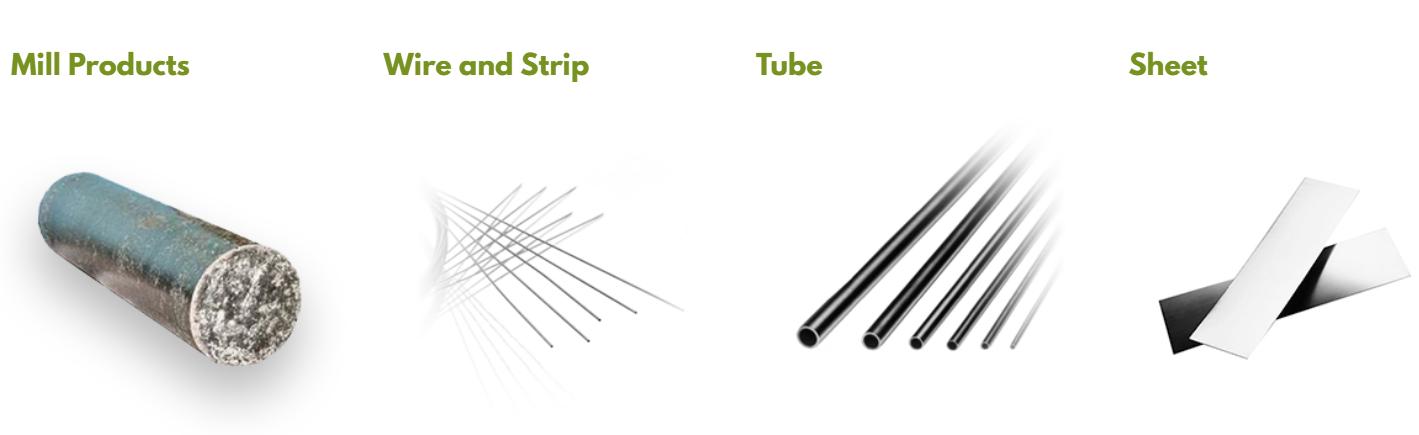
The cost of Nitinol is driven by several factors:
-
Raw Materials: High-purity nickel and titanium are expensive metals.
-
Melting Process: Creating a uniform Nitinol ingot requires sophisticated vacuum melting techniques (like Vacuum Arc Remelting or VAR) to prevent contamination and ensure a precise chemical composition.
-
Processing Challenges: The alloy is extremely difficult to machine, form, and shape due to its high work-hardening rate and superelasticity. It requires specialized tooling, slow speeds, and expert knowledge, all of which add to the cost.
-
Tight Tolerances: Most applications, especially in medicine, demand incredibly precise dimensional and performance tolerances, requiring extensive quality control and testing.
What Are the Medical and Industrial Applications of Nitinol?
-
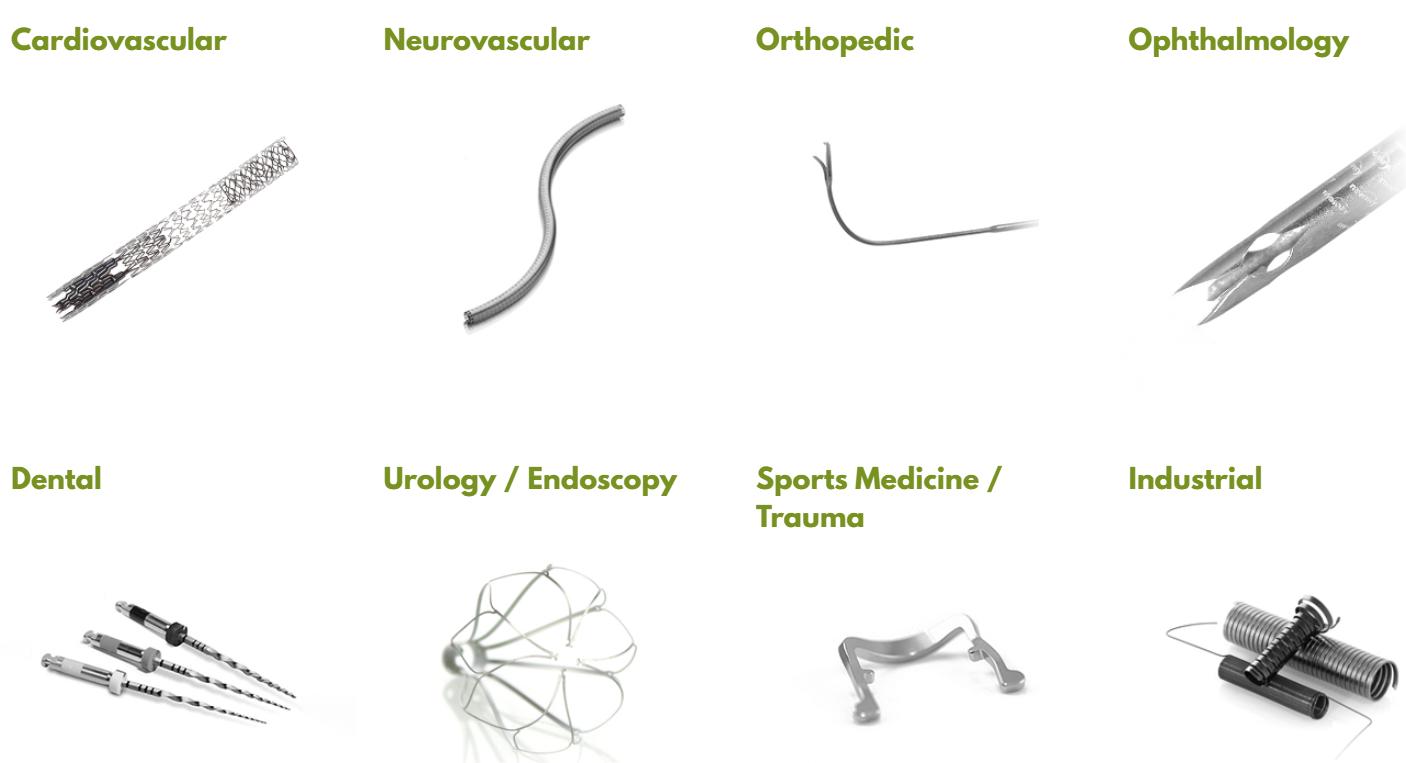
Medical: Stents (peripheral, coronary, and neurological), guidewires, orthodontic archwires, stone retrieval baskets, orthopedic implants, and surgical instruments.
-
Aerospace: Lightweight actuators for morphing wings, couplings for hydraulic lines, and release mechanisms.
-
Automotive: Actuators for improving fuel efficiency and comfort systems, and sensors in high-temperature environments.
-
Consumer Goods: Eyeglass frames, antennas for mobile phones, and high-performance sporting goods.
-
Robotics: Artificial muscles and flexible, compliant actuators for soft robotics.
How Durable is Nitinol?
Extremely durable. Its unparalleled fatigue resistance and corrosion immunity give it an exceptionally long functional lifespan, often outlasting the device it is integrated into or the structure it supports.
Can Nitinol Be Machined?
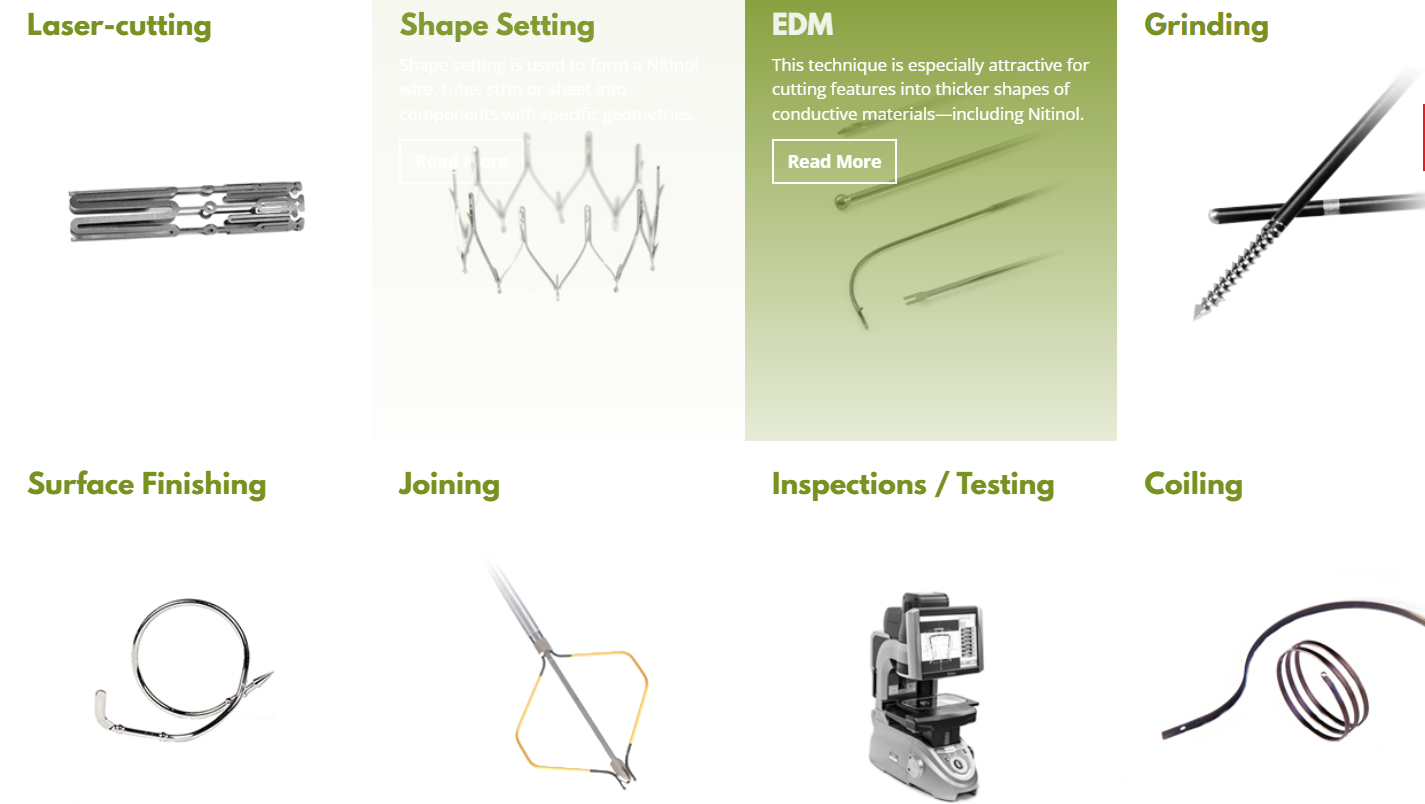
Traditional machining is difficult but possible with the right expertise. It is abrasive and tough on cutting tools. More often, it is shaped using non-traditional methods like abrasive waterjet cutting (ideal for sheets), wire EDM (Electrical Discharge Machining) (for complex shapes from bar stock), and laser cutting (for tubes and thin sheets). At YICHOU, we employ a full suite of these advanced machining technologies.
The YICHOU Advantage: Your Partner in Nitinol Innovation
Processing Nitinol is not a simple task; it is a discipline. Its unique properties that make it so valuable also present significant manufacturing challenges. Success requires an intimate understanding of the material's metallurgy and how each processing step—from melting to machining, heat treatment to surface finishing—affects its final performance.
This is where YICHOU excels. We are not just a machine shop; we are material scientists and engineering partners. Our capabilities include:
-
Precision Component Manufacturing: We produce complex, high-tolerance parts for the most demanding medical and industrial applications.
-
Comprehensive Product Forms: We supply Nitinol in its essential forms: seamless tubing, precision-drawn wire and rod, and flat-rolled sheet and strip.
-
Expert Processing: Our team possesses deep expertise in the specialized machining, forming, heat treatment, and surface finishing (including electropolishing and passivation) required to unlock Nitinol's full potential.
-
Stringent Quality Control: We operate under a rigorous quality management system, ensuring that every component we ship meets precise specifications and performance criteria.
Conclusion: Shaping the Future with Nitinol
Nitinol is more than just a metal; it is a gateway to smarter, more adaptive, and more reliable technology. From saving lives inside the human body to enabling next-generation aerospace design, its impact is profound and growing.
For engineers and designers, choosing the right manufacturing partner is as critical as choosing the material itself. The complexity of Nitinol demands a supplier with proven expertise, advanced technology, and an unwavering commitment to quality.
At YICHOU, we are dedicated to pushing the boundaries of what is possible with this extraordinary alloy. We invite you to leverage our expertise for your next project.
Ready to explore how Nitinol can transform your design? Contact YICHOU today for a technical consultation, to request a quote, or to discuss your specific component requirements. Let us help you turn innovative ideas into reality.
GET QUOTE
- Visit our website: https://www.nbyichou.com/
- Email us: [email protected]
- Call us/whatsapp: +86 13355741031
- Chat with us: Live chat support available on our website