Meta Description: Discover the world of industrial ring forgings vs. jewelry myths. We delve into seamless rolled rings, forging processes, material science (what can and cannot be forged), and answer pressing questions from the “One Ring” to tungsten carbide.
Introduction: When Worlds Collide – The Ring in Lore and Industry
For centuries, the word "ring" has conjured images of precious bands symbolizing commitment, power in fantasy epics, or delicate jewelry. Popular searches reveal our fascination: "Who actually forged the One Ring?", *"What is the 3-month ring rule?"*, "Can you shower with a tungsten carbide ring?".
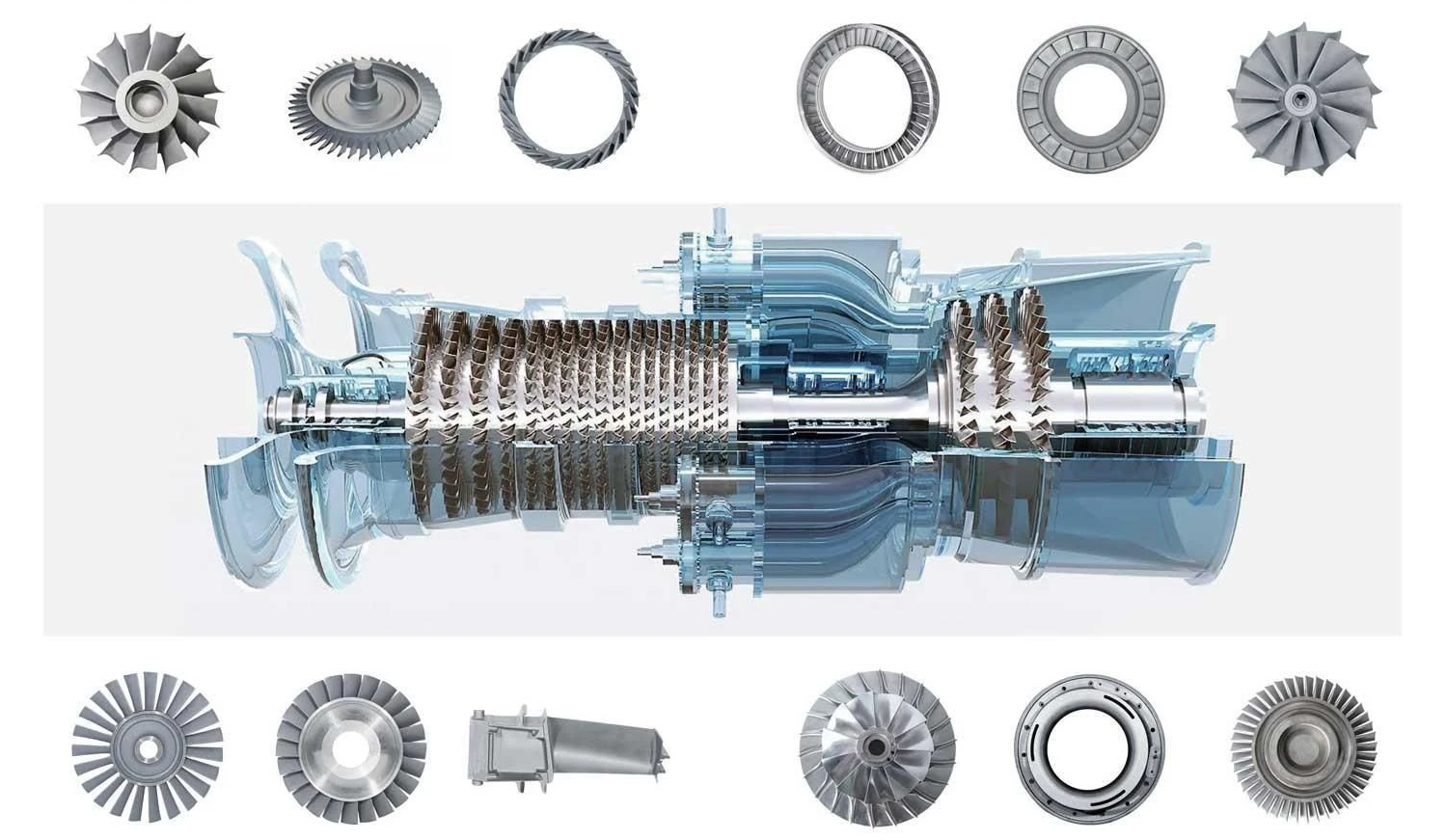
But in the robust world of heavy industry, "ring" signifies something profoundly different: a critical, high-strength component that keeps the modern world turning. This is the domain of ring forgings, rolled rings, and seamless rolled rings—engineered not for a finger, but for turbines, bearings, and aerospace assemblies.
As a premier forging manufacturer, we bridge this gap between common curiosity and specialized knowledge. This comprehensive guide will explore the formidable science of industrial ring forging, demystify the processes, and even shed light on those popular questions—clarifying why the forged ring in a jet engine has more in common with a sword than a wedding band.
Chapter 1: Understanding Ring Forging – The Industrial Powerhouse
What is Ring Forging?
In manufacturing, forging is the process of shaping metal using localized compressive forces, typically from hammers, presses, or rollers. Ring forging specifically refers to creating a ring-shaped metal component with a concentric hole. This isn't about melting and pouring; it's about physically working solid metal, aligning its grain structure to follow the shape of the ring. This results in exceptional strength, toughness, and structural integrity.
The terms often intermingle, but key distinctions exist:
-
Forged Ring: The general term for a ring produced via any forging method.
-
Rolled Ring Forging: A specific, highly efficient process where a pre-formed doughnut (a "preform") is heated and rolled between two rollers—one pressing inward and the main roller expanding it outward. This radially expands the ring to precise dimensions.
-
Seamless Rolled Rings: The premier product of the rolled ring forging process. As the name implies, they have no welds or seams. Their grain flow is continuous and circumferential, providing uniform strength in all directions, making them ideal for high-stress rotational applications.
Why Does This Matter?
The forged microstructure offers superior mechanical properties compared to cast or machined-from-bar alternatives. It eliminates internal porosity, refines grain size, and creates a fiber-like grain flow that boosts fatigue resistance—critical for components under cyclic stress.
Chapter 2: The Four Pillars: Types of Forging Processes
When clients ask, "What are the 4 types of forging?", they are typically referring to the fundamental methods. Understanding these clarifies how ring forgings are born:
-
Open-Die Forging (Free Forging): The workpiece is compressed between flat or simple-shaped dies that do not fully enclose it. It's ideal for large, simple shapes and pre-forming blanks for further processing, like creating the preform for a rolled ring.
-
Closed-Die Forging (Impression-Die Forging): The metal is forced into a die cavity that imparts a specific, complex shape. This is common for precision components like connecting rods or gear blanks.
-
Rolled Ring Forging: As described, this is a specialized rotary forging process for creating seamless rings. It is highly material-efficient and excellent for producing large-diameter rings.
-
Seamless Rolled Ring Forging: Often considered the pinnacle of the rolled ring process, emphasizing the seamless, high-integrity nature of the final product used in mission-critical applications.
For ring forgings, the journey often starts with open-die forging to create a preform, which is then precision-sized and shaped via the rolled ring forging process to become a seamless rolled ring.
Chapter 3: The Great Debate: Forged vs. Cast Rings
The question "Is it better to cast or forge a ring?" or "Which is stronger, casting or forging?" is central to material selection. The answer depends entirely on the application.
Casting involves pouring molten metal into a mold. It's excellent for complex, intricate shapes (like detailed jewelry or engine blocks) and can be cost-effective for high-volume, non-critical parts.
Forging involves deforming solid metal. It is superior when strength, reliability, and fatigue resistance are paramount.
Direct Comparison:
| Property | Forged Rings | Cast Rings |
|---|---|---|
| Strength & Toughness | Superior. Continuous grain flow. | Isotropic, often weaker grain structure. |
| Structural Integrity | Superior. No internal voids or porosity. | Prone to shrinkage cavities and gas porosity. |
| Fatigue Resistance | Far Superior. Fiber grain structure resists crack propagation. | Lower. Inclusions can act as stress concentrators. |
| Cost for Simple Shapes | Higher initial tooling/die cost. | Often lower, especially for complex shapes. |
| Material Efficiency | High for rolled rings (near-net shape). | Can be lower due to gating systems and risers. |
| Best For | High-stress, high-reliability applications: bearing races, gear rings, turbine supports, flanges. | Complex, non-load-bearing shapes, decorative items, certain types of jewelry (Are gold rings cast or forged? Often cast for intricate designs). |
Conclusion: For the demanding environments of aerospace, energy, and heavy machinery—where a component failure is catastrophic—forged, and specifically seamless rolled rings, are the unequivocal choice.
Chapter 4: Material Matters: What Can and Cannot Be Forged?
This leads to another common query: "What metals cannot be forged?"
Highly Forgeable Metals (Our Specialty):
-
Carbon and Alloy Steels: The workhorses of industry. Their ductility at high temperatures makes them ideal for forging into high-strength ring forgings.
-
Stainless Steels: Forged for corrosion resistance in harsh environments.
-
Aluminum Alloys: Lightweight and strong, commonly forged for aerospace rings.
-
Titanium Alloys: High strength-to-weight ratio, essential for aerospace and medical implants, but requiring specialized forging expertise.
-
Nickel-Based Superalloys: Used in extreme temperatures (jet engines), these are challenging but critical to forge.
Metals That Are Difficult or Impossible to Forge Traditionally:
-
Tungsten (Pure): Extremely high melting point and brittle at room temperature, making conventional forging impractical. (Note: "Tungsten rings" in jewelry are actually tungsten carbide, a ceramic-metal composite, made by powder metallurgy and sintering, not forging. This is why they are so hard and "cannot be cut off" easily in emergencies.)
-
Cast Iron: Brittle; it is designed to be cast, not plastically deformed.
-
Highly Brittle Ceramics or Intermetallics: Lack the necessary ductility.
On "The Best Metal for Ring Making": In jewelry, it's about aesthetics, wear resistance, and cost (e.g., gold, platinum, titanium). In industry, the "best" metal is the alloy steel or superalloy that meets the precise mechanical and environmental demands of the application—a decision our engineers help clients make daily.
Chapter 5: Applications: Where Seamless Rolled Rings Power the World
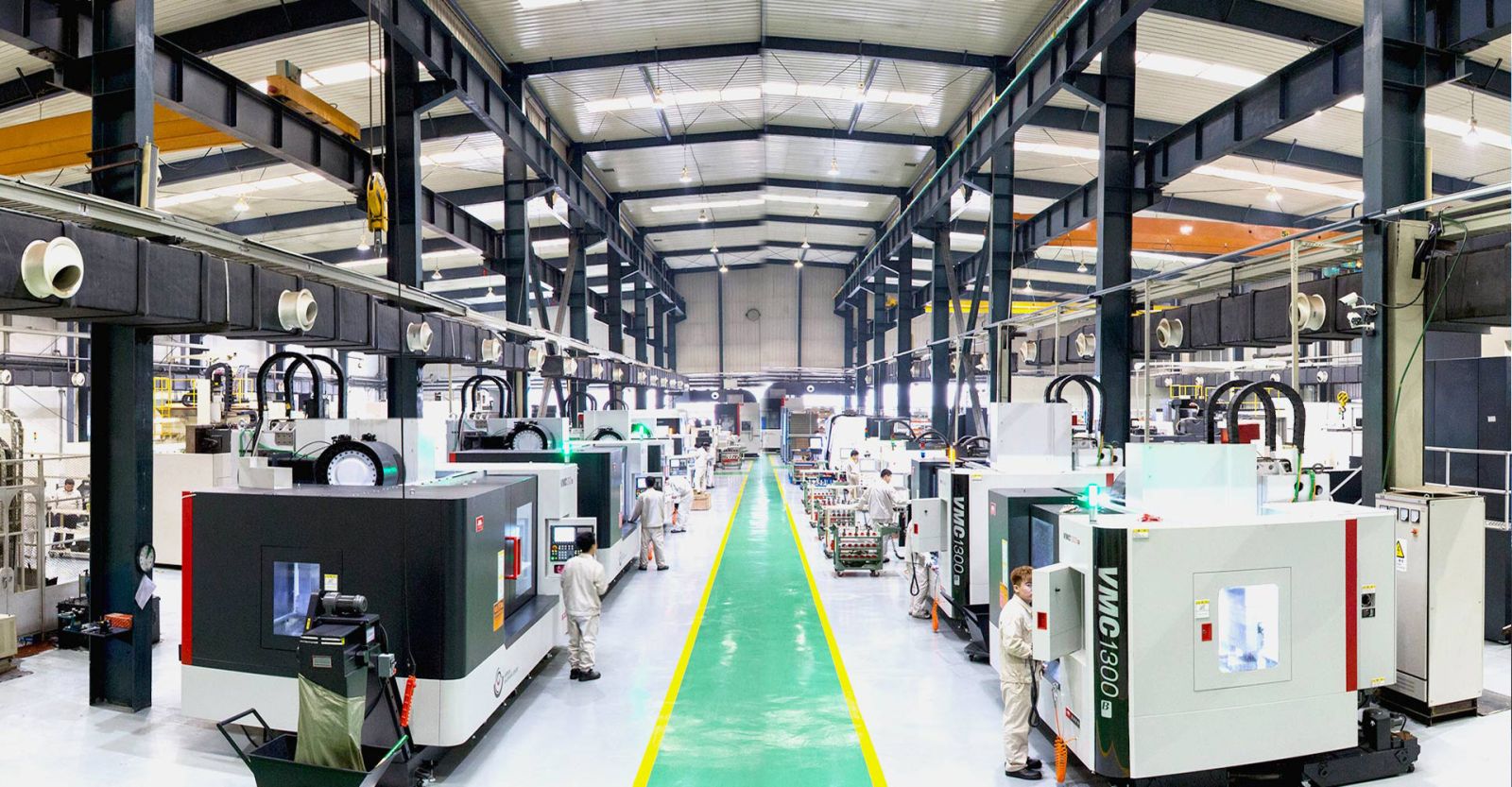
Seamless rolled rings are invisible to most but indispensable to modern infrastructure:
-
Aerospace: Jet engine compressor and turbine casings, landing gear components, and space vehicle fuel rings.
-
Energy: Flanges and connectors for oil & gas pipelines, bearing rings for wind turbine gearboxes, components in nuclear reactors.
-
Automotive & Transportation: Slewing bearings for cranes and excavators, gear rings for transmissions, wheel bearings.
-
Industrial Machinery: Rolling mill bearings, large industrial gears, and pressure vessel reinforcements.
Their seamless nature ensures no weak points, making them the backbone of safety and performance in rotational and pressure-containing systems.
Chapter 6: FAQ – Bridging Myth, Jewelry, and Industrial Reality
Here, we address the eclectic mix of questions from the provided list, connecting them to our industrial context.
Q: Who actually forged the One Ring? / When was One Ring forged?
-
(From Fantasy Lore) In Tolkien's mythos, the Dark Lord Sauron forged the One Ring in the fires of Mount Doom in the Second Age to dominate the others. This is a literary device. In reality, forging a magical ring is impossible, but forging a mighty, singular ring from a challenging material? That’s our expertise.
Q: What is forging in jewellery?
-
In jewelry, forging often refers to the ancient technique of manually shaping and hammering precious metal (like gold or silver) into a band. This is a craft-based, small-scale process fundamentally different from industrial power forging, though both share the principle of shaping by deformation.
Q: What is the 3 month ring rule? / What is the full quote for the 3 rings for the Elven Kings?
-
The "3-month rule" is a modern, informal guideline suggesting one should wait three months' salary before buying an engagement ring—it has no relation to manufacturing.
-
The iconic quote is from J.R.R. Tolkien's The Lord of the Rings: "Three Rings for the Elven-kings under the sky..." It speaks to mythical rings of power, not industrial components.
Q: What metals cannot be forged? / Why can't tungsten rings be cut off?
-
Answered in detail in Chapter 4. Jewelry "tungsten rings" are sintered tungsten carbide, a material so hard it requires a diamond-coated cutter for emergency removal.
Q: Is forging cheaper than casting?
-
For simple, high-volume parts, casting can have a lower per-unit cost. For high-performance, critical parts where failure is not an option, the superior properties of forging provide a lower total lifecycle cost despite a potentially higher initial price. The cost of a part failure dwarfs the cost of the component.
Q: How long does a ring of forging last? / Does the ring of forging break?
-
(From Gaming Context) In games like RuneScape, a "ring of forging" is a consumable magic item. In the physical world, a properly manufactured seamless rolled ring is designed for longevity. Its lifespan is measured in decades or even the lifetime of the machine it serves, under designed operating conditions. It does not simply "break"; it withstands immense forces until extreme, unforeseen overload or fatigue (after millions of cycles) occurs.
Q: Can I shower with my tungsten carbide ring? / Can you wear a tungsten ring every day?
-
Yes, tungsten carbide jewelry is highly resistant to scratches and corrosion, making it suitable for daily wear and exposure to water. This durability, however, stems from its sintering process, not forging.
Q: What is a forgery ring?
-
This is likely a typographical blend of "forgery" (a fake) and "forging." In our world, we produce authentic, certified ring forgings, the antithesis of a forgery.
-
Conclusion: The Real Power Lies in Precision and Strength
-
While the rings of lore and finger capture our imagination, the true power rings—the ones that literally drive our world—are born in the controlled, powerful environment of the forge. The journey from a heated steel ingot to a precision seamless rolled ring is a testament to human engineering and a commitment to unmatched quality.
we specialize in transforming this science into reliable, high-performance components. We don't forge rings for kings under the sky; we forge the rings that hold up the sky—the turbines that power cities, the bearings that move continents, and the components that push the boundaries of technology.
Ready to discuss your next project that demands the strength and reliability of forged or seamless rolled rings? Contact our engineering team today for a consultation.
Get Quote
- Visit our website: https://www.nbyichou.com/
- Email us: [email protected]
- Call us/whatsapp: +86 13355741031
- Chat with us: Live chat support available on our website