Welcome to the Ultimate Guide to Shell and Tube Heat Exchangers, where we dive deep into maximizing efficiency and performance. Whether you're a seasoned engineer or a curious newbie, this comprehensive guide will take you on a journey through the inner workings of this vital piece of equipment. In this article, we will demystify the complexities of shell and tube heat exchangers, shedding light on their key components, operating principles, and the factors that influence their efficiency. We will explore the different types of heat exchangers, their applications across various industries, and highlight best practices to ensure optimal performance. From understanding the heat transfer mechanisms to selecting the right design and material, we will equip you with the knowledge to make informed decisions and enhance the efficiency of your heat exchangers. With our expert insights and practical tips, you'll be able to identify potential issues, troubleshoot problems, and unlock the full potential of your heat exchange system. So, whether you're looking to boost energy efficiency, increase productivity, or optimize performance, let's dive into the world of shell and tube heat exchangers and unlock the secrets to achieving superior results
Title: How Shell and Tube Heat Exchanger Work
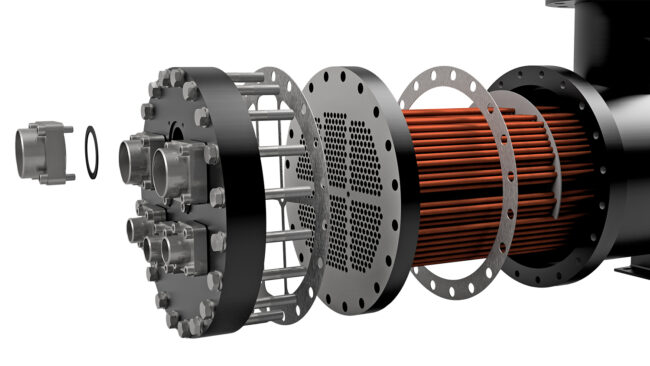
Shell and tube heat exchangers are a vital component in various industries, playing a crucial role in the efficient transfer of heat between two different fluids. Understanding how they work is essential for engineers, plant operators, and anyone involved in thermal systems. These heat exchangers consist of two main parts: a shell (outer container) and a bundle of tubes (inner core). The basic principle behind their operation is the exchange of thermal energy between two fluids, typically a hot fluid and a colder one.
Inside the shell, one fluid flows through the tubes, while the other flows around them. Heat transfer occurs through conduction through the tube walls. This mechanism facilitates the transfer of heat from one fluid to the other without the two fluids coming into direct contact. This separation is crucial in various applications, such as cooling hot gases, heating liquids, or condensing vapors.
The efficiency of a shell and tube heat exchanger largely depends on the design, flow rates, temperature differences, and the properties of the fluids involved. Generally, a higher temperature difference between the two fluids results in more efficient heat transfer. Additionally, the length, diameter, and arrangement of the tubes, as well as the design of the shell, can impact the overall performance of the heat exchanger.
In some cases, shell and tube heat exchangers may incorporate additional features such as baffles or fins to enhance turbulence and increase heat transfer rates. This is particularly important when dealing with viscous or fouling fluids. In such situations, the heat exchanger's design plays a critical role in optimizing heat transfer efficiency.
.jpg)
Title: Types of Shell and Tube Heat Exchangers
Shell and tube heat exchangers come in various types, each designed to meet specific industrial needs and operational requirements. Understanding the different types can help you choose the most suitable heat exchanger for your application.
-
Fixed Tube Sheet Heat Exchanger: In this common type, the tube bundle is fixed to the shell, and the tubes are sealed at both ends to the tube sheet. It's a cost-effective option for applications with moderate temperature variations.
-
Floating Head Heat Exchanger: This design allows for the expansion and contraction of the tube bundle. It's ideal for applications with significant temperature fluctuations, as it reduces the risk of thermal stress.
-
U-Tube Heat Exchanger: As the name suggests, the tubes in this design form a U-shape. U-tube heat exchangers are ideal for applications where thermal expansion is a concern and are often used in heating or cooling processes.
-
Double-Pipe Heat Exchanger: This simple design consists of two concentric tubes, with one fluid flowing through the inner tube and the other through the annular space. Double-pipe heat exchangers are compact and suitable for small-scale applications.
-
Kettle Reboiler: This specialized heat exchanger is used in distillation processes to reboil liquid inside a distillation column. It consists of a shell and a bundle of tubes submerged in the liquid.
-
Multi-Shell Heat Exchanger: In this advanced design, multiple shells are stacked together, providing enhanced heat transfer capabilities. It's commonly used in high-capacity applications where efficiency is paramount.
-
Crossflow Heat Exchanger: In a crossflow heat exchanger, the hot and cold fluids flow perpendicular to each other, which is beneficial for applications where maintaining a temperature gradient is crucial.
-
Plate-Fin Heat Exchanger: While not strictly a shell and tube design, plate-fin heat exchangers are worth mentioning. They consist of layers of corrugated plates and fins, offering excellent heat transfer performance and compactness, commonly used in aerospace and automotive applications.
Choosing the right type of heat exchanger depends on factors like fluid properties, temperature ranges, space constraints, and maintenance requirements. Each type offers its own set of advantages and limitations, making it essential to carefully evaluate your specific needs before making a selection.
.jpg)
Title: Advantages and Disadvantages of Shell and Tube Heat Exchanger
Shell and tube heat exchangers are widely used in various industries due to their effectiveness in transferring heat between fluids. However, like any technology, they come with their own set of advantages and disadvantages.
Advantages:
-
High Heat Transfer Efficiency: Shell and tube heat exchangers are known for their excellent heat transfer capabilities, especially when dealing with large temperature differences between the fluids.
-
Versatility: They can handle a wide range of fluids, making them suitable for various applications in industries such as petrochemical, pharmaceutical, and power generation.
-
Durability: These heat exchangers are built to last, with sturdy materials like stainless steel or titanium that resist corrosion and wear.
-
Ease of Maintenance: Regular maintenance involves cleaning the tubes and ensuring proper fluid flow. Tube replacement is relatively straightforward, making maintenance manageable.
-
Customization: Shell and tube heat exchangers can be customized to meet specific requirements, allowing for flexibility in design.
Disadvantages:
-
Space Requirements: They can be relatively large and take up more space compared to other heat exchanger types, which can be a limitation in compact installations.
-
Cost: The initial investment and installation costs can be high, particularly for large-scale systems.
-
Limited Heat Recovery: In cases where temperature differences between the hot and cold fluids are small, the heat recovery efficiency may be lower compared to other heat exchanger types.
-
Complex Cleaning: Cleaning the tubes can be challenging, especially when dealing with fouling or scaling, which can decrease efficiency over time.
-
Pressure Drop: Shell and tube heat exchangers can result in a significant pressure drop in the system, requiring additional pumping power.
Selecting a shell and tube heat exchanger involves weighing these advantages and disadvantages against your specific application requirements. In some cases, other heat exchanger types, such as plate or finned-tube designs, may be more suitable. Careful consideration is essential to ensure optimal performance and cost-effectiveness.
.jpg)
Title: Factors to Consider When Selecting a Shell and Tube Heat Exchanger
Selecting the right shell and tube heat exchanger for your application is crucial to ensure efficient heat transfer and long-term performance. Several key factors must be taken into account during the decision-making process.
-
Fluid Properties: The properties of the fluids being exchanged, such as temperature, viscosity, and corrosiveness, play a significant role in heat exchanger selection. It's essential to choose materials that can withstand the characteristics of the fluids without degradation or corrosion.
-
Temperature Range: The temperature difference between the hot and cold fluids, as well as the maximum and minimum temperatures, should be considered. Different designs and materials are suitable for various temperature ranges.
-
Flow Rates: The flow rates of both fluids are critical in determining the heat exchanger's size and effectiveness. Ensure that the chosen heat exchanger can accommodate the required flow rates without causing excessive pressure drops.
-
Space Constraints: Evaluate the available space for the heat exchanger installation. Shell and tube heat exchangers can be bulky, so it's essential to ensure that the chosen design fits within the available area.
-
Maintenance Requirements: Consider the ease of maintenance and cleaning. If the fluids involved are prone to fouling or scaling, a design with easy access to the tubes may be preferable.
-
Materials of Construction: Choose materials that are compatible with the fluids and their properties. Common materials include stainless steel, carbon steel, and exotic alloys like titanium or nickel.
-
Cost Considerations: Factor in the initial purchase cost, installation costs, and long-term maintenance expenses. While high-quality materials may increase the initial investment, they can lead to cost savings in the long run.
-
Environmental Factors: Depending on your industry, environmental regulations may dictate specific design considerations, such as emissions control or energy efficiency standards.
-
Performance Requirements: Define the desired heat transfer rate, efficiency, and temperature control accuracy. Different heat exchanger designs offer varying levels of performance.
-
Future Expansion: Consider whether the heat exchanger design allows for easy expansion or modifications if your operation's requirements change over time.
By carefully evaluating these factors, you can narrow down your options and choose a shell and tube heat exchanger that not only meets your current needs but also has the flexibility to adapt to future demands. Consulting with experts and conducting thorough testing can further ensure the best selection for your specific application.
Title: Design Considerations for Maximizing Efficiency and Performance
Designing a shell and tube heat exchanger for maximum efficiency and performance requires attention to detail and a deep understanding of the principles involved. Here are key design considerations to optimize your heat exchanger:
-
Tube Layout: The arrangement of tubes within the shell greatly impacts heat transfer efficiency. Options include triangular, square, and rotated square layouts. The choice depends on the application's fluid properties and heat transfer requirements.
-
Tube Diameter and Length: Selecting the right tube diameter and length is crucial. Smaller-diameter tubes offer more surface area for heat transfer but can lead to higher pressure drops. Longer tubes can enhance efficiency but require more space.
-
Baffle Design: Baffles inside the shell promote turbulence and improve heat transfer. The design and spacing of baffles should be carefully considered based on fluid properties and desired performance.
-
Materials of Construction: Choose materials that resist corrosion and wear, ensuring longevity and consistent performance. The selection of materials should align with the fluid properties and operating conditions.
-
Flow Distribution: Proper distribution of the fluids entering and exiting the heat exchanger is essential to achieve uniform heat transfer. Baffles and distribution headers can help ensure even flow.
-
Fouling and Scaling Prevention: Implement measures to reduce fouling and scaling, which can negatively impact heat exchanger performance. Consider using fouling-resistant materials or incorporating cleaning systems.
-
Temperature Control: For applications requiring precise temperature control, consider adding features like temperature sensors and control valves to maintain the desired thermal conditions.
-
Insulation: Adequate insulation minimizes heat loss and ensures efficient operation. Proper insulation materials and thickness should be selected based on operating temperatures.
-
Pressure Drop Management: Calculate and account for pressure drops in the system to ensure that the heat exchanger doesn't introduce excessive energy consumption or affect downstream processes.
-
Safety Features: Incorporate safety measures such as pressure relief valves and emergency shutdown systems to protect against overpressure and system failures.
-
Simulation and Testing: Before finalizing the design, use simulation software or conduct testing to verify its performance under various conditions. This step can help identify and rectify potential issues.
-
Compliance with Standards: Ensure that the heat exchanger design complies with industry standards and regulations, particularly those related to safety and environmental concerns.
-
Energy Efficiency: Consider energy-efficient features, such as variable-speed pumps or fans, to minimize energy consumption and operating costs.
By carefully addressing these design considerations, you can create a shell and tube heat exchanger that operates at peak efficiency, maximizes heat transfer, and minimizes maintenance requirements, ultimately leading to cost savings and enhanced performance.
.jpg)
Title: Maintenance and Troubleshooting Tips for Shell and Tube Heat Exchanger
Proper maintenance and timely troubleshooting are essential to ensure the continued efficiency and reliability of shell and tube heat exchangers. Here are some tips to keep your heat exchanger in optimal condition:
Maintenance Tips:
-
Regular Cleaning: Schedule routine cleaning to prevent fouling, scaling, or corrosion on the tube surfaces. Depending on the fluids involved, this may involve chemical cleaning or mechanical methods.
-
Inspect Seals and Gaskets: Check seals and gaskets for signs of wear, leakage, or deterioration. Replace them as needed to maintain a tight seal.
-
Tighten Bolts and Fasteners: Over time, bolts and fasteners can loosen due to temperature fluctuations. Regularly inspect and tighten them to prevent leaks.
-
Monitor Tube Integrity: Conduct periodic inspections or non-destructive testing (NDT) to detect tube damage or degradation. Replace any damaged tubes promptly.
-
Check Fluid Flow: Ensure that the flow rates of both hot and cold fluids remain within the specified range. An imbalance can reduce heat transfer efficiency.
-
Inspect Insulation: Examine insulation materials for damage or degradation. Replace insulation that is compromised to minimize heat loss.
Troubleshooting Tips:
-
Reduced Heat Transfer: If you notice a decrease in heat transfer efficiency, it may indicate fouling or scaling. Conduct a thorough cleaning or consider implementing fouling-resistant materials.
-
Leakage: Address any leaks promptly to prevent fluid loss and potential safety hazards. Identify the source of the leak and replace damaged seals or gaskets.
-
Uneven Temperature Distribution: Uneven temperature distribution within the heat exchanger can be caused by flow maldistribution. Check for obstructions or fouling and ensure proper fluid flow distribution.
-
Vibration or Noise: Unusual vibrations or noises can indicate mechanical issues. Inspect the heat exchanger for loose components or damaged baffles.
-
Excessive Pressure Drop: If there is a significant pressure drop across the heat exchanger, it may be due to fouling or flow restrictions. Clean the tubes and check for obstructions.
-
Corrosion: Address any signs of corrosion promptly to prevent further damage. Consider using corrosion-resistant materials or coatings in corrosive environments.
-
Temperature Fluctuations: Inconsistent temperature control may result from malfunctioning temperature sensors or control valves. Calibrate or replace these components as necessary.
-
Safety Concerns: If there are safety concerns, such as overpressure, implement safety features like pressure relief valves and emergency shutdown systems.
-
Consult Experts: If troubleshooting becomes challenging or the issue persists, consult with heat exchanger experts or manufacturers for specialized assistance.
Regular maintenance and troubleshooting efforts can extend the lifespan of your shell and tube heat exchanger, reduce downtime, and ensure safe and efficient operation. It's essential to document maintenance activities and keep records of any issues and their resolutions for future reference.
Title: Case Studies Showcasing Successful Implementation of Shell and Tube Heat Exchangers
Real-world examples of successful shell and tube heat exchanger implementations demonstrate the versatility and effectiveness of this technology in various industries. Let's explore some compelling case studies:
Case Study 1: Petrochemical Industry
In a large petrochemical plant, the need to efficiently cool a stream of high-temperature hydrocarbons was paramount. Traditional cooling methods proved inadequate due to the extreme temperatures involved. The solution was a custom-designed shell and tube heat exchanger with high-temperature alloy tubes. This heat exchanger successfully reduced the hydrocarbon temperature to a safe level, allowing for downstream processing. The design also incorporated advanced fouling-resistant materials, ensuring long-term efficiency and minimal maintenance.
Case Study 2: Food Processing
A food processing facility required precise temperature control for pasteurization and cooking processes. The challenge was to maintain consistent temperatures while accommodating variable flow rates. A shell and tube heat exchanger with multiple passes and carefully designed baffles provided the solution. This heat exchanger not only ensured accurate temperature control but also allowed for adjustments in flow rates without compromising efficiency, making it a vital component in food safety and quality.
Case Study 3: Power Generation
In a power generation plant, optimizing heat recovery from flue gases was critical to improve energy efficiency. A multi-shell shell and tube heat exchanger system was installed to capture waste heat from the flue gases. The heat recovered was used to preheat feedwater, reducing the overall energy consumption of the power plant. This innovative approach not only lowered operating costs but also reduced greenhouse gas emissions, aligning with environmental sustainability goals.
Case Study 4: Pharmaceutical Manufacturing
A pharmaceutical company needed a reliable and sanitary heat exchanger for the precise temperature control of drug manufacturing processes. A shell and tube heat exchanger with pharmaceutical-grade materials and a clean-in-place (CIP) system was employed. This design ensured product integrity, met stringent regulatory requirements, and minimized the risk of contamination. The heat exchanger's efficiency and consistency were vital in producing high-quality pharmaceutical products.
These case studies illustrate the adaptability and effectiveness of shell and tube heat exchangers across diverse industries. Whether it's addressing extreme temperatures, ensuring food safety, enhancing energy efficiency, or meeting strict regulatory standards, these heat exchangers have consistently proven their value in various applications. Their flexibility in design and materials makes them a reliable choice for industries with unique heat transfer needs.
Title: Industry Trends and Innovations in Shell and Tube Heat Exchanger
The field of shell and tube heat exchangers is continuously evolving, driven by technological advancements, environmental concerns, and industry-specific demands. Here are some notable trends and innovations shaping the future of these heat exchangers:
-
Compact and High-Efficiency Designs: Manufacturers are developing compact heat exchangers that provide enhanced heat transfer rates while minimizing space requirements. These designs are particularly valuable in industries where space is limited.
-
Advanced Materials: The use of advanced materials, such as nano-coatings and composite materials, is on the rise. These materials offer improved corrosion resistance, heat transfer efficiency, and longevity.
-
Energy Recovery Systems: Heat exchangers are being integrated into energy recovery systems to capture and reuse waste heat. This trend aligns with sustainability goals and helps reduce energy consumption.
-
Smart Heat Exchangers: Incorporating sensors and IoT (Internet of Things) technology, smart heat exchangers can monitor and adjust operational parameters in real-time, optimizing efficiency and reducing maintenance costs.
-
Fouling-Resistant Designs: Enhanced fouling-resistant designs and coatings are being developed to combat fouling and scaling issues, especially in applications with challenging fluids.
-
Additive Manufacturing: 3D printing and additive manufacturing techniques are being used to create complex heat exchanger geometries that were previously challenging to manufacture. This enables more customized and efficient designs.
-
Hybrid Heat Exchangers: Combining different types of heat exchangers, such as shell and tube with plate exchangers, allows for tailored solutions that optimize heat transfer for specific applications.
-
Heat Exchanger Simulation Software: Advanced simulation software enables engineers to model heat exchanger performance accurately, facilitating the design of highly efficient systems.
-
Eco-Friendly Refrigerants: In HVAC and refrigeration applications, there is a shift toward using eco-friendly refrigerants that require specialized heat exchanger designs to maximize performance.
-
Regulatory Compliance: Increasingly stringent environmental regulations are driving the development of heat exchangers that reduce emissions and improve energy efficiency.
-
Customization for Microfluidics: In applications like microfluidics and lab-on-a-chip devices, custom-designed miniature shell and tube heat exchangers are becoming crucial for precise temperature control.
-
Biomedical and Pharmaceutical Applications: Advancements in biotechnology and pharmaceuticals require heat exchangers with strict sanitary standards, leading to the development of specialized designs.
These trends and innovations demonstrate the adaptability and relevance of shell and tube heat exchangers across a wide range of industries. As technology continues to advance, these heat exchangers will play a pivotal role in achieving energy efficiency, sustainability, and improved product quality.
.jpg)
Title: Conclusion: Key Takeaways for Optimizing Shell and Tube Heat Exchanger Performance
In conclusion, shell and tube heat exchangers are indispensable components in various industries, offering efficient heat transfer between fluids while maintaining their separation. To optimize the performance of these heat exchangers, several key takeaways should be considered:
-
Understanding the Basics: Familiarize yourself with the fundamental principles of how shell and tube heat exchangers operate, including the role of tube layouts, materials, and flow rates.
-
Types and Applications: Explore the different types of shell and tube heat exchangers and their suitability for various applications, taking into account factors like temperature ranges and fluid properties.
-
Advantages and Disadvantages: Weigh the pros and cons of shell and tube heat exchangers in your specific context, considering factors like space requirements and maintenance costs.
-
Selection Factors: When choosing a heat exchanger, consider fluid properties, temperature ranges, flow rates, space constraints, materials of construction, and future expansion needs.
-
Design for Efficiency: Optimize the heat exchanger design by focusing on tube layout, materials, baffles, flow distribution, and insulation to maximize heat transfer efficiency.
-
Maintenance and Troubleshooting: Implement regular maintenance practices, such as cleaning and inspection, and troubleshoot issues promptly to ensure long-term reliability.
-
Real-World Success Stories: Draw inspiration from case studies showcasing successful implementations of shell and tube heat exchangers across industries, recognizing their adaptability and effectiveness.
-
Stay Updated on Trends: Keep an eye on industry trends and innovations, including compact designs, advanced materials, energy recovery systems, and smart heat exchangers, to stay competitive and sustainable.
By integrating these takeaways into your approach to shell and tube heat exchangers, you can make informed decisions, achieve optimal performance, and contribute to energy efficiency, sustainability, and the overall success of your industrial processes. These heat exchangers will continue to be indispensable tools in the ever-evolving landscape of technology and industry.
FAQ 1: How Does YICHOU Design Shell and Tube Heat Exchangers for Optimal Efficiency?
Keywords: YICHOU Heat Exchangers, Design Efficiency, Shell and Tube Heat Exchangers
At YICHOU, our approach to designing shell and tube heat exchangers prioritizes optimal efficiency. We carefully consider factors such as tube layout, materials of construction, and baffle design to ensure our heat exchangers maximize heat transfer. By leveraging advanced simulation software and expertise in heat exchanger design, we create systems that excel in performance while minimizing energy consumption. Our commitment to efficiency extends to all industries we serve, providing cost-effective and sustainable solutions.
FAQ 2: What Types of Materials Does YICHOU Use in Manufacturing Shell and Tube Heat Exchangers?
Keywords: YICHOU Heat Exchangers, Materials of Construction, Shell and Tube Heat Exchangers
At YICHOU, we understand the critical role materials play in heat exchanger performance and longevity. We offer a wide range of materials, including stainless steel, carbon steel, titanium, and exotic alloys, to match the specific requirements of your application. Whether you need corrosion-resistant materials for aggressive fluids or pharmaceutical-grade options for sanitary applications, YICHOU provides tailored solutions to ensure the longevity and reliability of your heat exchanger.
FAQ 3: How Does YICHOU Address Fouling and Scaling Issues in Shell and Tube Heat Exchangers?
Keywords: YICHOU Heat Exchangers, Fouling-Resistant Designs, Scaling Prevention
Fouling and scaling can significantly impact heat exchanger efficiency. YICHOU employs innovative fouling-resistant designs and advanced coatings to combat these issues. Our engineers have developed solutions to minimize fouling and scaling, even in challenging fluid environments. We prioritize ease of maintenance, allowing for straightforward cleaning and maintenance procedures to keep your heat exchanger operating at peak performance.
FAQ 4: Can YICHOU Customize Shell and Tube Heat Exchangers for Unique Applications?
Keywords: YICHOU Heat Exchangers, Customization, Unique Applications
Absolutely! YICHOU specializes in customization. We understand that each application is unique, with specific temperature ranges, flow rates, and space constraints. Our engineering team works closely with you to tailor a heat exchanger that precisely matches your requirements. Whether it's a compact design for limited space or a specialized heat exchanger for demanding processes, YICHOU has the expertise to deliver the perfect solution.
FAQ 5: What Sets YICHOU Apart in Terms of Sustainability and Environmental Responsibility?
Keywords: YICHOU Heat Exchangers, Sustainability, Environmental Responsibility
YICHOU is committed to sustainability and environmental responsibility. Our heat exchangers are designed to optimize energy efficiency, helping reduce overall energy consumption. By capturing waste heat and implementing eco-friendly materials, we actively contribute to environmental preservation. Our compliance with stringent industry standards ensures that our heat exchangers meet environmental regulations, making YICHOU the preferred choice for eco-conscious industries.
.