Unlocking the Possibilities of 3D Printing with Resin: A Revolution in Precision and Detail Welcome to the future of manufacturing! The emergence of 3D printing has transformed how we create, innovate, and construct. Among the myriad of materials available for 3D printing, resin has emerged as a game-changer, offering unparalleled precision and detail in printouts. In this article, we will explore the exciting breakthroughs and endless possibilities that resin-based 3D printing brings to the world of design, prototyping, and manufacturing. Resin, a liquid photopolymer material, offers a remarkable level of accuracy and intricacy, making it ideal for producing complex and intricate objects. With its ability to capture minute details and produce smooth surfaces, resin-based 3D printing has found applications across various industries, from jewelry and dental devices to aerospace and automotive engineering. Join us as we delve into the advantages, applications, and techniques of resin-based 3D printing. Discover how this innovative technology is revolutionizing industries, enabling faster prototyping, customization, and cost-effective production. Stay ahead of the curve and unlock the full potential of 3D printing with resin. Are you ready to witness the future of precision and detail? Let's dive in!
.jpg)
Title: Understanding the Differences Between Resin and Other 3D Printing Materials
In the world of 3D printing, the choice of materials plays a pivotal role in determining the quality, durability, and functionality of your printed objects. While there are several materials available, one that has gained significant attention is resin. To truly appreciate the advantages of resin 3D printing, it's essential to understand the differences between resin and other commonly used 3D printing materials such as filament and powder.
Resin, in its various formulations, stands apart from traditional 3D printing materials due to its unique composition. Unlike the filament, which is typically made of thermoplastics like PLA or ABS, and powders, such as those used in SLS (Selective Laser Sintering), resin is a photopolymer. This means that it is liquid before printing and cures under the influence of UV light or laser. This fundamental distinction opens up a world of possibilities for resin 3D printing.
One significant difference is precision. Resin 3D printers excel in producing highly detailed, intricate, and delicate objects. The layer height in resin printing can be as low as 25 microns, whereas filament-based printers typically work with layer heights of around 100-200 microns. This difference results in smoother, more refined surfaces and sharp edges, making resin ideal for applications where precision is paramount, such as jewelry making or dental prosthetics.
Moreover, resin's liquid nature allows it to capture intricate details and produce objects with minimal visible layer lines, unlike the visible layering common in filament and powder-based 3D printing. This aesthetic advantage can be a game-changer in industries where the appearance of the final product is crucial, such as the consumer goods industry.
Another notable distinction is material properties. Resin materials can vary widely, from rigid and tough to flexible and rubbery, depending on the specific formulation. This versatility allows resin 3D printing to cater to a broader range of applications than other 3D printing methods. Whether you need a hard, impact-resistant prototype or a soft, flexible gasket, there's likely a resin formulation that suits your needs.
Furthermore, resin printing has a unique advantage in terms of speed. While filament-based printers may require hours to complete a project, resin 3D printers can produce objects rapidly, thanks to their layer-curing mechanism. This speed can be a significant asset in industries where time-to-market is critical, such as product design and development.
In conclusion, understanding the differences between resin and other 3D printing materials is crucial to harnessing the full potential of this innovative technology. Resin's precision, material versatility, smooth finish, and speed make it a formidable contender in the world of 3D printing. In the following sections, we will delve deeper into the advantages of using resin in 3D printing and explore its diverse applications across various industries.
.jpg)
Title: Advantages of Using Resin in 3D Printing
Resin 3D printing offers a multitude of advantages that make it an attractive choice for a wide range of applications. These advantages extend beyond the mere technical aspects of printing and touch upon critical factors such as cost-effectiveness, design flexibility, and material properties. Let's explore some of the most compelling advantages of using resin in 3D printing.
-
Exceptional Detail and Precision: One of the standout features of resin 3D printing is its ability to produce objects with unparalleled detail and precision. The thin layer heights and photopolymer curing process result in smooth surfaces, sharp edges, and intricate designs. This makes resin 3D printing the go-to choice for industries like jewelry, dentistry, and miniature modeling, where precision is non-negotiable.
-
Wide Range of Material Options: Resin materials come in various formulations, each tailored to specific applications. From rigid and durable resins suitable for engineering prototypes to flexible and elastic resins ideal for creating custom seals and gaskets, the versatility of resin materials is a significant advantage. This adaptability allows businesses to explore a multitude of applications with a single 3D printer.
-
Speed and Efficiency: Resin 3D printing is known for its speed and efficiency. The layer-by-layer curing process is not only precise but also rapid, leading to shorter print times compared to filament-based 3D printers. Reduced printing time can have a substantial impact on project timelines, enabling faster product development and iteration.
-
Smooth and Aesthetic Finish: Unlike filament-based 3D printing, which often leaves visible layer lines, resin 3D prints boast a smooth and polished finish right off the printer. This eliminates the need for extensive post-processing, saving both time and resources. Industries where aesthetics matter, such as consumer goods and art, greatly benefit from this feature.
-
Cost-Effective Prototyping: For businesses involved in product development and prototyping, resin 3D printing can be a cost-effective solution. Its ability to produce high-quality prototypes quickly and with minimal material waste can significantly reduce development costs. This is especially valuable in industries where numerous iterations and design tweaks are common.
-
Support for Complex Geometries: Resin 3D printing's ability to handle complex geometries and intricate designs with ease sets it apart. It can create objects with overhangs and fine details that would be challenging or impossible to achieve with other 3D printing methods. This capability is advantageous in fields like architecture, where intricate architectural models are in demand.
-
Minimal Material Waste: Traditional subtractive manufacturing processes often result in significant material waste. In contrast, resin 3D printing is an additive manufacturing technique, meaning it adds material layer by layer, minimizing waste. This eco-friendly aspect is increasingly important as sustainability becomes a key consideration for businesses.
-
Customization and Personalization: Resin 3D printing is well-suited for customization and personalization. It allows for the creation of unique, one-of-a-kind products tailored to individual preferences. This is particularly appealing in the fashion and healthcare industries, where personalized items like custom-fit orthotics or bespoke accessories are in demand.
-
Low Maintenance: Resin 3D printers are generally low maintenance compared to their filament-based counterparts. They have fewer moving parts, require less calibration, and are less prone to nozzle clogs. This simplicity contributes to a smoother printing experience and lower long-term operating costs.
-
Material Safety: While safety is a concern with some 3D printing materials, many resin formulations are relatively safe to handle, provided proper precautions are taken. This makes resin 3D printing a viable option for educational institutions and small businesses concerned about workplace safety.
In summary, the advantages of using resin in 3D printing are numerous and impactful. Its precision, material versatility, speed, aesthetic finish, and cost-effectiveness make it a compelling choice for various industries. As we delve further into this exploration, we will uncover the diverse applications of resin 3D printing across industries.
.jpg)
Title: Applications of Resin 3D Printing in Various Industries
Resin 3D printing's versatility and unique advantages have opened up a world of possibilities across a wide spectrum of industries. From healthcare to aerospace, and from fashion to automotive, the applications of resin 3D printing continue to expand. Let's delve into some of the most innovative and transformative uses of this technology in various sectors.
1. Healthcare and Dentistry:
- Custom Implants and Prosthetics: Resin 3D printing is revolutionizing the healthcare industry by enabling the production of custom implants, prosthetics, and orthodontic devices. This level of customization ensures a precise fit for patients, enhancing comfort and functionality.
- Anatomical Models: Medical professionals use 3D-printed anatomical models to plan surgeries and explain procedures to patients. Resin's ability to capture fine details makes these models incredibly useful in education and patient care.
2. Jewelry and Fashion:
- Custom Jewelry: Resin's precision and smooth finish make it a favorite for jewelry designers. It allows for the creation of intricate, personalized pieces that are both aesthetically pleasing and comfortable to wear.
- Fashion Accessories: From bespoke belt buckles to unique buttons and clasps, resin 3D printing offers fashion designers the ability to add distinctive elements to their creations.
3. Automotive:
- Prototyping and Design: Automotive manufacturers use resin 3D printing for rapid prototyping and design validation. It accelerates the development process and reduces costs associated with traditional prototyping methods.
- Custom Interior Components: Resin 3D printing is employed to produce custom interior components, including dashboard displays, trim pieces, and buttons, allowing for personalization and design innovation.
4. Aerospace:
- Lightweight Components: The aerospace industry benefits from resin 3D printing by producing lightweight, complex components. This reduces the overall weight of aircraft and improves fuel efficiency.
- Prototyping and Testing: Rapid iteration and testing of prototypes are crucial in aerospace engineering. Resin 3D printing facilitates this process by providing quick turnarounds on highly detailed parts.
5. Architecture and Construction:
- Architectural Models: Architects use resin 3D printing to create detailed architectural models, helping clients visualize their projects better. The precision of resin printing ensures accuracy in scale and design.
- Ornamental Features: In construction, resin 3D printing is employed to craft ornamental and decorative features, adding a touch of uniqueness and sophistication to building designs.
6. Education:
- Hands-On Learning: Resin 3D printing is increasingly incorporated into educational curricula, allowing students to engage in hands-on learning. It fosters creativity, problem-solving skills, and an understanding of modern manufacturing technologies.
- STEM Projects: Students working on STEM (Science, Technology, Engineering, and Mathematics) projects benefit from the accessibility and affordability of resin 3D printing for creating prototypes and models.
7. Entertainment and Gaming:
- Custom Figurines and Collectibles: The entertainment and gaming industries leverage resin 3D printing to produce custom figurines and collectibles based on popular characters and franchises. This caters to the growing demand for unique merchandise.
- Props and Set Design: Resin printing enables the creation of intricate props and set designs for movies, TV shows, and theater productions, enhancing visual storytelling.
8. Consumer Goods:
- Product Prototyping: In the consumer goods industry, rapid prototyping with resin 3D printing speeds up the development of new products and allows for design revisions based on real-world testing.
- Custom Packaging: Manufacturers use resin 3D printing to design custom packaging solutions that provide both protection and aesthetics for their products.
9. Art and Sculpture:
- Sculpture and Installation Art: Resin 3D printing has opened new avenues for artists to create sculptures and installation art pieces with intricate details and innovative forms.
- Mixed Media Art: Artists combine traditional materials with 3D-printed resin components to produce unique mixed media artworks that challenge conventional artistic boundaries.
10. Electronics and Electronics Enclosures: - Custom Electronics: Resin 3D printing is used to produce custom electronics enclosures, ensuring a precise fit for components. This is valuable in the development of IoT devices and prototypes. - Miniaturized Components: Resin printing can create miniaturized components used in electronics manufacturing, such as connectors and adapters.
These examples merely scratch the surface of resin 3D printing's potential applications. As technology continues to evolve and materials advance, we can expect to see even more groundbreaking uses across various industries. In the subsequent sections, we will guide you through the process of choosing the right resin for your specific 3D printing project and provide best practices for achieving successful resin prints.
Title: Choosing the Right Resin for Your 3D Printing Project
Selecting the right resin for your 3D printing project is a critical decision that can significantly impact the outcome of your work. With a plethora of resin formulations available, each tailored to specific applications, it's essential to understand the key factors that influence your choice and make informed decisions to ensure the success of your project.
1. Consider Material Properties:
- Rigidity vs. Flexibility: Determine whether your project requires a rigid, durable resin or a flexible, rubbery one. Engineering prototypes may benefit from rigid resins, while gaskets and seals demand flexibility.
- Temperature Resistance: If your printed object will be exposed to high temperatures, select a resin with the appropriate heat resistance properties to ensure the part doesn't deform or degrade.
2. Evaluate Resolution and Detail Requirements:
- Layer Height: The layer height you can achieve with your 3D printer affects the level of detail in your prints. Smaller layer heights (e.g., 25 microns) are suitable for intricate designs, while larger layers may suffice for less detailed objects.
- Smoothness: For smooth and polished finishes, choose a resin that excels in producing fine details and minimizes visible layer lines.
3. Consider Post-Processing Needs:
- Post-Curing: Some resins require post-curing under UV light to achieve their full mechanical properties. If your project involves intricate parts, ensure you have the equipment and setup for post-curing.
- Sandability and Paintability: If you plan to sand or paint your prints, select a resin that accommodates these finishing techniques without compromising the final result.
4. Think About Biocompatibility:
- Medical and Dental Applications: If your project falls within the medical or dental field, prioritize resins with biocompatibility certifications to ensure safety when in contact with the human body.
5. Cost and Budget Considerations:
- Material Cost: Different resins come with varying price tags. Factor in the material cost when choosing a resin to align with your project's budget.
- Waste Management: Consider the waste generated during printing and post-processing. Some resins produce more waste than others due to support structures or excess material.
6. Printer Compatibility:
- Check Printer Specifications: Verify that the resin you intend to use is compatible with your 3D printer model. Different printers have specific requirements regarding resin formulations and settings.
- Resin Viscosity: Ensure the resin's viscosity matches your printer's capabilities to prevent printing issues.
7. Safety Precautions:
- Ventilation and Handling: Some resins emit fumes during printing and curing. Ensure you have proper ventilation and adhere to safety guidelines for handling and disposing of resin materials.
8. Test and Iterate:
- Prototyping: Consider printing prototypes or test pieces with different resin formulations to evaluate their suitability for your project before committing to a full-scale print.
9. Environmental Impact:
- Sustainability: If environmental sustainability is a concern, explore eco-friendly resins that minimize waste and use biodegradable or recyclable materials.
10. Future Compatibility: - Scalability: If your project has the potential to scale up, choose a resin that aligns with your long-term production goals and is readily available.
Remember that the choice of resin is not one-size-fits-all. It should align with your project's unique requirements and constraints. Additionally, as the field of resin 3D printing continues to advance, new formulations and materials are regularly introduced, offering even more possibilities.
In the following sections, we will provide you with best practices for achieving successful resin 3D printing and guidance on post-processing techniques to enhance the quality of your prints.
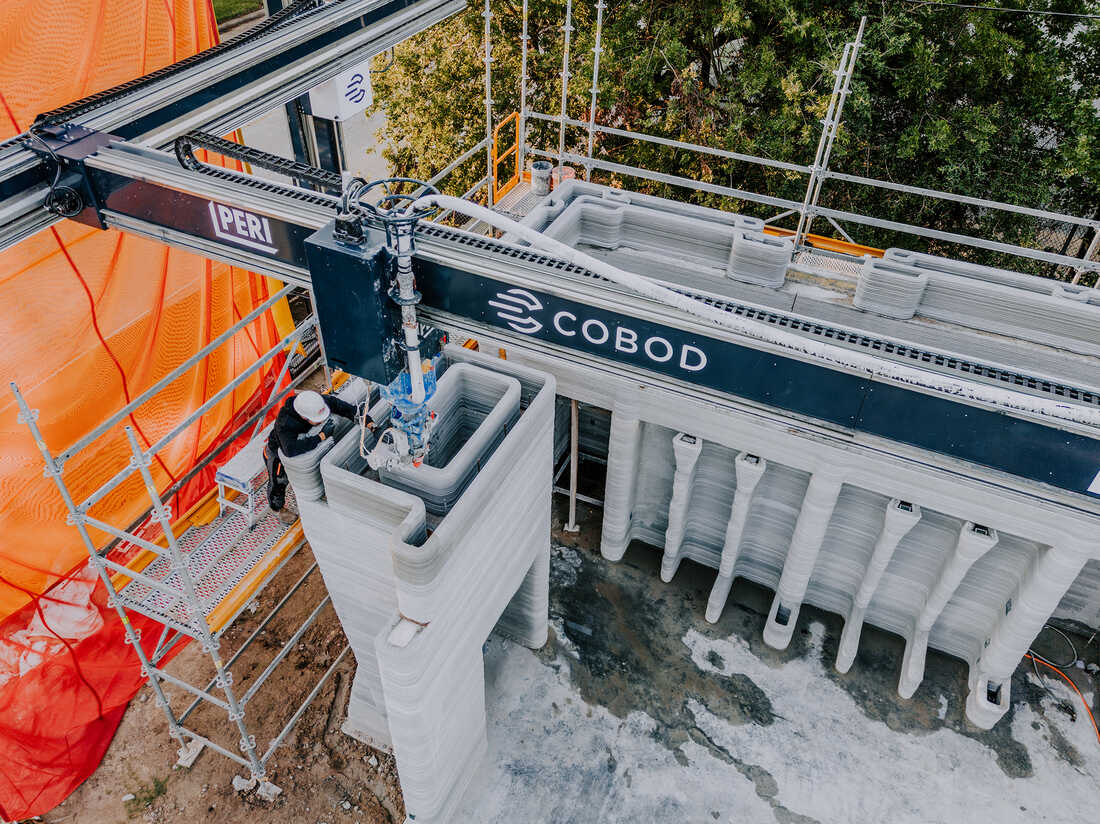
Title: Best Practices for Successful Resin 3D Printing
Achieving successful resin 3D printing requires a combination of the right equipment, proper techniques, and attention to detail. In this section, we'll guide you through best practices to ensure your resin prints turn out flawlessly, whether you're a beginner or an experienced user.
1. Calibration is Key:
- Level the Build Plate: Ensure your build plate is perfectly level to prevent adhesion issues and uneven layers.
- Calibrate Exposure Settings: Adjust exposure settings like exposure time and layer curing time to match your resin and printer combination. Refer to the resin manufacturer's guidelines.
2. Proper Ventilation and Safety:
- Ventilation: Set up your 3D printer in a well-ventilated area or use an air purifier with an activated carbon filter to minimize exposure to fumes.
- Safety Gear: Wear appropriate personal protective equipment (PPE) like gloves and safety goggles when handling resin and during post-processing.
3. Resin Handling:
- Stir Thoroughly: Before every print, stir the resin in the container to ensure an even distribution of pigments and additives.
- Resin Temperature: Maintain your resin at the recommended temperature range, as specified by the manufacturer, to ensure proper flow and curing.
4. Support Structures:
- Generate Adequate Supports: Use support structures in your 3D model to prevent overhangs and ensure successful printing. Adjust support density as needed.
- Easy Removal: Design supports that are easy to remove without damaging the printed object. Consider adding support removal holes or channels.
5. Print Orientation and Drain Holes:
- Optimal Orientation: Experiment with different print orientations to minimize the need for excessive supports. Orienting the object to minimize overhangs can reduce post-processing work.
- Drain Holes: If your print may trap uncured resin, include drain holes to allow it to escape during printing.
6. Post-Processing Techniques:
- Rinse Thoroughly: After printing, rinse the object in a container of isopropyl alcohol (IPA) to remove excess uncured resin. Ensure thorough rinsing.
- UV Curing: Post-cure the print under a UV light source as recommended by the resin manufacturer. This step enhances material properties and surface finish.
7. Safety in Post-Processing:
- Resin Management: Dispose of used resin, IPA, and cleaning materials according to local regulations. Do not pour them down the drain.
- Avoid Skin Contact: When handling IPA or post-curing your prints, wear appropriate PPE to protect your skin and eyes.
8. Print Monitoring:
- Regular Checks: Keep an eye on your printer throughout the print job to catch any issues early, such as misprints or adhesion problems.
- Pause and Adjust: Don't hesitate to pause the print and make adjustments if you notice any anomalies during the printing process.
9. Record Settings and Learn: Keep a record of your successful prints, including settings and resin type. This can serve as a valuable reference for future projects and troubleshooting.
10. Troubleshooting: - Research Issues: Familiarize yourself with common issues in resin 3D printing and their solutions. Troubleshooting skills are invaluable for achieving consistent results.
By following these best practices and continually refining your techniques, you can consistently produce high-quality resin 3D prints. Remember that practice and experimentation are key to mastering resin 3D printing.
In the next section, we'll explore common issues encountered in resin 3D printing and provide troubleshooting guidance to help you overcome these challenges and achieve successful prints.
Title: Post-Processing Techniques for Resin 3D Prints
Post-processing is an essential step in resin 3D printing to ensure your prints not only look great but also meet your functional requirements. This section will walk you through various post-processing techniques and tips to enhance the quality and appearance of your resin 3D prints.
1. Rinse and Clean Thoroughly:
- Use Isopropyl Alcohol (IPA): After printing, immerse your print in a container of IPA for thorough cleaning. This removes uncured resin from the surface.
- Ultrasonic Cleaner: For intricate and delicate prints, consider using an ultrasonic cleaner with IPA to reach crevices that manual cleaning might miss.
2. Support Removal:
- Careful Removal: Gently remove support structures using tools like flush cutters or hobby knives. Take care not to damage the print.
- Sand Support Contact Points: If needed, sand the contact points where supports were attached to the print to achieve a smoother finish.
3. UV Curing:
- Proper Post-Curing: Post-cure your prints under a UV light source, such as a UV chamber or a nail curing lamp. Follow the resin manufacturer's recommended curing time and distance for optimal results.
- Rotating Platform: If your UV curing setup allows, place your print on a rotating platform to ensure even exposure to UV light.
4. Sanding and Polishing:
- Wet Sanding: To achieve a polished finish, wet sand your print with progressively finer grits of sandpaper. Start with a coarse grit and gradually work your way up to a fine grit.
- Polishing Compounds: Use polishing compounds or pastes to further enhance the shine and smoothness of your print's surface.
5. Painting and Finishing:
- Primer Coat: Apply a primer coat to your print before painting to ensure better adhesion and a uniform finish.
- Acrylic Paints: Use acrylic paints for coloring your prints. They adhere well to resin and offer a wide range of colors.
- Clear Coating: Apply a clear protective coat to seal the paint and provide additional durability.
6. Filling and Bonding:
- Fill Hollow Parts: If your print has hollow sections, consider filling them with epoxy or resin filler to add weight or strength.
- Bonding Parts: Use resin-based adhesives to bond multiple resin parts together securely.
7. Surface Treatments:
- Texture and Detail Enhancements: Experiment with surface treatments like texturing or weathering techniques to add depth and character to your prints.
8. Assemble and Test:
- Functional Testing: If your print serves a functional purpose, assemble any components and conduct functional tests to ensure proper operation.
- Fit and Tolerance Checks: Verify that parts fit together as intended, and adjust tolerances if necessary.
9. Display and Presentation:
- Display Cases: Consider placing your finished print in a display case to protect it from dust and damage while showcasing its beauty.
- Photography: Capture high-quality images of your prints for documentation or presentation purposes.
10. Documentation and Records: - Keep Records: Maintain records of your post-processing techniques and results for future reference and to track improvements over time.
Remember that post-processing is both an art and a science. The techniques you choose will depend on your project's goals and your personal preferences. Over time, you'll develop a toolkit of post-processing skills that enhance the quality of your resin 3D prints.
In the next section, we'll delve into troubleshooting common issues that can arise during resin 3D printing and provide solutions to help you overcome these challenges.
Title: Troubleshooting Common Issues in Resin 3D Printing
Resin 3D printing offers exceptional precision and detail, but like any manufacturing process, it can encounter challenges. Understanding and addressing common issues can help you achieve consistently successful prints. In this section, we'll explore some of these issues and provide troubleshooting guidance.
1. Print Not Sticking to Build Plate:
- Solution: Ensure the build plate is clean and level. Apply a thin layer of resin (raft) before printing to improve adhesion.
2. Layer Separation or Splitting:
- Solution: Check the UV light source for consistent curing. Ensure the build plate is securely attached and the resin tank is properly calibrated.
3. Print Surface is Tacky or Sticky:
- Solution: Increase the post-curing time. Ensure you've adequately rinsed the print with IPA to remove any uncured resin.
4. Excessive Stringing or Drips:
- Solution: Adjust the print's support structures and orientation. Ensure that the resin container and build plate are clean to prevent drips.
5. Layer Lines or Uneven Surface:
- Solution: Decrease the layer height in your slicing software for finer details. Post-process the print with sanding and polishing techniques for a smoother finish.
6. Parts Not Curing Properly:
- Solution: Confirm that your UV light source is functioning correctly. Check if the resin is within its shelf life, as expired resin may not cure properly.
7. Blobs or Resin Splatters:
- Solution: Ensure the resin tank's FEP film is clean and undamaged. Adjust the print's support settings to minimize resin exposure.
8. Print Cracking or Brittle:
- Solution: Use a resin formulation with better flexibility if applicable. Post-cure the print for an extended duration to improve material properties.
9. Print Warping or Distortion:
- Solution: Ensure proper ventilation during printing and post-curing to minimize temperature fluctuations. Use thicker supports to reduce the risk of warping.
10. Cloudy or Hazy Prints: - Solution: Use fresh IPA for rinsing to avoid residue buildup. Ensure that your post-curing equipment is clean and free of contaminants.
11. Overcured or Brittle Prints: - Solution: Reduce the post-curing time or distance from the UV light source. Experiment with different curing settings to find the optimal balance.
12. Print Deformation or Sagging: - Solution: Adjust the support density and orientation to provide better support to overhanging parts. Consider adding additional support structures if needed.
13. Print Sticking to FEP Film: - Solution: Ensure the FEP film is properly tensioned. Apply a release agent like PTFE spray to the FEP film for easier print removal.
14. Uneven Print Exposure: - Solution: Check the UV light source for consistency and cleanliness. Consider rotating the print during post-curing for even exposure.
15. Inconsistent Print Size or Scale: - Solution: Calibrate your 3D printer and verify the resin settings in your slicing software. Ensure that your 3D model is correctly scaled.
Remember that resin 3D printing can involve a learning curve, and troubleshooting is a valuable skill to develop. When encountering issues, document the problem and the steps you take to resolve it. Over time, you'll become more adept at producing high-quality resin prints consistently.
In the final section, we'll explore the exciting future developments and innovations in resin 3D printing, providing insights into what lies ahead for this dynamic technology.
Title: Future Developments and Innovations in Resin 3D Printing
Resin 3D printing has come a long way since its inception, and the future holds even more promise and innovation. As technology continues to advance, here are some key developments and trends to watch for in the world of resin 3D printing.
1. Enhanced Materials:
- Bioresins: The development of biocompatible and biodegradable resins will expand the use of resin 3D printing in healthcare and environmental applications.
- Nano-Engineered Resins: Resins with enhanced material properties, such as increased strength and durability, will become more prevalent.
2. Faster Printing Speeds:
- Continuous Printing: Advances in resin tank technology and curing mechanisms may lead to continuous printing, significantly reducing print times.
- Parallel Printing: The introduction of multi-projector setups will enable simultaneous printing of multiple objects, further boosting productivity.
3. Larger Build Volumes:
- Scaling Up: Resin 3D printers with larger build volumes will become more accessible, opening up new possibilities for larger-scale projects and production.
4. Automation and Robotics:
- Automated Post-Processing: Automated systems for rinsing, curing, and post-processing resin prints will become more prevalent, streamlining workflows.
- Robotic Print Removal: Robotics may be employed for the safe removal of prints from the build plate, reducing the risk of damage.
5. Sustainability and Recycling:
- Recyclable Resins: Sustainable resin materials that are recyclable or derived from renewable sources will align with growing environmental concerns.
- Material Reuse: Technologies for reusing excess resin and reducing waste will become more widespread.
6. Integration with Other Technologies:
- IoT Integration: 3D printers will incorporate IoT features for remote monitoring, maintenance, and data analytics.
- Machine Learning: AI and machine learning algorithms will optimize print settings, detect defects, and enhance print quality.
7. Customization and Personalization:
- On-Demand Production: Resin 3D printing will play a significant role in on-demand and customized production for consumer goods, healthcare, and more.
- Mass Personalization: Mass production with personalized touches will become feasible, such as custom-designed consumer electronics.
8. Advancements in Materials Science:
- Functional Materials: Resin formulations will be developed for specific functional properties, such as conductive, magnetic, or optical characteristics.
- Hybrid Materials: Combinations of resins and other materials like metals or ceramics will lead to novel hybrid printing techniques.
9. New Applications:
- Food Printing: Edible resins and the integration of 3D printing into culinary arts may lead to unique food creations and personalized nutrition.
- Tissue Engineering: In healthcare, the use of bioprinting and resin-based materials for tissue engineering and organ regeneration will advance.
10. Education and Accessibility: - Educational Initiatives: Resin 3D printing will become more accessible in educational settings, empowering students to learn about advanced manufacturing technologies. - Consumer Market Growth: Affordable desktop resin 3D printers will cater to hobbyists and creative enthusiasts, driving innovation at the grassroots level.
As these developments unfold, resin 3D printing is poised to become an increasingly integral part of various industries and everyday life. Embracing these possibilities and staying informed about emerging technologies will be key to harnessing the full potential of resin 3D printing.
In the concluding section, we'll recap the highlights of our exploration and emphasize the importance of embracing the possibilities of resin 3D printing in shaping the future of manufacturing and innovation.
.jpg)
Title: Conclusion: Embracing the Possibilities of Resin 3D Printing
Resin 3D printing represents a transformative force in the world of manufacturing and innovation. In this comprehensive guide, we've explored the nuances of resin 3D printing, from understanding its differences with other materials to its myriad advantages and diverse applications across industries. We've also provided essential insights into choosing the right resin for your project, best practices for successful prints, and post-processing techniques to achieve impeccable results.
We've addressed common issues and their solutions, ensuring that you're equipped to troubleshoot challenges that may arise during your resin printing journey. Additionally, we've peered into the future of resin 3D printing, where exciting developments in materials, speed, automation, sustainability, and customization promise to revolutionize industries and redefine what's possible.
As we conclude this exploration, it's essential to emphasize the significance of embracing the possibilities of resin 3D printing. Whether you're a professional in aerospace engineering, a jewelry designer, a healthcare practitioner, an educator, or simply an enthusiast eager to unleash your creativity, resin 3D printing offers an array of tools and opportunities.
Resin 3D printing is not just a technology; it's a catalyst for innovation, customization, and sustainability. It empowers us to create precise, detailed, and functional objects that were once unimaginable. It fosters creativity, accelerates prototyping, and streamlines production processes. It enables personalized solutions and opens new frontiers in healthcare, art, fashion, and beyond.
By embracing resin 3D printing, you become part of a dynamic community of makers, creators, and visionaries shaping the future. Your journey with resin printing may start with small prototypes or intricate jewelry pieces, but it can lead to groundbreaking developments in fields as diverse as healthcare, aerospace, and consumer goods.
In this age of rapid technological advancement, embracing the possibilities of resin 3D printing is not just an option; it's an imperative. It's an invitation to explore, innovate, and transform industries and markets. It's a ticket to the future of manufacturing and creativity, where the boundaries of what can be made are defined only by our imagination.
So, let's embark on this journey together and seize the boundless opportunities that resin 3D printing presents. The future is at our fingertips, waiting to be shaped and sculpted in resin.
.jpeg)
FAQ 1: What Makes Resin 3D Printing Superior to Other Methods?
Keywords: Resin 3D printing advantages, Resin vs. Filament vs. Powder, Precision in 3D printing
Answer: Resin 3D printing, offered at YICHOU, boasts several advantages over traditional 3D printing methods. Unlike filament-based or powder-based techniques, resin printing excels in precision, enabling the creation of highly detailed and intricate objects. With layer heights as low as 25 microns, the resulting prints are notably smoother and more detailed, making them ideal for industries where precision is paramount, such as jewelry, dentistry, and miniatures. This level of detail sets resin printing apart and is a significant reason why many industries are embracing this technology.
FAQ 2: How Can Resin 3D Printing Benefit My Industry?
Keywords: Applications of resin 3D printing, Industry-specific uses, Resin printing in healthcare
Answer: Resin 3D printing offers immense benefits to various industries. In healthcare, it enables the production of custom implants, prosthetics, and anatomical models, enhancing patient care and surgical planning. For jewelry and fashion, resin's precision allows designers to create intricate, personalized pieces. Automotive manufacturers use resin printing for rapid prototyping, reducing development time. The aerospace sector leverages resin's lightweight properties, while architects benefit from detailed architectural models. These are just a few examples, illustrating how resin 3D printing can revolutionize your industry.
FAQ 3: How Do I Choose the Right Resin for My 3D Printing Project?
Keywords: Selecting resin for 3D printing, Resin properties, Resin cost considerations
Answer: Choosing the right resin is crucial for a successful 3D printing project. Consider factors like rigidity, temperature resistance, and material cost. If precision is your priority, select resins with excellent detail capabilities. For post-processing ease, check if a resin requires UV curing or sanding. Additionally, factor in safety, printer compatibility, and long-term goals. At YICHOU, we offer a variety of resins to cater to your project's specific needs, ensuring you make the right choice.
FAQ 4: What Are the Best Practices for Achieving Perfect Resin 3D Prints?
Keywords: Tips for successful resin printing, Calibrating your 3D printer, Post-processing techniques
Answer: Achieving impeccable resin 3D prints requires attention to detail. Start by calibrating your 3D printer, ensuring a level build plate and correct exposure settings. During post-processing, clean prints thoroughly with isopropyl alcohol and invest time in UV curing. Remember to don appropriate safety gear when handling resin. By following these best practices, you'll consistently produce high-quality resin prints, and at YICHOU, we're here to assist you every step of the way.
FAQ 5: What If I Encounter Problems with Resin 3D Printing?
Keywords: Troubleshooting resin 3D printing issues, Common 3D printing problems, Solutions for printing challenges
Answer: It's common to face challenges in resin 3D printing, but solutions exist. If prints don't adhere, check your build plate level. For layer issues, ensure proper curing and resin calibration. If prints are sticky, extend post-curing times. Stringing or drips? Adjust supports and resin cleanliness. We've compiled an extensive troubleshooting guide to help you navigate common problems, ensuring a smooth resin printing experience at YICHOU.