Are you looking to enhance your smile and restore your confidence? Look no further than titanium implants, the ultimate solution for replacing missing teeth. This comprehensive guide will provide you with everything you need to know about titanium implants, from the benefits they offer to the procedure itself. Titanium implants are a popular choice for tooth replacement due to their durability and longevity. Made from a biocompatible material, titanium implants fuse with the jawbone, providing a stable foundation for your new teeth. Whether you have one missing tooth or multiple missing teeth, titanium implants can be customized to suit your unique needs. In this guide, we will explore the benefits of titanium implants, including improved chewing ability, facial structure preservation, and enhanced aesthetics. We will also delve into the step-by-step procedure of getting titanium implants, from the initial consultation to the final restoration. Don't let missing teeth hold you back from living your best life. Discover the transformative power of titanium implants and regain your smile and confidence.
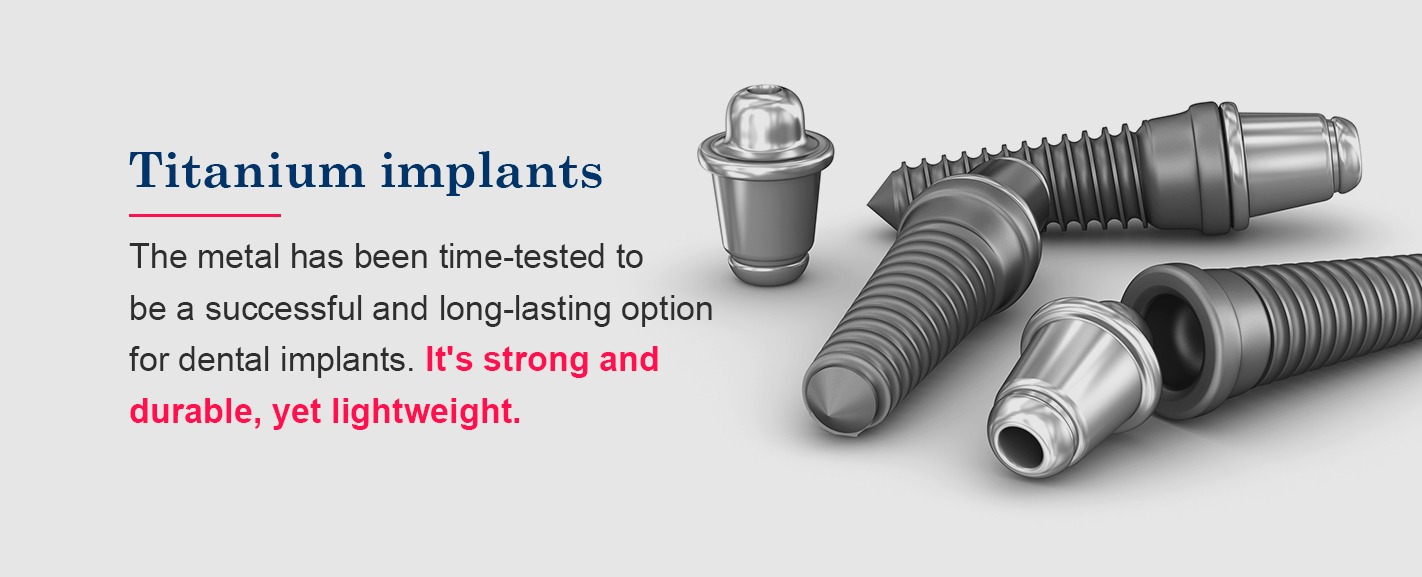
Title: Advantages of Titanium Implants over Other Materials
When it comes to dental implants, titanium stands out as a remarkable choice due to its unique advantages over other materials. Titanium implants offer unmatched durability, biocompatibility, and a success rate that's hard to beat. These qualities make them a preferred option for countless individuals seeking to regain their smile and confidence.
One of the standout features of titanium implants is their incredible strength and resilience. Unlike other materials that may corrode or weaken over time, titanium implants are highly resistant to corrosion, ensuring that they can withstand the rigors of everyday life for years to come. This durability means you can enjoy your favorite foods without worrying about damaging your implants.
Biocompatibility is another key advantage of titanium implants. This means that titanium is well-tolerated by the human body, reducing the risk of allergic reactions or rejection. When a titanium implant is placed in the jawbone, it fuses with the surrounding bone tissue through a process known as osseointegration. This provides a stable and long-lasting foundation for your dental prosthetic, ensuring it feels and functions just like a natural tooth.
The success rate of titanium implants is truly impressive. Studies have shown that they boast a success rate of over 95%, making them one of the most reliable options available. This high success rate is a testament to the effectiveness of titanium as a dental implant material. It gives patients peace of mind, knowing that their investment in dental implants is likely to be a long-term solution.
In addition to their strength, biocompatibility, and high success rate, titanium implants are incredibly versatile. They can be used for single-tooth replacements, multiple-tooth bridges, and even to secure full arches of dentures. This versatility ensures that regardless of your specific dental needs, titanium implants can be tailored to provide a personalized and effective solution.
The advantages of titanium implants extend beyond their physical properties. Their presence can significantly boost your self-confidence and quality of life. By restoring your smile and allowing you to eat, speak, and laugh with confidence, titanium implants can have a profound impact on your overall well-being. So, if you're considering dental implants, the numerous benefits of titanium make them a compelling choice.
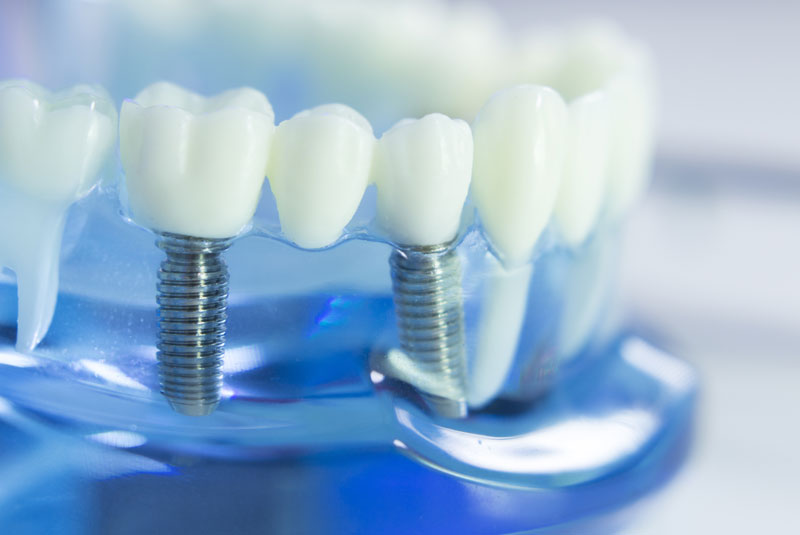
Title: Types of Titanium Implants
Titanium implants come in various types, each designed to address specific dental needs and situations. Understanding the different types of titanium implants can help you make an informed decision about which one is right for you. Here, we'll explore some common types of titanium implants and their unique applications.
-
Endosteal Implants: These are the most common type of titanium implants and are often used when replacing a single tooth or a few teeth. Endosteal implants are surgically placed directly into the jawbone, providing a strong foundation for individual crowns, bridges, or dentures. They offer stability and natural function, making them a popular choice for many patients.
-
Subperiosteal Implants: Subperiosteal implants are placed on top of the jawbone but underneath the gum tissue. They are an excellent option for individuals who may not have enough bone density to support traditional endosteal implants. Subperiosteal implants are custom-made to fit the specific shape of a patient's jawbone, ensuring a secure and comfortable fit.
-
Zygomatic Implants: When patients have experienced significant bone loss in the upper jaw, traditional implants may not be a viable option. Zygomatic implants, also made from titanium, are anchored in the cheekbone (zygoma) rather than the jawbone. This innovative approach allows patients with severe bone loss to enjoy the benefits of dental implants.
-
All-on-4 Implants: All-on-4 implants are a revolutionary solution for those needing full arch dental rehabilitation. This technique involves placing four titanium implants strategically in the jawbone to support a complete set of fixed teeth. All-on-4 implants offer a quick and efficient way to restore an entire smile, often with reduced healing time.
-
Mini Implants: Mini implants are smaller in diameter than standard implants and are often used for stabilizing dentures. They are a minimally invasive option, making them suitable for patients who may not want or be eligible for larger implants. Mini implants can greatly improve the stability and comfort of removable dentures.
-
Immediate Load Implants: Immediate load implants, also known as same-day implants, allow for the attachment of a dental restoration shortly after implant placement. This can be an attractive option for individuals looking to minimize the time between implant surgery and the final restoration, making it possible to leave the dental office with a new smile on the same day.
Choosing the right type of titanium implant depends on your specific dental condition, bone health, and treatment goals. Your dentist will conduct a thorough evaluation to determine the most suitable implant type for your individual needs, ensuring you achieve the best possible results.
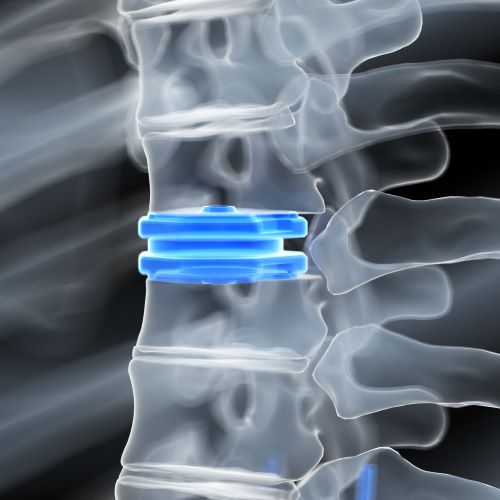
Title: The Titanium Implant Procedure
The process of getting titanium implants is a well-established and meticulously planned procedure. It involves several steps, from the initial consultation to the final restoration, to ensure the best outcome for patients seeking to enhance their smiles and regain their confidence. Let's delve into the titanium implant procedure in detail.
-
Initial Consultation: Your journey with titanium implants begins with a consultation with a qualified dentist or oral surgeon. During this appointment, your oral health will be assessed, and the dentist will discuss your treatment options. X-rays and 3D scans may be taken to evaluate the condition of your jawbone and identify the ideal implant placement locations.
-
Treatment Planning: Based on the assessment, your dentist will create a customized treatment plan tailored to your specific needs. This plan will outline the type of titanium implant(s) required, the number of implants, and the proposed treatment timeline. You'll also have the opportunity to ask any questions and address concerns.
-
Implant Placement: The next step involves the surgical placement of the titanium implant(s) into your jawbone. This is typically performed under local anesthesia to ensure your comfort during the procedure. The dentist will make small incisions in the gum tissue to access the bone, then carefully position the implant(s) in the predetermined locations.
-
Osseointegration: After implant placement, a crucial phase begins: osseointegration. This is the process in which the titanium implant fuses with the surrounding bone tissue. It may take several months for complete osseointegration to occur, during which time you will have temporary prosthetic teeth if needed.
-
Abutment Placement: Once osseointegration is successfully completed, a small connector piece called an abutment is attached to the implant. The abutment serves as the foundation for the final restoration, such as a crown, bridge, or denture. Impressions of your mouth are taken to ensure a precise fit.
-
Final Restoration: With the abutment in place, your dentist will create or place the final restoration. This step is highly customized to match the color, shape, and size of your natural teeth, ensuring a seamless and aesthetically pleasing result. Your new dental prosthetic will be securely attached to the abutment.
-
Follow-up and Aftercare: After completing the titanium implant procedure, your dentist will schedule follow-up appointments to monitor your progress and address any concerns. Proper aftercare and maintenance, including regular dental check-ups and good oral hygiene practices, are crucial to the long-term success of your implants.
It's important to note that while the titanium implant procedure involves multiple steps, the benefits far outweigh the temporary inconvenience. The result is a restored smile that looks, feels, and functions just like natural teeth, providing you with renewed confidence and a higher quality of life.
.jpg)
Title: Preparing for Titanium Implant Surgery
Preparing for titanium implant surgery is a critical part of the process, as proper preparation can contribute to the success of the procedure and a smoother recovery. Whether you're getting a single implant or a full arch restoration, here are some key steps to ensure you're ready for your upcoming titanium implant surgery.
-
Consultation and Treatment Plan Review: Before surgery, you'll have a consultation with your dental professional to discuss the treatment plan and address any questions or concerns you may have. Be sure to communicate your medical history, including any medications you're taking and any existing health conditions.
-
X-rays and 3D Scans: Your dentist will likely perform X-rays and 3D scans of your mouth to assess the condition of your jawbone and plan the precise placement of the titanium implant(s). These images are essential for a successful surgery.
-
Medications: Your dentist may prescribe antibiotics to reduce the risk of infection and pain medications to manage post-operative discomfort. It's important to follow the medication instructions provided and inform your dentist of any allergies or adverse reactions to medications.
-
Dietary Preparations: In the days leading up to your surgery, it's advisable to consume a balanced diet rich in vitamins and minerals to support your body's healing process. Avoid excessive alcohol consumption and tobacco use, as they can negatively impact healing.
-
Hygiene: Maintaining good oral hygiene is crucial. Your dentist may recommend a special antimicrobial mouthwash to reduce the risk of infection. Brush and floss your teeth as instructed, and avoid eating or drinking anything for several hours before the surgery, as directed by your dental team.
-
Transportation and Support: Arrange for transportation to and from the dental office on the day of surgery, as you may not be fit to drive immediately afterward. Having a friend or family member accompany you can provide emotional support and assistance.
-
Comfort: Wear comfortable clothing on the day of surgery, as you want to be at ease during the procedure and recovery. Bring any items that will help you relax, such as headphones and a playlist or a book to read.
-
Post-Operative Care: Discuss post-operative care instructions with your dentist ahead of time. This may include guidelines for managing pain, swelling, and any dietary restrictions in the days following surgery.
-
Recovery Space: Prepare a comfortable space at home where you can rest and recover after surgery. Stock up on soft foods, like yogurt, soup, and mashed potatoes, which are easier to eat during the initial healing period.
By taking these preparatory steps, you can help ensure a successful titanium implant surgery and a more comfortable recovery process. Your dental team will guide you through each stage of preparation to make the experience as smooth as possible.
Title: Recovery and Aftercare for Titanium Implants
After undergoing titanium implant surgery, proper recovery and aftercare are essential to ensure the long-term success of your implants and minimize any potential complications. Let's explore the key aspects of recovery and how to care for your titanium implants during the healing process.
-
Immediate Post-Surgery Care: After the surgery, it's normal to experience some swelling, discomfort, and possibly minor bleeding. Your dentist will provide specific post-operative instructions, including how to manage these symptoms. You may be prescribed pain medications to help with any discomfort.
-
Dietary Guidelines: During the initial healing phase, it's crucial to stick to a soft diet to avoid putting excess pressure on the surgical site. This can include foods like mashed potatoes, yogurt, smoothies, and soups. Avoid hard, crunchy, or spicy foods that could irritate the surgical area.
-
Oral Hygiene: Good oral hygiene is paramount during the recovery period. Your dentist may recommend a gentle, non-alcoholic mouthwash for rinsing, along with a soft-bristle toothbrush to clean your teeth and the surgical area. Be gentle to avoid disrupting the healing process.
-
Swelling and Bruising: Swelling and bruising are common after surgery. Applying a cold pack to the outside of your cheek for the first 24 hours can help reduce swelling. Bruising should subside on its own within a few days.
-
Medication and Follow-Up: Take any prescribed medications as directed, including antibiotics if prescribed to prevent infection. Attend all follow-up appointments with your dentist to monitor your progress and ensure proper healing.
-
Physical Activity: Avoid strenuous physical activity and heavy lifting for a few days following surgery. Rest and gentle activities like walking can promote healing.
-
Smoking and Alcohol: It's crucial to avoid smoking and alcohol during the recovery period, as they can hinder the healing process and increase the risk of complications.
-
Nutrition and Hydration: Maintain a well-balanced diet and stay hydrated to support your body's healing efforts. Adequate nutrition is essential for tissue repair and overall recovery.
-
Stitches Removal: If you have sutures (stitches), your dentist will inform you when they need to be removed. This typically occurs within a week to ten days after surgery.
-
Long-Term Oral Care: Once you've fully healed, continue to practice excellent oral hygiene. Regular dental check-ups and professional cleanings are crucial to the ongoing health of your implants and natural teeth.
The timeline for recovery can vary from person to person, but most patients can expect the initial healing phase to take a few weeks. Complete osseointegration, where the implant fully integrates with the jawbone, can take several months. Throughout the recovery process, it's essential to follow your dentist's guidance to ensure your titanium implants remain healthy and functional for years to come.
Title: Common Concerns and Complications with Titanium Implants
While titanium implants are a highly successful and reliable dental restoration option, like any medical procedure, they can come with certain concerns and potential complications. Being informed about these issues can help you make informed decisions and ensure prompt attention if any problems arise.
-
Infection: Infection is a potential risk with any surgical procedure, including titanium implant placement. Signs of infection may include persistent pain, swelling, redness, and discharge from the surgical site. Promptly reporting any of these symptoms to your dentist is crucial to prevent the infection from spreading.
-
Implant Failure: Though rare, implant failure can occur. This may happen if the implant does not successfully integrate with the jawbone during osseointegration. Implant failure can sometimes be attributed to factors such as smoking, poor oral hygiene, or underlying health conditions.
-
Nerve or Tissue Damage: During implant surgery, there is a slight risk of damage to nearby nerves or tissues. This can result in temporary numbness or tingling in the face, lips, or tongue. While such issues are typically temporary, they should be reported to your dentist for evaluation.
-
Bone Loss: In some cases, particularly if there was pre-existing bone loss, further bone loss can occur around the implant. This is a condition known as peri-implantitis. Regular check-ups and excellent oral hygiene can help prevent this complication.
-
Allergic Reactions: While titanium is highly biocompatible, some individuals may have an allergic reaction to the metal. Symptoms can include itching, rash, or discomfort in the implant area. If you suspect an allergic reaction, consult your dentist promptly.
-
Loose Implants: Implants can become loose if the supporting bone weakens due to factors such as poor oral hygiene, smoking, or bruxism (teeth grinding). Loose implants may require additional treatment or even removal and replacement.
-
Sinus Issues (Upper Implants): When placing implants in the upper jaw, especially in the back, there's a slight risk of encroaching on the sinus cavity. This can lead to sinus issues, such as sinusitis or sinus infections. Careful placement and post-operative care can mitigate this risk.
It's important to remember that while these concerns and complications are possible, they are relatively rare, especially when patients follow their dentist's instructions for care and maintenance. Regular dental check-ups and diligent oral hygiene practices are key to preventing many of these issues.
If you experience any unusual symptoms or concerns related to your titanium implants, don't hesitate to contact your dentist promptly. Early detection and intervention can often prevent more serious complications and help ensure the long-term success of your implants.
Title: Maintaining and Caring for Titanium Implants
Proper maintenance and care are essential for preserving the health and longevity of your titanium implants. By following a few simple guidelines, you can ensure that your implants continue to function optimally, allowing you to enjoy a beautiful and confident smile for years to come.
-
Oral Hygiene: Maintaining excellent oral hygiene is crucial. Brush your teeth and implants gently at least twice a day with a soft-bristle toothbrush and fluoride toothpaste. Pay special attention to the area around the implant and along the gumline to remove plaque and food particles.
-
Flossing: Regular flossing is essential to clean between teeth and implants where a toothbrush may not reach. Use floss or interdental brushes to clean these areas, taking care not to damage the gum tissue around the implant.
-
Mouthwash: An antimicrobial, non-alcoholic mouthwash can help reduce the risk of infection and maintain oral health. Ask your dentist for recommendations on suitable products.
-
Regular Dental Check-ups: Attend scheduled dental check-ups and cleanings as advised by your dentist. These appointments allow your dental professional to monitor the health of your implants and address any issues promptly.
-
Avoid Hard Foods and Habits: Refrain from chewing on hard items such as ice, pens, or fingernails, as this can damage your natural teeth and implants. Additionally, avoid habits like teeth grinding (bruxism) that can exert excessive force on the implants.
-
Tobacco and Alcohol: If you smoke, consider quitting, as smoking can increase the risk of implant complications. Limit alcohol consumption, as excessive alcohol can negatively impact oral health.
-
Protect Your Implants: If you participate in contact sports or activities that could pose a risk of trauma to your mouth, wear a mouthguard to protect your implants and natural teeth from injury.
-
Healthy Diet: Maintain a balanced diet rich in fruits, vegetables, lean proteins, and calcium to support overall oral health and bone density.
-
Stay Hydrated: Drinking plenty of water helps maintain a moist oral environment and supports saliva production, which plays a role in oral health.
-
Know Your Implants: Keep records of your implant information, including the type, location, and date of placement. This can be valuable for future reference and in case of emergencies.
By diligently following these maintenance and care guidelines, you can significantly reduce the risk of complications and ensure the long-term success of your titanium implants. Remember that regular communication with your dentist is essential to address any concerns and receive professional guidance on caring for your implants.
.jpg)
Title: Cost Considerations for Titanium Implants
Understanding the cost factors associated with titanium implants is crucial for individuals considering this dental restoration option. While titanium implants offer numerous benefits, it's essential to be aware of the financial aspects involved in the process. Let's explore the key cost considerations for titanium implants.
-
Number of Implants: The cost of titanium implants is often calculated on a per-implant basis. The total cost will depend on how many implants you require to address your specific dental needs. Single-tooth replacements will be less expensive than multiple-tooth or full-arch restorations.
-
Type of Implants: The type of titanium implants you choose can impact the overall cost. For example, standard endosteal implants may be less expensive than more complex options like zygomatic implants or All-on-4 implants.
-
Surgical and Prosthetic Costs: The overall cost includes both the surgical placement of the implant(s) and the creation of the prosthetic restoration (crown, bridge, or denture). Be sure to obtain a breakdown of these costs from your dental provider.
-
Diagnostic and Imaging Expenses: X-rays, 3D scans, and diagnostic procedures are essential for treatment planning and implant placement. These costs are typically included in the overall treatment cost.
-
Preparatory Procedures: In some cases, patients may require preparatory procedures, such as bone grafting or sinus lifts, to ensure there is sufficient bone for implant placement. These additional procedures can impact the overall cost.
-
Geographic Location: The cost of dental services, including titanium implant procedures, can vary by geographic location. Dental costs tend to be higher in urban areas and regions with a high cost of living.
-
Dental Professional's Experience: The experience and expertise of the dental professional performing the implant procedure can influence the cost. Highly experienced professionals may charge more for their services.
-
Materials Used: The quality of materials used in the prosthetic restoration, such as the crown or denture, can affect the cost. High-quality materials may be more expensive but can offer greater longevity and aesthetics.
-
Insurance Coverage: Dental insurance coverage varies widely, and not all plans cover the full cost of titanium implants. Check with your insurance provider to understand your coverage and any out-of-pocket expenses.
-
Financing Options: Many dental providers offer financing options to help patients manage the cost of titanium implants over time. Explore these options and discuss payment plans with your dentist.
It's important to obtain a detailed treatment plan and cost estimate from your dental provider before proceeding with titanium implant surgery. This will allow you to budget accordingly and make an informed decision about your dental restoration.
While titanium implants may have an upfront cost, many patients find that the long-term benefits, including improved oral health, confidence, and quality of life, make them a worthwhile investment. Be sure to discuss your financial concerns and options with your dental provider to make the best choice for your individual situation.
Title: Conclusion: Why Titanium Implants Are a Great Option for Enhancing Your Smile and Restoring Confidence
In conclusion, titanium implants offer a plethora of advantages that make them an outstanding choice for individuals seeking to enhance their smiles and restore their confidence. These remarkable dental restorations excel in terms of durability, biocompatibility, and success rates, setting them apart from other materials.
The strength and resilience of titanium implants ensure they can withstand the demands of everyday life, allowing you to enjoy your favorite foods and activities without worry. Their biocompatibility means they are well-tolerated by the body, promoting a high success rate and minimizing the risk of complications.
Furthermore, titanium implants come in various types to suit different dental needs, from single-tooth replacements to full arch restorations. This versatility allows for personalized solutions that cater to your unique situation.
The titanium implant procedure, though multi-step, is a well-established and highly effective process. From the initial consultation to the final restoration, the journey is meticulously planned to ensure optimal results. Proper preparation, attentive aftercare, and regular maintenance are key components of a successful implant experience.
While concerns and complications are possible, they are relatively rare and can often be mitigated with proactive care and regular check-ups. By following your dentist's guidance and maintaining excellent oral hygiene, you can minimize these risks.
Cost considerations are an important aspect of the decision-making process, but many patients find that the long-term benefits of titanium implants outweigh the initial investment. Financing options and insurance coverage can help make this dental restoration option accessible to a wider range of individuals.
In the end, titanium implants have the power to transform not only your smile but also your self-confidence and quality of life. The ability to eat, speak, and laugh with confidence is a priceless benefit that titanium implants can provide. If you're considering dental implants, the numerous advantages of titanium make them a compelling and reliable choice for enhancing your smile and restoring your confidence.
.jpg)
FAQ 1: Are YICHOU Titanium Implants Safe and Biocompatible?
Keywords: YICHOU Titanium Implants, Safety, Biocompatibility
Absolutely, YICHOU Titanium Implants are engineered with the highest standards of safety and biocompatibility. We use medical-grade titanium, a material known for its excellent biocompatibility, ensuring that our implants are well-tolerated by the body. Additionally, our manufacturing processes and quality control measures prioritize patient safety, making YICHOU Titanium Implants a reliable choice for dental restoration.
FAQ 2: What Makes YICHOU Titanium Implants Stand Out in Terms of Durability?
Keywords: YICHOU Titanium Implants, Durability
YICHOU Titanium Implants are renowned for their exceptional durability. Our implants are crafted to withstand the rigors of daily life, thanks to the corrosion-resistant properties of titanium. This resilience ensures that you can enjoy your implants for many years, making YICHOU a trusted name in the industry for long-lasting dental solutions.
FAQ 3: How Does YICHOU Ensure the Success of Titanium Implant Procedures?
Keywords: YICHOU Titanium Implants, Implant Success
The success of titanium implant procedures is a priority at YICHOU. We employ cutting-edge technology and adhere to strict quality control protocols throughout the manufacturing process. Our implants are designed for optimal osseointegration, ensuring a stable and secure foundation for your dental restoration. With a success rate exceeding industry standards, you can trust YICHOU for a successful implant experience.
FAQ 4: Does YICHOU Offer Different Types of Titanium Implants to Suit Individual Needs?
Keywords: YICHOU Titanium Implants, Types of Implants
Yes, YICHOU offers a variety of titanium implant types to cater to individual dental needs. Whether you require single-tooth replacements, full arch restorations, or specialized options like zygomatic implants, our product range is designed to provide personalized solutions. Our experienced team can help you determine the most suitable implant type based on your specific requirements.
FAQ 5: What Sets YICHOU Apart in Terms of Quality Assurance and Cost-Effectiveness?
Keywords: YICHOU Titanium Implants, Quality Assurance, Cost-Effectiveness
YICHOU is committed to both quality assurance and cost-effectiveness. We invest in state-of-the-art manufacturing processes and rigorous quality checks to ensure that every implant meets our high standards. Moreover, our competitive pricing makes YICHOU Titanium Implants an accessible option for patients seeking top-quality dental restorations. We believe in delivering exceptional value without compromising on quality.
GET QUOTE
- Visit our website: https://www.nbyichou.com/
- Email us: [email protected]
- Call us/whatsapp: +86 13355741031
- Chat with us: Live chat support available on our website