Looking to unlock the power of precision? Look no further than the best CNC machine shop near you. With their cutting-edge technology and expert craftsmanship, they can turn your ideas into reality with unmatched precision and accuracy. Whether you're in need of custom parts, prototypes, or intricate designs, a CNC machine shop can deliver the highest quality results. Finding the perfect CNC machine shop for your needs might seem like a daunting task, but with the right guidance, it can be a seamless process. By narrowing down your search to the best CNC machine shop near you, you can ensure convenience and timely delivery. Don't compromise on the quality of your projects - choose a CNC machine shop that prioritizes customer satisfaction and has a track record of delivering exceptional results. Discover the power of precision with the best CNC machine shop near you. From machining to assembly, they offer a range of services that cater to various industries. Prepare to be amazed by the level of detail and craftsmanship that can be achieved through CNC machining. Unlock your potential and elevate your projects by partnering with the best CNC machine shop near you. Experience the difference that precision and expertise can make in your projects and take them to new heights.
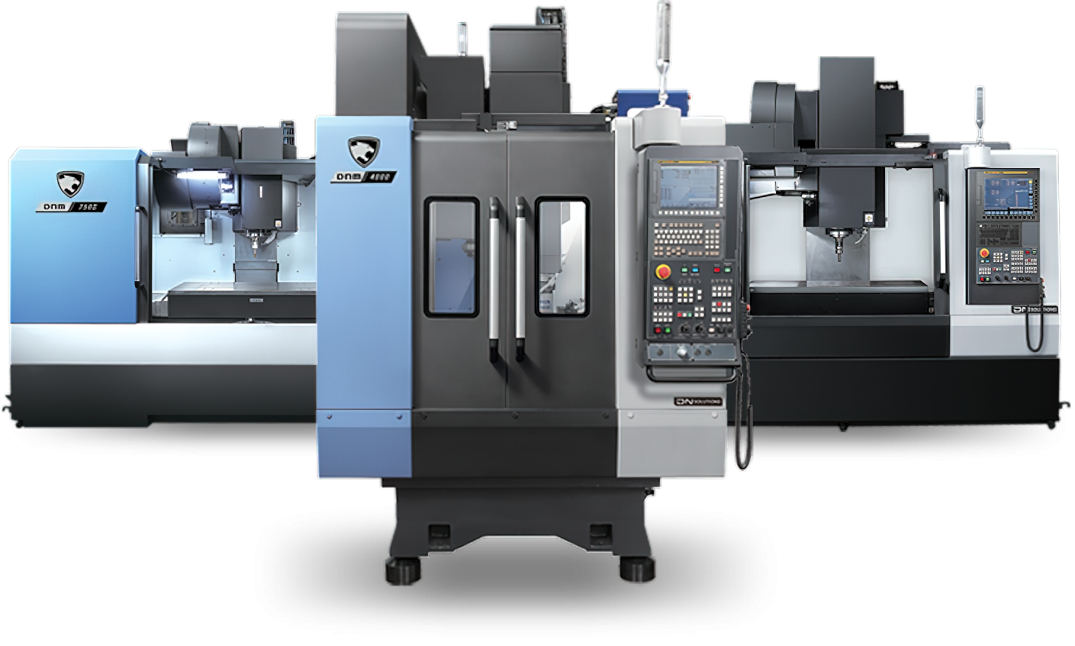
CNC (Computer Numerical Control) machining has revolutionized the manufacturing industry with its precision and efficiency. One of its key advantages is unparalleled accuracy. CNC machines can produce parts with tolerances as tight as a few microns, ensuring consistency and quality in every piece. This precision is invaluable in industries where even the slightest deviation can lead to product failure or compromised safety. Moreover, CNC machining eliminates the margin for human error, reducing defects and waste. Manufacturers can trust CNC technology to consistently deliver high-quality components, boosting their reputation and customer satisfaction.
Another significant advantage of CNC machining is versatility. These machines can work with a wide range of materials, from metals like aluminum and steel to plastics and composites. This flexibility makes CNC machining suitable for various industries, including aerospace, automotive, medical, and electronics. Whether you're producing intricate aerospace components or simple consumer goods, CNC machining can adapt to your needs, ensuring efficient and cost-effective manufacturing processes.
Efficiency and speed are also noteworthy advantages of CNC machining. Once programmed, CNC machines can operate 24/7, significantly reducing production time compared to manual methods. They can perform complex operations in a matter of minutes, increasing productivity and meeting tight deadlines. In today's fast-paced business environment, the ability to deliver products quickly can be a game-changer, giving you a competitive edge in the market.
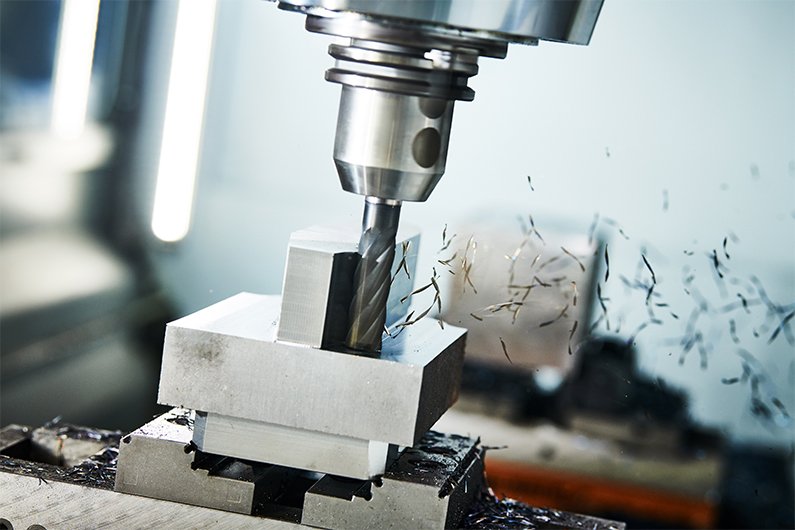
Common Applications of CNC Machine Shop Near Me
The versatility of CNC machining lends itself to a myriad of applications across various industries. In aerospace, CNC machines are used to manufacture critical components like engine parts, aircraft frames, and landing gear. The precision and reliability of CNC machining ensure the structural integrity and safety of these components, meeting the stringent requirements of the aerospace sector.
In the automotive industry, CNC machining plays a pivotal role in producing engine components, transmission parts, and chassis elements. The ability to create intricate and complex geometries with precision makes CNC machining indispensable in enhancing vehicle performance and fuel efficiency.
CNC machining is also prevalent in the medical field, where it is utilized to create precision instruments, implants, and prosthetics. The biocompatibility of materials used in CNC machining ensures the safety of medical devices within the human body. Additionally, the accuracy of CNC technology aids in the creation of custom-fit implants, reducing patient discomfort and recovery time.
In the electronics industry, CNC machining is used to produce printed circuit boards (PCBs) and electronic enclosures. The intricate patterns and precise holes required for PCBs are effortlessly achieved through CNC technology, ensuring the functionality of electronic devices.
Beyond these industries, CNC machining finds applications in manufacturing consumer goods, architectural components, and even art and jewelry. Its ability to cater to a wide spectrum of products underscores its versatility and importance in modern production processes.
Understanding the Different Types of CNC Machine Shop Near Me
CNC machining encompasses a variety of machines, each tailored to specific tasks and materials. Understanding the different types of CNC machines is crucial for selecting the right one for your manufacturing needs.
-
CNC Milling Machines: These machines use rotary cutting tools to remove material from a workpiece. CNC milling machines are versatile and can create complex shapes and patterns on materials such as metals, plastics, and wood. They come in various configurations, including vertical and horizontal mills, each suited to specific applications.
-
CNC Turning Machines: Ideal for creating cylindrical parts, CNC turning machines rotate a workpiece while a cutting tool removes material to achieve the desired shape. They are commonly used for producing components like shafts, bolts, and bushings.
-
CNC Laser Cutting Machines: Laser cutting machines use a high-powered laser to cut through materials with precision. They are often employed for intricate and detailed cuts on materials such as metal, plastic, and fabric. CNC laser cutting is widely used in industries like aerospace, automotive, and signage.
-
CNC Plasma Cutting Machines: Similar to laser cutting, plasma cutting machines use ionized gas to cut through materials like metal. They are favored for their speed and are often used for heavy-duty applications, including industrial manufacturing and construction.
-
CNC Waterjet Cutting Machines: Waterjet cutting machines use a high-pressure stream of water mixed with abrasive particles to cut through materials. They are suitable for cutting a wide range of materials, including metals, ceramics, and composites. Waterjet cutting is known for its ability to create intricate designs without heat-affected zones.
-
CNC Electrical Discharge Machines (EDM): EDM machines use electrical discharges to erode materials, making them ideal for cutting hardened tool steel and other conductive materials. They are commonly used in tool and die making, as well as mold manufacturing.
-
CNC Router Machines: CNC routers are versatile machines that use cutting tools to hollow out or engrave materials like wood, plastic, and foam. They find applications in woodworking, signage, and prototyping.
Choosing the right type of CNC machine depends on your specific manufacturing requirements, material compatibility, and desired outcomes. Each machine has its strengths and limitations, so it's essential to evaluate your needs carefully.
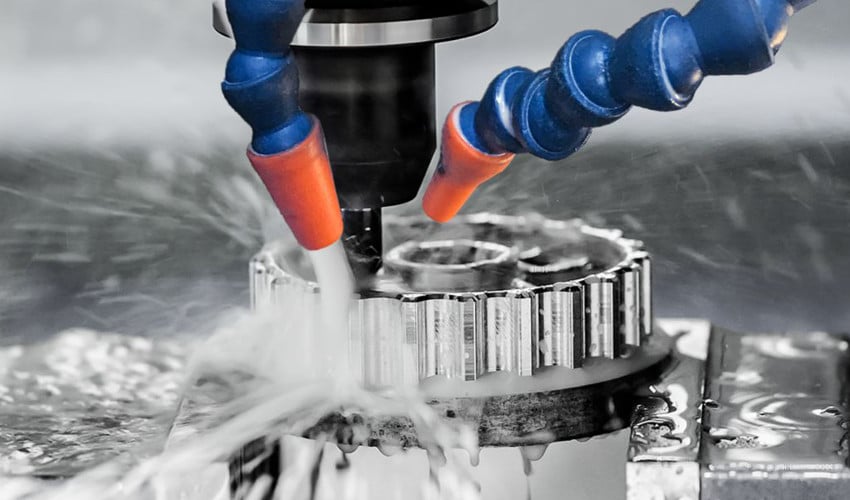
Factors to Consider When Choosing a CNC Machine Shop Near Me
Selecting the right CNC machine shop is a critical decision that can significantly impact your project's success. To ensure you make an informed choice, consider the following factors:
-
Expertise and Experience: Look for a CNC machine shop with a track record of success in your industry or with similar projects. Experienced shops are more likely to understand your specific needs and deliver high-quality results.
-
Capabilities and Equipment: Assess the shop's CNC machines and equipment. Ensure they have the necessary machinery to handle your project's size, complexity, and material requirements.
-
Quality Control Processes: Inquire about the shop's quality control procedures. A reputable shop should have rigorous quality checks in place to ensure the precision and accuracy of the produced parts.
-
Materials Expertise: If your project involves specific materials, such as exotic alloys or plastics, verify that the shop has experience working with those materials. Material expertise is crucial for achieving the desired results.
-
Lead Times: Determine the shop's lead times and production capacity. Timely delivery is essential, so choose a shop that can meet your project's timeline without compromising quality.
-
Cost and Pricing Transparency: Request detailed quotes and ensure that pricing is transparent. Be cautious of shops that provide significantly lower quotes, as this may indicate subpar quality or hidden costs.
-
Communication and Collaboration: Effective communication is key to a successful project. Choose a shop that is responsive and willing to collaborate throughout the manufacturing process.
-
References and Reviews: Check for references and read reviews from previous clients. Feedback from other customers can provide valuable insights into the shop's performance and reliability.
-
Location: Consider the shop's location in relation to your business. Proximity can be advantageous for ease of communication, shipping costs, and logistics.
-
Certifications and Compliance: Ensure the shop adheres to industry standards and certifications relevant to your project, such as ISO certifications for quality management.
By carefully evaluating these factors, you can make an informed decision when choosing a CNC machine shop that aligns with your project's goals and requirements.
.jpg)
How to Find the Best CNC Machine Shop Near Me
Locating the best CNC machine shop near you requires a strategic approach to ensure you receive top-notch service and quality. Here are some steps to help you find the right shop:
-
Online Research: Start your search by using online resources. Search engines, business directories, and manufacturing forums can provide a list of CNC machine shops in your area.
-
Industry Associations: Check with industry-specific associations or trade organizations. They often maintain directories of reputable CNC machine shops that specialize in your sector.
-
Networking: Leverage your professional network to seek recommendations. Colleagues, suppliers, or industry contacts may have valuable insights or referrals.
-
Trade Shows and Events: Attend trade shows, exhibitions, and local manufacturing events. These gatherings are excellent opportunities to meet CNC machine shop representatives and see their capabilities firsthand.
-
Online Reviews: Read reviews and testimonials from previous clients. Online platforms, such as Google My Business and Yelp, can provide insights into the experiences of other customers.
-
Visit the Shops: If possible, visit the CNC machine shops you're considering. This allows you to assess their facilities, equipment, and overall professionalism.
-
Request Quotes: Contact multiple CNC machine shops to request quotes for your project. This not only helps you compare prices but also gives you an opportunity to gauge their responsiveness and willingness to work with you.
-
Check Certifications: Inquire about the shop's certifications and quality control processes. Certifications like ISO 9001 indicate a commitment to quality and consistency.
-
Ask for References: Don't hesitate to ask for references from previous clients. Speaking with these references can provide valuable insights into the shop's performance and reliability.
-
Consider Specialization: Some CNC machine shops specialize in certain industries or types of projects. Ensure that the shop you choose has expertise relevant to your needs.
-
Evaluate Communication: Pay attention to the shop's communication style and responsiveness. Effective communication is crucial for a successful collaboration.
-
Visit Online Portfolios: Many CNC machine shops showcase their work through online portfolios. Reviewing these portfolios can give you a sense of their capabilities and the quality of their work.
By following these steps and conducting thorough research, you can identify the best CNC machine shop near you that aligns with your project requirements and expectations.
Questions to Ask When Evaluating a CNC Machine Shop
When evaluating CNC machine shops for your project, asking the right questions is essential to make an informed decision. Here are some key questions to consider:
-
What materials do you specialize in working with, and have you worked with materials similar to those in my project?
-
What types of CNC machines do you have, and which ones are suitable for my project's requirements?
-
Can you provide references from clients who had similar projects?
-
Do you have any certifications or quality control processes in place to ensure precision and consistency in your work?
-
What is your typical lead time for projects like mine, and can you accommodate any specific deadlines I have?
-
How do you handle design modifications or revisions during the manufacturing process?
-
What is your approach to quality assurance, and how do you ensure the parts meet the required tolerances and specifications?
-
What is your pricing structure, and are there any potential additional costs I should be aware of?
-
Can you provide a detailed project timeline, including key milestones and delivery dates?
-
How do you handle shipping and logistics, and can you provide options for expedited delivery if needed?
-
What is your communication process throughout the project, and who will be my main point of contact?
-
Can you accommodate small prototype runs or high-volume production, depending on my project's needs?
-
Do you offer design assistance or engineering support to optimize my project for CNC machining?
-
Are you willing to sign non-disclosure agreements (NDAs) to protect my project's confidentiality?
-
How do you handle any potential issues or defects in the parts produced, and what is your process for addressing them?
Asking these questions allows you to gather essential information and assess the suitability of a CNC machine shop for your specific project. It also helps establish clear expectations and a productive working relationship.
.jpg)
The Importance of Precision in CNC Machining
Precision is the cornerstone of CNC machining, and its significance cannot be overstated. In manufacturing, precision refers to the ability to consistently produce parts that adhere to tight tolerances and specifications. Here's why precision is paramount in CNC machining:
-
Product Quality: Precision ensures that every part manufactured meets the desired specifications. This is especially critical in industries like aerospace, medical, and automotive, where safety and performance standards are rigorous. Any deviation from precision can lead to product failure, costly recalls, or compromised safety.
-
Cost Reduction: Achieving precision minimizes the need for rework or scrap parts, reducing production costs. When parts are consistently accurate, there is less waste, fewer rejects, and improved overall efficiency.
-
Interchangeability: Precision in CNC machining ensures that parts are interchangeable. In industries like automotive, this means that components like engine parts or brake components can be replaced without compatibility issues.
-
Consistency: Precision enables the production of consistent, repeatable results. Whether you're manufacturing a single prototype or thousands of identical parts, CNC machining can deliver the same level of accuracy every time.
-
Customization: Precision is essential for custom manufacturing. CNC machines can produce highly tailored components, whether it's a unique medical implant or a customized aerospace part, while still meeting strict quality standards.
-
Reduced Assembly Time: Precisely machined parts require less time and effort during assembly. When components fit perfectly, assembly becomes more efficient, reducing labor costs and time-to-market.
-
Competitive Advantage: Companies that prioritize precision gain a competitive edge in their respective industries. High-precision parts are often associated with superior quality, which can enhance a company's reputation and attract more customers.
-
Longevity: Precision-engineered parts tend to have a longer lifespan and better durability. This is critical in applications where components are subjected to harsh conditions or extensive wear and tear.
To achieve precision in CNC machining, several factors come into play, including machine calibration, tool selection, programming accuracy, and material handling. It's essential to work with a CNC machine shop that places a strong emphasis on precision and quality control to ensure your project's success.
Tips for Optimizing CNC Machining Processes
Optimizing CNC machining processes is essential for achieving efficiency, reducing costs, and ensuring high-quality results. Here are some tips to help you get the most out of CNC machining:
-
Design for CNC Machining: Consider CNC machining constraints during the design phase. Minimize complex geometries, sharp corners, and internal radii that are difficult to machine. Design parts with ease of machining in mind to reduce production time and costs.
-
Select the Right Material: Choose materials that are suitable for CNC machining and your project's requirements. Different materials have varying machinability characteristics, so consult with experts to make the best selection.
-
Optimize Toolpath: Efficient toolpath programming can significantly impact machining time and tool longevity. Use CAM (Computer-Aided Manufacturing) software to generate optimal toolpaths that reduce unnecessary movements and tool changes.
-
Tool Selection and Maintenance: Use high-quality cutting tools appropriate for your material. Regularly inspect and maintain tools to ensure they are in optimal condition, as dull or damaged tools can result in poor quality and extended machining times.
-
Fixture Design: Develop effective workholding fixtures to secure the workpiece during machining. Proper fixtures improve stability, reduce vibrations, and enhance accuracy.
-
Reduce Setup Time: Minimize setup time by using modular fixturing and standardized tooling. Efficient setup procedures can significantly increase productivity.
-
Monitor and Control Temperature: Temperature fluctuations can affect machining accuracy. Maintain a stable temperature in the machining area to prevent thermal expansion or contraction of the workpiece and machine components.
-
Quality Control: Implement robust quality control processes, including in-process inspections and final quality checks. Detecting and addressing issues early in the production process
.jpg)
In conclusion, CNC machining stands as a cornerstone of modern manufacturing, offering a multitude of advantages that are essential for industries across the spectrum. Its unparalleled precision ensures the production of high-quality components with tight tolerances, setting a gold standard for safety and reliability. The versatility of CNC machines enables them to craft parts from an array of materials, making them indispensable in sectors as diverse as aerospace, automotive, medical, electronics, and more.
Understanding the various types of CNC machines empowers manufacturers to select the most suitable equipment for their specific needs. Whether it's CNC milling, turning, laser cutting, plasma cutting, or other specialized methods, the right choice can significantly impact project outcomes.
When it comes to selecting a CNC machine shop, careful consideration of factors like expertise, equipment, quality control, and communication is paramount. A well-informed choice can lead to a productive partnership that yields exceptional results.
Finding the best CNC machine shop near you necessitates a strategic approach, including online research, networking, and thorough vetting. By following a structured process, you can identify a shop that aligns perfectly with your project requirements.
Asking pertinent questions during the evaluation process further ensures a successful collaboration. The importance of precision in CNC machining cannot be overstated, as it underpins quality, cost-efficiency, and competitiveness. CNC machining's capacity for precision allows for product customization, reduces assembly time, and enhances longevity, all of which translate into a competitive advantage.
To optimize CNC machining processes, consider design elements, material selection, tooling, and efficient programming. Implementing these tips can significantly enhance the efficiency and cost-effectiveness of your manufacturing operations.
In the ever-evolving landscape of manufacturing, CNC machining remains an indispensable tool for achieving excellence in product quality, production efficiency, and market competitiveness. With careful consideration, informed decision-making, and a commitment to precision, CNC machining continues to shape the future of manufacturing in countless industries.
.jpeg)
Title: Reading Customer Reviews and Testimonials
In the age of the internet, harnessing the power of online reviews and testimonials is a savvy move when searching for the best CNC machine shop. These digital breadcrumbs left by previous clients offer a window into the shop's performance, reputation, and customer satisfaction levels. Let's delve deeper into why reading customer reviews and testimonials is a vital step in your quest for the ideal CNC machine shop.
The Voice of Experience: Customer reviews and testimonials are essentially the voice of experience. They provide insights that go beyond what a company's marketing materials may convey. These narratives come from real people who have interacted with the CNC machine shop, and their firsthand accounts can be invaluable.
Unfiltered Feedback: Unlike carefully curated marketing messages, reviews and testimonials offer unfiltered feedback. This means you get a raw and honest perspective on the shop's strengths and weaknesses. Positive reviews can highlight exceptional qualities, while negative ones can reveal potential red flags.
Validation of Reputation: A CNC machine shop's reputation can make or break your decision to work with them. Reading reviews allows you to validate the shop's claims. If they tout themselves as experts in aerospace machining, for example, but numerous reviews mention subpar aerospace components, it's a clear discrepancy to consider.
Quality Assessment: Quality assurance is paramount in CNC machining. Reviews often touch on the quality of the components clients received. Comments on precision, accuracy, and overall craftsmanship can help you gauge the shop's commitment to delivering top-notch results.
Consistency and Reliability: Look for reviews that speak to the consistency and reliability of the CNC machine shop. Are clients consistently satisfied with the shop's performance, or do they report inconsistencies and hiccups in their projects?
Communication and Collaboration: Effective communication and collaboration are pivotal in any manufacturing partnership. Reviews can shed light on how the shop handles communication, addresses concerns, and collaborates with clients throughout the project lifecycle.
Timely Delivery: Delays can be costly and frustrating. Reviews often mention whether the shop delivered projects on time or caused unexpected hold-ups. Timely delivery is a vital factor to consider, especially for time-sensitive projects.
Problem Resolution: Pay attention to how the shop handles problems and challenges. Do they go the extra mile to resolve issues, or do they shy away from responsibility? Positive reviews that commend the shop's problem-solving skills are encouraging.
Highlighting Specializations: If you have a specific project in mind, reviews can help you identify shops with expertise in that area. For instance, if you require complex 5-axis machining, reviews mentioning the shop's proficiency in this field can be a valuable discovery.
Industry Insights: Some reviews provide industry-specific insights. For example, if you're in the medical device manufacturing sector, a review mentioning the shop's compliance with stringent medical industry standards is noteworthy.
In summary, customer reviews and testimonials serve as a treasure trove of information when researching CNC machine shops. They offer a glimpse into real-world experiences and can validate a shop's claims while highlighting aspects that might not be immediately apparent from their marketing materials. Leverage this valuable resource to make an informed decision.
Title: Visiting the CNC Machine Shop in Person
While the digital age has revolutionized the way we gather information, there are certain aspects of selecting the best CNC machine shop that require a personal touch. One such aspect is visiting the CNC machine shop in person. This hands-on approach allows you to go beyond the virtual façade and gain firsthand experience of the shop's operations, capabilities, and culture. Here's why and how you should consider making that visit.
Facility Inspection: A physical visit enables you to inspect the CNC machine shop's facility up close. You can assess the cleanliness, organization, and overall condition of the shop. A well-maintained and organized workspace often reflects a commitment to quality and efficiency.
Machinery and Technology: Get up close and personal with the CNC machines themselves. This is a prime opportunity to see the technology and equipment in action. Evaluate the condition of the machines and whether they align with your project's requirements.
Meet the Team: Meeting the team behind the CNC machines is invaluable. Engage in conversations with the machinists, engineers, and management

FAQ 1: How do I determine if a CNC machine shop is suitable for my industry-specific needs?
Keywords: CNC machine shop, industry specialization, industry-specific needs
When searching for a CNC machine shop, it's crucial to consider your industry-specific requirements. Look for shops that specialize in your industry, whether it's aerospace, automotive, medical, or any other sector. Specialized shops often possess the expertise and experience necessary to meet the unique demands and standards of your industry. To ensure your project's success, inquire about their past projects and industry-specific certifications.
FAQ 2: What certifications should I look for when evaluating CNC machine shops?
Keywords: CNC machine shop certifications, quality standards, ISO 9001
Certifications play a significant role in assessing the quality and reliability of a CNC machine shop. ISO 9001 certification, for example, signifies adherence to rigorous quality management standards. It's a strong indicator that the shop maintains consistent quality control measures and processes. Additionally, industry-specific certifications such as AS9100 for aerospace or ISO 13485 for medical devices can further validate the shop's ability to meet industry standards.
FAQ 3: How can I ensure timely delivery of my CNC machining project?
Keywords: Timely delivery, CNC machining project, project scheduling
Timely delivery is often a top priority in manufacturing. To ensure your CNC machining project stays on schedule, communicate your timeline expectations clearly with the shop. Inquire about their project scheduling practices and how they manage milestones. Additionally, consider shops with a reputation for meeting deadlines consistently and have contingency plans in place to address unexpected delays.
FAQ 4: What should I ask about communication and collaboration with CNC machine shops?
Keywords: Communication, collaboration, CNC machine shop
Effective communication and collaboration are cornerstones of a successful partnership with a CNC machine shop. Ask about their preferred communication channels and how they provide project updates. Inquire about their willingness to collaborate on design optimizations or address any concerns that may arise during the project. A shop that values open communication can help ensure a smooth and productive collaboration.
FAQ 5: How do I strike a balance between project quality and budget when selecting a CNC machine shop?
Keywords: Project quality, budget, CNC machine shop selection
Balancing project quality and budget is a common concern. While cost is a factor, prioritize quality and reliability over the lowest price. Consider the CNC machine shop's track record for delivering high-quality components. Remember that a slightly higher cost for superior results can be a wise investment in the long run, preventing costly rework and project delays.
GET QUOTE
- Visit our website: https://www.nbyichou.com/
- Email us: [email protected]
- Call us/whatsapp: +86 13355741031
- Chat with us: Live chat support available on our website