Are you looking for the best CNC machine shops near you? Look no further! In this ultimate guide, we will walk you through the process of finding the perfect CNC machine shop for all your machining needs. Whether you're a hobbyist or a business owner, it's important to find a shop that can deliver high-quality parts and components with precision and efficiency. At [Brand Name], we understand the importance of finding the right CNC machine shop. That's why we have created this comprehensive guide to help you navigate the selection process. We will cover everything from researching and evaluating different shops to understanding their capabilities and certifications. With the right CNC machine shop, you can ensure that your projects are completed to the highest standards, on time, and within budget. So, if you're ready to take your machining projects to the next level, keep reading to discover the ultimate guide to finding the best CNC machine shops near you. Let's get started!
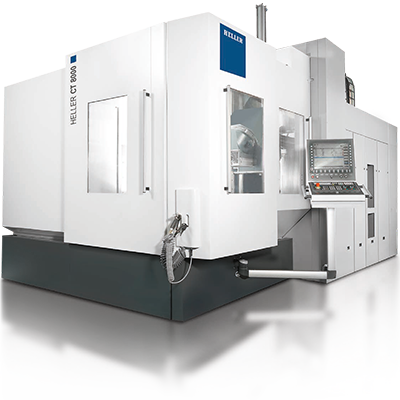
Title: Types of CNC Machines
In the realm of modern manufacturing, Computer Numerical Control (CNC) machines have revolutionized the way products are crafted. These precision tools are instrumental in transforming raw materials into intricate and high-quality components, whether for aerospace, automotive, or medical industries. Understanding the different types of CNC machines is crucial when searching for the best CNC machine shop to meet your specific needs.
-
Lathe Machines: Among the most versatile CNC machines, lathes are used for cylindrical workpieces. They rotate the material while a cutting tool removes material to create symmetrical parts. This type is ideal for creating shafts, bolts, and other cylindrical components with precision.
-
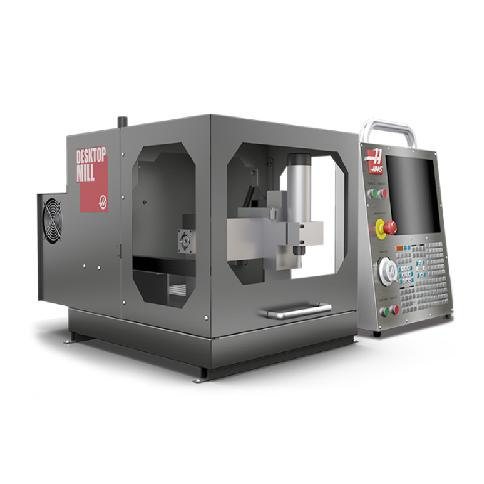
Milling Machines: Milling CNC machines are vital for creating flat or contoured surfaces. They use rotary cutting tools to remove material, making them perfect for producing intricate shapes, molds, and prototypes.
-
Plasma and Laser Cutters: These CNC machines utilize high-energy beams to cut through materials like metal, plastic, or wood. They are widely employed in metal fabrication for cutting intricate shapes and achieving clean, precise cuts.
-
Waterjet Cutters: Waterjet CNC machines use a high-pressure stream of water mixed with abrasive particles to cut through various materials. They are ideal for cutting heat-sensitive materials and are widely used in industries like aerospace and architectural design.
-
Wire Electrical Discharge Machines (EDM): EDM CNC machines are used for precision machining of conductive materials. They work by creating electrical sparks between a wire and the material, effectively eroding the material and shaping it according to the desired design.
-
Router Machines: These CNC machines are tailored for woodworking and engraving applications. They employ various cutting tools to hollow out, engrave, or shape wood and plastic materials.
-
3D Printers: While not traditionally associated with CNC machining, 3D printers are a growing part of CNC technology. They create objects layer by layer, making them highly suitable for rapid prototyping and custom component production.
-
Multi-Axis Machines: Some CNC machines offer multi-axis capabilities, allowing for intricate, three-dimensional machining. These machines are crucial for complex aerospace and medical components that require high precision.
Understanding the different types of CNC machines is pivotal in choosing the right machine shop. Each type excels in specific applications, so identifying your project's requirements is the first step toward finding the best CNC machine shop for your needs.
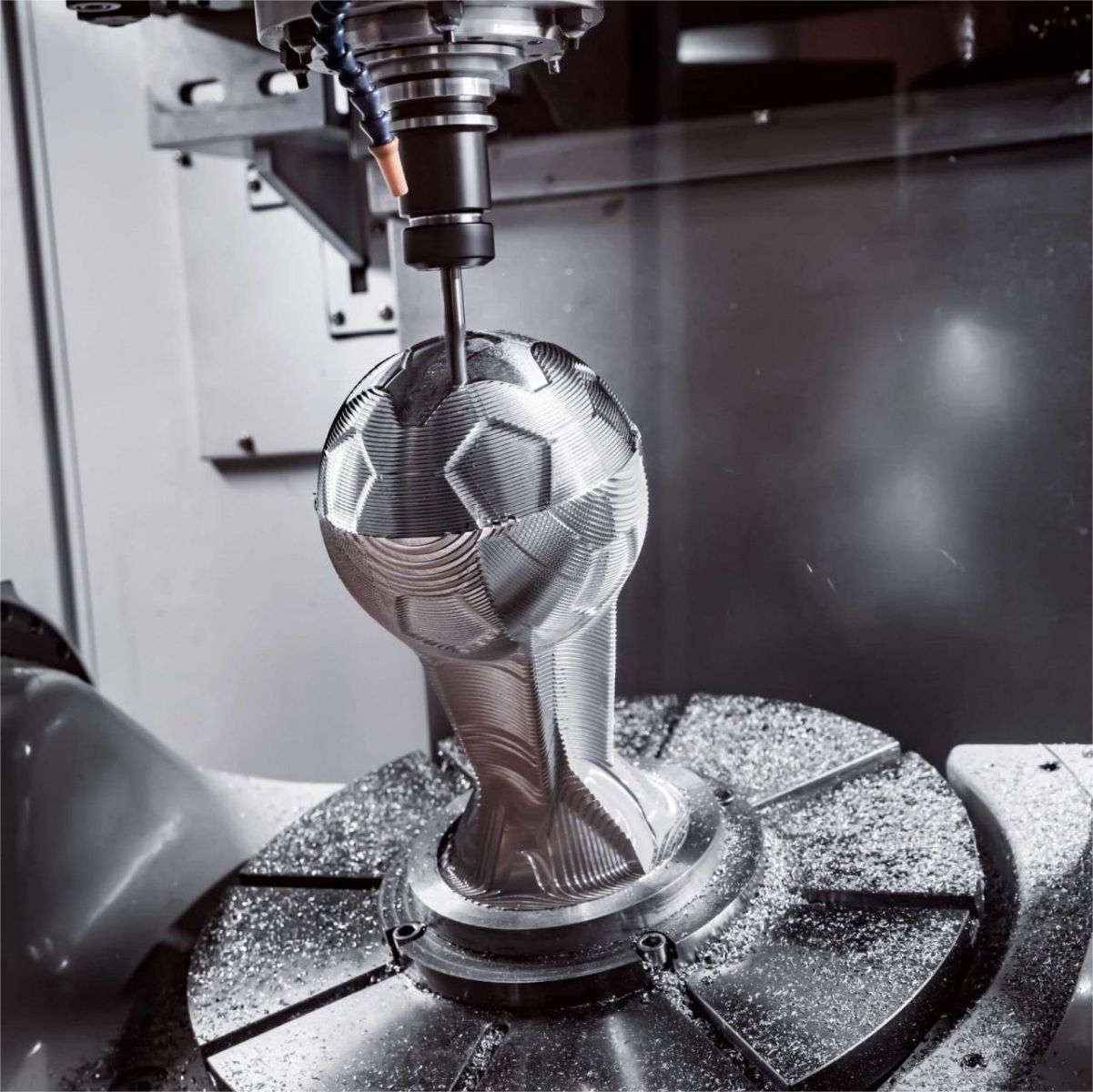
Title: Importance of Finding the Best CNC Machine Shops Near Me
In a world where precision and efficiency reign supreme, the importance of selecting the best CNC machine shop cannot be overstated. Whether you are a manufacturer seeking to outsource machining tasks or an entrepreneur with a groundbreaking idea, partnering with the right CNC machine shop can make or break your project. Here's why making the right choice matters.
-
Quality Assurance: A reputable CNC machine shop invests in cutting-edge technology and highly skilled machinists, ensuring the highest level of quality in their products. This commitment to excellence translates to the superior quality of the components you receive, reducing the likelihood of defects and costly rework.
-
Cost Efficiency: While the initial cost of CNC machining services might seem daunting, the long-term cost savings are substantial. A proficient CNC machine shop optimizes the machining process, reducing material waste and minimizing production time. This efficiency directly translates to lower production costs in the long run.
-
Expertise and Experience: The best CNC machine shops boast a team of experienced engineers and machinists who understand the nuances of CNC technology. Their expertise enables them to tackle complex projects, offer innovative solutions, and navigate potential challenges efficiently.
-
Timely Delivery: Time is often a critical factor in manufacturing. Reliable CNC machine shops have well-defined production schedules and processes in place to ensure timely delivery of your components. This minimizes production delays and helps you meet project deadlines.
-
Scalability: As your project grows, you need a CNC machine shop that can scale with you. A top-notch shop can accommodate your evolving needs, whether you require small prototype batches or large-scale production runs.
-
Reduced Risk: Partnering with a trusted CNC machine shop reduces the risk associated with subpar components or missed deadlines. This not only safeguards your investment but also helps maintain your reputation in the industry.
-
Access to Advanced Capabilities: High-quality CNC machine shops often have access to a wide range of CNC machines, including those with advanced capabilities like 5-axis machining. This versatility allows them to handle diverse projects with precision.
-
Innovative Solutions: A reliable CNC machine shop can act as a valuable partner, offering insights and innovative solutions to enhance your designs and optimize manufacturability.
In essence, choosing the best CNC machine shop is not merely a business decision; it's an investment in the success and quality of your projects. It's a strategic partnership that can significantly impact your bottom line and your ability to stay competitive in today's fast-paced manufacturing landscape.
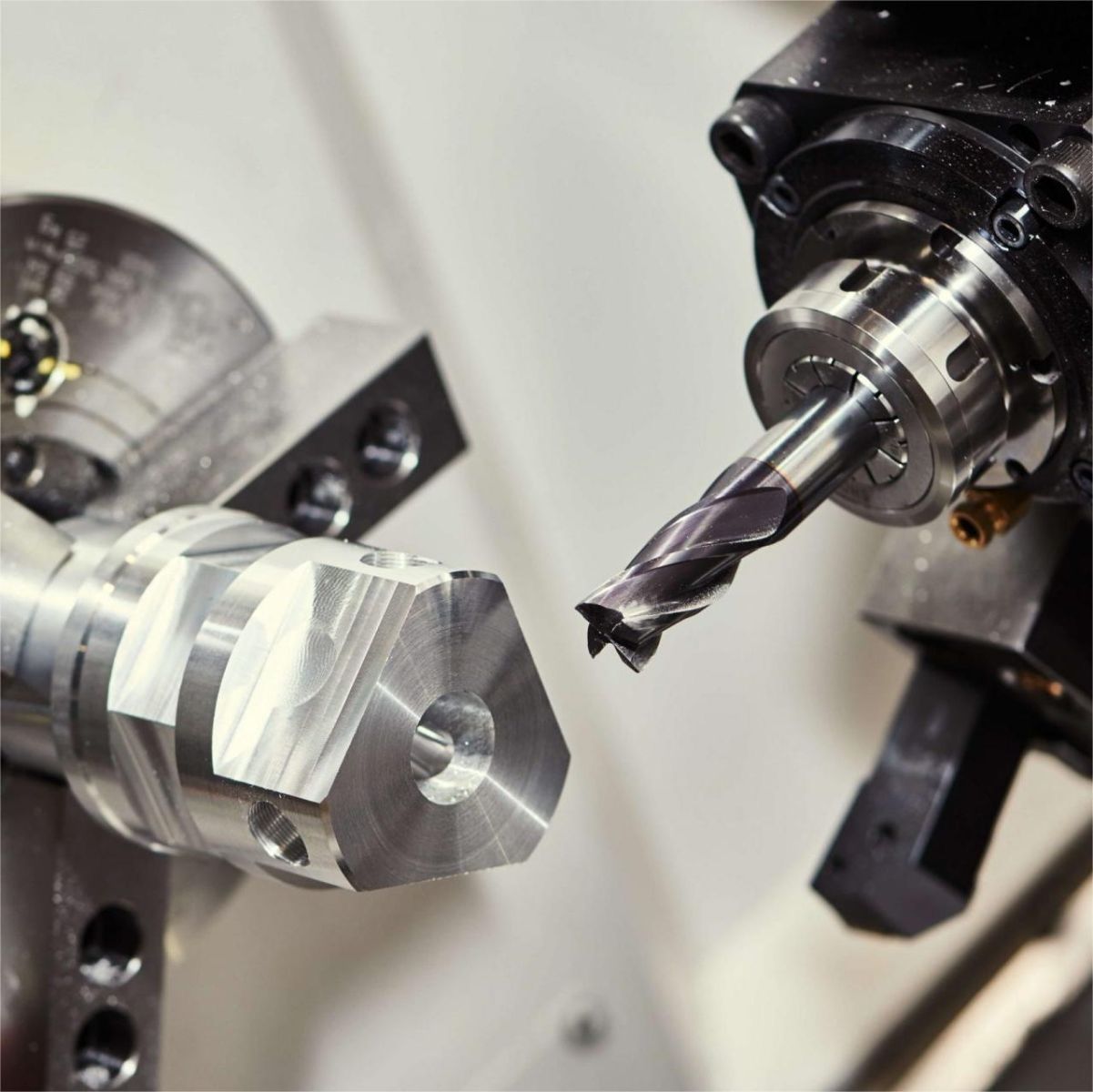
Title: Factors to Consider When Choosing a CNC Machine Shops Near Me
Selecting the right CNC machine shop for your project is a decision that warrants careful consideration. Several key factors come into play when evaluating potential shops, and taking these into account can make the difference between a successful collaboration and a frustrating one.
-
Industry Expertise: Look for a CNC machine shop that specializes or has experience in your industry. Whether it's aerospace, automotive, medical, or any other sector, industry-specific knowledge can lead to better results and compliance with industry standards.
-
Quality Certification: Verify if the CNC machine shop holds quality certifications such as ISO 9001. Certification is a strong indicator of their commitment to quality and adherence to established quality management systems.
-
Technology and Equipment: Inquire about the types of CNC machines and equipment the shop utilizes. State-of-the-art machinery with the latest technology can result in higher precision and better outcomes for your project.
-
Materials Expertise: Different projects require different materials. Ensure that the CNC machine shop is well-versed in working with the materials your project demands, whether it's metals, plastics, composites, or other specialty materials.
-
Capacity and Scalability: Assess the shop's capacity to handle your project's size and volume. Are they equipped for small-batch production, rapid prototyping, or high-volume manufacturing? Ensure they can scale with your needs.
-
Lead Times: Understand the typical lead times the shop offers. Quick turnaround can be crucial, especially for time-sensitive projects. Discuss your project's timeline and expectations.
-
Communication: Effective communication is essential for a successful partnership. Gauge the shop's responsiveness and willingness to collaborate. A CNC machine shop that values open communication can address issues and changes more effectively.
-
Cost Transparency: Request a detailed quote that outlines all costs, including materials, labor, setup fees, and any additional charges. This transparency ensures you have a clear understanding of the financial aspects of the project.
-
References and Portfolio: Ask for references or case studies that demonstrate the shop's past work. Review their portfolio to assess the quality and diversity of their projects.
-
Location and Shipping: Consider the shop's location and shipping options. Proximity can be advantageous for site visits and reduced shipping costs.
-
Sustainability Practices: If environmental responsibility aligns with your values, inquire about the shop's sustainability practices, such as waste reduction and energy efficiency.
-
Flexibility: Assess the shop's flexibility in accommodating design changes or unforeseen challenges. A flexible partner can adapt to evolving project requirements.
-
Confidentiality and Security: If your project involves sensitive information, ensure the CNC machine shop has robust security measures and a commitment to confidentiality.
Evaluating these factors will help you make an informed decision when selecting a CNC machine shop that aligns with your project's unique requirements and objectives.
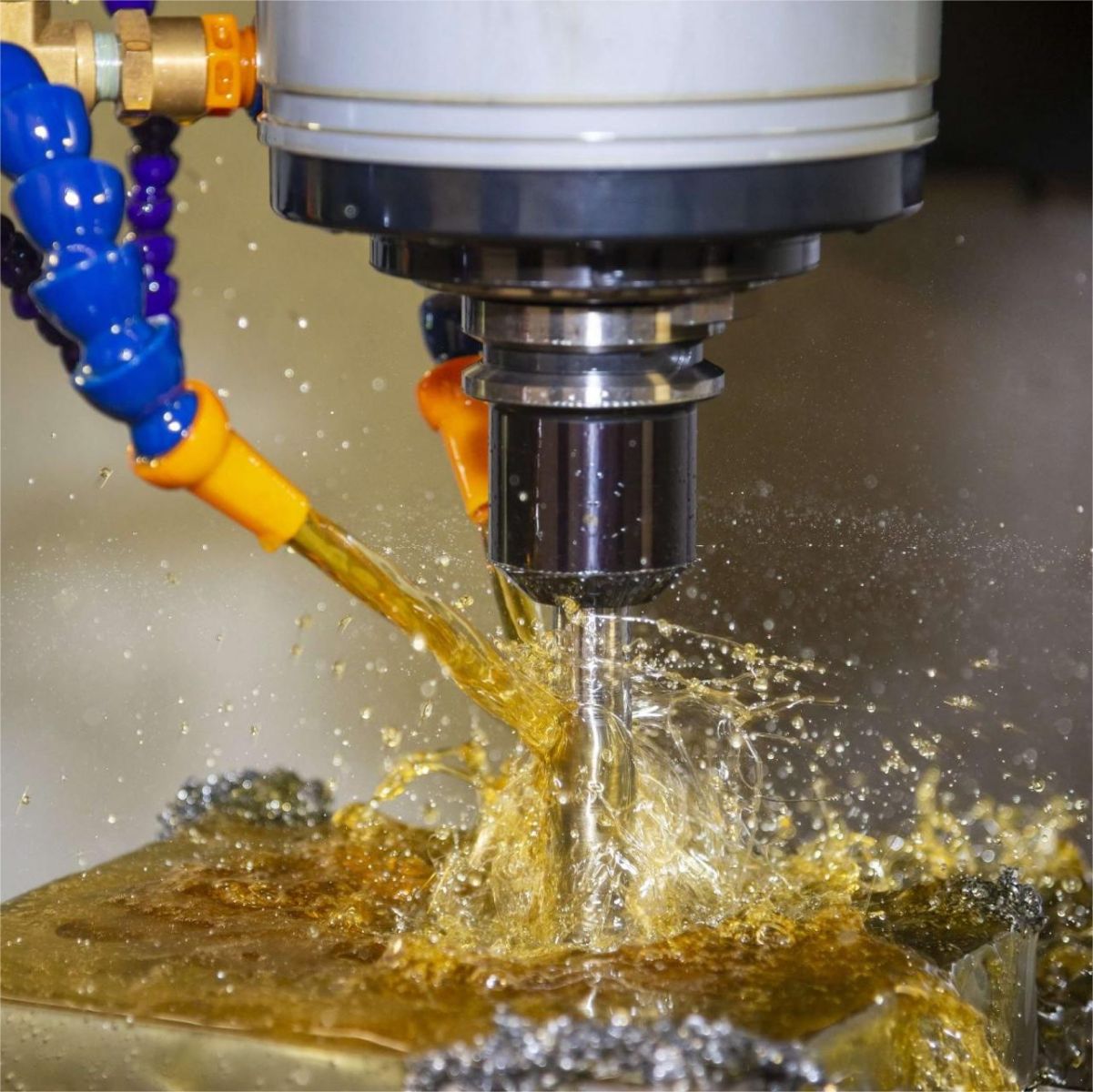
Title: Researching Local CNC Machine Shops
When embarking on your journey to find the best CNC machine shop, exploring local options can provide several advantages. Researching local CNC machine shops is not only convenient but can also foster a stronger working relationship. Here are some essential steps to help you begin your search for local CNC machine shops.
-
Online Directories and Search Engines: Start your research by using online directories and search engines. Popular platforms like Google Maps, Yelp, or specialized directories for manufacturing services can provide a list of CNC machine shops in your area.
-
Industry Associations: Many industry associations maintain directories of members, including CNC machine shops. These organizations are valuable resources for finding reputable local shops that may specialize in your industry.
-
Networking: Leverage your professional network to gather recommendations. Reach out to colleagues, industry peers, or business associates who have experience with CNC machining. Their insights can lead you to trusted local shops.
-
Trade Shows and Events: Attend industry-specific trade shows and events in your region. These gatherings often feature local CNC machine shops as exhibitors, offering an opportunity to meet them in person and discuss your project.
-
Online Reviews: Read online reviews and ratings for local CNC machine shops. Websites like Yelp, Google Reviews, and industry-specific platforms can provide valuable feedback from previous clients.
-
Social Media and Forums: Join industry-related social media groups and forums where professionals discuss their experiences with local CNC machine shops. Engaging in these communities can provide firsthand insights.
-
Local Business Directories: Check local business directories, both online and offline. These directories often include detailed information about businesses, including CNC machine shops.
-
Chamber of Commerce: Contact your local Chamber of Commerce or business association. They may have information about CNC machine shops operating in your area and can offer recommendations.
-
Visit Manufacturing Hubs: If your region has manufacturing hubs or industrial parks, consider visiting them in person. You may find several CNC machine shops clustered in such areas.
-
Evaluate Online Presence: Once you've identified potential shops, visit their websites to assess their online presence. Look for information about their services, equipment, certifications, and contact details.
-
Contact for Initial Inquiries: Reach out to the CNC machine shops you're interested in. Use this initial contact to ask questions, discuss your project requirements, and gauge their responsiveness and willingness to assist.
-
Request Site Visits: If feasible, request site visits to the CNC machine shops. A personal visit allows you to inspect their facilities, meet their team, and gain a deeper understanding of their capabilities.
-
Collect Quotes and Proposals: Request quotes and project proposals from the selected shops. Compare pricing, lead times, and the level of detail in their proposals.
By conducting thorough research and considering local CNC machine shops, you can find a partner that not only meets your project's needs but also facilitates effective communication and collaboration.
Title: Evaluating the Capabilities and Services of CNC Machine Shops Near Me
Once you've identified potential CNC machine shops, the next crucial step in the selection process is evaluating their capabilities and services. This evaluation ensures that the shop you choose can meet your specific project requirements. Here's how to assess their offerings effectively:
-
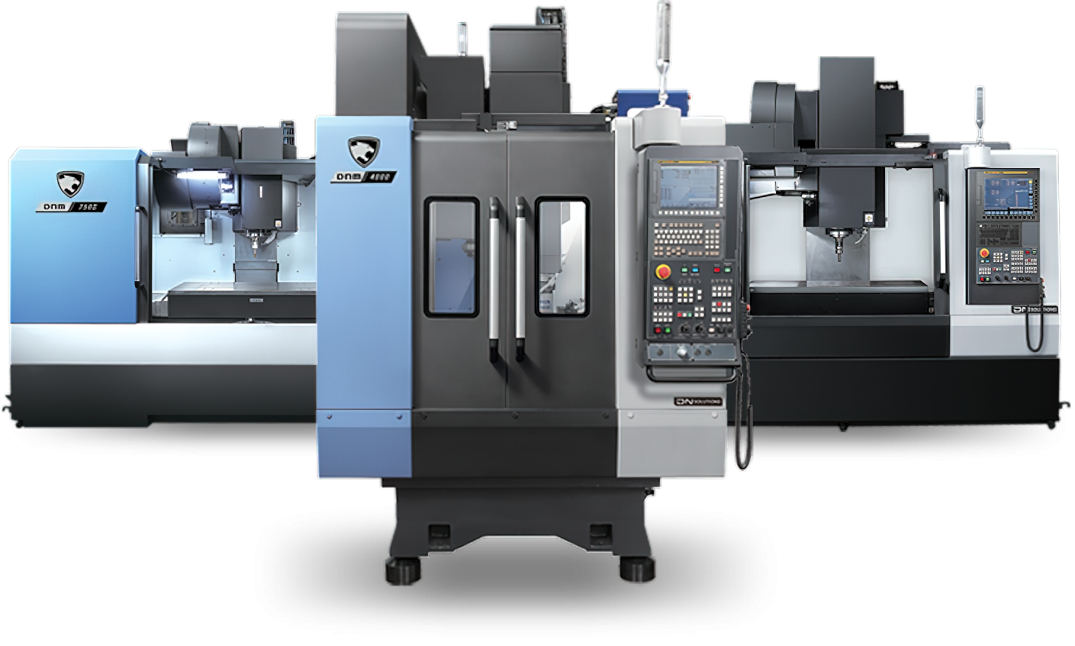
Machine Capabilities: Begin by examining the types of CNC machines they have in their arsenal. Verify if they possess the specific machines needed for your project, such as lathe machines, milling machines, or specialized equipment like 5-axis CNC machines.
-
Materials Expertise: Inquire about the range of materials the shop can work with. Ensure they have experience and proficiency in machining the materials relevant to your project, whether it's metals, plastics, ceramics, or composites.
-
Tolerance and Precision: Discuss the shop's capabilities regarding tolerance and precision. Different projects may require varying degrees of precision, so it's essential to align your expectations with their capabilities.
-
Prototyping and Small Batches: If your project involves prototyping or small-batch production, confirm that the shop is equipped and experienced in handling such requirements. Prototyping often demands flexibility and quick turnarounds.
-
Production Volume: For larger production runs, evaluate the shop's capacity to meet your volume needs efficiently. Consider their production processes and lead times to ensure they can accommodate your project's scale.
-
Quality Control Measures: Inquire about the shop's quality control measures. A reliable CNC machine shop should have rigorous quality assurance protocols in place to maintain consistency and precision in their products.
-
Secondary Operations: If your project requires secondary operations such as assembly, welding, or finishing, ensure the shop can provide these services or collaborate with trusted partners.
-
Customization and Engineering Support: Assess their ability to provide engineering support and customization services. A CNC machine shop with in-house engineers can offer valuable insights into optimizing your designs for manufacturability.
-
Tooling and Fixturing: Ask about their tooling and fixturing capabilities. Proper tooling and fixturing are crucial for ensuring the stability and accuracy of machining processes.
-
Lead Times: Discuss lead times for your project. Timely delivery is essential, so make sure the shop can meet your project's schedule requirements.
-
Communication and Collaboration: Gauge their willingness to communicate and collaborate throughout the project. Effective communication is key to addressing design changes, challenges, and progress updates.
-
References and Past Projects: Request references and review their past projects. This provides insights into their track record and the quality of work they deliver.
-
Certifications and Compliance: Verify if the shop holds relevant certifications, especially if your project demands compliance with industry or regulatory standards.
-
Cost Structure: Evaluate their cost structure, including pricing, payment terms, and any additional fees. Ensure it aligns with your budget and project expectations.
-
Sustainability Practices: If environmental responsibility is a priority, inquire about their sustainability practices, such as waste reduction and recycling initiatives.
By conducting a thorough evaluation of the capabilities and services of CNC machine shops, you can make an informed decision that ensures your project's success and meets your quality and timeline requirements.
.jpeg)
Title: Questions to Ask When Contacting CNC Machine Shops
As you embark on the journey to find the best CNC machine shop for your project, asking the right questions during your initial contact is pivotal. These questions will help you gather essential information, assess the shop's suitability, and ensure a productive collaboration. Let's dive into the key questions you should consider asking when contacting CNC machine shops.
-
Experience and Expertise:
- How long has your CNC machine shop been in business?
- Can you provide examples of projects similar to mine that you've successfully completed?
- Do you have specific expertise in my industry or the type of materials I'll be using?
-
Capabilities and Equipment:
- What types of CNC machines do you have, and what are their capabilities?
- Can you handle the materials required for my project?
- Do you have advanced machining capabilities, such as 5-axis machining?
-
Quality Control:
- What quality control measures do you have in place to ensure precision and consistency?
- Are you certified to any industry or quality standards (e.g., ISO 9001)?
- How do you address quality issues or defects if they arise?
-
Lead Times and Scheduling:
- What are your typical lead times for projects similar to mine?
- How do you manage project scheduling to meet deadlines?
- Can you accommodate rush orders if needed?
-
Communication and Collaboration:
- How do you handle project communication and updates with clients?
- Are you open to collaboration and discussing design optimizations?
- What channels of communication do you prefer?
-
Pricing and Cost Structure:
- Can you provide a detailed quote for my project, including all costs and potential additional fees?
- Do you offer different pricing models (e.g., hourly rates or project-based)?
- What payment terms do you have in place?
-
References and Portfolio:
- Can you share references or case studies of past clients or projects?
- Do you have a portfolio showcasing your work?
- Are there any notable projects or clients you've worked with?
-
Capacity and Scalability:
- What is the capacity of your CNC machine shop for both small and large projects?
- How do you handle scalability if a project's volume increases?
- Do you have backup equipment in case of machine downtime?
-
Secondary Services:
- Do you offer additional services such as assembly, finishing, or post-processing?
- Can you coordinate these secondary services if needed for my project?
- What are the associated costs and timelines?
-
Sustainability Practices:
- Do you have sustainability practices in place, such as waste reduction or eco-friendly processes?
- Are there efforts to minimize environmental impact in your operations?
-
Confidentiality and Security:
- How do you ensure the security and confidentiality of sensitive project information?
- Do you have non-disclosure agreements (NDAs) in place?
-
Problem Resolution:
- How do you handle unexpected challenges or issues that may arise during a project?
- Can you provide examples of past problem-solving experiences?
-
Customer Support:
- What level of customer support can I expect throughout my project?
- Do you have a dedicated point of contact for clients?
-
Certifications and Compliance:
- Are you compliant with industry-specific standards or regulations relevant to my project?
- Can you provide documentation to verify compliance?
-
Timeline Expectations:
- Can you provide a rough timeline for my project from start to finish?
- How do you manage project milestones and communicate progress?
By asking these critical questions when contacting CNC machine shops, you'll gain a deeper understanding of their capabilities, processes, and alignment with your project's needs.
Title: Conclusion and Final Tips for Finding the Best CNC Machine Shop
Your quest for the best CNC machine shop is a journey that culminates in a partnership that can significantly impact the success of your projects. As you've navigated through the various steps and considerations, here are some final tips and a conclusion to guide you toward making the right choice.
Final Tips for Finding the Best CNC Machine Shop:
-
Be Thorough in Research: Take your time to research, gather information, and compare multiple CNC machine shops. Rushing the decision-making process can lead to regrets later.
-
Consider Local Shops: If possible, explore local CNC machine shops. Proximity can simplify communication, site visits, and potentially reduce shipping costs.
-
Check for Industry Specialization: Seek CNC machine shops with expertise in your industry or specific project requirements. Specialization often translates to a better understanding of your needs.
-
Visit the Shop: Whenever feasible, schedule a visit to the CNC machine shop. This hands-on experience allows you to assess their facilities, meet the team, and see the machinery in action.
-
Review Customer Feedback: Customer reviews and testimonials are valuable sources of insight. Pay attention to trends and common themes in feedback to make informed decisions.
-
Ask Detailed Questions: When contacting CNC machine shops, don't hesitate to ask detailed and specific questions about their capabilities, processes, and previous projects.
-
Verify Certifications: Confirm if the shop holds relevant certifications, especially if your project requires adherence to quality or industry standards.
-
Discuss Project Timeline: Clearly communicate your project's timeline expectations and inquire about the shop's ability to meet them. Timely delivery is crucial.
-
Consider Secondary Services: If your project involves secondary services like assembly or finishing, ensure the shop can provide or coordinate these services.
-
Budget Wisely: While cost is a factor, prioritize quality and reliability over the lowest price. A slightly higher cost for superior results can be a wise investment.
Conclusion:
In the world of manufacturing and precision engineering, the choice of a CNC machine shop can be a make-or-break decision. The right shop can elevate your project, delivering high-quality components on time and within budget. On the other hand, the wrong choice can lead to costly delays, rework, and frustration.
To find the best CNC machine shop, it's crucial to follow a structured approach. Begin by understanding the types of CNC machines and their capabilities. Recognize the importance of finding a shop that aligns with your industry and project requirements. Conduct thorough research, read customer reviews, and visit the shop in person if possible.
When contacting CNC machine shops, ask the right questions to gauge their expertise, equipment, communication, and problem-solving capabilities. Ensure they meet your quality standards, adhere to industry regulations, and can deliver on your project's timeline.
By considering all these factors and heeding the final tips, you'll be well-prepared to choose a CNC machine shop that not only meets but exceeds your expectations, leading to successful projects and lasting partnerships.
FAQ 1: What Are the Primary Advantages of CNC Machining?
Keywords: CNC machining advantages, CNC machining benefits
Certainly, let's dive deeper into the primary advantages of CNC machining, expanding on each key point for a more comprehensive understanding.
Advantages of Precision: Precision in CNC machining extends beyond mere accuracy; it signifies the ability to consistently manufacture intricate components with incredibly tight tolerances. This precision is a game-changer for industries where the smallest deviations can lead to catastrophic consequences. For example, in the aerospace industry, where safety is paramount, CNC machining's precision ensures that every critical part, from turbine blades to landing gear components, meets the most stringent quality standards. This not only ensures passenger safety but also reduces maintenance costs and extends the lifespan of aircraft.
Versatility for Varied Industries: The versatility of CNC machining transcends boundaries. Beyond the aerospace sector, it finds application in the automotive industry, where precision is vital for engine components and transmission parts. Think of the complexity of an automatic transmission, with its myriad of gears and intricate components. CNC machining's precision ensures that these parts function flawlessly, enhancing vehicle performance and fuel efficiency.
Efficiency and Speed: CNC machining's efficiency and speed are indeed worth elaborating on. Time is a critical factor in today's manufacturing landscape. The ability of CNC machines to operate around the clock, tirelessly producing components with exceptional precision, is a competitive edge. For instance, in medical equipment manufacturing, where demand for precision is high, CNC machines can fabricate surgical instruments and prosthetic limbs with incredible speed. This not only meets the rising demand for healthcare but also positively impacts patient well-being by reducing waiting times for essential medical equipment.
FAQ 2: Can You Explain the Different Types of CNC Machines and Their Uses?
Keywords: Types of CNC machines, CNC milling, CNC turning, CNC laser cutting
Absolutely, let's delve deeper into the various types of CNC machines and the specific applications that make them indispensable in modern manufacturing.
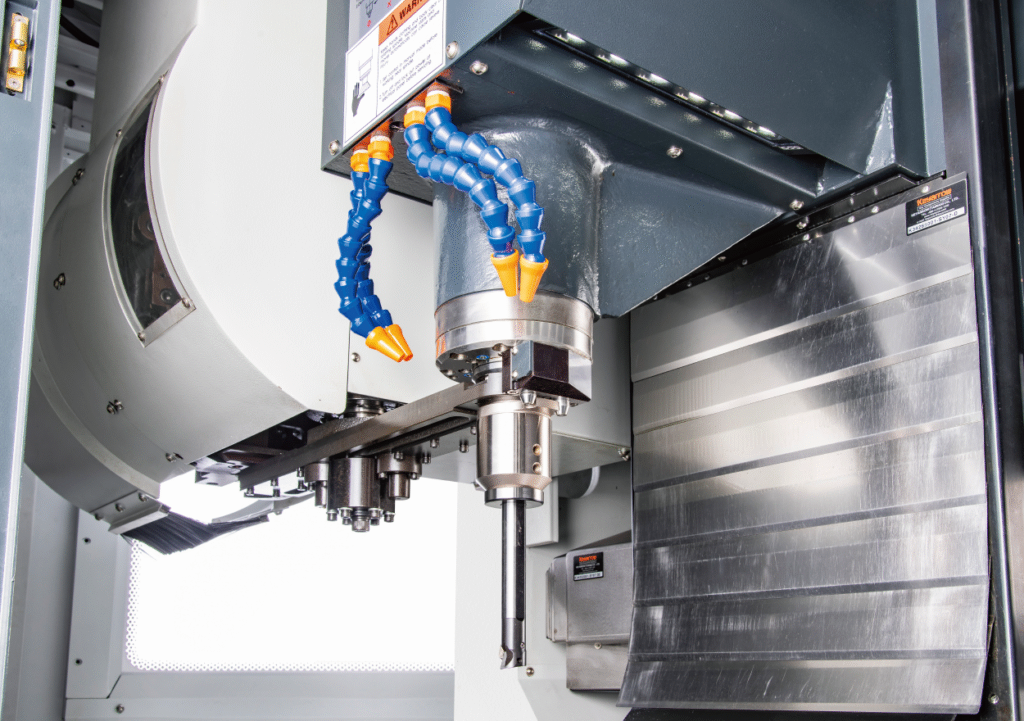
CNC Milling Machines: CNC milling machines are the workhorses of precision machining. Their adaptability ranges from crafting intricate molds for plastic injection to producing complex aerospace components. In the automotive industry, CNC milling is instrumental in the creation of engine blocks and transmission cases. These machines can effortlessly shape materials like metals, plastics, and composites with exceptional accuracy.
CNC Turning Machines: The CNC turning machine takes center stage when it comes to cylindrical parts. In the world of precision, think of the intricate threads on a bottle cap or the precise dimensions of a gear. CNC turning machines are masters at crafting these components, playing a pivotal role in industries from plumbing to automotive.
CNC Laser Cutting Machines: When precision meets versatility, CNC laser cutting machines shine. Imagine the intricate patterns of a stainless-steel sheet in a luxury appliance or the precision-cut parts for high-end electronic enclosures. CNC laser cutting offers both speed and accuracy, making it a preferred choice for industries requiring intricate shapes and clean, precise cuts.
CNC Plasma Cutting Machines: For heavy-duty applications, CNC plasma cutting machines rise to the challenge. The construction industry, for instance, relies on CNC plasma cutting to create precise, robust parts for structural elements. The speed and capability to cut through thick materials make these machines invaluable.
CNC Waterjet Cutting Machines: Waterjet cutting marries precision with versatility, capable of slicing through a spectrum of materials. It's the go-to choice for crafting intricate stone and tile designs for architecture, demonstrating how CNC technology is not confined to traditional metal and plastic applications.
GET QUOTE
- Visit our website: https://www.nbyichou.com/
- Email us: [email protected]
- Call us/whatsapp: +86 13355741031
- Chat with us: Live chat support available on our website