Welcome to the fascinating world of Nitinol, the shape-memory alloy that is revolutionizing industries across the globe. With its unique properties and wide range of applications, Nitinol has quickly become a sought-after material among engineers, medical professionals, and innovators. This remarkable alloy, composed of nickel and titanium, possesses the extraordinary ability to remember and return to its original shape after being deformed. Imagine a metal that can be twisted, bent, or stretched, only to regain its original form when heated. The possibilities offered by Nitinol are seemingly endless. From intricate medical devices like stents and orthodontic wires to aerospace components, Nitinol has proven its worth in a multitude of applications. Its flexibility, durability, and shape-memory properties make it a game-changer in industries where precision and reliability are paramount. Join us as we delve into the fascinating world of Nitinol, exploring its unique characteristics, its diverse applications, and the exciting innovations that it continues to inspire. Whether you're a science enthusiast or a professional in search of the next big breakthrough, get ready to be amazed by the wonders of Nitinol.
.jpg)
History and Discovery of Nitinol
The captivating history of Nitinol is a journey through the annals of materials science, a tale of serendipity and scientific curiosity. The story unfolds in the early 1960s when researchers William J. Buehler and Frederick Wang embarked on a mission at the United States Naval Ordnance Laboratories to develop shape-memory alloys for the U.S. Navy. Little did they know that their work would lead to the discovery of Nitinol, an alloy that would redefine the boundaries of material engineering.
Their eureka moment came when they noticed a peculiar behavior in an alloy composed of nearly equal parts nickel and titanium. This alloy had the astonishing ability to regain a predetermined shape after deformation when subjected to temperature changes. This phenomenon, now known as shape memory, was groundbreaking. It unlocked a treasure trove of possibilities for a wide range of industries, from medical devices to aerospace engineering.
The journey of Nitinol didn't stop at its initial discovery. It's a testament to human ingenuity and the relentless pursuit of knowledge that this alloy's impact has expanded far beyond naval ordnance. It has found its way into the very fabric of our modern technological world, underpinning countless innovations and applications. The history of Nitinol is a testament to the incredible advancements that can emerge from a moment of serendipity and a deep commitment to scientific exploration.
.jpg)
Properties and Characteristics of Nitinol
Nitinol, at its core, is an extraordinary alloy characterized by its unique atomic arrangement, which grants it a plethora of remarkable properties. Comprising roughly equal parts nickel and titanium, Nitinol's atomic structure is the key to its allure. One of its defining attributes is the shape-memory effect, a phenomenon that allows it to remember and revert to a specific shape when exposed to specific temperature changes.
However, the wonder of Nitinol doesn't stop at shape memory. Its superelasticity is another star feature. This property enables Nitinol to withstand substantial deformations without undergoing permanent structural changes, a trait invaluable in applications demanding flexibility and resilience.
Furthermore, Nitinol boasts excellent biocompatibility, making it an ideal choice for medical implants. Its corrosion resistance and remarkable durability ensure the longevity of its applications in various industries.
The ability to control Nitinol's properties through precise engineering and training processes has led to its widespread adoption. Engineers can tailor its characteristics to suit the demands of specific applications, a feat that is at the heart of Nitinol's success story.
Applications of Nitinol in Various Industries
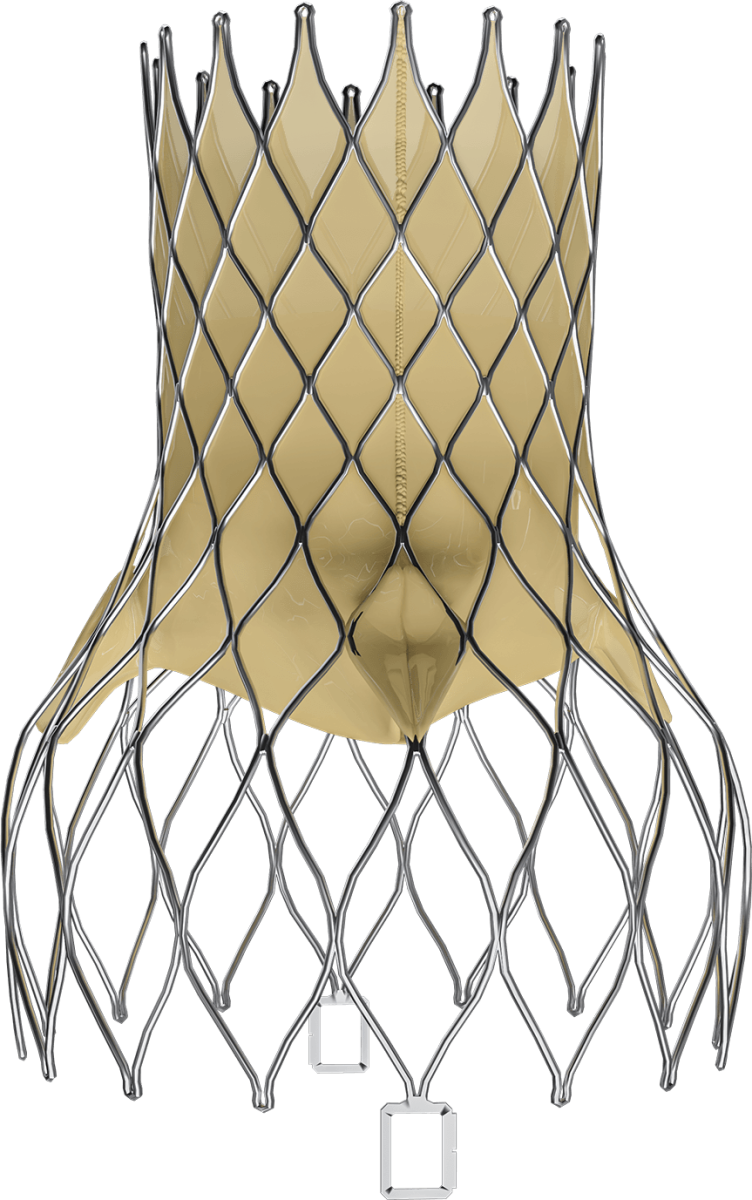
Nitinol's versatility has propelled it to the forefront of numerous industries, each harnessing its unique properties for groundbreaking applications. In the realm of medicine, Nitinol has emerged as an indispensable player. Its superelasticity and shape-memory properties have revolutionized minimally invasive surgeries, particularly in the development of self-expanding stents. These stents can be inserted in a compacted form, only to expand to their designated shape when triggered by the patient's body temperature, facilitating less invasive and more efficient medical procedures.
Venturing beyond healthcare, the aerospace industry has welcomed Nitinol with open arms. Its lightweight composition and shape-memory attributes are instrumental in the creation of actuators and deployable structures. These innovations have translated into more efficient and cost-effective aerospace systems, epitomizing the transformative power of this alloy.
Robotic systems, too, have benefited immensely from Nitinol's unique properties. Nitinol wires are at the heart of artificial muscles, enabling robots to replicate human-like movements with precision. Furthermore, Nitinol has found a niche in eyeglass frames, dental braces, and even consumer electronics, where its dependable thermal actuators enhance product performance.
The breadth of Nitinol's applications is staggering, underlining its adaptability and potential in virtually any industry that demands flexibility, durability, and controlled shape changes.
.jpg) Advantages and Disadvantages of Using Nitinol
Advantages and Disadvantages of Using Nitinol
While Nitinol's advantages are pronounced and have contributed significantly to its widespread adoption, it is crucial to acknowledge the alloy's limitations. On the positive side, its shape-memory effect and superelasticity make it an exceptional material for applications demanding flexibility and durability.
However, Nitinol's relatively higher cost compared to traditional materials can pose a challenge in certain industries, necessitating a careful cost-benefit analysis before implementation. Additionally, the alloy's sensitivity to temperature changes can lead to unintended shape alterations if not precisely controlled, which can be problematic in specific applications.
Moreover, Nitinol's nickel content raises concerns for individuals with nickel allergies. In medical and consumer applications, this requires careful consideration and potential alternative materials to ensure user safety and comfort. It's vital for engineers and designers to weigh these advantages and disadvantages when selecting Nitinol for a particular application, highlighting the importance of a comprehensive risk assessment.
Manufacturing and Processing of Nitinol
The production of Nitinol alloys is a precise and intricate process that demands an in-depth understanding of the alloy's unique properties. A central aspect of Nitinol fabrication involves a series of controlled heating and cooling cycles, during which the material's memory is programmed.
Nitinol is available in various forms, including wires, sheets, and tubes, each tailored to specific applications. Achieving these forms involves a combination of techniques, such as hot and cold rolling, swaging, and drawing, to obtain the desired mechanical properties and final product design.
Joining Nitinol to other materials is a challenge due to its unique characteristics. Techniques such as laser welding, electron beam welding, and soldering are employed to ensure a reliable bond between Nitinol and other materials, enhancing the alloy's versatility and usefulness.
The intricacies of Nitinol's manufacturing and processing underscore the importance of a deep understanding of its properties and the precise engineering required to unlock its full potential.
.jpg) Innovations and Developments in Nitinol Technology
Innovations and Developments in Nitinol Technology
Nitinol's journey through the world of technology continues, marked by ongoing innovations and developments. Recent advancements have focused on refining the manufacturing processes to reduce costs while enhancing the material's performance.
One noteworthy breakthrough is the integration of Nitinol in the realm of 3D printing. This innovation has ushered in a new era, enabling the creation of intricate and customized shapes imbued with shape-memory properties. Industries such as aerospace and medical device manufacturing have reaped the rewards of this 3D printing revolution, where Nitinol's adaptability meets cutting-edge technology.
Furthermore, researchers are exploring Nitinol's potential in energy harvesting devices. Its ability to convert mechanical energy into electrical energy has the potential to disrupt and revolutionize renewable energy solutions. From self-powered sensors to energy-efficient consumer electronics, Nitinol's role in shaping a sustainable future cannot be overstated.
These ongoing innovations highlight Nitinol's enduring relevance in modern technology and the boundless opportunities for researchers and engineers to push the boundaries of what this remarkable alloy can achieve.
Future Prospects and Potential of Nitinol
The future of Nitinol is a landscape teeming with potential and promise, where this alloy is poised to continue its journey through various industries. In the medical field, Nitinol's application is expected to expand further as researchers explore new ways to utilize its unique properties for targeted drug delivery and the development of more advanced implants.
The aerospace industry, too, is set to witness significant advancements, with Nitinol's lightweight characteristics and shape-memory properties likely leading to the creation of even more advanced mechanisms and structures. These innovations promise to reduce the weight and enhance the efficiency of aircraft and spacecraft, shaping the future of aviation and space exploration.
As the demand for miniaturization and precise control grows in robotics and electronics, Nitinol's role in these fields is poised for substantial expansion. From advanced prosthetics that offer greater mobility to autonomous vehicles with more efficient control systems, Nitinol holds significant potential in driving technological progress.
The alloy's adaptability, coupled with ongoing research and development, positions Nitinol as a cornerstone of innovation in the years to come, shaping industries and paving the way for groundbreaking technologies.
.jpg)
Safety Considerations and Precautions When Working with Nitinol
Working with Nitinol demands a deep understanding of its unique properties to ensure safety and reliability. Due to its shape-memory effect, Nitinol components can undergo unexpected shape changes when exposed to certain conditions. Proper training, testing, and quality control protocols are imperative to prevent these surprises and ensure the alloy performs as intended.
In medical applications, where patient safety is paramount, meticulous quality control measures are essential. Rigorous testing protocols, compliance with regulatory standards, and comprehensive documentation are crucial to guarantee the safety and effectiveness of Nitinol-based medical devices. The implantation of Nitinol devices must adhere to stringent regulations to minimize potential risks to patients.
Additionally, it's imperative to consider the environmental and health impacts of Nitinol. Proper disposal and recycling methods should be followed to manage its nickel content responsibly and mitigate any potential environmental hazards. A comprehensive approach to safety, spanning design, manufacturing, and disposal, is essential when working with this remarkable alloy.
Conclusion and Final Thoughts on the Impact of Nitinol
In conclusion, Nitinol's remarkable journey is a testament to the profound impact materials science can have on various industries. From its serendipitous discovery by Buehler and Wang to its far-reaching applications in medicine, aerospace, and robotics, Nitinol has left an indelible mark on the world of technology.
While Nitinol's advantages are undeniable, its limitations, such as cost and potential allergenicity, require careful consideration and risk assessment in engineering and design processes. The alloy's adaptability and remarkable properties continue to drive progress and innovation, positioning Nitinol as a linchpin of technological advancement.
As we look to the future, Nitinol's potential remains boundless, with ongoing developments and innovations poised to reshape industries and create a more sustainable and technologically advanced world. The history, properties, and applications of Nitinol all point to a material that has transcended its initial discovery, becoming a cornerstone of modern engineering and a testament to the enduring power of scientific curiosity and exploration.
FAQ 1: What Are the Key Advantages of Nitinol in Manufacturing?
Keywords: Nitinol advantages, manufacturing with Nitinol, Nickel Titanium alloy benefits
Answer: Nitinol, also known as Nickel Titanium alloy, offers a multitude of advantages in manufacturing. Its standout features include shape memory, superelasticity, and biocompatibility. These properties allow for the creation of intricate components that can return to their predefined shapes, withstand significant deformations, and be safely used in medical applications. At YICHOU, we harness Nitinol's unique attributes to craft precision parts for a wide range of industries, ensuring reliability and durability in manufacturing processes.
FAQ 2: How Is Nitinol Processed and Manufactured?
Keywords: Nitinol processing, manufacturing process, Nickel Titanium fabrication
Answer: The manufacturing process of Nitinol is intricate and demands precision. It involves a series of controlled heating and cooling cycles, where the material's memory is programmed, enabling it to return to a specific shape when exposed to temperature changes. Nitinol is available in various forms, including wires, sheets, and tubes, and the choice depends on the intended application. At YICHOU, our expertise in Nitinol processing ensures that each part we manufacture adheres to strict quality standards, meeting the diverse needs of our clients across different industries.
FAQ 3: What Are the Common Applications of Nitinol Parts in Various Industries?
Keywords: Nitinol applications, Nitinol in industries, Nickel Titanium uses
Answer: Nitinol's versatility extends across several industries. In medicine, it is pivotal for self-expanding stents, enabling minimally invasive surgeries. Aerospace industries benefit from Nitinol's lightweight properties and shape-memory characteristics, which find application in actuators and deployable structures. Nitinol's role in robotics enhances artificial muscles, replicating human-like movements. At YICHOU, we specialize in crafting Nitinol parts that cater to these diverse industries, contributing to advancements in healthcare, aerospace, and robotics, among others.
FAQ 4: What Safety Measures Should Be Taken When Handling Nitinol Parts?
Keywords: Nitinol safety, handling Nickel Titanium, precautions with Nitinol
Answer: Safety is paramount when working with Nitinol. Its shape-memory effect means components can unexpectedly change shape. Hence, proper training, quality control, and testing protocols are essential. In medical applications, rigorous testing and compliance with regulatory standards ensure patient safety. Environmental concerns also require responsible disposal and recycling methods due to Nitinol's nickel content. At YICHOU, we prioritize safety in the manufacturing and handling of Nitinol parts to ensure reliability and user protection.
FAQ 5: What Sets YICHOU Apart in the Manufacturing of Nitinol Parts?
Keywords: YICHOU Nitinol manufacturing, advantages of choosing YICHOU
Answer: YICHOU stands out as a Chinese nickel titanium alloy parts manufacturing factory with a deep understanding of Nitinol's unique properties and applications. Our expertise in Nitinol processing, quality control, and safety measures ensure that our clients receive precision-engineered parts that meet the highest industry standards. With a commitment to innovation and a relentless pursuit of excellence, YICHOU is your trusted partner in harnessing the potential of Nitinol for diverse manufacturing needs. Choose us to experience the difference in Nitinol manufacturing.