Within the vast landscape of industrial materials, there exists a metal so unassuming that it remains largely unknown to the general public, yet it fulfills an irreplaceable role on the most advanced frontiers of human engineering. When titanium alloys begin to soften at 800 degrees Celsius, when Hastelloy gradually thins in boiling sulfuric acid, and when 316L stainless steel exhibits pitting corrosion in desalination units, engineers invariably direct their attention to a singular entry on the periodic table: Element 40, Zirconium.
This is not a matter of coincidence but the inevitable conclusion drawn from the relentless testing of material limits under extreme operating conditions. From the fuel cladding of pressurized water nuclear reactors to the reactor linings of deep-sea chemical plants, and from precision orthopedic implants to critical components in semiconductor etching equipment, zirconium metal, with its almost uncompromising performance profile, stands as the sole repeatedly validated material of last resort in scenarios that demand absolute success without margin for failure.
As a specialized manufacturer deeply engaged in the processing of refractory metals and specialty alloys, YICHOU receives daily inquiries from engineers across the globe, all posing a remarkably similar question: Can your zirconium withstand our operational environment? This article will elucidate the fundamental principles that establish zirconium as the definitive material for extreme conditions, thereby assisting procurement decision-makers and research engineers in comprehending why, in applications where retreat is not an option, zirconium represents the unavoidable solution.
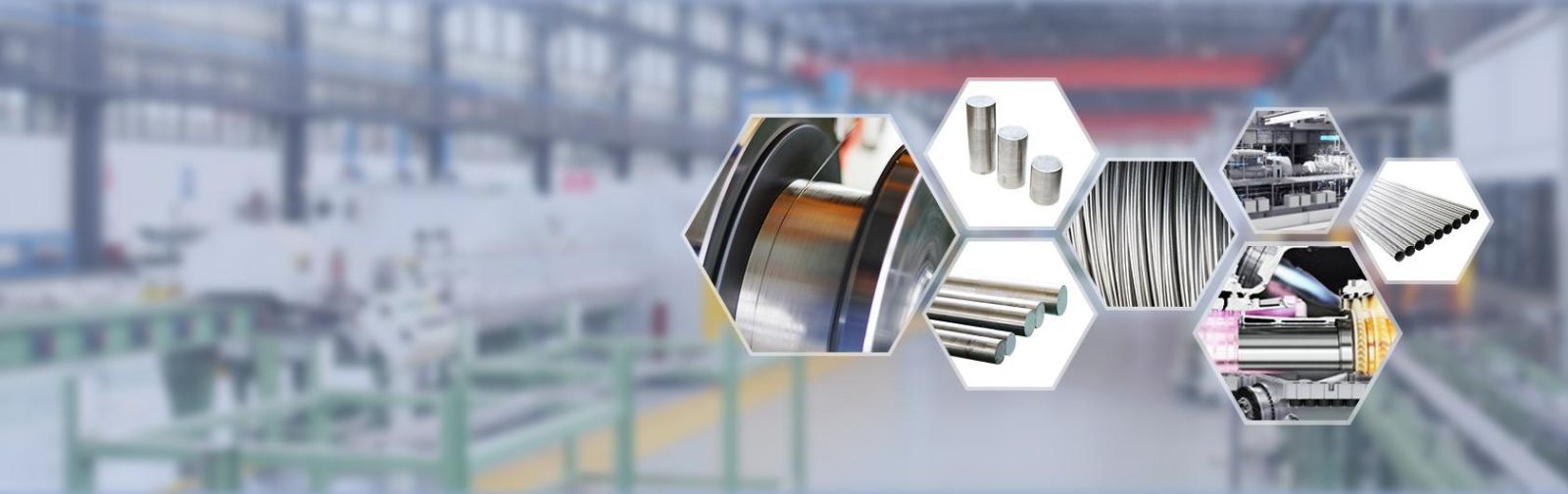
Why Is Nuclear-Grade Zirconium the Exclusive Choice for the Reactor Core?
Deep within the core of a pressurized water reactor, temperatures persistently range from 320 to 400 degrees Celsius, pressure is sustained at 15.5 MPa, and neutron irradiation intensity is sufficient to induce radiation embrittlement in the majority of metallic materials within a matter of months. The fuel rod cladding, a metallic tube with a wall thickness of less than one millimeter that must hermetically separate radioactive fission products from the water coolant, is required to maintain structural integrity for three to six refueling cycles under these infernal conditions, equating to five to eight years of uninterrupted service.
The solution resides in a technical consensus that the nuclear industry has upheld for nearly seven decades: nuclear-grade zirconium alloys. Zirconium possesses a thermal neutron absorption cross-section of merely 0.18 barns. This metric signifies that zirconium is effectively "transparent" to neutrons to a degree exceeding sixteen times that of stainless steel, which exhibits a cross-section of approximately 3 barns. Within the nuclear fission chain reaction, every neutron absorbed by cladding material represents a tangible loss in fuel utilization efficiency and an increase in operational expenditure. By substituting stainless steel with zirconium alloy cladding, nuclear power plants can achieve a reduction in nuclear fuel loading by approximately fifty percent. Translated into operational economics, this differential represents an annual cost saving measured in the tens of millions of dollars.
However, a low neutron absorption cross-section is merely the prerequisite for entry. The true irreplaceability of nuclear-grade zirconium derives from its corrosion behavior within high-temperature, high-pressure aqueous chemical environments. The annual corrosion rate of Zr-4 alloy in lithium-containing water at 360 degrees Celsius does not exceed 0.01 millimeters. This corrosion rate ensures that the reduction in cladding wall thickness remains well below the safety margin throughout the entire design life of the fuel assembly. More critically, the corrosion products of zirconium alloys do not exfoliate and migrate into the primary coolant loop in the manner observed with stainless steel. This characteristic prevents the transport and deposition of radioactive species throughout the primary circuit, a factor of paramount importance in the radiation protection framework of a nuclear facility.
The manufacturing threshold for nuclear-grade zirconium is substantially more rigorous than that for industrial-grade material. Standards such as ASTM B350 and GB/T 8767 impose a stipulation that precludes numerous material suppliers: the hafnium content must be strictly limited to less than 0.01 percent. Hafnium and zirconium coexist inextricably in nature, possessing chemical properties of such similarity that their separation presents a challenge comparable to isolating a single individual from a pair of identical twins. Yet, the thermal neutron absorption cross-section of hafnium exceeds that of zirconium by a factor of over six hundred. Even a residual concentration measured in parts per ten thousand would entirely negate the low neutron absorption advantage of zirconium. This necessitates that zirconium material manufacturers possess proprietary mastery of hafnium-zirconium separation technology and establish a comprehensive quality traceability system extending from zirconium sponge to the finished cladding tube. Every melt batch number for nuclear-grade zirconium tubing must be traceable to its raw material origin, an uncompromising mandate imposed by nuclear safety culture upon the supply chain.
YICHOU supplies nuclear-grade zirconium rods, tubes, and custom forgings to the nuclear industry, strictly adhering to the quality assurance requirements of ASTM B351 and ASME Boiler and Pressure Vessel Code Section III Division NB. Each product lot is accompanied by third-party ultrasonic inspection reports and intergranular corrosion test data. We fully comprehend that upon a product's entry into the nuclear island, it no longer bears solely a mechanical load but constitutes the innermost physical barrier within the three-tiered defense-in-depth safety architecture.
Why Do Strong Chemical Acids and Deep-Sea Corrosion Prove Ineffective Against It?
If the value of nuclear-grade zirconium is predicated upon the scarcity of its physical properties, then the dominance of industrial-grade zirconium in chemical processing and marine engineering stems from a chemical characteristic that captivates corrosion engineers: its spontaneous formation of a passivation film of such density and integrity that it borders on obsessively protective in oxidizing environments.
The chemical composition of this film is zirconium dioxide. While typically measuring only a few to several tens of nanometers in thickness, it sustains enduring chemical inertness in boiling sulfuric acid, hydrochloric acid, and nitric acid. Industrial pure zirconium R60702 exhibits an annual corrosion rate of less than 0.1 millimeters in sulfuric acid at a concentration of twenty percent and temperatures ranging from 120 to 140 degrees Celsius. This performance metric far surpasses the capabilities of titanium alloys and stainless steels. Even more remarkable is the behavior of the Zr-2.5Nb alloy in concentrated thirty-seven percent hydrochloric acid, where the thermal tolerance threshold extends to 130 degrees Celsius. This implies that across the majority of process temperature windows in chemical engineering, zirconium equipment requires virtually no additional corrosion allowance in wall thickness design.
Pesticide intermediate production serves as a definitive proving ground for material corrosion resistance. Consider a specific pesticide hydrolysis reaction environment involving a mixture of twenty percent sulfuric acid and methylnaphthylamine at temperatures between 220 and 250 degrees Celsius under a pressure of 15 atmospheres. In such conditions, a standard carbon steel reactor will perforate within hours, and a lead-lined vessel achieves a service life of merely fifty to sixty batches. Conversely, a zirconium-lined reactor operating under identical conditions for over two thousand hours registers an annual corrosion rate of only 0.024 to 0.04 millimeters. Post-commissioning, product yield increased by thirty percent, and annual lead material consumption was reduced by forty tons. These figures derive not from accelerated laboratory corrosion tests but from actual in-situ coupon monitoring data obtained from production operations.
The demand for zirconium in marine engineering is equally compelling. Valves, pump bodies, and heat exchangers in seawater desalination plants endure persistent exposure to high concentrations of chloride ions, an exposure that precipitates both pitting corrosion and stress corrosion cracking in stainless steels. The pitting resistance equivalent number of zirconium in seawater far surpasses that of titanium and super austenitic stainless steels, establishing it as the preferred material for critical wetted components in multi-stage flash and reverse osmosis desalination facilities. In recent projects, IDE Technologies has adopted high-velocity oxy-fuel sprayed zirconium-based composite coatings for pump body surface enhancement, achieving a fivefold improvement in cavitation erosion resistance compared to conventional solutions.
Zirconium's resistance to strong acids is defined by a specific boundary: hydrofluoric acid constitutes its Achilles' heel. Fluoride ions form soluble complexes with zirconium, thereby breaching the protective integrity of the passive film. Furthermore, the performance of zirconium in strongly oxidizing media such as wet chlorine gas and aqua regia mandates careful evaluation. This explains why YICHOU's technical personnel, upon receiving an inquiry from a chemical industry client, prioritize the acquisition of complete parameters regarding medium composition, temperature, and pressure over immediate quotation. We are resolute in our refusal to permit clients to incur costs for unsuitable operating conditions or to allow zirconium material to fail in environments where failure is not preordained.
Why Are Medical Implants Transitioning Discreetly from Titanium to Zirconium?
Titanium alloys have maintained hegemony in the orthopedic implant sector for decades. However, a subtle yet significant material transition is underway: an increasing number of joint replacement prostheses and dental implants are adopting zirconium alloys as the matrix material. The principal impetus for this shift is located within the interdisciplinary domain of biomechanics.
The elastic modulus of human bone ranges approximately from 15 to 30 GPa. Conventional titanium alloy Ti-6Al-4V possesses an elastic modulus of approximately 110 GPa, while stainless steel and cobalt-chromium alloys exceed 200 GPa. When the stiffness of an implant substantially exceeds that of the host bone, the physiological load transfer pathway is altered. The bone, deprived of requisite mechanical stimulation, undergoes gradual resorption and atrophy. This phenomenon, termed stress shielding by orthopedic surgeons, represents the primary etiological factor in long-term implant loosening.
Zirconium alloys provide a compelling solution. Medical-grade zirconium alloys, such as those within the ZrTiNb system, can achieve an elastic modulus as low as 40 to 50 GPa. While still exceeding that of cancellous bone, this value represents the closest approximation to the intrinsic mechanical properties of skeletal tissue among metallic implant materials. A lower modulus facilitates more uniform load distribution, diminished bone resorption, and enhanced long-term survivorship. Clinical follow-up data indicate a five-year bone ingrowth rate exceeding ninety percent for zirconium alloy implants, with a significantly reduced incidence of periprosthetic radiolucent lines compared to traditional titanium alloy prostheses.
Biocompatibility constitutes an additional, less conspicuous advantage of zirconium. The surface oxide layer formed on zirconium within the physiological milieu exhibits exceptional resistance to protein adsorption and an exceedingly low ion release rate. Cytotoxicity assays and hemolysis tests consistently satisfy the rigorous criteria of ISO 5832-14. Of particular note is that zirconium induces substantially less artifact interference in magnetic resonance imaging than stainless steel or cobalt-chromium alloys. Postoperative patients receiving zirconium implants exhibit reduced image distortion during MRI examinations, a factor of definitive clinical benefit for orthopedic patients necessitating long-term radiographic surveillance.
YICHOU supplies medical-grade zirconium rods and custom forgings to medical device manufacturers, strictly conforming to YY/T 0660 and ISO 5832-14 standards. Each product batch is accompanied by comprehensive biocompatibility documentation and mechanical property test data. We recognize that upon implantation, a material represents not merely mechanical support but a determinant of the patient's quality of life for decades to come.
Aerospace and Semiconductors: The Invisible Frontline of Zirconium Application
In contemporary aero-engines, where turbine inlet temperatures have surpassed 1600 degrees Celsius, thermal barrier coatings serve as the terminal defense safeguarding the superalloy substrate. Yttria-partially stabilized zirconia remains the unassailably dominant ceramic topcoat material in service today. The zirconate system, by virtue of its advantageous combination of low thermal conductivity and high thermal expansion coefficient, constructs a thermal insulation barrier several hundred microns thick on high-pressure turbine blades and combustor components, effecting a temperature reduction of the alloy substrate by 100 to 300 degrees Celsius. Recent research from Songshan Lake Materials Laboratory indicates that novel coating materials incorporating high-entropy rare-earth zirconates exhibit a reaction layer thickness of merely 40 microns under molten silicate corrosion conditions at 1300 degrees Celsius, representing an order-of-magnitude improvement in corrosion resistance relative to conventional YSZ.
Etching equipment utilized in semiconductor manufacturing represents another domain of profound yet largely unacknowledged dependence on zirconium. Within fluorine-containing plasma environments, the interior walls of reaction chambers and electrode components are subjected to the synergistic assault of ion bombardment and chemical corrosion. The zirconium fluoride layer that forms on zirconium surfaces in halogen plasmas exhibits an exceptionally low sputtering yield and superior corrosion resistance, rendering zirconium an optimal candidate material for critical etch chamber components. As integrated circuit process nodes advance toward 3 nanometers and below, the purity requirements for chamber materials increase exponentially. Any metallic atom dislodged from the chamber wall may constitute a fatal defect on the wafer surface. The value proposition of high-purity zirconium in this context is undergoing rigorous reassessment by leading global semiconductor equipment manufacturers.
YICHOU delivers a comprehensive service spectrum encompassing zirconium rods, plates, and precision-machined components to aerospace and semiconductor clientele. Whether the requirement is for target material feedstock for aero-engine thermal barrier coatings or custom liners for semiconductor etch tools, we ensure that each product withstands scrutiny at the nanoscale through controlled grain structure and stringent dimensional tolerances.
Why Are High-End Components Inextricably Linked to Zirconium Metal? Three Fundamental Truths
First, when the corrosion rate constitutes the safety margin, the tolerance for error is absolute zero. In applications such as nuclear reactor fuel cladding, subsea tree valve bodies, and strong acid reactor vessels, corrosion transcends economic considerations to become the direct precursor of safety incidents. The annual corrosion rate of zirconium in the majority of oxidizing media is less than 0.1 millimeters. This signifies that equipment designed for a twenty-year service life requires virtually no additional wall thickness allowance for corrosion. Zirconium provides the assurance that stainless steel cannot.
Second, when lightweight design and biomechanical compatibility become absolute imperatives, no viable alternative exists. The aerospace sector pursues every gram of weight reduction, while orthopedic implants demand elastic congruence with skeletal tissue. These two ostensibly disparate requirements converge upon a common answer in zirconium. The density of zirconium is a mere 6.52 grams per cubic centimeter, rendering it approximately twenty-seven percent lighter than nickel-based superalloys. Concurrently, the elastic modulus of medical zirconium alloys approaches the mechanical envelope of human bone. This is not incremental optimization but the decisive threshold determining whether a product secures airworthiness certification or clinical validation.
Third, when machining precision and batch-to-batch consistency determine project success or failure, the supply chain assumes greater significance than the material itself. The reactive nature of zirconium mandates that all processing be conducted under rigorous atmospheric control. Welding necessitates high-purity argon trailing shields, heat treatment requires vacuum environments to preclude oxidation, and machining must avoid iron contamination and mitigate hydrogen embrittlement risk. A qualified zirconium material supplier is distinguished not solely by compositional compliance but by comprehensive process chain control spanning melting, forging, heat treatment, and precision machining. YICHOU endorses every zirconium rod, flange, and custom forging with two decades of accumulated expertise in refractory metal processing.
Critical Considerations for Zirconium Procurement Decision-Makers
As the evaluation of zirconium material suppliers commences in earnest, the answers to the following inquiries will exert direct influence upon project cost, lead time, and ultimate quality. Drawing upon hundreds of completed deliveries, YICHOU delineates the most critical decision-making dimensions.
What constitutes the core distinction between nuclear-grade and industrial-grade zirconium, and how does one preclude erroneous grade selection during procurement?
The fundamental distinction between nuclear-grade zirconium (e.g., Zr-4, ZIRLO) and industrial-grade zirconium (e.g., R60702, R60705) resides in hafnium content control and the associated quality assurance framework. Nuclear-grade zirconium mandates a hafnium content below 0.01 percent, a prerequisite for ensuring a low neutron absorption cross-section. Industrial-grade zirconium permits a hafnium content not exceeding 4.5 percent and imposes no requirements regarding neutron absorption performance. The primary determination during procurement must ascertain whether the intended application involves an irradiation environment. If the answer is negative, industrial-grade zirconium offers significant advantages in both cost and lead time. YICHOU's technical team confirms comprehensive operating parameters prior to quotation, ensuring that grade recommendations align precisely with service requirements.
What is the typical lead time for zirconium materials, and which factors exert the most significant influence?
Standard lead times for nuclear-grade zirconium materials typically range from six to twelve months. Industrial-grade zirconium materials generally require four to eight weeks. Custom forgings and precision-machined components may necessitate an additional two to four weeks, contingent upon complexity. The predominant factor influencing lead time is the supply of zirconium sponge raw material. Global production capacity for nuclear-grade zirconium sponge is highly concentrated, with a limited number of qualified suppliers. YICHOU mitigates this constraint by maintaining strategic inventory reserves and engaging multiple sponge suppliers concurrently, thereby compressing standard lead times for industrial-grade zirconium to industry-leading benchmarks.
What specific requirements govern the welding and processing of zirconium equipment?
Welding of zirconium must be executed under high-purity argon shielding gas with a purity not less than 99.99 percent. Both the weld zone and heat-affected zone require comprehensive trailing shield protection to prevent oxidation-induced discoloration. Contact with carbon steel tooling is strictly prohibited during processing, as iron contamination significantly diminishes the corrosion resistance of zirconium. Post-weld vacuum annealing is mandated to relieve residual stresses. YICHOU possesses established zirconium welding procedure qualifications and a team of certified welders, capable of undertaking projects ranging from simple butt welds to the fabrication of complex lined structures.
How can one ascertain whether a supplier possesses genuine zirconium material processing capability?
Authentic zirconium processing capability is evidenced across three dimensions: possession of ASME NPT or equivalent nuclear component manufacturing certification, establishment of a complete quality traceability system from raw material to finished product, and in-house capability for critical inspection methodologies including ultrasonic testing, eddy current examination, and intergranular corrosion testing. YICHOU's quality assurance documentation encompasses melt batch numbers, third-party ultrasonic inspection reports, and mechanical property test data, ensuring full traceability of each component to its material provenance.
What potential risks merit vigilance during the long-term service of zirconium materials?
Hydrogen embrittlement constitutes the primary failure mode requiring vigilance in the long-term service of zirconium materials. Storage environment humidity should be maintained below forty percent to mitigate hydrogen absorption and consequent loss of ductility. Environments containing fluoride species, wet chlorine gas, or aqua regia are incompatible with zirconium application. Periodic inspection of the surface oxide film integrity represents an effective measure for ensuring prolonged safe equipment operation. YICHOU furnishes each client with detailed operational and maintenance recommendations designed to maximize the design life of zirconium assets.
In confronting extreme operating conditions, material selection is never a singular choice but a multidimensional equation encompassing safety, service longevity, and total cost of ownership. Zirconium metal, with its composite attributes of nuclear-grade safety, resistance to strong acids and alkalis, seawater corrosion immunity, and favorable biocompatibility, furnishes a time-tested solution for scenarios where retreat is untenable. YICHOU leverages two decades of refractory metal processing expertise to transform this solution from an inconspicuous symbol on the periodic table into dependable zirconium rods, tubes, forgings, and bespoke engineering solutions upon which you may confidently rely. When your project arrives at a critical juncture in material selection, our team remains prepared to provide specialized technical consultation.
Get Quote
- Visit our website: https://www.nbyichou.com/
- Email us: [email protected]
- Call us/whatsapp: +86 13355741031
- Chat with us: Live chat support available on our website