Your Guide to Choosing and Purchasing Agricultural Drones for Modern Farming
Section 1: What Are Agricultural Drones and Their Uses?
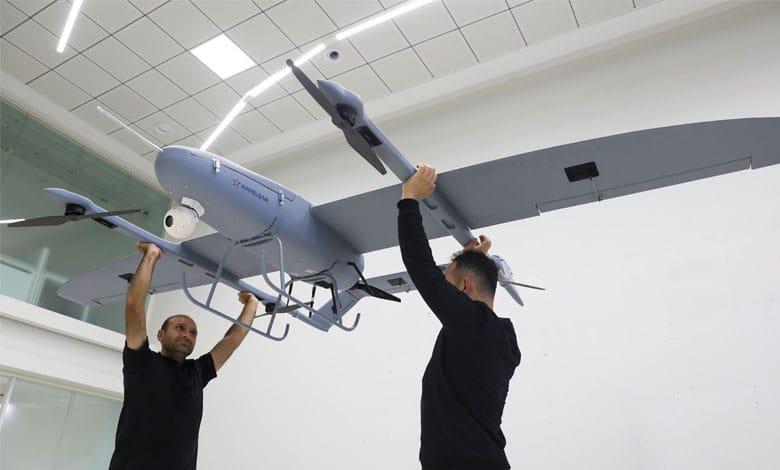
Agricultural drones, also known as agricultural UAVs (Unmanned Aerial Vehicles), are advanced tools revolutionizing modern farming. These drones are designed to perform specific agricultural tasks with efficiency and precision, leveraging aerial technology to enhance productivity and sustainability.
Key Applications of Agricultural Drones:
-
Crop Spraying: Agricultural drones equipped with spraying systems distribute fertilizers, pesticides, and herbicides evenly across fields, minimizing waste and ensuring precise application. This method reduces labor costs and improves crop health.
-
Field Mapping: Using GPS and advanced imaging technologies, drones create detailed maps of fields. These maps help farmers understand variations in soil types, crop conditions, and identify areas needing attention.
-
Soil and Crop Health Analysis: Drones capture multispectral images to monitor soil moisture levels, detect diseases, and assess nutrient deficiencies in crops. This real-time data enables informed decision-making to improve yields.
-
Livestock Monitoring: Drones help monitor livestock by providing aerial views of pastures and herds. They assist in tracking animal locations, detecting strays, and ensuring overall welfare without manual intervention.
-
Irrigation Management: With thermal cameras, drones identify dry patches in fields, helping optimize water usage. This targeted irrigation strategy conserves water and ensures crops receive adequate hydration.
How Drones Are Used in Agriculture Agricultural drones integrate advanced technologies to perform tasks that were previously labor-intensive and time-consuming. By adopting drones, farmers achieve higher precision, reduce costs, and contribute to sustainable farming practices.
Section 2: Why Invest in Agricultural Drones?
The adoption of agricultural drones offers unparalleled benefits to modern farmers, delivering high profitability and a compelling return on investment (ROI). By leveraging these technologies, farmers can significantly enhance their operational efficiency and crop output.
Key Advantages of Agricultural Drones:
-
Reduced Labor Costs: Agricultural drones automate labor-intensive processes, minimizing the need for manual intervention. This reduction in workforce dependency translates to significant cost savings, especially for large-scale operations.
-
Increased Crop Yield: With precision farming techniques, drones identify and address specific field conditions, ensuring optimal crop health. This targeted approach boosts yields and maximizes profits.
-
Precision Farming Techniques: Drones provide data-driven insights into soil conditions, crop health, and weather patterns. These insights empower farmers to make precise decisions, reducing input wastage and improving overall efficiency.
Comparing Traditional Methods vs. Drone-Based Farming:
Traditional farming methods often rely on manual labor and generalized treatments, which can be time-consuming and inefficient. Drone-based farming, in contrast, focuses on precision and automation, delivering faster, more reliable results. For instance:
-
Spraying Efficiency: Drones apply fertilizers and pesticides with greater accuracy, reducing chemical runoff and environmental impact.
-
Time Savings: Field mapping and health analysis, which would take days manually, can be completed in hours with drones.
Investing in agricultural drones is not just about adopting technology; it's about staying competitive and sustainable in an evolving agricultural landscape.
Are Agricultural Drones Profitable? Yes, agricultural drones are highly profitable when used strategically. They enable cost reductions, improve yields, and provide a quick return on investment by optimizing resource usage and enhancing productivity.
Section 3: How to Choose the Right Agricultural Drone
Choosing the right agricultural drone is critical for ensuring maximum efficiency and productivity. Below are the key factors to consider:
Key Factors to Consider:
-
Payload Capacity: Depending on your farming needs, choose a drone with an appropriate payload capacity. For example, drones used for crop spraying should carry sufficient liquid without compromising flight stability.
-
Battery Life and Range: Evaluate the drone's flight time and range to ensure it covers your field size without frequent recharging or interruptions.
-
Camera and Sensor Options: Advanced cameras and sensors, such as multispectral and thermal imaging, are essential for monitoring crop health, soil conditions, and irrigation needs.
-
Ease of Operation: Look for user-friendly drones with intuitive controls and automation features, such as pre-programmed flight paths and obstacle avoidance.
-
Durability and Weather Resistance: Agricultural drones often operate in challenging environments. Ensure your drone is built to withstand harsh weather conditions and rugged use.
Licensing Requirements for Agricultural UAVs:
In most regions, operating an agricultural drone requires a license or certification, depending on its use and weight. For example:
-
Commercial Use: Requires compliance with aviation regulations, such as obtaining a Part 107 license in the United States.
-
Recreational Use: May require adherence to specific guidelines, such as registering the UAV and adhering to local flight restrictions.
By addressing these factors, you can select a drone that aligns with your operational requirements and budget.
Section 4: Understanding the Cost of Agricultural Drones
The cost of agricultural drones can vary significantly based on multiple factors. Here’s a breakdown to help you understand the pricing structure:
Factors Affecting the Cost:
-
Drone Type:
-
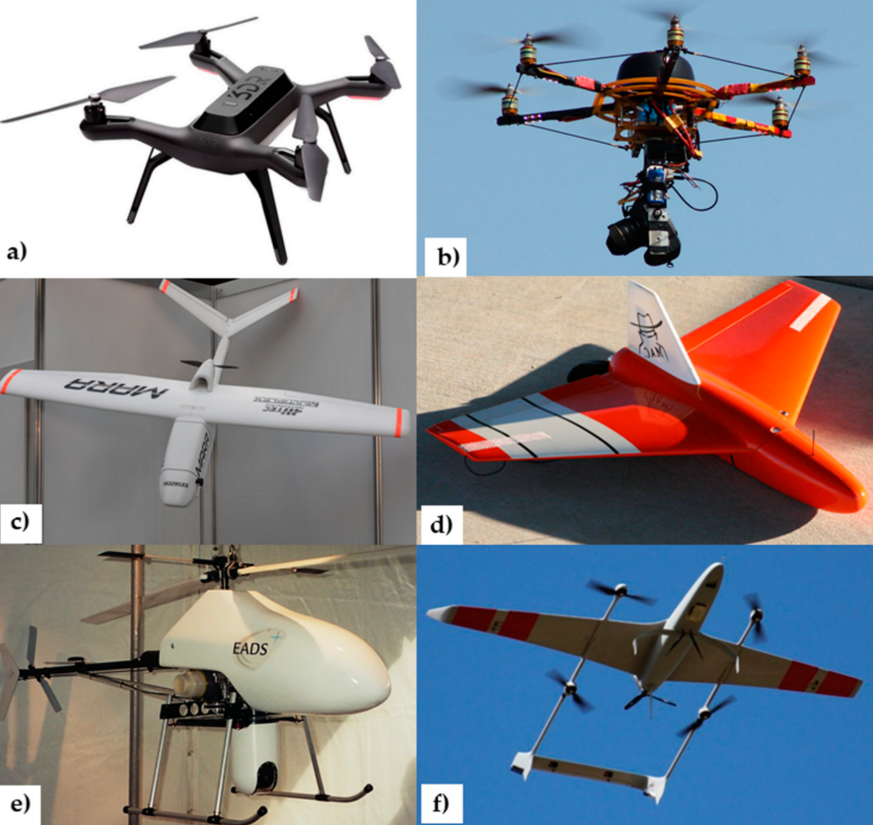
Fixed-Wing Drones: Ideal for large-scale mapping and surveillance, typically priced higher due to their extended range and efficiency.
-
Multi-Rotor Drones: Versatile and easier to operate, these are generally more affordable but have shorter flight times.
-
Hybrid Drones: Combining the best of fixed-wing and multi-rotor designs, these offer enhanced capabilities but at a premium price.
-
-
Features: Advanced technologies, such as GPS, AI-powered analytics, and automation systems, significantly influence the cost. Drones equipped with high-resolution cameras, multispectral sensors, and spraying systems command higher prices.
-
Maintenance and Operating Costs: Ongoing expenses, including battery replacements, software updates, and repairs, should be factored into the total cost of ownership.
Affordable Solutions from YICHOU: YICHOU offers a range of agricultural drones at competitive prices, ensuring you get the best value for your investment. With cutting-edge features and reliable performance, our drones cater to diverse farming needs without compromising quality.
Section 5: Frequently Asked Questions (FAQs)
-
Do I need a license to operate an agricultural drone? Yes, licensing requirements vary by region. For instance, in the United States, commercial drone operators must obtain a Part 107 license from the Federal Aviation Administration (FAA).
-
How much does a drone cost per acre for spraying? The cost varies depending on the drone model and field conditions but generally ranges from $1 to $10 per acre. Advanced drones with efficient spraying systems offer cost-effective solutions for large-scale operations.
-
What is the lifespan of an agricultural UAV? Most agricultural drones have a lifespan of 3 to 5 years with proper maintenance. High-quality drones from YICHOU are designed for durability, ensuring long-term reliability.
-
Are drones a good investment for small-scale farmers? Yes, drones can be a valuable investment for small-scale farmers by reducing labor costs, improving efficiency, and enabling precision farming techniques that enhance productivity.
Explore More with YICHOU: For detailed guides and additional resources, visit our website or contact our team to find the perfect drone solution for your needs.
Section 6: Why Choose YICHOU for Agricultural Drones?
YICHOU has established itself as a leader in drone manufacturing, offering cutting-edge solutions tailored to the needs of modern agriculture. Here’s why you should consider YICHOU for your agricultural drone requirements:
Expertise in Drone Manufacturing:
YICHOU combines years of expertise with state-of-the-art technology to deliver innovative agricultural drones. Our team of engineers and specialists is dedicated to providing high-quality products that cater to diverse farming needs.
Product Range and Customization:
YICHOU offers a wide range of drones, from entry-level models for small-scale farmers to advanced UAVs for large-scale operations. Additionally, we provide customization options to ensure our drones meet your specific requirements.
Customer Support and After-Sales Services:
At YICHOU, we prioritize customer satisfaction by offering comprehensive support and after-sales services. From product training to maintenance assistance, our team is here to help you every step of the way.
Section 7: Future of Agricultural Drones
The future of agricultural drones is exciting, with new trends and technologies set to transform farming further. Here are some key developments to watch:
-
AI Integration: Artificial intelligence will enable drones to analyze data more accurately, providing actionable insights for farmers. AI-powered drones can identify crop diseases, optimize spraying paths, and predict yields with greater precision.
-
Autonomous Operations: Fully autonomous drones will eliminate the need for manual intervention, making farming more efficient. These drones can perform tasks like planting, spraying, and monitoring without human input.
-
Drone Swarms: The use of multiple drones working together as a swarm will improve efficiency and coverage. For instance, a swarm of drones can simultaneously spray large fields, reducing time and effort.
YICHOU’s Commitment to Innovation: YICHOU is at the forefront of these advancements, continuously investing in research and development to stay ahead of industry trends. By choosing YICHOU, you’re not only getting high-quality drones but also partnering with a company dedicated to the future of agriculture.
Ready to take your farming to the next level? Explore our range of agricultural drones today and discover how YICHOU can transform your operations.
Conclusion
Agricultural drones are revolutionizing the way farming is done, offering unprecedented efficiency, accuracy, and productivity. From reducing labor costs to enabling precision farming techniques, the benefits of investing in these cutting-edge tools are clear. As technology continues to evolve, agricultural UAVs are poised to become an essential part of modern farming practices.
At YICHOU, we are committed to providing high-quality, reliable agricultural drones tailored to meet your specific needs. With our expertise in drone manufacturing, extensive product range, and exceptional customer support, we are your trusted partner in transforming your farming operations.
Explore YICHOU’s range of agricultural drones for sale today. Contact us for a quote and take your farming to the next level!