1. Introduction
Forged Carbon Fiber (FCF) is an advanced composite material that combines high strength, lightweight properties, and a unique marbled aesthetic. Unlike traditional woven carbon fiber, FCF uses short, randomly oriented carbon fibers mixed with resin and compressed under high pressure, resulting in a stronger, more cost-effective material with exceptional design flexibility.
This innovative material is rapidly gaining popularity across industries such as automotive, aerospace, and luxury goods due to its superior performance-to-weight ratio and striking visual appeal. From high-end sports car interiors to aerospace components and premium consumer products, forged carbon fiber is setting new standards in material engineering.
At YICHOU, we specialize in manufacturing high-performance forged carbon fiber components tailored to industry demands. Our cutting-edge production techniques ensure superior quality, durability, and precision, making us a trusted supplier for global clients.
2. What is Forged Carbon Fiber?
The Technology Behind Forged Carbon Fiber
Forged carbon fiber is a next-generation composite made from short chopped carbon fibers (typically 5-50mm in length) mixed with a high-strength resin matrix. The mixture is placed into a mold and subjected to high-pressure compression molding, creating a dense, ultra-strong material with a distinctive marbled pattern.
Manufacturing Process
-
Fiber Preparation – Carbon fiber strands are chopped into short lengths.
-
Resin Mixing – Fibers are combined with epoxy or other high-performance resins.
-
Molding & Compression – The mixture is placed into a mold and compressed under extreme pressure (up to 1,000 psi).
-
Curing – The material is heat-treated to harden the resin and lock fibers in place.
-
Finishing – The final product is trimmed, polished, or coated for enhanced durability.
Forged Carbon Fiber vs. Woven Carbon Fiber
| Feature | Forged Carbon Fiber (FCF) | Woven Carbon Fiber |
|---|---|---|
| Fiber Alignment | Randomly oriented fibers | Uniform, woven pattern |
| Strength | High isotropic strength (equal strength in all directions) | Directional strength (strongest along fiber weave) |
| Production Speed | Faster (minutes per part) | Slower (hours for layup & curing) |
| Complex Shapes | Easier to mold into intricate designs | Limited by weave constraints |
| Aesthetic | Unique marbled appearance | Traditional checkerboard look |
| Cost | Lower for high-volume production | Higher due to manual labor |
Key Properties & Characteristics
Lightweight – Up to 70% lighter than steel while maintaining high strength.
High Strength-to-Weight Ratio – Comparable to titanium in some applications.
Impact Resistance – More durable than traditional carbon fiber in certain cases.
Design Flexibility – Can be molded into complex shapes that woven carbon cannot achieve.
Cost-Effective – More affordable for mass production compared to woven carbon fiber.
Forged carbon fiber is not inherently bulletproof, but when engineered with additional layers or hybrid composites, it can provide ballistic protection. It is also not scratch-proof, but protective coatings can enhance surface durability.
.jpg)
3. Advantages of Forged Carbon Fiber
Forged carbon fiber offers several key benefits that make it superior to traditional materials in many applications. These advantages explain why industries ranging from automotive to consumer electronics are increasingly adopting this innovative material.
Superior Strength-to-Weight Ratio
Forged carbon fiber provides an exceptional strength-to-weight ratio, often outperforming steel and aluminum while being significantly lighter. This makes it ideal for applications where reducing weight is critical without sacrificing structural integrity, such as in aerospace components and high-performance automotive parts.
Complex Shape Capabilities
Unlike woven carbon fiber, which has limitations due to its directional fiber alignment, forged carbon fiber can be molded into intricate and complex shapes with relative ease. The random orientation of short fibers allows for more design flexibility, enabling manufacturers to create parts with curves, undercuts, and detailed geometries that would be difficult or impossible with traditional carbon fiber.
Aesthetic Appeal
The unique marbled appearance of forged carbon fiber sets it apart from other materials. This distinctive look has made it popular in luxury goods, high-end automotive interiors, and premium consumer products where visual appeal matters as much as performance.
Production Efficiency Benefits
The manufacturing process for forged carbon fiber is faster and more scalable than traditional carbon fiber production. Compression molding allows for shorter cycle times compared to the labor-intensive layup process required for woven carbon fiber. This efficiency makes forged carbon fiber more suitable for mass production while maintaining high quality.
Cost Advantages for Certain Applications
While forged carbon fiber is more expensive than some conventional materials like steel or aluminum, it often proves more cost-effective than woven carbon fiber, especially for high-volume production. The reduced labor and faster production times contribute to lower overall costs, making it an attractive option for industries looking to balance performance and budget.
4. Disadvantages and Limitations
Despite its many advantages, forged carbon fiber does have some limitations that buyers should consider before selecting it for their applications.
Scratch Resistance Concerns
The surface of forged carbon fiber can be prone to scratching if not properly treated. While protective coatings can mitigate this issue, it remains less scratch-resistant than some metals and ceramics. This makes it less suitable for high-wear applications unless additional surface treatments are applied.
Not Inherently Bulletproof
Forged carbon fiber is strong but not naturally bulletproof. However, when combined with other materials in a composite structure, it can be engineered to provide ballistic protection. For applications requiring bullet resistance, additional layers or hybrid materials would be necessary.
UV Degradation Without Proper Coatings
Exposure to ultraviolet (UV) light can degrade the resin matrix in forged carbon fiber over time, leading to discoloration and potential weakening of the material. UV-resistant coatings are essential for outdoor applications to ensure long-term durability.
Repair Challenges
Damaged forged carbon fiber components can be more difficult to repair than traditional materials. Unlike metals, which can often be welded or patched, forged carbon fiber typically requires specialized techniques and materials for effective repairs. This can increase maintenance costs in some cases.
Higher Cost Than Some Alternatives
While forged carbon fiber is often more affordable than woven carbon fiber, it still carries a higher price tag than materials like steel, aluminum, or fiberglass. Buyers must weigh the performance benefits against budget constraints to determine if the investment is justified for their specific needs.
By understanding both the advantages and limitations of forged carbon fiber, buyers can make informed decisions about whether it is the right material for their projects. For applications where lightweight strength, design flexibility, and aesthetic appeal are priorities, forged carbon fiber offers compelling benefits that often outweigh its drawbacks.
.jpg)
5. Forged Carbon Fiber vs. Other Materials
When selecting materials for high-performance applications, understanding how forged carbon fiber compares to alternatives is crucial. This section provides detailed comparisons to help buyers make informed decisions.
FCF vs. Woven Carbon Fiber
Forged carbon fiber differs significantly from traditional woven carbon fiber in several key aspects:
-
Strength: While woven carbon fiber offers directional strength along its fiber orientation, FCF provides more uniform (isotropic) strength due to its random fiber alignment
-
Production: Woven carbon requires labor-intensive layering and curing, while FCF uses faster compression molding
-
Cost: FCF typically costs 20-40% less than woven carbon for mass production
-
Design Flexibility: FCF excels in complex geometries where woven carbon's continuous fibers would be difficult to implement
FCF vs. Steel
The steel comparison highlights FCF's advantages:
-
Weight: FCF is about 70% lighter than steel at comparable strength
-
Corrosion: Unlike steel, FCF is completely rust-proof without coatings
-
Strength-to-Weight: FCF matches or exceeds many steel alloys in strength while being dramatically lighter
-
Thermal Properties: Steel handles higher temperatures, making it better for extreme heat applications
FCF vs. Titanium
The titanium comparison reveals interesting tradeoffs:
-
Weight: FCF is about 40% lighter than titanium
-
Cost: High-grade titanium can cost 5-8 times more than FCF
-
Strength: While titanium has higher absolute strength, FCF's strength-to-weight ratio is superior
-
Manufacturing: FCF allows more complex shapes without expensive machining
FCF vs. Aluminum
Aluminum remains a strong competitor:
-
Weight: FCF is 20-30% lighter than aluminum
-
Stiffness: FCF offers greater rigidity at similar weights
-
Fatigue Resistance: FCF outperforms aluminum in cyclic loading situations
-
Temperature: Aluminum maintains properties at higher temperatures than standard FCF
FCF vs. Fiberglass
The fiberglass comparison shows when each is appropriate:
-
Strength: FCF is 2-3 times stronger than fiberglass
-
Weight: FCF is about 30% lighter than fiberglass
-
Cost: Fiberglass remains significantly cheaper for non-critical applications
-
UV Resistance: Standard fiberglass handles sunlight better without coatings
6. Common Applications
Forged carbon fiber's unique properties make it ideal for numerous industries:
Automotive Components
-
Interior trim pieces with premium aesthetics
-
Structural components where weight reduction is critical
-
High-performance brake system parts
-
Custom aftermarket accessories
Aerospace Applications
-
Non-critical structural components
-
Interior cabin elements
-
UAV/drone frames
-
Satellite hardware
Luxury Goods
-
High-end watch cases and bands
-
Premium phone and tablet cases
-
Exclusive eyewear frames
-
Designer accessories
Sporting Goods
-
Bicycle components
-
High-performance racquet frames
-
Protective gear
-
Fishing equipment
Industrial Uses
-
Robotics components
-
Medical equipment parts
-
Semiconductor manufacturing tools
-
Specialized machinery components
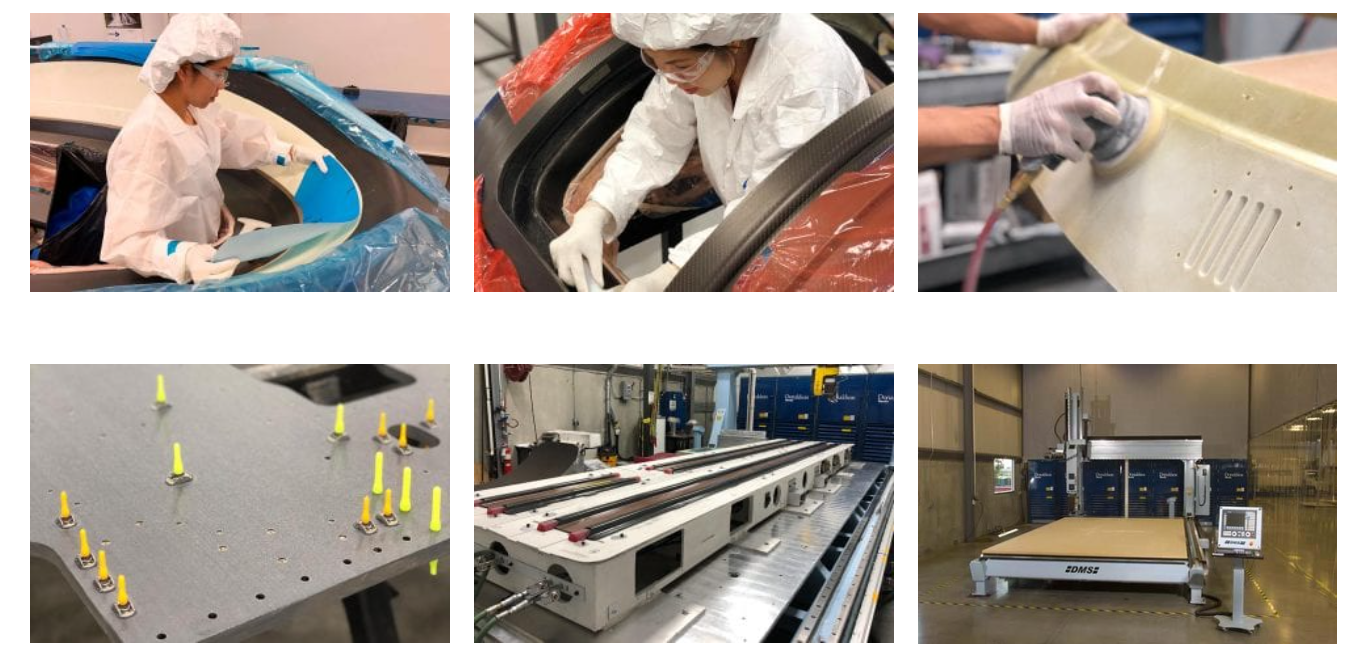
7. How to Identify Quality Forged Carbon Fiber
Ensuring you receive genuine, high-quality forged carbon fiber is essential for performance and safety.
Visual Inspection
-
Look for consistent fiber distribution without clumping
-
Check for uniform resin saturation (no dry spots)
-
Examine edges for clean cuts without delamination
-
Verify the characteristic marbled pattern is present
Density and Weight
-
Quality FCF should feel substantial but exceptionally light
-
Compare weight to specifications - significantly heavier pieces may indicate poor manufacturing
Certification Requirements
-
Request material certifications (ISO, ASTM standards)
-
Verify resin system specifications
-
Ask for mechanical property test data
Testing Methods
-
Tap test for consistent sound (no hollow spots)
-
Flex test for uniform stiffness
-
Edge inspection under magnification for fiber alignment
-
Thermal testing for resin cure quality
Why YICHOU's Quality Stands Out
-
Strict control of fiber length and distribution
-
Premium resin systems for optimal performance
-
Advanced compression molding techniques
-
Rigorous quality control at every production stage
-
Full traceability of materials and processes
-
Comprehensive testing documentation provided
By understanding these quality indicators, buyers can confidently specify and source forged carbon fiber components that will perform as expected in their applications. YICHOU's commitment to quality ensures our forged carbon fiber meets the highest industry standards while offering competitive pricing and reliable supply.
.jpg)
8. Cost Considerations for Forged Carbon Fiber
Understanding the pricing factors of forged carbon fiber helps buyers make cost-effective decisions for their projects. Several key elements influence the final price:
Key Price Factors:
-
Production Volume: Larger orders typically benefit from economies of scale
-
Part Complexity: Intricate designs requiring specialized molds cost more
-
Surface Finish: Mirror polishing or custom textures add to the price
-
Resin System: Standard epoxy is most economical; specialty resins cost more
-
Tolerances: Tighter precision requirements increase manufacturing costs
Material Cost Comparison:
-
30-50% less expensive than woven carbon fiber for comparable parts
-
2-3 times more costly than aluminum (but often lighter and stronger)
-
5-8 times more affordable than titanium in many applications
-
10-15 times pricier than fiberglass but significantly stronger
Long-Term Value:
While the initial investment may be higher than conventional materials, forged carbon fiber delivers superior value through:
-
Reduced maintenance costs (no corrosion, minimal wear)
-
Longer service life in demanding environments
-
Weight savings that improve fuel efficiency in vehicles
-
Premium aesthetics that maintain value over time
YICHOU's Competitive Pricing:
We offer exceptional value through:
-
Optimized manufacturing processes that reduce waste
-
Bulk material purchasing discounts we pass to customers
-
Efficient production planning that minimizes downtime
-
Custom solutions tailored to your exact budget requirements
9. Maintenance and Care Guide
Proper maintenance ensures your forged carbon fiber products maintain their performance and appearance:
Cleaning Recommendations:
-
Use mild soap and water with a soft microfiber cloth
-
Avoid abrasive cleaners or scrubbing pads
-
Dry thoroughly to prevent water spots
-
For deep cleaning, use specialized composite cleaners
Scratch Prevention:
-
Apply protective wax or ceramic coatings
-
Use felt-lined storage for accessories
-
Avoid contact with sharp objects
-
Consider clear protective films for high-wear areas
UV Protection:
-
Specify UV-resistant resins during manufacturing
-
Apply automotive-grade UV protectant regularly
-
Store outdoor items in shade when possible
-
Consider pigmented coatings for maximum protection
Repair Options:
-
Small scratches can often be polished out
-
Professional refinishing available for deeper damage
-
Structural repairs should be performed by specialists
-
YICHOU offers repair services for our products

10. Why Choose YICHOU for Your Forged Carbon Fiber Needs
Manufacturing Capabilities:
-
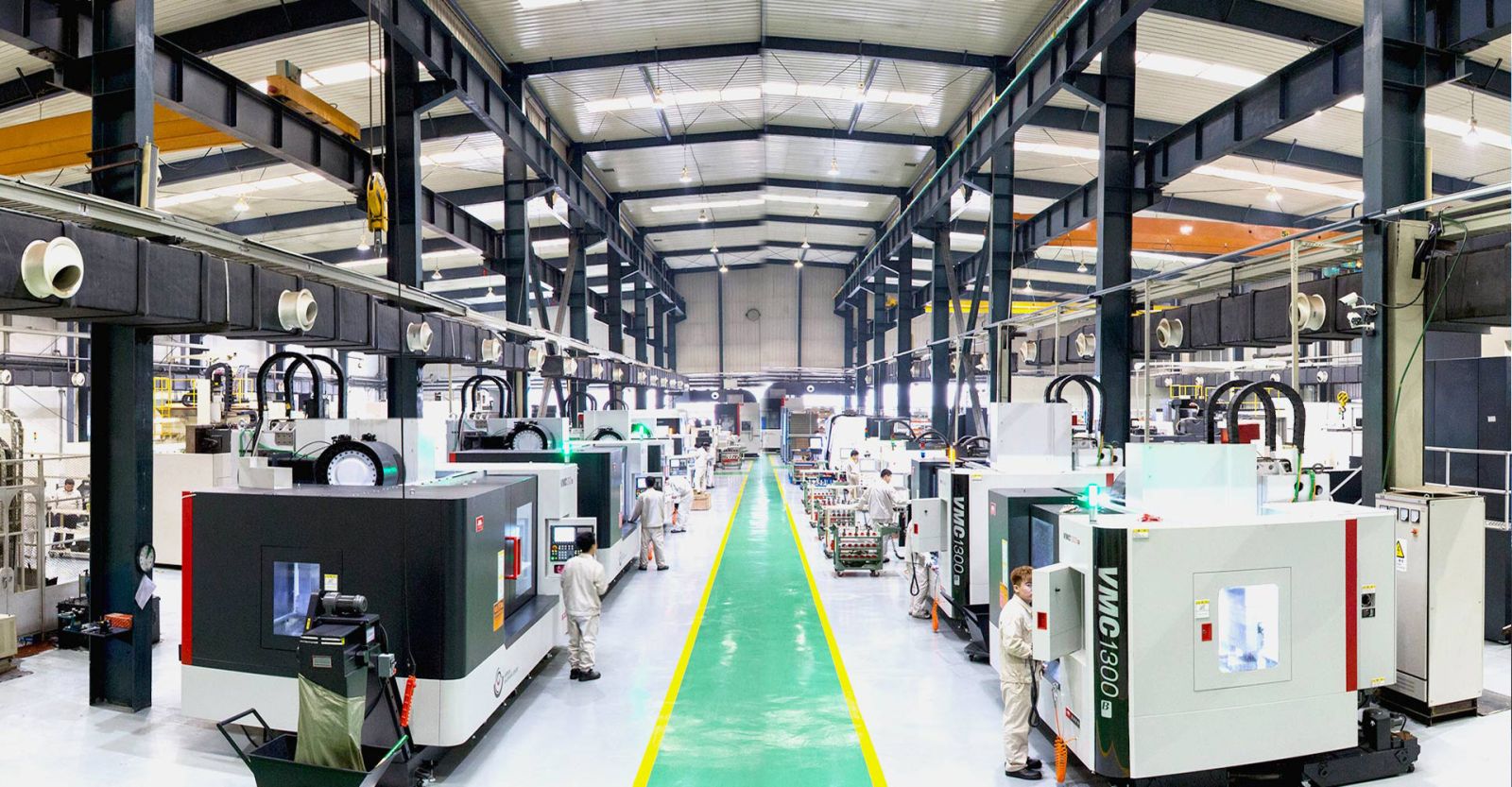
State-of-the-art compression molding facilities
-
Capacity for both prototyping and mass production
-
Advanced CNC machining for precision finishing
-
In-house design and engineering support
Quality Assurance:
-
ISO 9001 certified manufacturing processes
-
Batch testing of all raw materials
-
100% inspection of critical dimensions
-
Comprehensive mechanical property verification
Customization Options:
-
Tailored resin formulations for specific needs
-
Custom color and finish options
-
Proprietary fiber blends for enhanced performance
-
Complete design-to-production services
Industry Experience:
-
10+ years specializing in forged carbon fiber
-
Served 200+ clients across 15 industries
-
Technical expertise in automotive, aerospace, and consumer goods
-
Continuous R&D investment in material improvements
Customer Success Stories:
-
Developed 30% lighter aerospace components for major manufacturer
-
Created premium automotive interiors for luxury brands
-
Engineered high-impact cases for electronics leader
-
Produced award-winning sporting goods equipment
Take the Next Step:
Ready to explore how forged carbon fiber can enhance your products? Contact YICHOU today to:
-
Request a free project consultation
-
Get a competitive quote
-
Discuss your specific requirements
-
Learn about our latest material innovations
Get Your Custom Quote Today
- Contact Us: Share your project details with our experienced team, and let us provide tailored solutions for your unique needs.
- Fast & Competitive Pricing: Receive a detailed quote quickly, ensuring your project stays on track.
- Reach Out Anytime:
- Email: [email protected]
- Call/WhatsApp: +86 13355741031
- Live Chat: Connect with our support team instantly via our website's chat feature